
Photo essay: Mayssa Jaoudat’s Suzanne, Long Road
The French-Moroccan photographer’s work celebrates liminal space and delves deep into what it means to belong

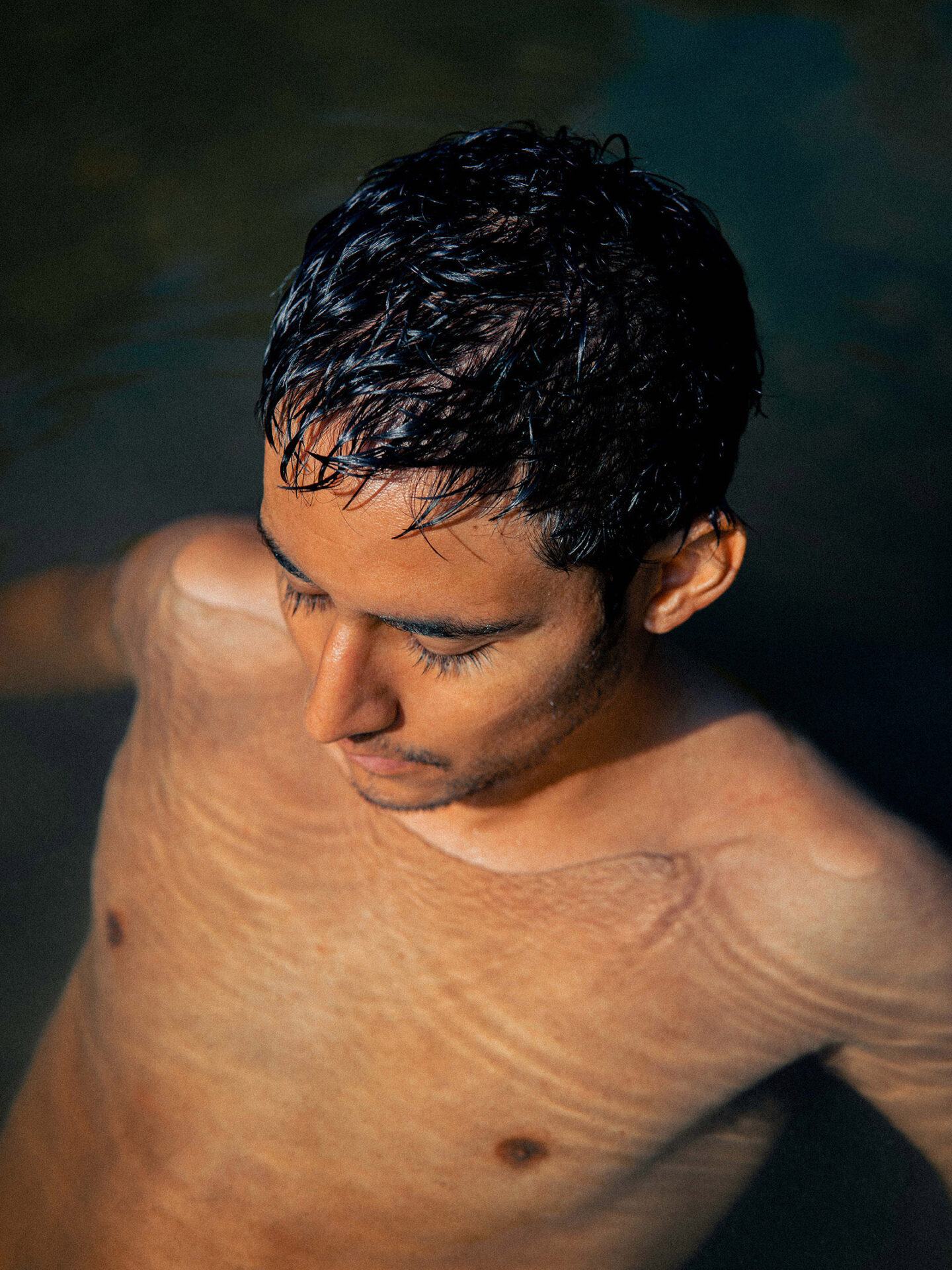
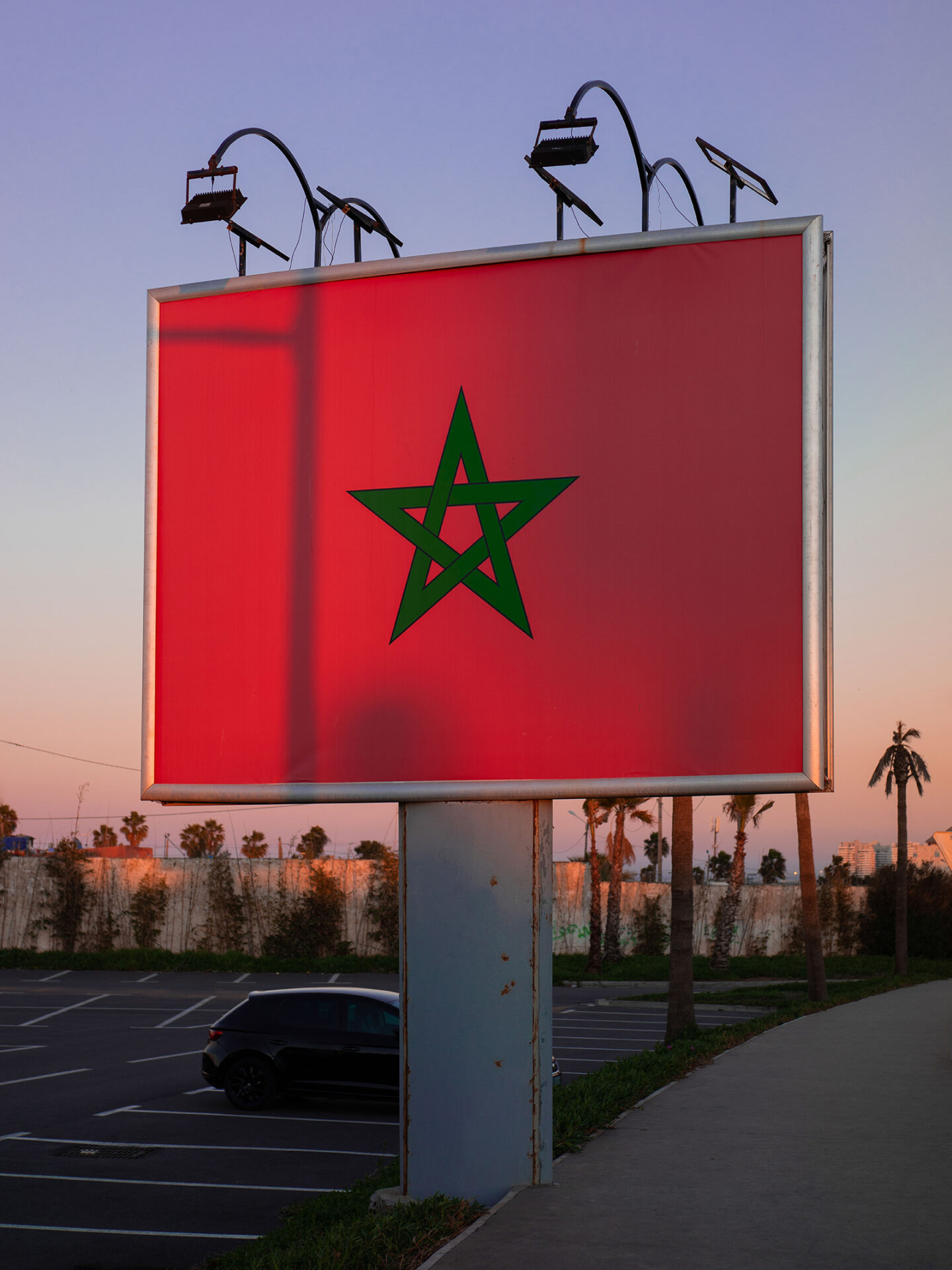
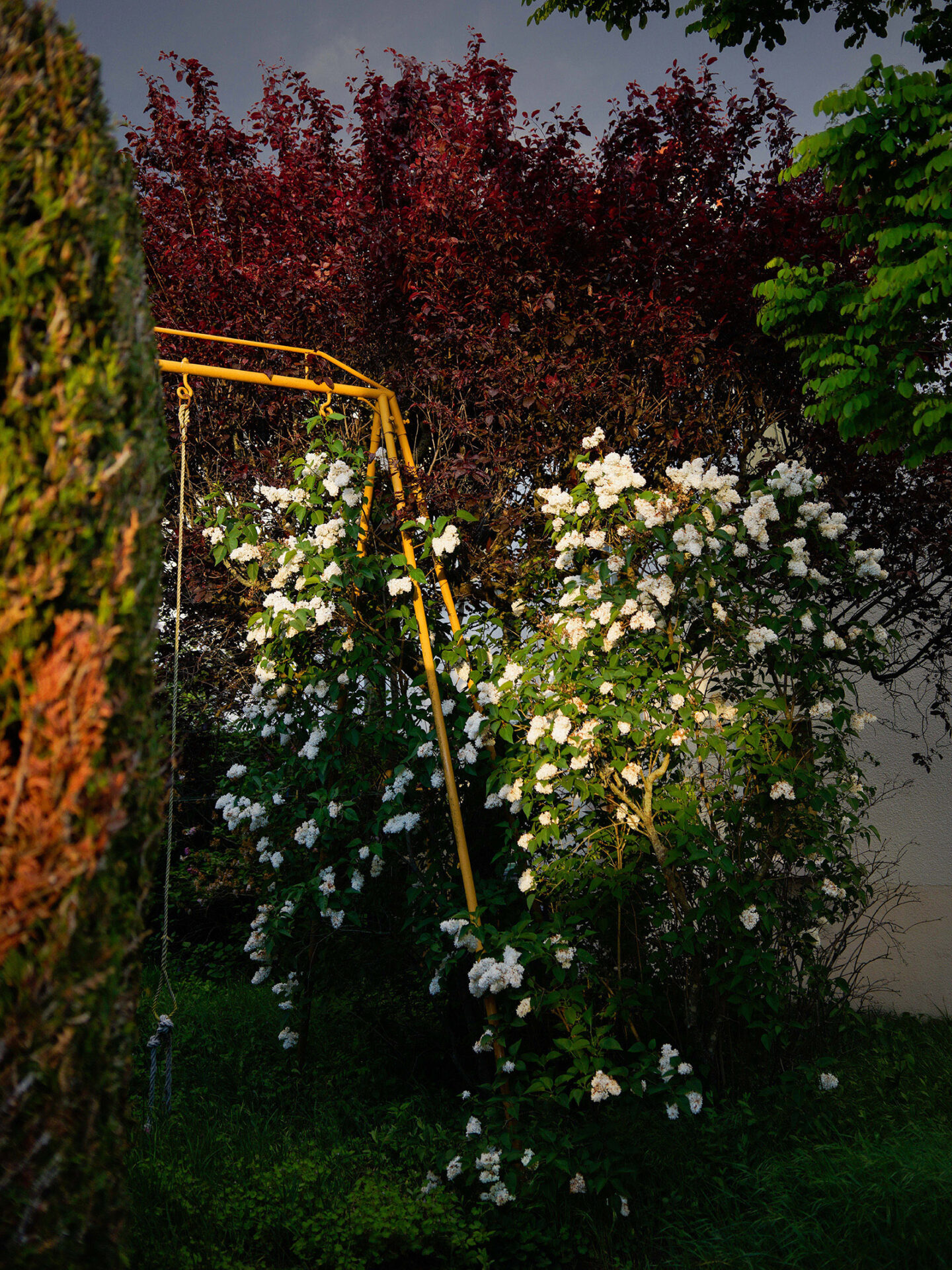
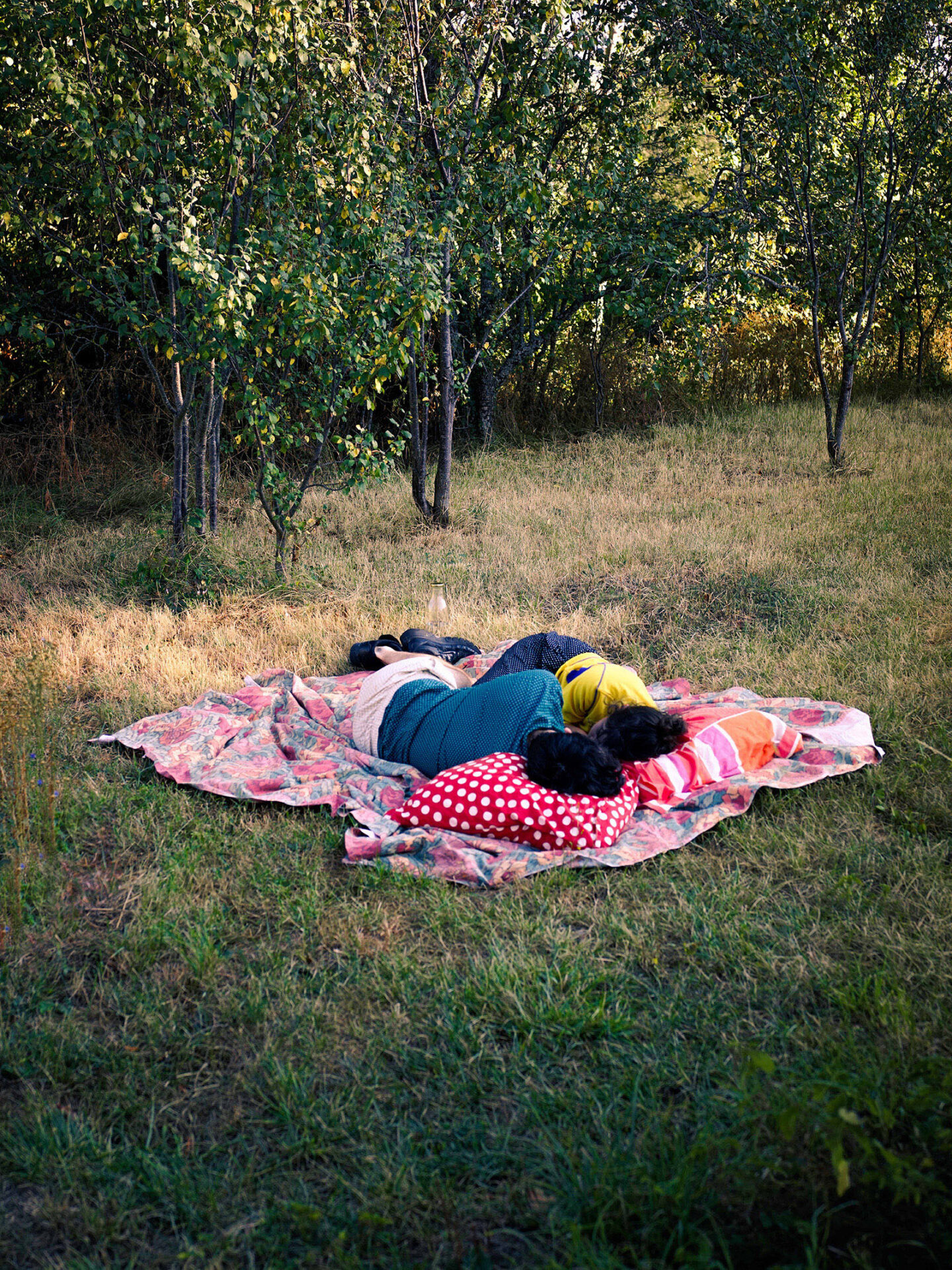
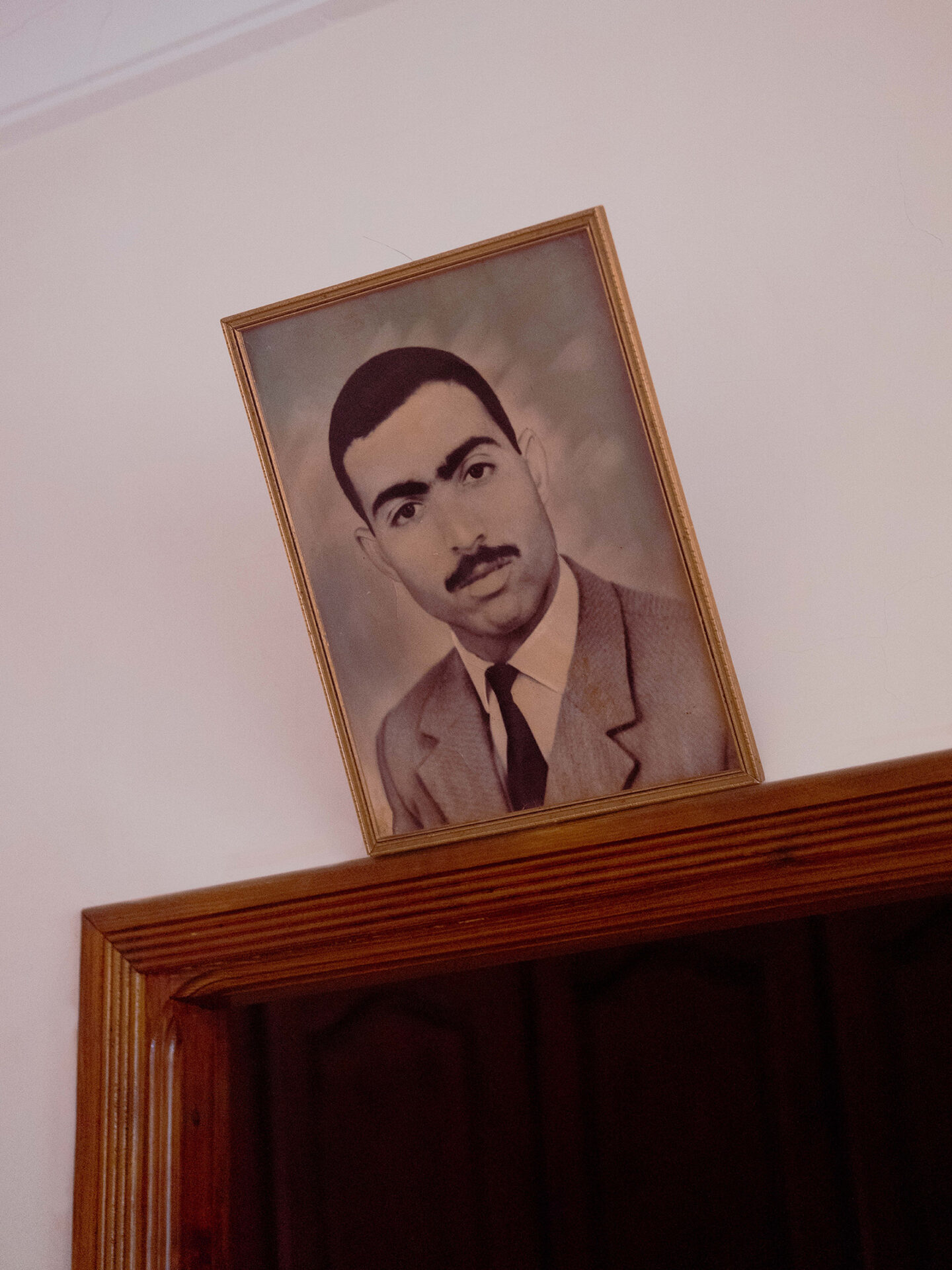
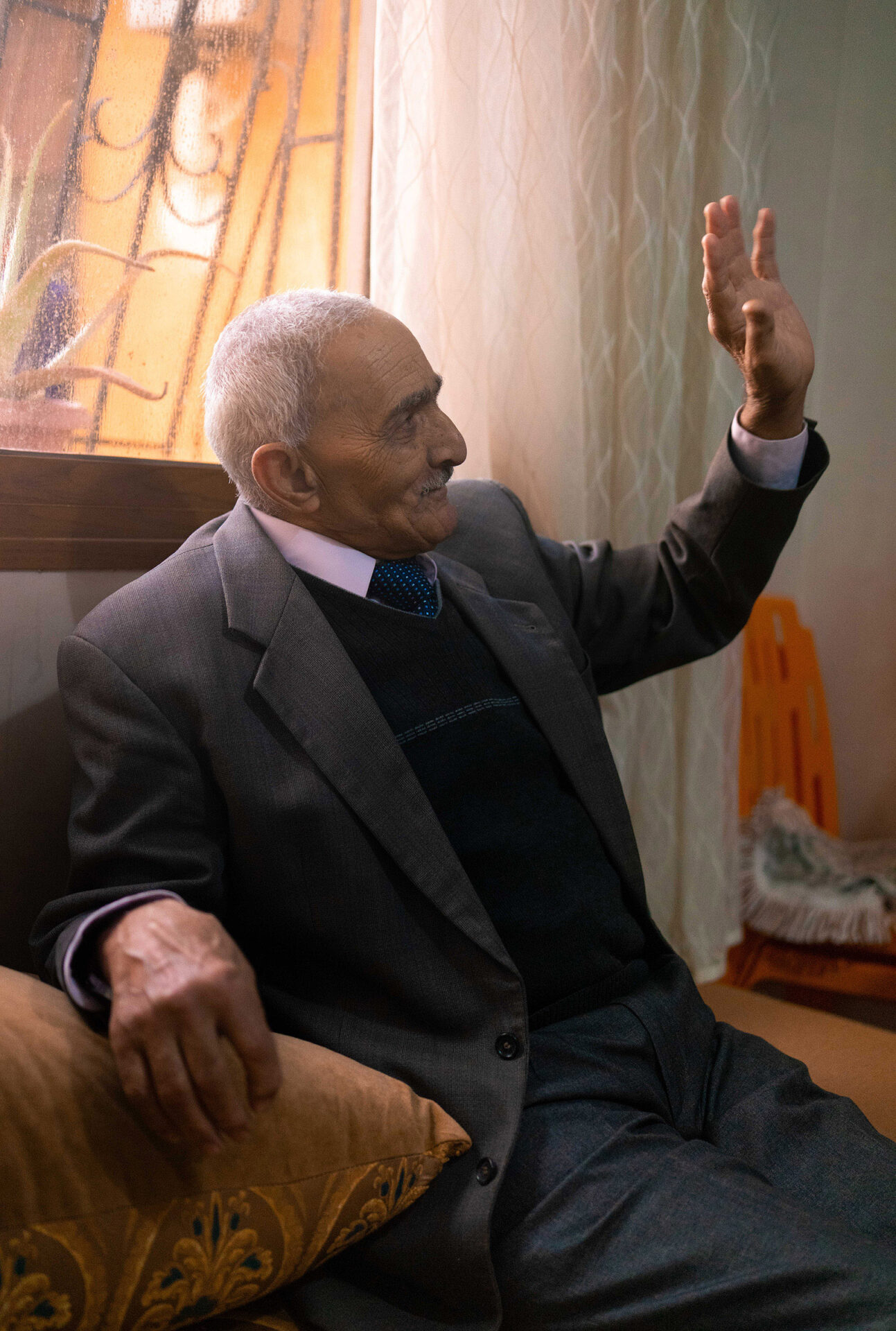
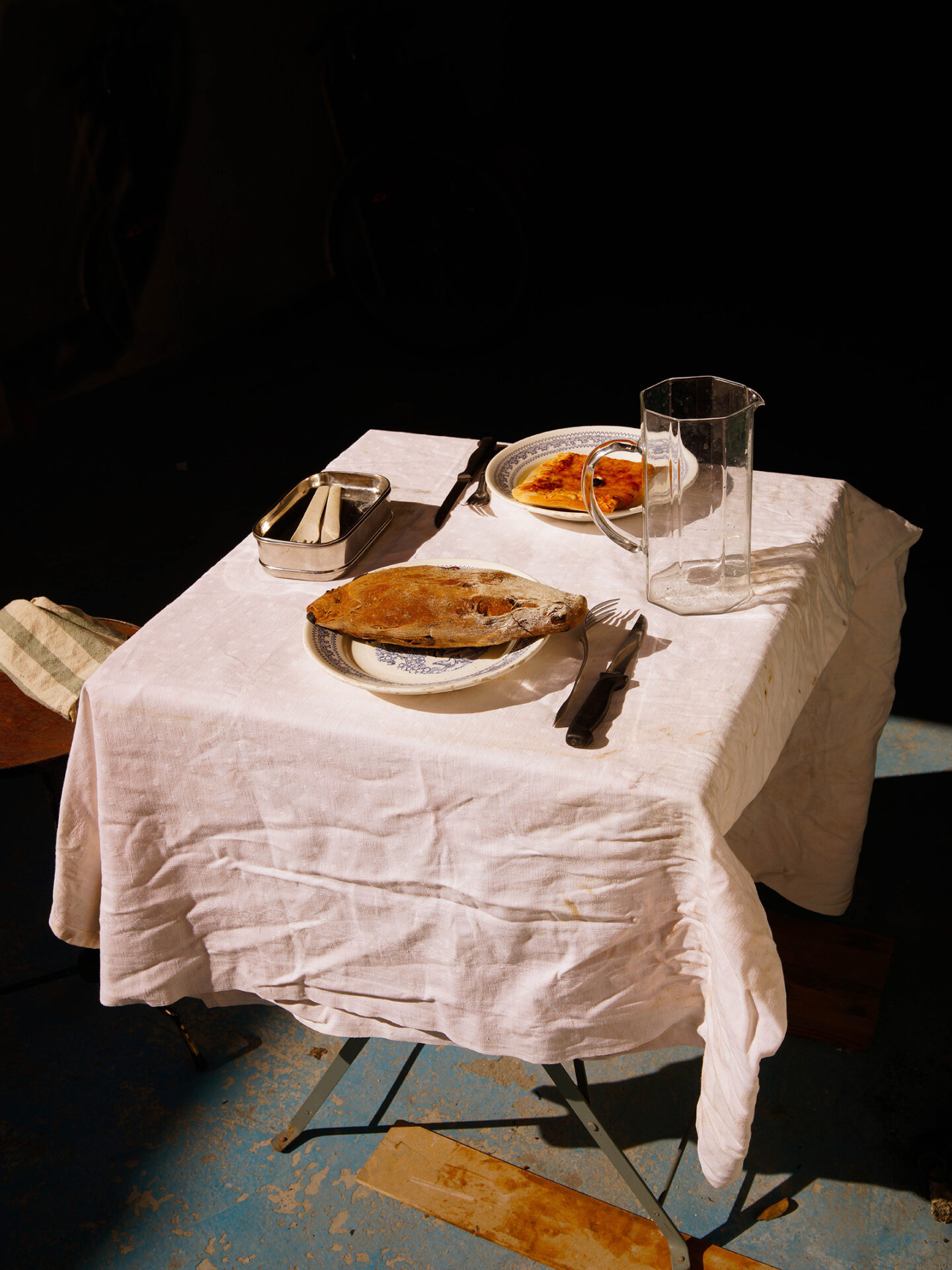
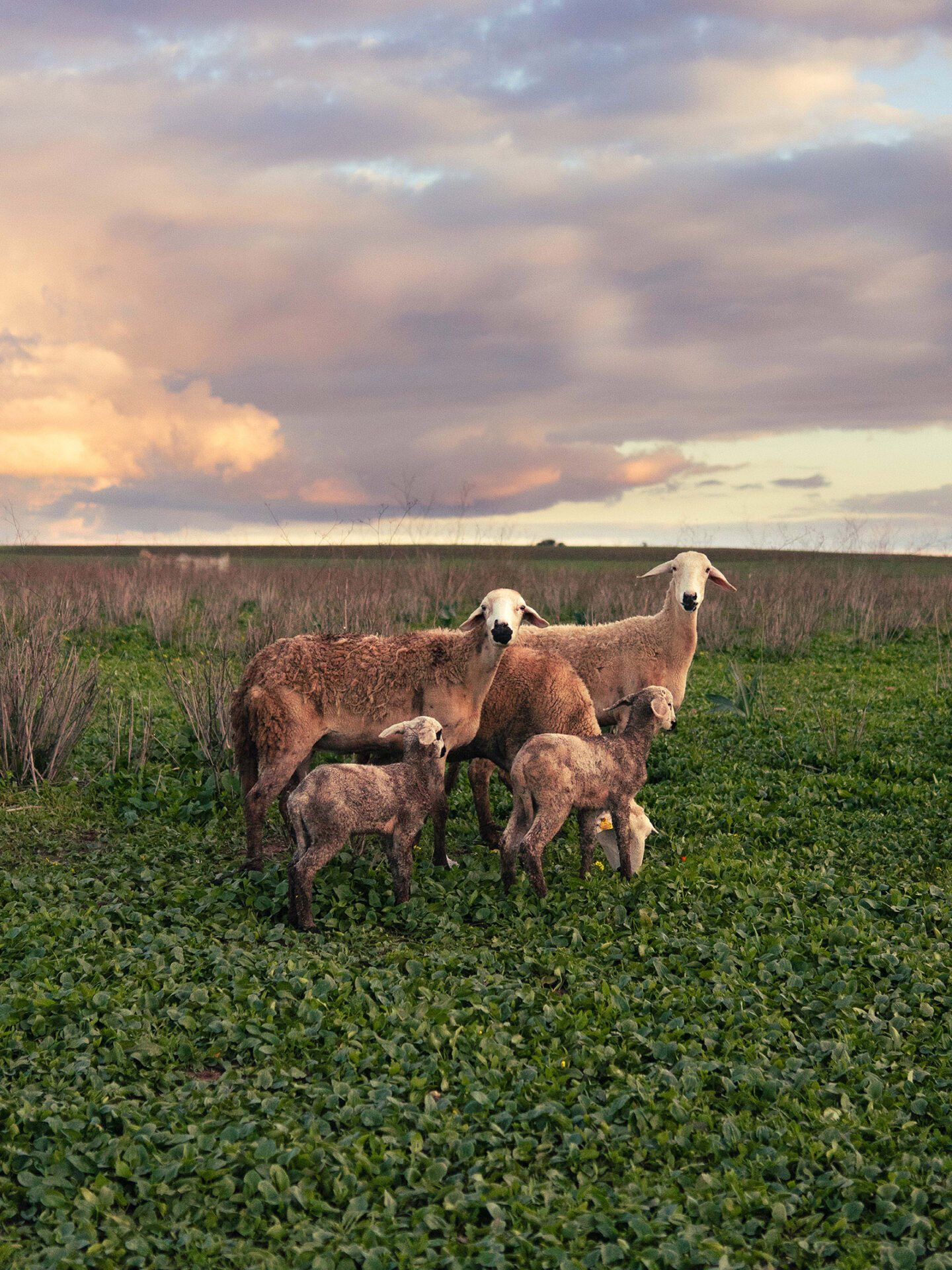
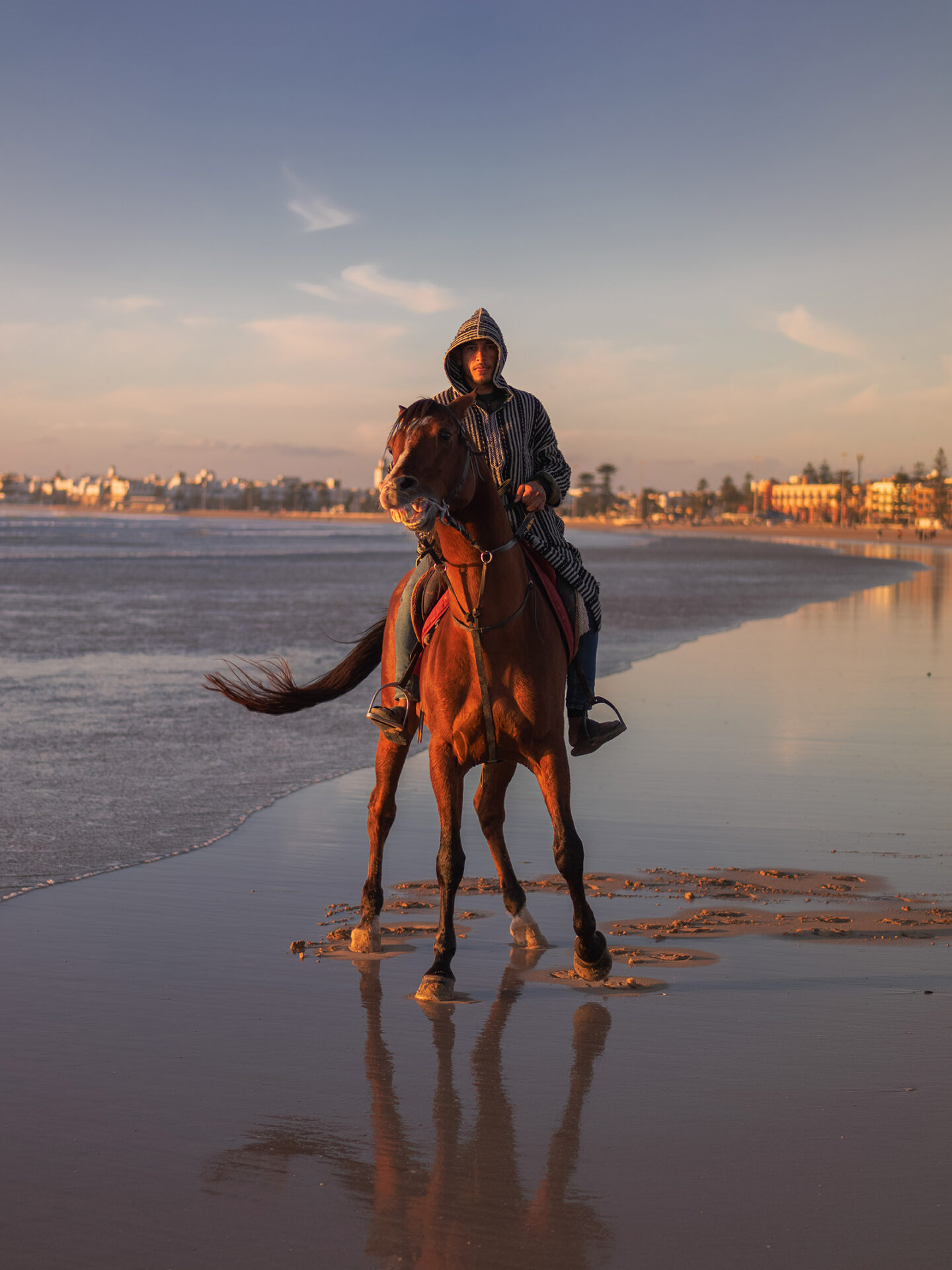
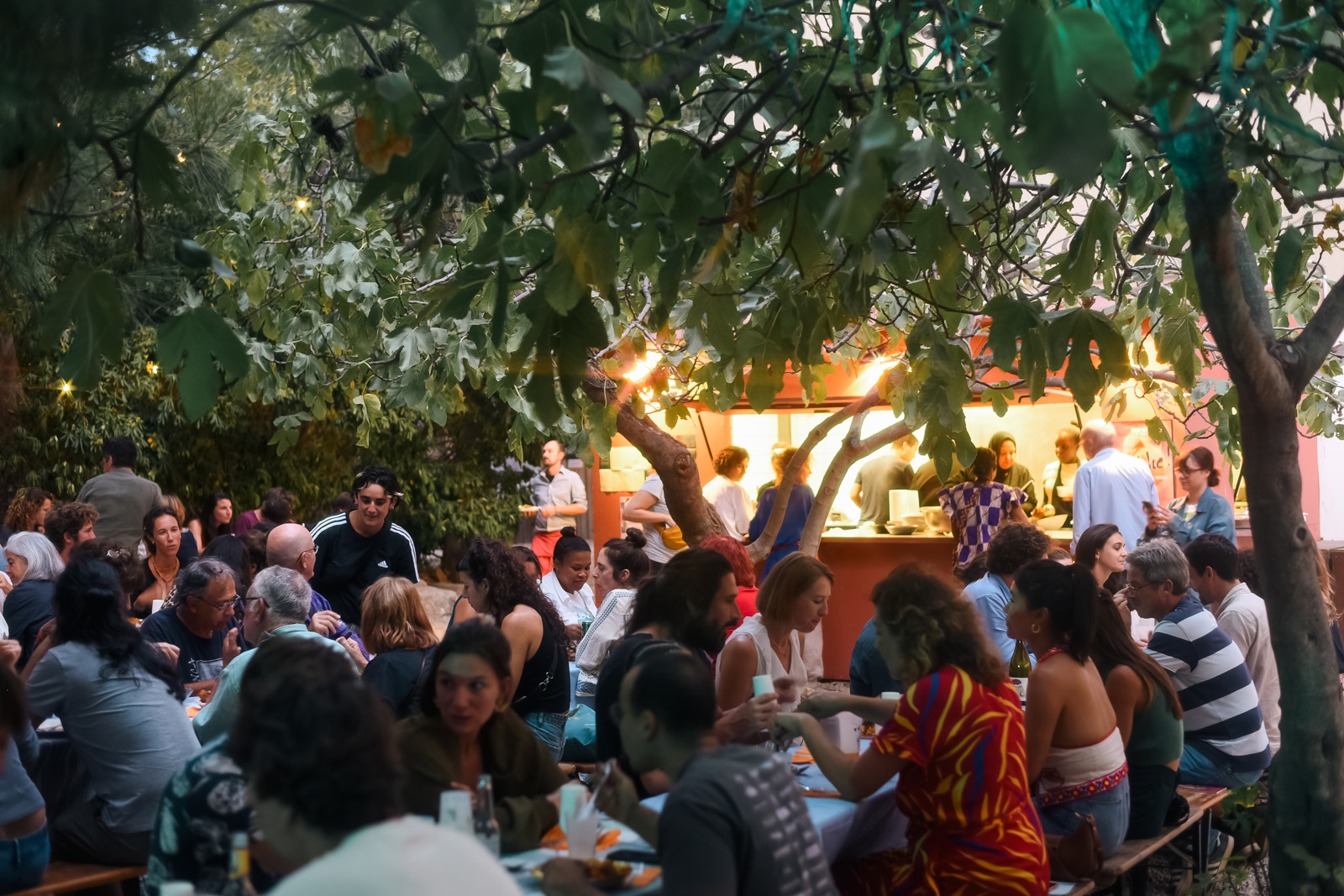
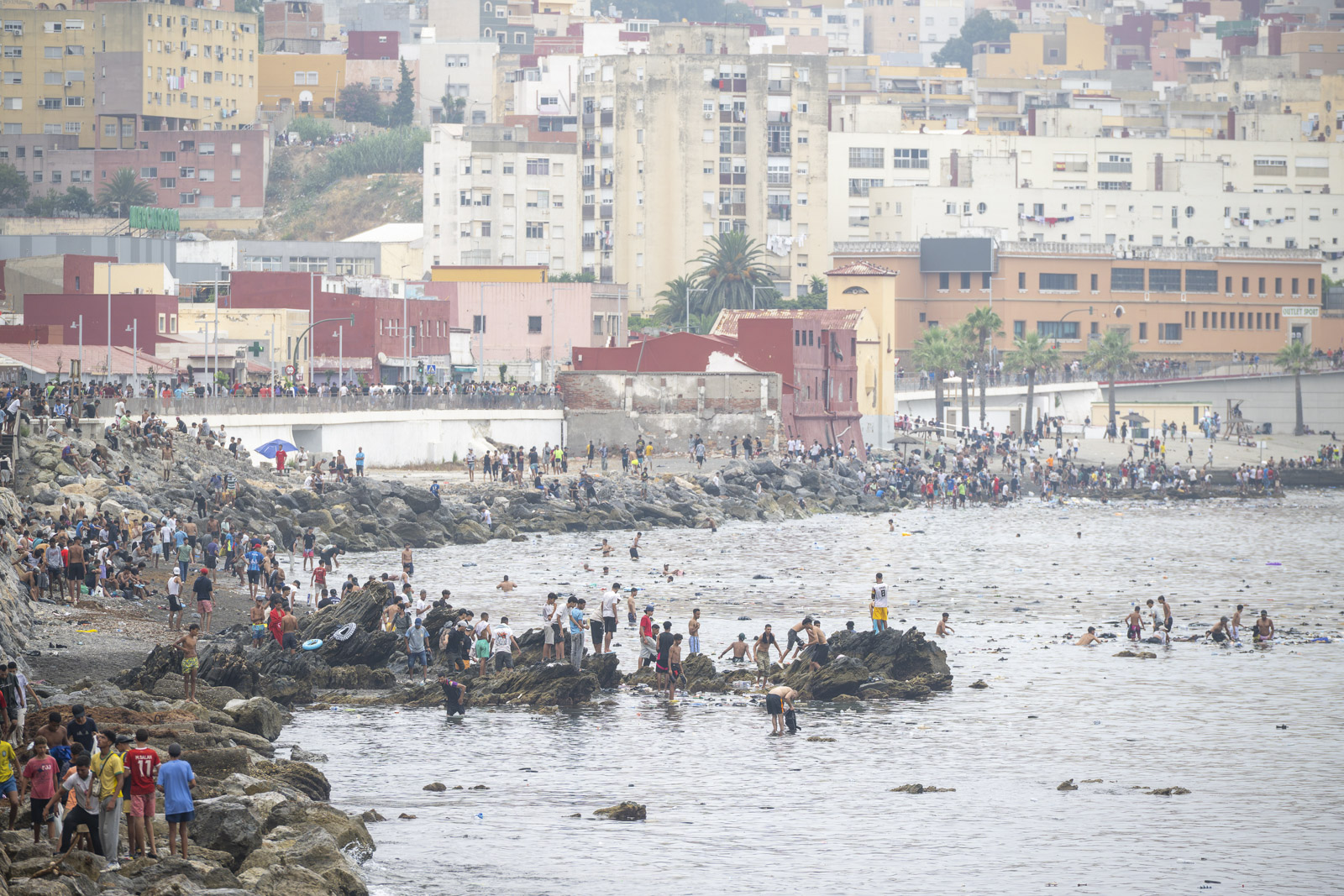
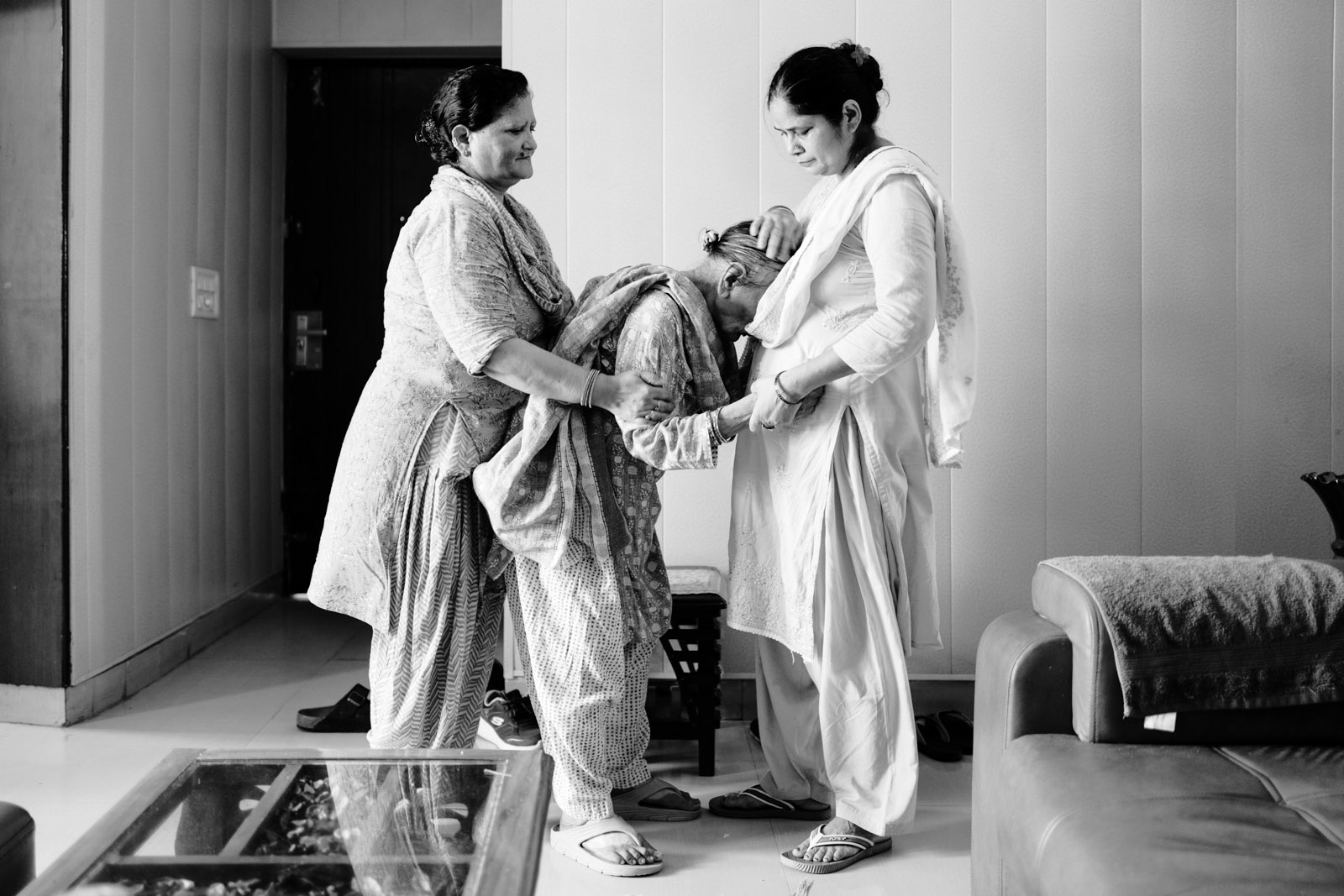
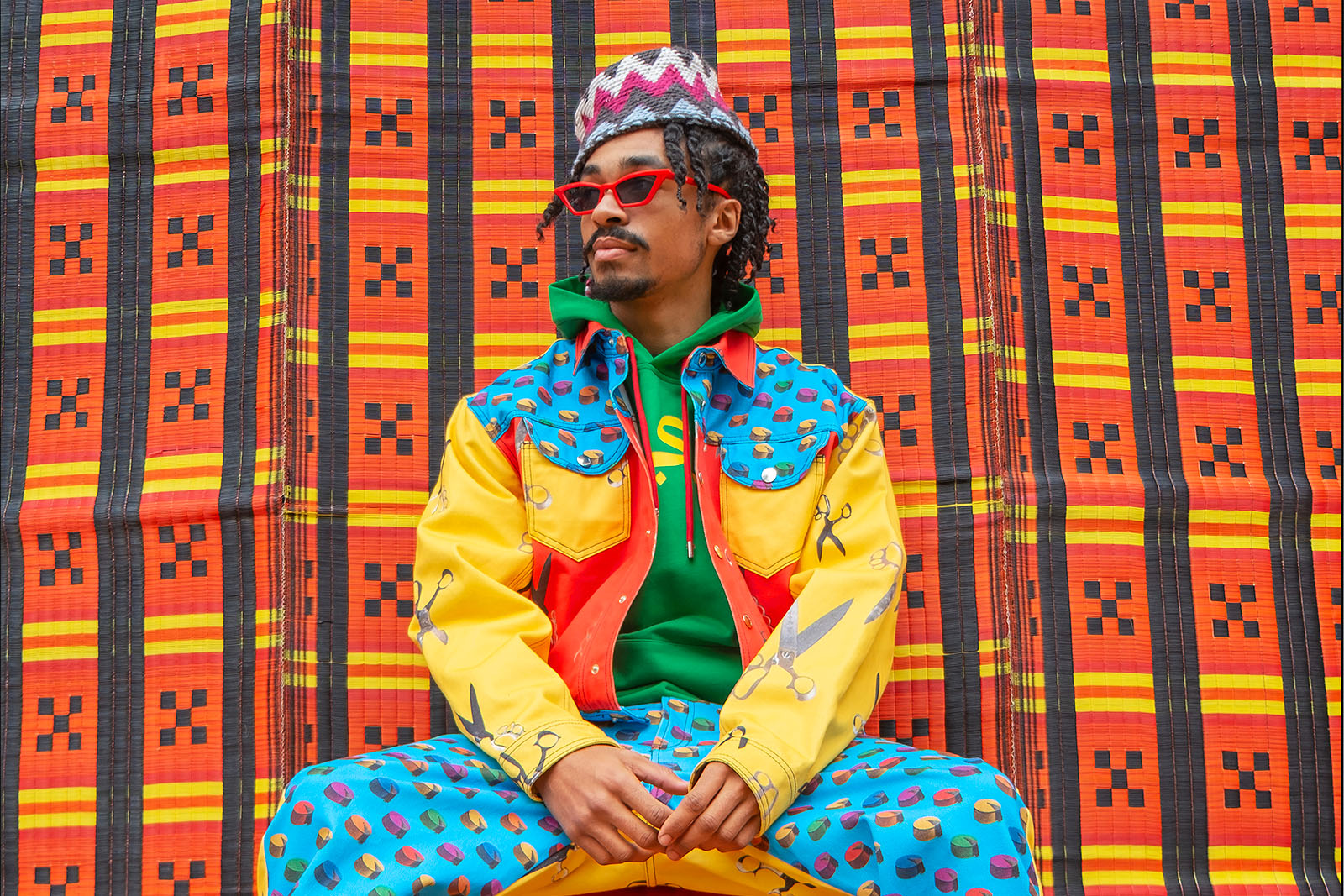
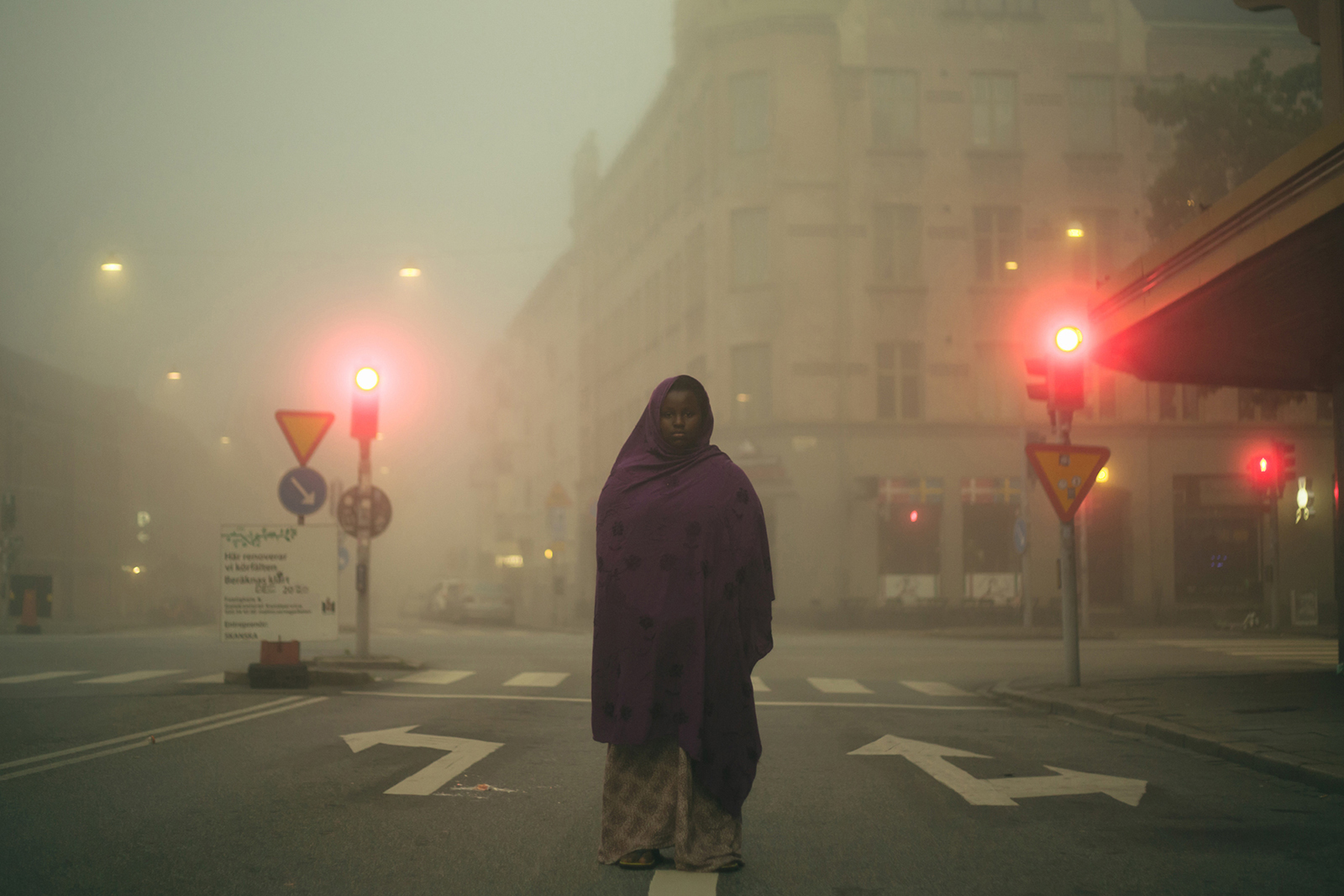
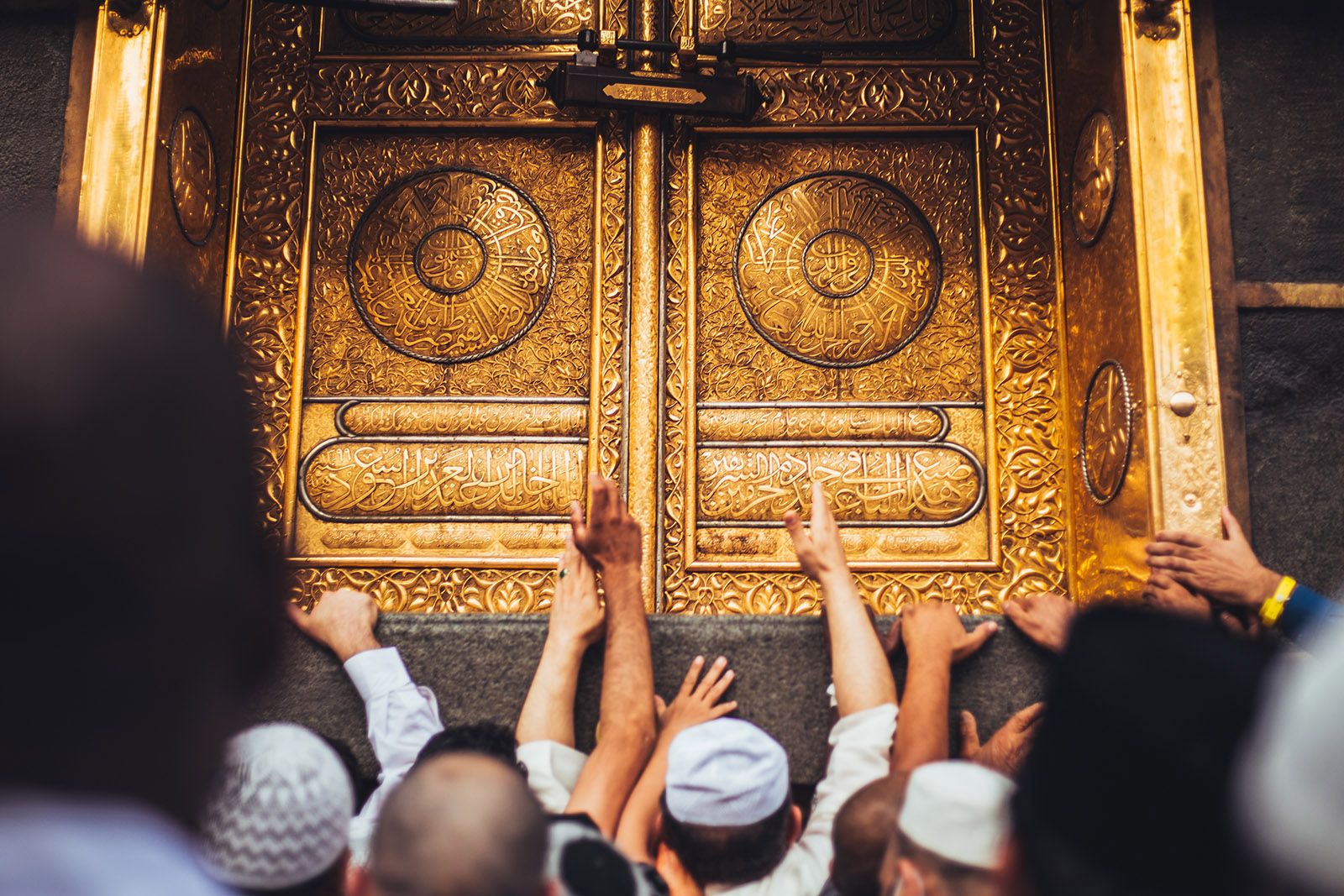
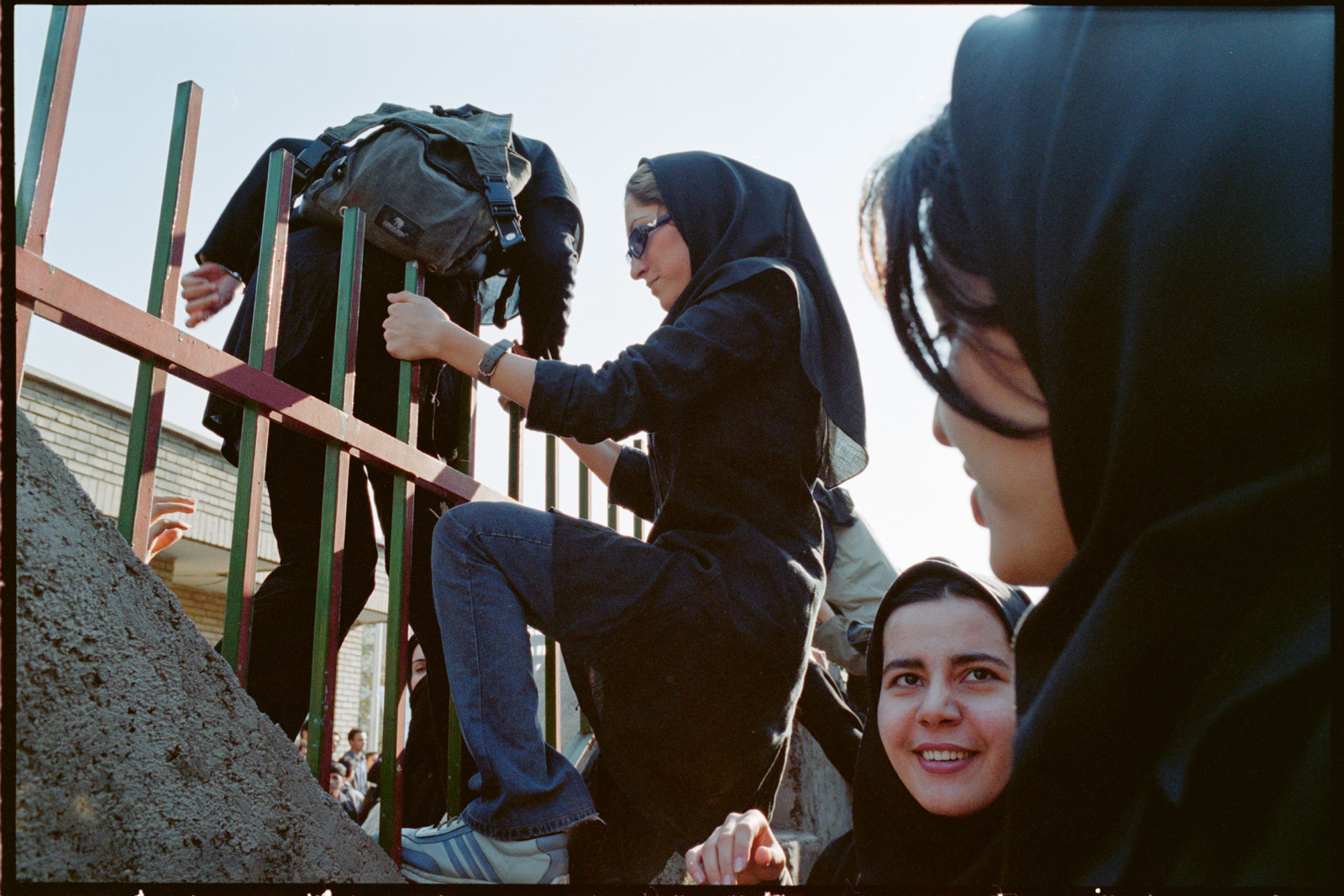
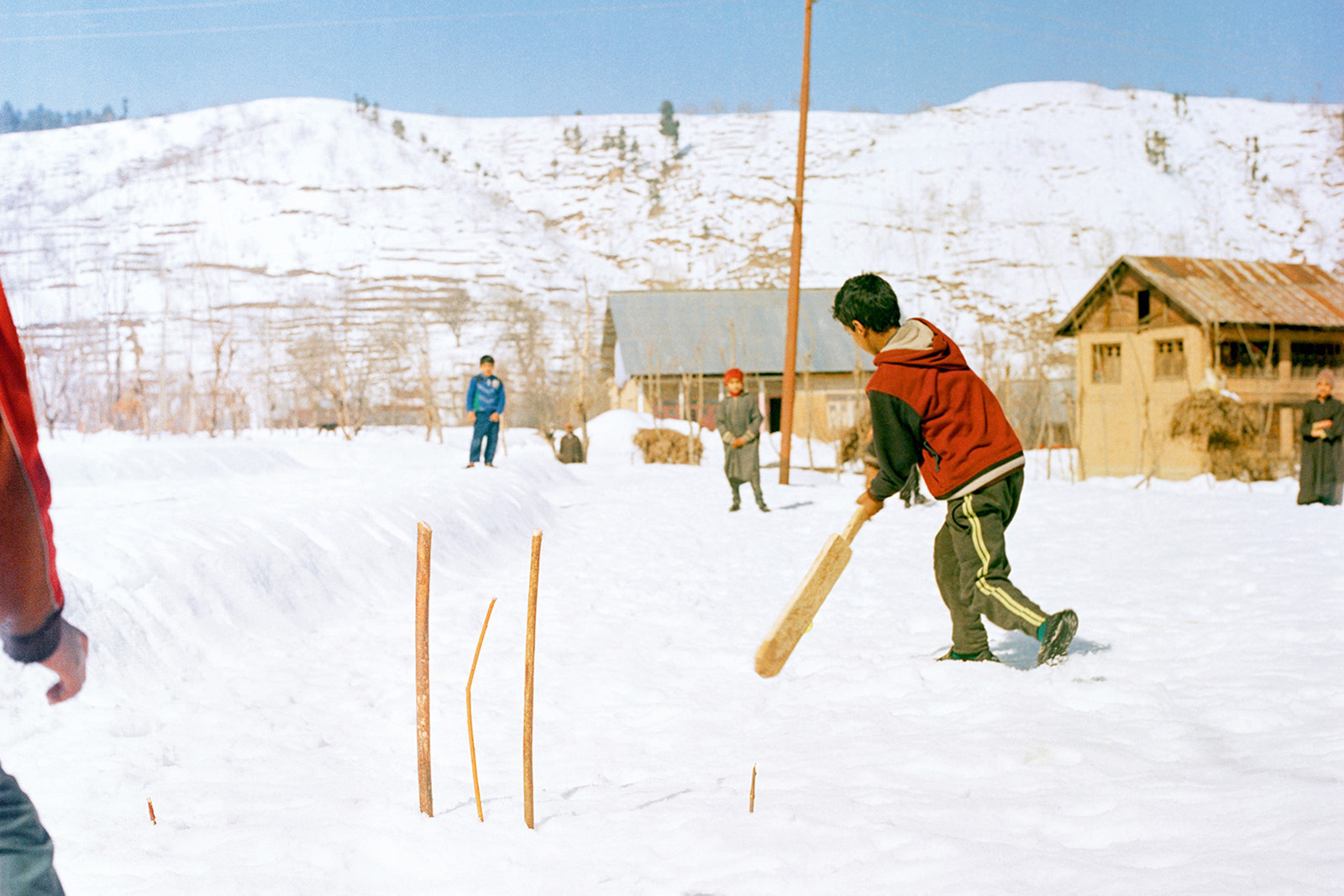
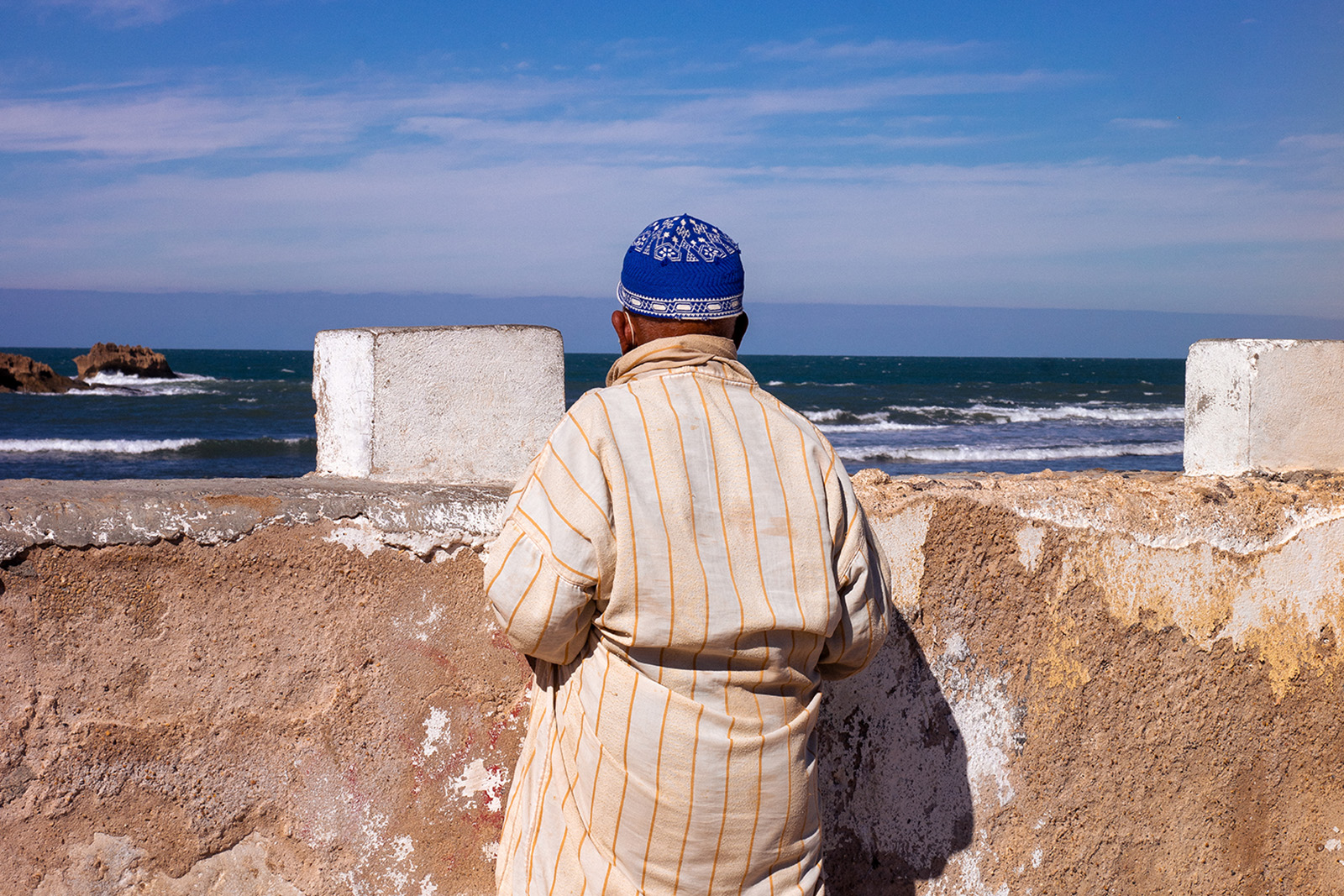
The richly textured images that make up Mayssa Jaoudat’s photographic series Suzanne, Long Road celebrate the liminal and interrogate the notion of belonging. The work forms just one part of her wider project Mille-Feuilles, which explores what it means to be a dual citizen.
Jaoudat, 33, made the series while travelling between France and Morocco. Presented without captions and in no fixed order, her photographs play with the idea of “what is true and what is not” and quietly challenge the fixed nature of national borders.
The photographs were gathered over three trips between 2020 and 2024, from her hometown of Clermont-Ferrand in the Auvergne region of France and locations in Morocco, including Marrakech, the Atlas mountains, Essaouira and Casablanca, where her father’s family live.
The title of the project is rooted in nostalgia, drawing on the French literary concept of the ”madeleine de Proust”: a taste, smell or sound that unexpectedly returns a person to another time. For Jaoudat, Suzanne by Leonard Cohen, a song her father played repeatedly during drives in the family camper van, is one such trigger. Hearing it now transports her back to the open road and the intimacy of a shared journey.
That feeling of suspension, of the vehicle becoming a world of its own, sits at the heart of Suzanne, Long Road. Its non-linear sequence and deliberate lack of context creates a sense of immersion, allowing the viewer to piece together their own narrative. “It’s kind of like a fictional place in the in between,” Jaoudat says.