
Non-Christians are being shut out of Northern Ireland’s new RE curriculum
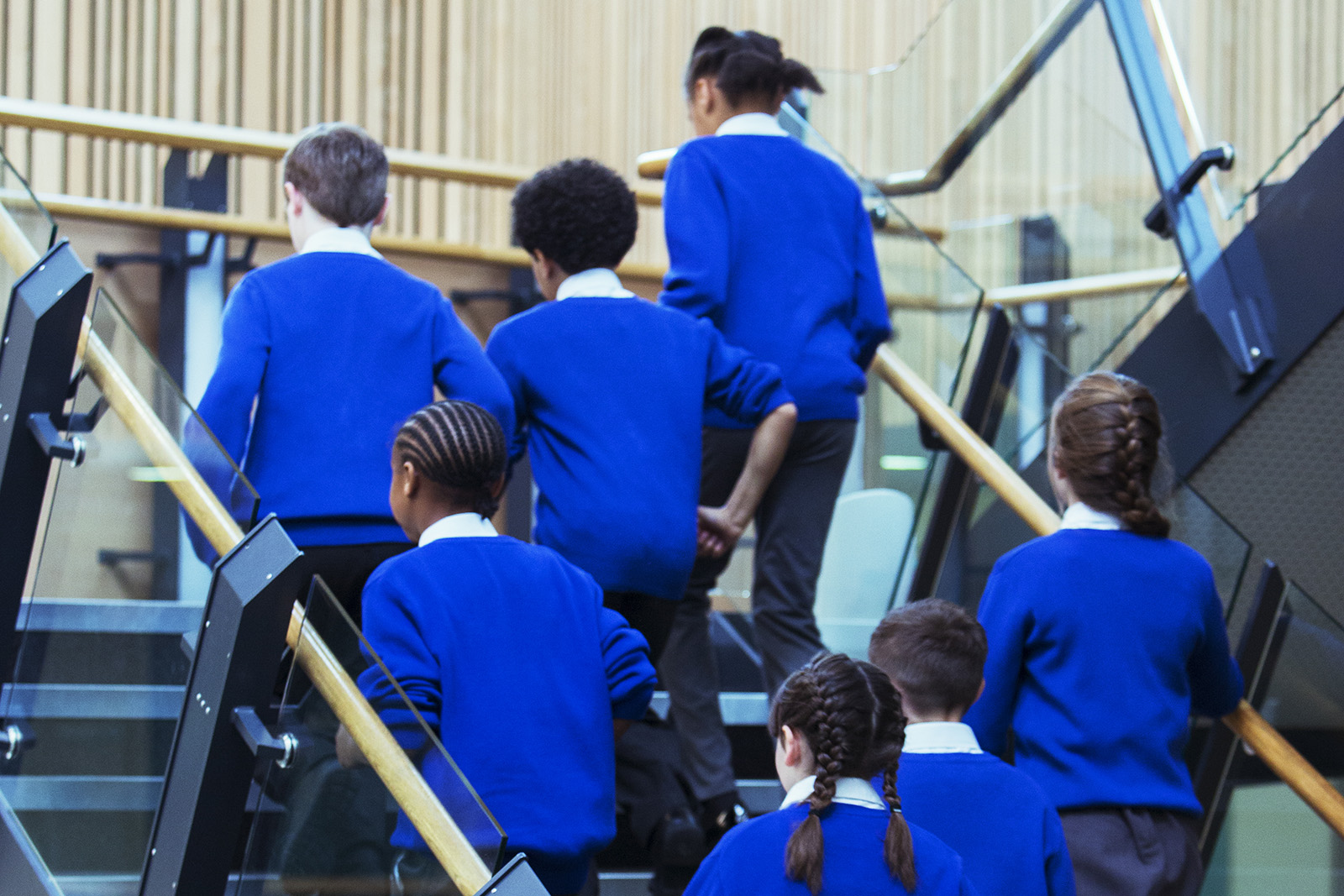
The government is drafting a new ‘pluralist’ syllabus — but only churches are being asked to help write it

Muslim families and others in Northern Ireland from non-Christian backgrounds could be left out in the cold by the country’s new religious education syllabus, advocates have warned.
A new, more “pluralist and inclusive” curriculum for religious studies is due to be introduced in September, following a supreme court ruling last year that the existing, exclusively Christian syllabus was not being taught in an “objective, critical” manner, and breached the right to freedom of thought and religion.
Related content
But only representatives of Northern Ireland’s four main Christian denominations — the Anglican Church of Ireland and Catholic, Methodist and Presbyterian Churches — are included in the consultative group involved in the drafting process. Organisations representing communities of other faiths and none, including the Muslim Council of Britain (MCB) and Northern Ireland Humanists, told Hyphen that they felt sidelined.
The latter said that, although it and other groups such as the Interfaith Forum have been able to participate in some consultation events, the education minister, Paul Givan, had refused requests for a meeting.
“The current education minister has not really engaged with any non-Christian faith representative,” said Naomi Green, assistant secretary general of the MCB and a trustee of the Northern Ireland Interfaith Forum. “I think what sadly has happened is that certain forces have jumped on the curriculum reform and made it into a culture war issue, suggesting that the reform is an attempt to remove Christianity from schools, which was never on the table.”
Boyd Sleator, of Northern Ireland Humanists, part of Humanists UK, said his organisation and the Interfaith Forum had been advocating for RE reform in Northern Ireland for more than a decade, but had never managed to secure a meeting with an education minister. He feels that, although the new syllabus is meant to be more inclusive, it is being drafted in an exclusionary manner.
“We have been crying out for years for our government to give us something better,” he said. “This, again, is leaving out the same people who for decades have been saying: ‘Please include us.’”
But he added: “We want to make sure that we’re engaging with them more through the process, even though we think the process is flawed.”
In a written statement, Northern Ireland’s Department of Education said that the chair and vice chair of the drafting group had undertaken “an extensive programme of engagement with a wide range of stakeholders” including the Humanists, Interfaith Forum and other faith groups. It added that a public call for evidence had yielded more than 1,000 responses from teachers and parents, which would “inform the development of the revised draft syllabus”.
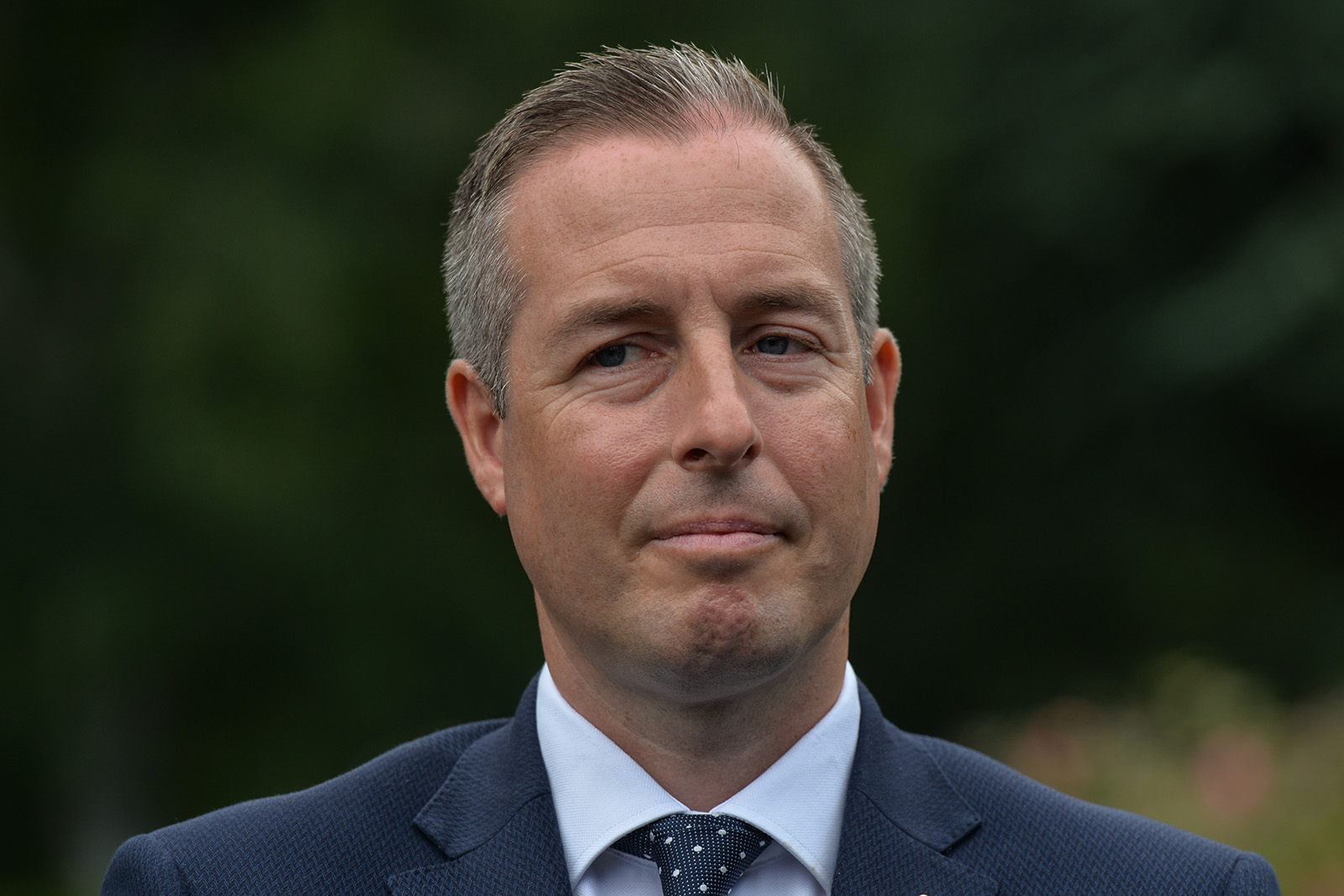
On the day that the supreme court judgment was passed, Givan posted on his official Facebook page: “I will not permit those who would wish to drive out the Christian ethos from our schools to succeed. I will chart a course that respects the law while safeguarding the role of faith in education.”
He also appeared to single out the Humanists, suggesting that the organisation was among groups “fighting a culture war” to replace faith with “every progressive cause, including trans-extremism”.
The legal challenge to the current syllabus was brought in 2021 by a seven-year-old girl and her father. The girl, who comes from a non-religious family, attends school in Belfast. Her parents said that the school did not provide any alternatives to religious instruction and worship and expressed concern that it was pushing their daughter to adopt a religious worldview. The family were supported by the Northern Ireland Humanists.
The syllabus, last reviewed in 2006, was drafted by the four main Christian churches of Northern Ireland. It “retains a confessional character”, according to Northern Ireland’s Department of Education, and is exclusively Christian at primary level.
“What is taught is more Sunday-school-type religious instruction,” Green said. “But Northern Ireland is becoming increasingly secular and at the same time we are seeing more people practising other faiths, including Islam and Hinduism — as well as other Christian denominations not represented by the four churches, such as Orthodoxy.”
According to the 2021 census, 42% of people in Northern Ireland identify as Catholic, 37% as Protestant and 19% as having no religion. Other Christian denominations account for 6.9% of the population.
Islam is the most common non-Christian faith, declared by 0.57% of people (about 10,800). In total, 1.34% of people identified with faiths other than Christianity, more than triple the figure from 2001.
“Children go through the school system without learning about their own classmates and friends of other faith backgrounds,” Green said. “They are just not in the syllabus at all, unless an individual school makes the decision to include them.”
Green, who is a mother of two, said that her experience of raising Muslim children in Belfast echoed the experience of the non-religious family who brought the legal challenge. While she knew she could withdraw her children from RE classes and collective worship, she feared this would lead to their exclusion and potential stigmatisation.
“The options are just sitting in a classroom alone or sitting at the back of the room during assemblies,” she said. “I chose not to do that with my children because they go to a very small school.”
Related content
The drafting of the syllabus is currently ongoing, with a public consultation scheduled to take place in June. The drafting group is headed by Noel Purdy, professor of education studies at Stranmillis University College, and Joyce Logue, a former primary school headteacher.
Representatives from the four main churches in Northern Ireland will also be consulted, but no representatives of other religions or Christian denominations will be asked for their input in a similar manner.
James Nelson, a social scientist at Queen’s University Belfast, recently co-authored a report on religious education in Northern Ireland. “What happened to the family who brought the legal challenge is not just a one-off experience,” he said. “We found that there were many children who were experiencing a sense of stigmatisation and exclusion in primary schools in Northern Ireland.”
Nelson’s report found that there was a big appetite in Northern Irish society for religious education reform. A representative survey found that 42% of people in Northern Ireland were dissatisfied with the involvement of churches in writing the RE curriculum and more than half agreed that learning about different religious and non-religious worldviews would be beneficial to children.
Although Nelson welcomed the court decision, he now has “mixed feelings” about the way the new syllabus is being drafted.