
Mo Salah: The man who made Anfield his prayer mat
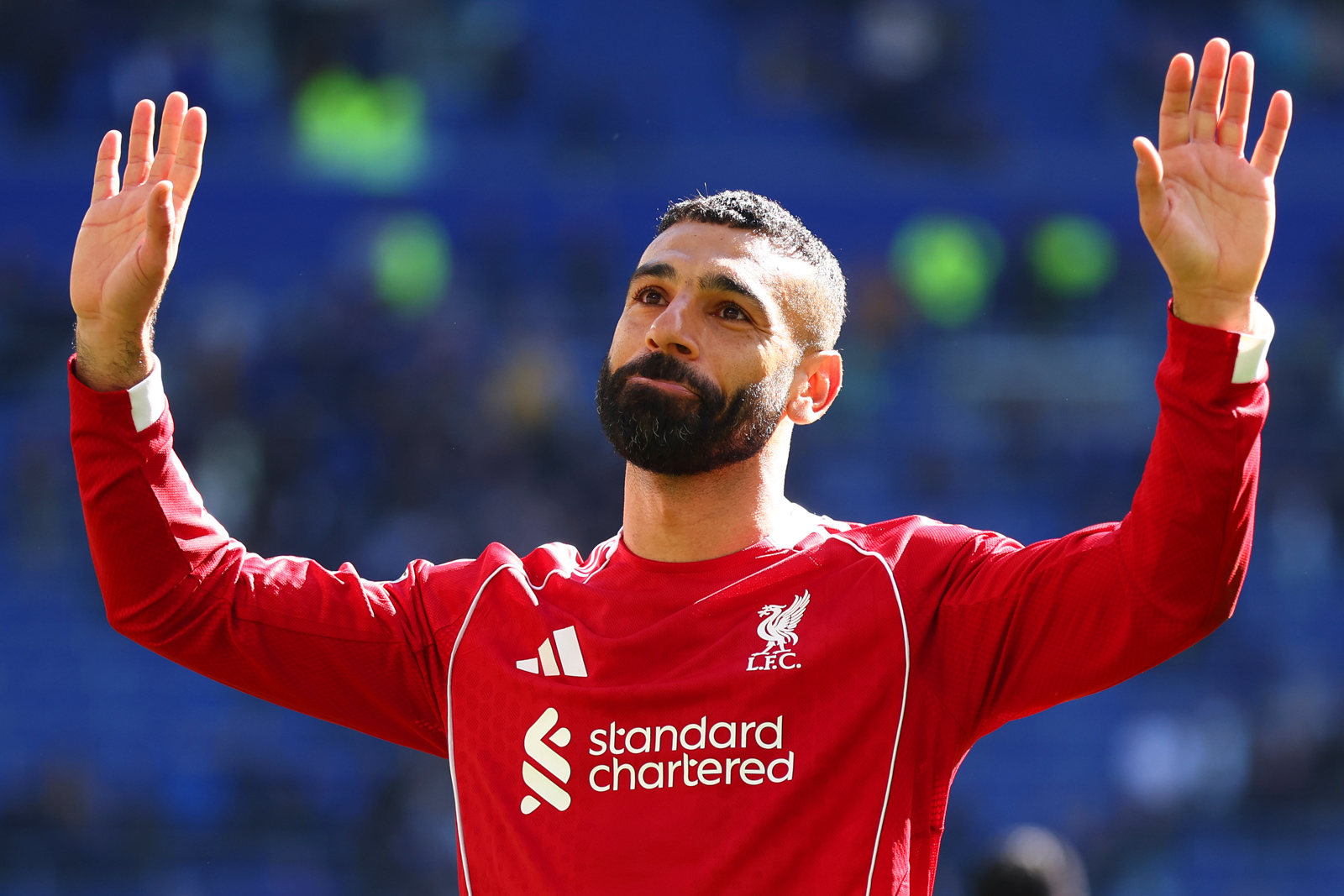
As the football season draws to a close, so does the Egyptian King’s time at Liverpool FC. Here we talk to fans and look back at the legacy of the Premier League’s best-loved Muslim player

“If he’s good enough for you, he’s good enough for me,
If he scores another few, then I’ll be Muslim too!
If he’s good enough for you, he’s good enough for me,
Sitting in the mosque, that’s where I wanna be…”
Set to the tune of Dodgy’s 1990s hit, Liverpool fans have sung these lines in pubs, on Premier League terraces and public squares across the country. The famous chant is obviously lighthearted, but also reverent. After all, for nearly nine years, Mohamed Salah has given die-hard Reds something close to faith. This season, however, is his last at the club.
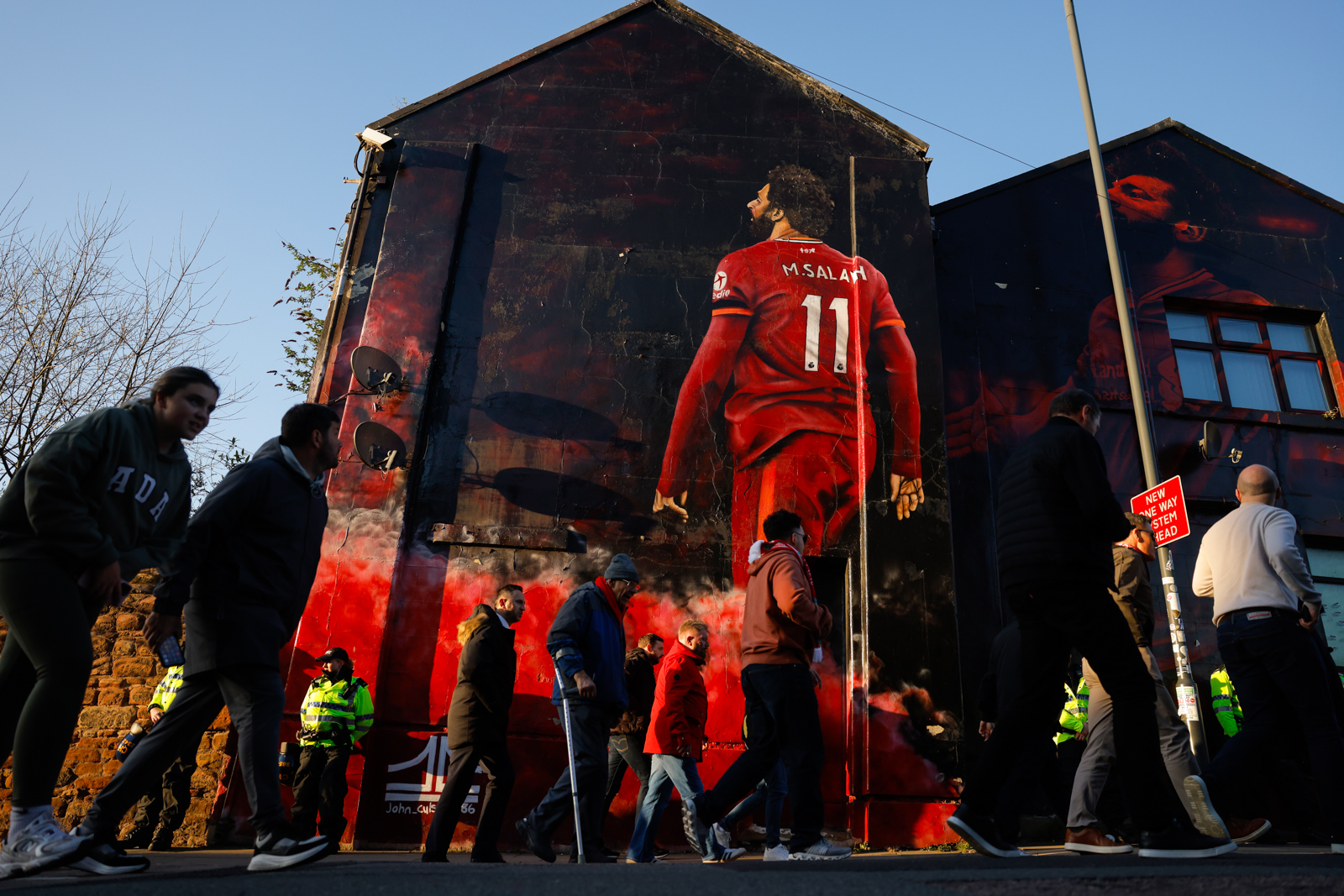
On a bright Saturday morning at Liverpool FC’s stadium, Anfield, before the club’s clash with Chelsea, Salah is absent through injury — a rarity in his nine-year tenure — yet his presence can be felt everywhere. Opposite the stadium, one fan, Dave, 61, hangs a giant banner carrying Salah’s image alongside his farewell message to supporters. It reads: “Leaving is never easy. You gave me the best time of my life. This club will always be my home to me and to my family. Thank you for everything. Because of all of you, I will never walk alone.”
“I shook his hand the other week,” Dave says, describing Salah as “simply brilliant.”
Nearby, Gary, 64, reflects on decades of Liverpool fandom: ‘I’m a season ticket holder. Been coming since I was a kid, when the Kop was still standing. I’ve seen it all really. Obviously, Salah is up there with every legend I’ve seen. Fantastic player.”
The statistics back him up. Salah is Liverpool’s third-highest goalscorer ever, a four-time Premier League golden boot winner and the player with the most goal involvements in Premier League history for a single club. He also contributed to a cabinet full of silverware, including a Champions League trophy, two league titles and an FA cup.
Alongside fellow Muslim Sadio Mané, from Senegal, and Brazilian Roberto Firmino, Salah has been an integral part of one of football’s most formidable attacking trios. His efforts have earned him the affectionate nickname of the Egyptian King.
“He’s also done a lot behind the scenes,” Dave adds. “Visiting hospitals and stuff like that. He seems like a really genuine guy as well. Really likeable.”
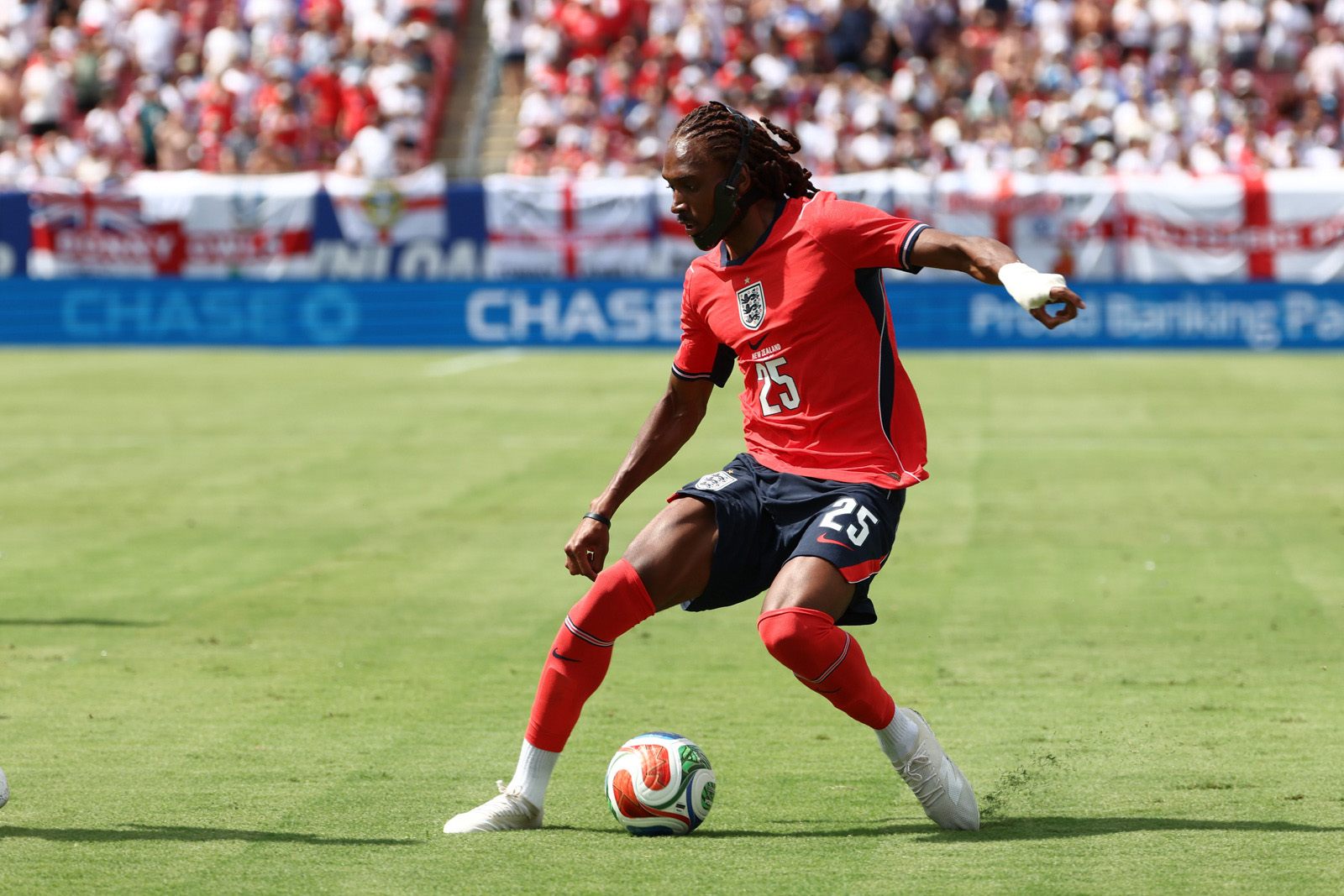
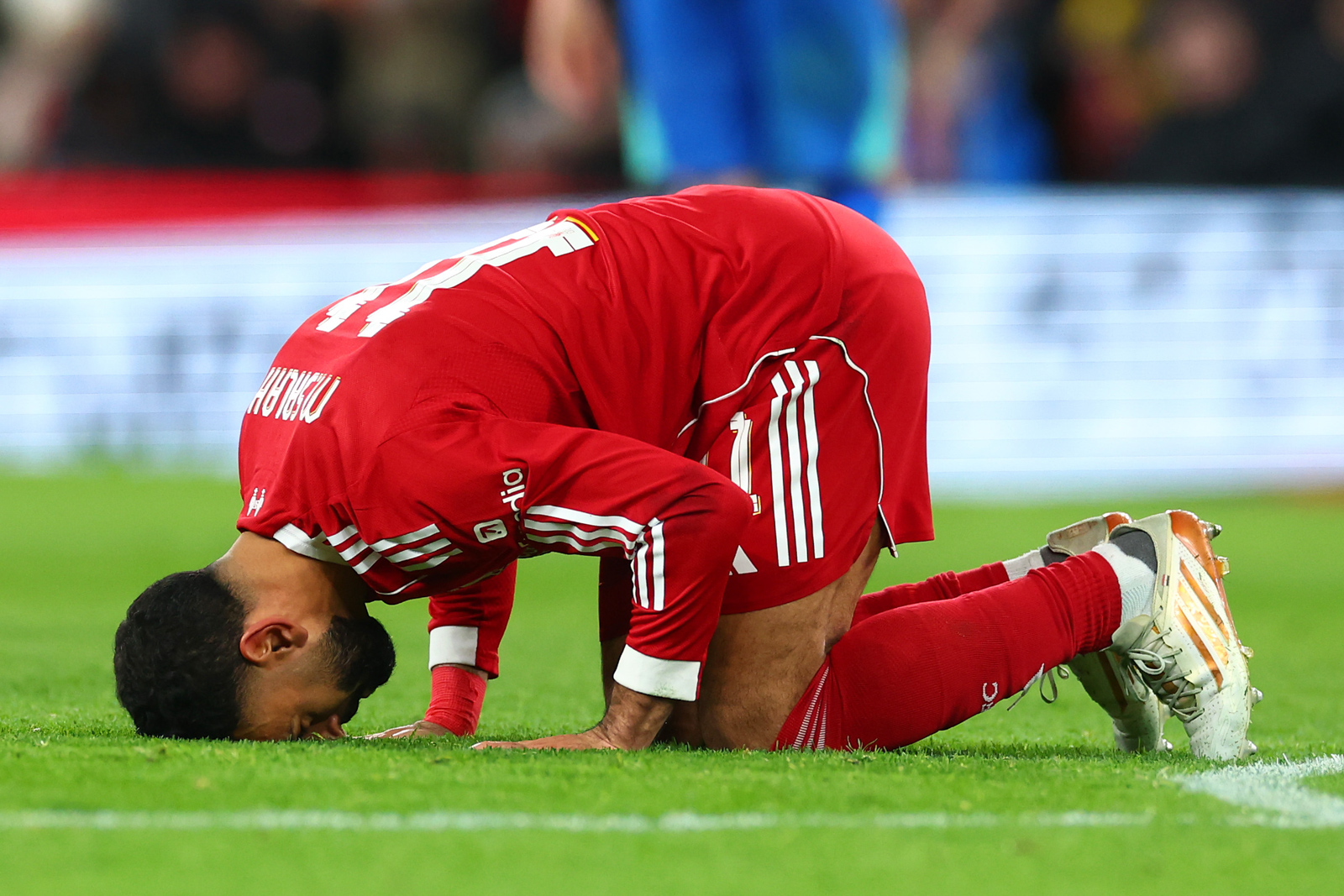
Breezing past players with ease, Salah, now 33, has always cut an impressive figure. Since 2017, his signature goal celebration — dropping to his knees, forehead pressed to the grass in sujood — has become as famous as his devastating left foot.
That open, unapologetic and joyful assertion of his Muslim identity has had tangible effects far beyond the pitch.
The 2024 riots, which originated in nearby Southport and quickly spread to Liverpool, are a reminder that racism remains a pressing issue in Merseyside. Contrary to Liverpool’s reputation as a bastion of working-class socialism, Home Office figures recorded 4,799 hate crimes in the area during 2023–24 — nearly triple the number from a decade earlier.
A 2019 study by Stanford University, which analysed 15 million social media posts, police data and surveys involving more than 8,000 Liverpool supporters, however, found a near 20% drop in reported hate crimes in the area after Salah joined Liverpool. Anti-Muslim tweets from the club’s fans halved.
Of course, British Muslims should not have to be exceptional to be treated with dignity and respect, but many believe that Salah’s positive representation of Islam will be part of a long-lasting legacy.
In Toxteth, three miles south of Anfield, another match is beginning as Liverpool’s one-all draw against Chelsea comes to a close. Toxteth is one of the most culturally mixed areas in Britain. Shaped by generations of migration through the port of Liverpool, it is home to large Caribbean, Yemeni and Somali communities.
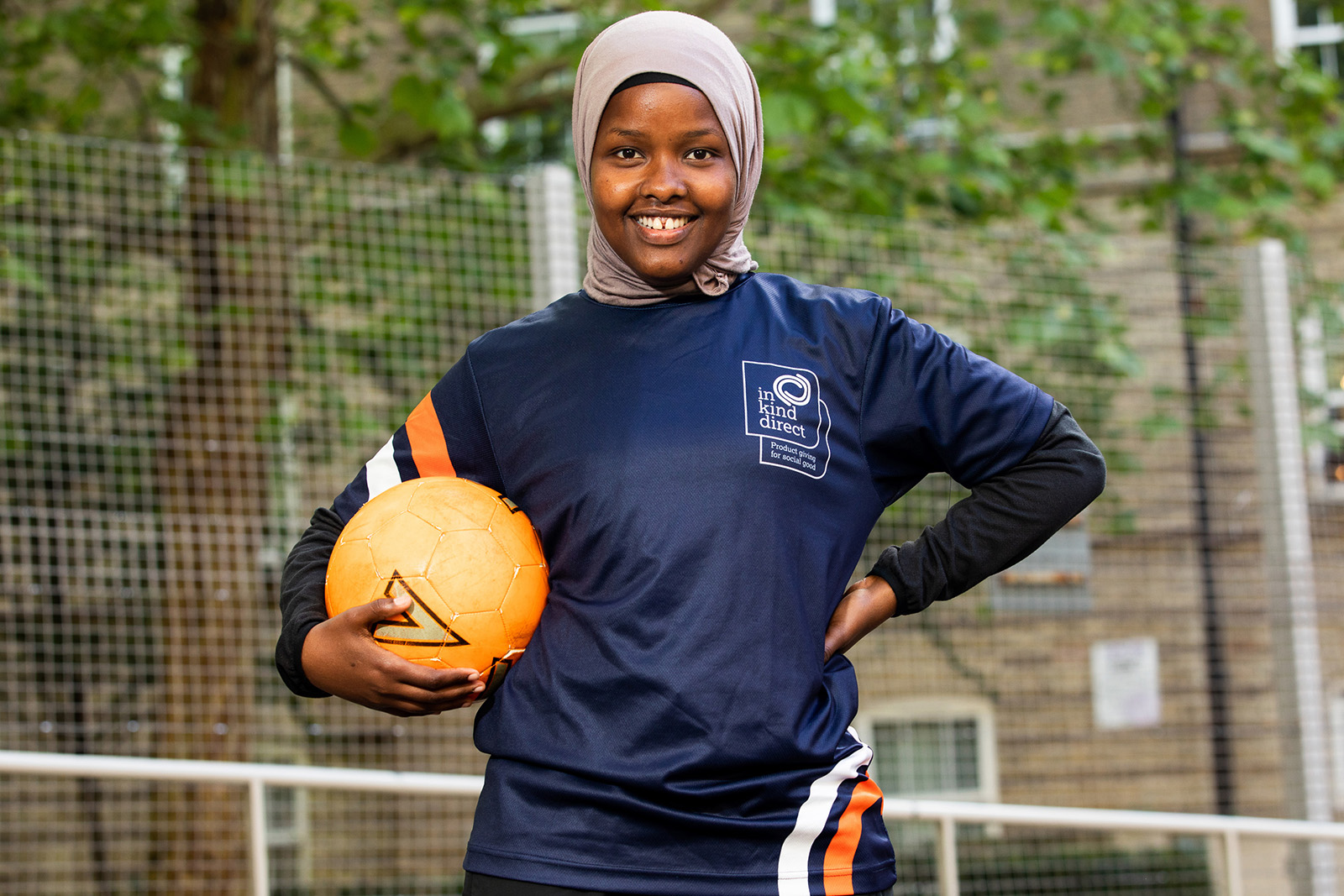
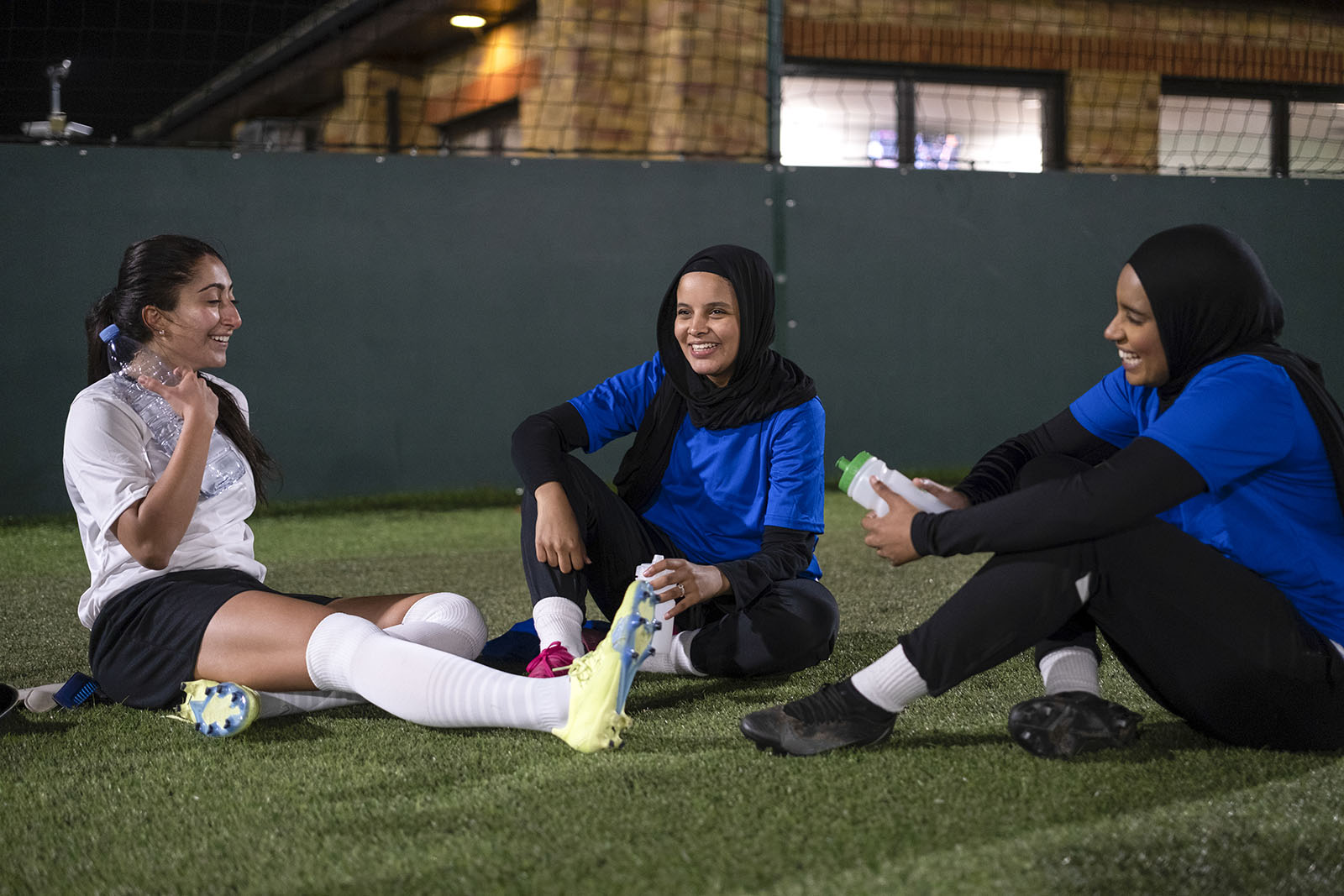
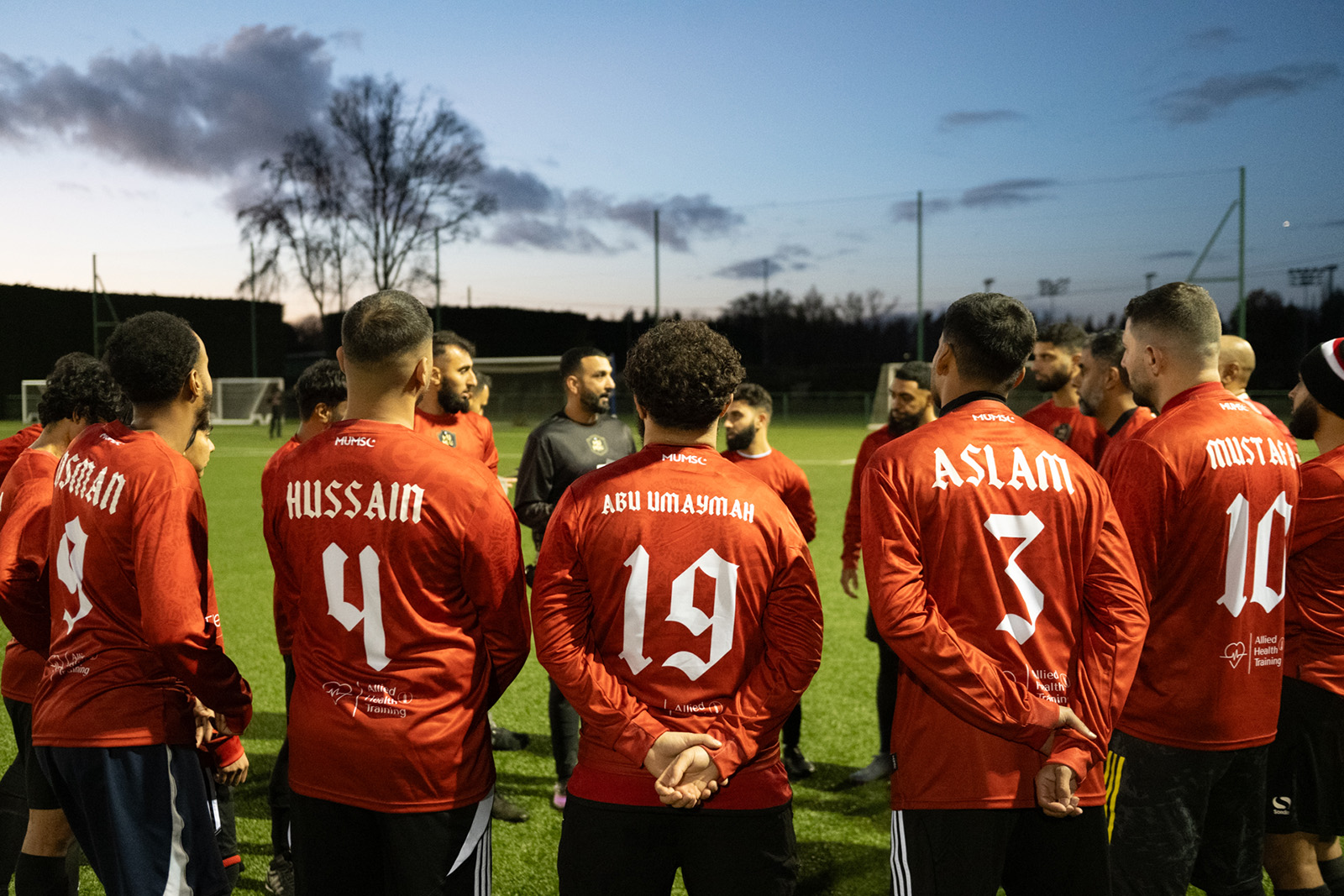
At the centre of Lodge Lane, a busy thoroughfare lined with halal restaurants and butchers, sits Tiber Football Centre, home to Granby Toxteth Athletic, one of the city’s most diverse grassroots sides. Its players are warming up on the pitch as they prepare to face Skelmersdale United FC in the Liverpool County Premier League.
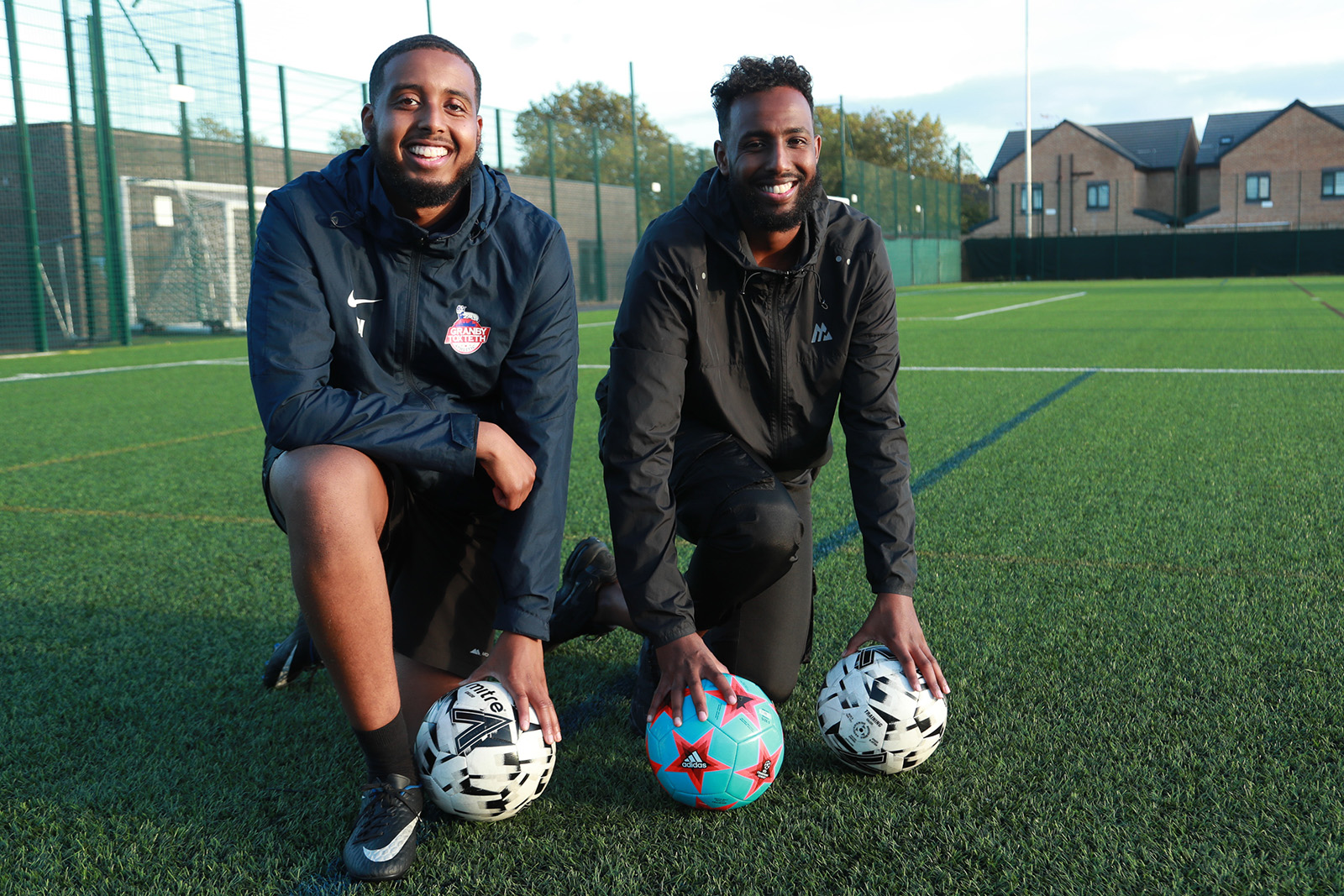
Inside, co-founder Yusuf Yassin, 32, and fellow manager Mohamed Abdul, 29, reflect on growing up in Liverpool. Yassin is the grandson of Somali sailors who arrived in the city in the 1950s. Before them, seafarers from around the world established some of the UK’s earliest multicultural communities in Liverpool, with a Muslim presence dating back to the 19th century.
Despite that history, Yassin explains that growing up as a Black Muslim man in Liverpool could be tough at times.
“There were places I wouldn’t go to,” he recalls. “We did get racist abuse, going to different areas. We actually thought it was normal.”
From the mid-2000s until the Brexit referendum, Yassin thought progress was being made. “I thought we were really going places. I thought Britain and Liverpool in general had changed,” he says. “But I think it’s slowly going back to what it was like when I was a kid.”
Still, he remains optimistic that football can help to build bridges and change perceptions of the place he calls home. Toxteth became notorious back in 1981 following days of intense unrest, sparked by years of neglect, economic deprivation and discriminatory policing that targeted young Black men.
“Since we’ve been introduced to the league, we’ve shown them a positive side to Toxteth,” says Abdul. “We’re the most multicultural club in Liverpool. We’ve broken down barriers and we’ve played the same teams for years, season in, season out.”
Beyond football, the club hands out meals to unhoused people during Ramadan. Yassin describes such initiatives as “showing what it means to be Muslim”. I detailed the club’s work when I visited four years ago. This time, I’m back to speak to them about another Muslim footballer who Liverpool has taken to its heart.
“When Salah bows down, it’s a clear representation of who he is and what his religion is.” says Yassin. “It’s positive representation for us Muslims, especially here in Liverpool where we do feel like we’re marginalised at times.
“You do feel proud. Having someone that looks like you or has the same faith as you is really important because if you don’t have those role models, then you’re going to think something is unobtainable.”
Toxteth has produced local football stars including Curtis Jones and Robbie Fowler, who recalled playing football with Somalis growing up. In 1997, Fowler was fined for lifting his shirt during a European Cup Winners’ Cup match to reveal a T-shirt showing support for Liverpool dockers sacked for refusing to cross a picket line. Salah, too, has not shied away from expressing his values.
In August 2025, he hit out at Uefa over a tribute to 41-year-old Suleiman al-Obeid, known as the “Pelé of Palestinian football”, who was killed in southern Gaza as Israeli forces fired upon civilians waiting for aid. Replying to a post on X, Salah asked: “Can you tell us how he died, where, and why?” Two years prior, he made what was reported to be a significant donation to the Egyptian Red Crescent to help fund its relief efforts in the region.
As the Granby Toxteth Athletic game gets underway, I meet Awadh, a 34-year-old Yemeni who has come out to support his local team. For him, Salah’s effect on young Muslims has been a global phenomenon.
“I’m in and out of Liverpool and Egypt, myself,” he explains. “The impact he’s had there… None of them really knew much about Liverpool before, but now the love is really there, across the Arab world, the Muslim world.”
Like Yassin and Abdul, Awadh recalls racism growing up, something he says he doesn’t experience as much anymore. “Just look at this,” he says, as he gestures to the two teams in front of us. One all white and one mostly people of colour. “Fifteen years ago, this wouldn’t have happened.”
Related content
I also talk to Phil, 55, who coaches fellow league team MSB Woolton Reserves. He’s been going to Anfield for 45 years.
“I was fortunate to see Liverpool in the 80s,” he says, referring to the golden era of Kenny Dalglish, Ian Rush and Graeme Souness. “Salah has obviously had a massive impact. I’ll always remember his 2019 goal against Chelsea. I was in the Kop. His first game, too, against Watford when he broke clear and scored. Everybody was talking about how quick the lad is. We just knew we had a player on our hands. There was real excitement. He was more or less guaranteed to bang 20-plus goals that season.”
For Phil, Salah embodies what it means to be a Scouser, referring to a celebratory moment from Liverpool’s home game against Manchester United in 2020. “There’s that classic shot of Allison Becker who is a devout Christian and Salah who is a devout Muslim embracing each other and that’s the way it should be,” he says. “There shouldn’t be any divisions.’
Then he gestures to Lodge Lane.
“You look at this street, it’s a throwback to how the high street used to be — a big sense of community, independent shops. People need more education about places like this.”
Like almost everyone I speak to, Phil struggles with the idea of Salah leaving. “I just hope we get somebody in who is half as good as him. Quickly,” he says, referencing the team’s recent struggles in the premiership.
Neil Atkinson, founder of the popular Liverpool fan channel The Anfield Wrap, echoes that sentiment. “Mo Salah in his time at Liverpool reminded everyone in the city and in the wider supporting diaspora that identity is complex,” he says. “Salah gave that gift of himself and Liverpool responded.”
For Yassin, Salah is the greatest ever Premier League player. “I honestly believe it because of his longevity,” he says. “Big goals — he doesn’t shy away from them. He’s hungry for them. The trophy haul, the golden boots. Last year, he got 28 goals and 18 assists. It’s like having Erling Haaland and Bruno Fernandes in one player. How much is that player worth?” he says.
“He has that elite mentality. He doesn’t settle for being on the bench. He doesn’t settle for second best.”
Now, as Salah’s Liverpool story draws to a close, Yassin expects his effect on Liverpool’s culture to only deepen. “We are going to love him more as time goes on,” he says. “Kenny Dalglish got his name on the stand 25 years later.”
For Abdul, Salah’s significance goes beyond football entirely.
“The kids that are growing up now, they’ll still be speaking about Salah in 15 years’ time,” he says. “His legacy is about breaking down barriers and showing that Muslims are here and are human. We’re not what they spin on the news.”
Yassin nods.
“I used to work in town,” says Yassin. “Everytime I’d go out on my break there was this big massive artwork. It was a Mo Salah mosaic and it had a poem that said he made Anfield his prayer mat. That’s him in a nutshell.”