
Heartbreak as Sheffield’s ‘safe haven’ Somali centre could be forced to shut
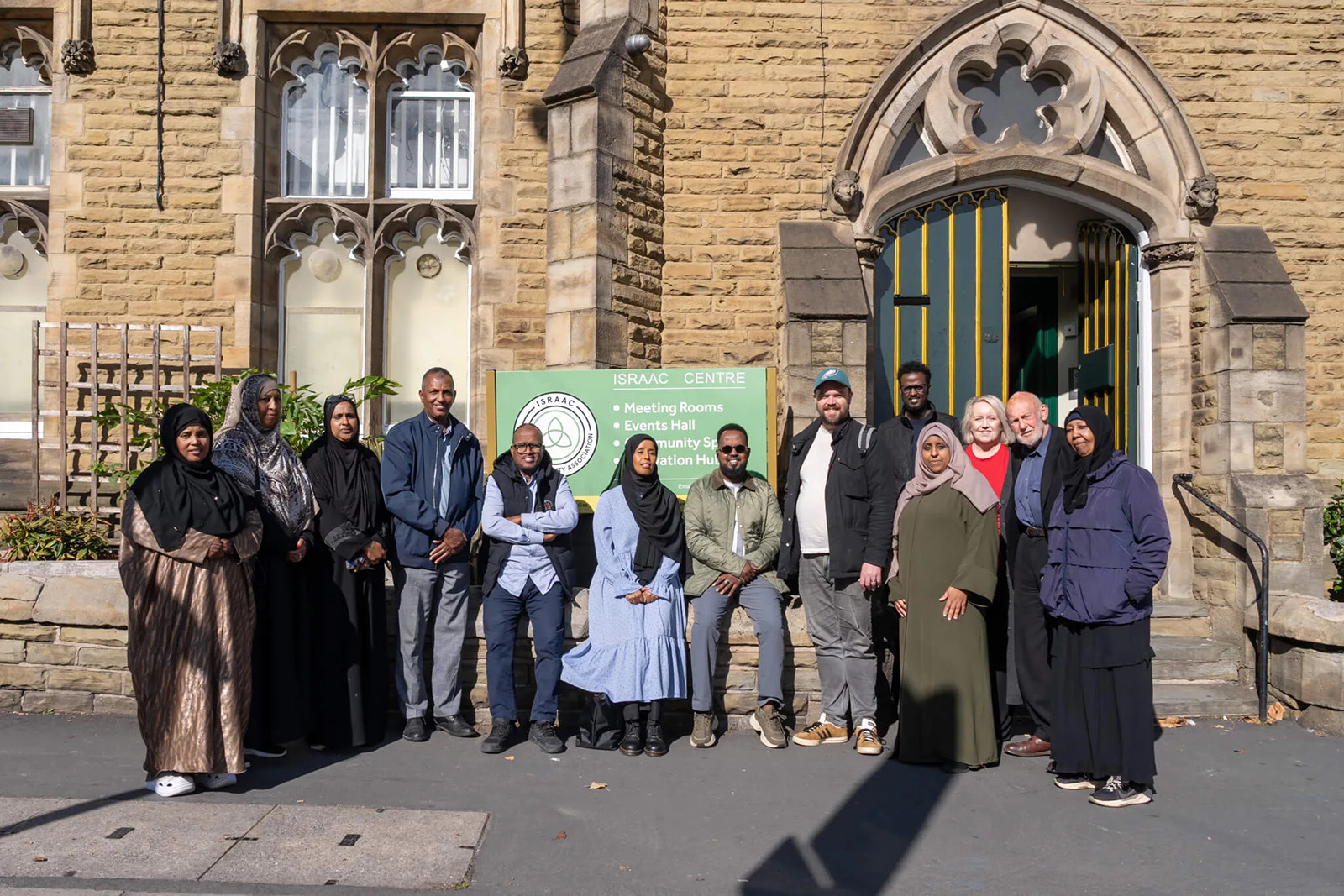
Crumbling roof could force Israac Somali Community Association to shut after more than 40 years — and would cost £250,000 to repair

A Somali community centre that has served Sheffield for more than four decades faces closure unless it can raise hundreds of thousands of pounds for urgent roof repairs.
Leaders at the Israac Somali Community Association say the ageing roof of the Grade II-listed Victorian building has deteriorated to the point where heavy rainfall is regularly causing leaks, threatening its ability to continue operating.
The centre, in Sheffield’s Sharrow area, provides advice services, women’s groups, youth activities and community support for Somali families and other local residents. Staff say more than 100 people use it weekly.

“We can’t do what we are doing at the moment if the roof collapses,” said Yasin Hersi, the centre’s operations manager. “If the centre closes, those who come every day seeking help and support won’t have anywhere to go, which is a disaster.”
Hersi and his colleagues estimate that a full roof replacement could cost around £250,000, and have launched a public fundraising campaign.
The building, a former vestry hall, dates back to 1857 and has long suffered from roofing issues, according to an independent inspection report commissioned by the organisation. The report found missing slates, gaps and cracks in the roof structure and concluded that it required replacement.
Hersi said staff have repeatedly carried out temporary repairs to stop water from leaking into the building, including patching damaged sections and replacing slates. But he warned these measures were no longer sustainable.
Earlier this year, flooding caused by severe rainfall forced the centre to close for a week.
Adam Yusuf, chair of Israac, said losing the centre would be “heartbreaking” for both staff and the wider community, adding: “We’ve come a long way.”
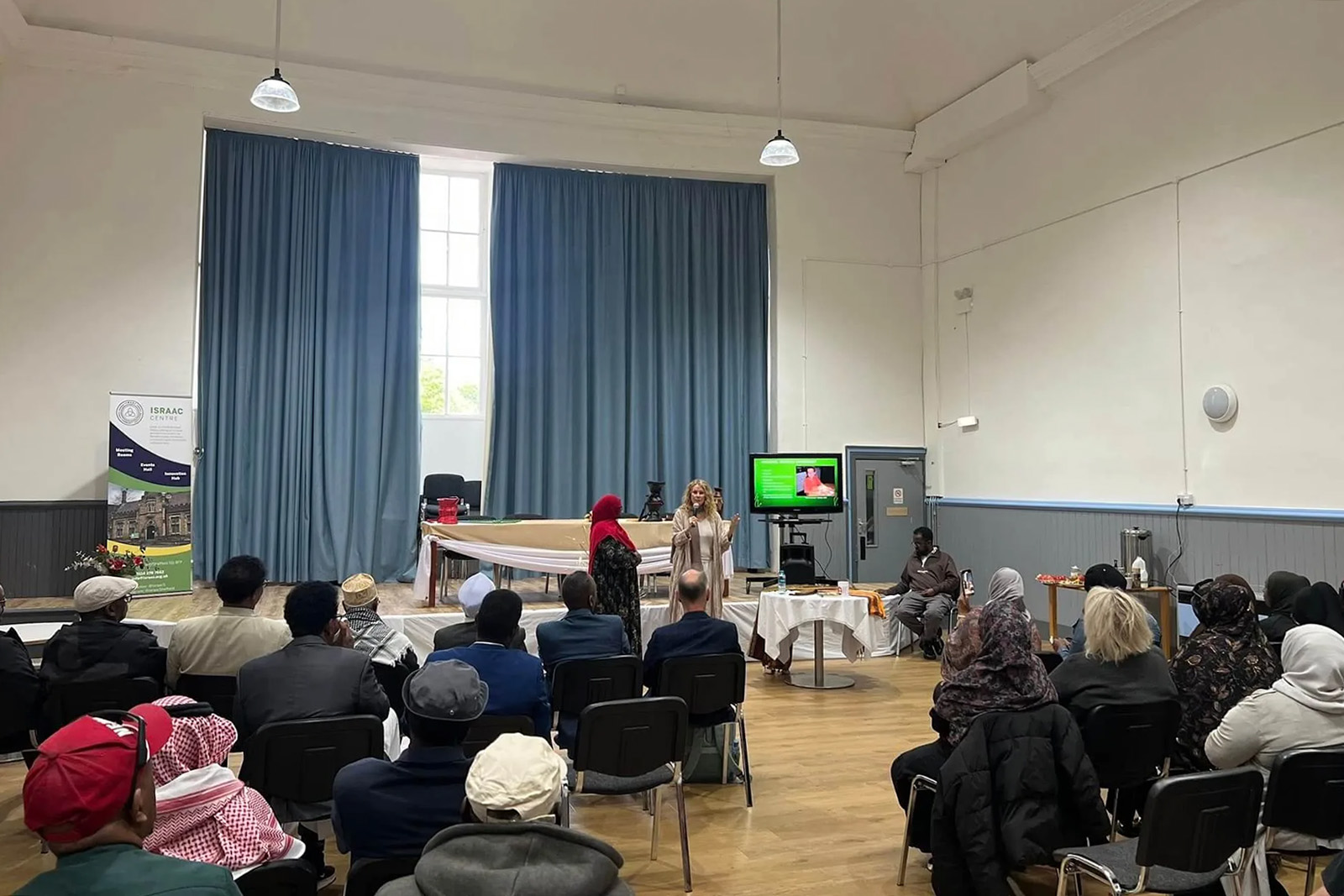
Founded in 1981, Israac has become a hub for Sheffield’s Somali community, offering practical support and a social and cultural meeting place. The building itself represents years of collective effort: the association moved there in 1987 and, 30 years later, dozens of families pooled together to buy the freehold from Sheffield City Council to secure Israac’s future.
“It’s a focal point,” said Yusuf, who has been involved with the centre since the 1990s. “A community needs a common place to meet. It’s a safe haven.”
The centre hosts a range of activities throughout the week, including women’s coffee mornings, youth sessions, martial arts classes, table tennis, cultural events and advice appointments.
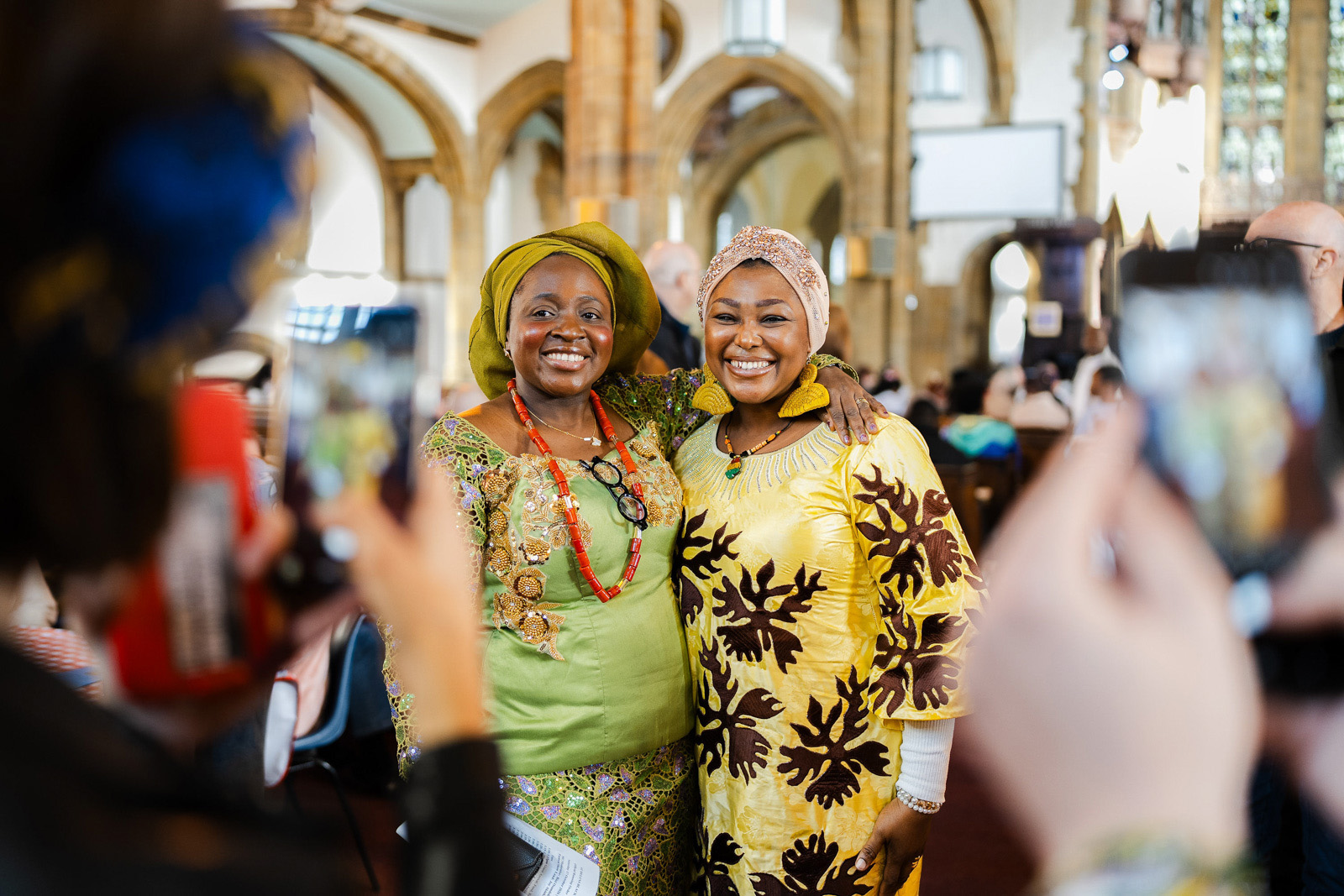
Hinda Elmi, an advice worker who has been involved with Israac for about 20 years, said the centre served far more than just Sheffield’s Somali community.
“It will be devastating for the community if the centre has to close down,” she said. “It’s the backbone of Sheffield’s Somali community, but we support clients from all over — Eritrea, Nigeria, Ghana and other ethnic minority communities too.
Related content
“I’m really passionate about this centre and everything it has to offer. It means a lot to me. It’s part of who I am.”
Staff say the centre is key to helping new migrants navigate local authority services, access housing support and combat social isolation.
“For new arrivals, knowing there are people from your community who can help you navigate the system, the bureaucracy, it gives them a sense of confidence and empowerment,” said Yusuf.
Financial pressures have already forced the organisation to reduce staffing levels in recent months. Yusuf said the centre once had as many as 22 staff but now operates with only a small core team of six. The organisation previously relied heavily on volunteers before securing grant funding in recent years, but rising maintenance costs and increasing demand for services have added to its financial pressures.
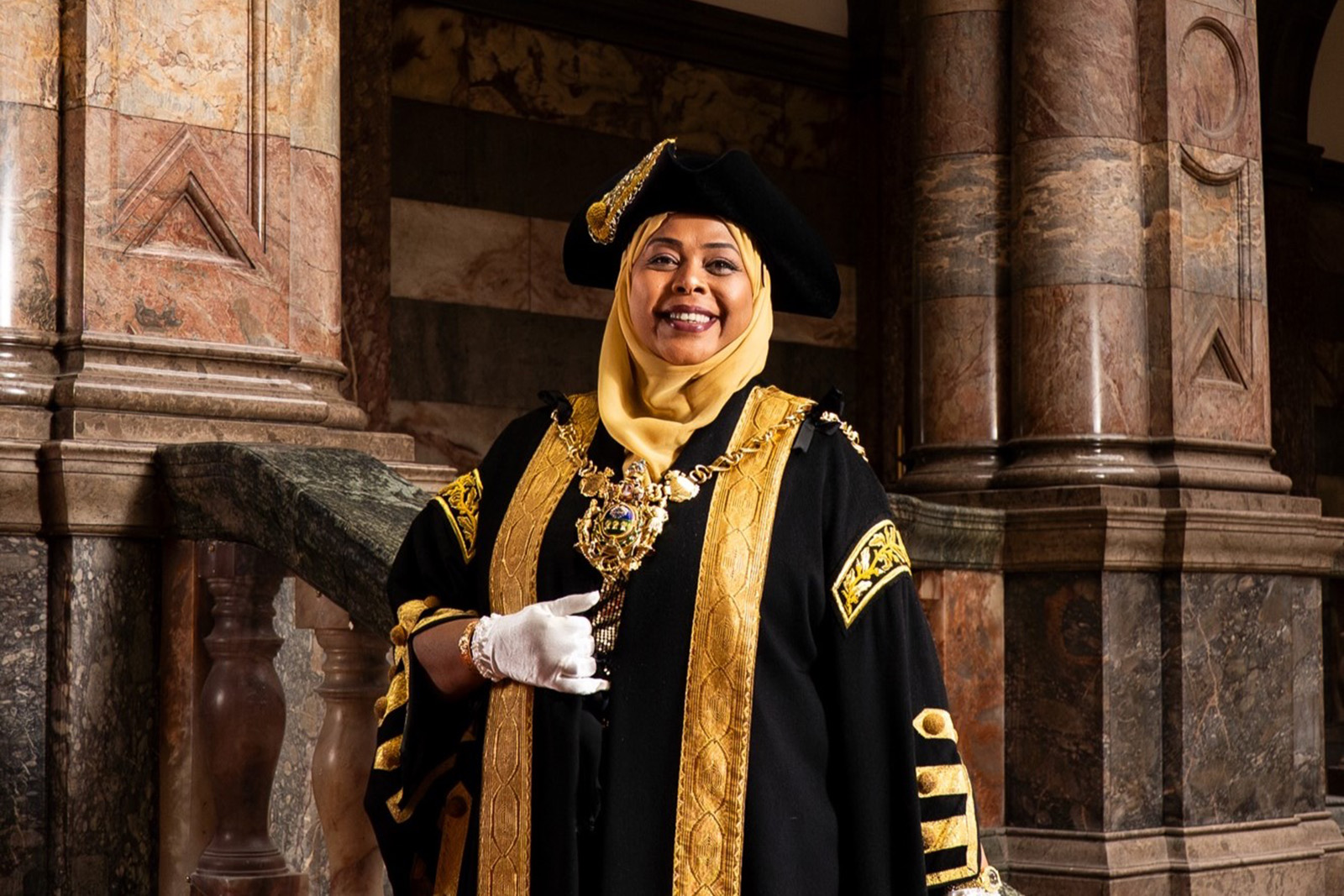
“Israac is truly a lifeline for many in Sheffield’s Somali and broader migrant communities,” said Sheffield’s lord mayor, Safiya Saeed. “The centre provides not only practical support like housing, education and health guidance but also a deep sense of connection and belonging. For many, it’s a critical support hub that fosters safety, opportunity, and a shared future in Sheffield.”