
The Somali Village revisits Bradford’s forgotten colonial exhibition
A new exhibit examines the city’s ties to a troubling form of imperial entertainment

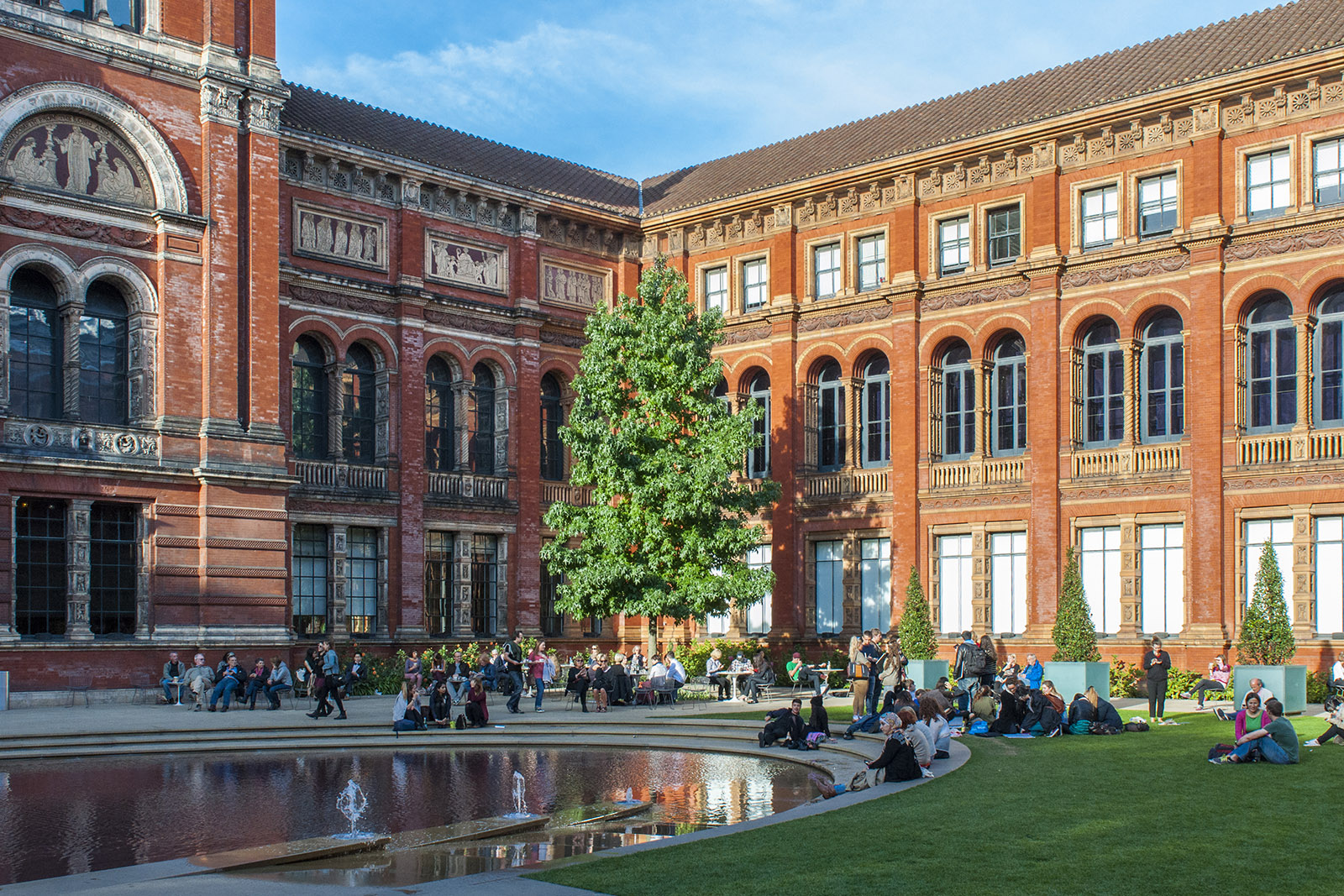
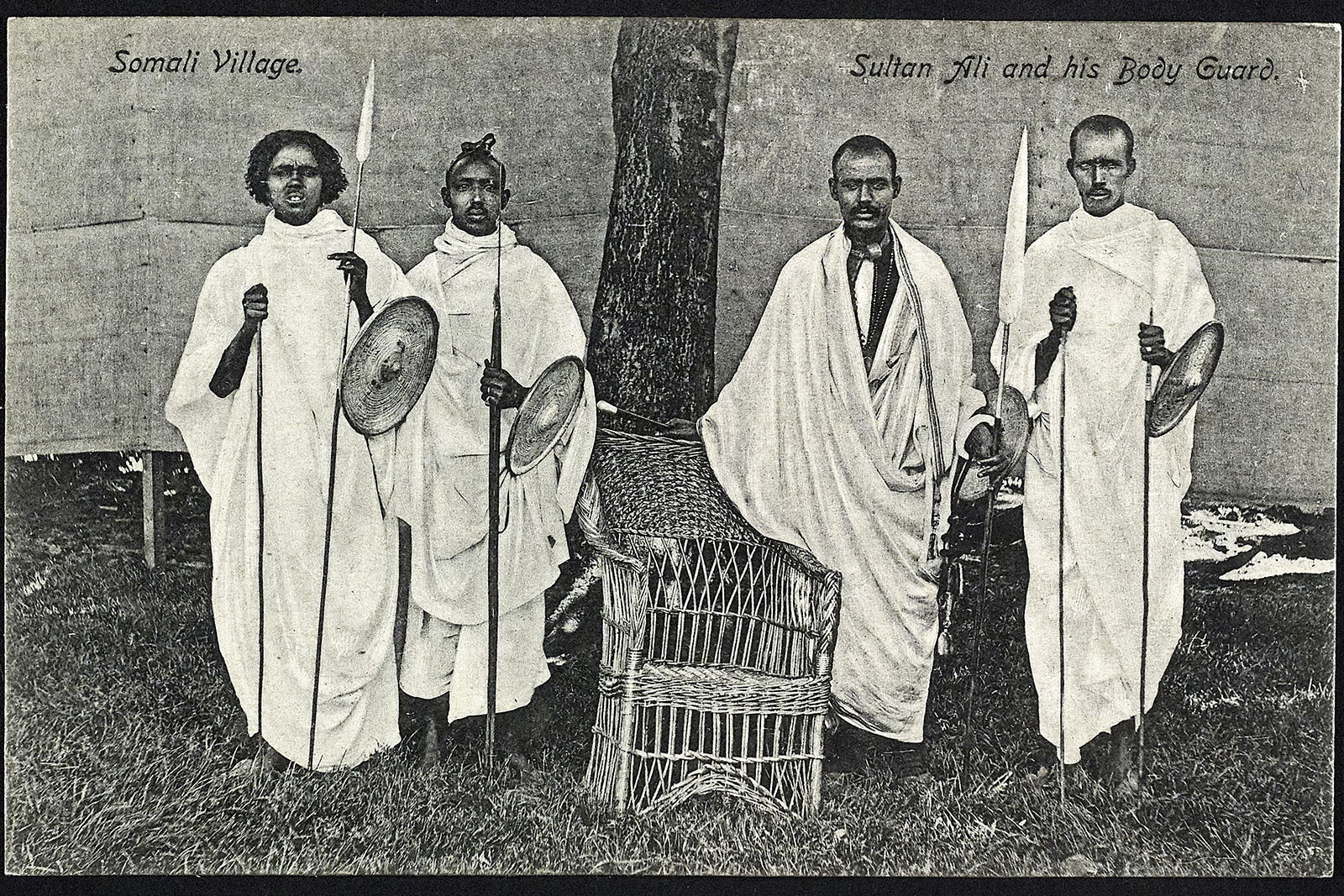
In 1904, more than two million people visited Bradford’s Great Exhibition in Lister Park, flocking to see displays celebrating the city’s industrial power and imperial reach. Among the exhibition’s most popular attractions was the Somali Village, where 57 Somali men, women and children were put on display before crowds of paying visitors.
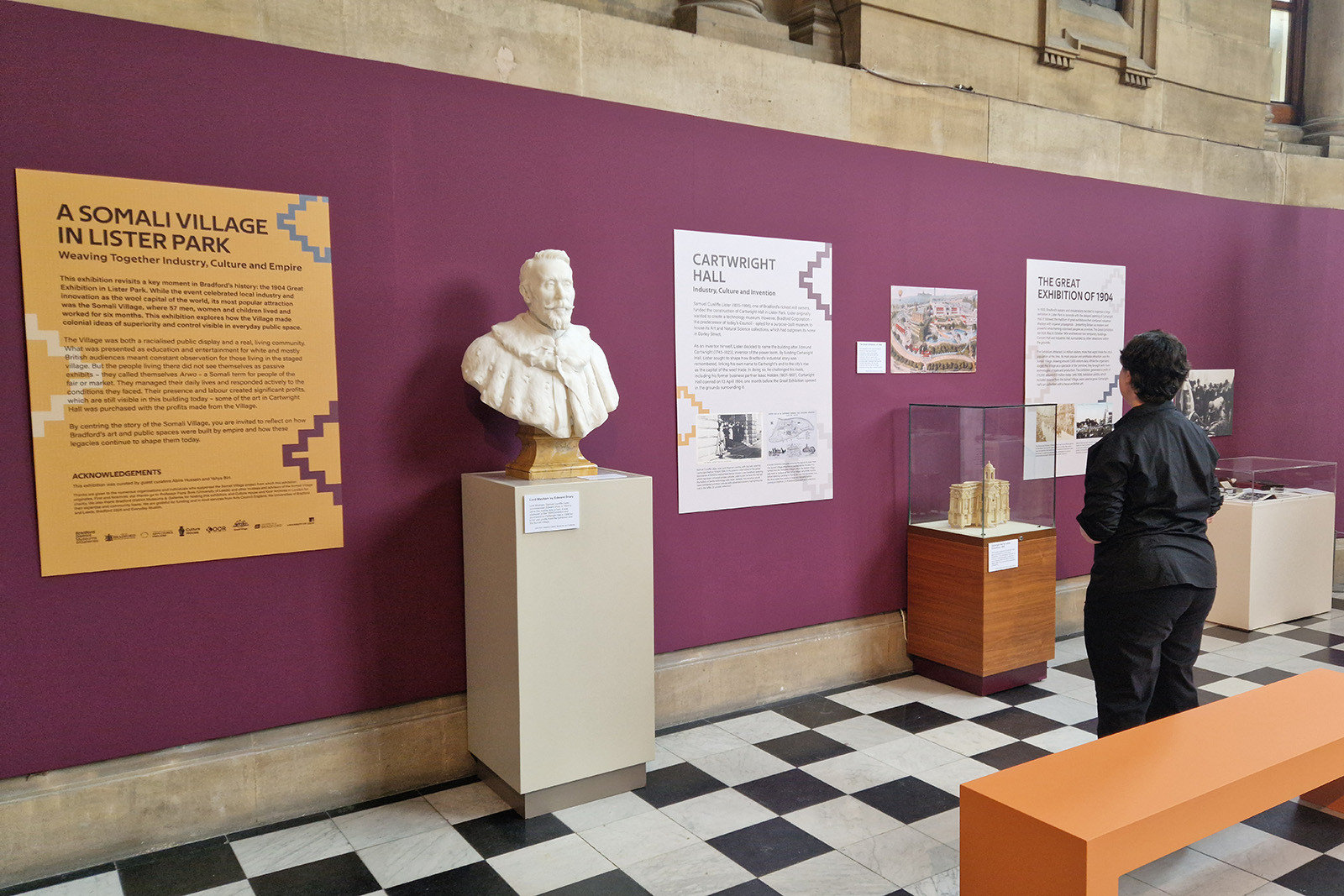
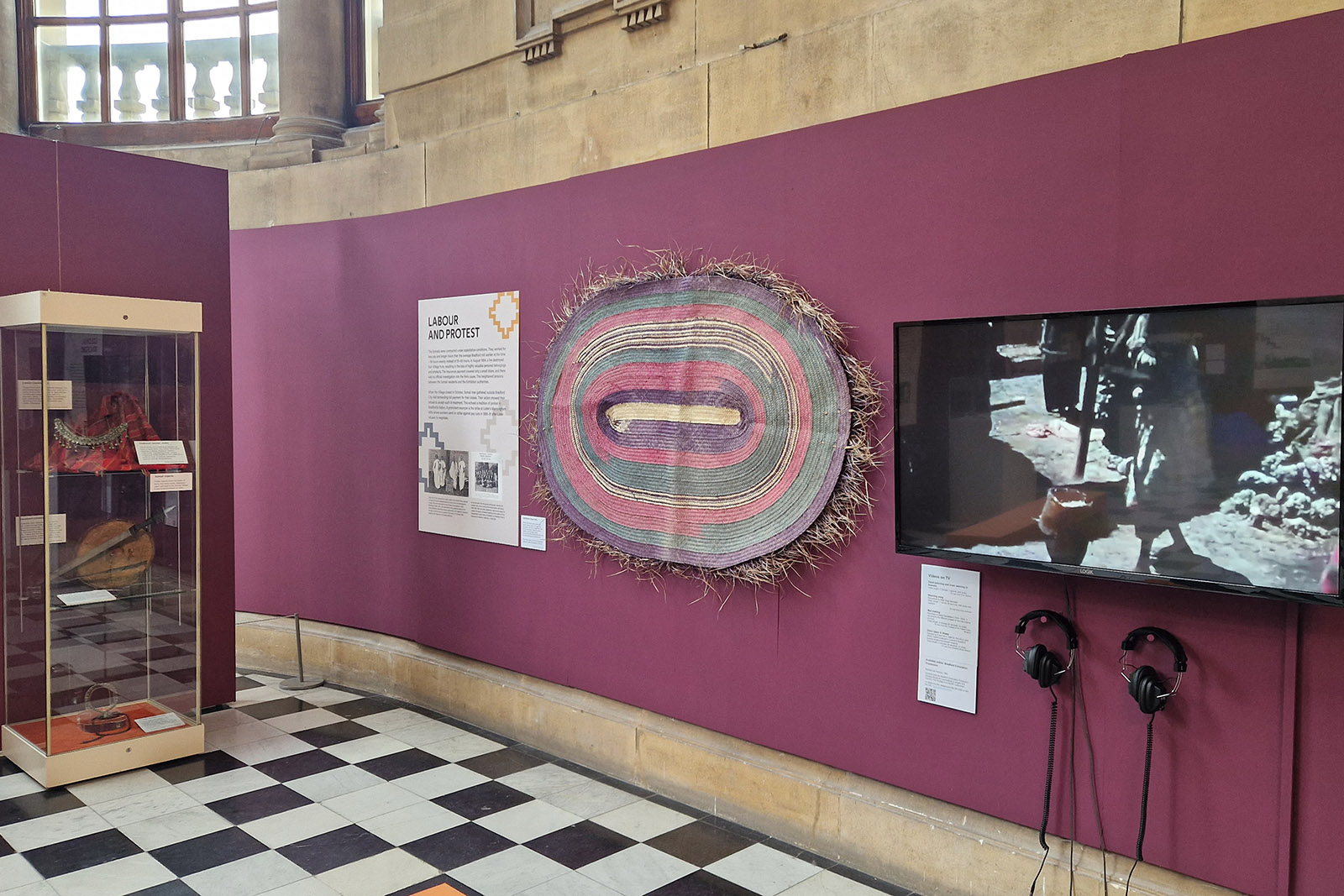
More than a century later, a new exhibition at Cartwright Hall Art Gallery until 1 November, is revisiting that historical moment using archival photographs, archaeological discoveries and Somali cultural artefacts.
Related content
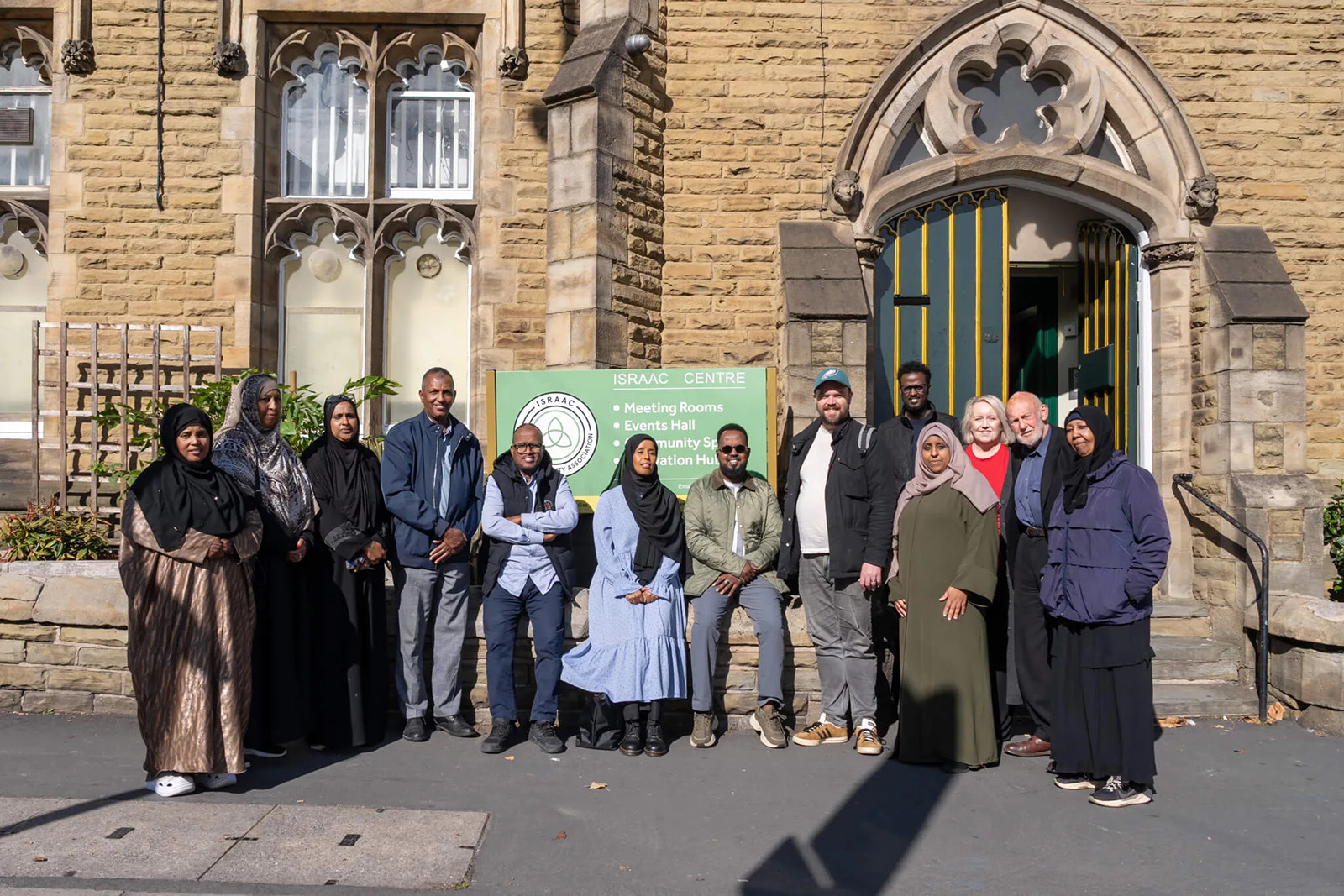
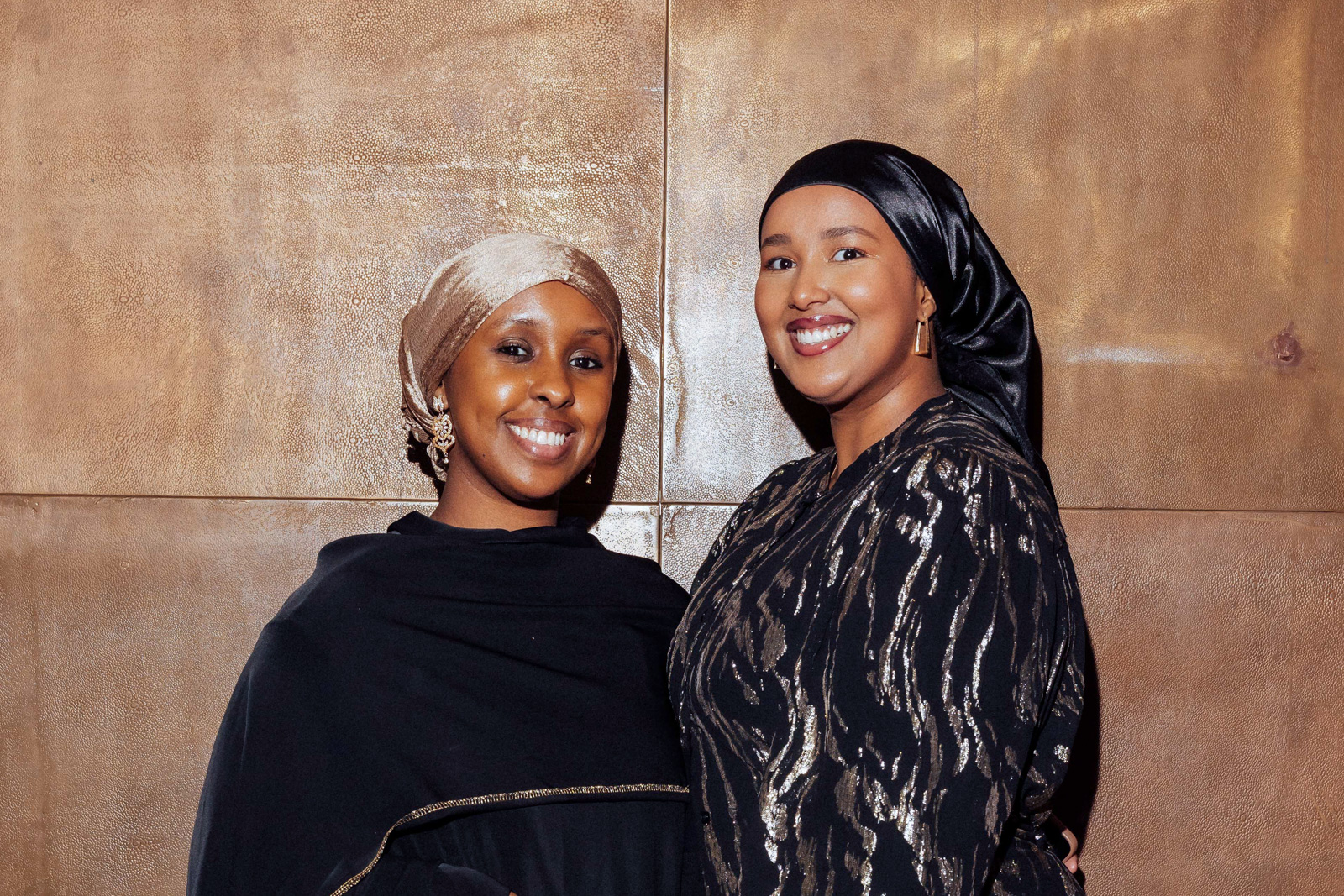
Co-curated by Abira Hussein and Yahya Birt, the exhibition explores the lives of the Somali people who travelled to Bradford as part of the touring group. It examines how imperialism shaped Britain’s understanding of race and centred the lives and humanity of the Somali community at the heart of the story.
“This display wasn’t some strange event — it was very popular,” Birt says. “It was part of this mass culture of imperial display. Millions of people across Europe and North America attended these kinds of exhibitions.”
The Somali Village, says Birt, formed part of a much wider entertainment industry during the late 19th and early 20th centuries, built around ethnographic exhibitions. Organisers recruited groups of colonised people from across Africa and Asia to tour internationally, staging “villages” and performances for paying audiences as a way of showcasing the breadth of the empire and reinforcing ideas of European superiority.
In the case of the 1904 Bradford exhibition, the group was recruited from Somaliland by a man named Sultan Ali, who acted as an intermediary between the Somali participants and exhibition organisers. While the tours were exploitative and rooted in colonial attitudes, Birt explains that the Somali participants also viewed them as commercial ventures, referring to such touring groups as “Arawelo” — “people of the market” or “people of the fair” — and negotiated pay and sold handmade goods.
Today, the exhibition forms part of several years of research led by the Somali Village charity and academics from the universities of Leeds and Bradford. Hussein says that the project emerged from a desire to confront the “violence of the archives” and the way Somali people have historically appeared in western institutions.
“When you look at museums and archives, you don’t really see things that reflect our histories,” she says. “These are colonial institutions that had very particular views about who we were and that’s reflected in how we’ve been presented.”
The Great Exhibition was a showcase of industrial innovation closely tied to Britain’s imperial economy. Organisers built a walled compound in Lister Park where Somali families lived, prayed, worked and performed for about 350,000 visitors over the course of six months.
But the exhibition’s curators say the people involved should not be viewed simply as victims.
“People often refer to displays like these as human zoos, but these were people with agency,” Hussein said. “They were employed, they negotiated salaries, they spoke multiple languages, they protested and resisted.”
Research uncovered evidence that the members of the village challenged organisers over poor compensation after a fire destroyed some of their belongings. On the final day of the exhibition, they reportedly picketed Bradford Town Hall before boarding a train out of the city.
The exhibition also highlights the everyday lives of the Somali community at the turn of the 20th century. Records show that children continued their Islamic education while on tour, with lessons taught on a loox — a traditional wooden board used in Quranic schools across Africa. The community also kept up their daily and Friday prayers and sermons inside the village mosque, which, according to Birt, became both a place of worship and a point of curiosity for visitors.
“The imam gave a sermon that was translated into English for reporters,” he says. “What’s very clear from that sermon is that he was actually giving dawah.”
For Hussein, one of the most moving discoveries was the story of Halimo Abdi Badal, believed to be the first Muslim buried in Bradford. She died from tuberculosis at the age of 26 during the exhibition, leaving behind her husband and a young child.
“It was really poignant having that physical trace,” Hussein says. “A lot of the time, when you look at these archival images, there isn’t any trace of these people left. But here you have her grave.”
Today, local Muslims still visit Halimo’s grave. Birt describes receiving messages from families asking where she was buried so they could visit and recite the Qur’an for her.
“People see her as their mother or grandmother,” he says. “They want to honour her. This is people claiming this history in their own way.”
Visitors to the exhibition will see original postcards and souvenirs from the 1904 event alongside Somali cultural artefacts loaned from community archives such as Culture House. They include shields, woven items and jewellery rarely displayed publicly in Britain. Archaeological digs at the original village site in Lister Park uncovered sheep bones believed to be evidence of halal slaughter, as well as Venetian trade beads linked to long histories of east African commerce.
Related content
The curators said they wrestled with how to display photographs originally produced, given the circumstances under which they were taken. Warning notices at the exhibition entrance encourage visitors to critically examine the images rather than consuming them passively.
“We didn’t want to simply put people back on display,” Hussein says. “We wanted people to think about how they lived, how they resisted, how they understood themselves.”
For Birt, the exhibition is also about the present-day UK and the way colonial attitudes continue to shape how people view others.
“In a very charged political environment, these conversations feel even more urgent,” he says. “What forms of white gaze and display continue today?”
A Somali Village in Lister Park is on at Bradford’s Cartwright Hall Art Gallery until 1 November.