
Entry Level Mums — the podcast where Somali women talk candidly about motherhood
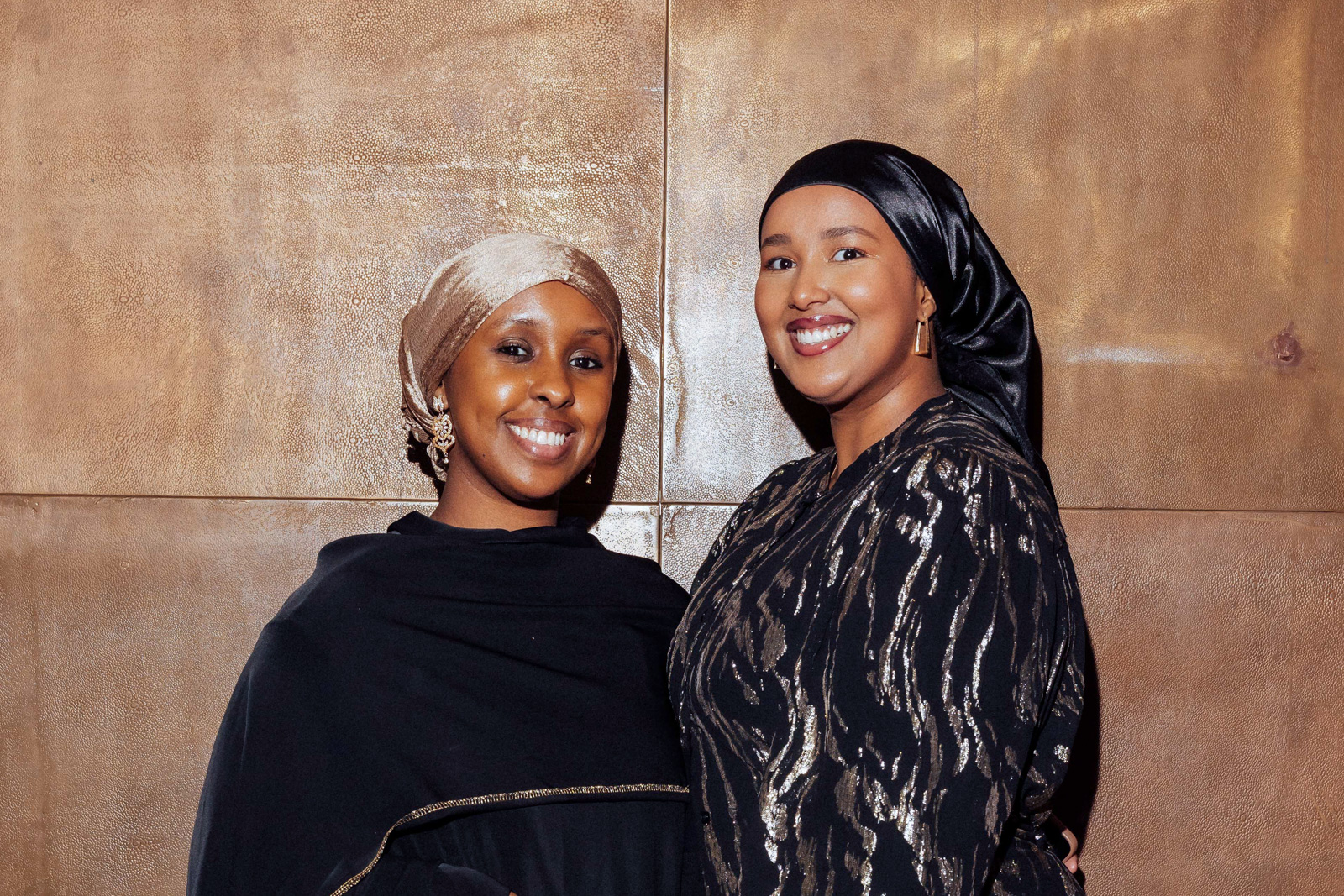
What started as a simple chat between friends has become a vibrant and supportive community where the difficult parts of parenting can be shared
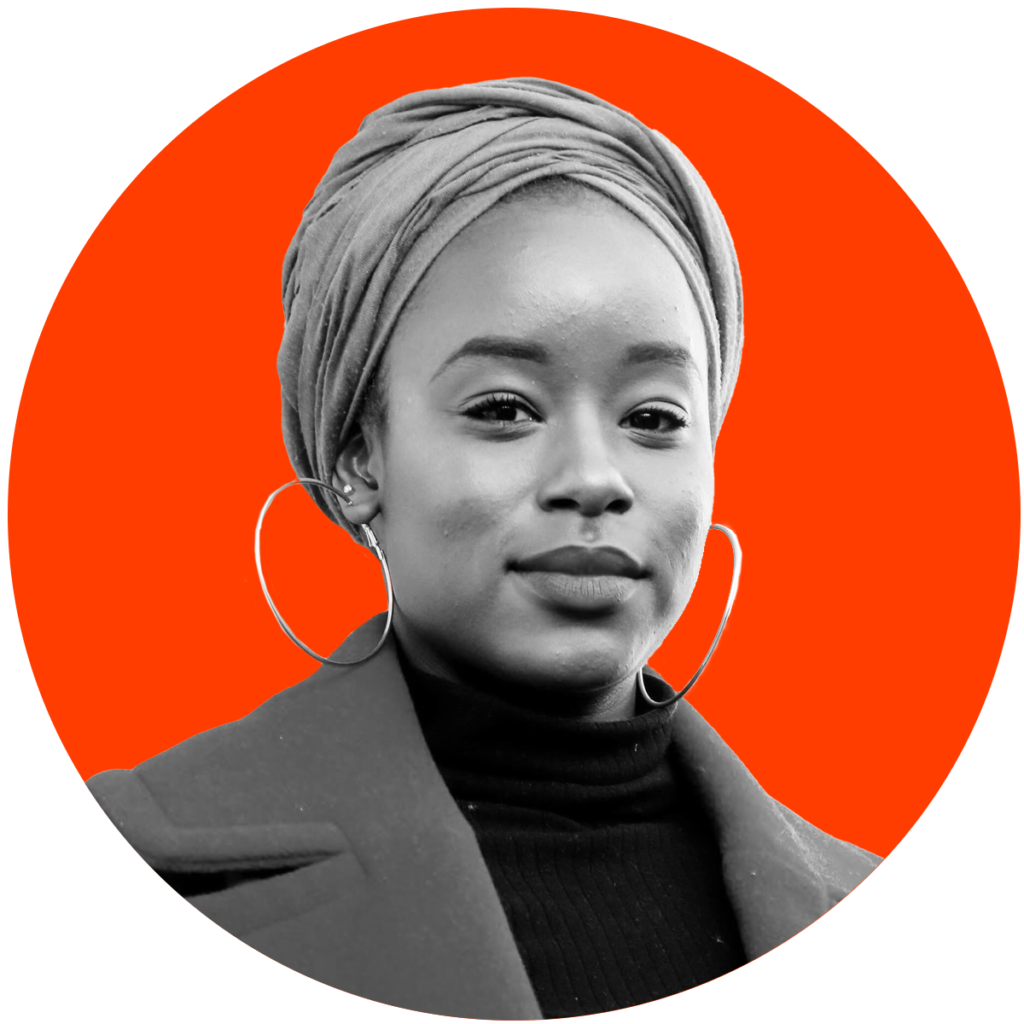
When Sawiya Ali, 32, became a mother, she felt like she was “in the gutter”. Struggling with postpartum depression and trying to make sense of her new role in life, she found herself searching for someone who understood what she was going through.
At the time, Ali was writing a blog and asked if she could interview Nasra Mohamed, 31 — a fellow Somali mum she had been messaging online — about her own postpartum experience.
“I just wanted someone else’s perspective,” says Ali. “My mental health was so bad and I wanted to hear someone else validate how I felt. So, I thought, ‘Let me interview someone’, and Nasra felt like the right person.”
Related content
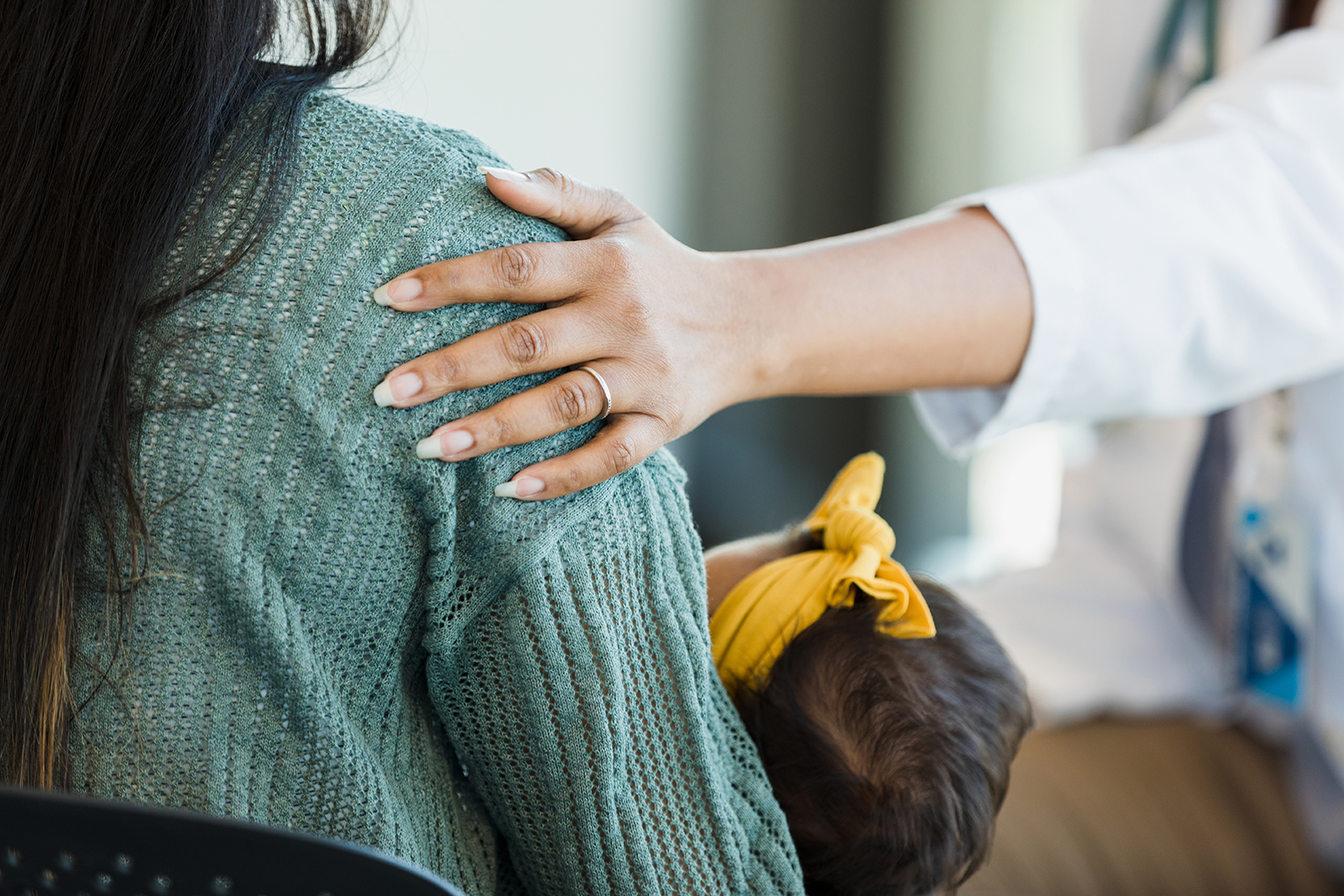
After their initial conversation, the two London-based women never stopped talking.
“That’s when we started planning the podcast,” says Ali.
Launched in 2022 and with more than 100 episodes recorded, the Entry Level Mums podcast focuses on motherhood, culture and mental health — offering listeners the kind of candid, unfiltered conversations Ali and Mohamed say they rarely heard growing up.
The idea came after they realised just how little existed for women like them. While other communities had visible “mumfluencers” sharing their lives online, much of that content felt difficult to relate to. Meanwhile, within their own communities, conversations about motherhood, especially concerning problems such as postnatal depression, were often not had or dismissed.
“There wasn’t really anyone from our background online talking about motherhood honestly. We noticed there was a massive gap in the market and decided to fill it and start a YouTube channel,” says Mohamed.
“There’s a shame culture in our community — if you’re a new mum, you might not even know you’re experiencing something like postpartum depression because people are telling you to suck it up.”
Entry Level Mums has since built a loyal online following, with almost half a million views on YouTube and almost 100,000 followers across its Instagram and TikTok accounts. In December 2025, Ali and Mohamed were recognised at the Muslim Women Awards, winning in the social media category, and were recently nominated for best podcast at the Glomama Awards.
For both women, starting the podcast wasn’t just about representation; it was also based on a need to bring underdiscussed aspects of motherhood into the open — particularly mental health.
“Mental health is seen as taboo,” Ali says. “Even now, when you’ve had a baby, people will tell you women have been giving birth for centuries before you — just get on with it.”
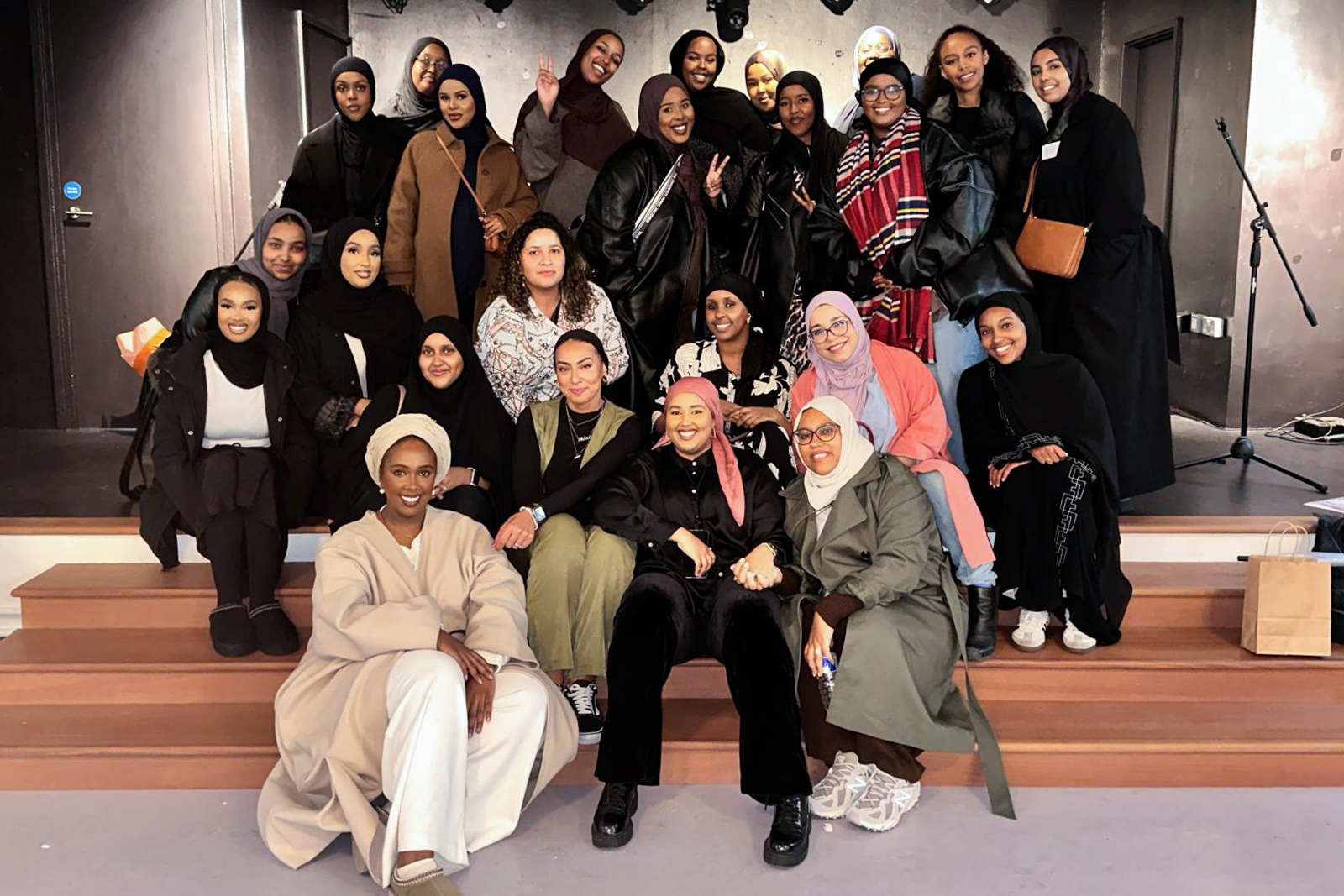
Those attitudes shaped Ali and Mohamed’s experiences. Both recall moments when their struggles were minimised or ignored by people within their community, and feeling the weight of the wider expectation that motherhood should simply be endured quietly. That’s why they made an early decision that the podcast be as honest and open as possible.
“There’s no point sugarcoating something like this,” says Ali. “Motherhood is not all roses. You can’t romanticise it.”
When they first met, Ali’s daughter was just six months old, and Mohamed’s was barely past her first birthday. Now Ali is a mother of two — her daughter is five, and her son is two years old, while Mohamed’s daughter is now six.
“We literally felt like we just got here — we don’t know anything,” says Ali. “We’re just blagging it every day.”
That honesty has clearly resonated with their audience. One of the most popular topics on the podcast is what Ali describes as the identity shift of motherhood.
“Your whole life has changed, you’re sleep deprived, you’re in pain, breastfeeding, and it just feels like, overnight, your whole world has turned upside down,” says Ali. “And then you feel guilty about that.”
Mohamed has also used the platform to speak about her experience as a divorced single parent. “The co-parenting journey is interesting,” says Mohamed. “Nobody talks about it.”
In her experience, conversations around divorce are often shaped by assumptions — that separation is temporary, or that reconciliation should always be the end goal. By being open about her own experiences, Mohamed is pushing back against cultural expectations and making space for a version of motherhood that isn’t often acknowledged within the Muslim community.
That openness has shaped how listeners engage with the podcast. Over time, a pattern emerged in the messages Ali and Mohamed were receiving.
“There are so many from girls saying, ‘I didn’t know I had postpartum depression until I listened to you guys’,” says Ali.
Others describe listening during late-night feeds, treating the hosts as companions during the night.
“They’ll say, ‘I feel like you guys are my friends… I’m literally talking back to you when I’m listening’,” Ali says.
While Entry Level Mums was created for new mothers, a significant part of its audience is made up of women who haven’t yet had children. Some are teenagers, curious about a stage of life no one has properly explained to them.
“They’ll tell us, ‘My mum doesn’t talk about it, my aunties don’t talk about it’,” Mohamed says. For her, that reflects a wider gap in how topics such as sex, marriage and motherhood are discussed, or not discussed, within many families.
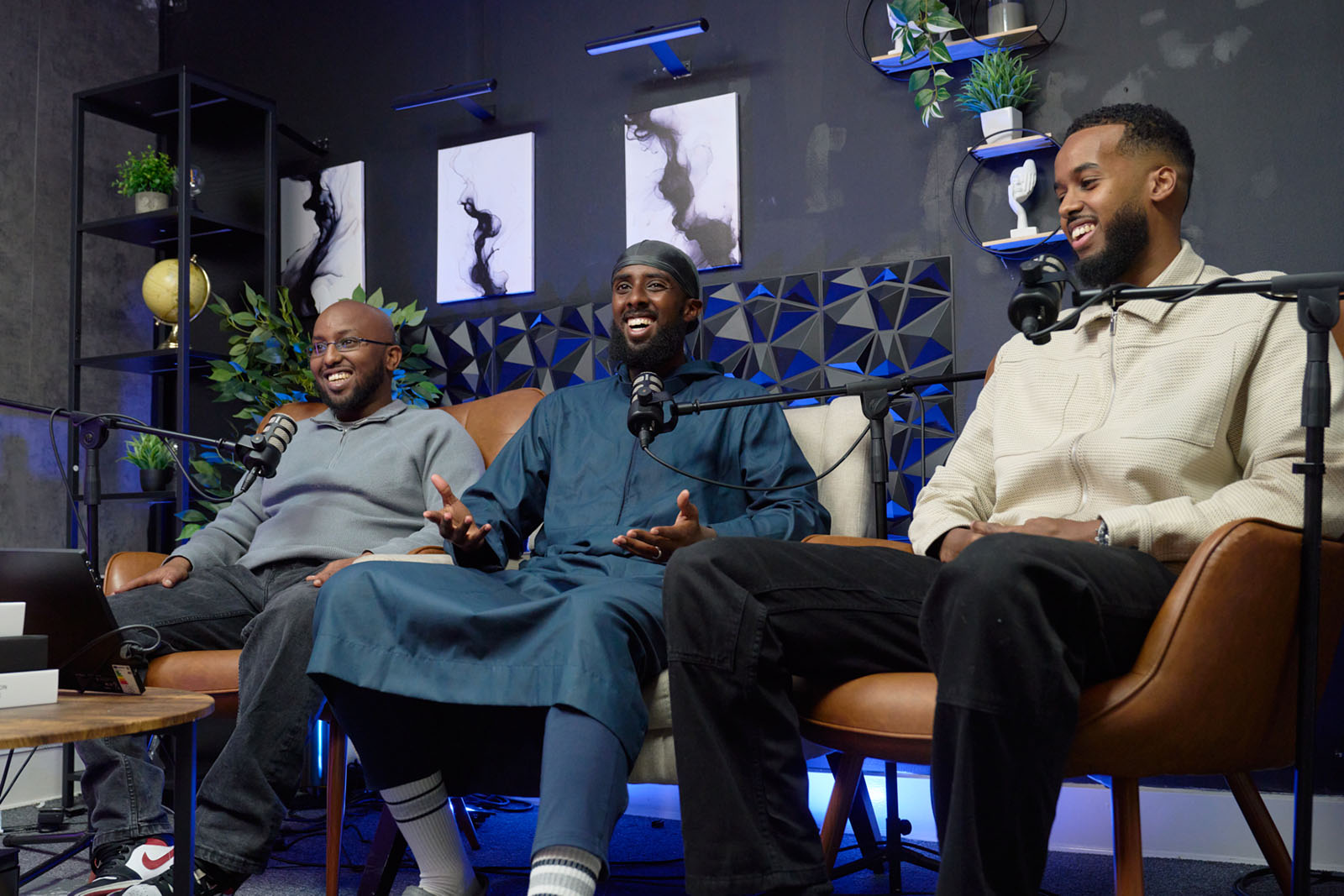
In the four years since its launch, the podcast’s reach has grown beyond anything its hosts imagined. What started as a conversation between two friends has transformed into a much wider community, one they are trying to build offline as well.
“We don’t want it to be just an online space,” says Ali. “We want people to come together and meet like-minded mums.”
Ali and Mohammed are now organising live events, where mothers can meet, talk and form real-world friendships. For Mohamed, those connections are what the whole project has always been about.
“Motherhood is already so isolating — you feel like you’re the only person awake in the middle of the night feeding a child every two hours,” she says. “Saying how you really feel shouldn’t be something that you also have to keep to yourself.”