
Why we should bring back analogue play for our children

Wanting our kids to lead a 90s-style childhood away from digital devices is not about nostalgia, but increasing wellbeing and happiness

When I was a child in the 90s, the family computer was one of those boxy machines that lived in the corner of our dining room. It was supervised by my parents, who limited usage to one hour a day after my homework was done. My siblings and I shared one Nintendo 64 console, which we played only on weekends. I spent most of my spare time in parks, the local library, at friends’ houses and at play schemes run by the local council.
I had what is now being called an “analogue childhood”. As a millennial mum, I’m among the last generation to have experienced a childhood that wasn’t defined by screens.
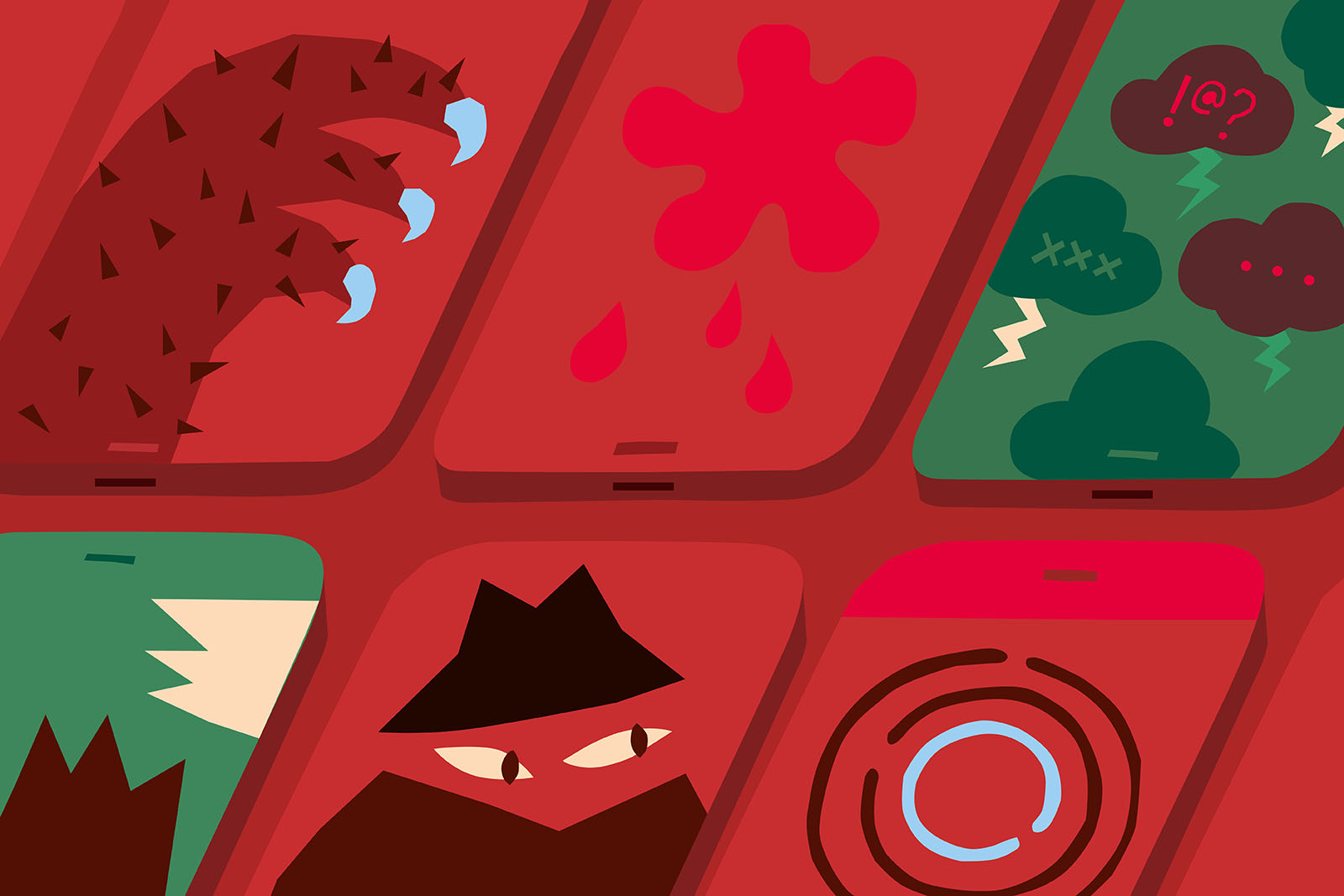
Our children spend an astonishing amount of time on digital devices. Last year, the children’s commissioner for Wales found that one in five spend at least seven hours a day using phones and tablets. Teachers have even reported seeing children in reception class trying to swipe or tap picture books like smartphones.
Increased digital presence appears to translate into less happy childhoods. Research by The Children’s Society in 2025 found that high-intensity social media usage has a detrimental effect on childhood wellbeing.
But what other options are there for children? National and local council budget cuts have seen hundreds of playgrounds and leisure centres close. Between 2010 and 2023, more than 1,200 youth clubs shut down because of council spending cuts.
Without such support services, it is much harder for parents to encourage kids to keep off digital devices. As a working mum, I know how tempting it is to thrust a tablet into my son Ammar’s hands when I have an article to write, an interview to conduct or housework to do. And I do believe having that option is helpful — any mother will tell you how Peppa Pig or Cocomelon has come to the rescue when their toddler is having a meltdown. However, I still believe it is our responsibility as parents to do what we can to encourage a more analogue way of living.
My four-year-old son and I play boardgames most afternoons. I encourage him to play with his toys whenever I can and he enjoys dressing up as superheroes (he’s currently insisting I refer to him as Peter Parker). We have fun cutting up his old comics and making collages.
An analogue childhood is not an anti-tech one, but it does ask us as parents to put greater effort into setting time limits on device usage. Activities don’t have to cost money. It can simply mean doing research to find out what free or affordable clubs and play sessions are being offered in the local area. Many libraries run free storytelling sessions, and museums often offer free monthly craft sessions and half-term activities. A number of Muslim organisations run scout groups, such as the Muslim Scout Fellowship and Salam Scouts, while many mosques organise summer clubs and camps.
An analogue activity can be as simple as just stepping outside more often. I still recall happy moments from my childhood making daisy chains in the park.
Related content
As parents, we should also put our own devices away. I am guilty of Instagram doomscrolling, so at 6pm each day, I put my smartphone in my desk drawer. It means I can be truly present with my husband and son in the evening.
Last year, the government recognised that young people are “detached from the real world” by being behind screens. An £88m package, announced in August 2025, will expand youth services and activities such as new climbing walls, music lessons and volunteering opportunities.
Until we see these programmes realised, we should think back to the times we spent playing with conkers during autumn, looking at insects in the garden through a magnifying glass during spring, and throwing water balloons in the summer.
Ammar’s childhood memories should not be defined by seeing his parents endlessly scrolling on their phones or hours spent watching cartoons on a tablet. I want more than that for him.