
A feminist reading of Islam helped me find my identity as a Muslim woman
My novel, Hijab and Red Lipstick, is the promise I made to myself to write my own story while living in an ultra-patriarchal society
Until the age of 14 I was raised to believe I could achieve anything I put my mind to. But, in 2003, my mother, siblings and I joined my father in Doha, where he’d recently moved for work. In London, I’d been a bubbly teenager who enjoyed painting Georgia O’Keeffe-inspired art while listening to the Red Hot Chili Peppers. In Qatar, I quickly realised I was different. I wore a hijab with a black hoodie, baggy khaki combat trousers, punk jewellery and rock band pins. People would jeer at me in the street.
At that time, in the early noughties, the country followed Wahhabism, an ultra-orthodox sect of Islam founded in the 18th century by theologian Muhammad ibn Abd al-Wahhab in Saudi Arabia — Qatar now practices a more moderate version. To live in such a conservative and patriarchal society was extremely challenging. It felt worlds apart from the broad-minded, multicultural Muslim community I was part of in London.
Related content
At my new school there were no art lessons and no library, and I soon stopped painting or reading for pleasure. My behaviour became increasingly scrutinised at home. I was told I must stay out of the way and not talk or laugh too loudly when we had male guests.
On the walls of doctors’ waiting rooms and public prayer rooms I’d find posters that suggested uncovered women were like unwrapped lollipops that attract flies. I once witnessed our neighbour being abused by her husband, which the police later said was a family matter. Then, my classmate was beaten by her father because he suspected she was talking to a boy. Still, to this day, there is no law on domestic violence in Qatar.
I felt that Qatari society’s standards for girls and women were unattainable for me. I was told I must dress more modestly and that I should not speak to the opposite gender at all. When I argued that the country’s guardianship system — which legally requires women to obey a male family member and still remains in place today — was discriminatory and infantilises women, I was told it was for my own good.
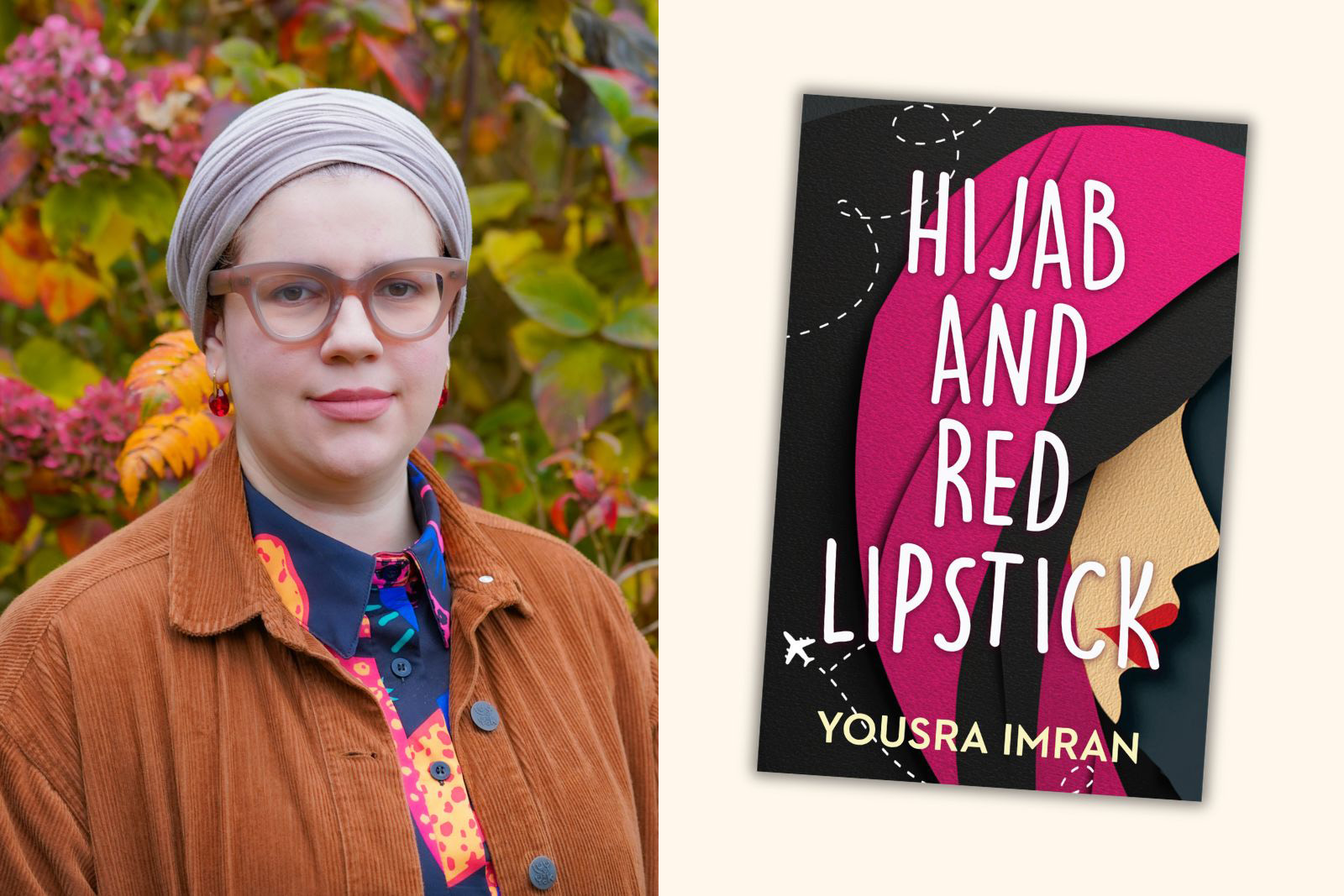
I started to feel as if my life had become smaller. I spent evenings curled up in a ball in my bedroom. But I held onto the hope that one day, I would write my story. And I did. My novel, Hijab and Red Lipstick, originally published in 2020 with its second edition out now, is the story of a British Egyptian teenager called Sara, who moves from London to a Gulf country, where her life changes overnight.
Loosely based on my own life, the novel moves through Sara’s formative years, illustrating how every life decision — from starting university to work — requires her father’s permission, which gets weaponised against her to keep her behaviour in check. Ultimately, it is the story of how Sara reclaims her practice of Islam, separate to the patriarchy.
In writing the book, I exposed some dark and uncomfortable truths about my community. But the story is also a reflection of the feminist reading of Islam I had discovered during my 20s, an antidote to the conservative society I was living in.
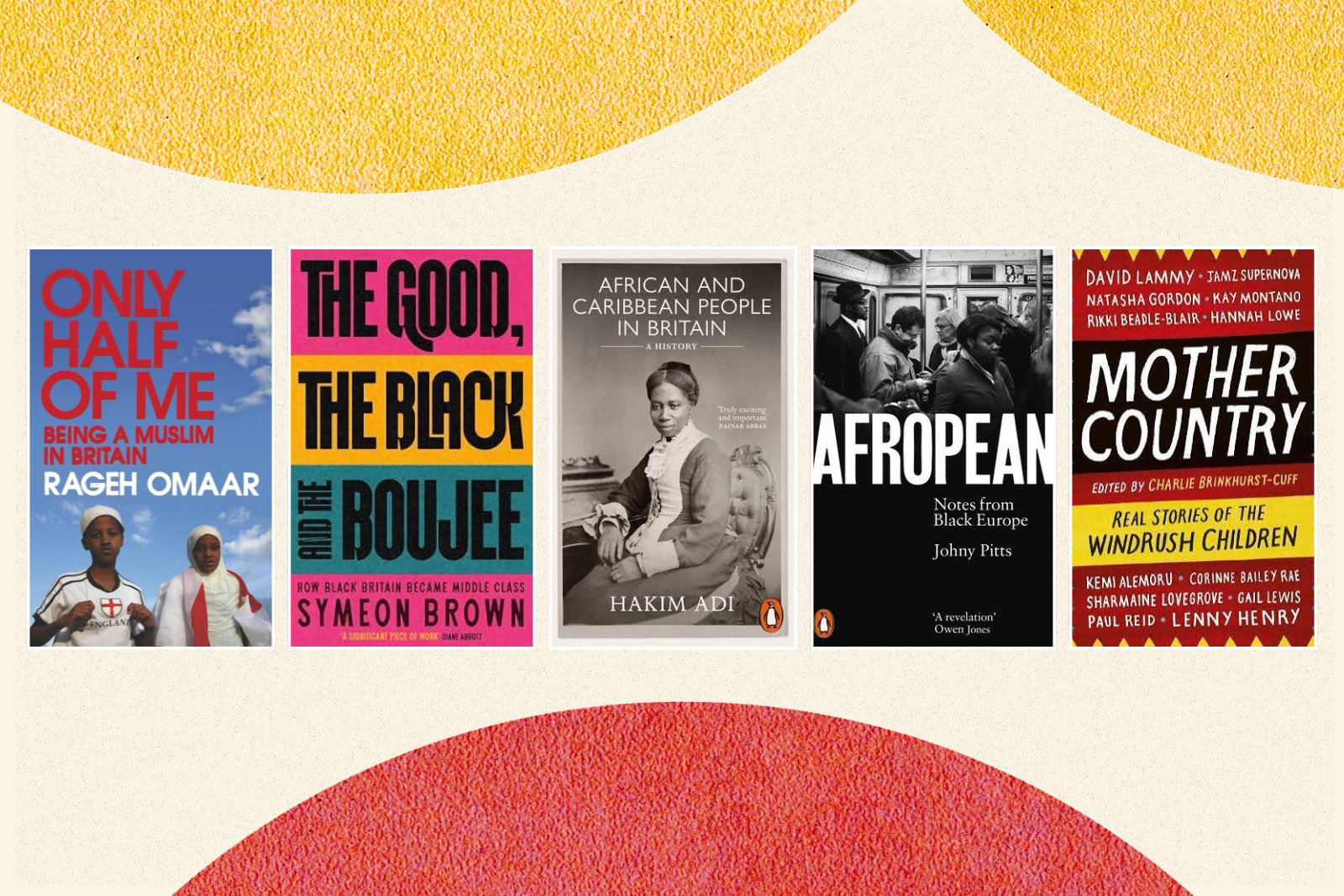
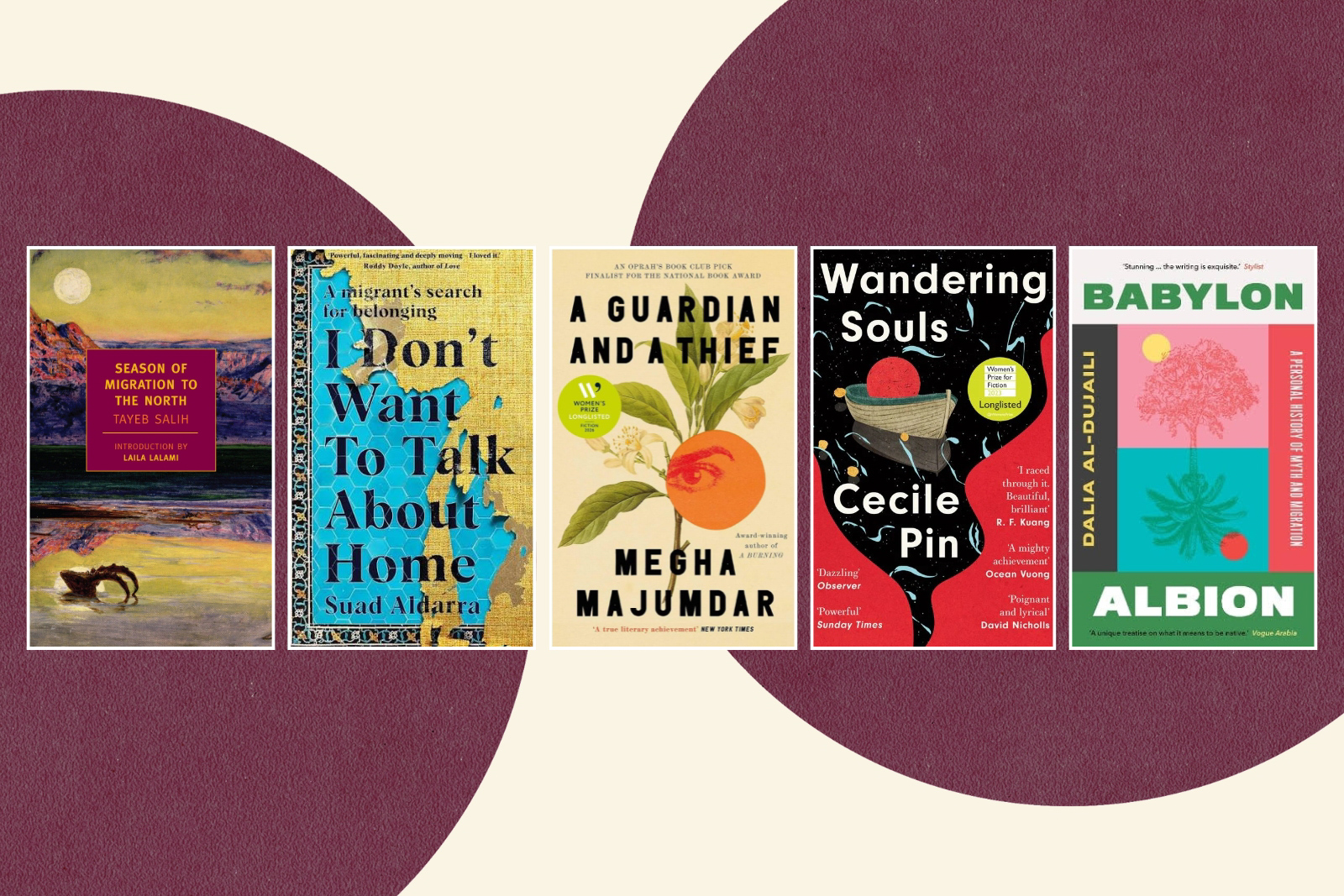
Similar to my own story, Sara picks up books by feminist Islamic scholars such as Leila Ahmed, Fatema Mernissi, Amina Wadud and Asma Barlas. She experiences a spiritual reawakening that leads her to finding her identity as a Muslim woman.
The story reflects my own journey in coming across feminist scholars. I remember while at university in Qatar, one of my professors, the late Islamic scholar Amira El-Azhary Sonbol, kept a selection of feminist books under lock and key. At the time, reading materials and lectures were censored by the university administration, so Sonbol safely tucked these books away for students like myself. There was Nawal El Saadawi’s The Hidden Face of Eve, Margaret Atwood’s The Handmaid’s Tale and Sonbol’s own work, Women, the Family, and Divorce Laws in Islamic History.
Related content
These books made me feel less alone and opened up a whole world of female scholarship — from Aishah bint Abi Bakr, the wife of the Prophet Muhammad who challenged incorrect or contradictory hadiths, to Fatima al-Fihri, the founder of the world’s first university and Nana Asma’u, who promoted women’s education in 19th-century Nigeria.
I learned that while the Qur’an and sunnah are timeless, fiqh is only man’s interpretation of Islamic legal law. And humans are not infallible.
A year after I discovered these works, I moved back to the UK alone. I was 29. I recalled the words of male family members telling me that my way of thinking — that a woman should have her own agency — was abnormal,and that no one would ever believe my experience. Hijab and Red Lipstick is the promise I kept to myself to write my own story. I’m grateful to the feminist Islamic thinkers who gave me the push to write it.
Hijab and Red Lipstick (Second Edition) by Yousra Imran is published by Hashtag Press.