
Mosques could lose security funding if they ‘undermine’ government online
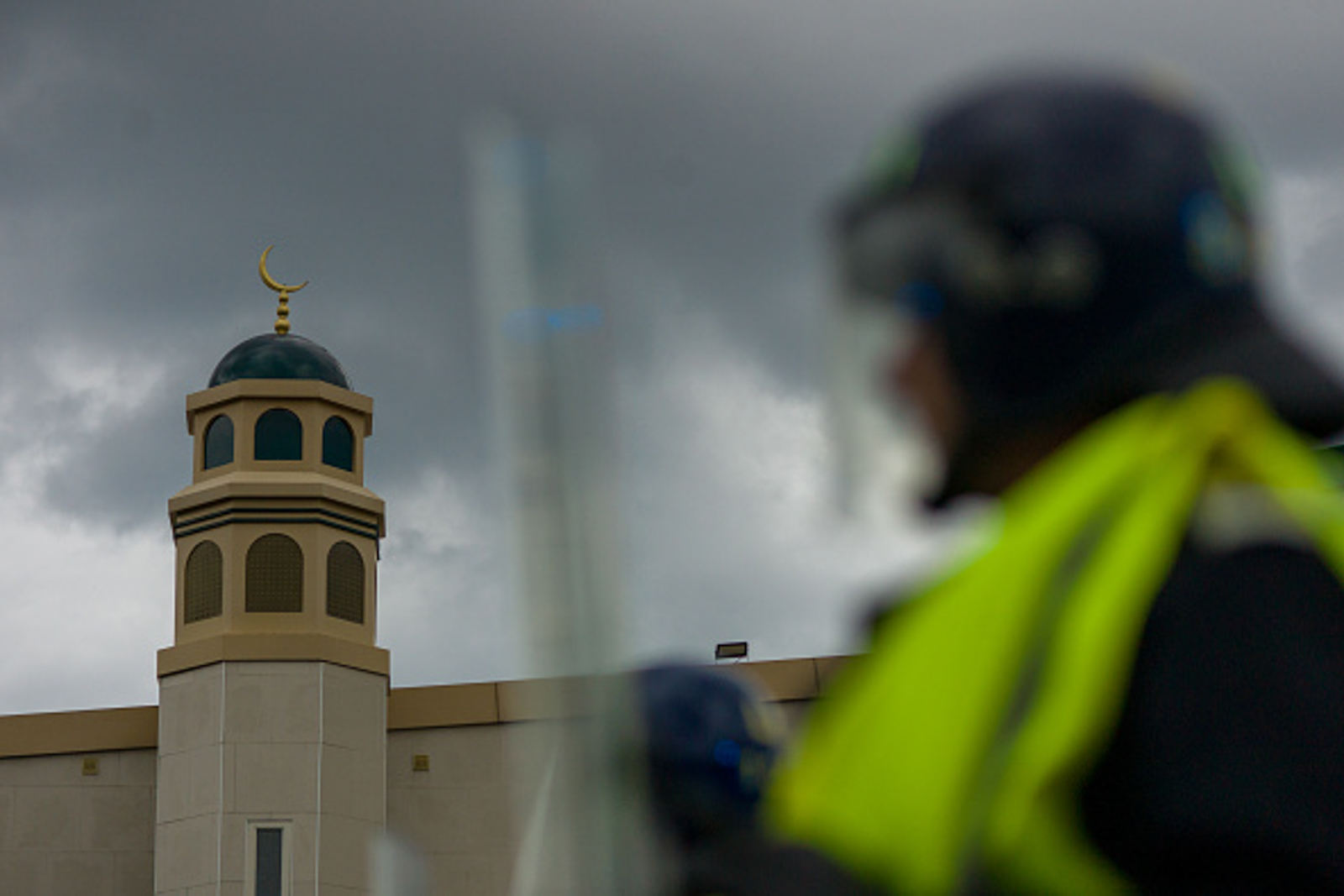
Faith leaders and politicians have warned that the move, set out in a new code of conduct, could stifle free speech and endanger communities


The Home Office has warned faith organisations applying for public funding to improve security that their applications could be rejected if they “undermine the work” of the government or share the wrong posts on social media.
Places of worship and faith organisations can apply for financial help to beef up their security through various government initiatives, including the protective security for mosques scheme, which allocates £40m annually.
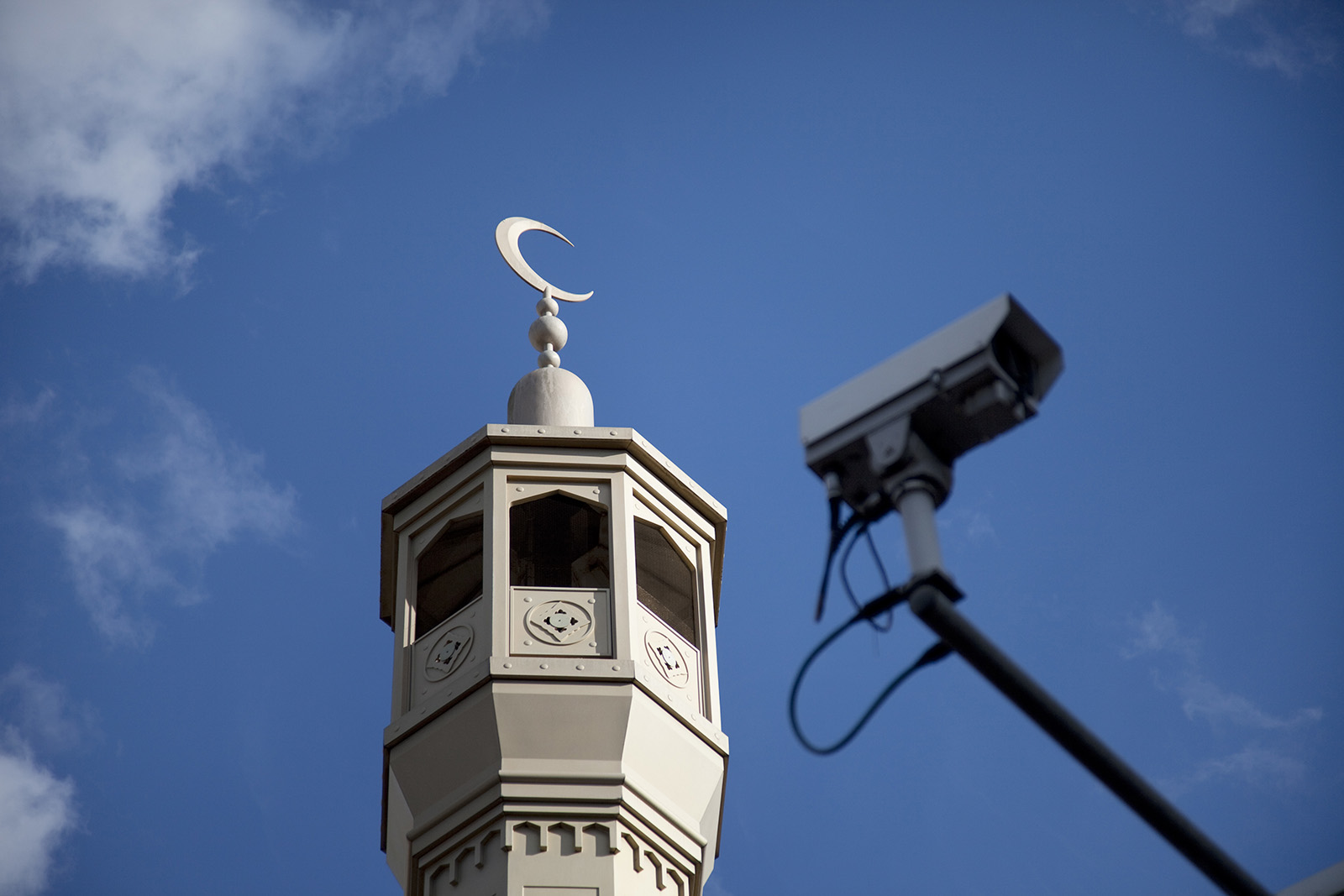
Ministers announced in February that they had made a “record” £73.4 million in protective funding available to faith groups this year — earmarked for use on measures such as on-site security staff, CCTV, fencing, intruder alarms and floodlights — amid a surge in hate crime.
Related content
But the Home Office has now said applications could be rejected if organisations that apply for funding are deemed to fall short of its new code of conduct, published on 13 May.
The code states that organisations “must be careful not to bring themselves into disrepute or otherwise undermine the work of the Home Office or wider government”. It does not give examples of posts that could cross the line, or explain who would make such a determination, and the Home Office did not respond to Hyphen’s requests for clarification.
The code of conduct also warns recipients about political language and the “legitimisation and endorsement of extremists”, and says that they should be cautious about reposting other people’s comments on social media and “consider whether social media is an appropriate forum for discussing particular issues”.
It suggests that mosques whose representatives criticise the scheme itself could find themselves refused help with safety measures, saying they should “be careful that neither their official social media channels, nor those of individuals publicly representing them, make any comments that could reflect negatively on their organisation or on the schemes”. Elsewhere, however, it says that organisations “must be free to make fair and balanced criticism of the schemes”. Several mosques have previously told the Muslim Council of Britain (MCB) that their applications for security funding have been beset by lengthy delays and that they were left without help for more than a year.
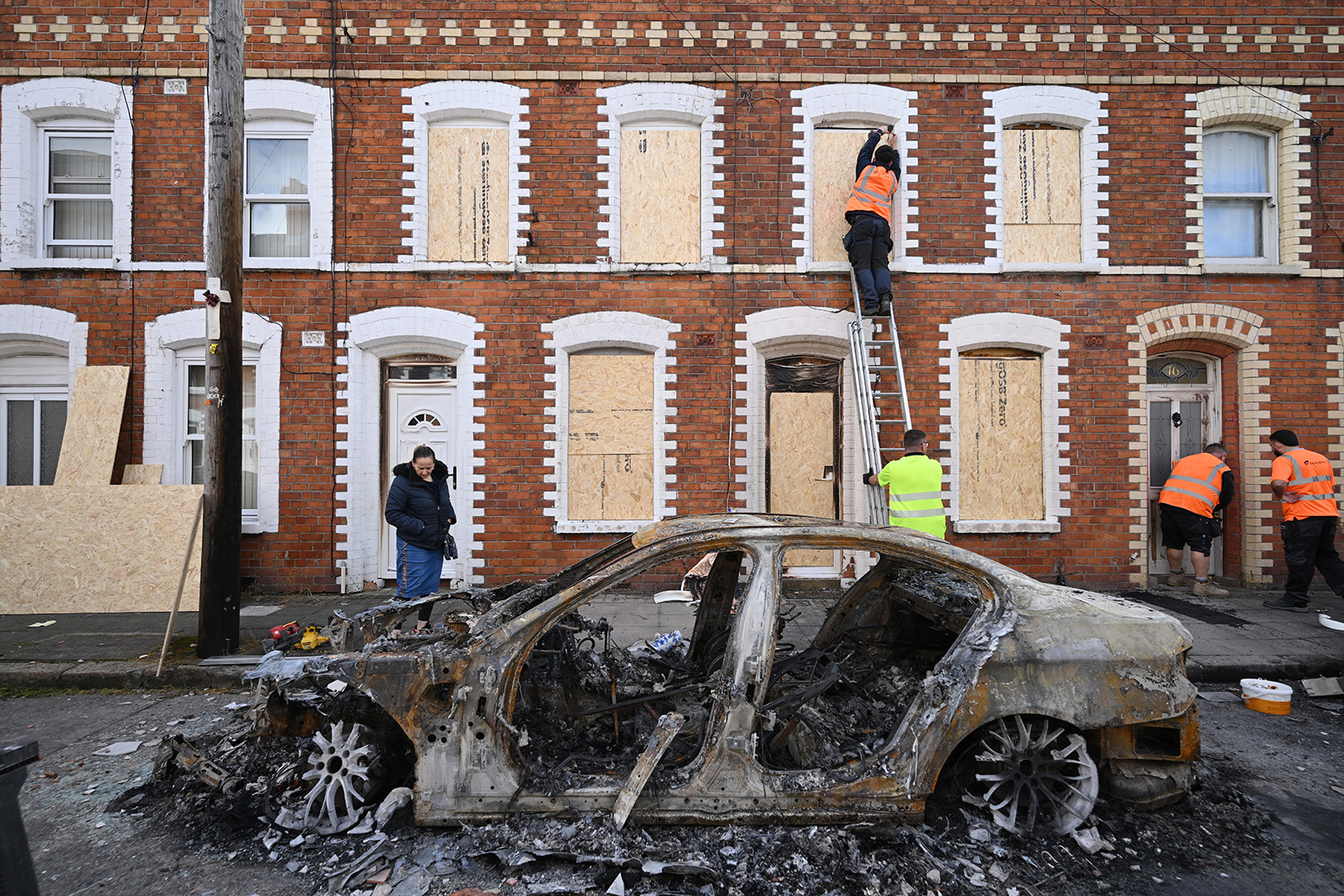
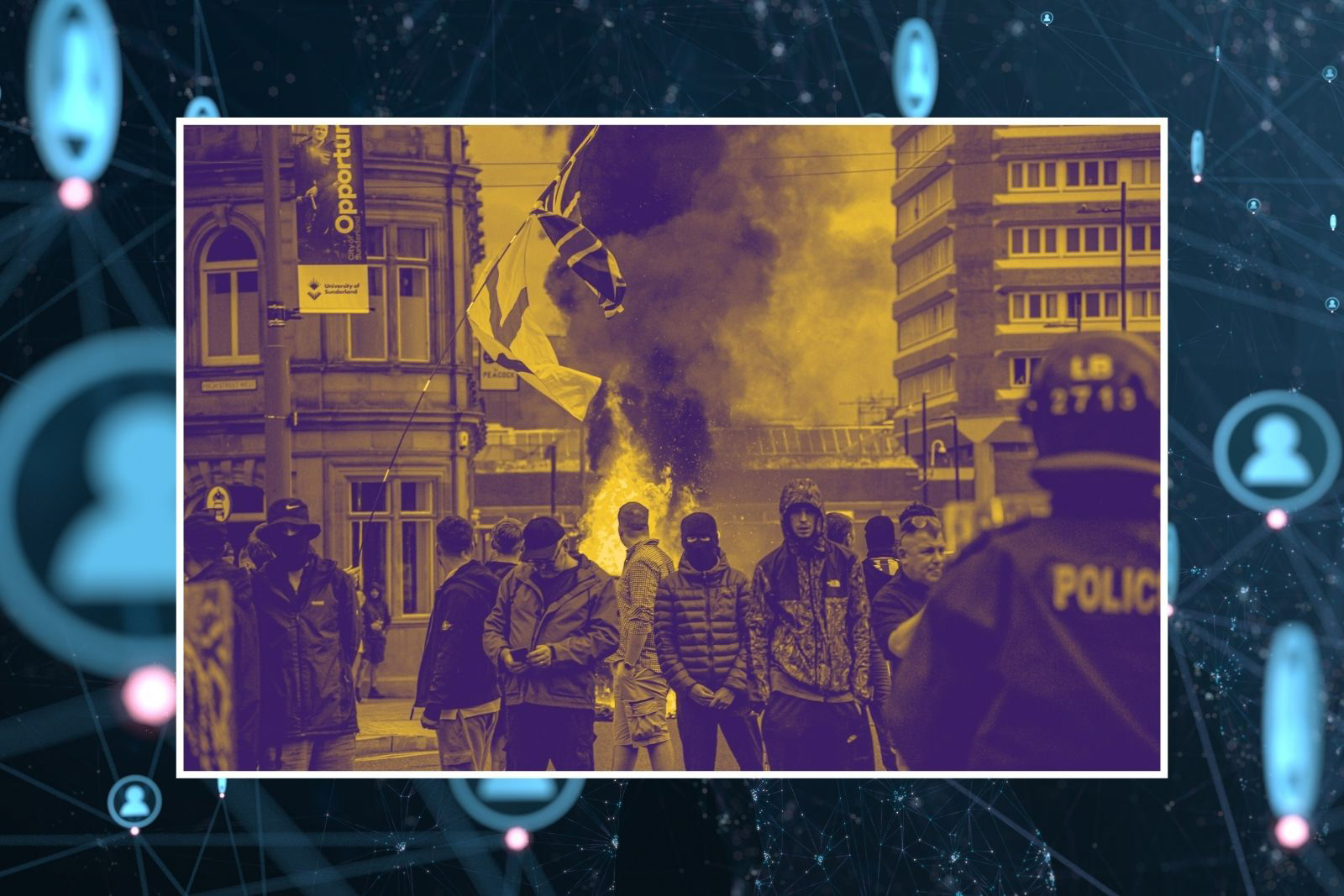
Islamophobic rioting swept the UK in summer 2024, fuelled by far-right disinformation networks. Attackers besieged Southport Mosque and Cultural Centre after online rumours falsely linked the murders of three young girls nearby to a Muslim immigrant.
The mosque has subsequently received cash to help with security costs from the government.
“They should not compromise the security of the whole community for words that have been said,” said the mosque’s chair, imam Ibrahim Hussein, asked about the new code of conduct. “If you break the law, you should face the consequences, but you shouldn’t mix the two together.”
Related content
The guidance states that organisations should be free to comment on and criticise government policy and ministers.
But Hussein warned that this could have a chilling effect, with people feeling they “have to hide their opinions because of fear that funding will be cut”.
“A liberal democracy or an open democracy shouldn’t force people to hide their own views in fear of losing grants or security,” he added.
The Home Office said unsuccessful applicants won’t be told why they have been snubbed but would be provided with the code of conduct and would be eligible to reapply immediately.
Muslim Welfare House in Finsbury Park, north London, was attacked by anti-Muslim terrorist Darren Osborne, who drove a van into worshippers during Ramadan in June 2017. But Mohammed Kozbar, chair of the nearby Finsbury Park Mosque, said the masjid has never applied for Home Office security funding because they don’t “want to be controlled by the Home Office over what we say”.
“How can we define undermining the Home Office’s work?” he asked. “It’s difficult and it will be up to the Home Office to decide on this and that’s problematic by itself because there is no clear definition of what the place of worship can and can’t do or say.”
Crossbench peer Shaista Gohir said it was standard practice for organisations to have a social media policy with guidance on what trustees and staff should be saying.
But, of the new code of conduct, she added: “Some of the guidance appears to be too stringent and goes into potentially undermining freedom of expression.
“Also, the criteria seems too broad in places that it could capture and label people negatively when they haven’t done anything wrong.” She added that some of the wording in the code of conduct seemed “deliberately vague”.
“Muslims need to think: is it worth the money?” she said. “Could the money needed to increase security instead be raised from communities?”
Kozbar added: “This is about protecting people, this is about protecting communities, this is about the safety of everyone, so to put that condition on to these funds that might save lives is quite weird.”
Not all mosques we spoke to were opposed to the new funding rules.
Ibrahim Syed from the Liverpool Mosque Region Network said: “I think sometimes people do post things or say things which aren’t always conducive to the greater good.
“As a registered charity and, especially if you receive government funding, I think it’s fair to have some conditions.”
Related content

An MCB spokesperson said the code of conduct was “not clear”. “Obviously if someone has broken the law they would not expect to be funded,” they added, “but the bar appears to be set very low in terms of disagreement with the government.”
The MCB’s assistant secretary general, Naomi Green, said: “The memories of the Islamophobic summer 2024 riots are still vivid, whilst the arson attack on Peacehaven Mosque last October that almost killed two worshippers inside has also heightened fears, as well as a pipe bomb attack on the Belfast Islamic Centre with worshippers inside.”
A Home Office spokesperson said: “The code of conduct sets out straightforward standards for organisations participating in any of the Home Office’s three protective security for faith communities schemes. This includes ensuring public funds are not directed to those who use hateful language or endorse extremism.
“These are reasonable safeguards, not restrictions on legitimate advocacy or criticism. Faith communities have every right to raise concerns on behalf of the people they represent.
“This government takes the safety of all faith communities extremely seriously.”
At least 25 mosques were targeted in 27 incidents across the UK between July and October 2025, according to the British Muslim Trust, which began monitoring Islamophobia in England during that period. This includes vandalism, smashed windows and the arson attack on Peacehaven Mosque.