
I can fix him: 600 candidates line up to try and make Birmingham normal again
Voters in the UK’s largest local authority are angry. But between bin strikes, tax rises and incendiary national politics, can anyone save it?
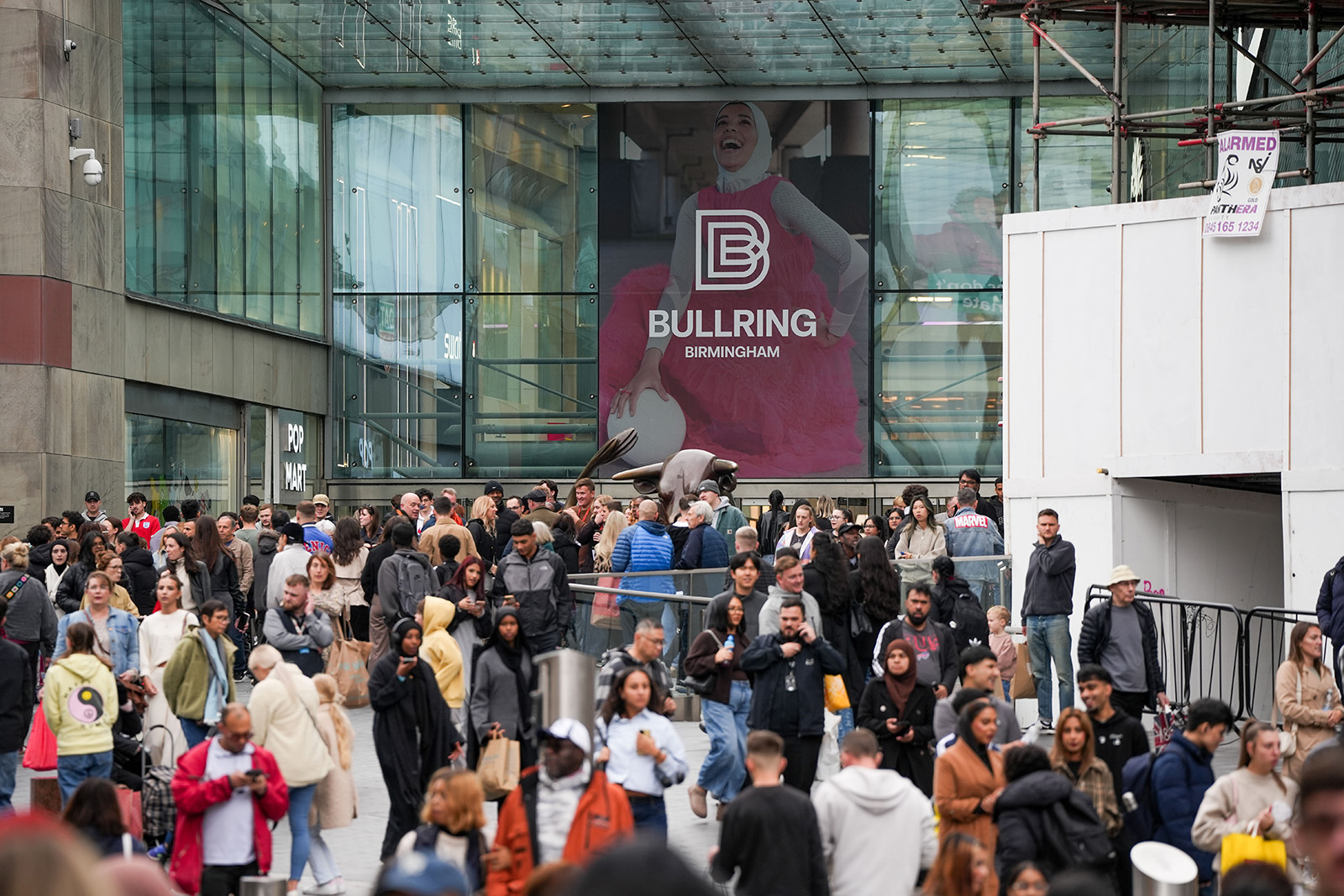
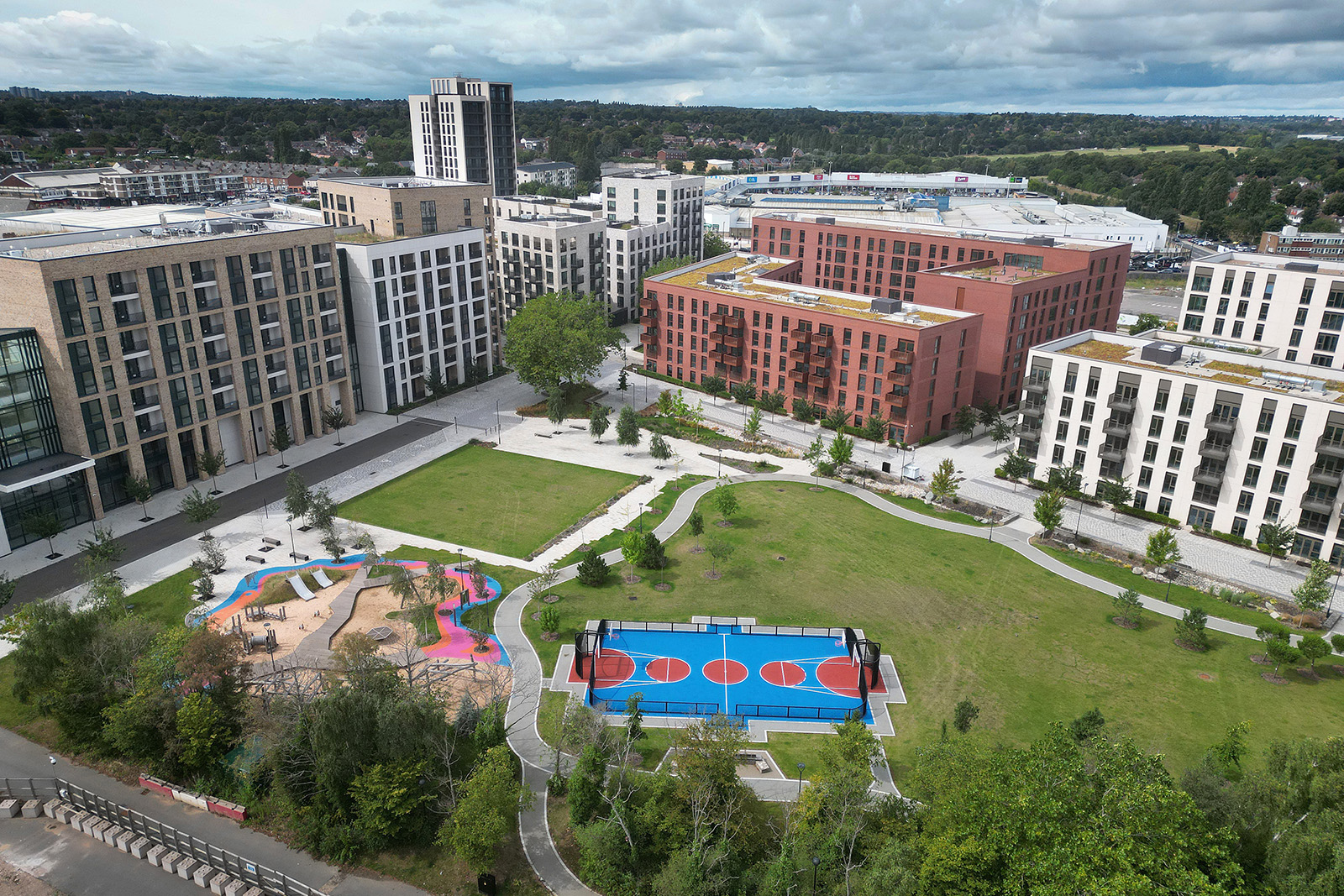
Birmingham is big. Its city council is by some measures the largest local authority in western Europe, and it boasts the UK’s second largest Muslim population: 341,000 people as of 2021.
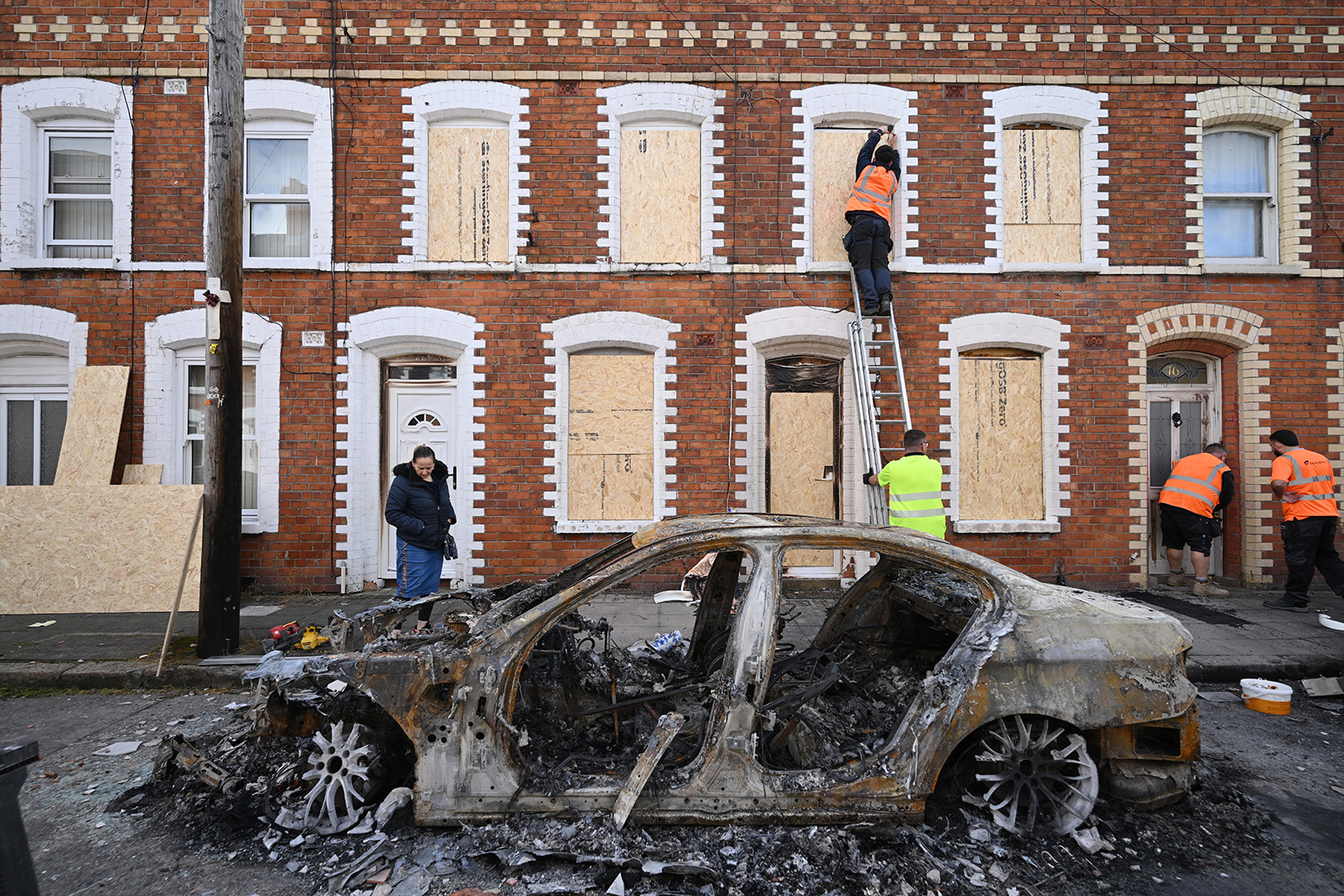
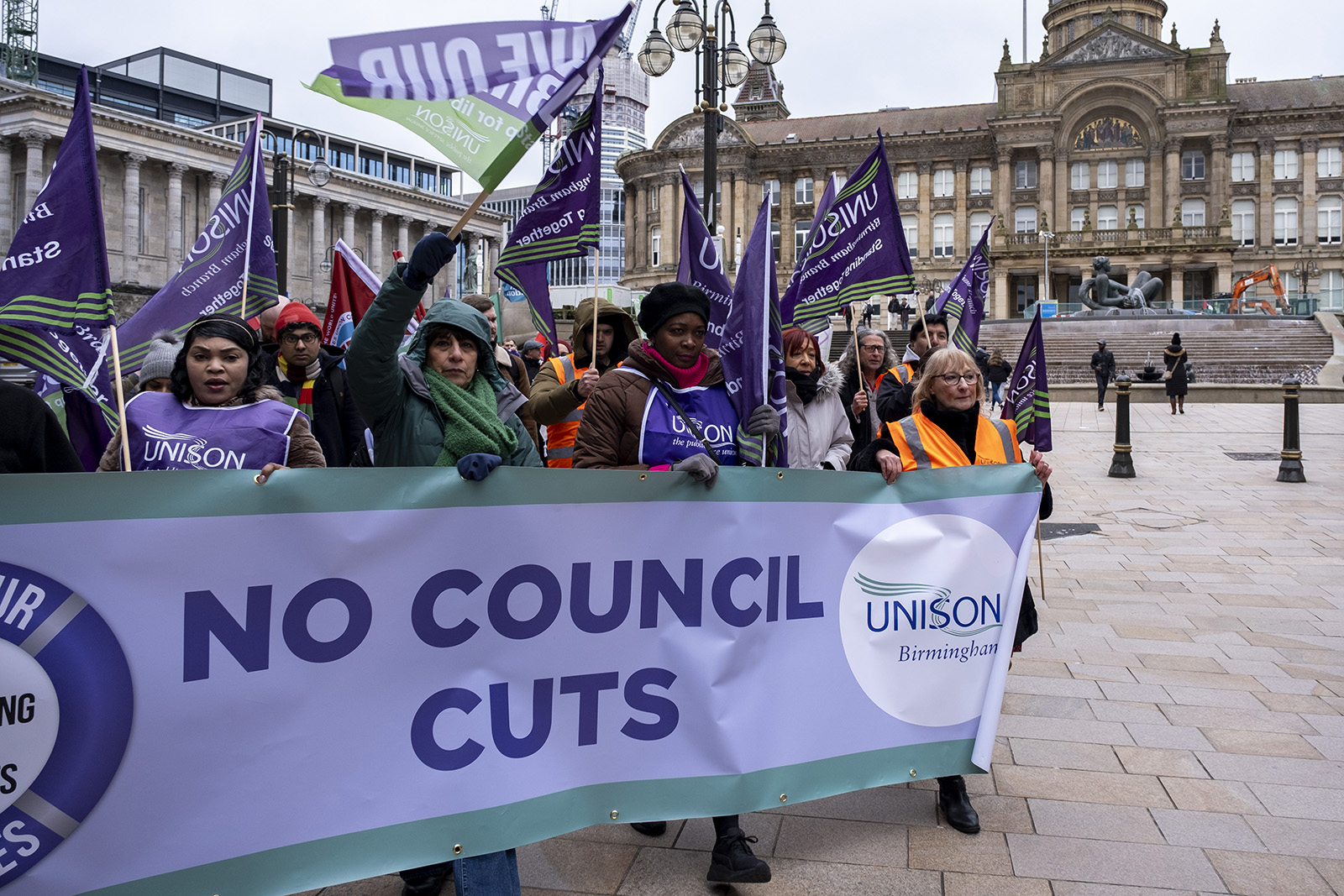
This enormous council, however, has faced mounting problems. The largest is the £760m financial liability it owes to former staff — mostly women, who were paid less than men in equivalent roles. The resulting equal pay action pushed the council into declaring bankruptcy in 2023, cutting services, selling off assets and raising taxes more than the rest of the UK.
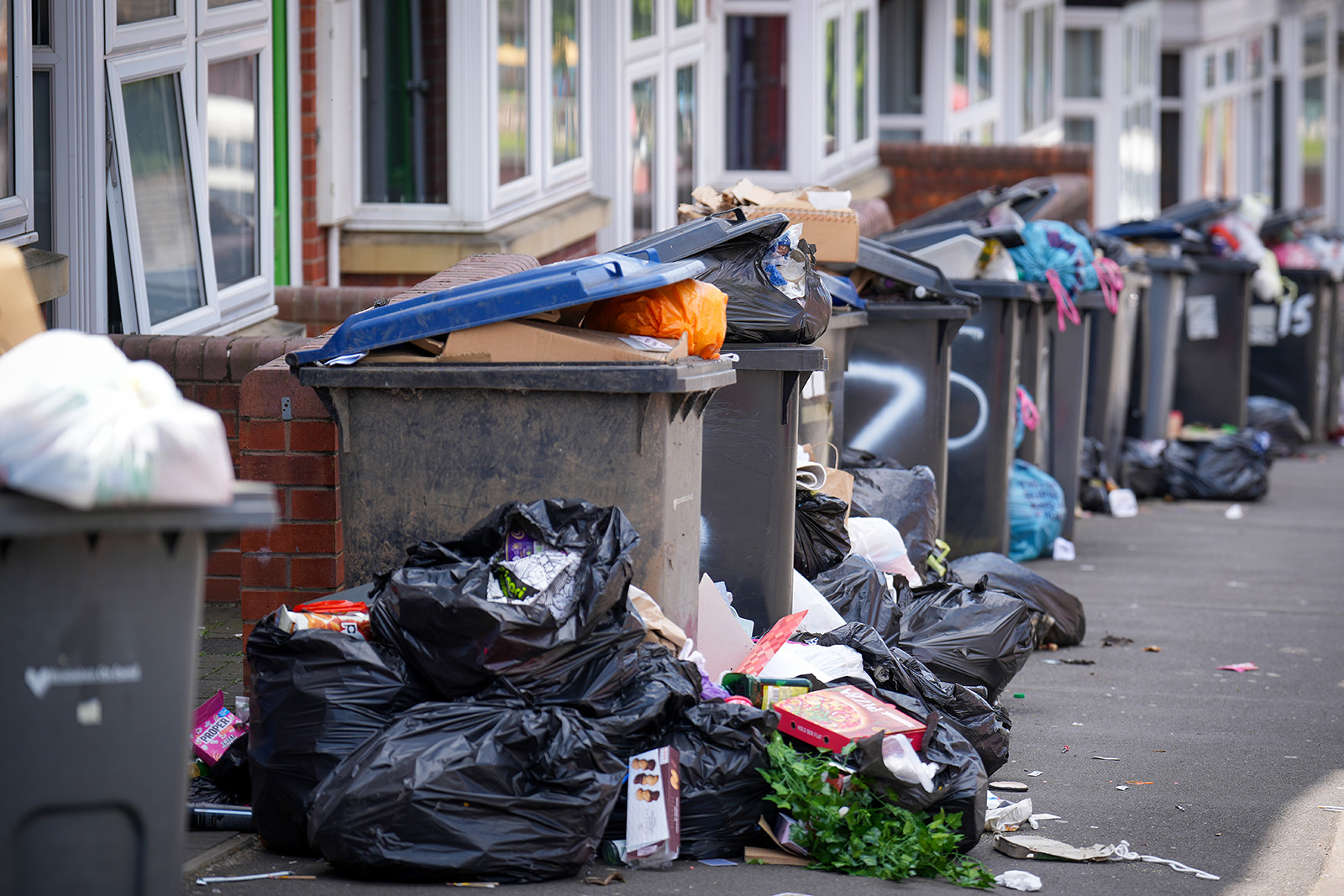
Alongside this, the council invested in a failed IT system, which cost a further £90m rather than the planned savings it was intended to make; and the 2022 Commonwealth Games left the council with a £300m bill for an unused athletes’ village instead of a promised regeneration scheme. The most recent humiliation for the city is a bitter year-long strike by refuse collectors, leaving waste and recycling in some areas uncollected for months.
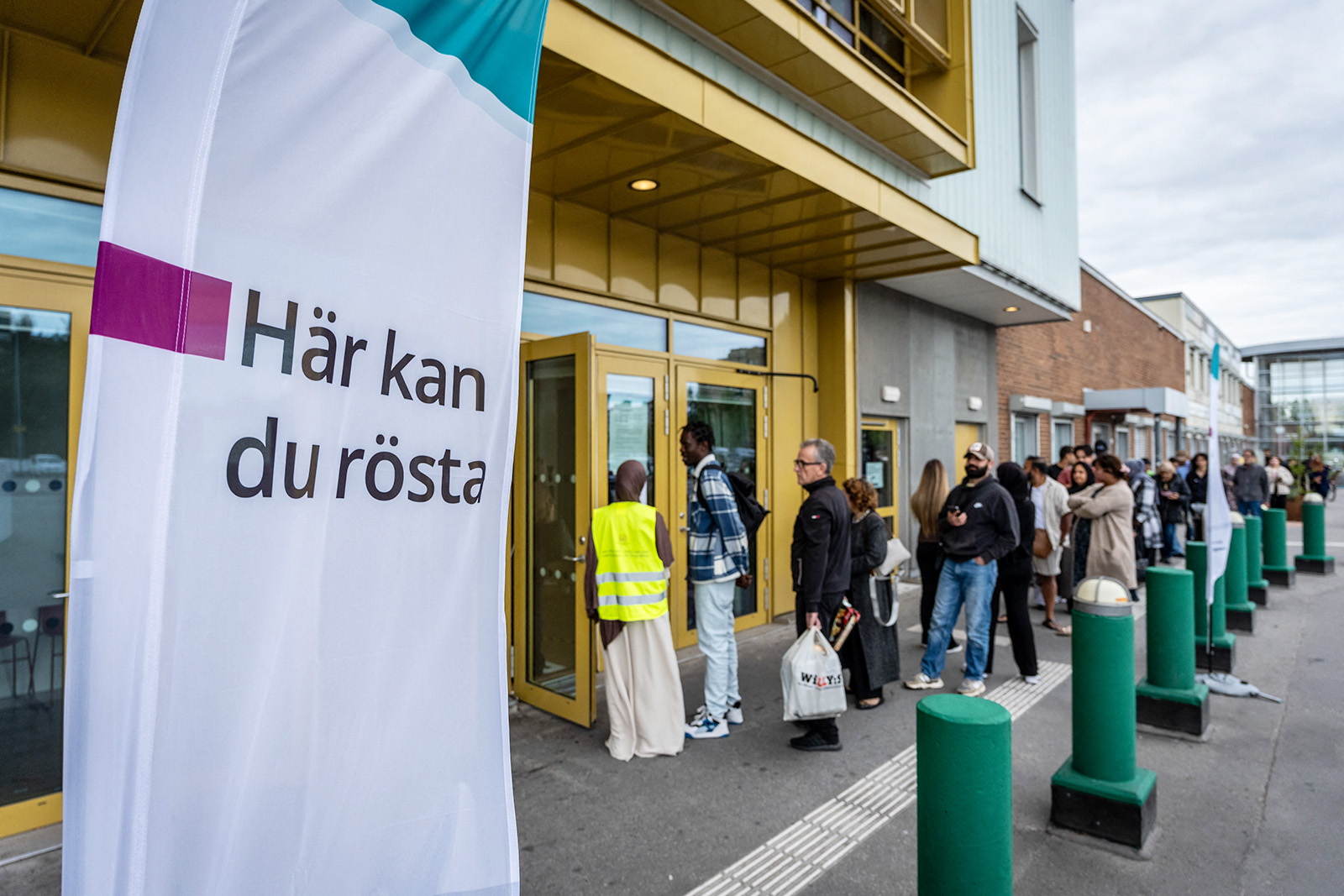
Birmingham, like more than 100 other local authorities across England, goes to the polls on 7 May. In Westminster, the local elections are mainly discussed in terms of what they signal for Labour’s grip on power nationally. But for Birmingham’s 1.1 million residents, there could be much more immediate consequences.
Labour, which has run the city for 14 years, is limping into the election. Resignations linked to factional fighting within the local party have seen its tally of councillors drop from 65 to 52; it is now just three seats away from being outnumbered by opposition parties. Labour did not respond to repeated requests to speak for this article.
More than 600 candidates are standing for Birmingham’s 101 council seats. Based on polling, it looks unlikely that any one party will achieve overall control, meaning two, three or even four, potentially alongside independent candidates, will have to run the city in coalition. This is not uncommon in local government — more than 50 councils are run by coalitions — but it can be a challenge, especially when dealing with contentious issues on which parties fundamentally disagree, even before you factor in Birmingham’s large financial and service problems.
Recent polls predict that Reform UK could win between 22% and 28% of the vote — a major departure for a city as diverse and multicultural as Birmingham. “I don’t know what Reform’s plans are, yeah, but I know, obviously, it’s a racist movement,” said Muhammed, who works in a perfume shop in Sparkhill. “A lot of the Reform individuals are very uneducated, very highly uneducated,” he added, pointing out that migration had boosted the British economy — in direct contradiction to Nigel Farage’s claim that mass migration “has made the average Briton poorer”. The party did not take up multiple requests to speak for this article.
Financial management is likely to be the testing ground for whether any new administration stands or collapses, and is a priority for the Conservatives. “The council’s finances are in utter disarray,” said Alex Yip, a Tory councillor for Sutton Wylde Green ward, pointing out that the council has not filed a regular set of audited accounts for the past four years (although it is far from alone in this regard). But he expressed concern that Birmingham would be unable to “get over the hump” and progress towards being a “better city” if it fell into the hands of a “seven-small-party coalition” after the elections.
“Birmingham has one of the biggest concentrations of Muslims in the whole country,” said Abubaker Adam, who lives in Birmingham and is a spokesperson for The Muslim Vote — a campaign group that aims to organise voters to back pro-Palestine candidates. “For the Labour Party, I think they will see from these local elections that they’re not just losing votes from the right. In fact, I would argue they’re losing more votes from ethnic minority voters, from Muslim voters, and from voters from the left.”
Baber Baz, a Liberal Democrat councillor in Yardley West and Stechford ward, believes voters will give Labour a drubbing not because of its national behaviour but because of its record in office locally. “They’ll see that the rubbish hasn’t been picked up,” he said. “They’ll see potholes are on every road. These are very obvious things that people are picking up on that say: ‘Look, if we can’t do the basics right as a council, why are we even paying that extra 25% in the council tax over the last three years?’”
One specific issue for Muslims in Birmingham is the burials service, which Baz said was one of the most expensive in the country and yet still suffered from chronic delays. Nor is there seemingly any plan to improve the service, he added.
Sure enough, it was cuts to services, along with a 25% rise in council tax in the last three years (compared with around 15% for most other councils), that mattered most to the people we spoke to in mid-April.
“If you ask me about Birmingham, you want to mention the potholes,” said Muhammed. He was recently asked by a local councillor if there was any CCTV footage of the street behind the shop, which had become a dumping ground. “He was actively looking to see if he could do something about it and that’s good, that’s what we need,” he said.
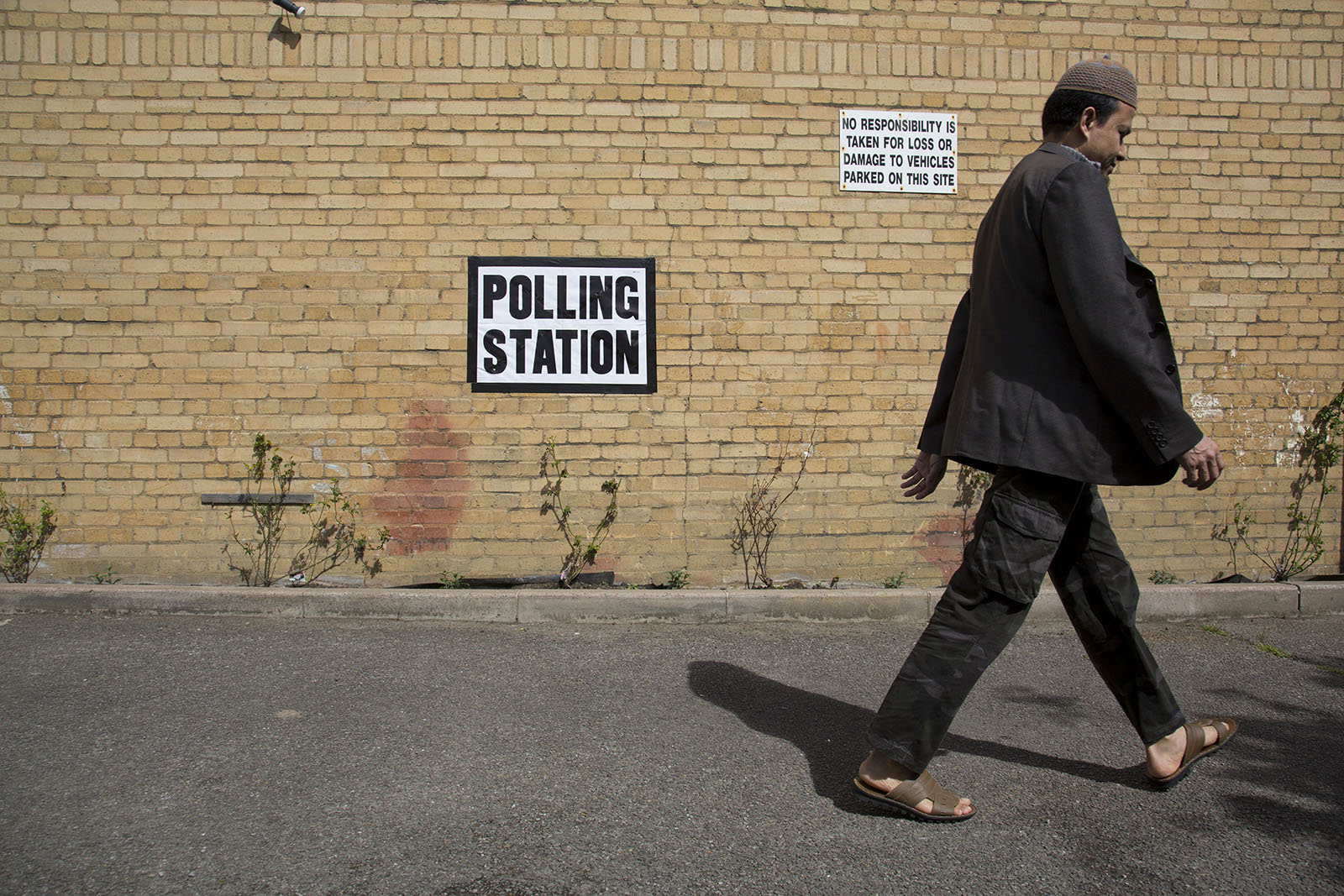
Raf, a customer, added that the local Labour councillor was “trying his hardest” and had personally helped clear rubbish from his street. However, when it comes to voting, he said: “We’re not happy with the Labour Party, with the way they backpedal on every single thing they were saying.”
Up the road in a clothes shop, a woman who asked to be identified only as Mrs Akhtar said services for children had got worse. “When I came to this country, every place, every area had a gym… We used to have swimming, but they closed it. They don’t care about the children,” she said.
The inequalities in the city are stark. Child poverty has increased from 27% in 2015 to 46%, concentrated in central and inner districts such as Ladywood, with that number climbing to 71% of children in Heartlands ward. In Sutton Coldfield, to the north of the city, the figure is around 10%.
“The areas that I have knocked in with very large Muslim populations are pretty much invariably some of the worst served in the city,” said Milo Price, a community organiser with the community union Acorn. Price highlights poor housing conditions, but also instances where people feel they have been poorly served by the council’s housing services because of their faith and race. “The largest single demographic of people who have joined Acorn during the time that I’ve been working here is Muslim women,” he said, singling out a campaign in Ladywood where council tenants, who included a large number of British-Sudanese people, successfully got the town hall to spend £5m on repairs to the building.
Birmingham is providing fertile ground for three different political insurgencies. Independents, the Green Party and Reform are all likely to gain seats in the city, with one recent poll placing Reform joint first with Labour, both on 28% of the vote. Birmingham already has an Independent MP, Ayoub Khan, elected in 2024, and the Greens hold two council seats.
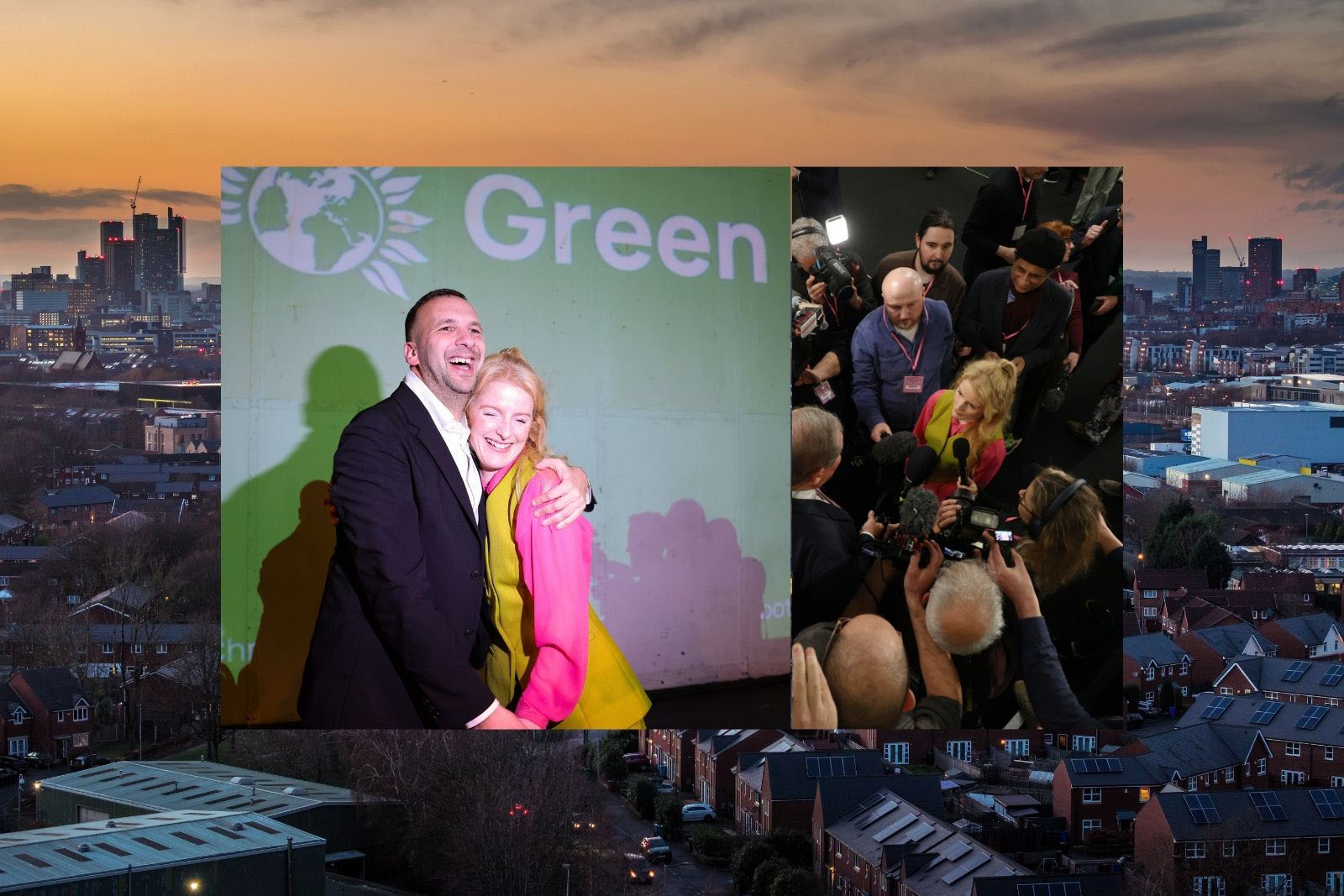
“It’s really unpredictable. I don’t think anybody, really, can call it,” said Julien Pritchard, a Green councillor for Druids Heath & Monyhull ward. Pritchard said the party’s two seats — both in single-councillor wards — were hard won, with Green campaigners doing the community and ground work that had long been neglected by their Labour incumbents. However, with the party having undergone a surge in popularity since the appointment of Zack Polanski as leader last year, it could see significant gains and perhaps even become part of the city’s governing administration.
Pritchard believes it is “possible” to turn Birmingham City Council around, but highlights the poor condition of council housing and roads and the need to end the bin strike, adding that he felt the council under Labour had held power tightly to itself rather than sharing it with communities. Reversing this, he feels, could end the “cycle of failure” in the city.
The political wildcards are the 71 independents standing for election, some broadly grouped around Akhmed Yakoob, a controversial lawyer and activist who stood for parliament as an independent against Shabana Mahmood in 2024, and Shakeel Afsar, another local activist who has led campaigns against the teaching of LGBTQ+ equality in schools. Many of the candidates listed as independents, however, are standing on their own initiative.
Shahid Butt is one of those seeking to make a difference to the city as an independent, with the support of Yakoob and Afsar. We visited an upmarket local restaurant for coffee as he took a break between leafleting sessions. Outside was a park where, as a young person, he was involved in gang violence.
Related content
“We used to have street fights, gang battles, here in this park,” he said. “There was a pub just up the road — it’s not a pub any more — where all the National Front used to go for their drink… we would go there and have fights with them in the car park.”
The area, Sparkbrook, has transformed in the intervening 50 years, and is now 79% Muslim, according to the 2021 census. So has Butt; in the 1990s, he left Birmingham and went to Bosnia, first as a humanitarian volunteer, and then to join the Bosnian Army. It was this path that led him to Afghanistan and, later, Yemen, where he was convicted and imprisoned for five years on charges of terrorism. Butt has always maintained the charges were untrue and the result of a false confession extracted under torture.
Since his release more than 20 years ago, Butt has rebuilt his life, working as a consultant on gang violence and deradicalisation. “I’ve never been involved in politics,” he said. “I’ve been around it, but I’ve never got involved because I don’t believe in any of the parties, because they’re all full of shit.” But seeing Imran Khan go from fringe campaigner to prime minister of Pakistan encouraged him to believe “things can be different”, he said.
“We’re not poor as a council,” he said. “We have money. So it’s about accountability and it’s about proper management. We have the money to pump into our services, but it’s been diverted out.” He highlighted what he perceived as various failed projects under the current administration, such as the Commonwealth Games athletes’ village fiasco. He believes that breaking Labour’s majority control of the council will force different politicians to work together.
But he is critical of most of the 70 other independent candidates. “I would say 90 to 95% of them are useless,” he said. “They don’t speak English. They don’t understand British culture. They’re not able to articulate. They don’t have any kind of strong personalities. They don’t have any track record in the community. And the biggest thing is they don’t have a backbone.”
If Birmingham goes bankrupt again, it could find itself broken up, as happened to Northamptonshire County Council, which became two smaller local authorities in 2021. Veteran local government advisor Jack Shaw, who is now director of groundwork research and a fellow at The Productivity Institute, thinks this is unlikely, adding that there’s no evidence that bigger or smaller councils perform better or worse — but any further chaos in Birmingham would almost certainly prompt central government to intervene again, perhaps taking direct control of some of its services as has happened previously in Tower Hamlets and is currently threatened against Doncaster Council.
Shaw believes Birmingham has done well in recent years to get out of the financial crisis and set a balanced budget, but that this has come at a huge cost to services. It is, he said, still a council that talented and ambitious staff want to work at.
But when it comes to elected councillors, the voters of Birmingham appear to have low expectations. The risk is that, unless they find a way of working together, the political grouping that runs the city after 7 May could fail to meet even those.