
Labour’s local election losses have some MPs questioning its rightward shift

Reform UK, the Greens and the Liberal Democrats have taken more than 1,000 seats from Labour. But what lessons will the party learn?

The borough of Tameside had been run by Labour since 1979. The party’s 47-year reign ended a few hours ago.
That single fact — the loss of a council in the heart of Greater Manchester, whose territory includes Angela Rayner’s parliamentary seat, after nearly five decades of unbroken Labour rule — tells just a part of what you need to know about the political shock that has unfolded in the local elections.
Reform UK has marched into the old industrial north and walked out with the silverware. It has also picked up seats in the Midlands and secured wins over the Tories in Suffolk and Essex.
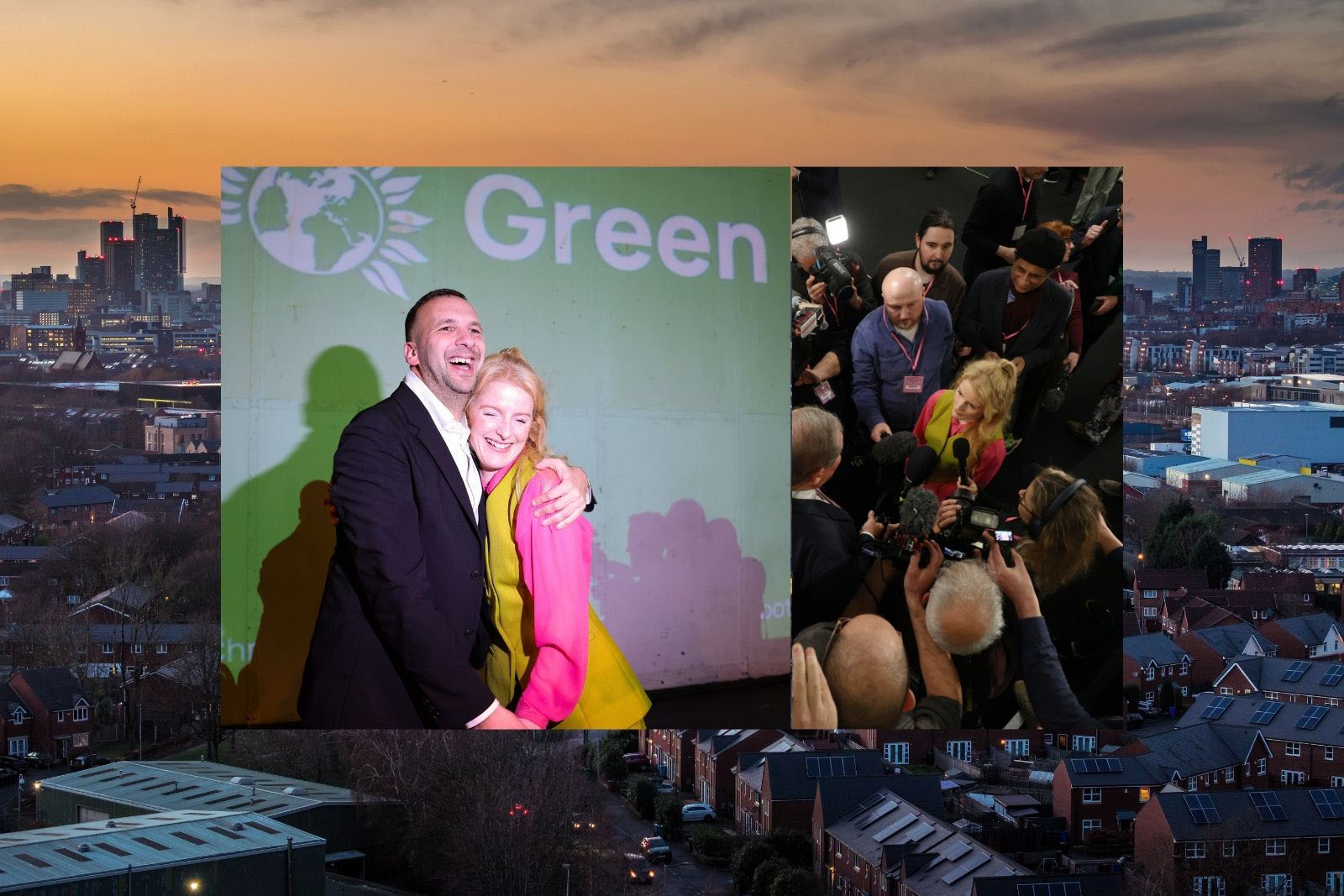
Yet something more nuanced is happening than a simple Reform surge against a tired government. Look more closely at the early national picture and an uncomfortable truth emerges for those around the prime minister. Reform’s gains have, on the evidence so far, largely come at the expense of the Conservatives. But Labour’s lost seats are flowing in multiple directions — not only to Nigel Farage’s party but also to the Greens and the Liberal Democrats.
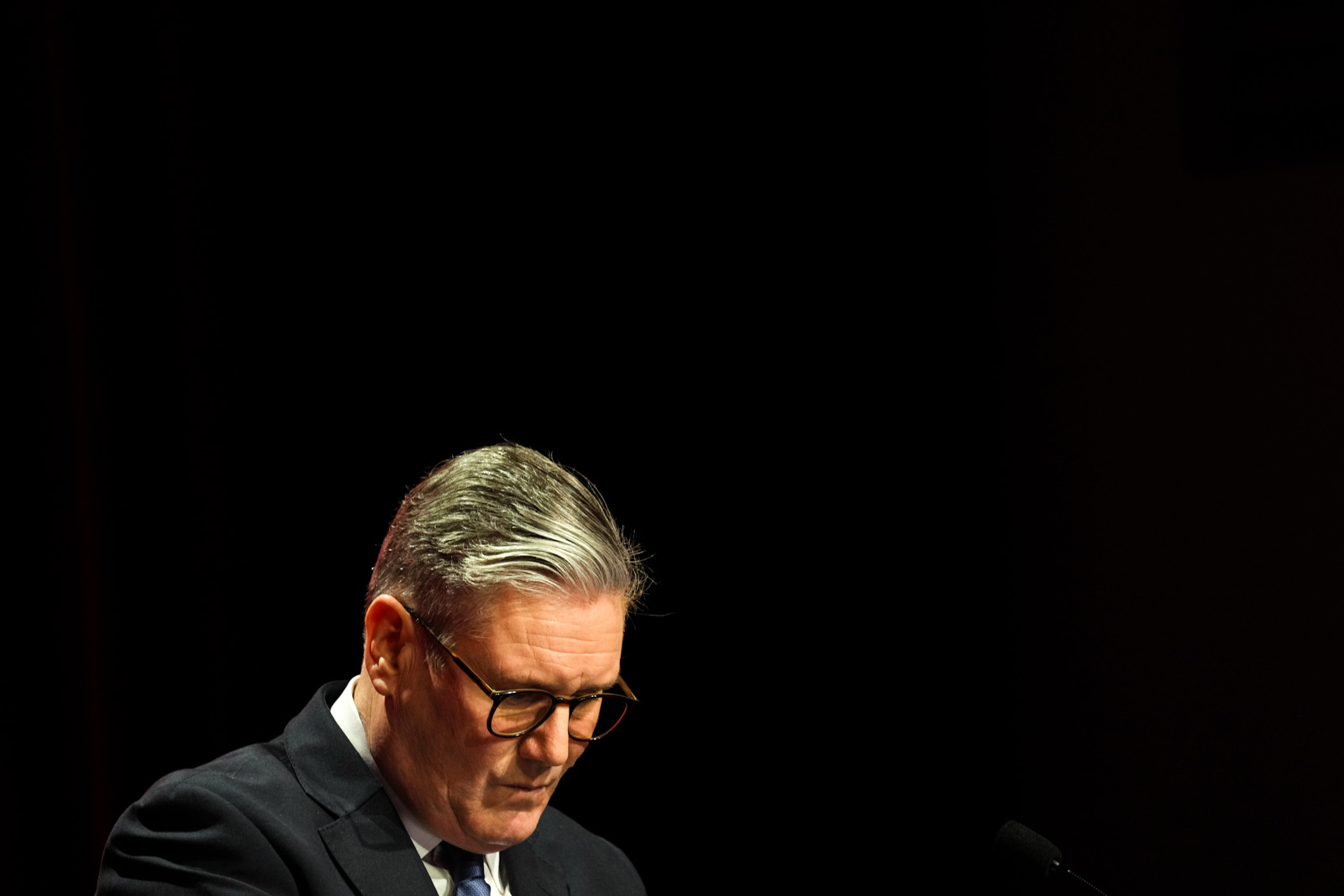
That is the strategic puzzle now sitting on Keir Starmer’s desk.
For more than a year, Downing Street’s instinct has been to chase Farage’s voters: tougher on borders, tougher on welfare, tougher rhetoric on small boats. The calculation was that the right flank is where Labour’s coalition is most exposed. These results suggest that reckoning was wrong. The party is exposed on both sides.
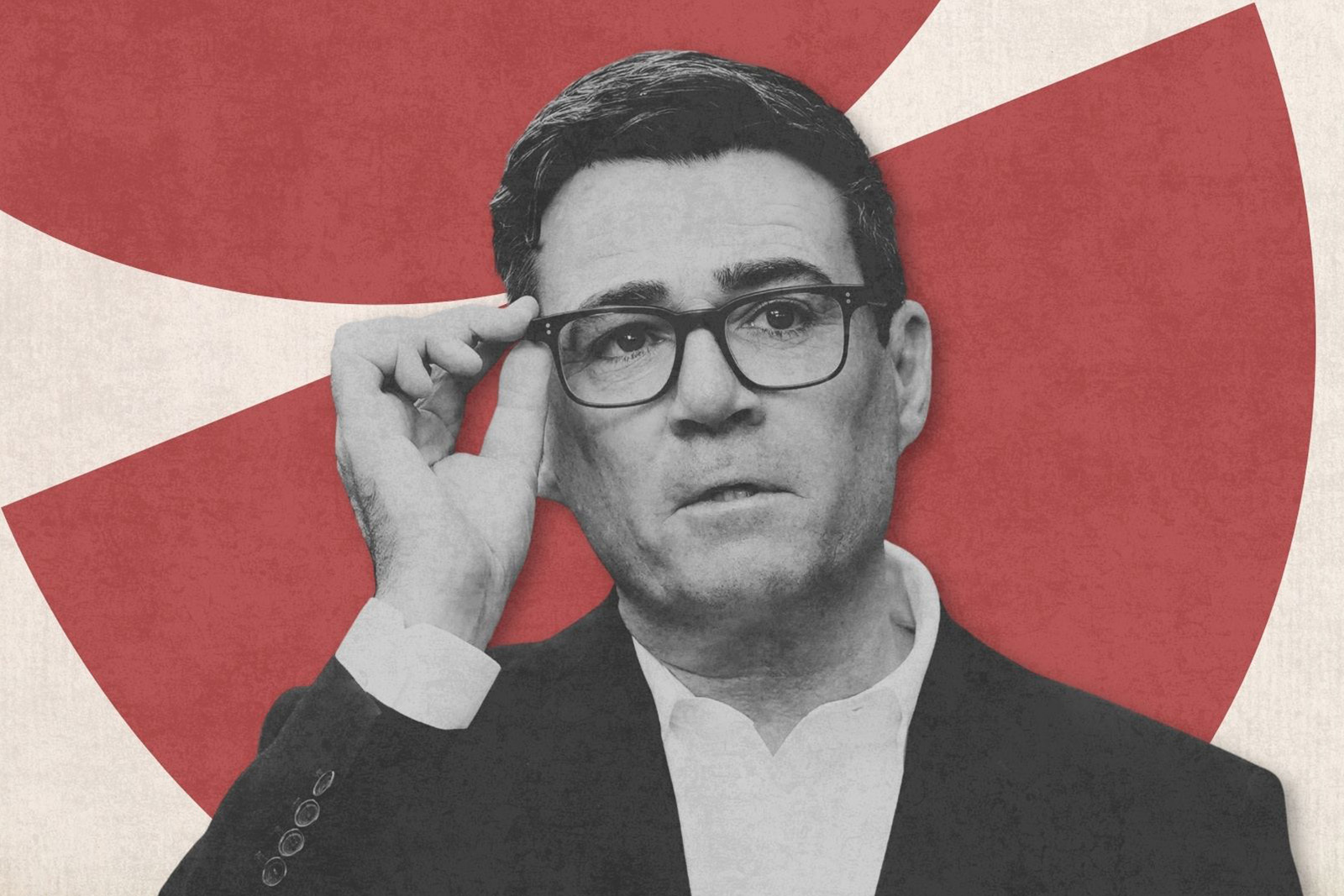
In my reporting for ITV News, I spoke to Labour peer David Watts, who served as an MP for 18 years, chaired the Parliamentary Labour Party and held ministerial office. Throughout his career, he has been a leadership loyalist. He told me today that the party should be far more focused on winning back voters from the left — and that, in his judgment, Andy Burnham, is the politician best placed to lead the charge.
It is not an intervention that Starmer’s team will have welcomed.
Privately, the conversation among Labour MPs is sharper still. “It’s time to bring Andy Burnham back,” one told me. “When you’re losing on the pitch, you don’t leave the best player on the sidelines.” Another MP told me that this moment is “almost existential” — a fight, they said, “for the soul of the country, in which ego and internal politicking can no longer be afforded”.
Others go further still. The leftwing backbencher Richard Burgon issued a statement calling for the party to set out a timetable for an orderly transition to a new leader by the end of this year. The proposal already has quiet support among MPs on Labour’s left. One put it to me like this: “This cannot be dismissed as a bad night, a difficult cycle or a messaging problem.” It is, they explained, “a political crisis that risks becoming terminal”.
The view from the prime minister’s allies is, predictably, very different. Their argument runs that mid-term local elections are notoriously punishing for governing parties; that local voting patterns are not reliably predictive of a general election; and that what Labour now needs above all else is calm, not a leadership contest.
“It’s the usual suspects calling for him to go,” one MP said. “There’s actually a lot less appetite for him to go now generally. We need stability.”
There is a precedent the loyalists like to reach for. In the wake of Tony Blair’s 1997 landslide, Labour lost 46 councils and more than 1,800 councillors across the 1998, 1999 and 2000 local elections. Yet, in 2001 the party still went on to win another substantial majority.
The question is whether the comparison holds. Blair was bleeding ground from a position of overwhelming dominance and a far healthier vote share than Starmer’s, facing a fractured opposition, with the economy broadly on his side. Starmer, on the other hand, is operating in a five-party landscape in which Reform leads in the polls, the Greens are surging, the Liberal Democrats are quietly hoovering up the southern suburbs, and the Conservatives — humbled though they are — do slowly seem to be finding their feet under Kemi Badenoch. The Tories may have lost hundreds of councillors, but they have won back Westminster Council from Labour, which due to its location has huge symbolic value.
Related content
The fracturing of British politics that strategists have been warning about for years is now visible on the night’s tally sheets. None of it is one-directional. None of it is straightforward.
What is clear is that the easy story — that Reform is taking Labour’s red wall and therefore Labour must lurch right — does not survive contact with the actual map. The voters drifting to Reform in Tameside and Wigan are not the same voters slipping away to the Greens in Lewisham or Hackney. A strategy aimed only at one flank risks accelerating the loss of the other.
That is the trap the Starmer now has to navigate. His team will spend the weekend insisting the fundamentals remain intact and that governments recover. His critics, on left and right of the party, will spend it asking whether, by staying on, he risks doing lasting damage to Labour’s ability to govern and rebuild trust.
Shehab Khan is an award-winning presenter and political correspondent for ITV News.