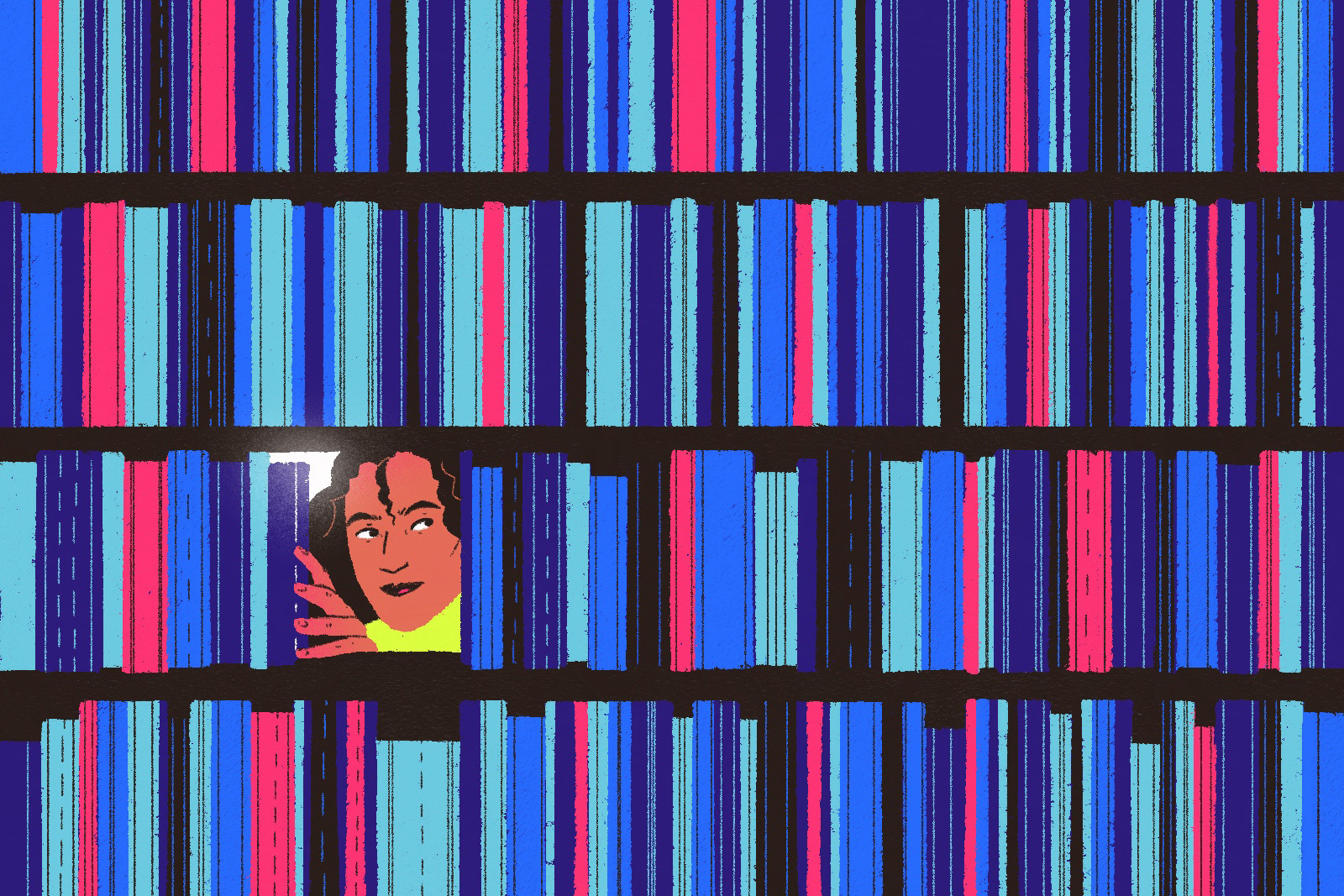

Writing the heated emails I’ll never send is like a light exorcism
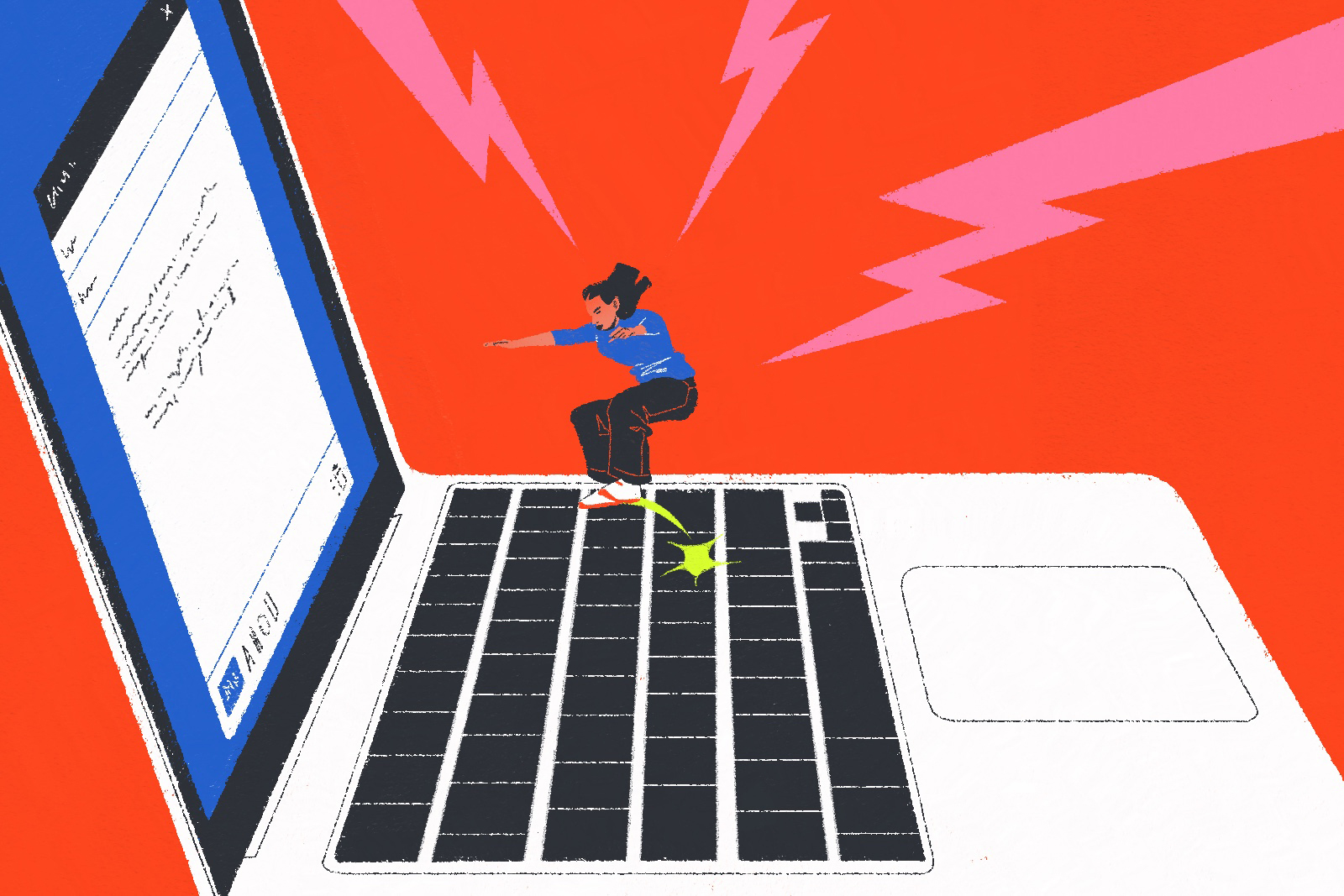
These messages are home to unhinged thoughts that wouldn’t fly in polite society. Nor should they — the only person who reads them is me

After a particularly insufferable industry meeting last summer I logged off a Zoom call with a simmering rage that had nowhere to go. Impulsively, I began drafting a self-righteous rebuke in an email. One I fully intended to send until I came to my senses, mid-spell check, and deleted it.
That near-catastrophe flooded me with fear, but just as suddenly, I was over it. My outrage had run out of steam once I’d put it all out there. Since then, that one-off venting session has turned into a little ritual.

Journaling thoughts and feelings is common advice. A gentle practice to help unload a busy mind or heavy emotions. Mostly, it’s through a diary or handwritten letters. For me, it’s emails.
Typing heated messages I never intend to send operates much like a light exorcism, evicting negative energy before it has time to settle or fester. A relatively mundane yet pleasingly swift process that helps keep me sane in times of stress.
My email drafts have become home to unhinged thoughts that wouldn’t fly in polite society. Nor should they — the only person who reads them is me.
The angrier I am, the more my vocabulary shifts into something confoundingly Victorian — words such as “forthwith”, “betwixt” and “posthaste” — in an effort to sound reasonable. What I actually sound like is a verbally constipated street urchin.
I reread my ramblings, recoil and check that the email address field is definitely, for sure, empty before deleting or relegating them to the drafts folder.
The would-be recipients vary, as do the validity of the slights. The petty emails are the most fun to write, while those of a more serious nature are the most cathartic. But not all are justified.
There’s the friend I adore who constantly refuses to have dessert when we’re eating together, only to end up taking half of mine anyway. I always ask, she always declines. It drives me mad. Helping herself to my cookie dough cheesecake at Christmas was the last straw. I wrote her a ridiculously long email. It went from cake theft to detailing a decade’s worth of trivial gripes. By the time it was over I felt silly, but much lighter. None of it mattered at all. Now, I simply order us two desserts without asking.
Related content

Then there are the emails that go the other way: apologies. A friend had wanted to speak to me about their terrible boyfriend but I kept interrupting with unsolicited advice and plans of action instead. That message began as frustration, but written down, it was obvious where I went wrong. These are the kinds of emails I sit with the longest, rereading until I know how best to proceed. On that occasion it was just to say: “I’m sorry, instead of listening I was trying too hard to help.”
More often than not, these emails just confirm that what I was feeling was entirely petty and needed to be vomited into existence before disappearing completely.
It’s a healing practice and, perhaps, a quiet form of self-preservation, too. It’s not easy to say the right thing at the right time, in the right tone. In these emails I get to say exactly what I mean, without consequence, then decide whether it still needs to be said at all.
Most of the time, it doesn’t.
The best part is deleting the draft once I’m done, so my frustration can be emptied out along with the bin. Gone forever. There is kindness in restraint.