
The Southampton riot was not about mourning the tragic death of Henry Nowak
The far and populist right have exploited the murder of a teenage student to advance their politics of racial grievance

On a December evening in 2025, 18-year-old Henry Nowak went on a night out with friends to celebrate the end of their first term at the University of Southampton. Hours later, he lay dying on the floor in handcuffs, desperately telling police officers that he had been stabbed and couldn’t breathe. The officers dismissed Nowak, instead choosing to believe the story of his killer Vickrum Digwa, 23, who had knifed him five times, then falsely claimed that Nowak had racially abused him.
The bodycam footage released on Monday by the police is horrifying. Speaking outside Southampton Crown Court on Monday, as family members held back tears, Nowak’s father Mark said: “Henry did not die with dignity, he did not die with the care he deserved, he lost consciousness before anyone believed him.” He described his son’s treatment as inhumane and degrading.
Mark Nowak went on to warn against the exploitation of Henry’s death. “We do not want his death to be used to create further division, hatred or tension. We want his story to help make our streets safer for everyone,” he said.
Related content
This tragedy was hijacked by the far right anyway.
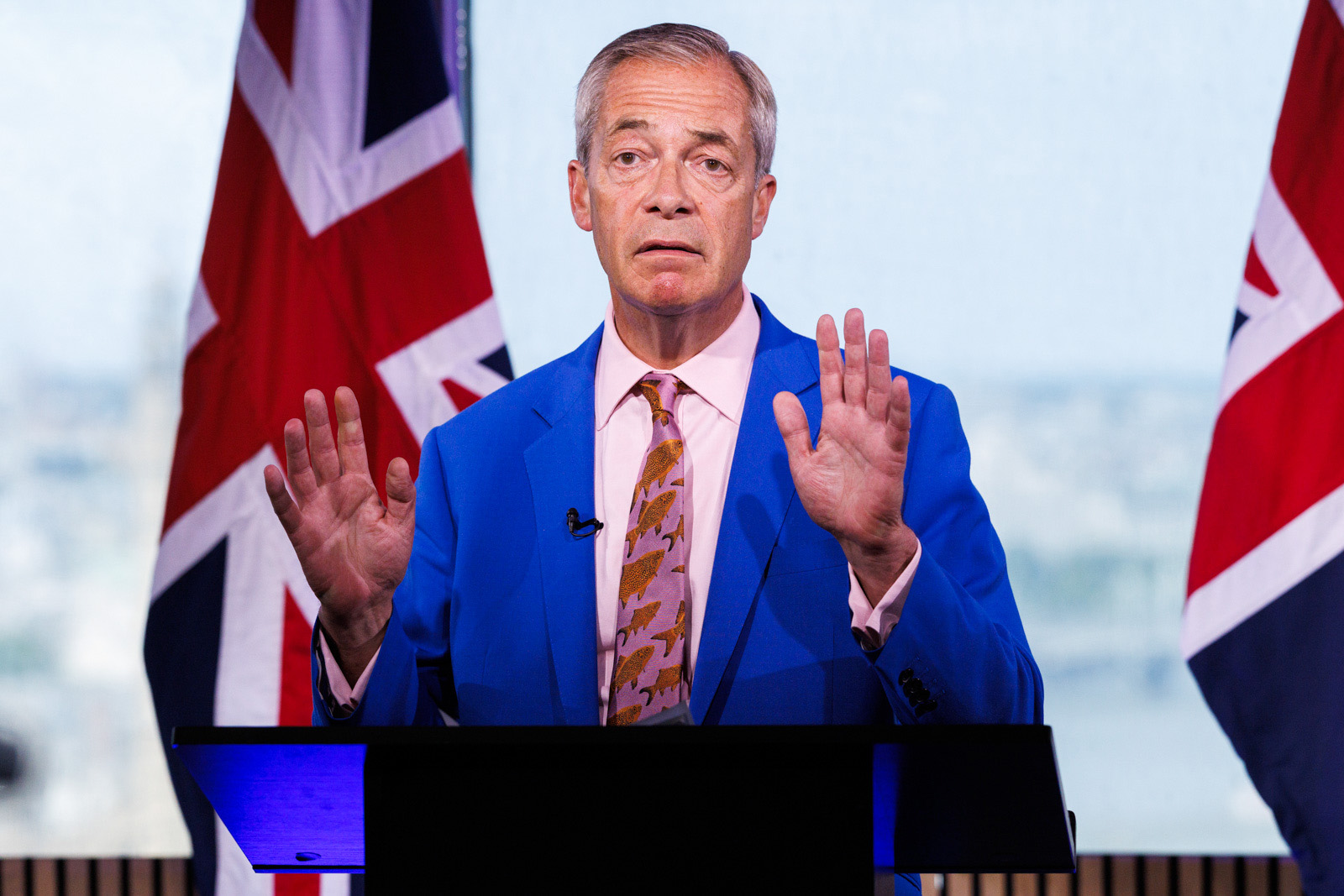
“We are living in a two-tier Britain where the rights and privileges of white people matter less than those of ethnic minorities,” declared Reform UK leader Nigel Farage, urging the public to react with “pure, cold rage”.
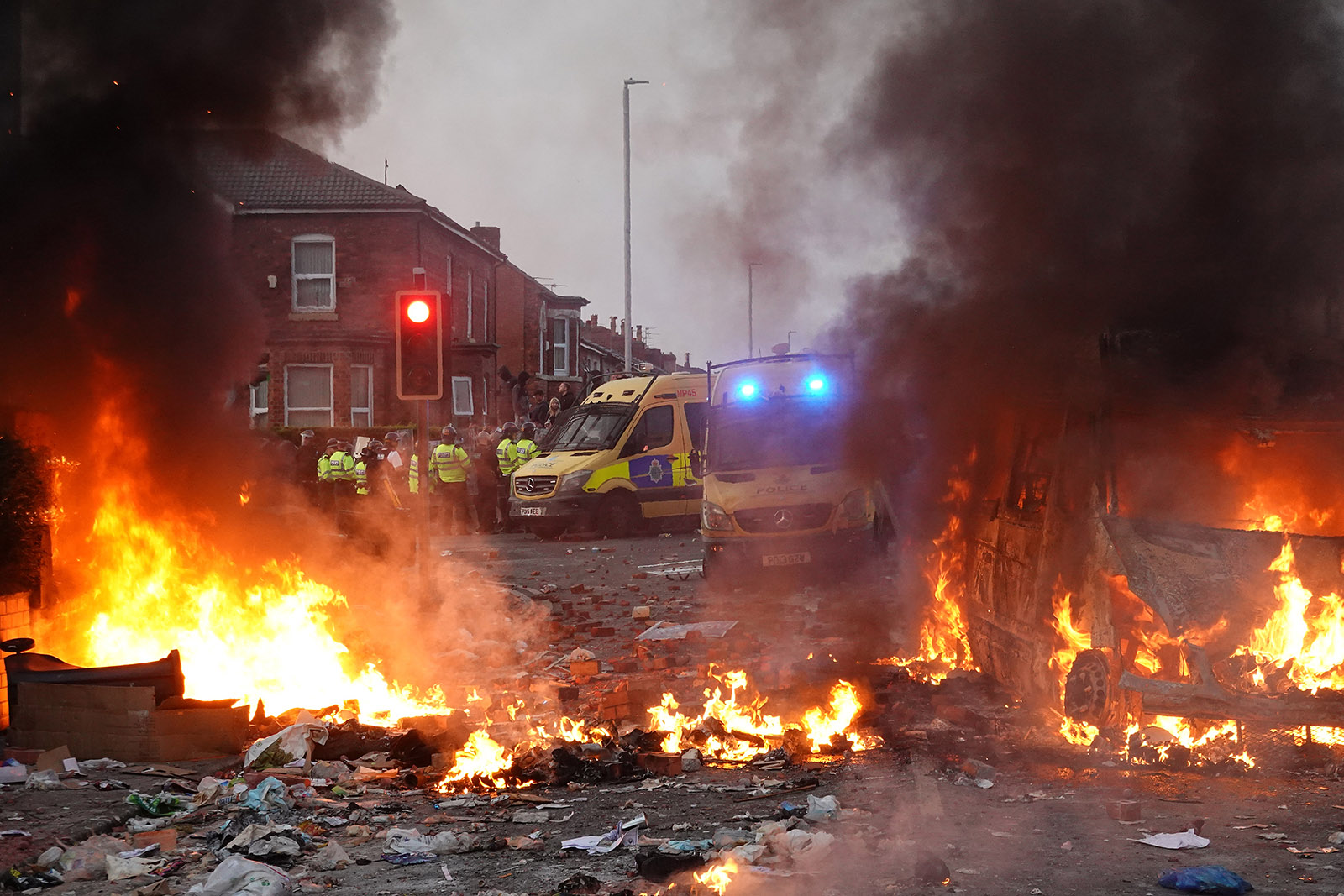
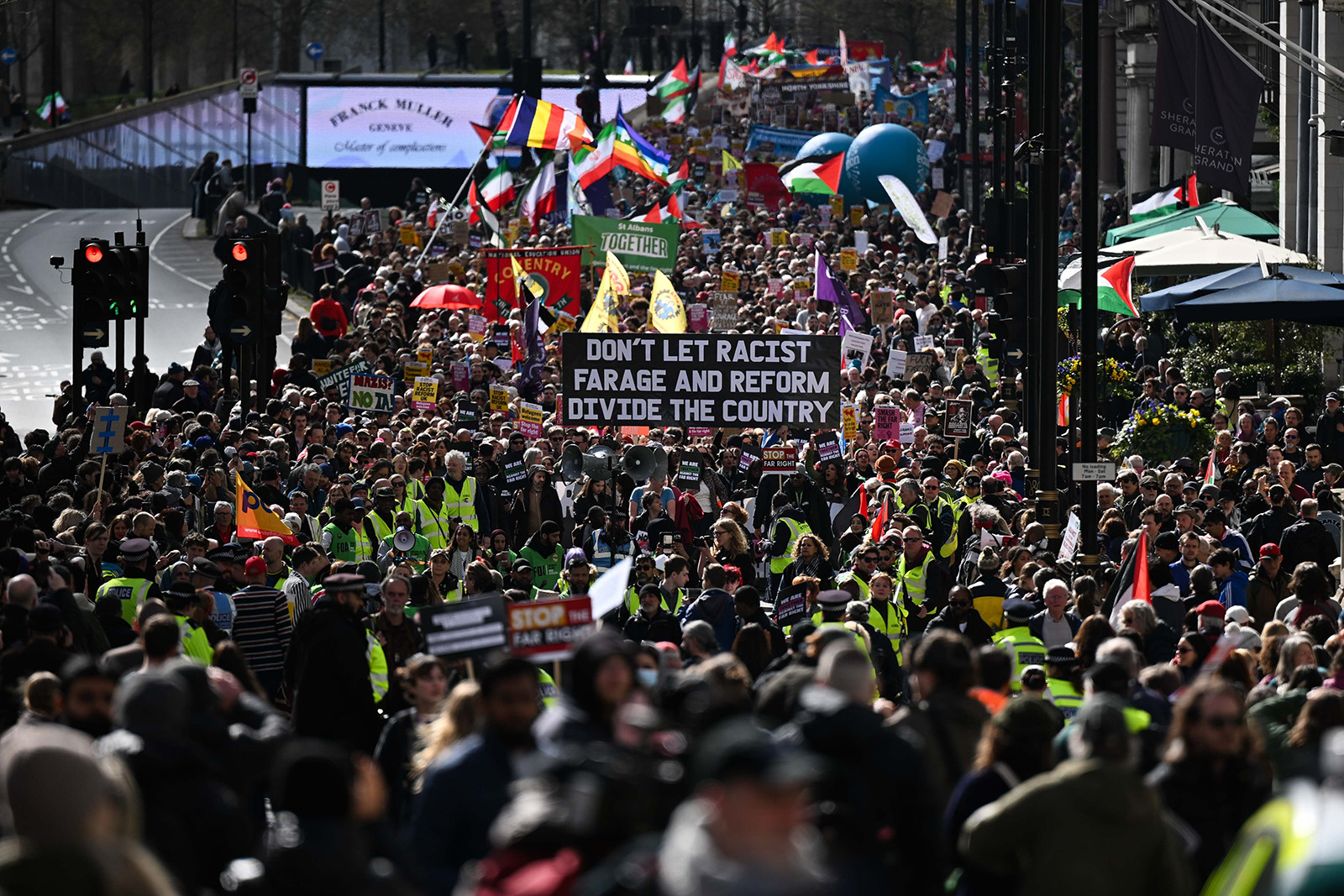
On Tuesday evening, hundreds gathered outside Southampton Central Police Station. While some may have been there to protest against the outrageous failures of the police, the usual rogues’ gallery of far-right agitators were quickly on the scene. Paul Golding, leader of Britain First, was in attendance, as were Ukip leader Nick Tenconi and Laurence Fox, both of whom addressed the crowd.
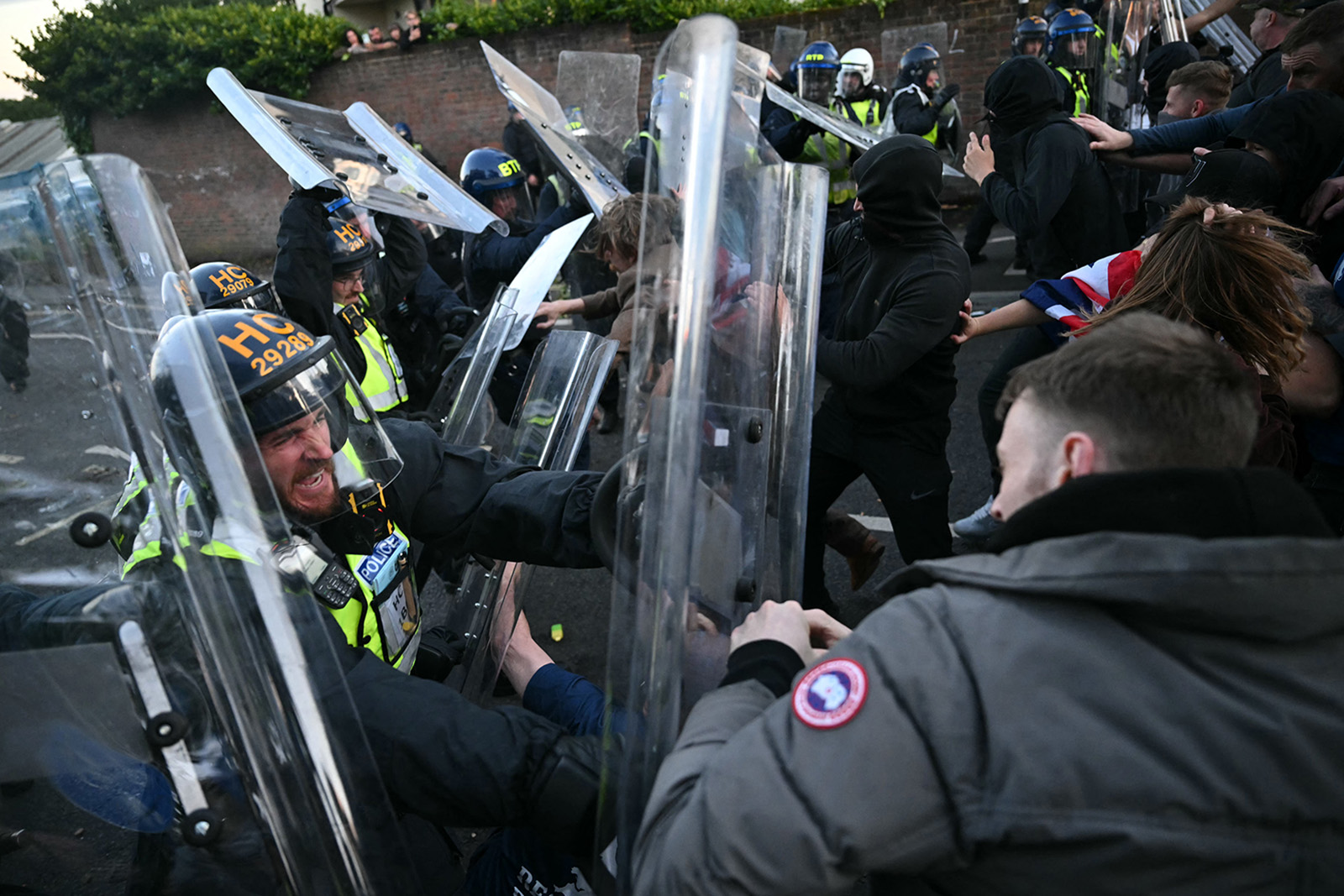
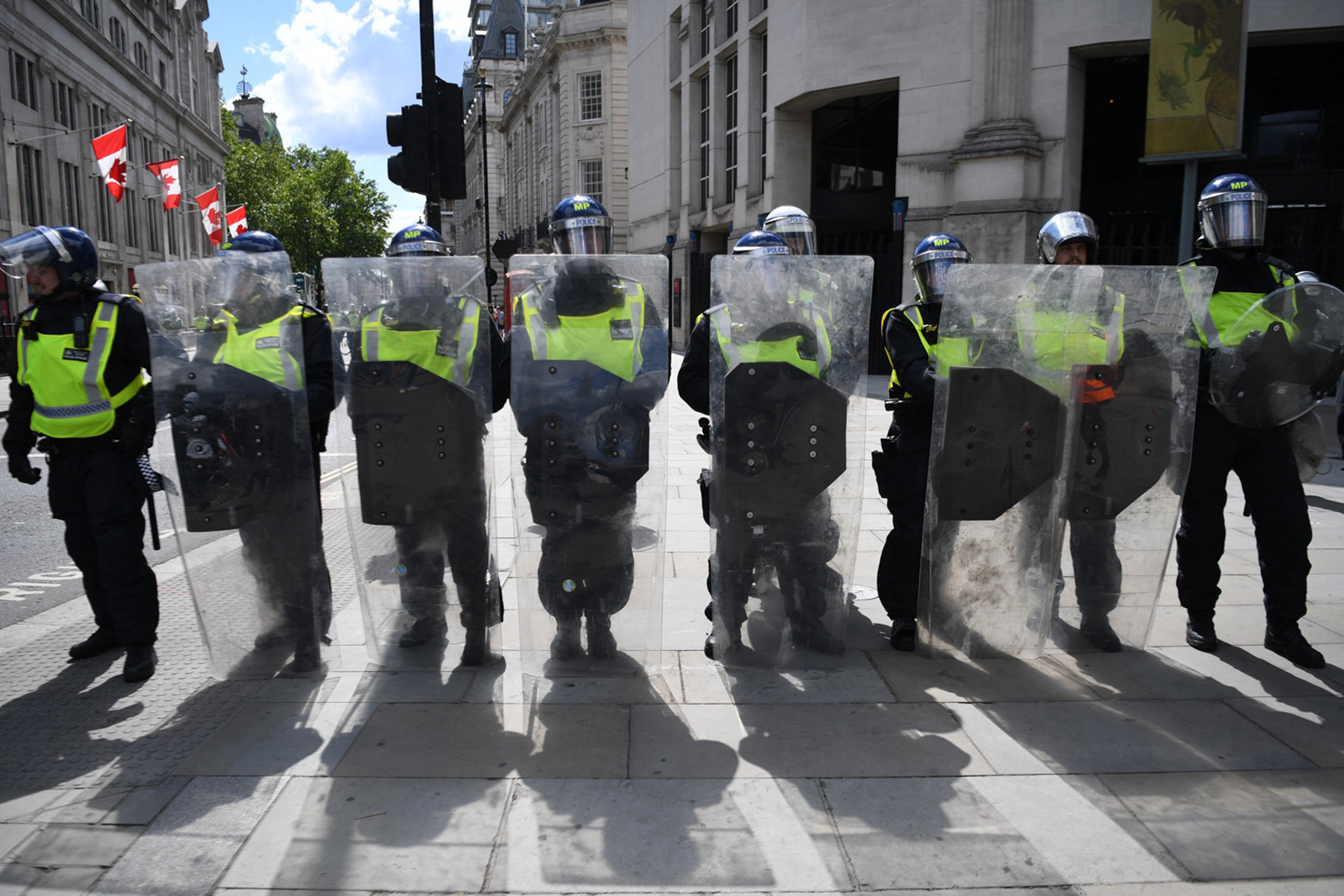
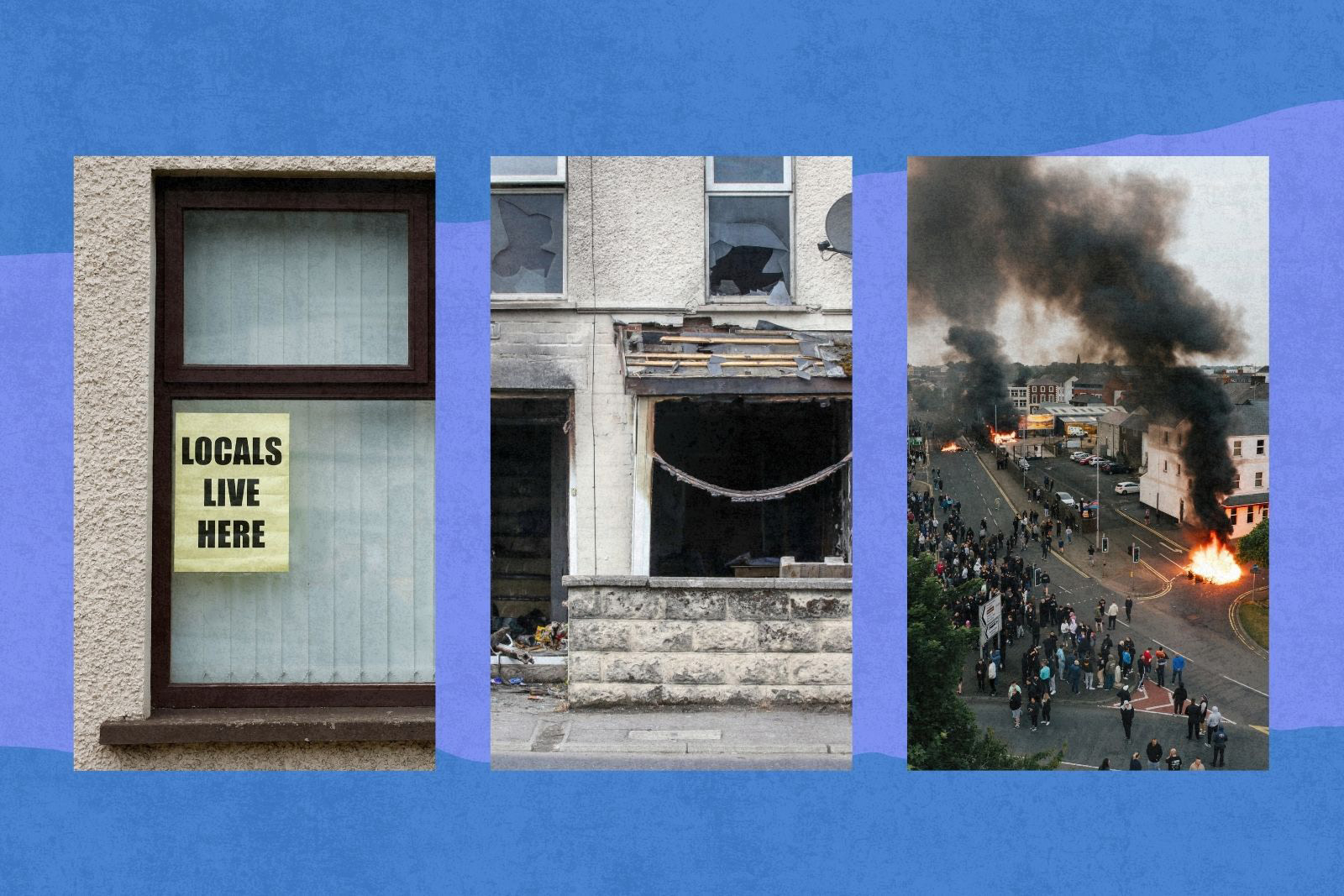
And, of course, there was Stephen Yaxley Lennon, AKA Tommy Robinson. He ranted about Pakistani Muslims (Vickrum Digwa is Sikh), then the crowd marched to Digwa’s family home in Portswood, one of the most diverse areas of Southampton. Predictably, violence ensued. Bricks, wheelie bins, glass bottles and beer cans were thrown at a line of police officers. Cars were damaged. Some even performed Nazi salutes while shouting “white power”.
Many people of colour in the area were already on edge. One local taxi driver I spoke to told me that people were adjusting their routines, avoiding public transport and having their children picked up from school for fear of reprisals.
This latest eruption of violent disorder comes within a broader context of escalating racial tensions and rising hate crime in the UK, with smaller ethnic minority communities in places such as Southampton particularly vulnerable. That environment has largely been created by a political class that has regularly fanned the flames of bigotry.
Farage’s claim that the rights of white people matter less than those of ethnic minorities could not be further from the truth. As far as the criminal justice system is concerned, in 2019-2020 Black people were nine times more likely to be stopped and searched, according to Home Office Statistics, and seven times more likely to die following police restraint, according to a 2023 report by the charity Inquest. Since 1990, 197 Black people have died in police custody or after being restrained by police, disproportionately more than their white counterparts.
If the far right wants an inquiry into how different ethnic groups fare in the criminal justice system in 2026, I would be the first to welcome it. The historical data suggests that such analysis would reveal the precise inverse of their vision of so-called “two-tier policing”.
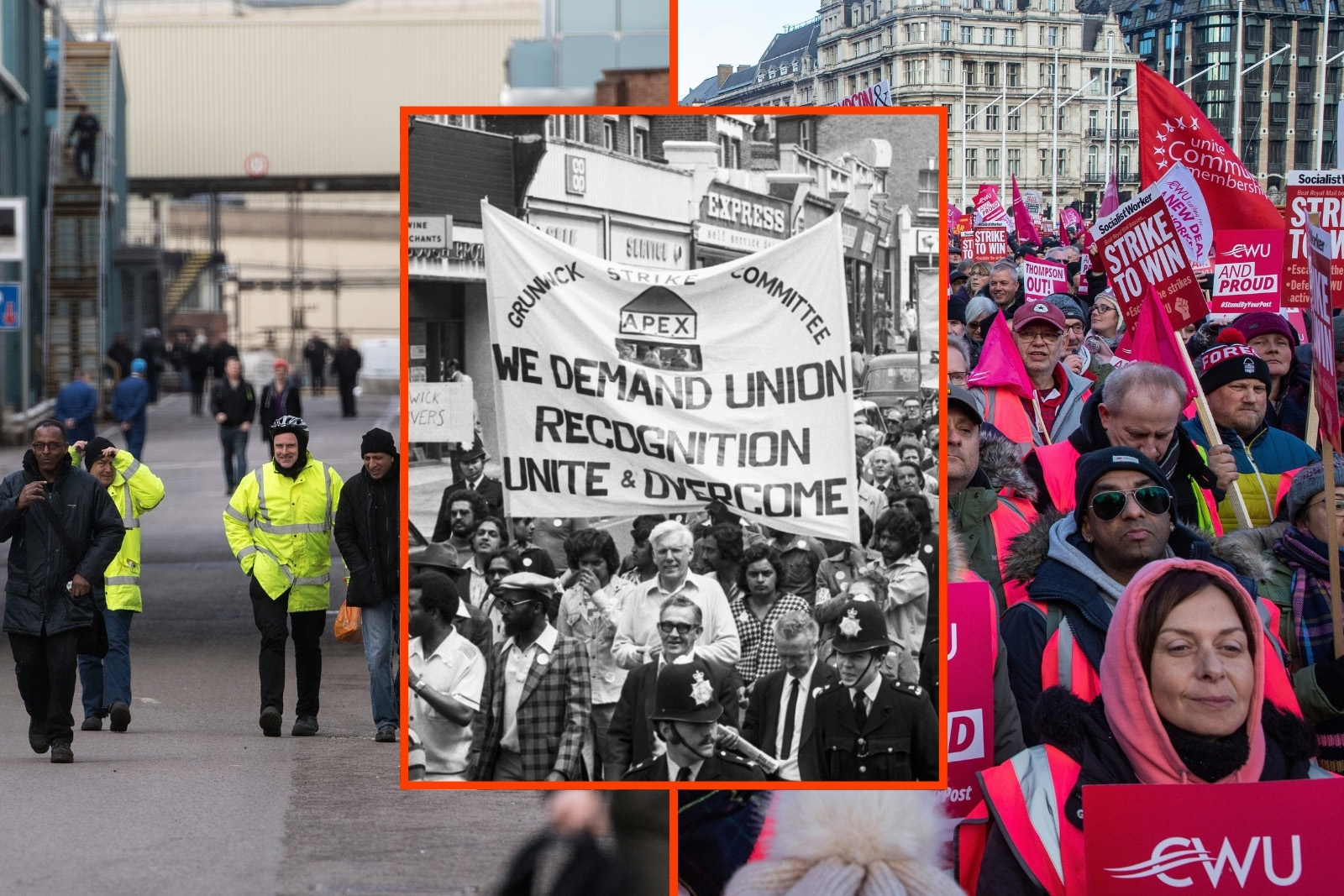
Farage’s rhetoric mirrors that of the British National Party (BNP) in the 1980s and 1990s. Its infamous “Rights for Whites” slogan was used to stir up racist sentiment across the country. In east London, the party claimed that Bangladeshi households were receiving preferential treatment in social housing, a vile campaign that helped its first ever local councillor to be elected in the Isle of Dogs in 1993.
This year marks 25 years since the 2001 riots in Oldham, and later Bradford and Burnley. Prior to them, the BNP and other far-right groups spread baseless myths in predominantly white areas that Pakistanis were receiving disproportionate levels of public funding, particularly for the construction of mosques. Yet the evidence suggested the opposite: 52% of Pakistanis and 61% of Bangladeshis lived in the most deprived 10% of areas in the town, compared with just 7% of white residents, according to the deprivation index used by Oldham Council.
Related content
Despite that, the majority of regeneration funding in the six years preceding the riots went to predominantly white areas. The Alexandra, Coldhurst and Werneth wards of Oldham, where South Asians were disproportionately concentrated, ranked among the most deprived 1% of areas nationally, according to the UK government’s Indices of Deprivation 2000.
The rhetoric of Reform, which has now pledged to ban the kirpan, the Sikh ceremonial dagger, despite it having no connection to the murder of Henry Nowak, demonstrates the direction in which sections of the British right are heading. This is no longer simply about the economic effects of immigration or the alleged ideological incompatibility of Islam with western values. It is a clear appeal to white grievance politics, built on the claim that established minority communities are receiving unfair advantages at the expense of everyone else.
When such false narratives become widely accepted as truth, resentment can morph into something far more dangerous. Those exploiting Henry Nowak’s murder to spread their racist bile do so with little care for a teenager whose life was tragically cut short, or his grieving family. Mark Nowak called for safer streets in the wake of his son’s death. The populist and far right are determined to ensure the opposite.