
Extend Southport inquiry to cover riots, say Muslim leaders
Those targeted in racist violence in 2024 say the public inquiry into the murder of three young girls should also examine the unrest that followed
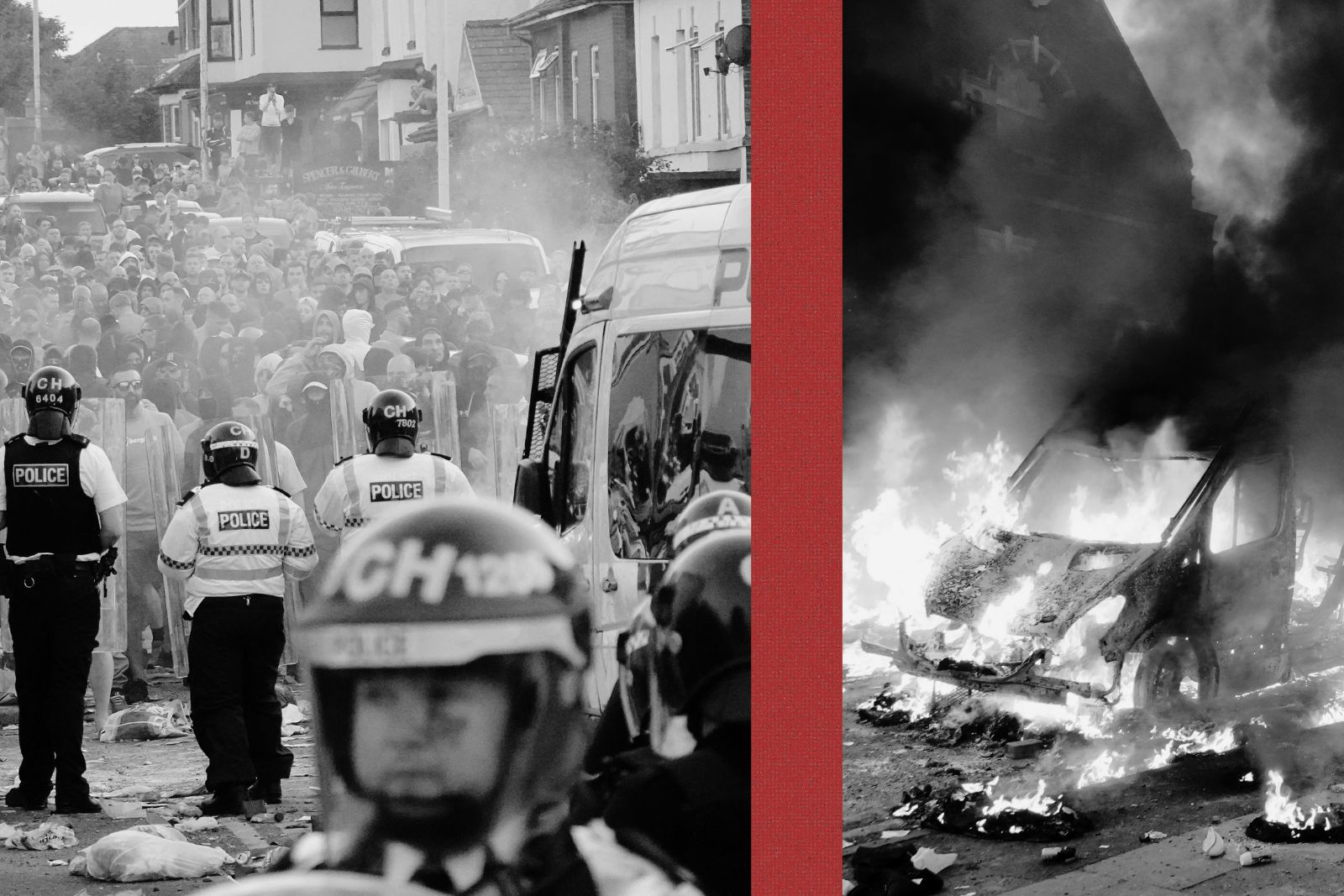
Muslim leaders whose communities were targeted in the 2024 riots are calling for the inquiry into the Southport stabbings to be extended to examine the causes of the racist and Islamophobic violence that swept the UK following the murders of three young girls.
The inquiry, chaired by a retired senior judge, Adrian Fulford, was set up after Bebe King, Elsie Dot Stancombe and Alice da Silva Aguiar were killed by Axel Rudakubana at a Taylor Swift-themed dance class in Southport on 29 July 2024.
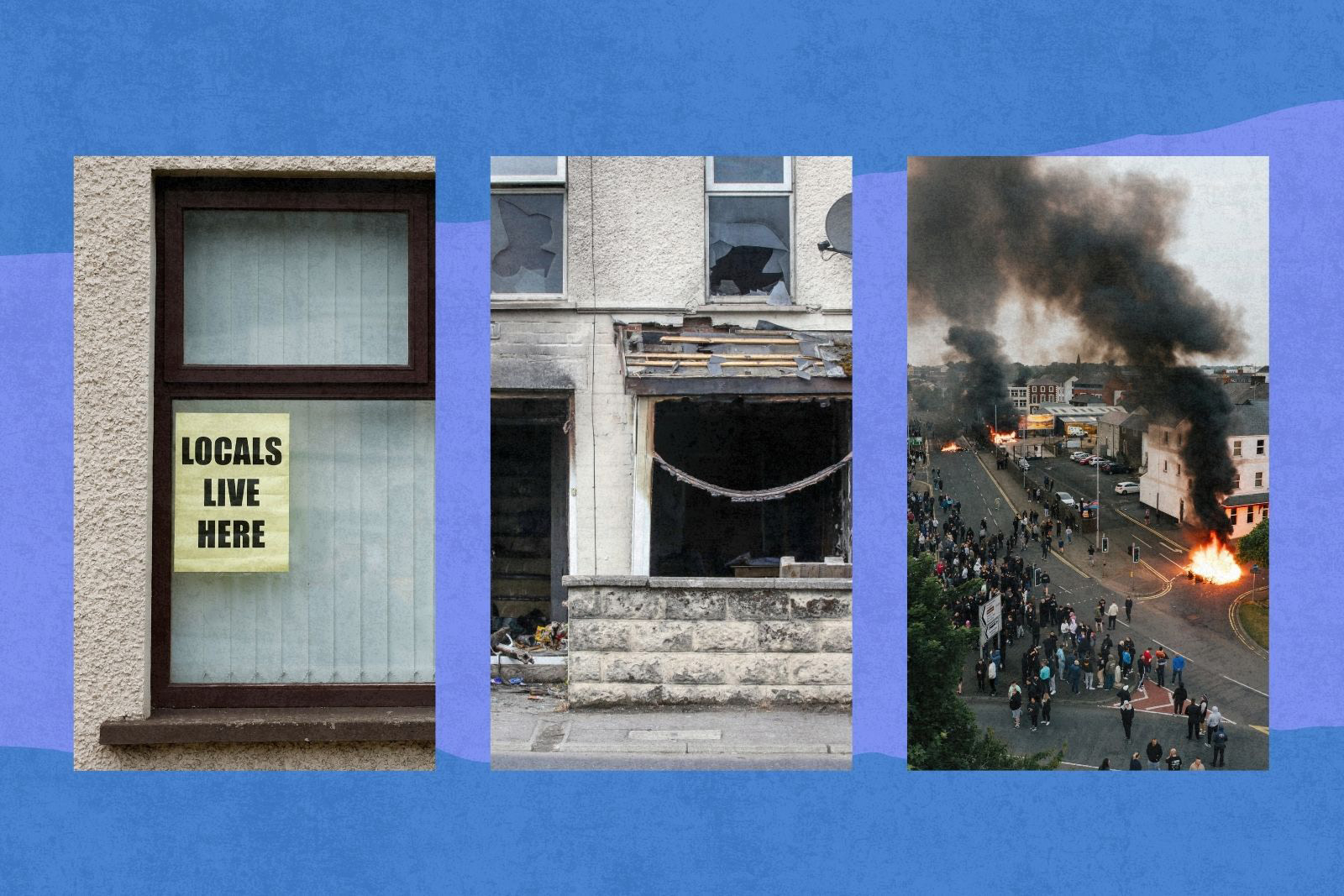
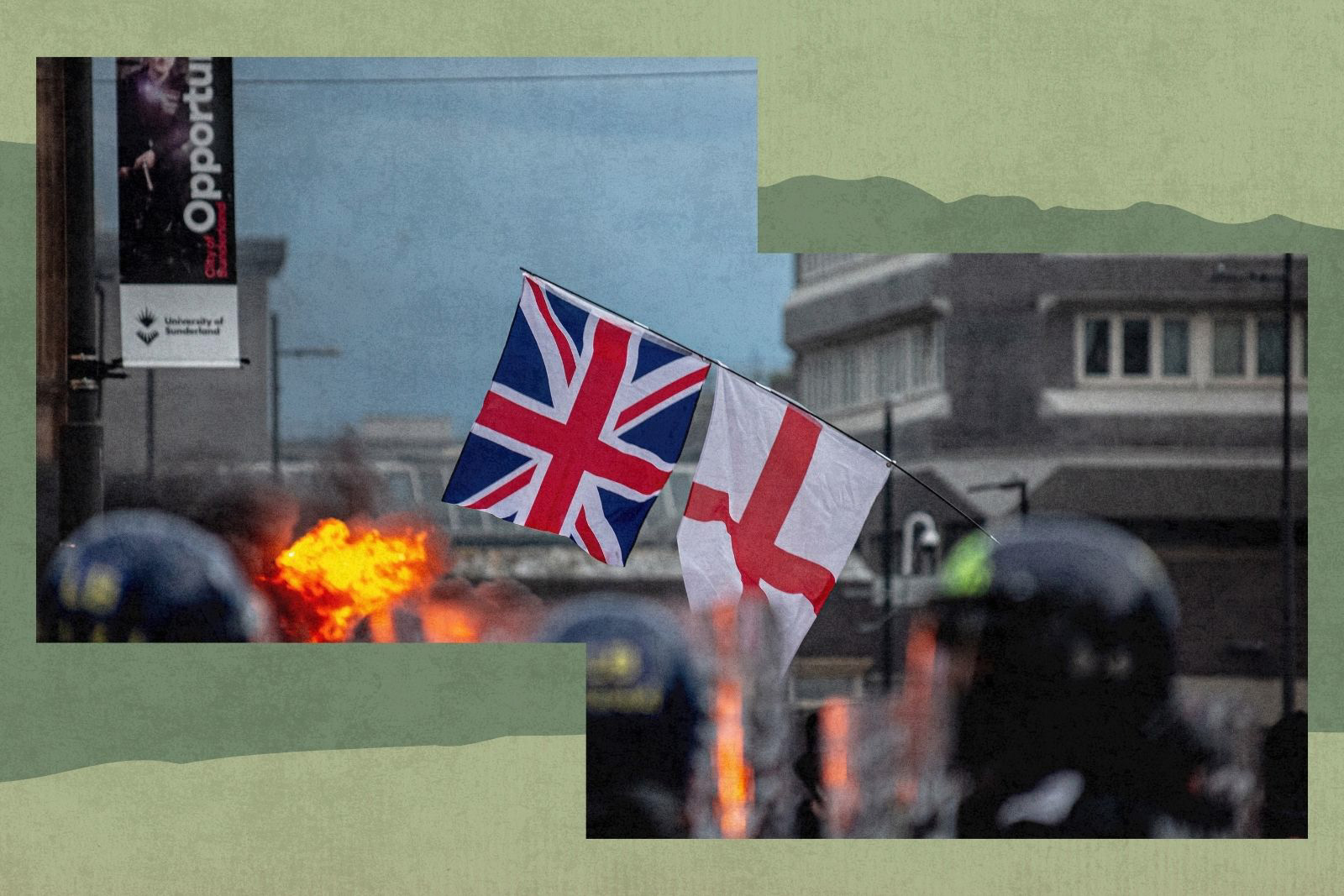
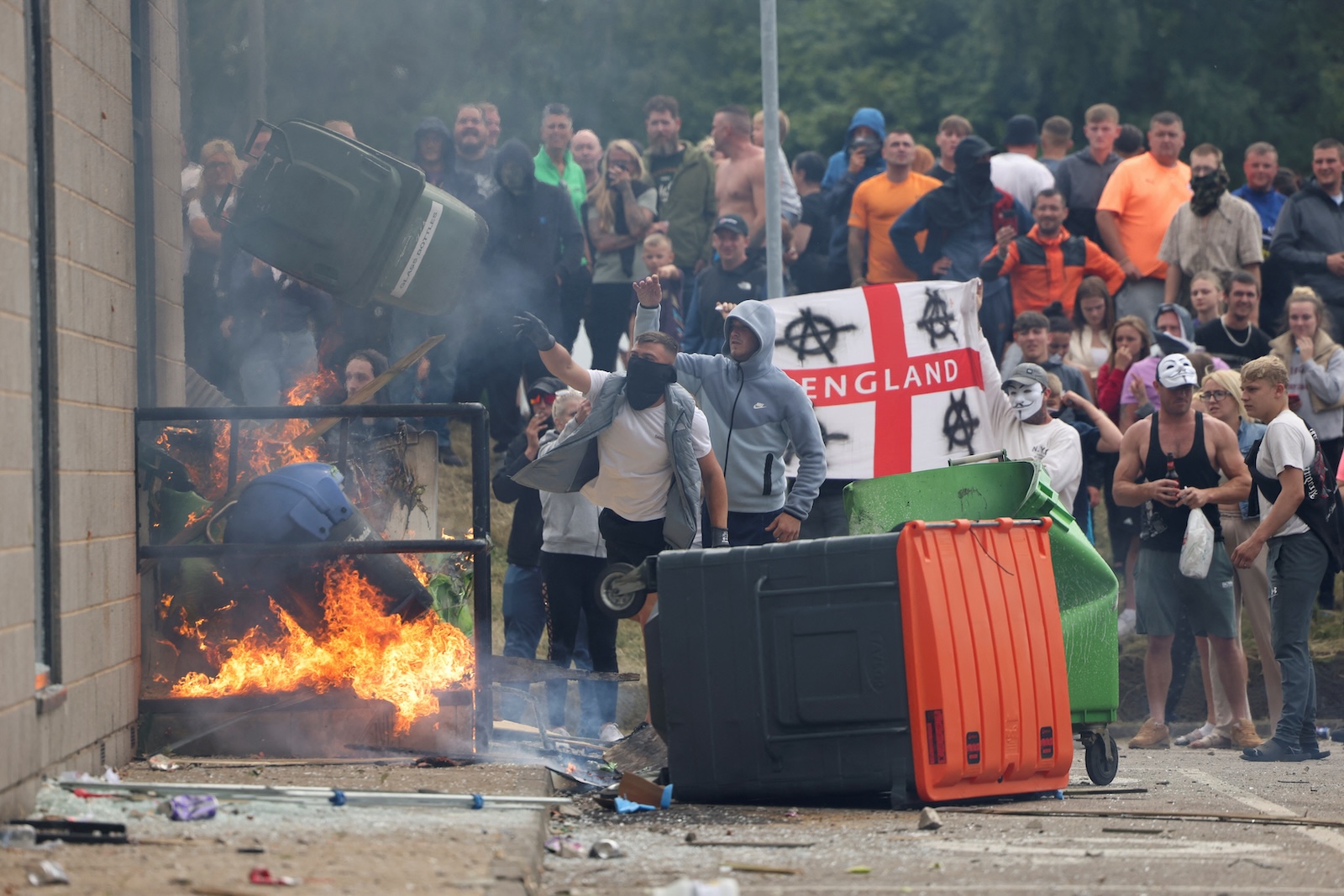
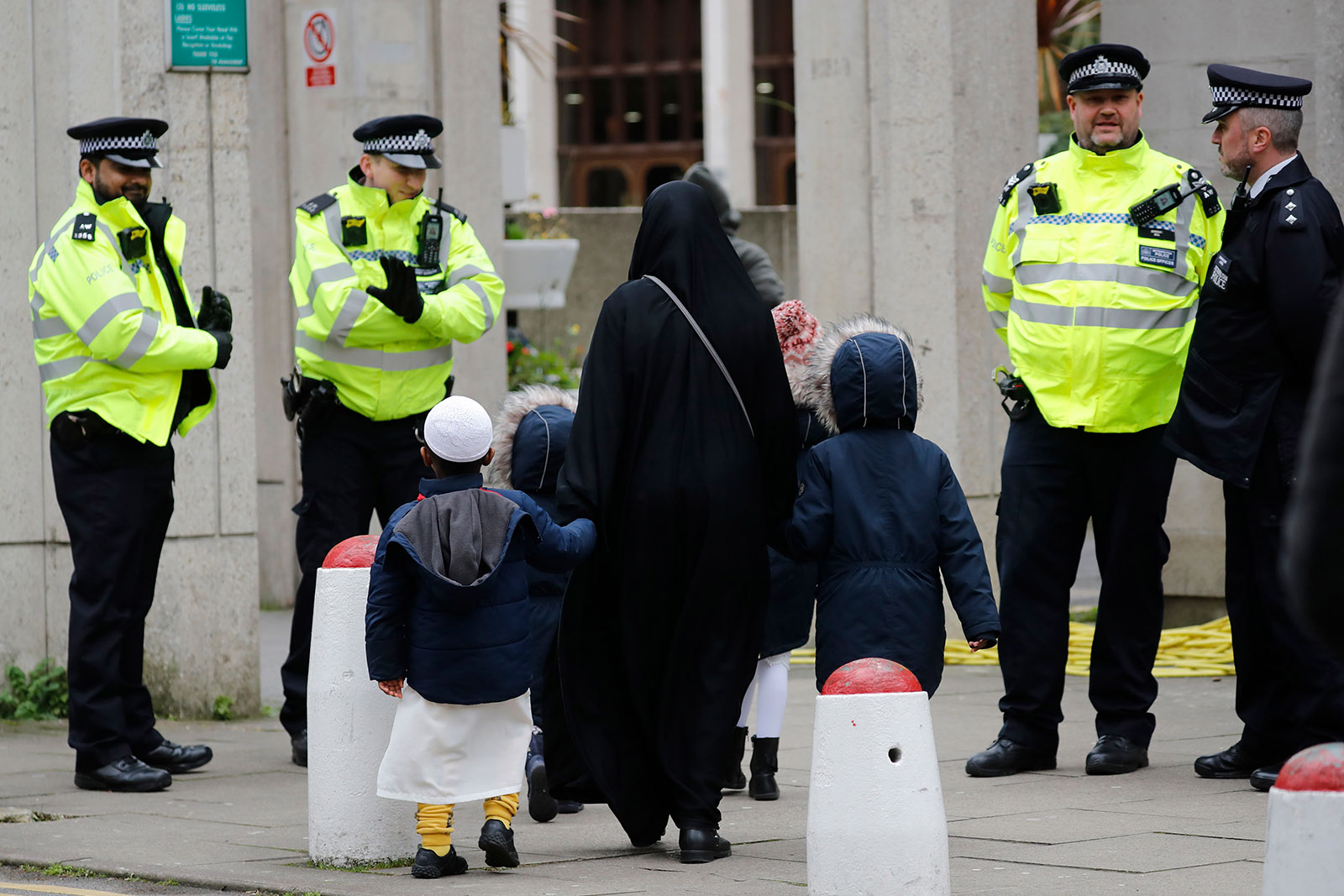
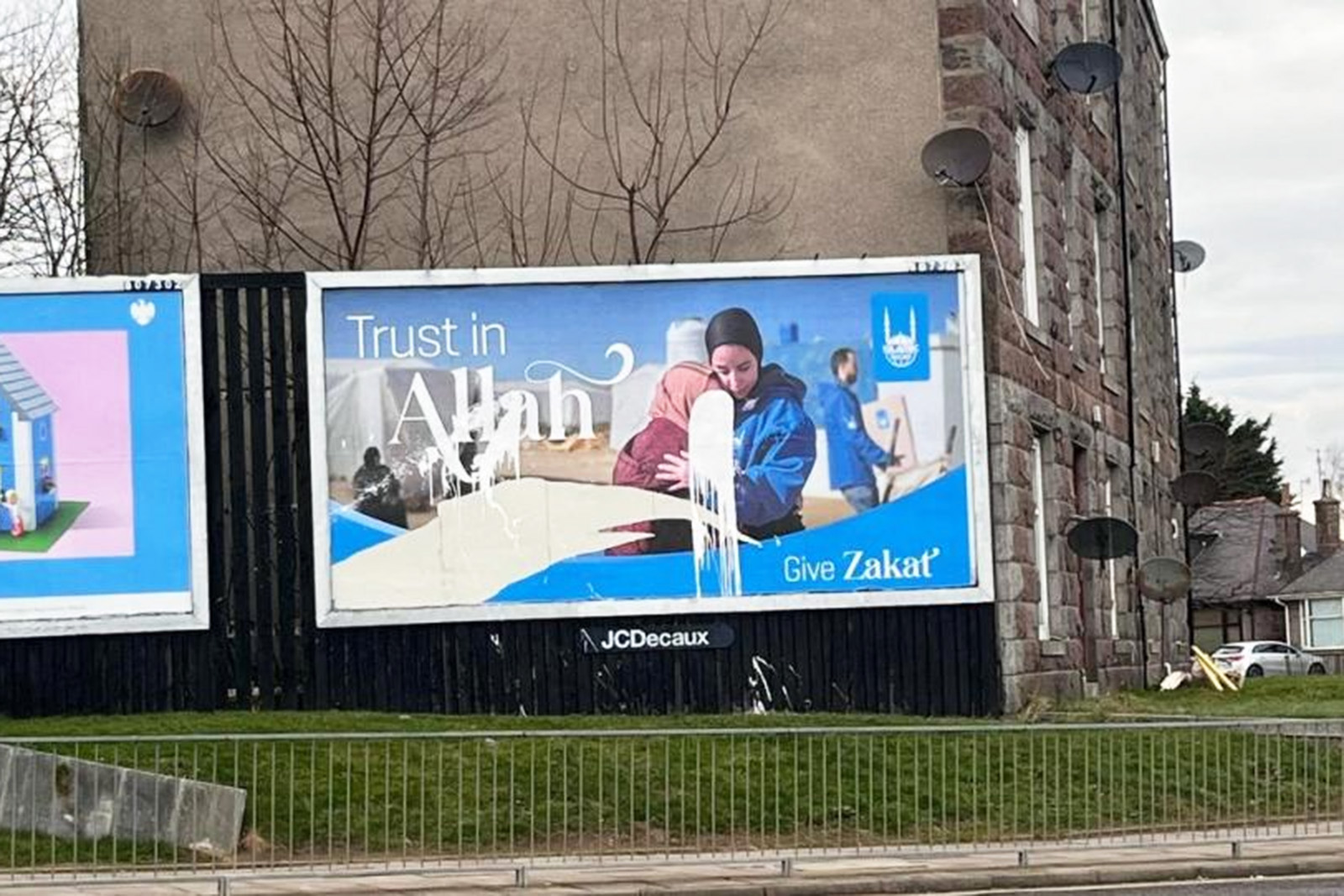
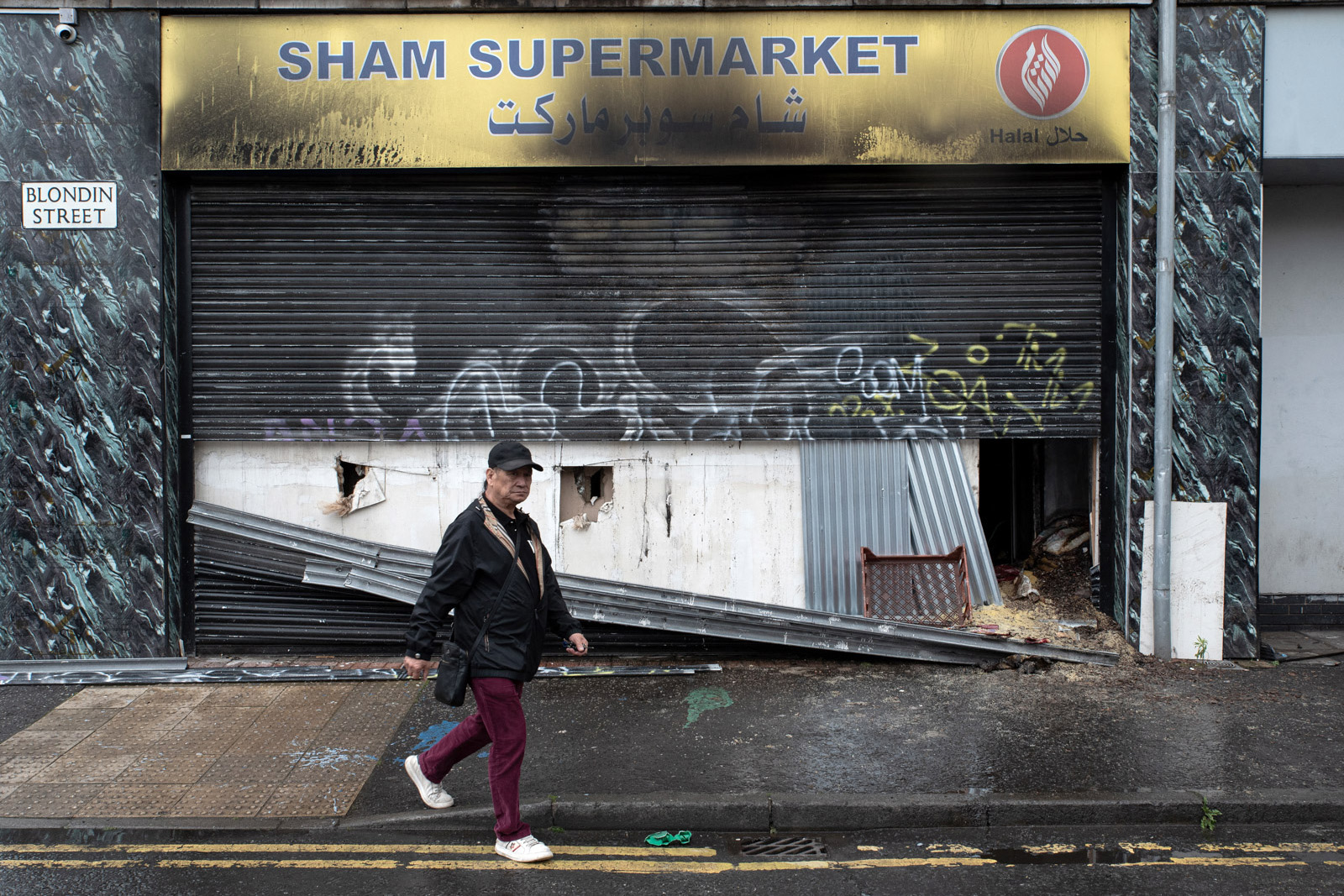
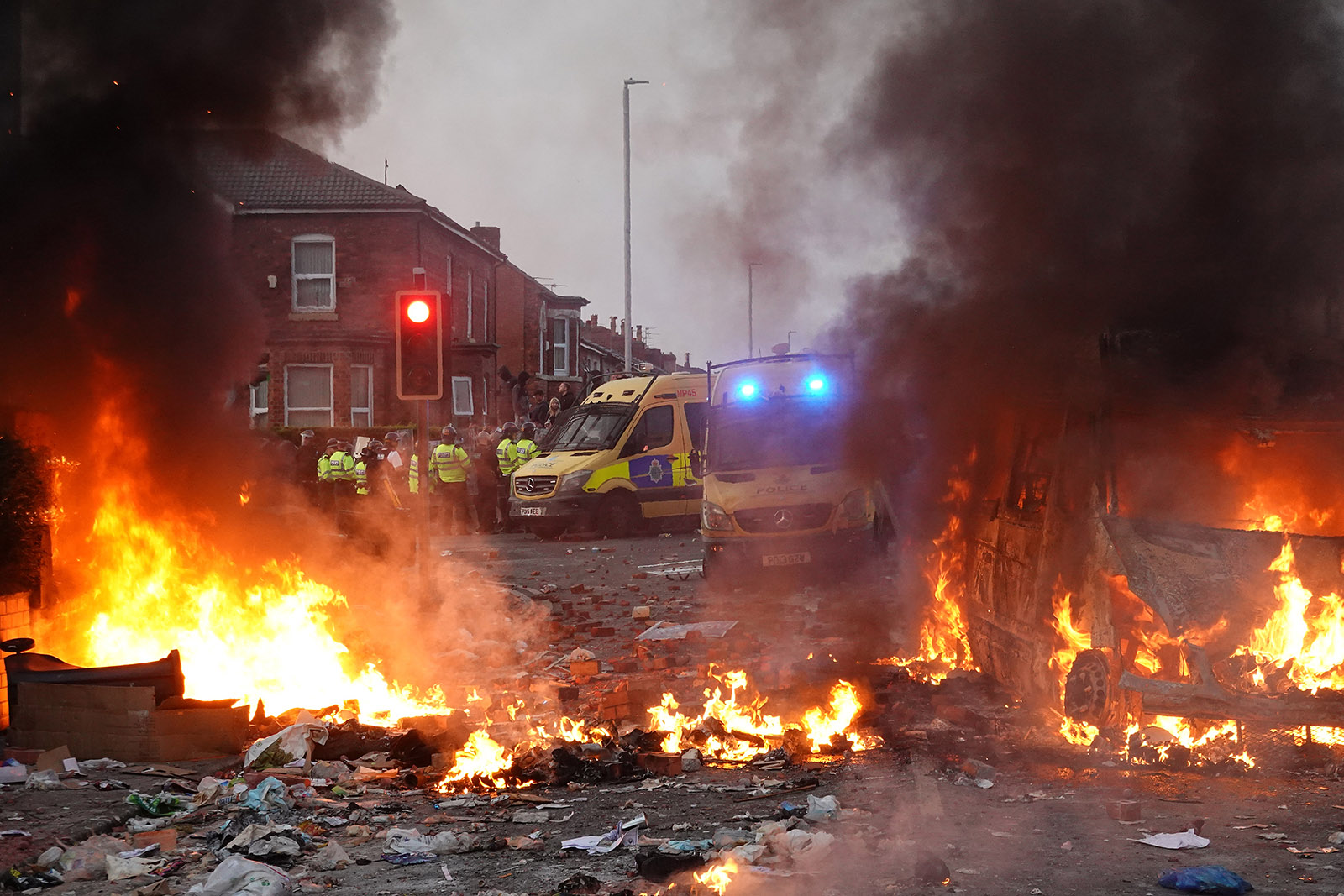
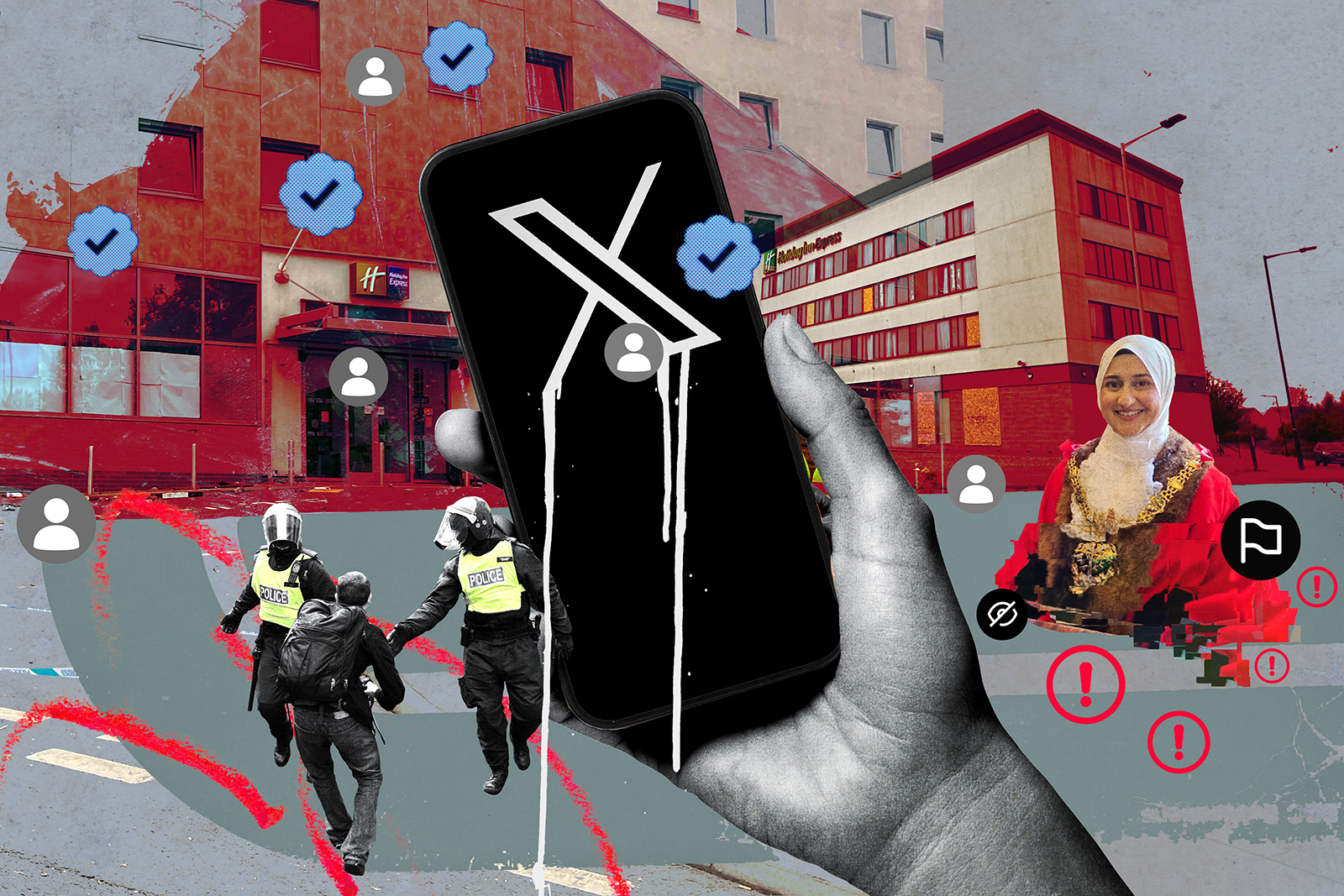
In the hours after the attack, false claims circulated online wrongly identifying the suspect as a Muslim asylum seeker. The misinformation spread quickly across social media and helped fuel anti-Muslim riots in towns and cities across England and Northern Ireland, with mosques, community buildings and hotels housing asylum seekers among the targets.
Related content
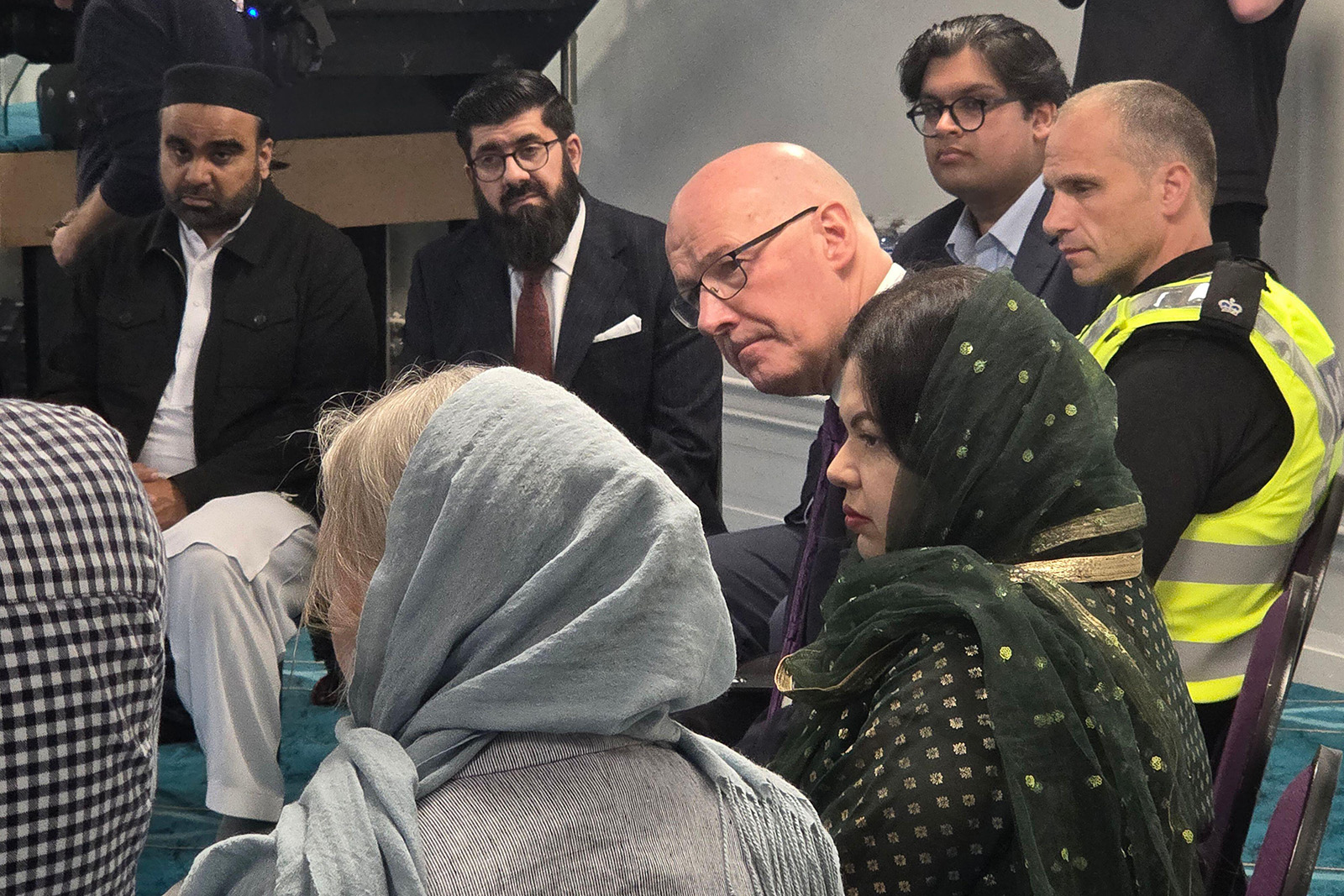
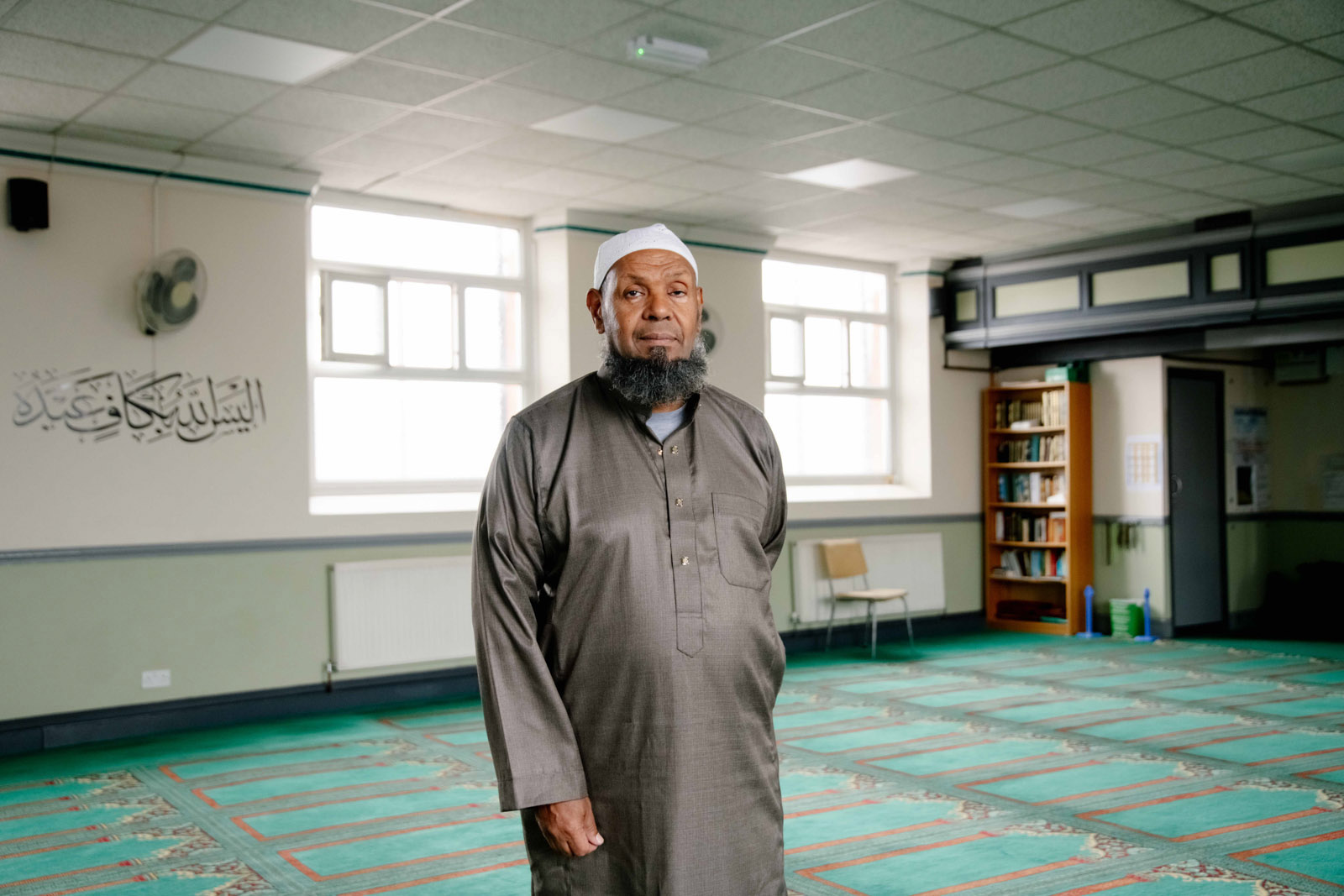
Imam Ibrahim Hussein of Southport Mosque and Cultural Centre — which was besieged by a mob that tried to set it alight — told Hyphen there would be “absolutely no point” in the inquiry if it failed to examine the aftermath of the stabbings, including the role of the far right.
“The report must mention the far right and the danger they pose to communities in the UK, and the threat to peace between different sections of the community,” he said.
“It has to mention the rise of Islamophobia in the media and the irresponsible talk from some politicians. Otherwise we’re just going around in circles.”
Phase one of the inquiry examined the circumstances leading up to the attack, including Rudakubana’s contact with public bodies and whether opportunities to intervene were missed. The inquiry found that failings across multiple agencies meant the risk he posed was not properly recognised or managed.
The inquiry’s second phase will examine how authorities identify and manage what it calls “violence-fixated individuals” and the role of the internet in enabling offenders to plan and carry out attacks. Its published terms of reference do not refer at all to the unrest that followed the murders.
Nearly two years on, Hussein said members of Southport’s Muslim community were still living with the lasting impact of the attack and the riots that followed.
“It’s very hard to wipe that out of people’s memories,” he said. “People will always be anxious.”
Hussein said the inquiry should also scrutinise the role that social media platforms played in amplifying false claims in the aftermath of the attack.
“We were victims of social media,” he said. “It has to be reformed, and if the report doesn’t cover that as well, then really we are wasting our time.”
Abrar Javid, project manager at the Rotherham Muslim Community Forum, said the inquiry risked overlooking one of the most significant lessons of the unrest if it failed to examine how misinformation spread.
“If the aim of the inquiry is to learn lessons and prevent similar harm in the future, it would be incomplete not to consider how misinformation influenced events or whether institutions responded effectively,” he said.
Javid, whose town also experienced unrest following the attack, said the violence should not be viewed in isolation.
“If you look at what actually happened in its totality, and the way social media was used to whip up bigotry, hatred and racism based on false information, how can you exclude what really happened in the aftermath?” he said.
“If you don’t learn about what led up to incidents like Southport and how they manifested themselves afterwards, then we’re never going to move forward.”
He added that attitudes that fuelled the disorder had been “brewing” for years and argued the inquiry should hear from a broad range of communities and organisations to better understand how misinformation and anti-Muslim hatred contributed to the nationwide unrest.
“Southport was just a microcosm of what’s been happening over the last 10 or 15 years,” he said. “I think it’s important to hear from a broad spectrum of voices because the issue is much wider than simply saying: ‘It was just the far right.’”
The inquiry was approached for comment but did not respond by the time of publication.