
Racist attacks in most diverse part of Belfast double in a decade
Rise, a new website that maps racially motivated hate crimes and incidents across Northern Ireland, shows an increase of 112% in inner city

Racist incidents and racially motivated hate crimes in the most diverse area of Belfast more than doubled in a decade, new analysis has revealed.
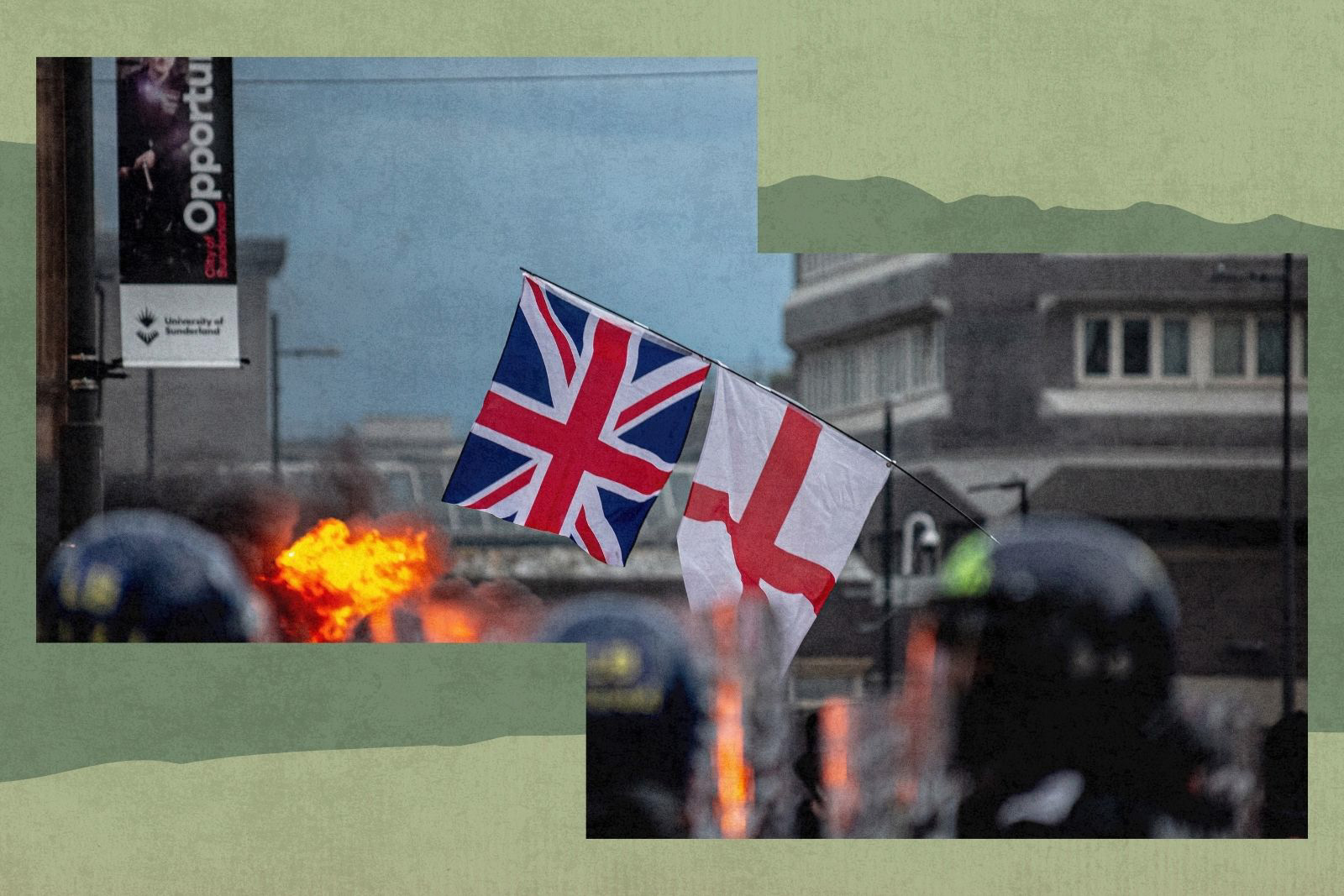
It is among the trends highlighted by a new data visualisation website, Rise, produced by a human rights organisation based in the city, and makes plain the growing racism that boiled over into rioting last week.
Rise, developed by Participation and Practice of Rights (PPR) and the tech collective Rabble Coop, maps both racially motivated hate incidents and crimes. A racist incident is one that is perceived to be racially motivated, but whose “severity” does not meet the legal threshold of a criminal offence.
Using data published by the Northern Ireland Statistics and Research Agency, Rise shows that in Belfast’s Central ward, where 26% of the population is non-white, annual reports of racist incidents rose from 82 in 2016-17 to 174 in 2024-25, an increase of 112%. Meanwhile recorded racist crimes increased by 161%, from 43 up to 112.
More widely, almost half of racist incidents and hate crimes (45%) in Northern Ireland since 2007 took place in Belfast. A total of 8,847 crimes and incidents were recorded in the city over the period, equivalent to a rate of 26 per 1,000 people.
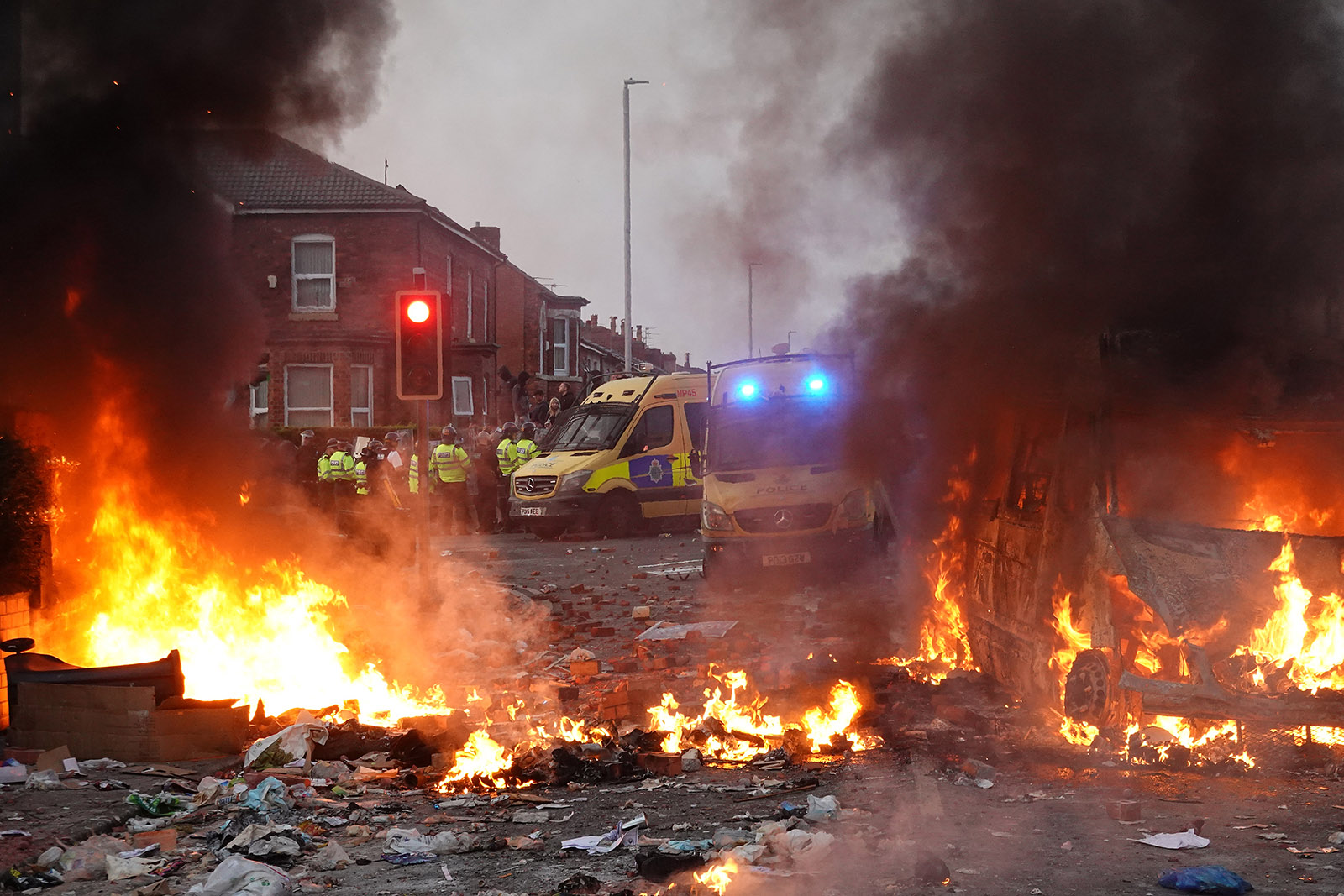
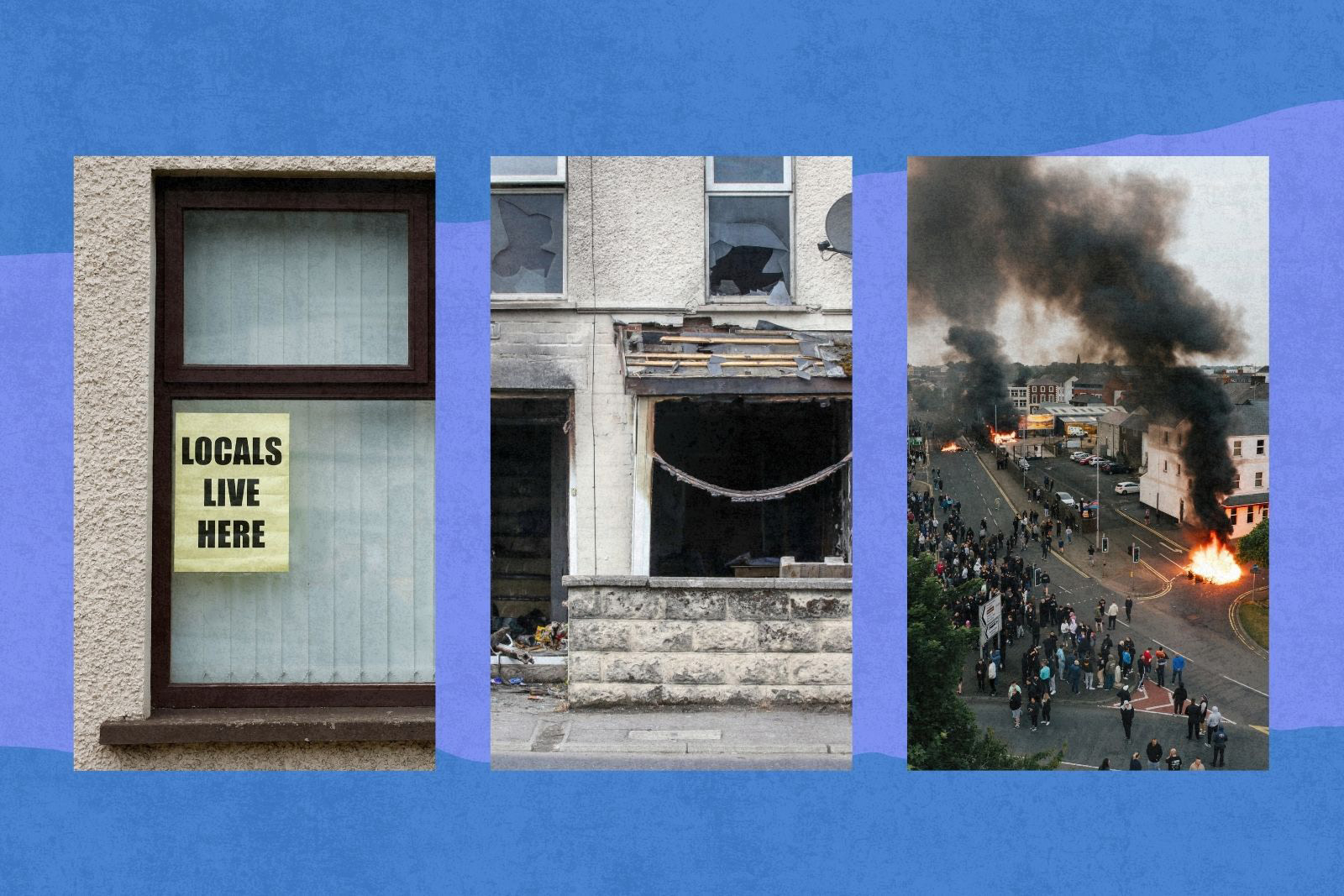
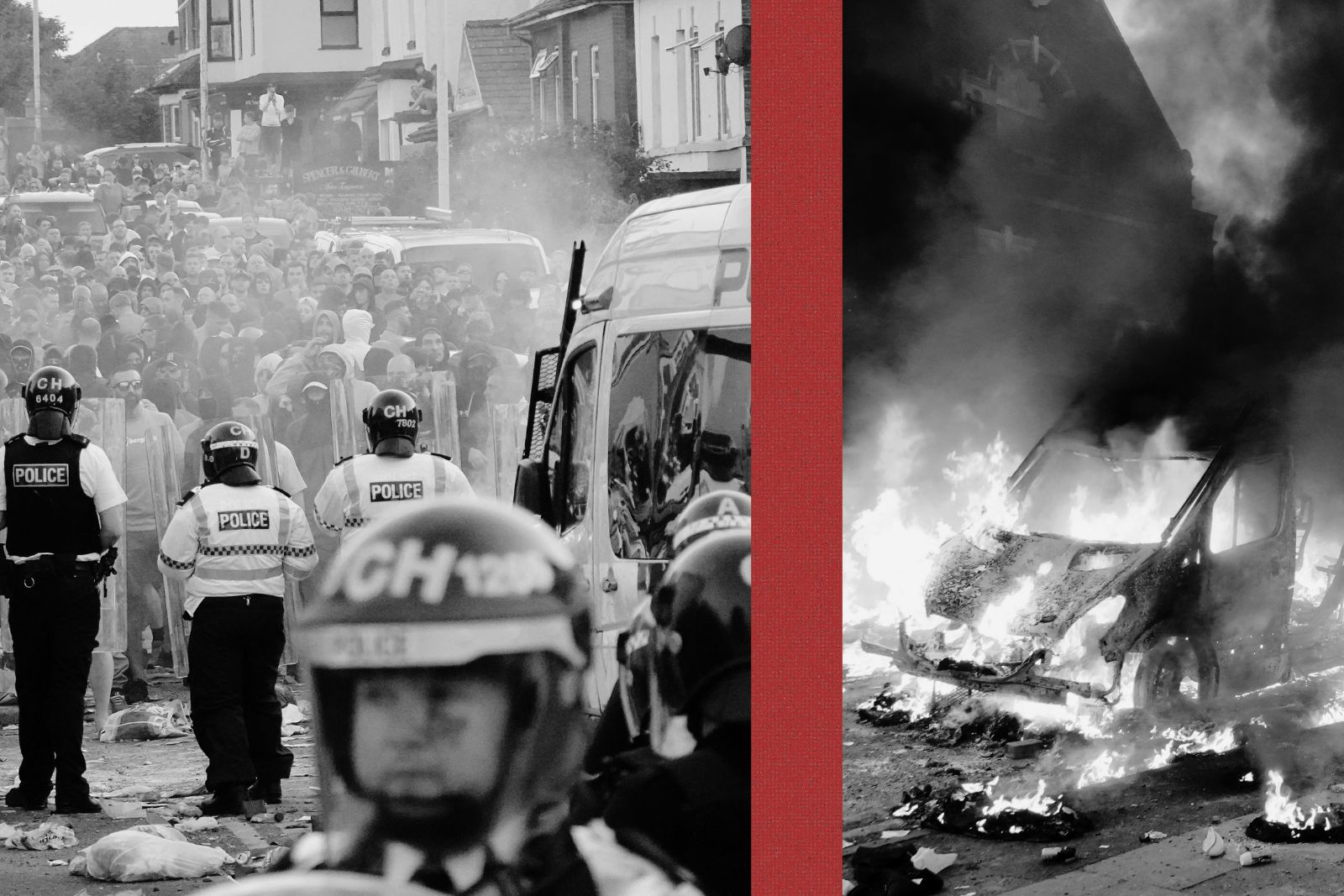
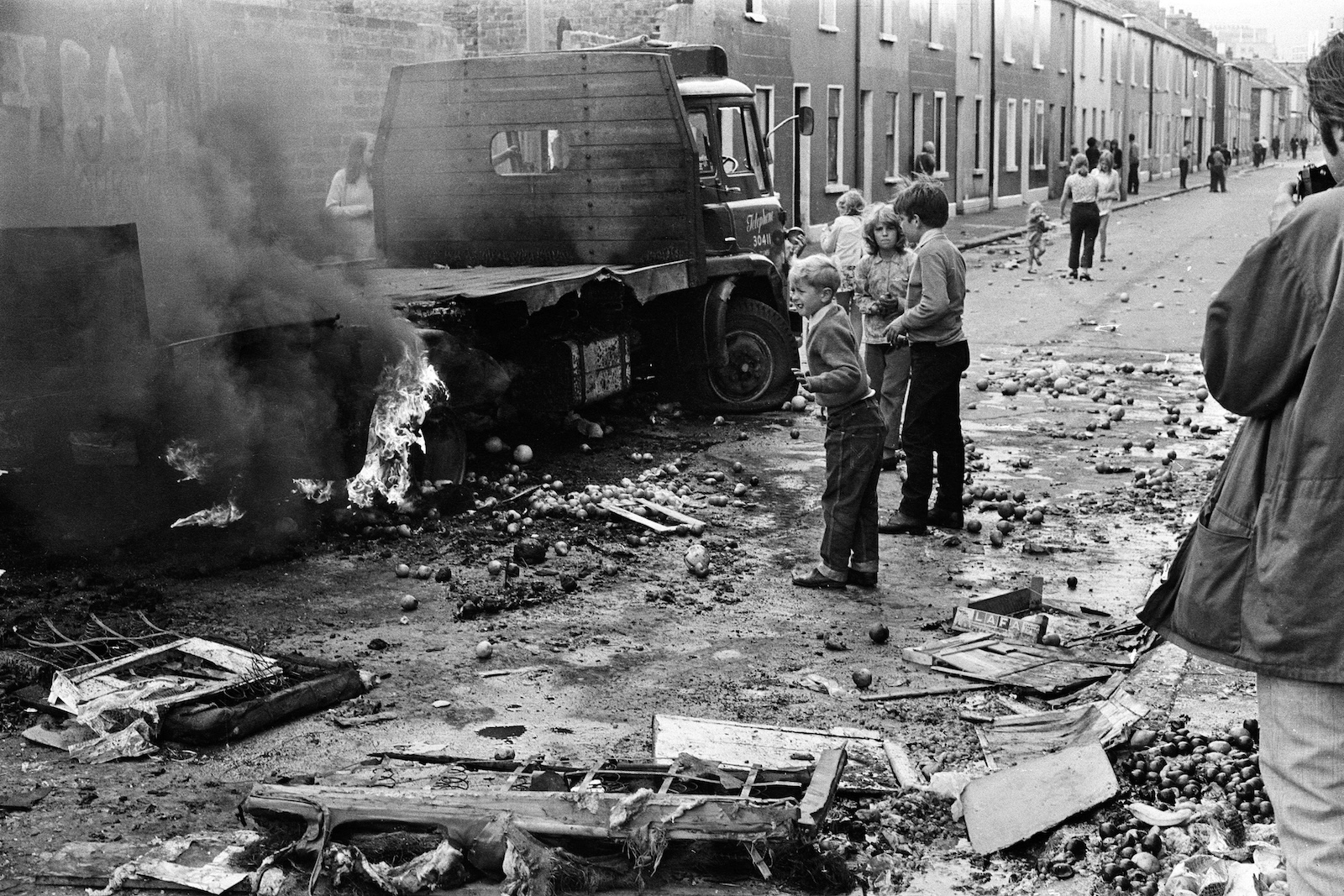
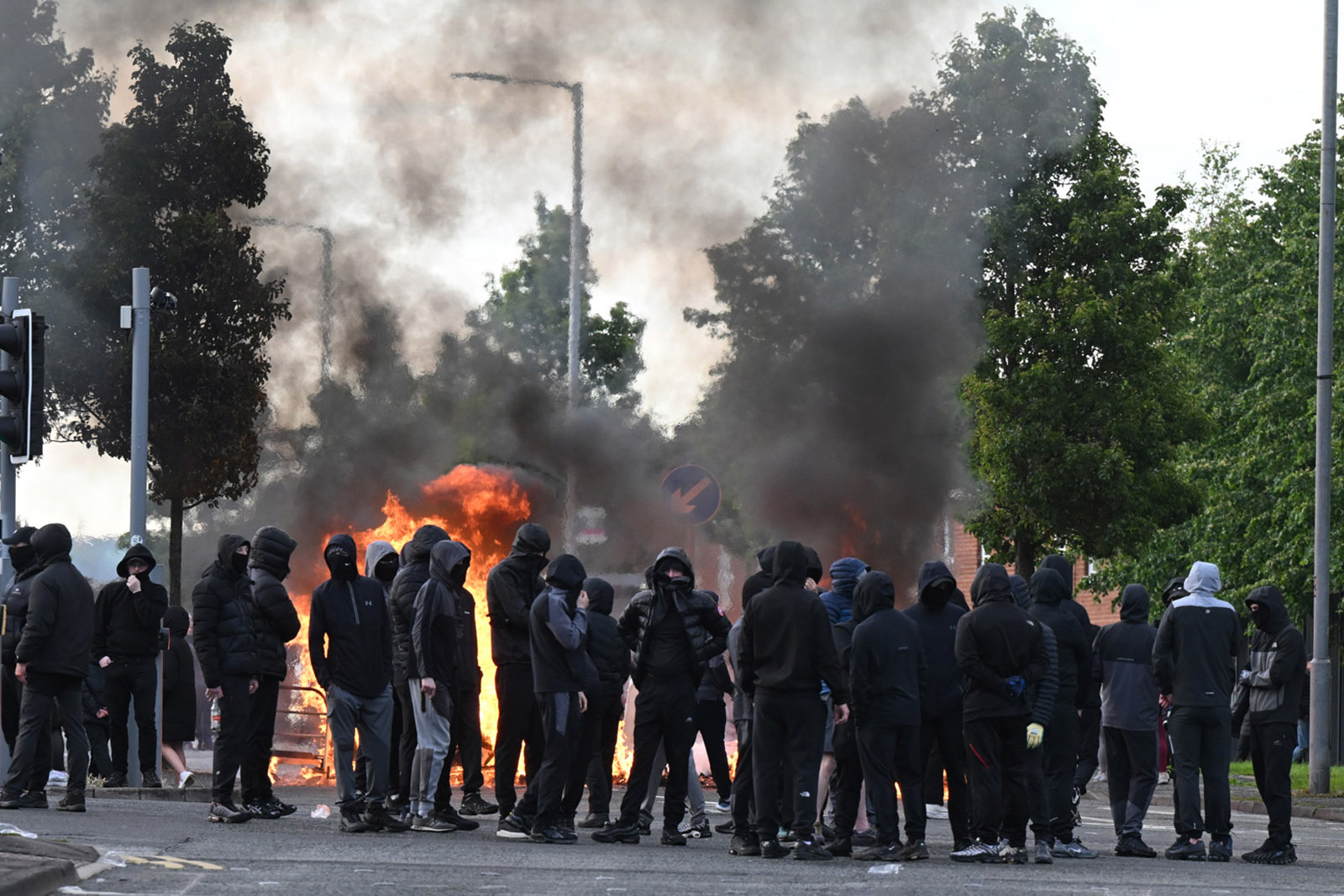
Racist riots broke out in Belfast after the stabbing of Stephen Ogilvie on 8 June, but residents who spoke to Hyphen in the days that followed said Muslims had been expecting violence for months. In the days that followed, rioters vandalised and set fire to homes, cars and a Translink bus. It’s not the first time ethnic minority communities have been targeted in Northern Ireland’s capital.
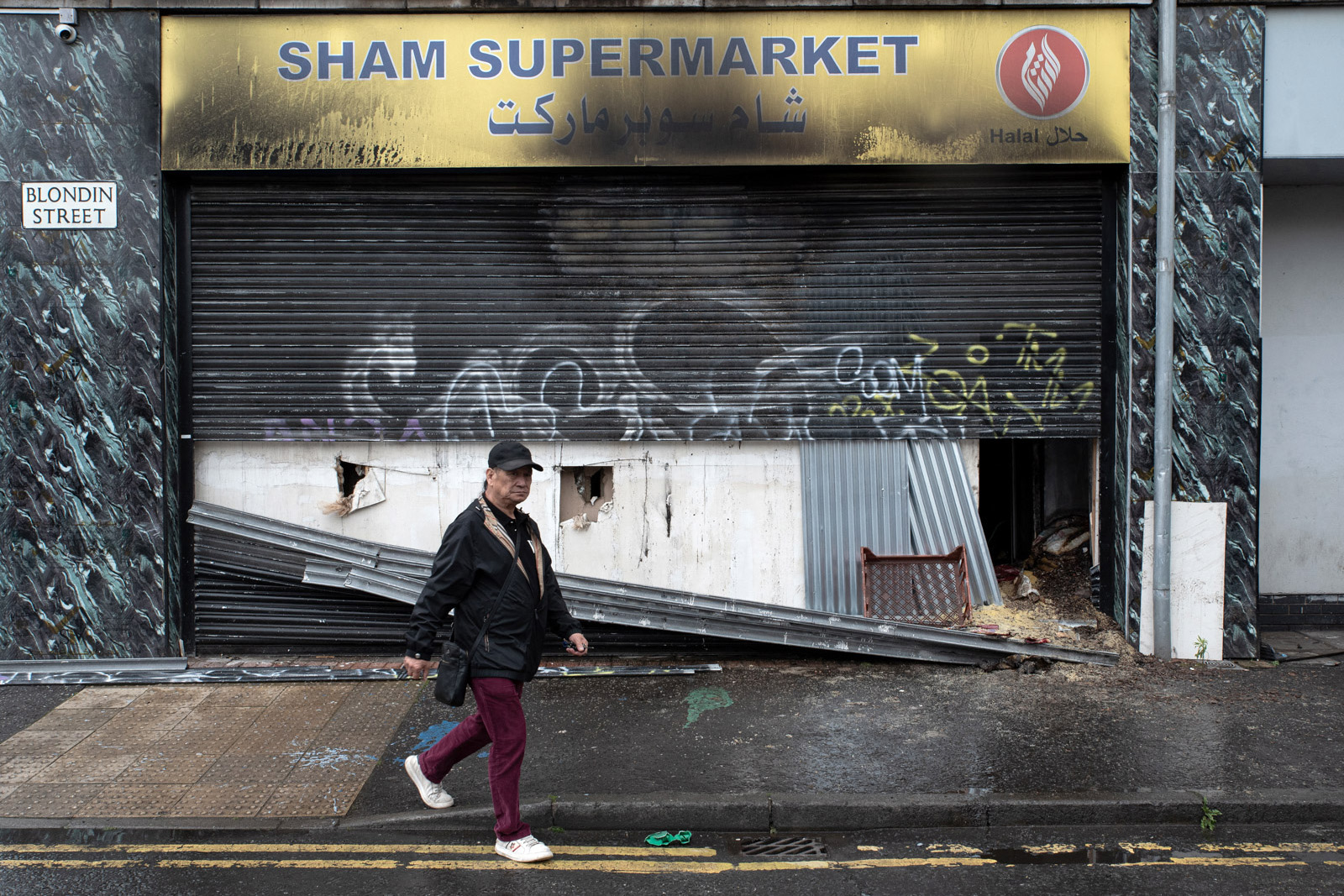
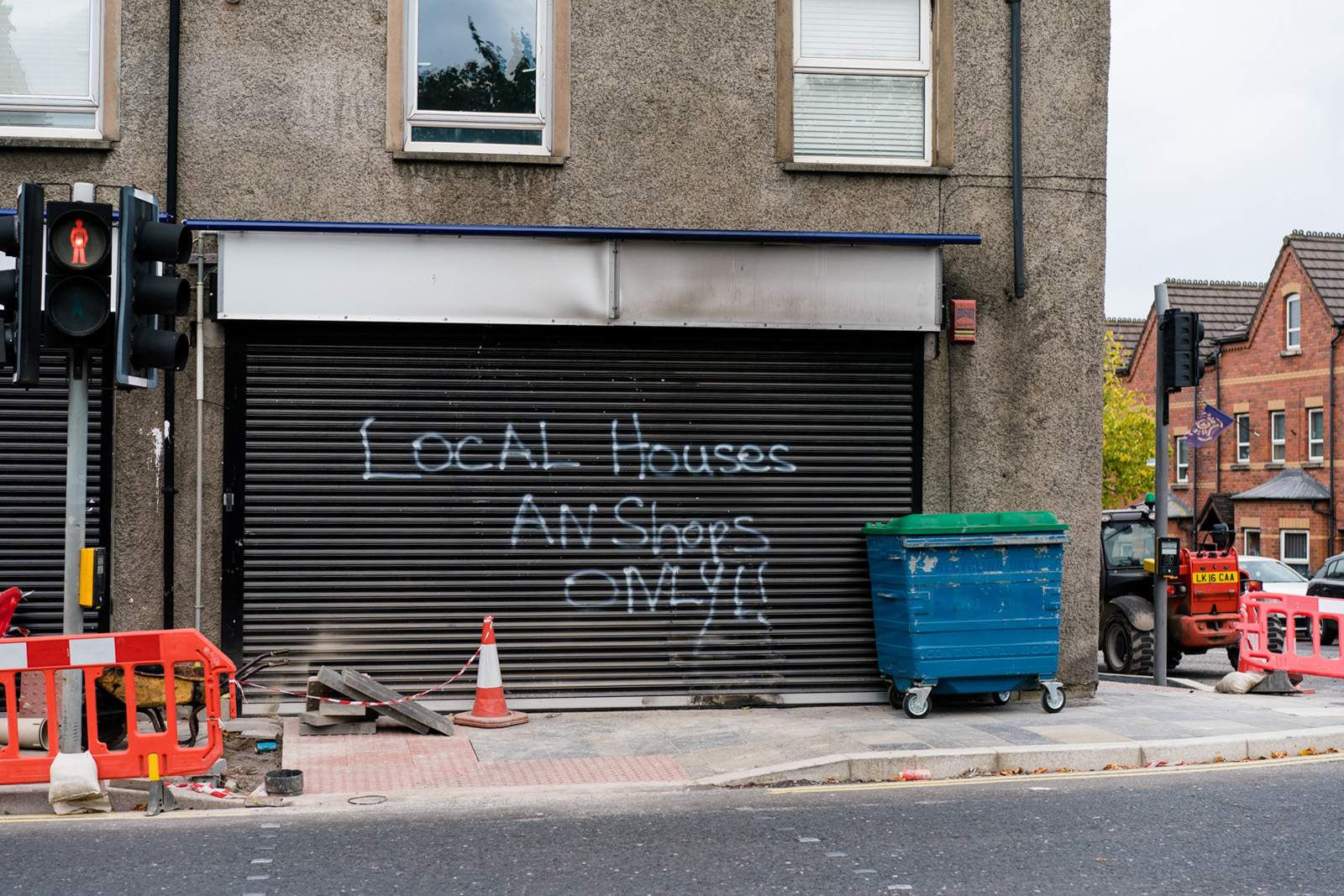
During the far-right riots in the summer of 2024, businesses owned by Black and Asian people in the Sandy Row area of Belfast, which is in the Central ward, were attacked, leaving at least two shops completely destroyed. At least 11 ethnic-minority-owned businesses in the same area were also the target of racist attacks in 2023.
PPR said its analysis also revealed a “worrying pattern” in specific areas, where there is a “significant tendency to downgrade racist episodes to incidents only”.
Across all of Belfast, 2,881 of 8,847 hate episodes since 2007 were recorded as incidents only. In the Botanic area, in the Central ward, 40% of racist episodes since 2007 were recorded as incidents.
PPR said it hoped Rise — whose name is short for Recording Incidents, Building Solidarity and Empowering Communities — would increase “transparency, accountability and public scrutiny of racially motivated hate crime” in Northern Ireland. Speaking at the launch of the website in Belfast, Twasul Mohammed, an anti-racism organiser at PPR, said: “When people report these attacks they have often been told to forget about it. As far as we can tell, there is very little joined up work happening by public bodies to try and understand these patterns of violence, let alone address them.
“We hope this tool will change that and empower people to monitor what is happening in their local community.”
Akeela Ahmed, the chief executive of the British Muslim Trust, which monitors and records Islamophobic hate crimes across the UK, described Rise as an “important window” into the scale of unrest in Belfast.
Related content
“The scenes in Belfast and across Northern Ireland in recent weeks have been extremely concerning to anyone who cares about community cohesion or indeed keeping our streets safe,” Ahmed said.
“This tool creates an important window on the scale of unrest and we would welcome similar work across the entire UK. Fundamentally, this data re-enforces what we already know — that British Muslims and other minority communities are facing a worrying rise in anti-Muslim hostility, anti-Black racism, prejudice, intimidation, violence and the targeting of refugees.
“We need to be clear that those who commit these acts are a minority — and that the vast majority of people in this country are decent, tolerant and warm — but we must also recognise the size and importance of the problem and take action to ensure that everyone can live their lives free from hate.”