
Inside the private members’ club for ‘impressive’ Muslims
Since its launch in 2025, Musly Club now operates in numerous cities around the world. Applications are vetted, only ambitious professionals allowed. Is it creating community or exclusivity?
Laced with the language of exclusivity, the invitation arrived in my inbox on a Monday evening in May. I had been “hand-picked for a private, invitation-only Musly” dinner at a high-end restaurant in central London.
Every guest had been carefully selected to attend the event, where “founders, investors, leaders and influential voices” would gather after hours to discuss the future of Islamic finance.
Musly is an invitation-only private members’ club and app for “ambitious” Muslims, launched in early 2025 by Atlanta-based entrepreneur Ifrah Khan. Born in the US to Pakistani parents, Khan founded her first startup while studying at Emory University, Georgia before turning her attention to a question that had lingered for years.
Related content
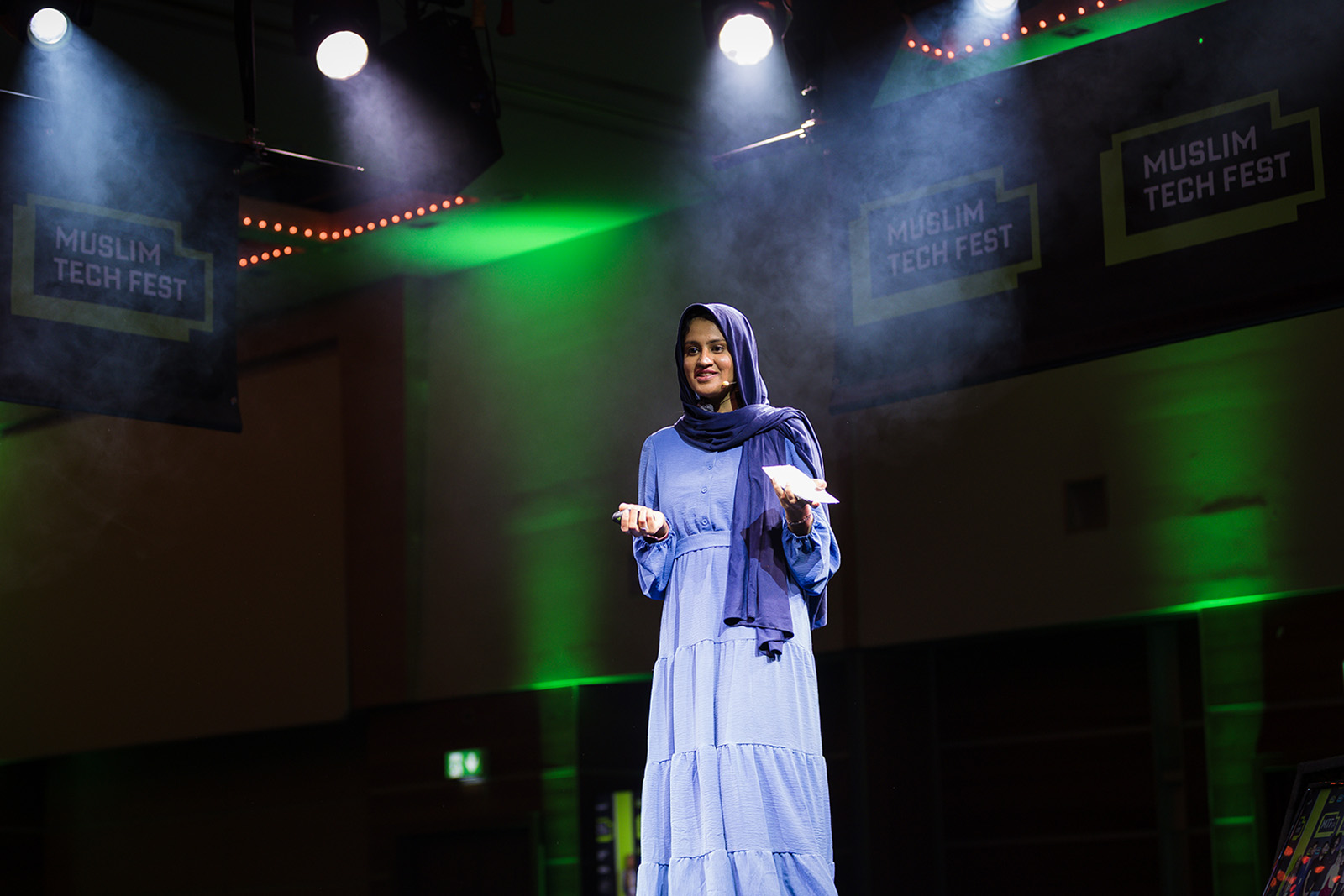
Although she had spent her life surrounded by people from different backgrounds, Khan felt one thing was missing: a community of Muslims who shared not only her faith but also her professional ambitions. She had rarely met founders, investors or senior professionals from Muslim backgrounds and wondered what might happen if those people were brought together.
Khan also believed existing community groups weren’t filling the space she had in mind. Local Muslim organisations already existed, she says, but they tended to be informal and geographically rooted. She wanted something more intentionally curated: a place where members could expect to meet people who shared a similar outlook on faith, ambition and personal growth.
“What if I put a group of people who are doing interesting things from all industries together who have come from Muslim roots?” she remembers asking herself. “What ends up happening? Is there more collaboration? Are there more careers that stem from that?
“We’re focused on meeting for professional purposes, collaboration, friendships, connections where you can grow personally and grow in all types of ways,” she says.
Today, Musly has around 3,000 members globally, including roughly 1,000 in London where it was first launched. Another 33,000 people are waiting to join. Khan explains that growth has been deliberately measured. “We take quality seriously,” she says. “Quality over quantity.”
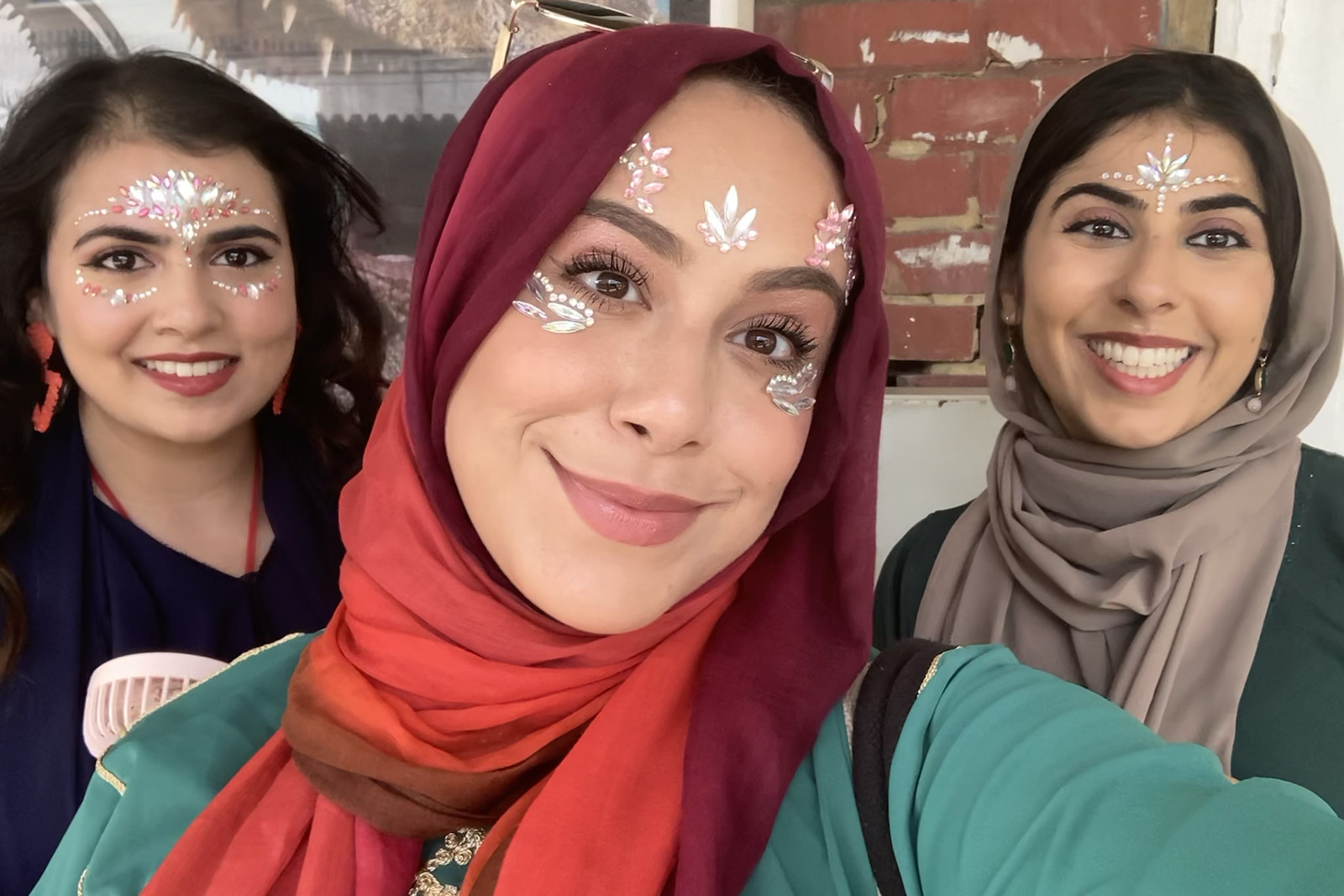
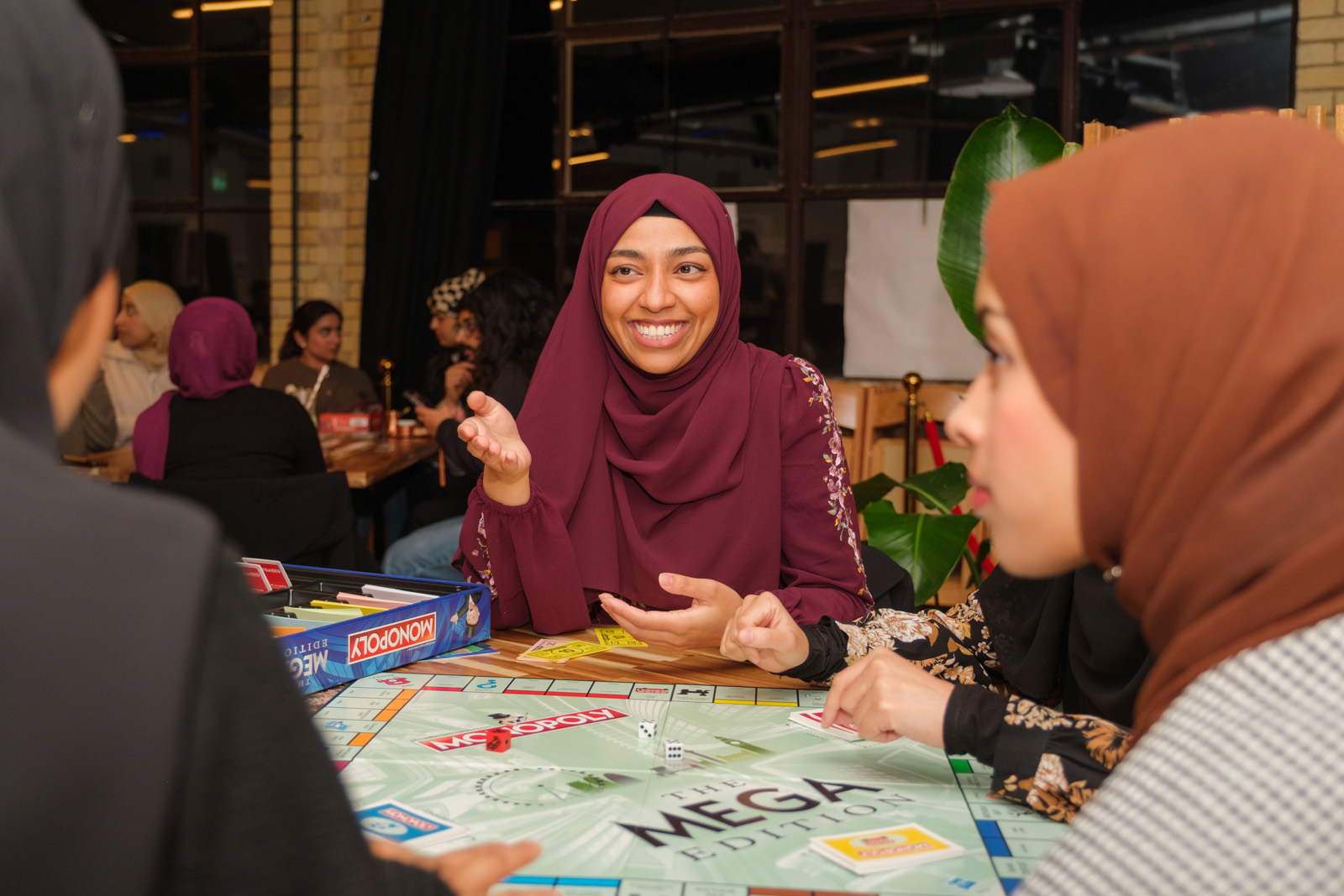
Members use the app to arrange dinners, seek professional advice, share recommendations and organise everything from games nights and Eid gatherings to presentation skill workshops, fashion shows, and road trips across Snowdonia.
Parents ask about tutors for their children, others advertise spare rooms, while a travel feature alerts others when someone is visiting another city.
Musly’s website promises a community of “impressive” Muslim professionals. “There is vetting in place, there’s curation. We look at what they’ve done in the past, we look at their career trajectory, we look at their hobbies,” Khan says.
“Someone scuba dives… we’re like, ‘Oh, this person’s really interesting.’ Are they curious? Do they like to travel? Are they excited about growth? If this person has those same values… then in Musly terms that’s impressive.”
The aim, she says, is to avoid filling a room with 20 bankers or 30 entrepreneurs, and instead create the sort of mix that encourages conversations unlikely to happen elsewhere.
“We want the table to look very different when you enter.”
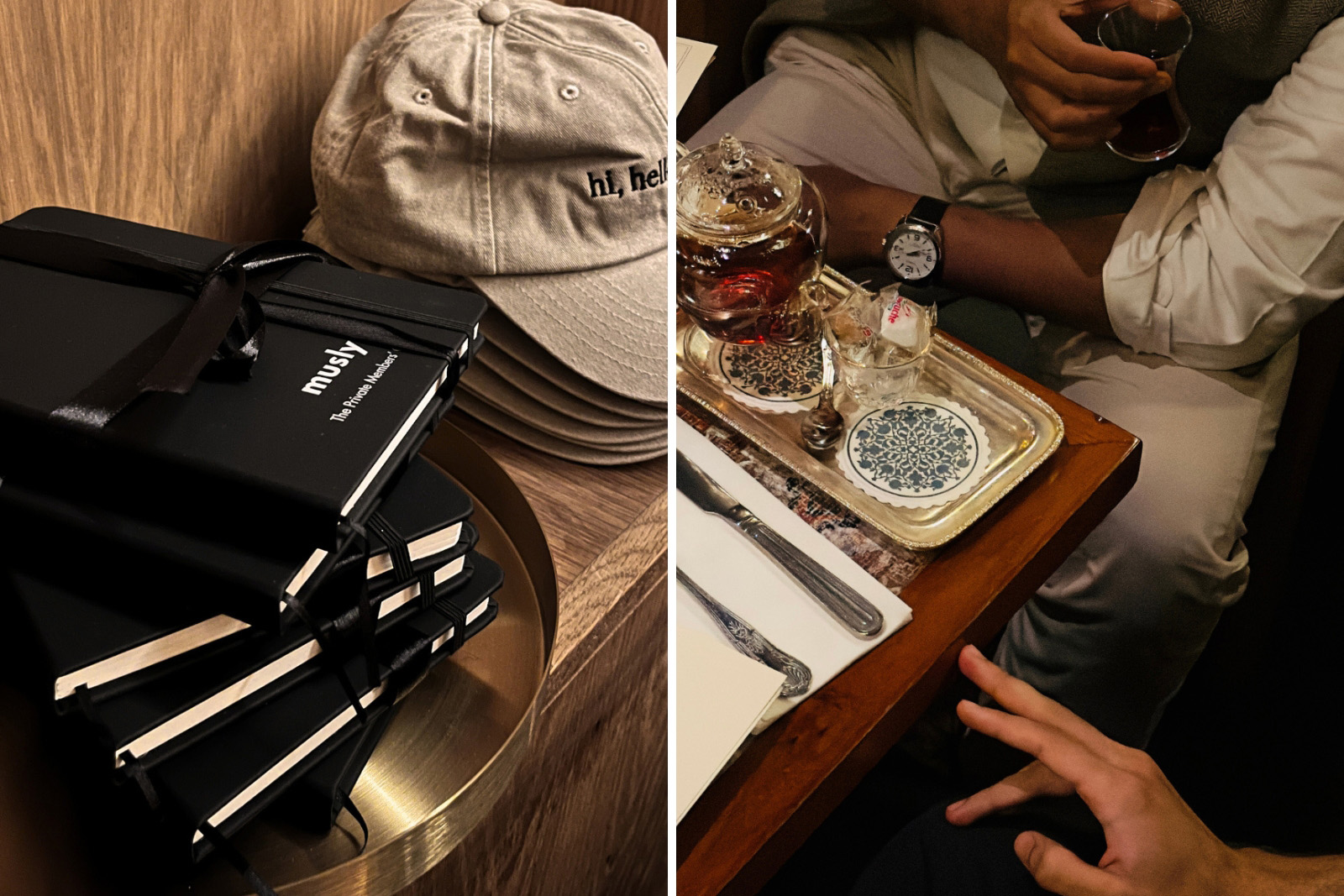
All of which — plus the membership fee of £275 and the fact that most events come at an added cost — inevitably raises another question: is this simply elitism by another name?
“We can’t be everything for everyone,” Khan says. Musly, she insists, is not screening for wealth, but for temperament and character: people who are ambitious without being competitive, professionally curious, respectful of others and, above all, non-judgmental.
“We’re just looking for people who are like-minded.”
Khan has been equally deliberate about the experience surrounding those connections. Venues are chosen as carefully as the guest lists: hidden dining rooms, restaurants opened after hours, coffee houses transformed into private gatherings once the public has gone home.
“It’s like walking into a five-star hotel and the concierge already knows your name,” she says. “That’s the feeling we’re trying to create.”
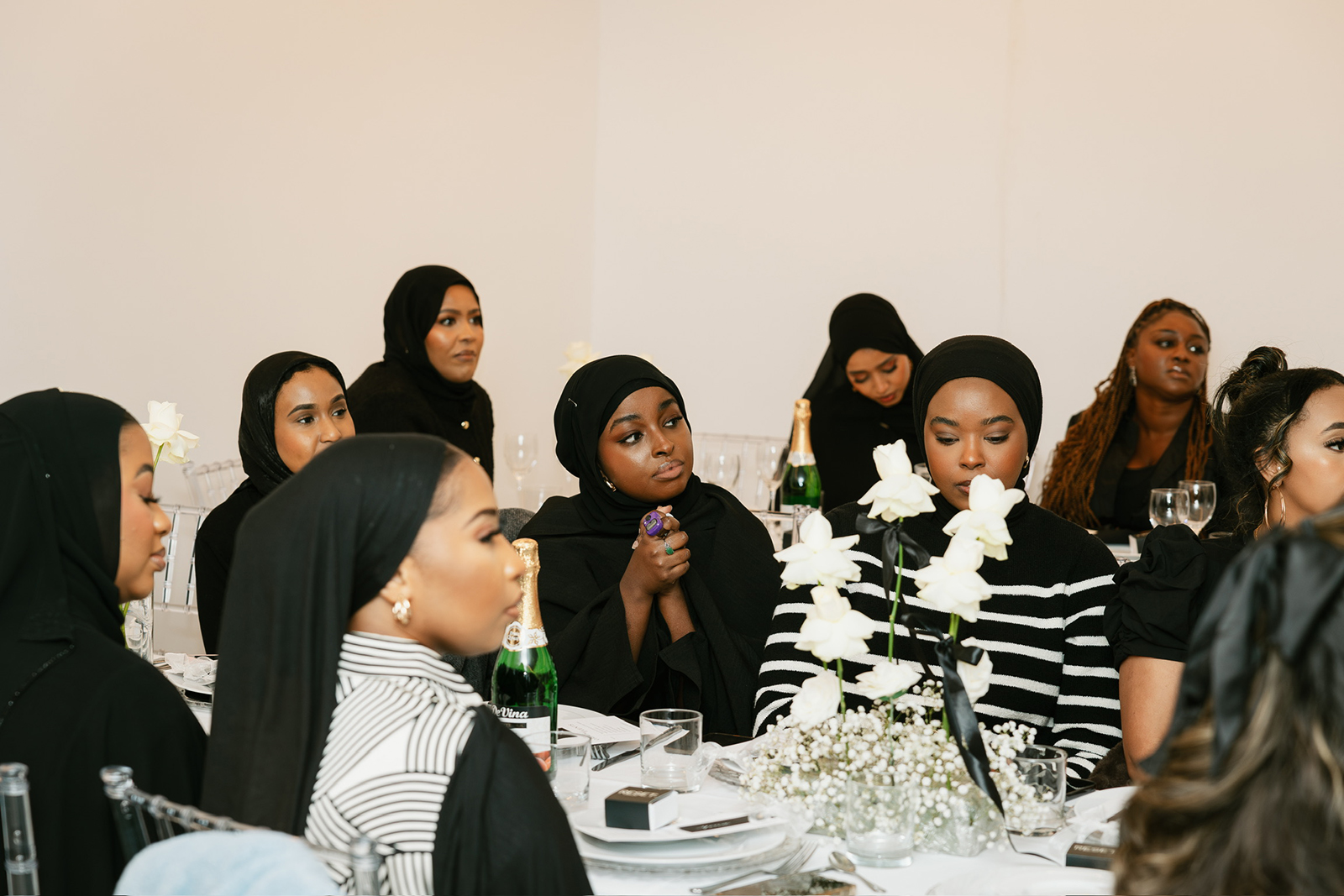
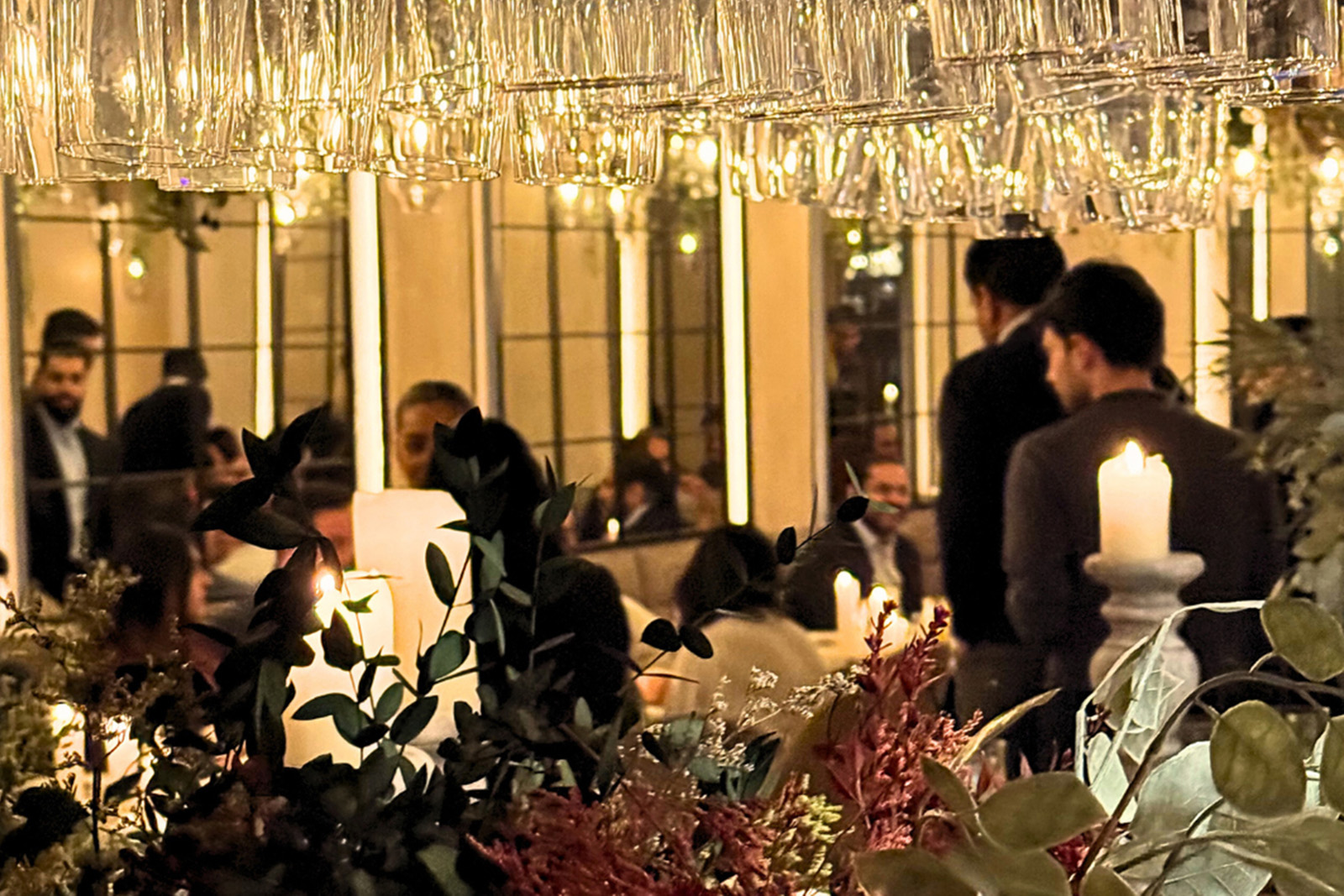
Weeks after my acceptance email, a small stream of 20 or so well-dressed strangers filled a private dining room in central London.
As the evening progressed and iced virgin mojitos filled the long table, people passed plates of deconstructed fatteh and beetroot hummus, topping up their neighbours’ plates.
Opposite me, a doctor who loved the arts explained how artificial intelligence might transform healthcare. Beside her, a data scientist raised in the UAE explained that building a successful career in London had proved easier than building a meaningful social circle. Around us, discussions drifted from careers and investing to family, travel and life in London.
Some had joined hoping to expand their professional networks. Others were looking for friendship. A number admitted that if they happened to meet a life partner along the way, they would hardly complain.
The conversations kept returning to community — not simply Muslim community, but their kind of community.
A week later, at another Musly event in London, the sentiment was the same.
“I grew up in a small rural town in West Sussex, where my family were probably some of the only people of colour there at the time, so from pretty early on in life I’ve lacked having access to that Muslim community outside of family,” an architect, who asked to remain anonymous, told me.
“I thought maybe I’d find this community when I went to university or work, but I ended up choosing a profession in architecture which has very little Muslim representation.”

It was only in his mid-20s, he said, that he realised he had spent a large part of his life building a career without ever really finding people who shared his experience.
Many others at the event described spending years as one of only a handful of Muslims in their workplace before suddenly discovering a room where conversations required remarkably little explanation.
One member told me she could finally be “her authentic self”.
Musly has since expanded to Paris, Toronto and New York, with Istanbul, Doha and Los Angeles next. Rather than chasing the biggest Muslim populations, Khan looks for internationally connected cities where business professionals often know colleagues but little else beyond work.
For now, Musly appears to have found its place somewhere between a members’ club, a professional network and a community organisation: a space where careers, friendship, faith and everyday life are allowed to exist in the same conversation.
Its long-term success may depend not simply on who gets through the door, but whether, once inside, every new member still feels the room was assembled just for them.