
Edinburgh attacks show next PM ‘must go further to tackle anti-Muslim hate’
Campaigners criticise lack of funding in wake of watered-down Islamophobia definition earlier this year, as man charged over attacks on five people

The suspected anti-Muslim attacks that left five people injured in Edinburgh have prompted fresh calls for Keir Starmer’s replacement as prime minister to prioritise tackling anti-Muslim hatred, with campaigners warning that the government’s working definition must now be backed by meaningful action.
A 36-year-old man has been charged after five people were injured in a series of attacks across Edinburgh on Friday. The incidents began near Broomhouse Mosque before continuing in other parts of the city.
The prime minister, who announced his resignation on Monday, has described the attacks as “absolutely appalling” and said: “No one should face violence on our streets.” Counter terrorism officers are supporting Police Scotland’s investigation.
Related content

But he and the rest of the government have come under fire for slow progress on anti-Muslim hate, with no dedicated funding or action plan having been announced since the long-overdue non-statutory working definition of anti-Muslim hostility was unveiled in March.
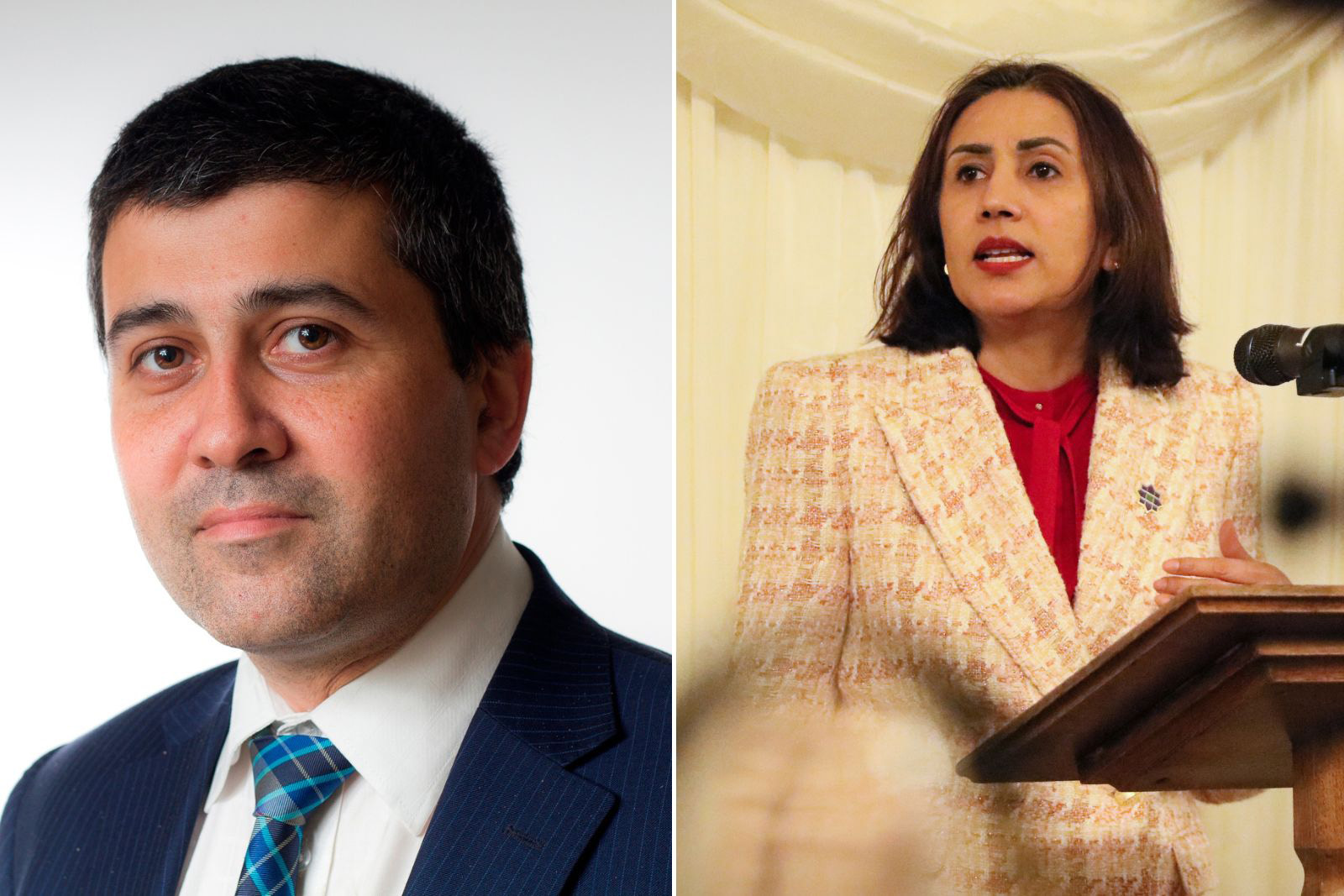
Shaista Gohir, a crossbench peer and chief executive of the Muslim Women’s Network UK, and Sunder Katwala, director of the thinktank British Future, told Hyphen that while the government’s adoption of the definition was an important step, it must now be matched by “robust” action to tackle anti-Muslim hatred and online radicalisation.
“Just announcing a definition on its own isn’t sufficient. It has to be implemented,” said Gohir.
She argued that government departments, public bodies and services should embed the definition through policy, training and strategic changes. She pointed to recent announcements around antisemitism training and questioned why similar measures had not been introduced to address anti-Muslim hostility.
“We need more than words,” she said. “I’m fed up with just ‘oh, yes, we’re going to’ — it’s never supported by suggestions or proposals.”
While ministers have repeatedly condemned anti-Muslim hatred following incidents affecting Muslim communities, Gohir said such statements have not been accompanied by significant new measures.
“This government doesn’t proactively talk about anti-Muslim hatred. They only talk about it when they have no choice and they’re pushed into it,” she said.
Among the changes she would like to see are updates to the government’s hate crime strategy, which expired in 2020, stronger implementation of the anti-Muslim hatred definition across public bodies and reforms to hate crime legislation.
“At the moment, the big problem is there are loopholes in hate crime laws,” she said. “The people who hate Muslims know how to exploit the loopholes. They’re saying enough to stay within the law and they know they’re not committing a criminal offence, but they’re inciting and they’re stirring.”
Katwala agreed that governments have historically been slow to address anti-Muslim hatred but said the adoption of the definition and support for reporting mechanisms represented important progress.
“This government has now got a strategy about anti-Muslim hostility and hatred in that it’s got the definition,” he said.
However, he argued that the next challenge is taking that foundation a step further into action.
“I think we’ve got the foundations in place now to move forward,” he said. “The challenge is, what do you do about different types of hatred?”

Katwala said tackling anti-Muslim hatred requires both stronger action against online radicalisation and wider efforts to improve understanding between communities. He also called for greater urgency from government and social media platforms, arguing that companies such as X and Facebook are “not doing enough to deal with unlawful materials”.
“There’s no real reason now to have confidence in the corporate responsibility of the platforms,” he said. “We’ve got a position with some of the biggest platforms, X certainly and possibly Facebook, where unless it’s imposed upon them, they’re not going to do it because it’s a responsible thing to do.”
He also urged political leaders to frame anti-Muslim hatred as a challenge for society as a whole.
“I’d like to see similar language that was used by Keir Starmer about antisemitism, that this is a whole-of-society challenge,” he said. “It’s not for Jews to challenge antisemitism, Muslims to challenge anti-Muslim hatred; it is for all of us to do it.”
Gohir urged anyone experiencing Islamophobic incidents to report them to her organisation’s Muslim Safety Net helpline by calling 0303 330 0288, texting or WhatsApp messaging 07311 876 378 or visiting muslimsafetynet.org.uk/report.