
How Keir Starmer failed British Muslims
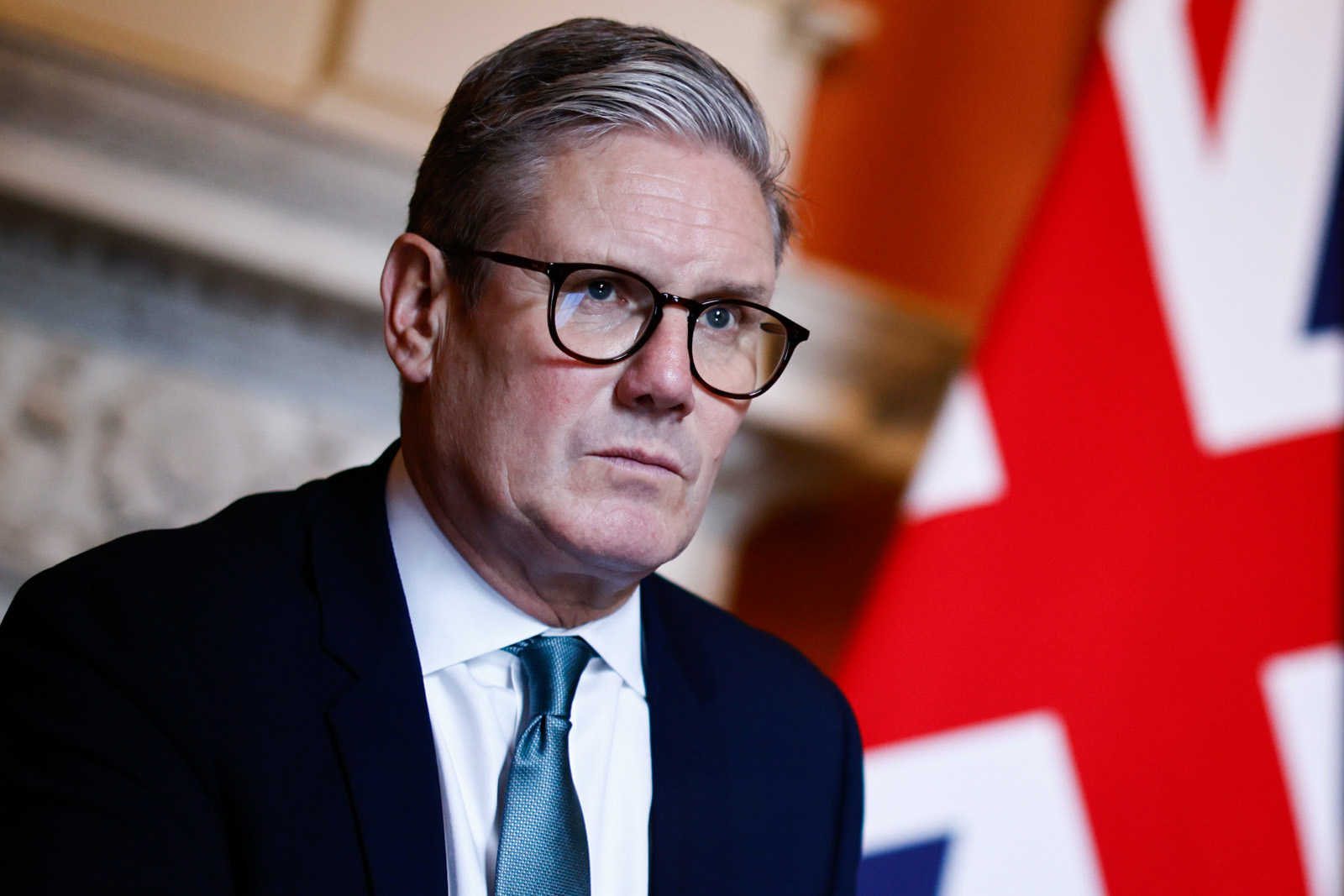
The outgoing prime minister was weak on Islamophobia, abandoned Labour’s pro-Palestine wing and criminalised Muslim political expression

When history turns its gaze to Keir Starmer’s relationship with Britain’s Muslim communities, the ledger will be a heavy one. The most serious charge is not any single policy failure, but something more ambient: during his tenure, the Overton window of acceptable hatred toward British Muslims shifted dramatically rightward, and the man at the helm either could not or would not stand in its path.
In the wake of Starmer’s resignation as Labour leader on Monday, opening the way for a replacement to become the new prime minister, these are the key moments when he failed British Muslims.
A party fractured
Related content
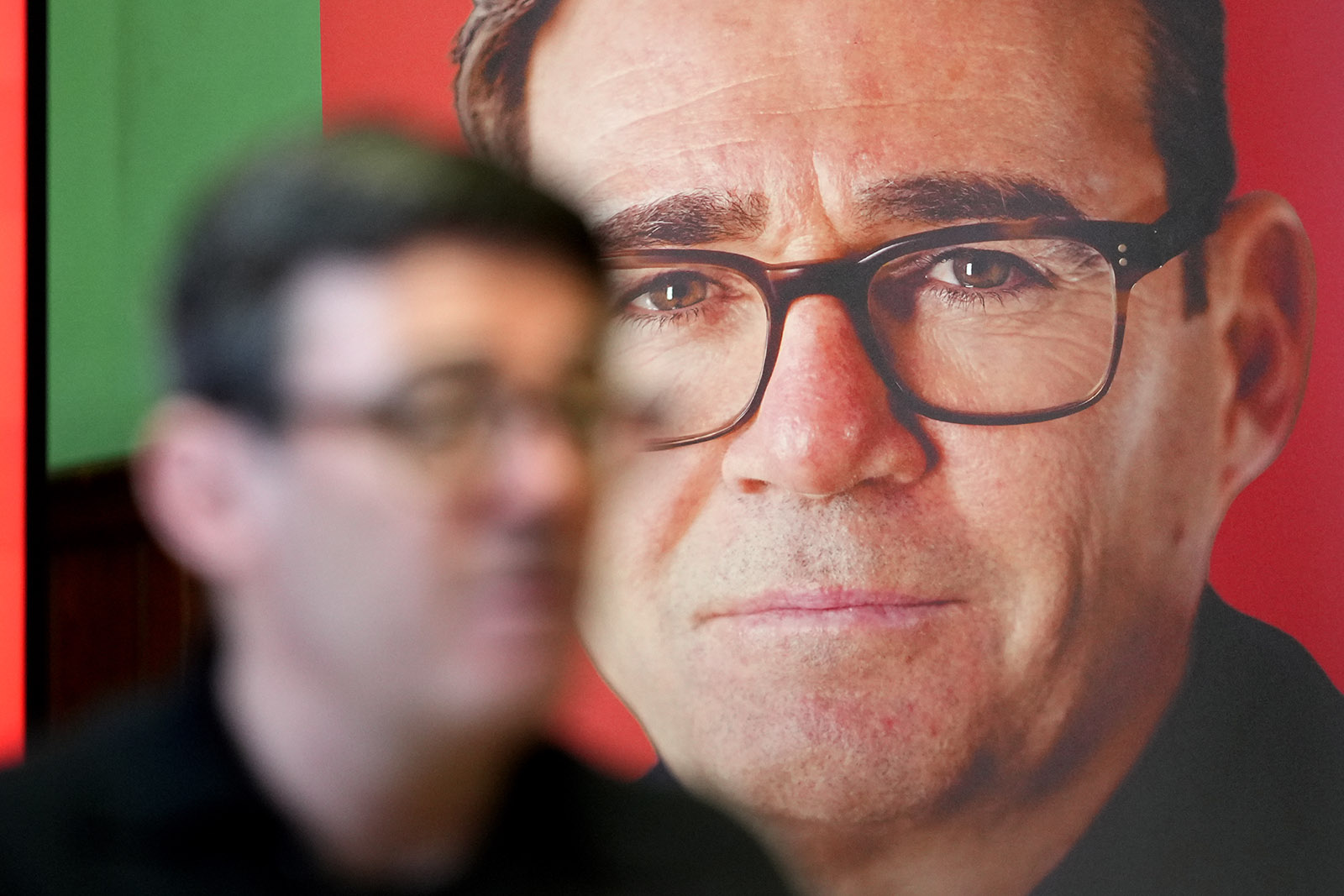
Four days after the October 2023 Hamas attacks on Israel, Starmer told LBC that Israel had “the right” to withhold power and water from Gaza. The interview was catastrophic for Labour’s already fracturing relationship with British Muslims; as early as April 2021, more than 25 British-Palestinian Labour MPs had written to him accusing him of overseeing a “hostile environment” towards the pro-Palestinian wing of his own party, deliberately echoing the language of Theresa May’s anti-migrant project that culminated in the Windrush scandal. Starmer ignored the letter.
By the time of the July 2024 general election, polling for Hyphen found that Labour’s Muslim support base had shed more than 20%, with 63% of British Muslims planning to vote for Starmer’s party, and 44% ranking Israel-Palestine as one of their five most important issues at the ballot box. Labour went on to lose five key constituencies to explicitly pro-Palestinian independent candidates, including an embarrassing defeat in Leicester South that cost shadow paymaster general Jonathan Ashworth his seat. It laid the groundwork for the formation of Your Party and the swing of support to the Greens under Zack Polanski’s leadership.
A Labour Muslim Network poll of 221 elected Muslim representatives in 2025 found that 82% believed Starmer had handled Gaza badly.
The fight against anti-Muslim hate
Starmer failed to clamp down on anti-Muslim hate speech online — a failure that had consequences in the real world.
The prime minister did not have the power to silence Rupert Murdoch or depose Elon Musk. But he could have strengthened the media regulator, Ofcom, by using his appointments to install individuals who were willing to act, or simply used the authority of his office to name racist disinformation as a public order threat. Instead, he skirted around the subject for fear of alienating Reform-curious voters. When Musk was posting that “civil war is inevitable” and false claims about the 2024 Southport attacker’s identity were spreading across X, Starmer’s response — that there was no justification for Musk’s claim — came via a spokesperson. It was timid at best and seemed archaic in an age of Trumpian politics. He undoubtedly did better in his swift response to the riots that followed, pushing for rapid prosecutions and meaningful custodial sentences — demonstrating that, when the political will was there, the machinery of the state could move with purpose.
There was hope Starmer might have drawn a principled line against GB News, a broadcaster that had become a vehicle for anti-Muslim sentiment. Instead, when he travelled to Albania to promote an immigration clampdown in May 2025, GB News was the only broadcaster he took, a move that seemed like a calculated appeal to Reform voters on the precise terrain where the channel had done most to normalise hostility toward Muslim communities.
He also failed to combat Islamophobia through policy. While in opposition, Labour endorsed proposals for Britain to adopt a statutory definition of Islamophobia based on wording produced by a cross-party group of MPs. But in government, Starmer and his ministers quietly backed away from the definition and took 18 months to come up with an alternative, watered-down form of words. The final definition carried no statutory weight and did not use the word “Islamophobia”, replacing it with the weaker formulation “anti-Muslim hatred”.
Starmer had previously used the term “Hinduphobia” without hesitation when addressing the British Hindu community. The asymmetry did not go unnoticed. For campaigners who had spent years pushing for structural protection, the message was clear: this government was not going to put its weight behind meaningful change.
Criminalisation and chilling effects
More troubling still was the tendency to treat Muslim political dissent as a security matter. The proscription of Palestinian solidarity organisations, the prosecution of hunger strikers and the signals sent to those who objected to British complicity in Gaza — many, though by no means all, of whom were Muslim — all contributed to a climate in which Muslim political expression was treated as inherently suspect. When a community’s grief is policed rather than heard, something has broken in the contract between state and citizen.
Welfare and the quiet squeeze
Starmer came to office promising no return to austerity. Yet within 10 weeks, the winter fuel payment for pensioners had been cut, while disability benefits were slashed by £5bn in the 2025 spring statement, and the party clung to the two-child benefit cap for more than a year before finally relenting and scrapping it. Hyphen’s own reporting found that the cap affected nearly 750,000 Muslim children, while British Muslim families caring for disabled relatives were more likely to be on low incomes and were among those most acutely affected by the changes to personal independence payments and universal credit.
The Muslim verdict
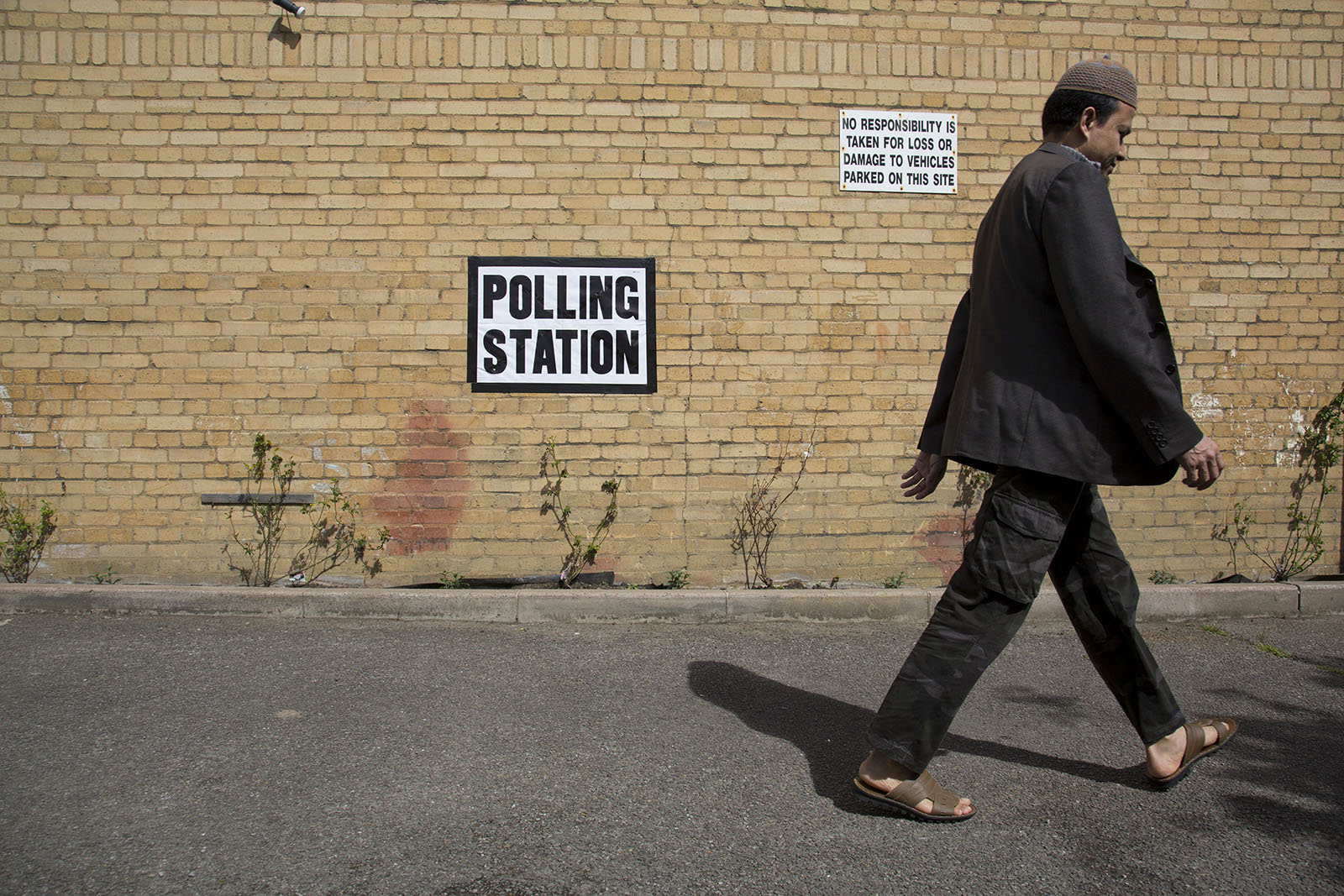
The Muslim verdict on Starmer may not ultimately differ much from the majority verdict. In an age of populism that has already heralded his replacement, this was a man seemingly uncommitted to any cause, frequently reneging on promises, and somehow almost always ending up siding with the most nefarious forces both at home and abroad. His defeat of the Labour left appeared to be his “job done” moment, a factional victory mistaken for a governing vision. His most authoritative interventions were not in improving living standards or protecting vulnerable communities, but in fending off those whom many Muslims would naturally sympathise with.
When two Jewish men were attacked in Golders Green in April 2026, Starmer rightly convened an emergency Cobra meeting the same day, announced increased security funding and visited in person. Yet when five Muslims were stabbed in Edinburgh, Starmer’s response was a single post on X. He may not intentionally have made conditions harder for Muslims in Britain but, under his watch, they undeniably became so.