
Nowak case shows Starmer has lost control of the national debate
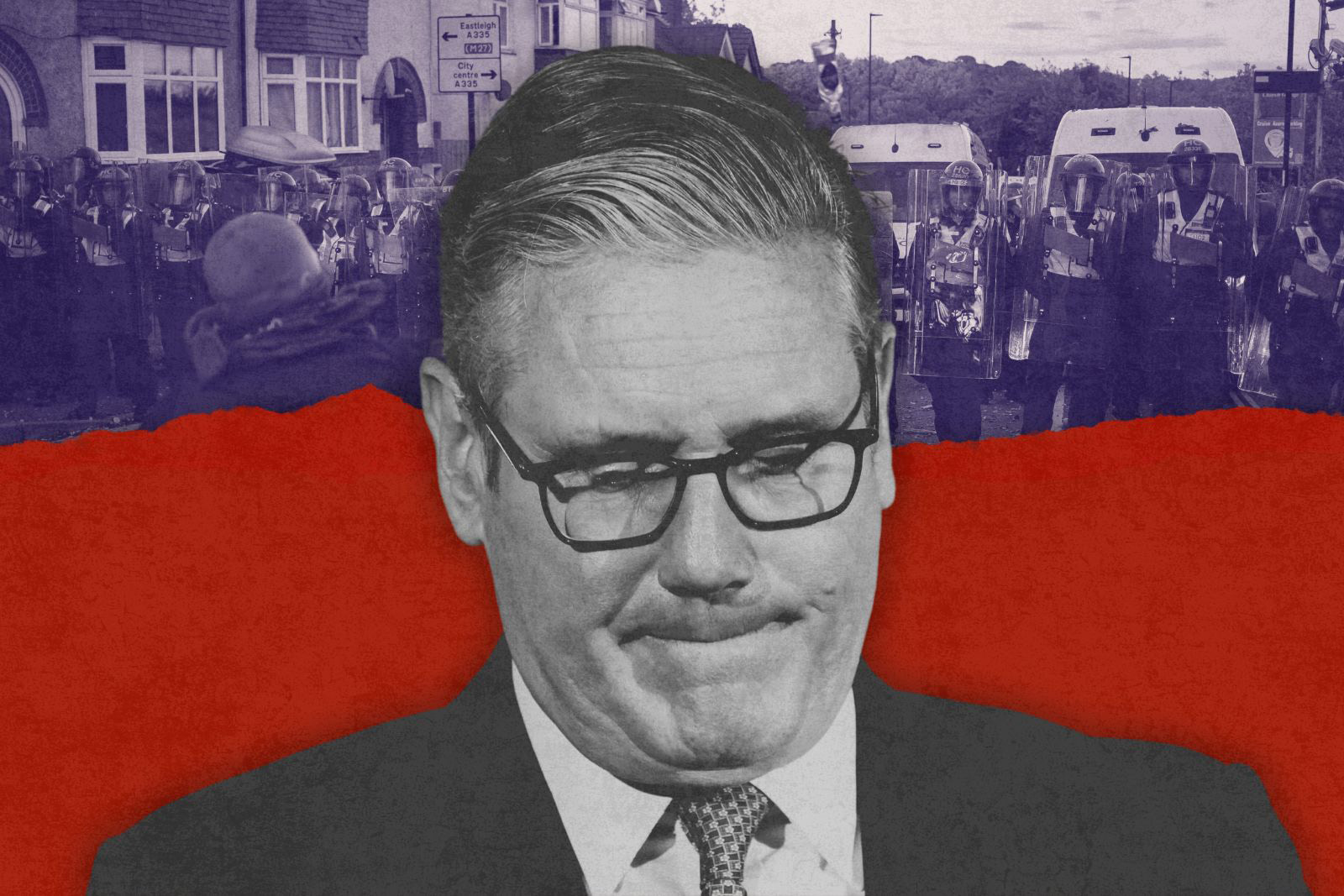
The prime minister has won praise for his response to the murder of Henry Nowak and the policing scandal that followed. But does it matter any more?

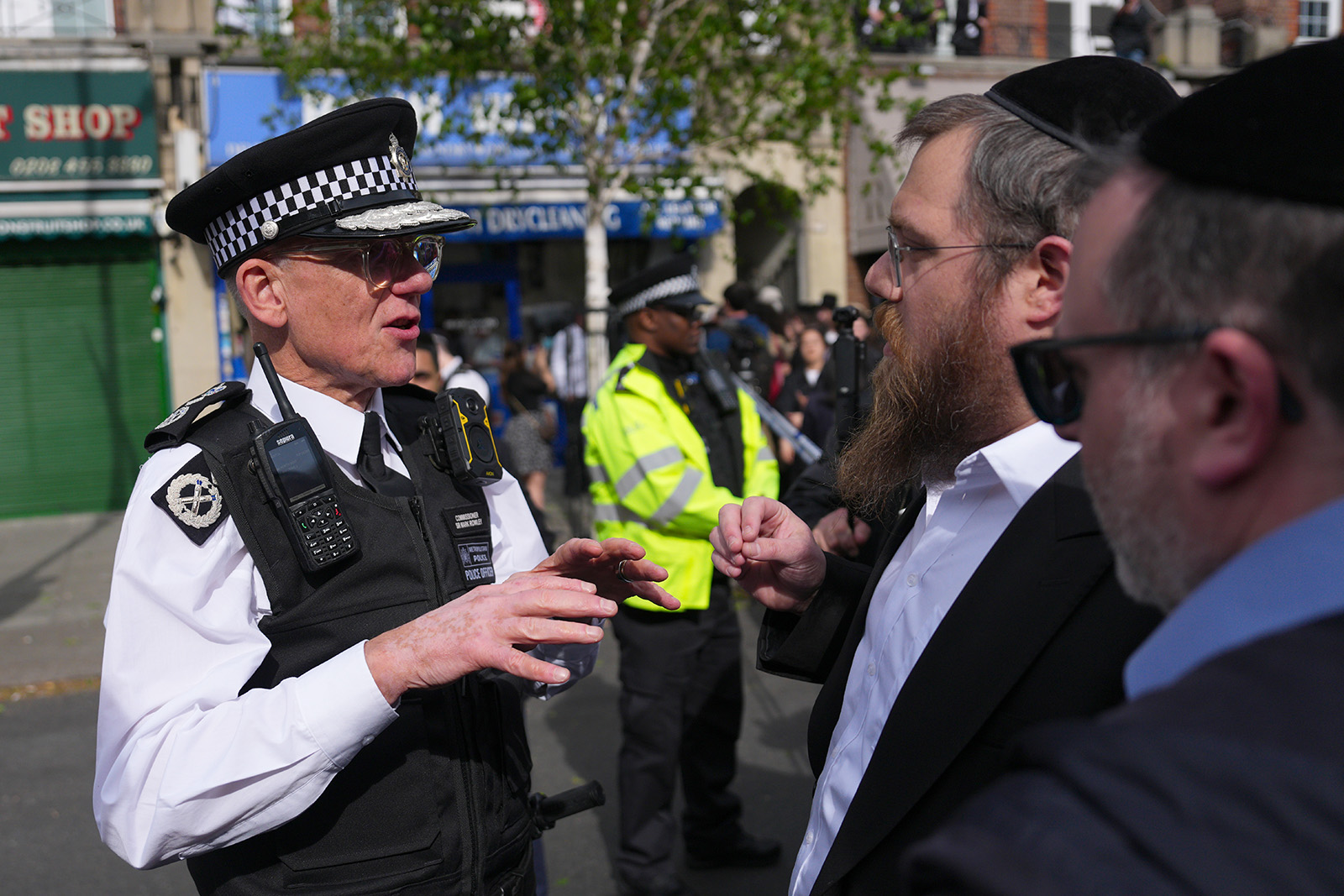
Henry Nowak’s parents had one request of the politicians who spent last week debating their son’s murder: don’t politicise it. It was, by any measure, a reasonable ask, and one that has been comprehensively ignored.
From the UK to the US, 18-year-old Nowak’s murder has become a political talking point. His family met the prime minister. They met the leader of the opposition. They called for unity and — again — asked that division should not become their son’s legacy.
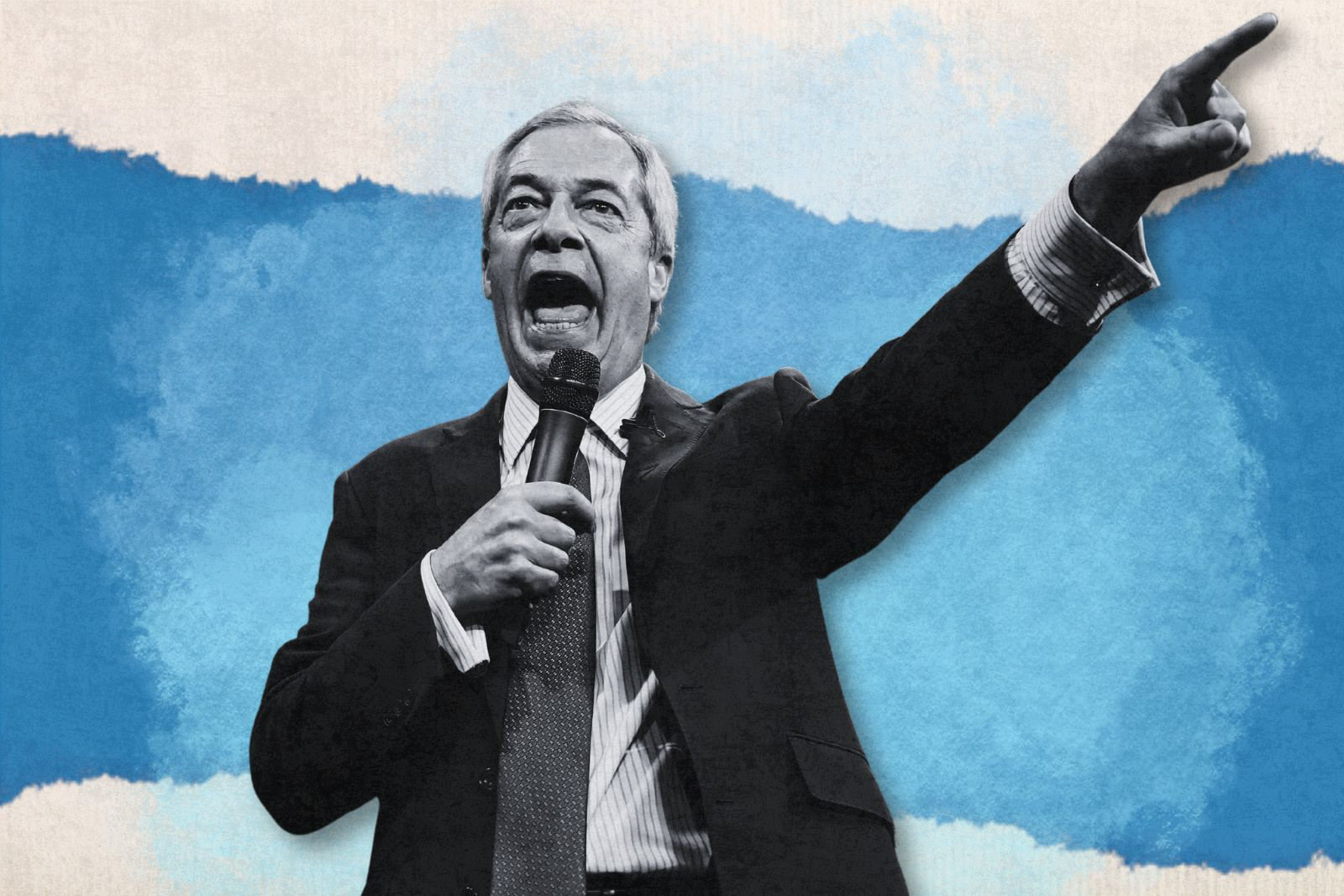
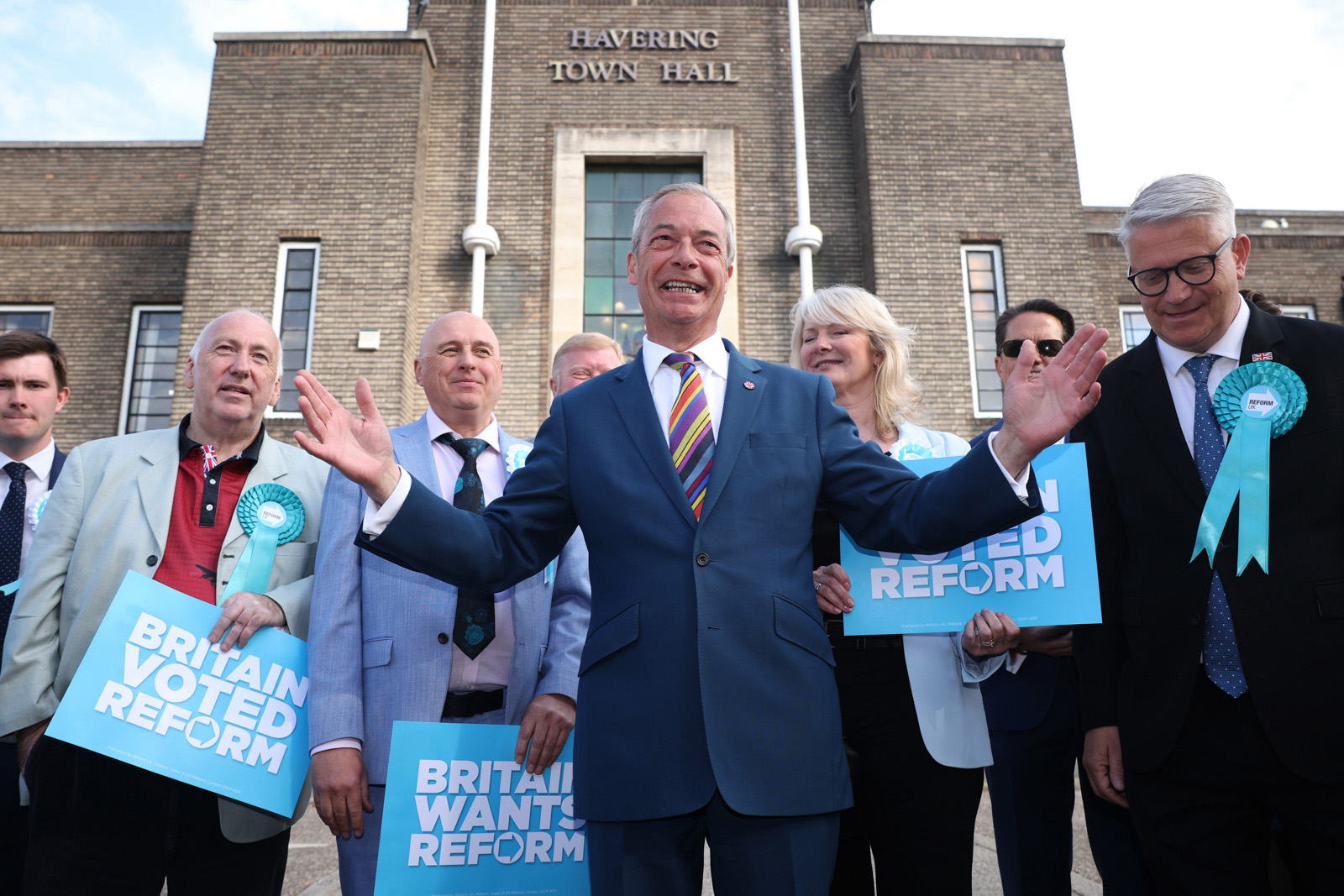
Nigel Farage, however, has not held back. He repeated his claims about “two-tier policing” and said people should respond with “pure cold rage”. Keir Starmer said his response was unforgivable, but Farage is far from alone.
On Thursday, the US State Department issued a statement calling on the west to reject “ideological conditioning and two-tiered policing” — a remarkable intervention from the Trump administration, which has routinely been willing to ignore the age-old convention of not interfering in an allies’ domestic issues. Then came JD Vance, the US vice-president, who declared that Henry Nowak “would still be alive today” if European elites had “stood their ground against the mass invasion of migrants”. He seemingly forgot to mention that the man convicted of killing Nowak was born in Britain.
Related content
Downing Street’s response was brisk, rejecting what Starmer called attempts to “interfere in our democracy and stir up division on our streets”. It was the right thing to say — but whether it landed with any force is another matter.
Farage had moved first and fastest in defining the terms of the argument. His “emergency address” on Tuesday last week, largely before details of the murder itself had become a talking point, was deliberate and calculated. The language about “white lives” mattering “just as much as Black lives” was incendiary by design. He knew it would provoke condemnation from every other party leader and he welcomed it.
What his critics often miss is that, for Farage, the condemnation is part of the performance. Every denunciation from Westminster reinforces his claim to be the only politician willing to say what some people privately think, even if that means he goes against the wishes of a grieving family.
The family’s direct contact with the political class has been instructive. They met Kemi Badenoch. They met the prime minister. They received a letter of condolence from the Liberal Democrat leader Ed Davey. Yet as of this moment, despite Farage repeatedly invoking their son’s name, he still has not met them, although he says he plans to.
Badenoch’s approach has been markedly different from Farage’s in tone. She criticised identity politics and, although she did not name Farage or Reform UK directly, said that parties and politicians who sought to gain votes from a particular community in the wake of a scandal such as this “may benefit in the short term but in the long term, that’s how you end up with civil war”. She said she would work cross-party to ensure Nowak had a positive legacy.
Beyond tone, however, the Conservatives have not fundamentally challenged Farage’s diagnosis. Shadow home secretary Chris Philp wrote that “two-tier policing is real” and called for an independent rapid review. The Tories are, in effect, arguing the same case through a quieter megaphone.
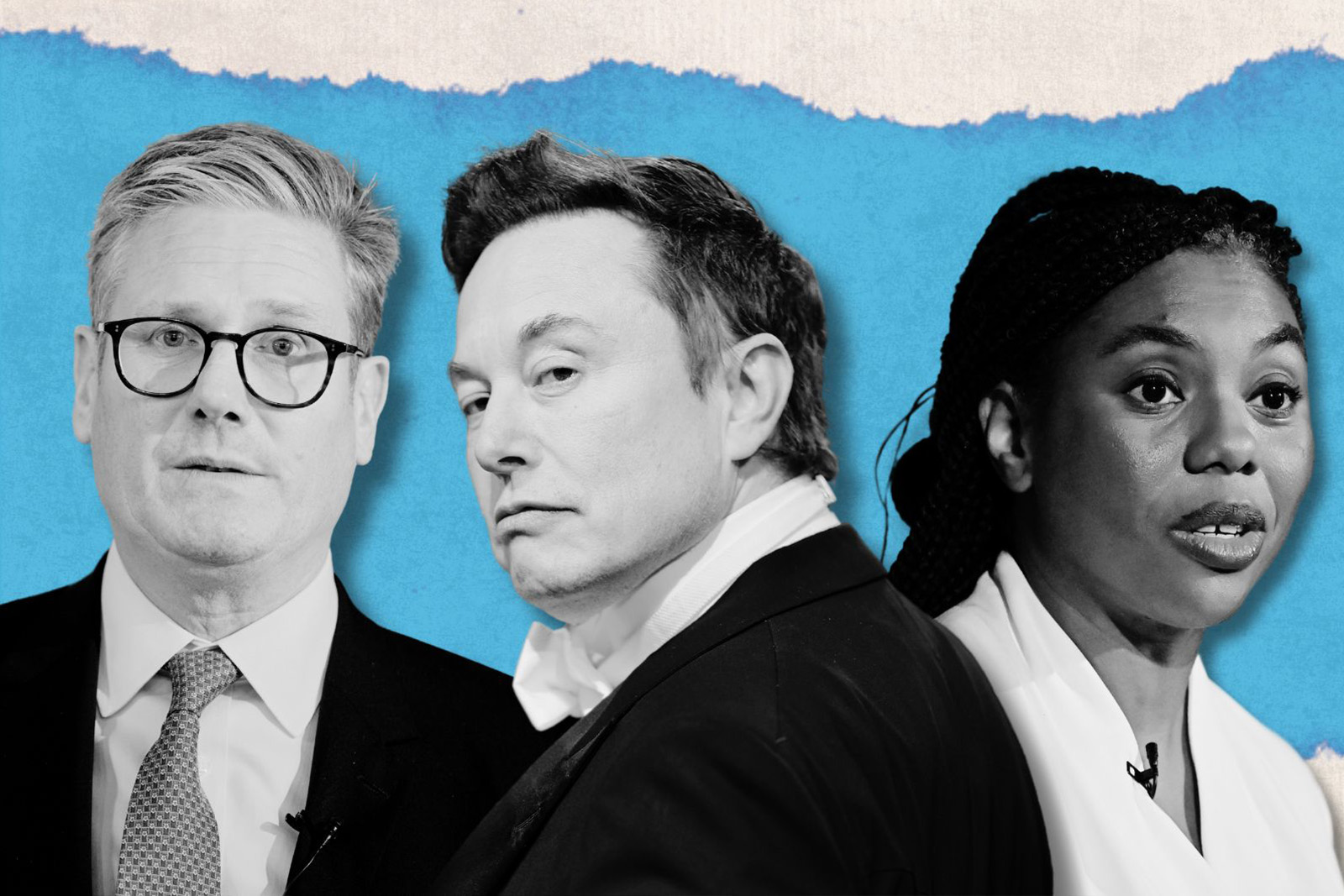
Starmer, for his part, has been unequivocal. His condemnation of Farage’s language has been consistent, and his rebuke of American intervention was pretty immediate — although little has been done to address or disprove Farage’s actual claims, work that has been left to police themselves and journalists. Polling published on Monday morning shows voters disapprove of Farage’s response more than that of any other leader — 32% disapprove compared with 26% who approve, according to a survey by Opinium, giving a net approval of -6. Badenoch, by contrast, saw a net approval rating of 12% for her response, while Starmer’s was -1.
Some wish the prime minister had got out of the blocks more quickly, but several MPs I have spoken to argue there was ultimately little more he could have done.
“I can’t criticise his responses, I think he has done the right thing, but it has made no difference,” one Labour MP told me. “How long has he got left? Most of what he says kind of means little because he probably won’t be in the job for much longer.”
Another MP told me bluntly: “Sitting duck leaders never have much impact.”
In the past, Labour MPs often expressed frustration with Starmer’s lack of competence during moments of crisis. That is not the overriding sentiment I am hearing now; rather, there is a growing sense that he lacks the political authority to make his responses mean anything.
Others in the parliamentary party see it very differently. For some Labour MPs, this week has served as a reminder of precisely why Reform must be beaten at the next election.
“They will always push for division,” one told me. “That’s why we need to beat them.”
The view from this wing of the party is that Starmer’s steadiness under pressure is exactly what responsible leadership looks like and that the country would be significantly worse off if those now exploiting Nowak’s death were ever handed power. But that desire to defeat Reform, and the belief about what a Reform government would mean, is precisely why so many want him to go.
“We need someone with the personality, the cut through and ability to take on Farage,” one — historically loyal — Labour MP told me. “The PM, although he’s a decent guy, is not it.”
What is clear is that Reform has successfully dragged this tragedy onto terrain it wants to fight on. The “two-tier” frame, once the preserve of online far-right activists, is now treated as a legitimate organising principle of British political debate, repeated by shadow cabinet ministers, amplified from Washington and debated in prime time.
Starmer has said the right things and there are few criticising his words. Yet politics is not simply about saying the right thing; it is about shaping the debate. This week may have demonstrated that, despite responding more or less correctly at every turn, Starmer no longer possesses the authority to dictate the terms of the argument. It is a question that will hang over Westminster in the weeks ahead and could speed up the race to replace him.
Shehab Khan is an award-winning presenter and political correspondent.