
The Camden helpline that supported South Asians at the height of racist violence in 1980s London
As racial tensions increased in the capital, volunteers started a monitoring helpline and arranged for safe transport for people of colour. A new play, Camdenwalla, looks back at this history

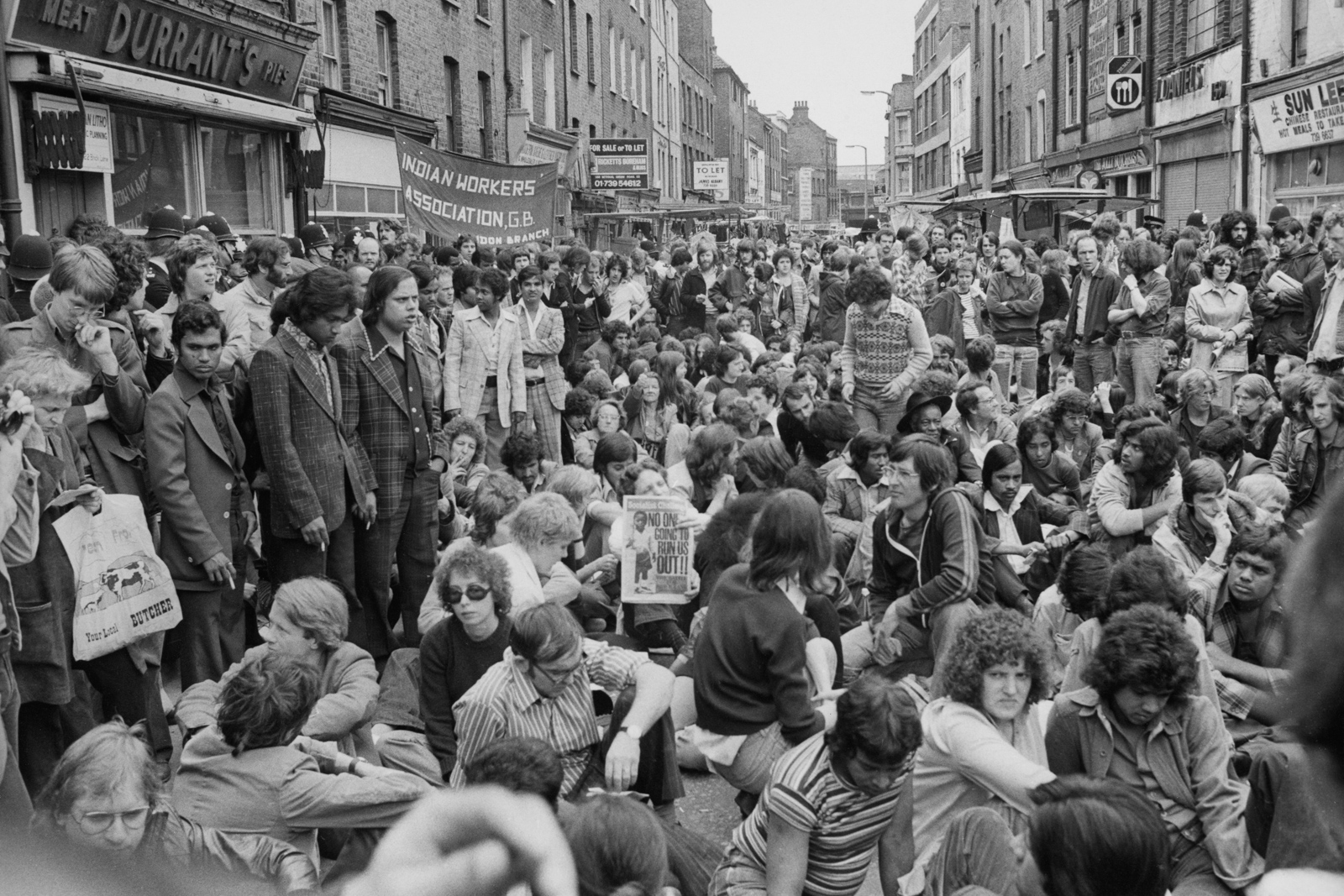
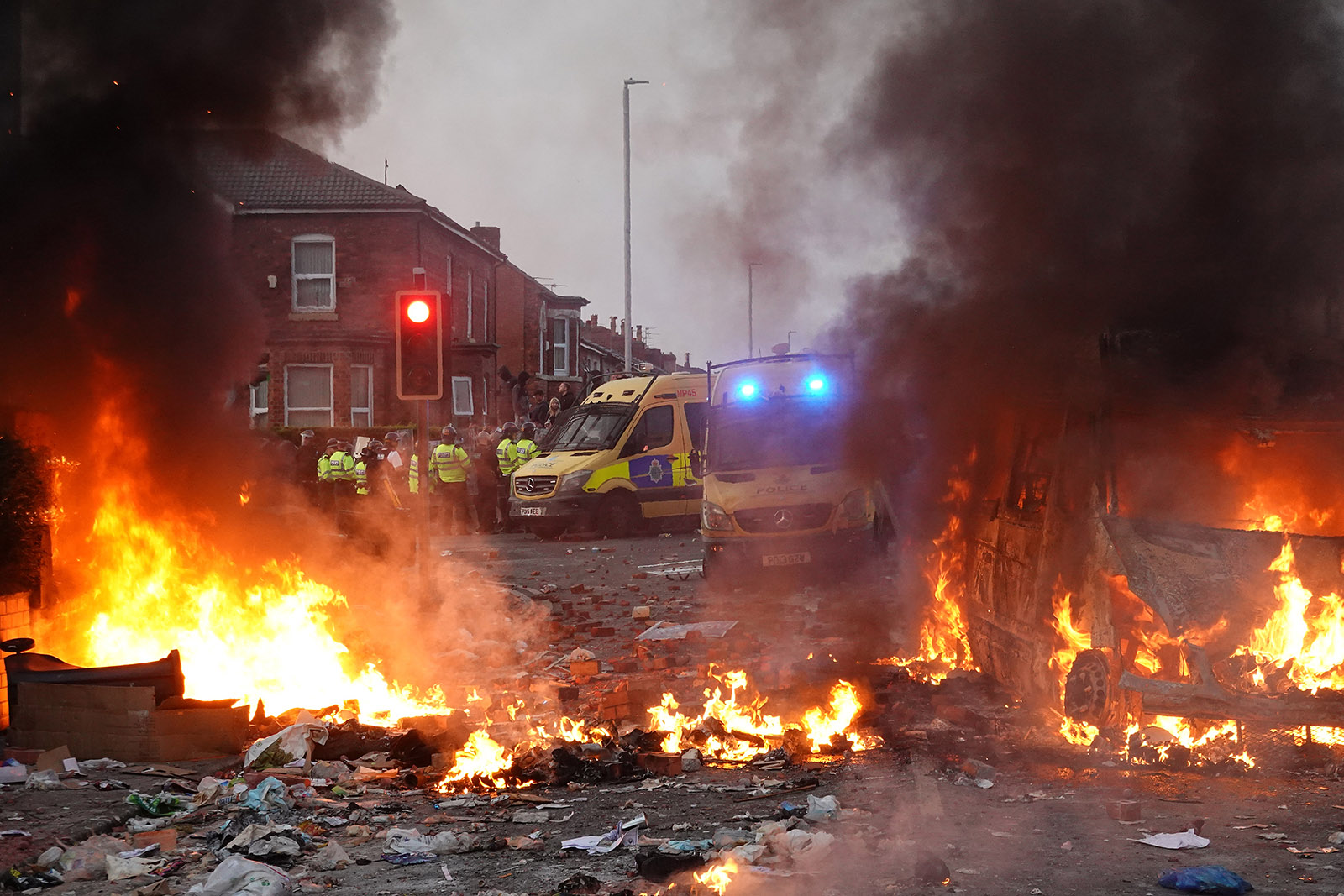
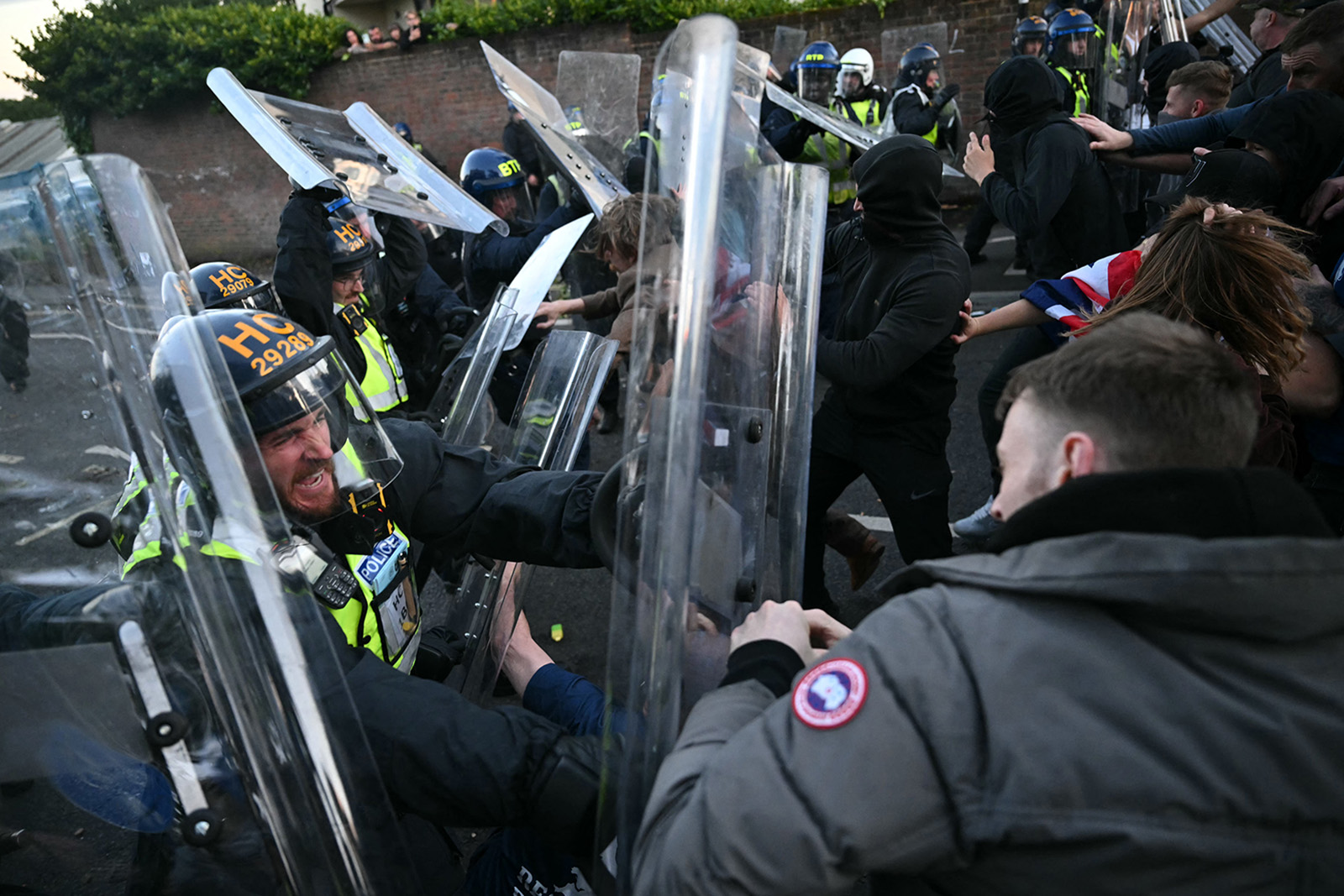
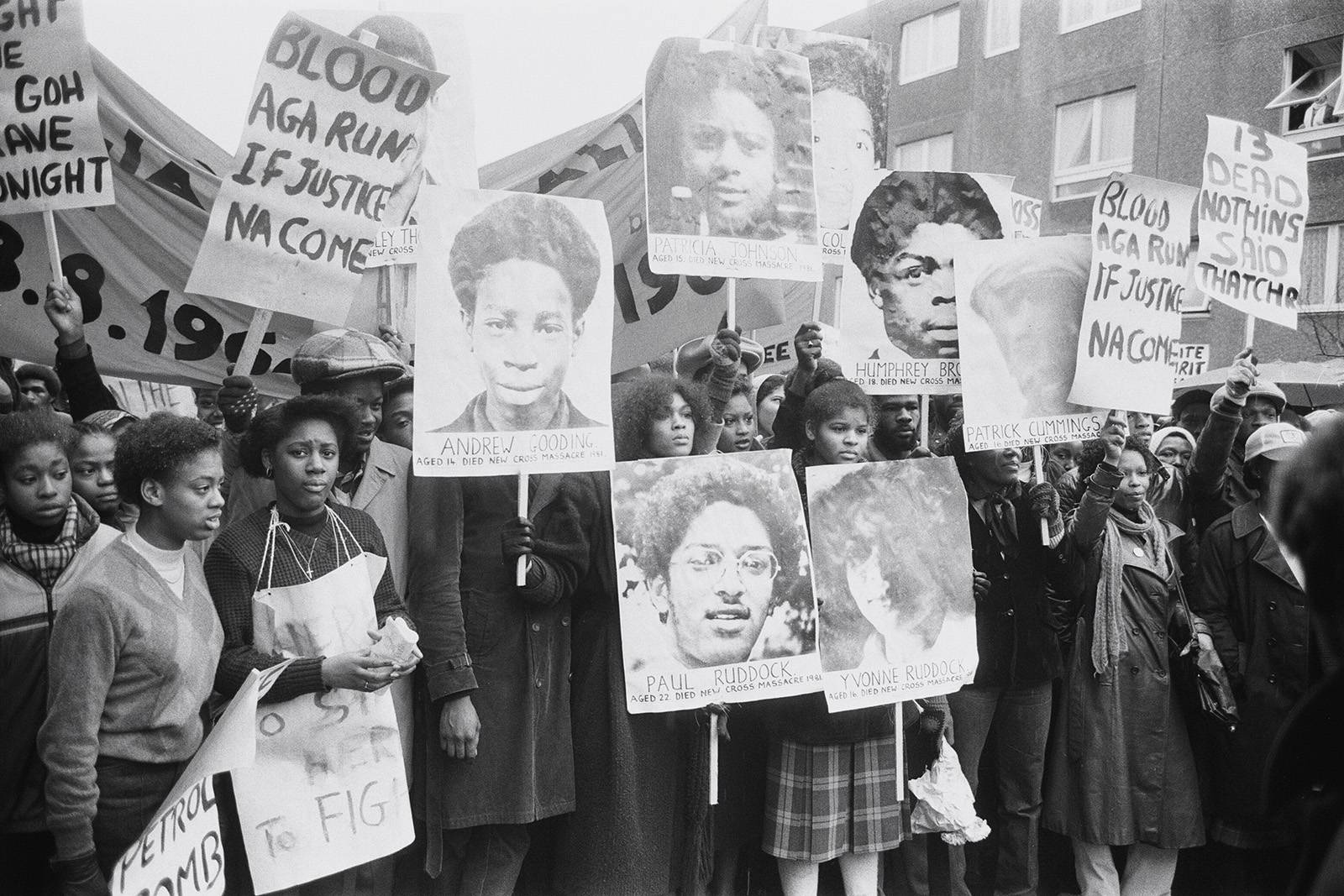
The 1980s were a dangerous time to be a person of colour in London. After a suspected racist arson attack in 1981 killed 13 Black teenagers in New Cross, riots soon broke out in neighbouring Brixton, fuelled by police discrimination and the prevalence of stop-and-search. Far-right party the National Front marched and campaigned in London boroughs and racist attacks ensued in Newham, Hounslow and Southall.
Related content
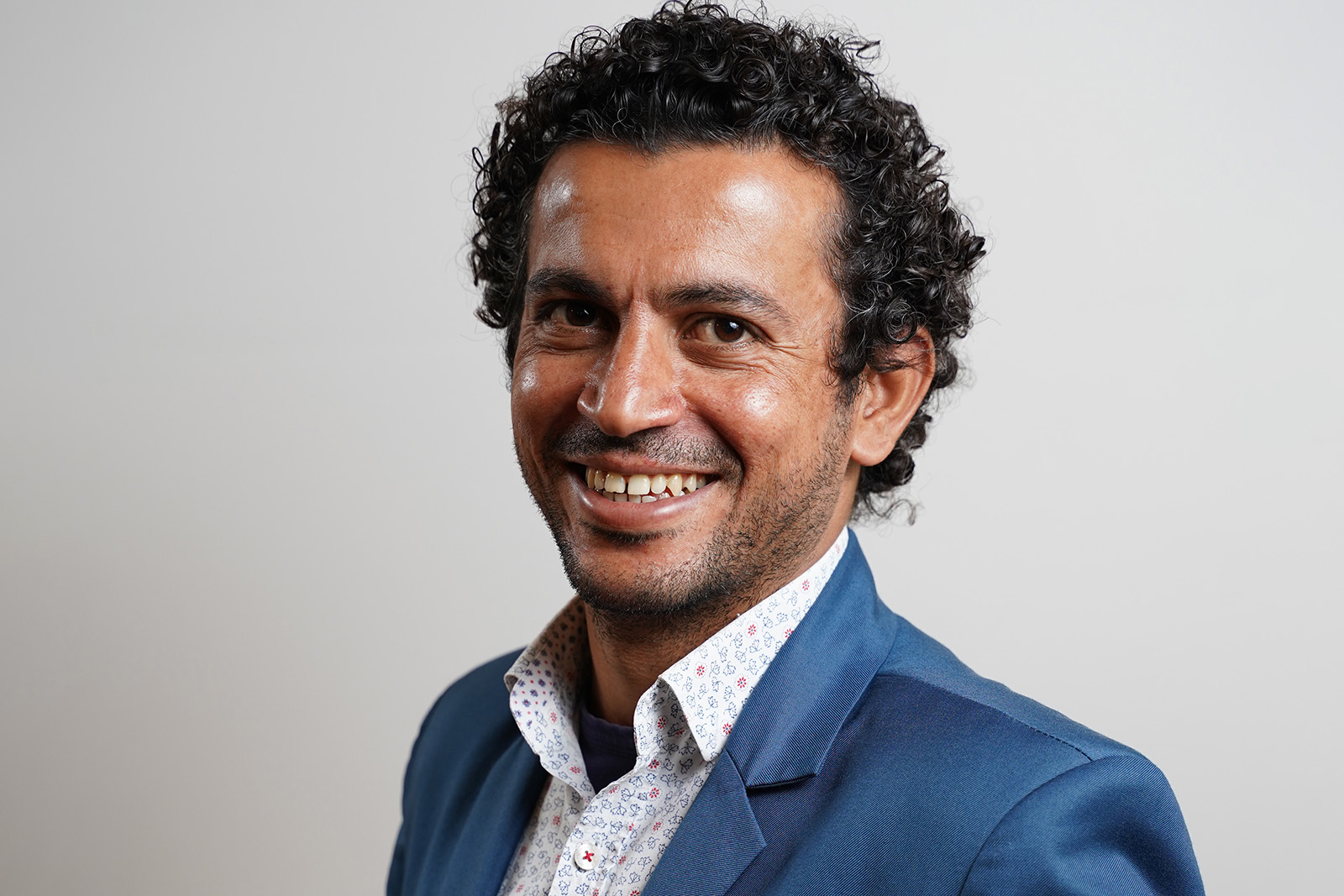
“There was a culture of fear in the air,” Nasim Ali says. “You felt like the police weren’t on your side and you were scared of getting beaten up by skinhead thugs. People in our Asian community didn’t know where to turn to.”
Employed as a youth worker in the Borough of Camden in the late 1980s, Ali saw first-hand how those racial tensions were dividing society. South Asian workers at the many Bangladeshi restaurants in the area spent their evenings serving white customers, for instance, but by the end of the night felt scared to travel home alone in case they were assaulted. This history has become the inspiration for a new play, Camdenwalla, premiering at the Camden People’s Theatre in June.
“We felt like we had to come together and ensure our own protection, since we heard of a few incidents of restaurant staff getting beaten up after a shift,” Ali recalls. “That’s why in 1989 we got some funding from the council and set up an office with a helpline which Asians who felt threatened could call. We would then come by with a minibus to pick them up and take them home safely.”
Calling themselves the Camden Monitoring Project — after longer-established volunteer safety groups including the Southall Monitoring Group, which was founded in 1976 — Ali and a group of 10 volunteers set out to man the phones each night, transport workers, and even arrange for walking patrols of the area.
“There were gangs of white skinheads out and physical violence was common. If I went a day without hearing the P-word, it felt like something was wrong,” he says. “That’s why we’d go on walking patrols to identify areas that might be unsafe and then we would also take the 15-person minibus to pick people up when they called. If we ever encountered any trouble, though, it was best to run away as these people couldn’t be reasoned with. We weren’t a vigilante force — it was about protesting through our presence.”
The Monitoring Project operated until 1995, when Ali began expanding his anti-racist work into a football-themed project called Camden United, as well as working more closely with the local police force to ensure people of colour in the area knew them by name rather than feeling instinctively threatened by their presence.
“We realised it was about building relationships and reaching out to the police and perpetrators, as well as keeping our own people safe,” he says. “We started doing some generational work with parents and the national conversation had begun to shift, especially after the murder of Stephen Lawrence in 1993.”
Ali went on to become the UK’s first Bangladeshi and Muslim mayor in Camden in 2003 and was elected as a Labour councillor in Camden from 2002 until 2026, when he lost his seat to the Green Party. Camdenwalla tells the story of Ali’s origins in the Camden Monitoring Group, set in the very office where the volunteers would take their calls.
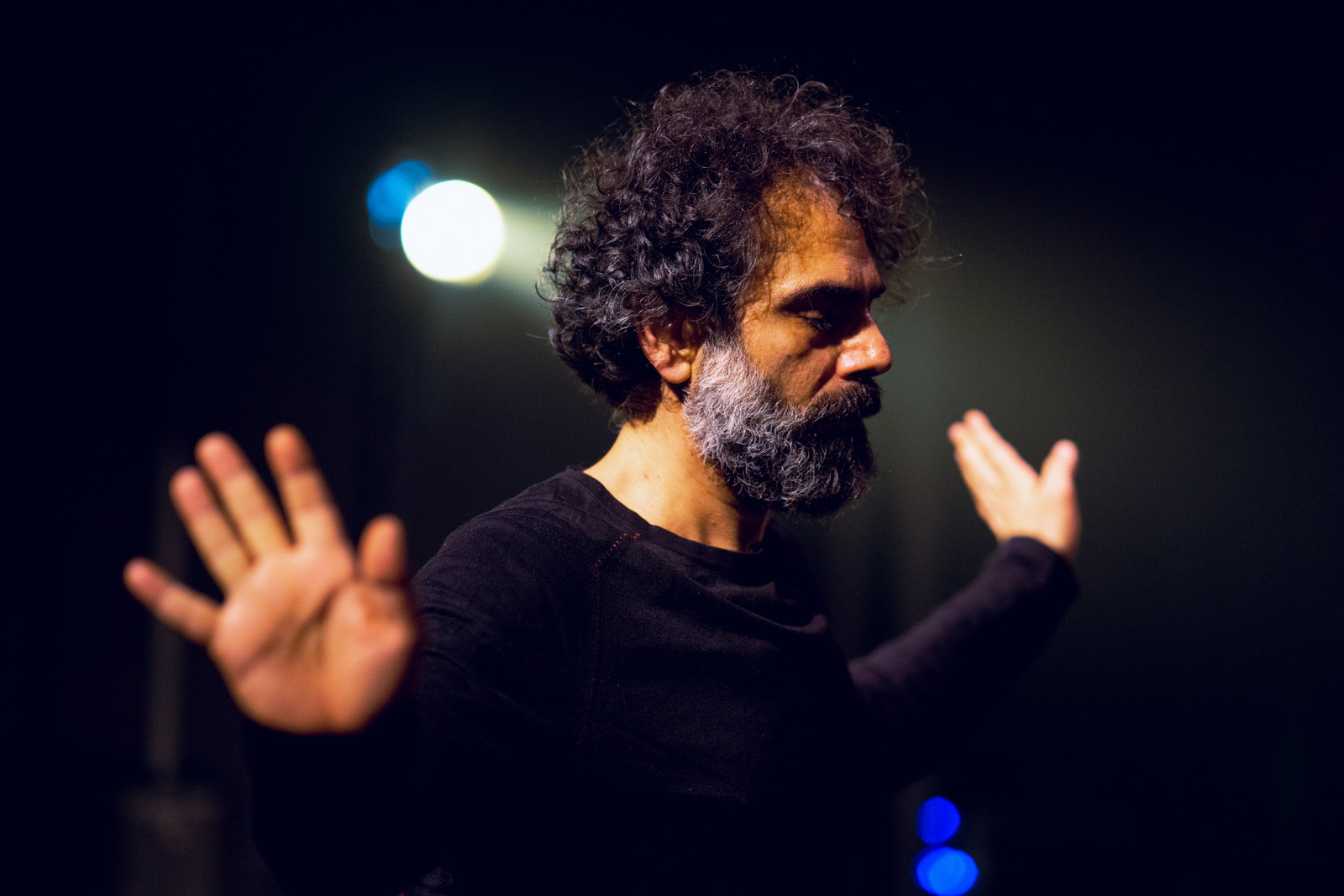
In 1994, the four-storey building on Hampstead Road was converted into the community performance space The Camden People’s Theatre and to celebrate its 30th anniversary in 2024, its artistic team reached out to actor and writer Jonny Khan to create a piece of work about its history. After interviewing members of the local community, Khan soon came across Ali and the Camden Monitoring Project and was immediately inspired.
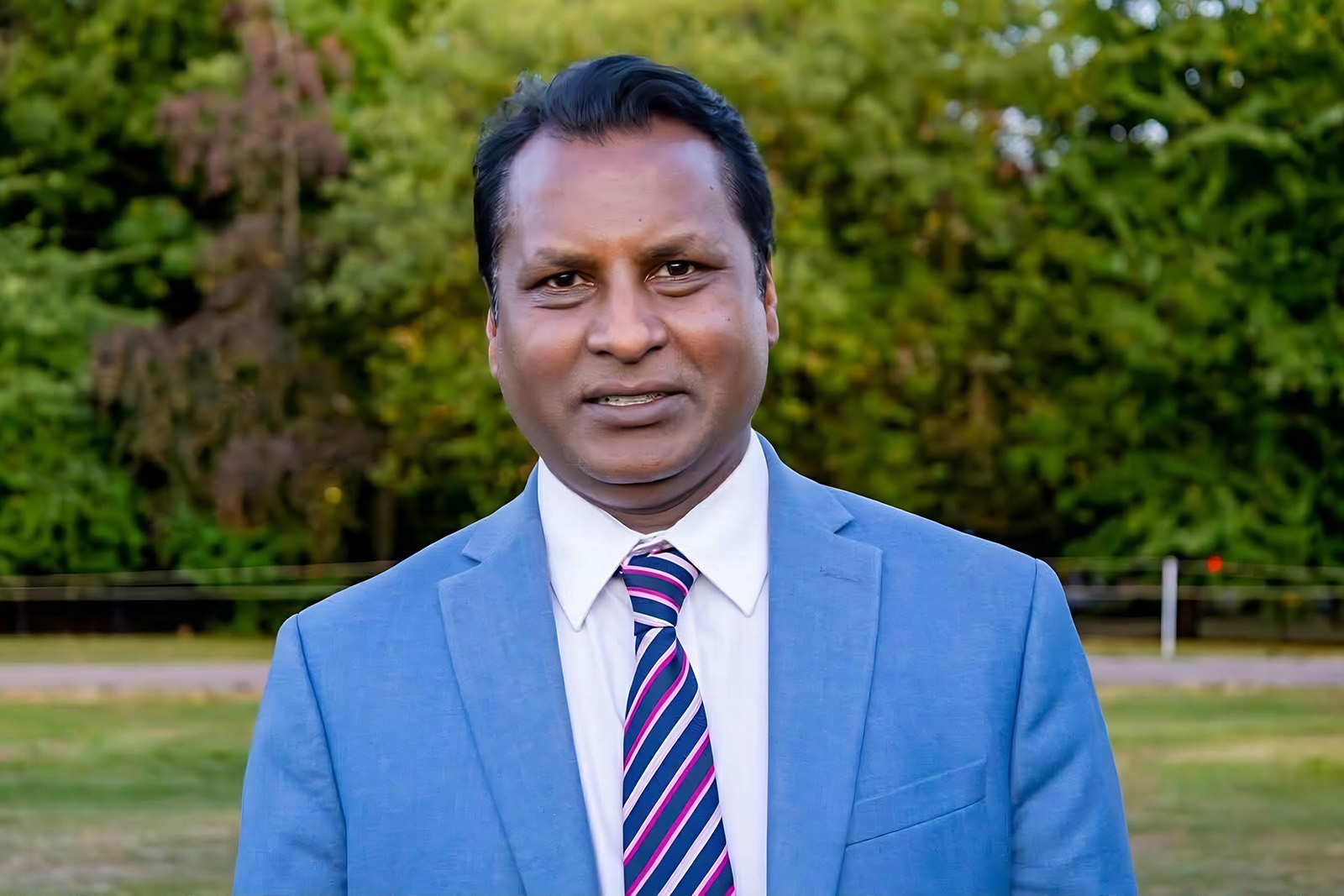
“I wanted to write something about the 1970s and 80s, which was when my dad first came to this country from Bangladesh,” he says. “Growing up, he shielded me from the stories of the racism he would experience but I of course knew how prevalent it was. I wanted to make a story about those generational differences and the ways in which we choose to fight and cope with racism.”
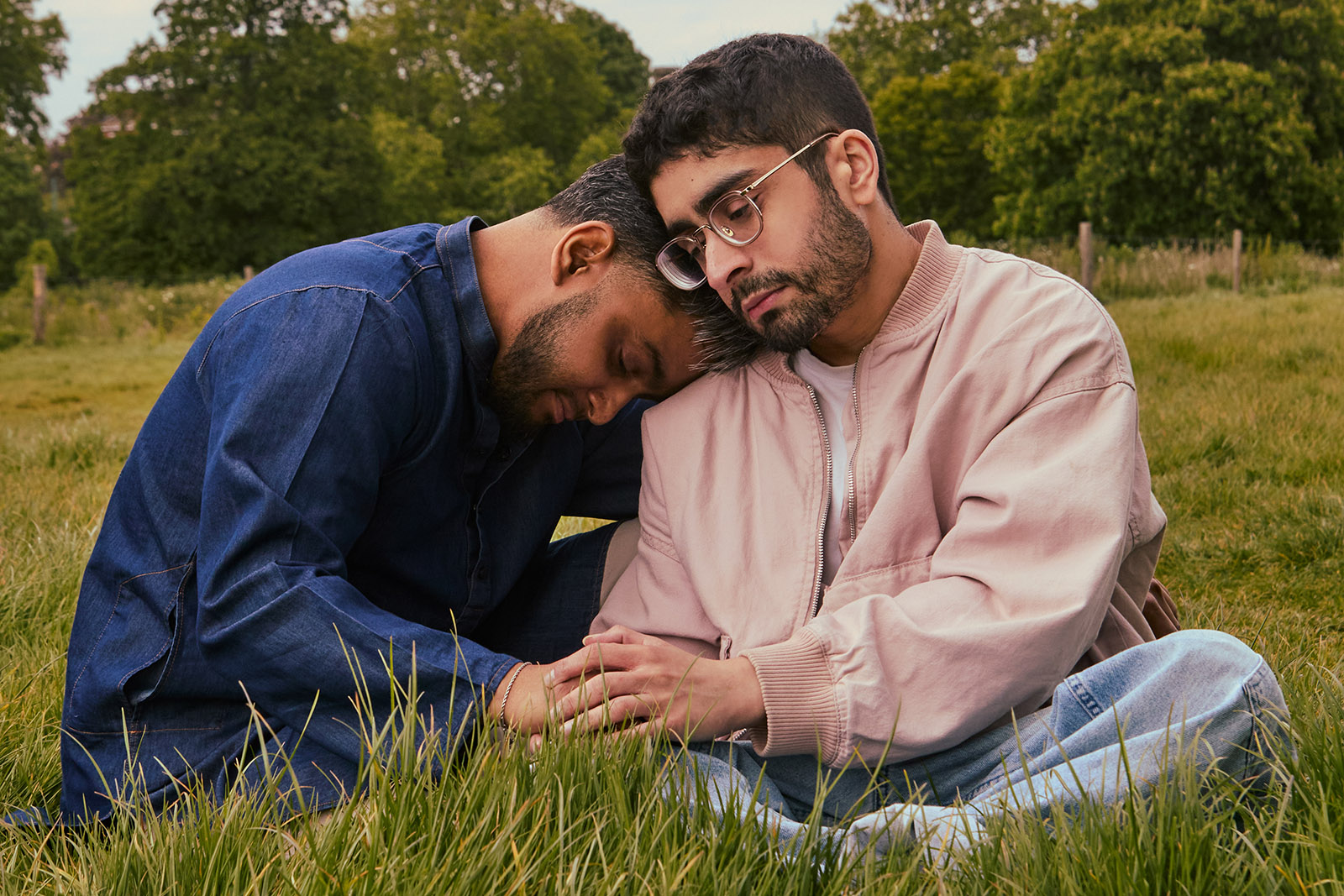
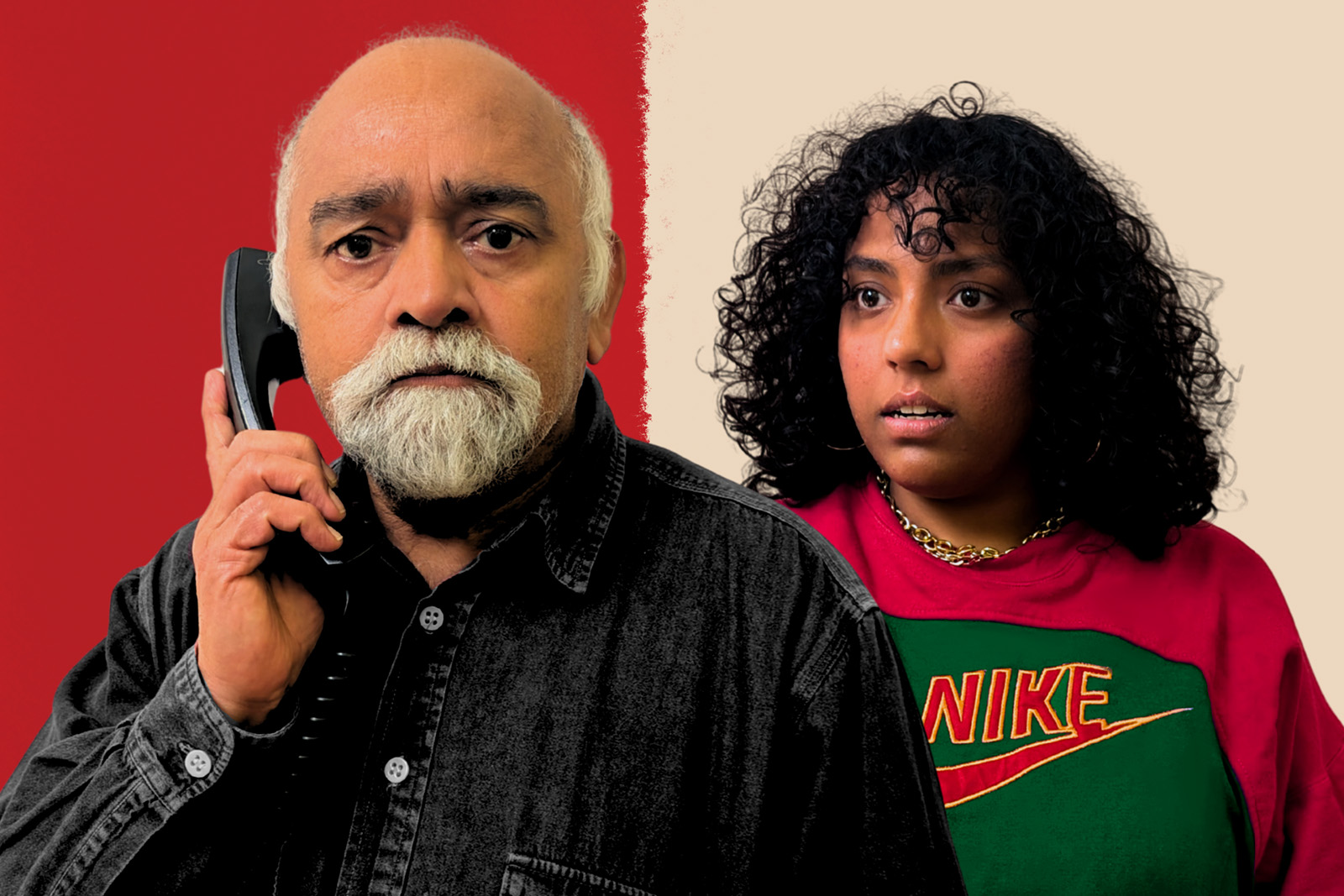
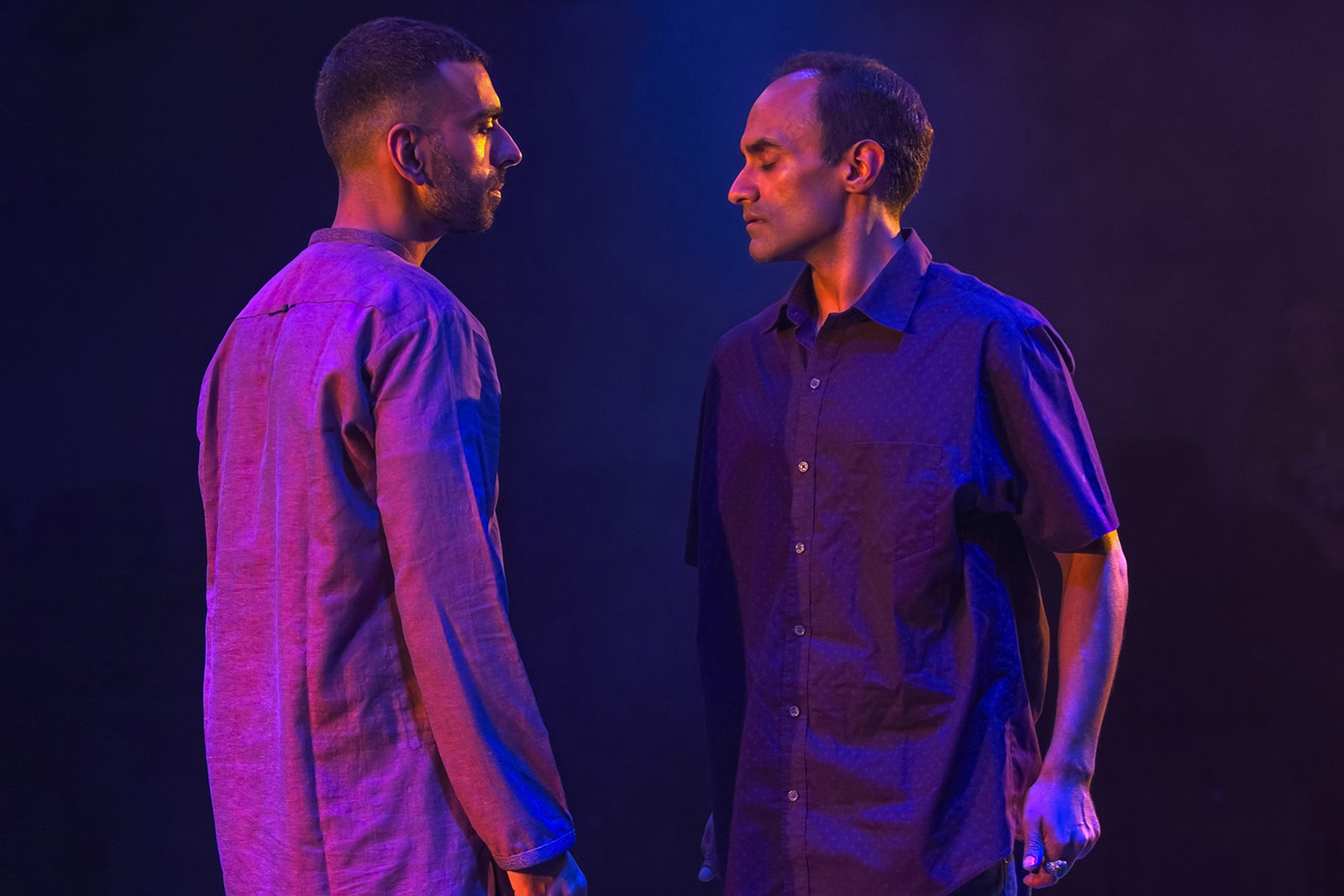
Set over one particularly frenetic hour manning the phones at the Camden Monitoring Group in 1994, Khan’s play Camdenwalla follows first-generation elder immigrant Muhammad (Bhasker Patel) as he clashes with a new volunteer, his 16-year-old niece Alima (Nusrath Tapadar).
“Muhammad is all about not fighting back and instead trusting in the system by reporting incidents to the police, while Alima wants to take the skinheads on directly,” Khan says. “The play explores how both perspectives are needed and how often the older generations made sacrifices so we could fight.”
While Khan is keen to stress the play isn’t just about trauma but also about a loving, joyful family existing within an environment of prejudice, he still thinks the work is increasingly relevant today. “A big part of the show is about police negligence and that’s happening more than ever,” he says. “With Reform’s popularity, it’s scary and can feel like racism is becoming more acceptable.”
Ali agrees and sees the play’s potential being a continuation of the work he started in 1989. “It would be great if people with these prejudiced views would come to see the play and see how it affects others,” he says.
“If Reform came into power, they might decide to send us home. After all that work with the Monitoring Project we might well have to start it up again in other areas. We need more resources poured into the places where Tommy Robinson and the far right want to take hold.”
For those with memories of the fraught 80s and 90s in London, though, the play is ultimately a moving testament to their endurance and experiences.
“The main mission is to get people back into the theatre, to see themselves represented onstage,” Khan says. “We have Sylheti being spoken and captions in Bengali, which I’ve never seen in a theatre before. We want everyone to feel welcome in the space, just as they should do out on the street.”
Camdenwalla is at Camden People’s Theatre from 17 June to 4 July