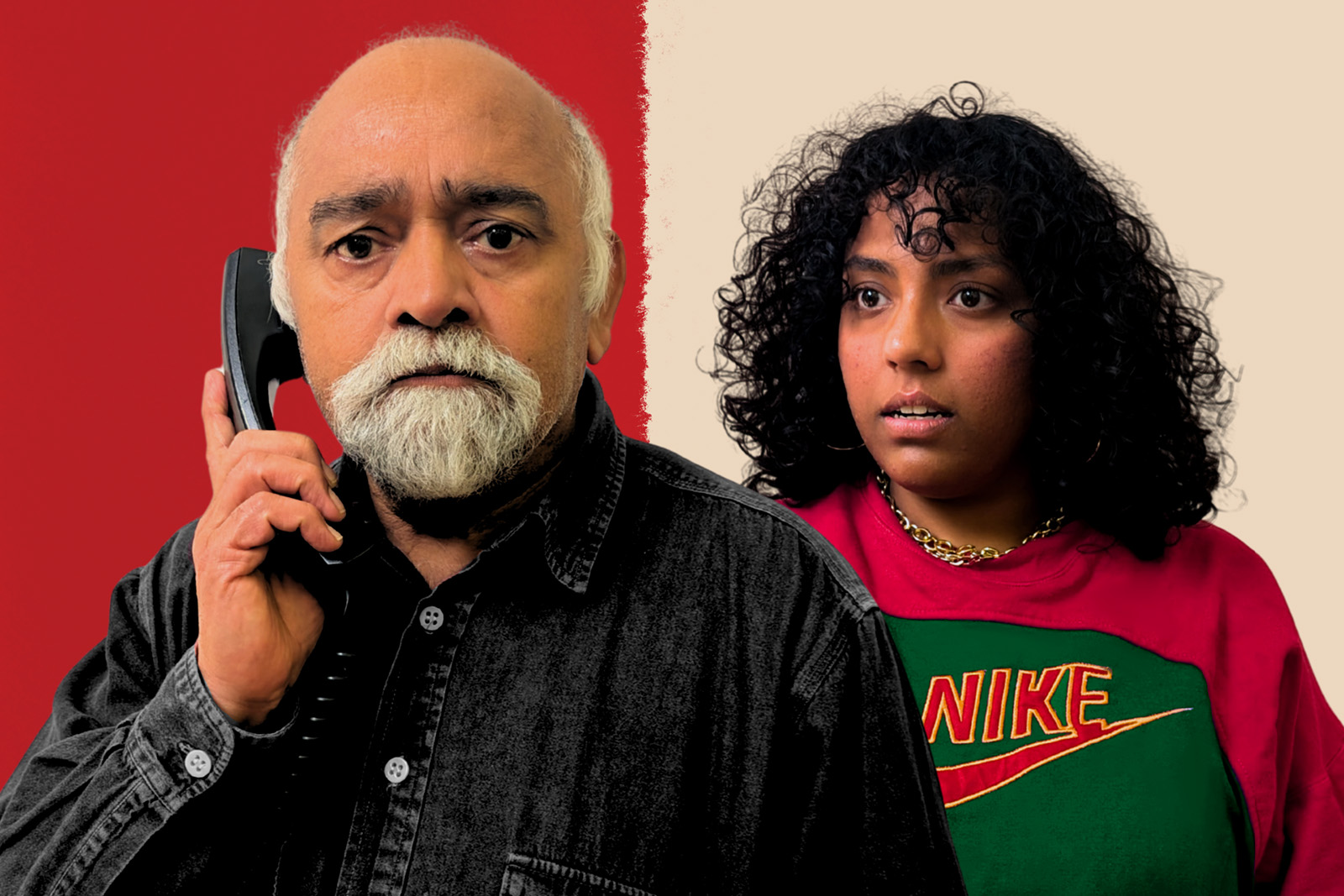

Voices from Lebanon brings the stories of a nation under fire to the London stage
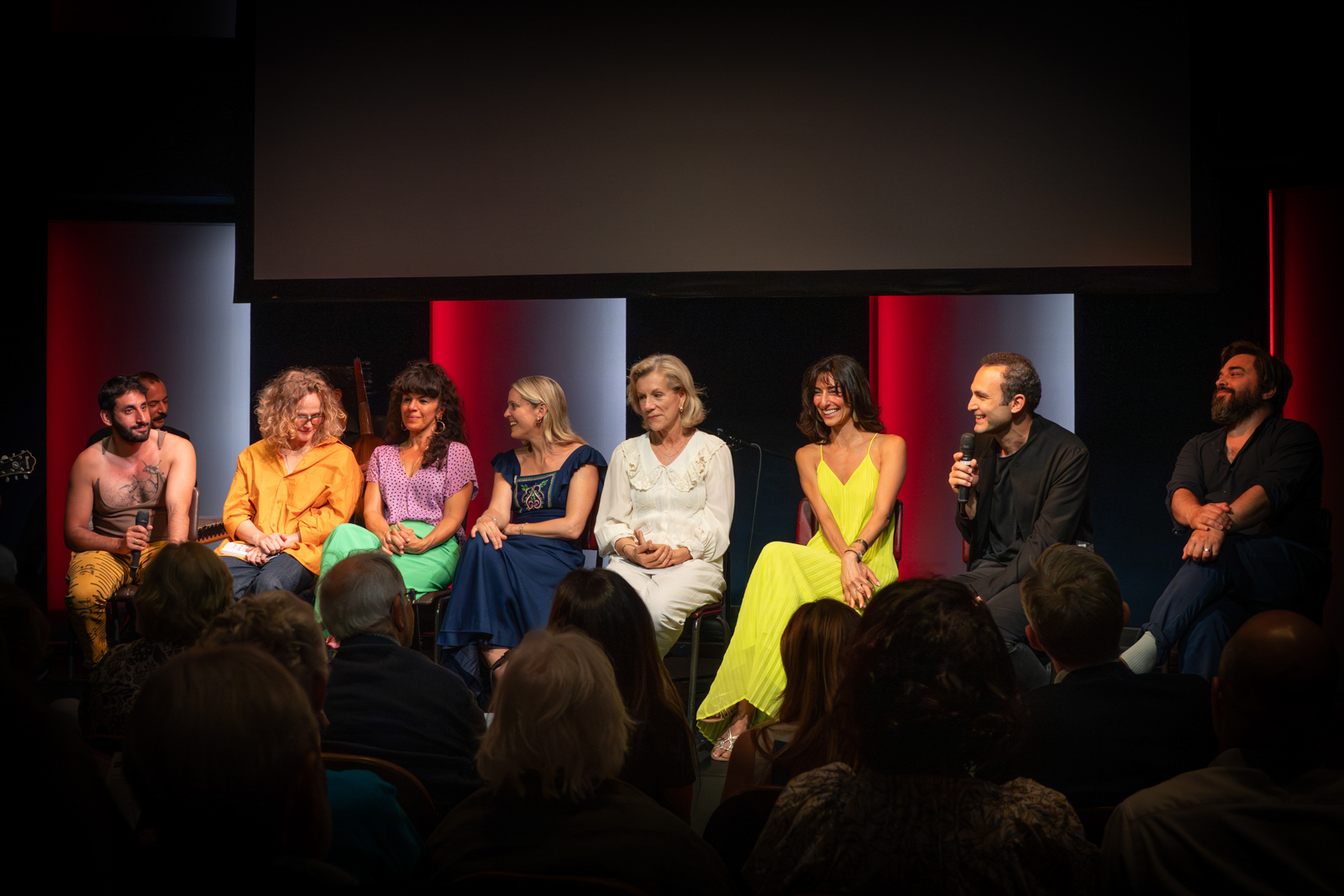
A cast of acclaimed actors recite the words of ordinary Lebanese people facing the ravages of war and displacement
When Fiona Nasser, a 29-year-old artist living in Beirut, started work on a monologue about her experience of war, the first thing to come to mind was neither the ever-present sound of drones nor the fact that her parents had been displaced from their home in southern Lebanon. It was, instead, a moment from an earlier period of conflict in the country; a childhood memory of sitting on a merry-go-round, enjoying the carefree sensation of swaying in the wind, then being yanked off it by her mother as aircraft flew overhead.
The adults around her did not explain why she could not continue playing and when she protested, she was told to be quiet. It is a moment that she feels has continued to shape her life. “I struggled with expressing myself since that moment when I was shushed, when I didn’t know what was happening or why I had to leave,” she says. “I was trying to express how angry I was to leave that beautiful place.” In the years since, Nasser has rediscovered her ability to voice her thoughts through therapy and theatre.
Related content
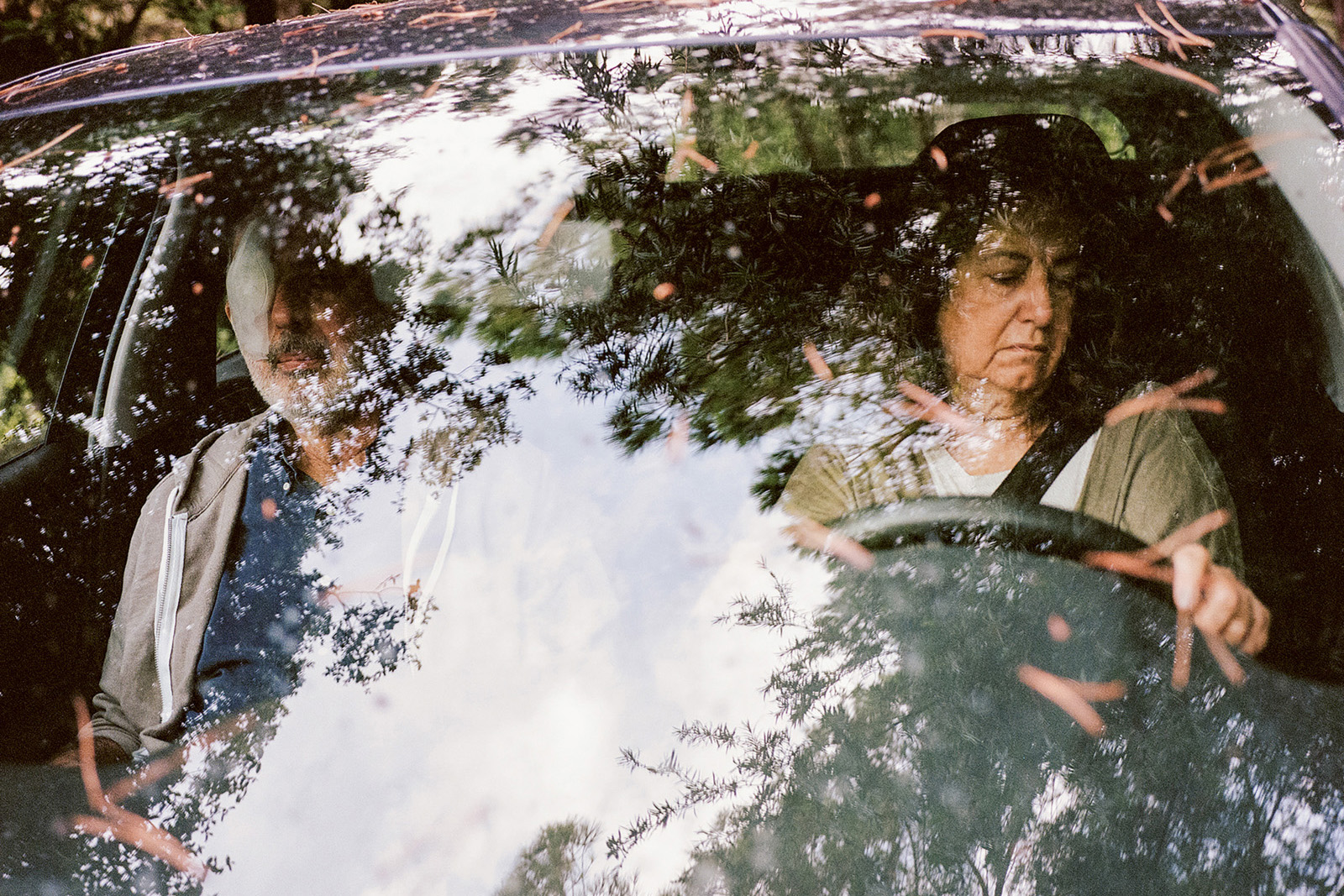
It is a small, intimate moment and, on one level, an instantly recognisable experience for most of us — a child not wanting to leave a playground. Refracted through Nasser’s perspective, however, this brief vignette offers a vivid insight into the shattering psychological effects of war. On 29 June, Nasser’s words were presented on stage at the Underbelly Boulevard Soho theatre in central London. The actor Maxine Peake recited them sitting down on an unadorned set, swaying back and forth as if riding a merry-go-round, her voice capturing perfectly the piece’s shifts in emotion.
Nasser’s was one of eight monologues selected for Voices from Lebanon, a performance organised by the charity Seenaryo, which provides theatre and creative workshops in Lebanon, Jordan, Palestine and Syria. The project began almost by accident. Lebanon has faced intermittent Israeli bombardment since October 2023, when Hezbollah began firing into Israel in solidarity with Gaza. That situation escalated into a full Israeli ground invasion of the south a year later, displacing more than one million people at its peak. Despite a ceasefire agreed in November 2024, Israeli strikes continued at a near-daily rate through 2025, before a sharp escalation in early 2026 brought renewed heavy bombing of Beirut and southern Lebanon.
As the conflict intensified, regular participants in Seenaryo’s theatre workshops struggled to travel for in-person sessions. “There was a question of how we create that space for people that we usually create through theatre,” says Naqiya Ebrahim, Seenaryo’s joint chief executive. The organisation decided to set up a creative writing workshop, which brought together 96 participants across nine groups, each held online and led by a Lebanese facilitator. “It was really about giving people space to say and speak, and feel and write what they were going through,” she says.
Organisers felt that the situation in Lebanon is often covered internationally as a footnote to other conflicts, such as Gaza and Iran, and wanted to highlight what people are going through there. “Lebanon is still a real mystery to people in the UK,” says Ebrahim.
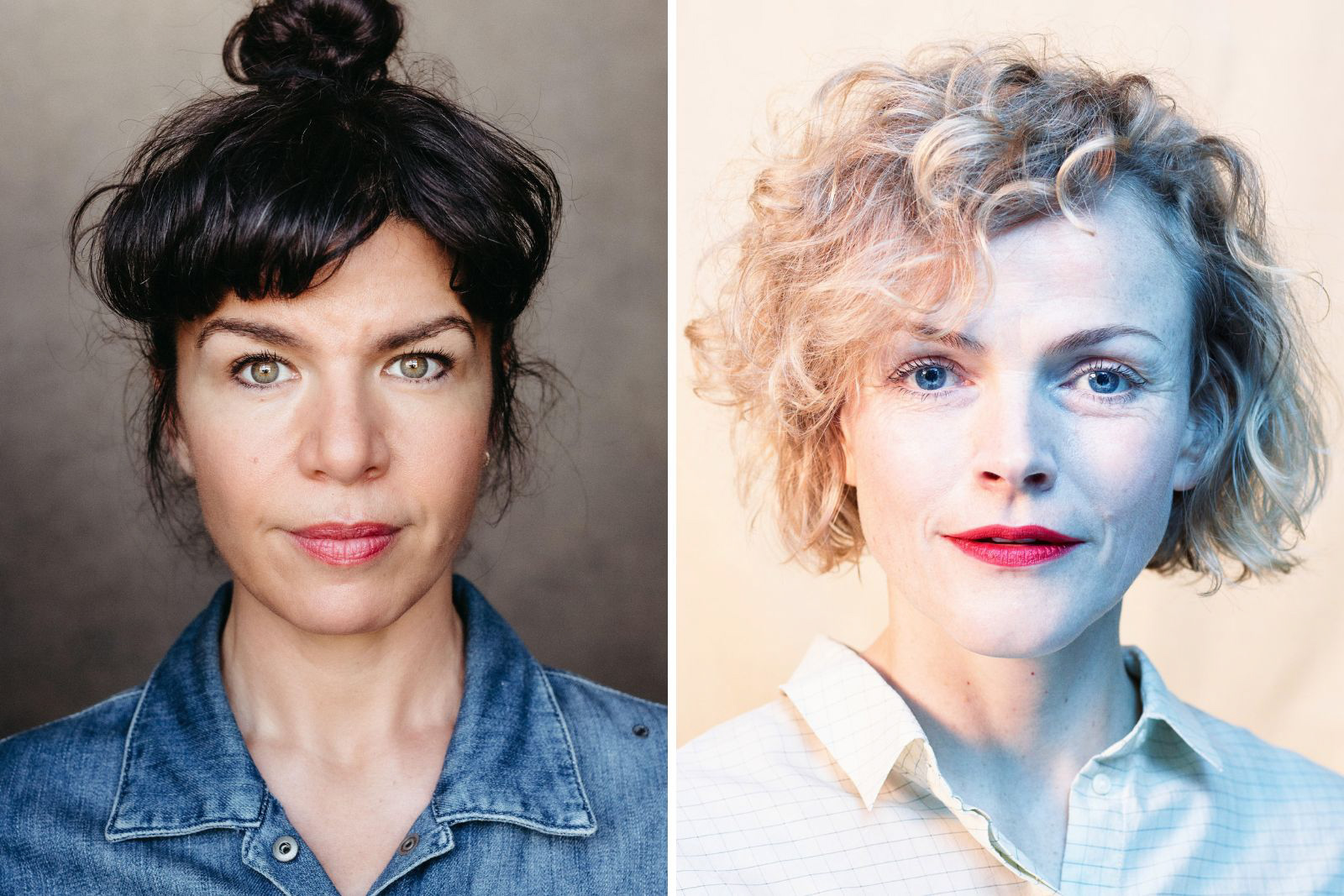
On top of that, she notes a wider dehumanisation of people in the region. “Headlines are flattened and people are reduced to statistics and numbers,” she says. “Theatre does something different by helping us understand what those events feel like as ordinary citizens. A monologue specifically offers this rare level of intimacy, which allows an audience to spend time inside a person’s thoughts, inside their memories, their fears.”
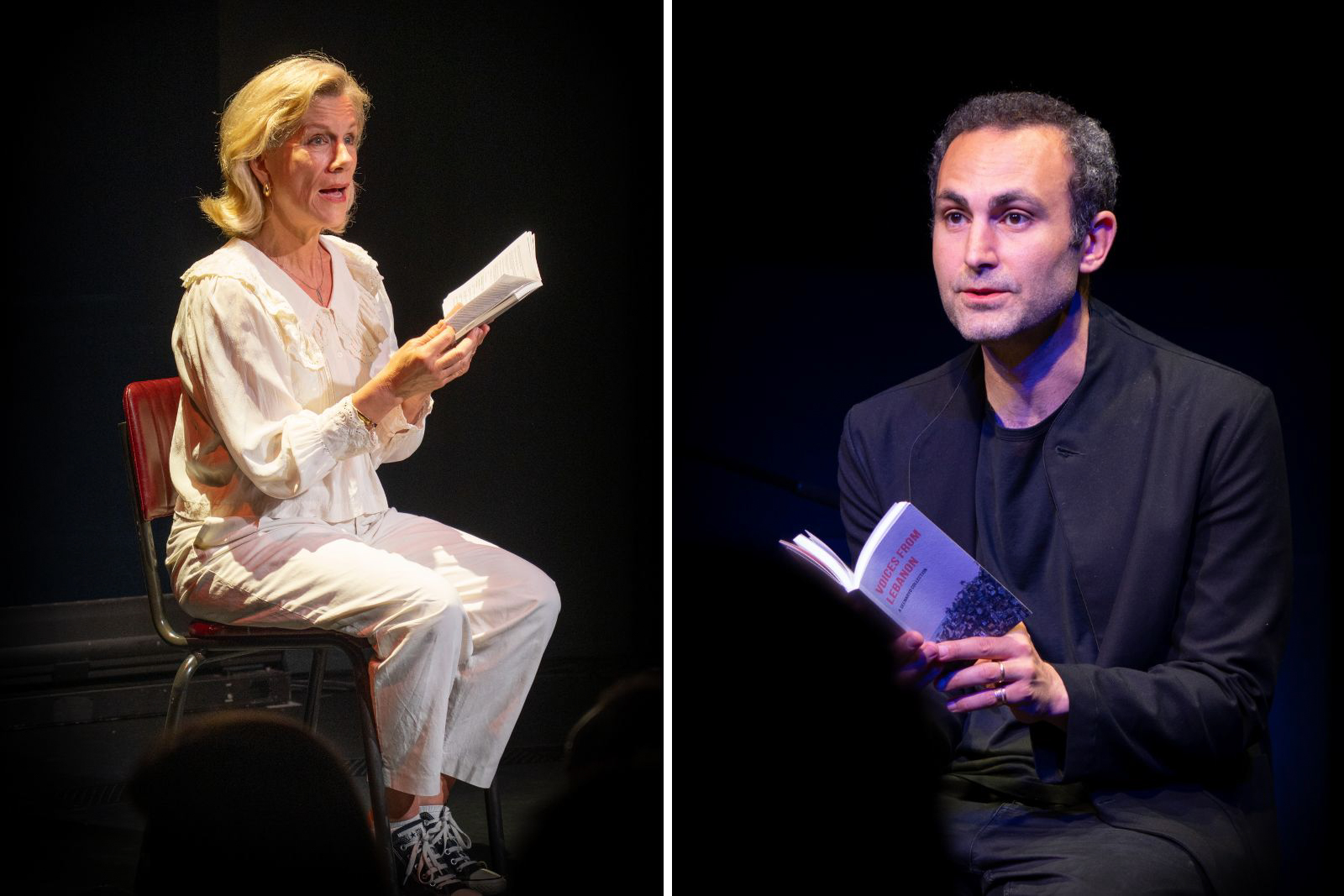
Ultimately, eight pieces of writing were chosen from the workshops and then translated into English, with the writers consulted throughout, and given to well-known actors to deliver to the audience. Each gives a unique insight into a different experience of life in Lebanon. Clad all in black, Khalid Abdalla (The Kite Runner, The Crown) performed a melancholy piece written by a Syrian refugee, Mahasen Mdalleh, in Beirut, reflecting on the different paths that life can take as she awaits the outcome of an asylum application to Germany. Moving around the stage, Denise Gough (Andor) gave an electrifying performance as someone in the throes of a manic episode as violence erupts around her.
Jessie Buckley (Hamnett, Chernobyl), appearing via video link, offered a moving monologue from a mother gathering her things and saying a mental goodbye to her home as she prepares to flee with her children to safety. Her young daughter stops to pick up an old doll, saying “She’s scared, too, and we shouldn’t leave her alone.” Syrian actor Ammar Haj Ahmad, meanwhile, performed an inventive, sometimes funny piece written from the perspective of a bed, moved down to a basement to avoid nightly airstrikes and focused on its task of giving its elderly owner some comfort.
Juliet Stevenson performed a meditative monologue by Diana Mohammed, a Syrian woman living in the city of Tripoli in northern Lebanon. She had already been through one war, in Syria, before relocating to Lebanon. The piece described Mohammed’s experience of cooking a meal as an airstrike hits her house. What stayed with her was the smell of the lentils she was cooking starting to burn as they are left on the hob while the house collapses around her. “It’s so evocative, these dabs of colour and human life,” says Stevenson, who was surprised to find out when she spoke to Mohammed that she had never written anything before.
Stevenson, like some of the other actors who took part in the show, is a committed political activist. She found the experience of speaking with Mohammed before the performance incredibly meaningful. “The skills we have as actors are not useful in a lot of ways, but what we can do is give voice to human stories and try to reach out to people and bring them into some understanding of what it’s like to be in someone else’s skin,” she says.
In another piece, a number of women worked together to turn their WhatsApp group into a single written piece. In it they complain to each other about the everyday indignities of war and displacement, trying to keep up their morale. The tone is relatable and sometimes lighthearted: “Oh, you showered yesterday? Wow, well done Rima! Congratulations! You better get on those scales right away, you probably lost 2kg of filth.” The words were recited by the theatre actor Sirine Saba, who thought hard about how to capture the different voices and sense of communality in her performance. “There’s a dark-humoured, getting-on-with-it feel to this piece, which is a very different perspective on what it means to live during a war,” she says.
Related content
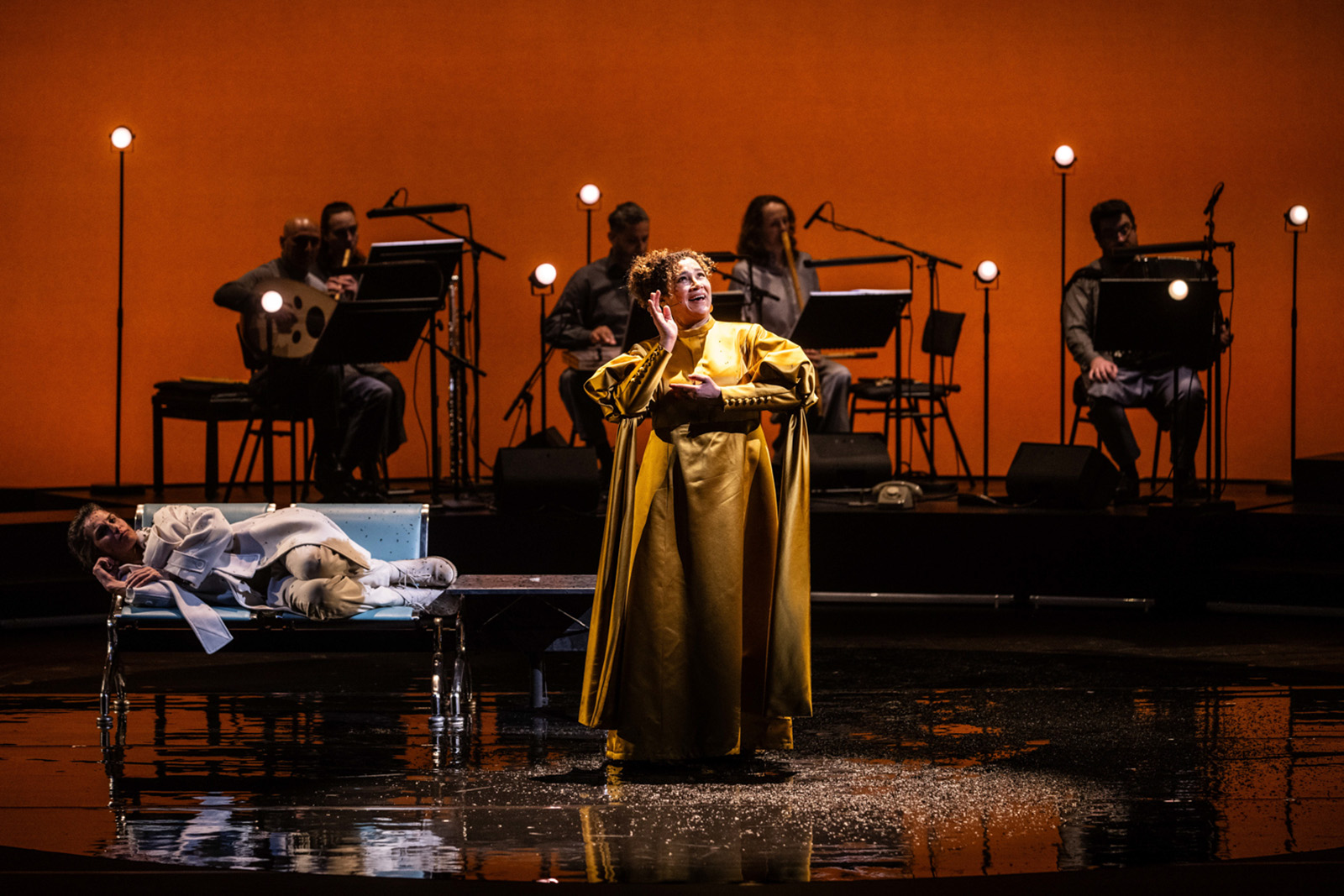
That feeling was familiar to Saba, who is British-Lebanese-Palestinian. She was born in 1975, a week before the Lebanese civil war started, and lived in Beirut until she was eight. “I was a child, so I was protected from it, but we just tried to get on with it – something dangerous happens, and you shut the shutters, go inside, and that’s that,” she says. Saba is wary of using the word “resilient” to describe people who endure the ravages of war. “There is a resilience, but I think Lebanese people are sick of being called resilient — why should we have to be?”
Nasser was not able to travel to London to see Peake perform her monologue, but the show has been filmed so that the writers can watch it. Now, there is an official Israeli ceasefire in Lebanon. Beirut, where Nasser lives, is quieter, but intermittent bombing continues in the south. “Every time we hear there is a ceasefire, it’s not really a ceasefire,” she says. “These two years, it’s been confusing about the sense and meaning of safety. Are we really safe?”
A few days before the theatre performance in London, Nasser’s mother went back to her home in southern Lebanon. The windows were shattered, the walls broken. There was no running water or electricity. The village was mostly abandoned and some of the roads destroyed. As she worried about her mother, Nasser thought of the childhood moment recalled in her monologue.
“That piece is about her taking me away from a place I was happy and, now, I feel I want to do the same with her,” she says. “I know she’s happy in the south, because that’s where she was raised and my grandfather built that house, but I want to rescue her from there and make her feel safe. Now, I understand.”