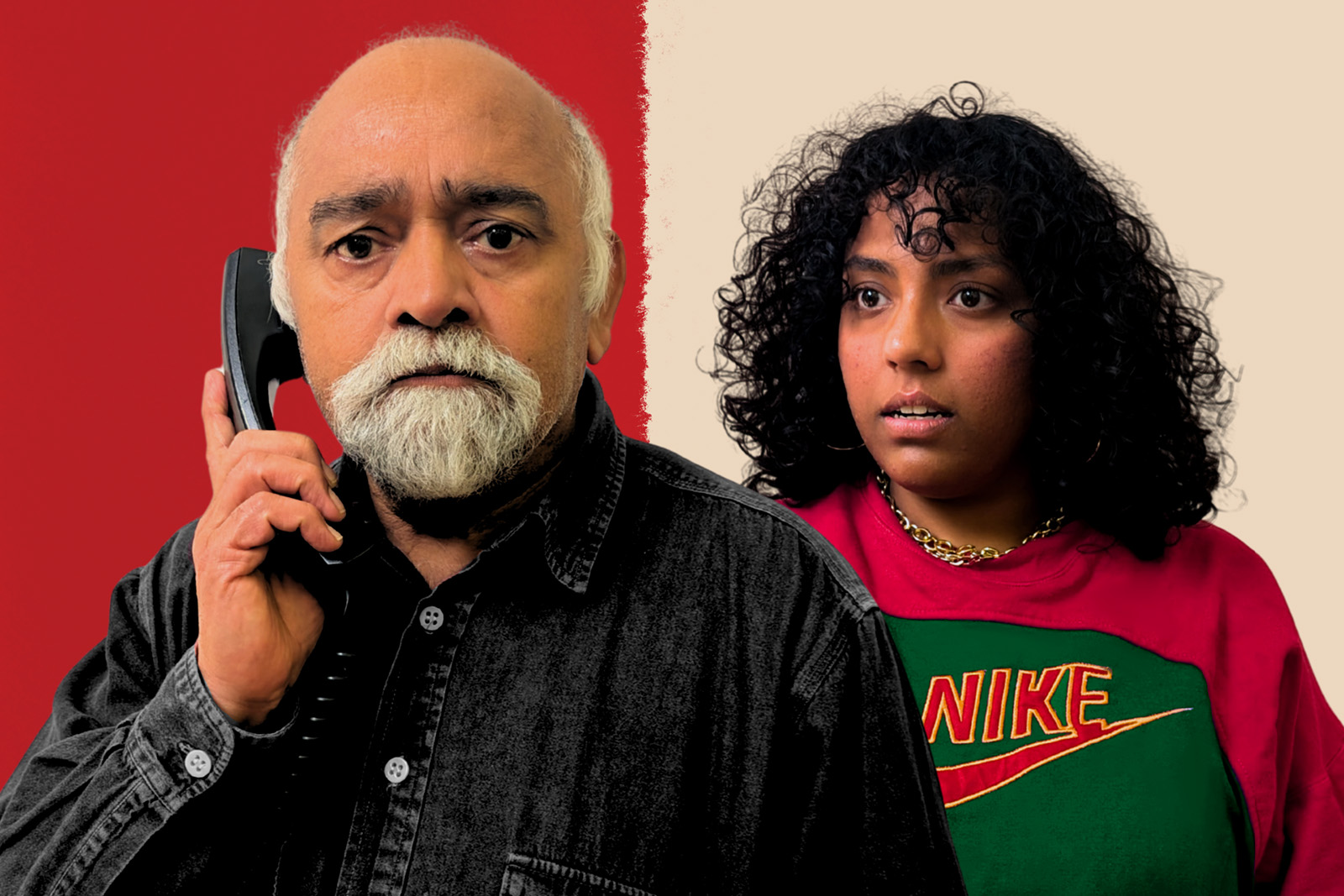

‘Buraanbur isn’t just dancing — it’s about audacity’
For centuries, Somali women have combined movement, rhythm and poetry to tell their stories. Now, they’re keeping the tradition alive in the UK

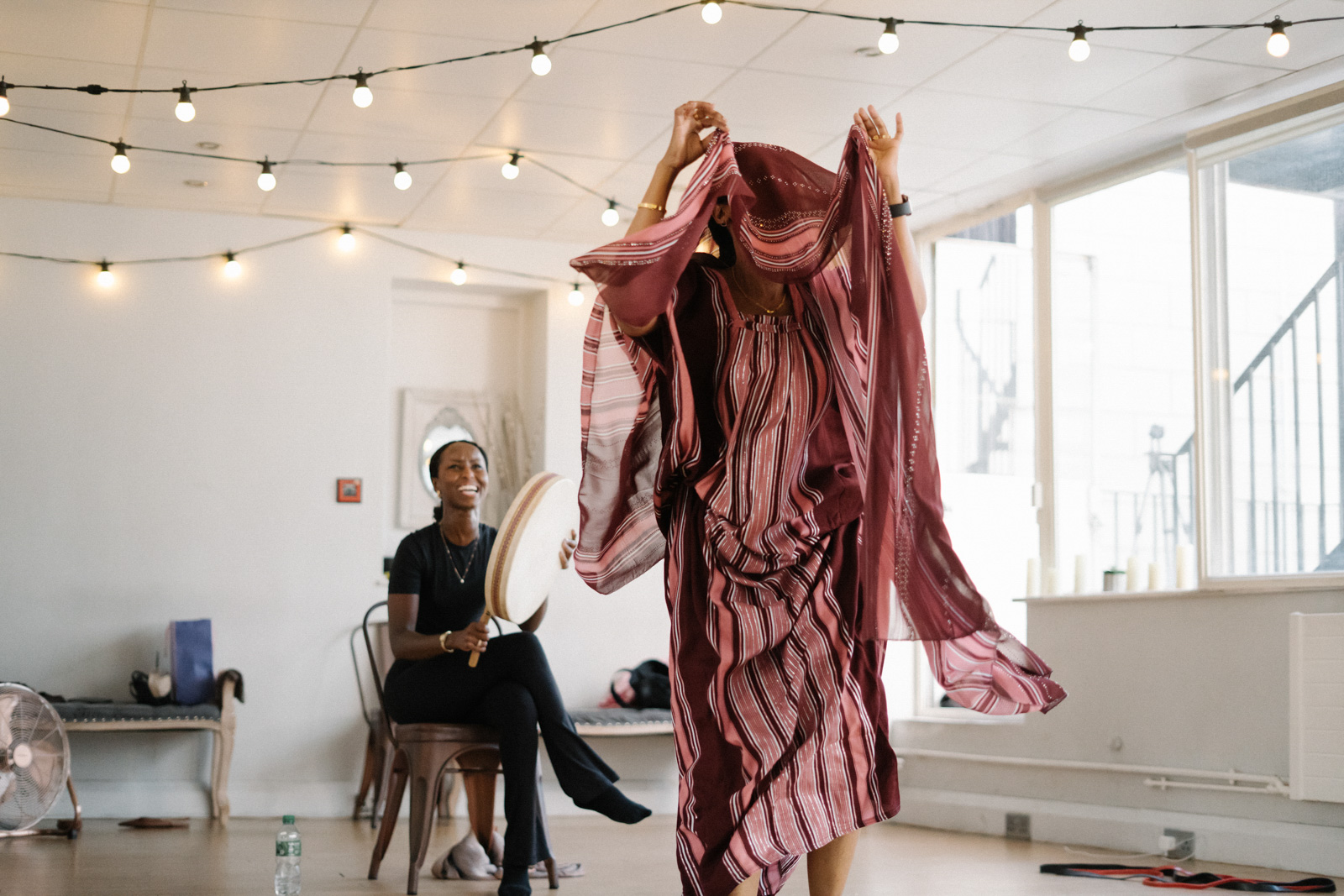
In the middle of the first heatwave of 2026, I’ve travelled across London to meet a group of Somali women at a sweltering sixth-floor dance studio in Moorgate. Latecomers rush through the doors, change into colourful diracs — flowing traditional dresses — and wrap bright garbasaars (scarves) around their heads, then take their place in a circle.
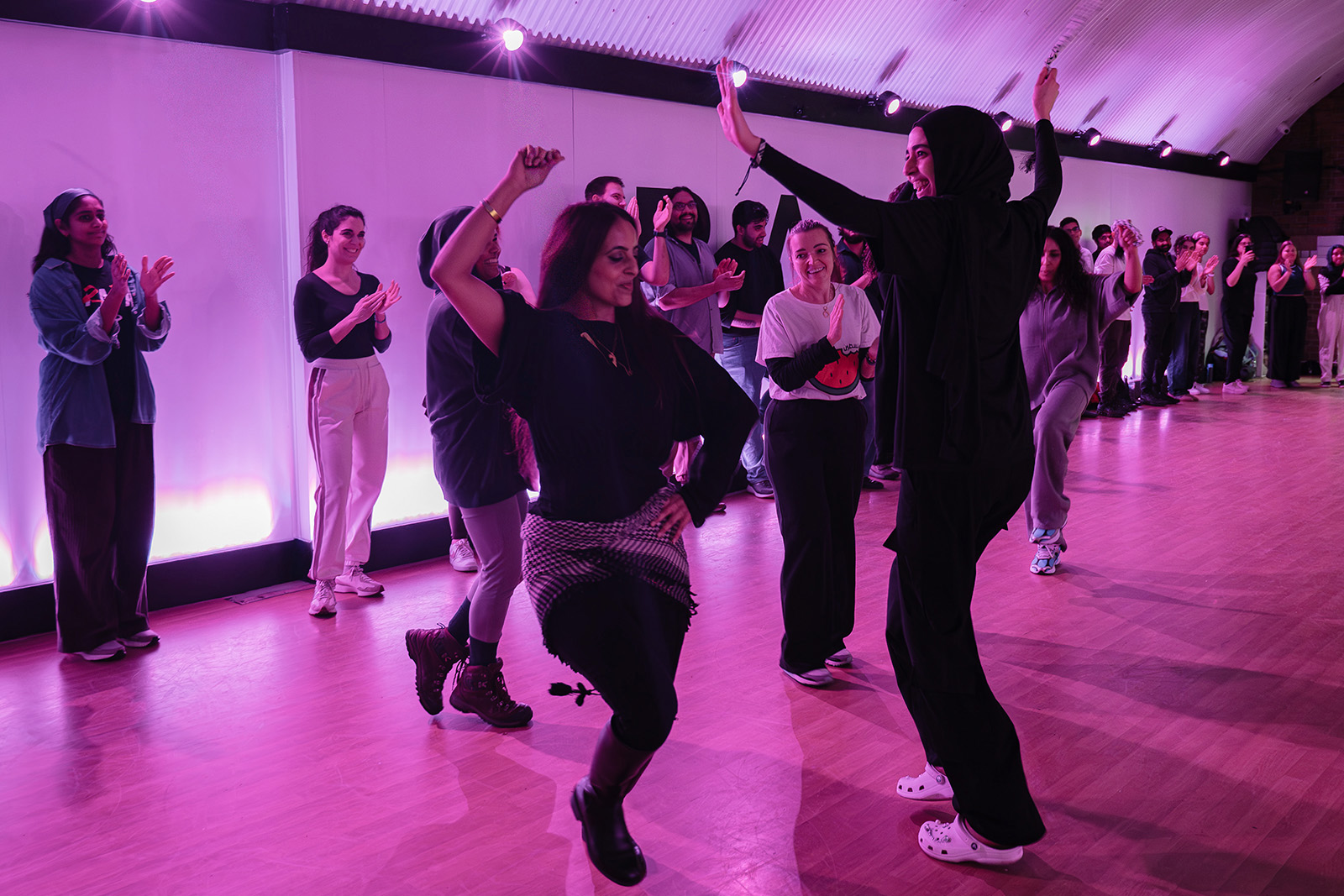
Two large fans whirr at either end of the room, offering little relief from the heat. Within minutes, the women are jumping, clapping and twirling across the floor in time with the beat of a drum. Some are friends, some are sisters, some have only just met.
The workshop is one of a growing number across the UK dedicated to preserving and passing on the tradition of buraanbur to women in the Somali diaspora. The centuries-old cultural practice combines poetry, song and dance and is usually performed by women at weddings, celebrations and community gatherings.
The gathering is run by Buraanbur Sahlan, an initiative that teaches women the foundations of buraanbur, both online and in person. At the front of the room, drum in hand, stands 31-year-old Nastexa Maxamud, the organisation’s founder.
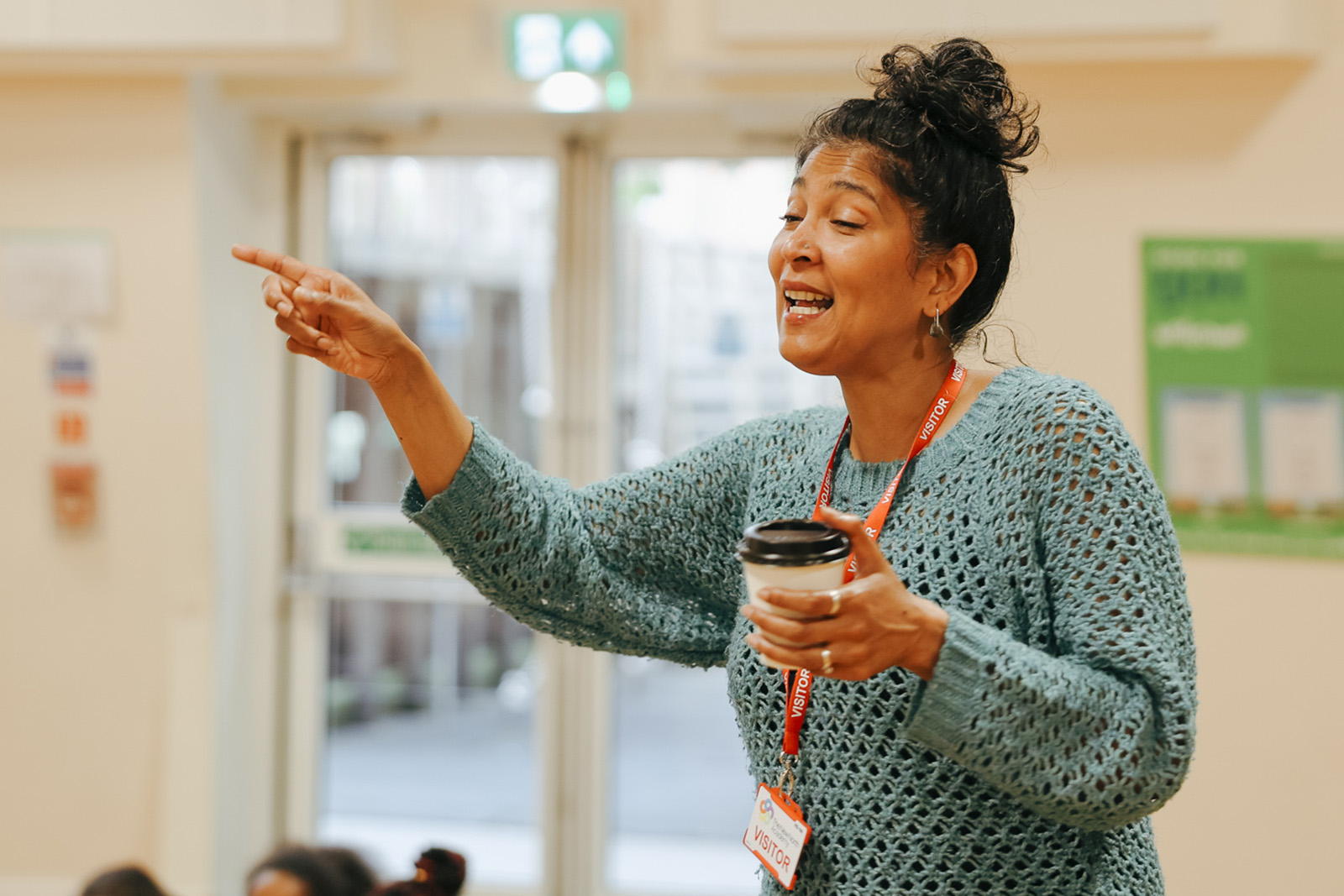
Traditionally, women gather in a circle while one performer leads with poetry or song, and others respond, with participants taking turns to step into the centre. “I want you to command the circle,” Maxamud says, as one woman comes forward. “Make it entertaining.”
Over the next two hours, every one of us takes our turn. Scarves fly through the air. Feet stomp against the floorboards. Diracs flow. Hands punctuate every movement. The drum beats louder. Maxamud’s voice rises above the rhythm, chanting poetry in Somali. Cheers of encouragement ring around the room. Someone ululates from the sidelines.
Buraanbur is not a dance style with strict choreography. Instead, each performer brings her own style to the circle, responding to the rhythm of the drum, the cadence of the poetry and the energy of the other women.
For Maxamud, the workshops are about much more than cultural preservation. “Buraanbur wasn’t just for me to teach people how to dance,” she says. “It was for me to bring back the audacity that Somali women had and that our generation doesn’t have.”
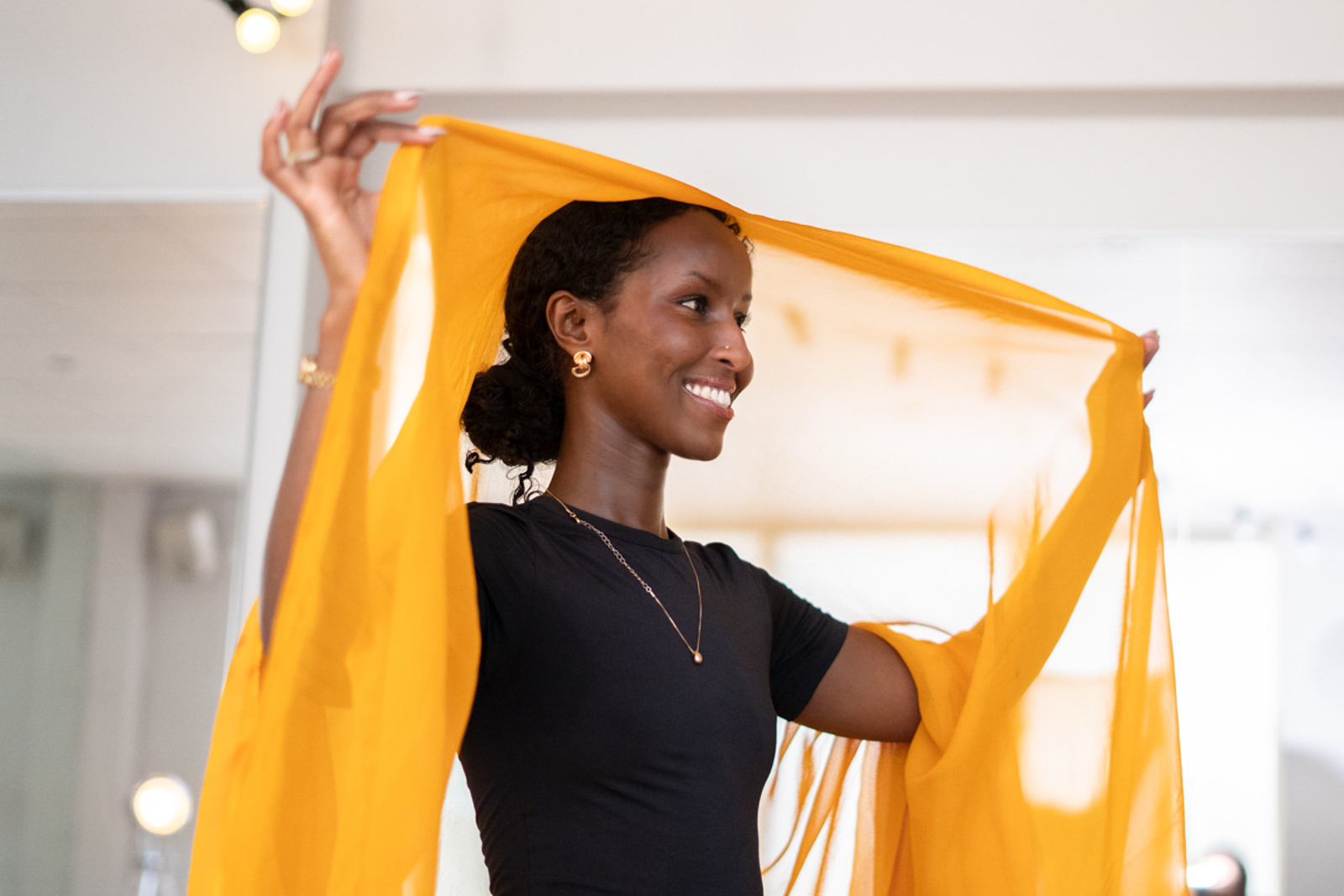
While Somali men have long been recognised for gabay — a sophisticated form of oral poetry — buraanbur has received less attention. Still, it has a deep history of giving women a space to capture and comment upon community life, from marriage and family to social and political issues.
While growing up in Bristol, Maxamud watched women from the local Somali community gather in the living room of her family home to sing, dance and recite poetry together. Years later, in 2024, she launched her first buraanbur workshop in London. More than 40 women showed up. Now, she runs classes twice a month — one beginners and one advanced session — that attract women from across the UK and abroad. Some have travelled from Sweden and Denmark to attend.
“Some haven’t danced before and they really want to get into it,” says Maxamud. “Others want to learn buraanbur because they feel disconnected from the culture. Some want to get into fitness and others just want to come and make friends.”
For Muna Hussein, 30, from south-east London, Maxamud’s workshops allowed her to learn a tradition she had observed for years but never felt confident enough to take part in. Her earliest memories of buraanbur come from Friday gatherings at her mother’s house. After prayers and food, women would gather in a circle, using empty milk bottles as makeshift drums.
“I always felt left out because I didn’t know how to do it,” Hussein says. “I was really shy and felt so uncomfortable to enter the goob [circle], so I would just watch and clap along.”
When she discovered Maxamud’s workshops on TikTok last year, she decided to sign up and join her first session.
“It was packed,” she says. “I thought I was going to be the worst person there, but what really gave me confidence was the way Nas taught us. She kept saying, ‘The stage is yours.’ With buraanbur, you have to be yourself and have your own rhythm. You make the steps your own.”
It wasn’t until she visited Somalia as an adult that Hussein began to worry about how much cultural knowledge younger generations in the diaspora were losing.
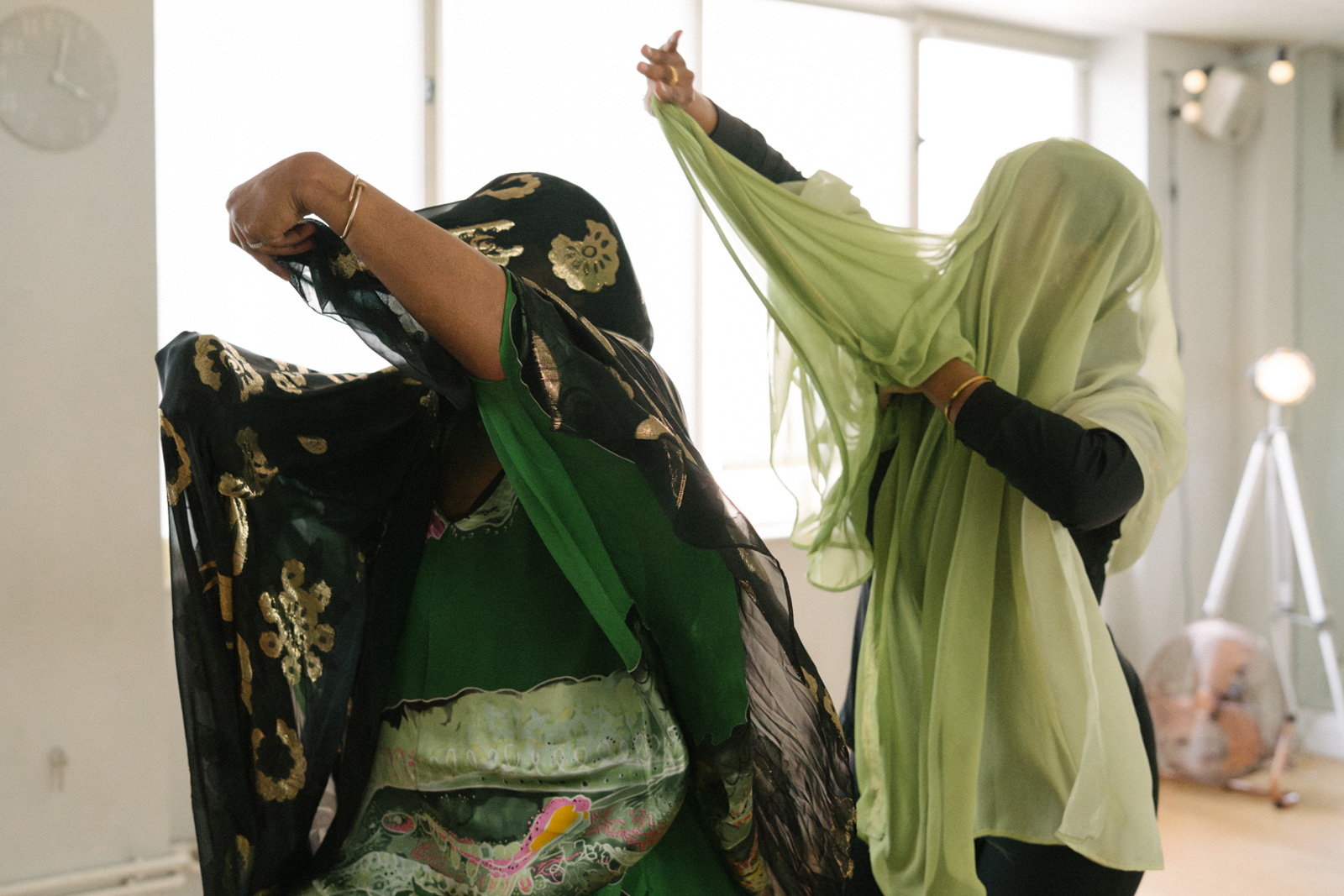
“When I compare Somalia to life here, I realised that we’re falling out of the culture,” she says. “If things aren’t kept alive, we will lose them.”
That concern sits at the heart of a growing number of buraanbur initiatives across Britain. In Manchester, for the past two years, Somali women have been gathering weekly through the Hiddo Collective to practice. The group now attracts women and girls aged between six and 70, with up to 80 attending each week.
One regular, Warda Abdulahi, 30, says many participants arrive looking for exactly what she was seeking when she first moved to Manchester last year: a sense of belonging.
“I moved here for work and I was trying to find my community here,” she says. “The aunties who organise the sessions just took me in and told me to come along.
“Coming to these sessions feels like you’re going from your home to another home… It’s a safe space, a sisterhood.”
For Abdulahi, poetry is at the heart of buraanbur. “It’s the glue that holds everything together,” she says. “It allows us to spread positivity and female empowerment, and that’s the part I really enjoy.”
For both organisers and participants, buraanbur has become part of a wider effort to maintain connections to the Somali language, history and identity.
“We’re trying to preserve, uphold and practise it so later on we’ll be able to pass it down to our daughters,” Abdulahi says.
Maxamud hopes she can help with that goal. This month, she launched an app that teaches buraanbur through instructional videos. The app breaks buraanbur down into four stages, each paired with warm-up exercises and fitness training workouts designed around the movements.
“I want to show that art can be brought into everyday life,” she says.