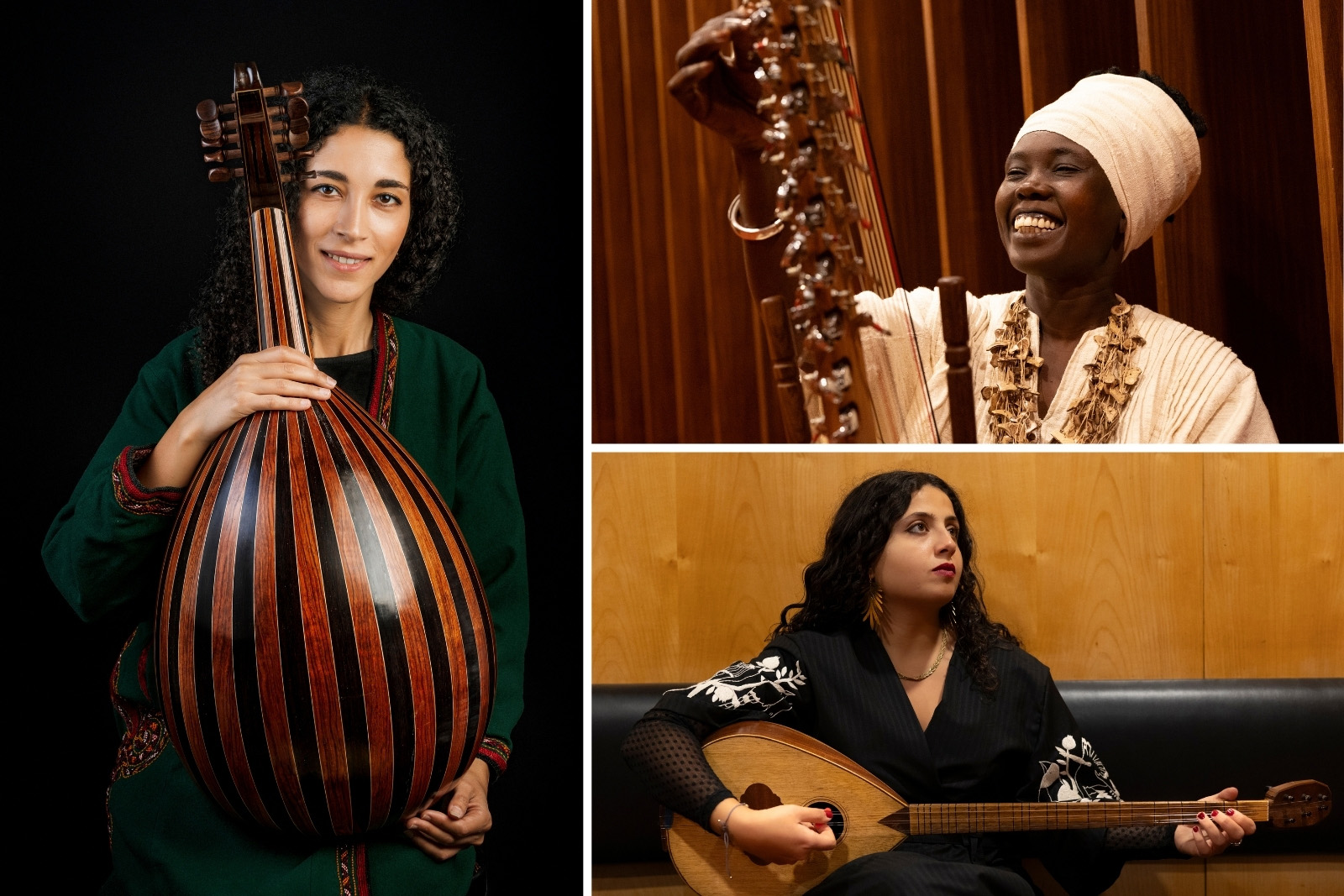
Khiyo bring Bengali music to the classroom
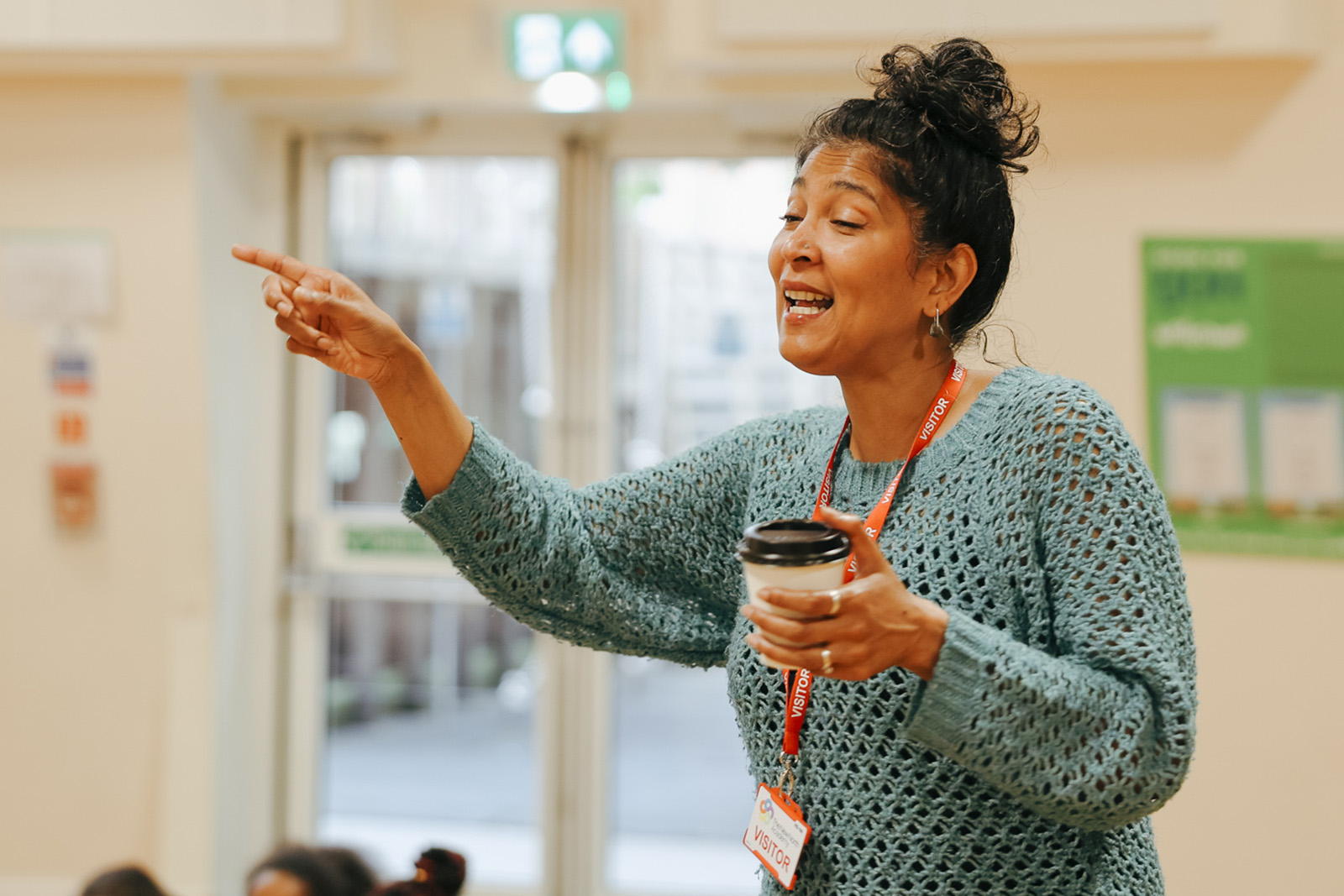
The acclaimed fusion band are taking a new-school approach to music lessons

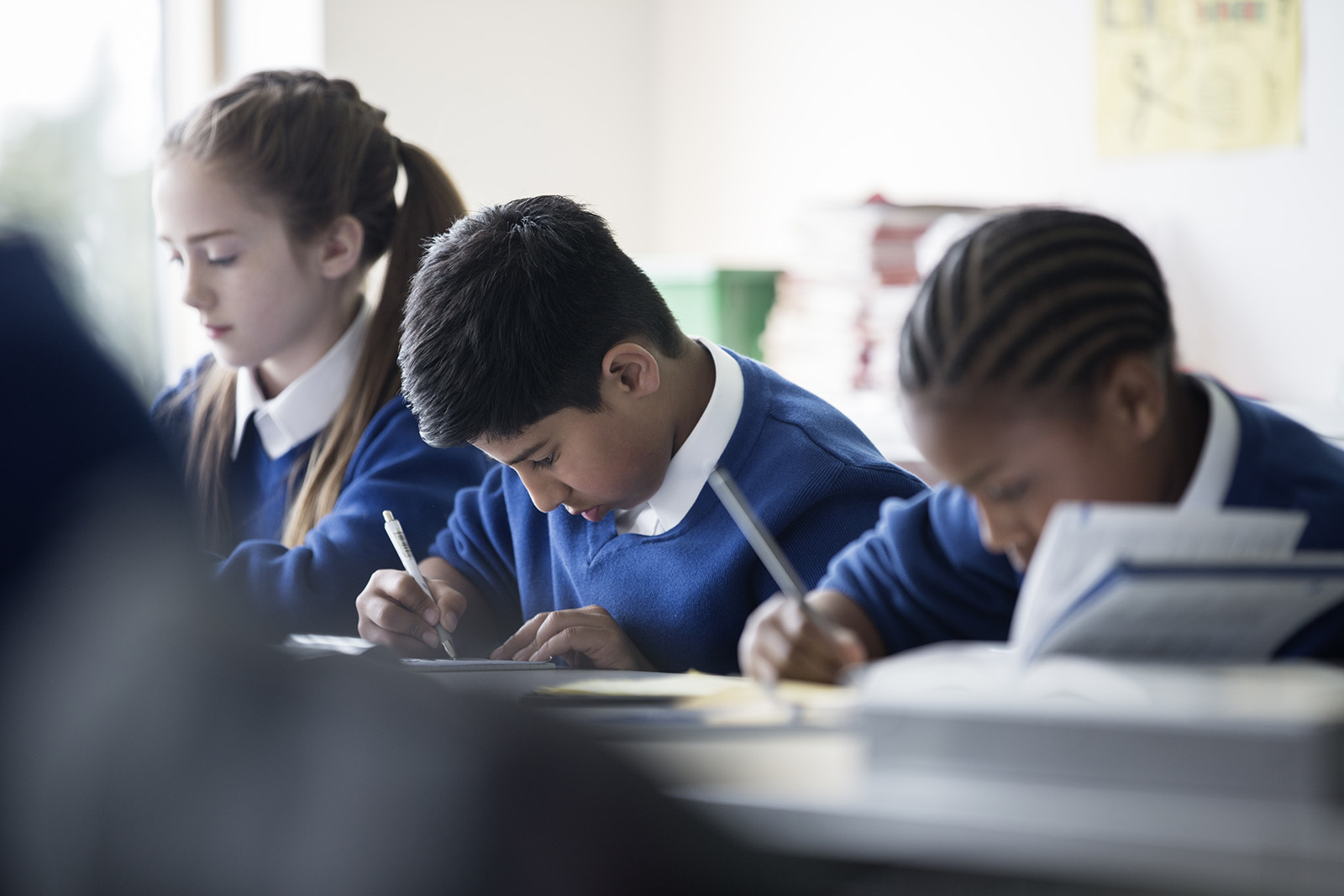
Ten-year-old Seema* inhales deeply, closes her eyes and concentrates. On her teacher’s instruction, a lilting sound emerges from her pursed lips. It is a Persian word — an unfamiliar language — but she is clearly engrossed.
Seema is one of around 20 children taking part in a music workshop at New North Academy, a primary school in the London borough of Islington. They are memorising songs in a range of foreign tongues, including Romani, Bengali and Tigrinya, and preparing for a concert to mark Refugee Week at the Barbican Centre on 24 June.
Related content

The children have been learning the songs for a few months. Seema, who is of Bangladeshi heritage, tells me she likes the Persian ones best because “the words are really nice”.
“I think learning about different music is important in life,” she says. “We’ve been learning the songs in different languages and I think it’s really cool.”
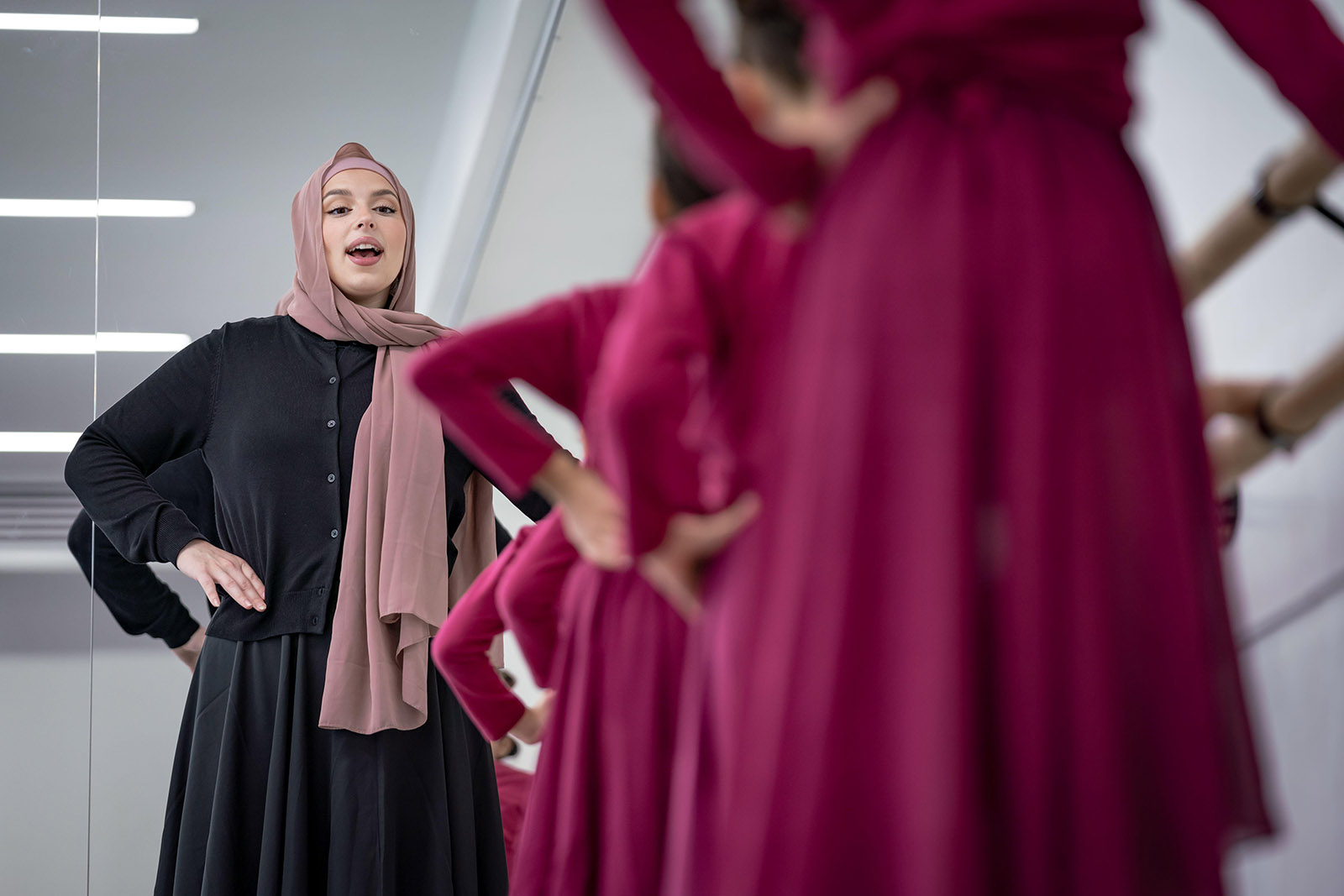
Sohini Alam, a British-Bangladeshi singer, songwriter and voice of the fusion rock group Khiyo, has been running workshops across several London boroughs since 2023.
Alam teaches music from a range of cultures to children from various ethnic backgrounds. But as the third generation of a family of renowned Bangladeshi singers, much of her work focuses on songs from her own culture.
“When you look at world music curriculums in schools, they are already covering Indian classical, Bollywood, Afrobeat,” she says. “Despite the fact that the Bengali diaspora in the UK is huge, Bengali music doesn’t really have a place. That’s why I want to make it part of the curriculum and part of the world music pantheon.”
Alam, whose workshops are are run as part of projects by the charities Music Action, World Heart Beat and supported by various local councils, believes that is partly because many of the people who migrated from Bangladesh to the UK since the 1970s came from rural backgrounds and had little formal musical training. She adds that working in boroughs such as Tower Hamlets — home to the UK’s largest Bangladeshi population — has revealed to her a certain insularity within the community, shaped by decades of social and economic challenges.
As part of their efforts, Alam and Oliver Weeks, who plays guitar and piano for Khiyo and oversees the band’s recordings, have embarked on another project: creating written scores for a dozen traditional Bengali songs and two of their own tracks, so children across London can play them on instruments including the flute, violin and trumpet.
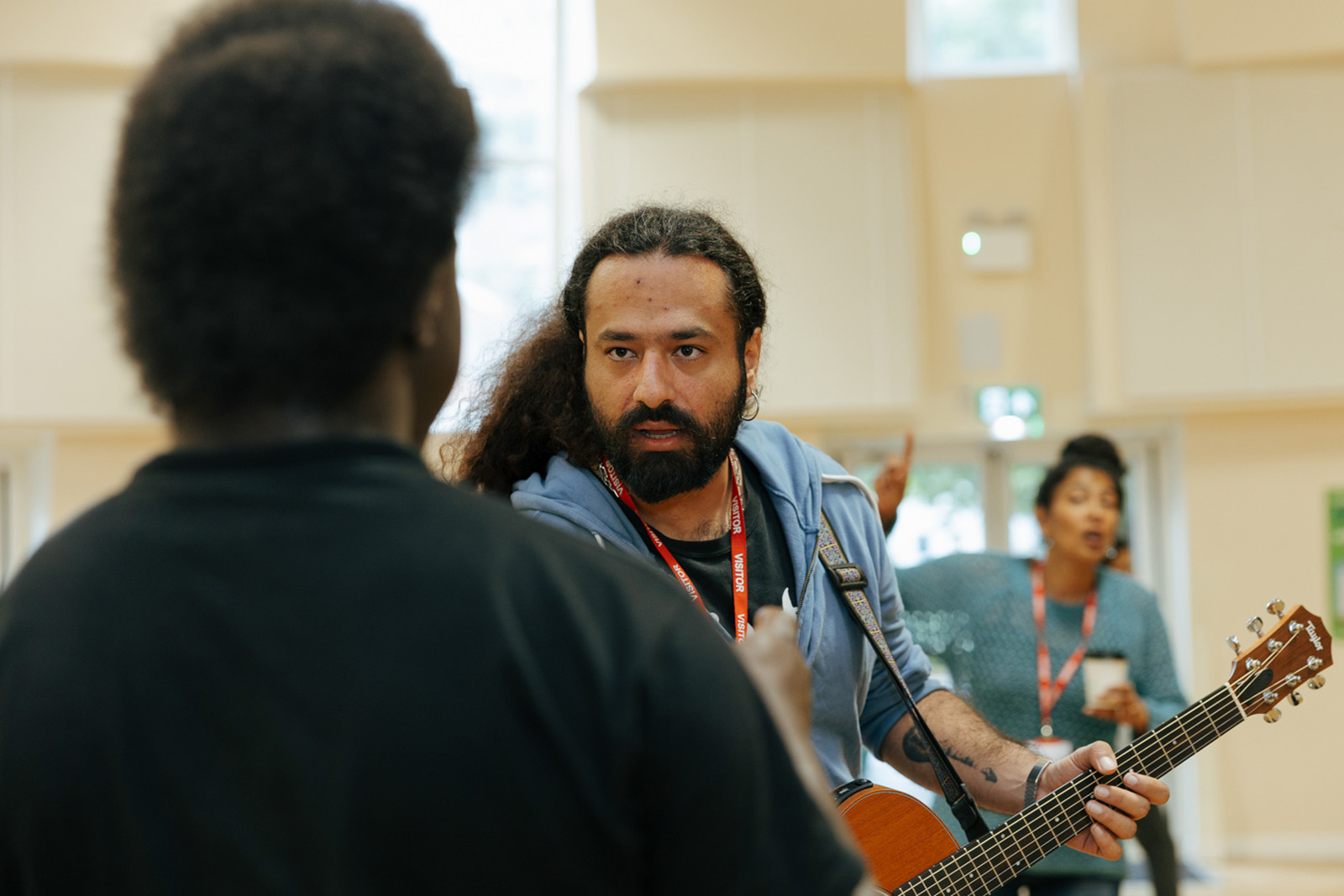
Their task is a complex one, as Weeks explains: “We’ve taken a broad range of song genres and our task is to rerecord them. Sohini sings the songs. I then transpose them into different keys and produce the instrumental scores and backing tracks, as well as guitar and piano arrangements.”
The project, commissioned by Tower Hamlets Music Education Services in summer 2025, will be completed by September, but some scores are already finished and being played in the children’s workshops.
With Khiyo, a name derived from the combination of two letters from the Bengali alphabet, Alam and Weeks, create a fusion of Bengali folk music, western and Indian classical music, rock and blues. Alam’s vocals are always in Bengali.
Formed in 2007, the band has released two albums and produced soundtracks for several films, including award-winning director Leesa Gazi’s Rising Silence and A House Named Shahana, which was selected as Bangladesh’s official entry for the 2026 Oscars foreign film category.
Alam, who was born in north London, lived in Bangladesh for almost 10 years from the age of nine. There she was exposed to Bengali music every day. She says the band has allowed her to explore that musical background.
“Being British Bangladeshi has given me so many opportunities to pass my musical knowledge on,” she says. “So many kids come up to me after our concerts and say they didn’t know that Bangla music existed in a form that would be accessible to them.”

She is also musical director of the arts company Komola Collective, has performed in front of King Charles, and has been a frequent collaborator with dancer and choreographer Akram Khan for the past 15 years.
Weeks, meanwhile, is a composer who works with the English National Ballet and Faber Music and writes film and classical scores.
Their children’s workshops, which typically last for an hour, take place around once a week in schools across London. Over the years, they have led to performances at the Royal Albert Hall and Trinity Buoy Wharf.
“For the kids, if you’re playing some Bengali music on the recorder, and then you also play a bit of Mozart, you’re likely to think: ‘Oh, hang on, this is all music, isn’t it?’” says Weeks. “That way, they manage to create these connections.”
Alam also runs workshops for teachers. Her aim is to help school staff improve their understanding of the cultural backgrounds of the children in their classes.
“If you want to connect with kids in Tower Hamlets, you need to focus on the music they’re familiar with,” she says. “To do that, you need to understand the community’s migration history and the things that matter to them.”
Back at New North Academy, teacher Amy Stark says she has noticed a difference in the children’s confidence.
“Some kids who weren’t willing to speak up in class have been using their voices really well in the workshops,” she says. “I think that’s now being reflected in the classroom. They’re more willing to share their thoughts.”
Related content
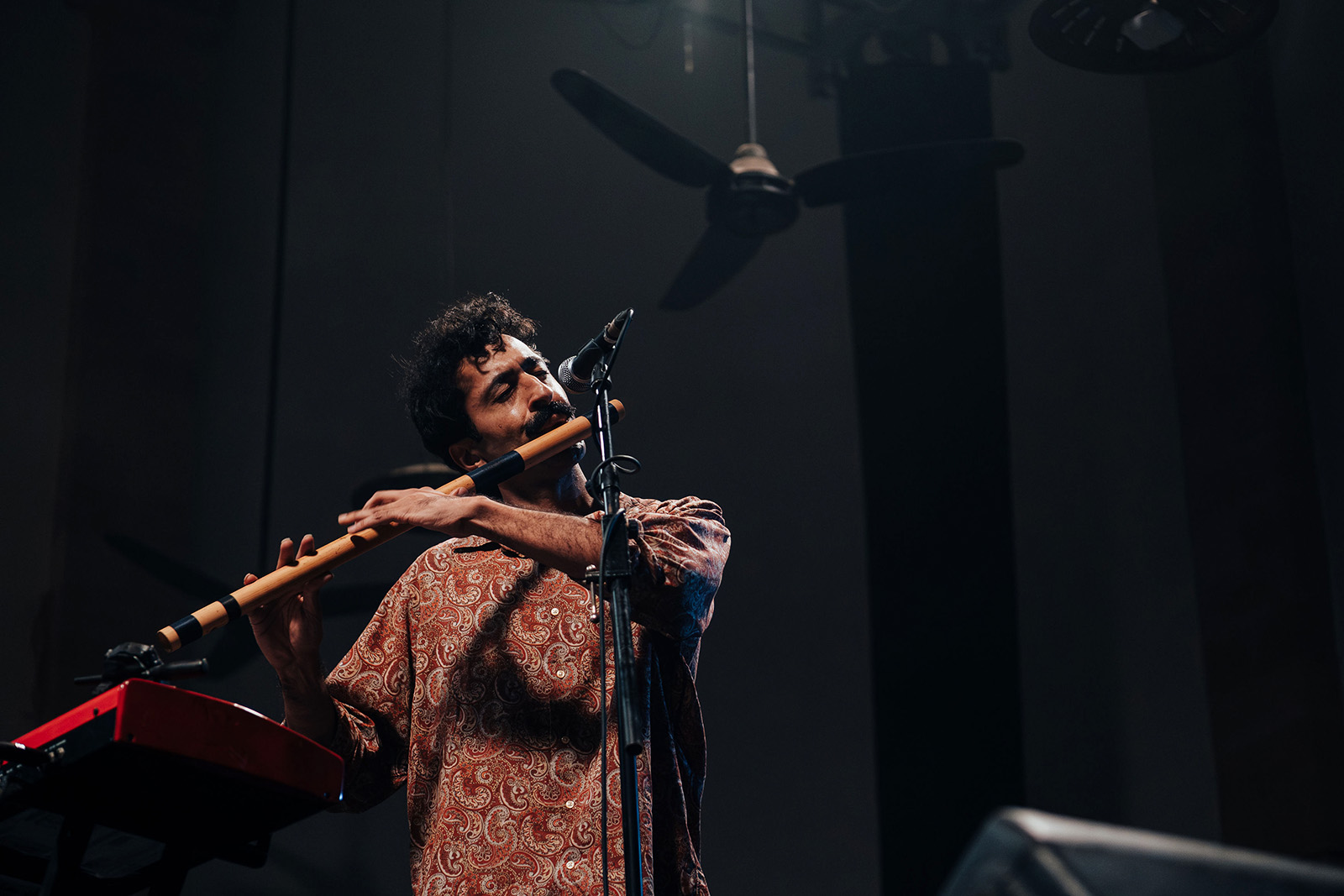
For most of the children, the Barbican show will be the first time they’ve played music in front of an audience. Seema says she’s “really excited” about the concert and will be practising lots. But her friend Tom* admits he’s a little nervous: “I’ve never performed in front of loads of people,” he says.
For Alam, the opportunity to inspire children through music is invaluable.
“I’ve never had a kid who did not throw themselves into it, even the ones who started off shy,” she says. “When I hear them, when they put so much heart into it, I feel really proud.
“I think normalising musical diversity in London is so important because diversity is one of the city’s greatest strengths. The whole point of music is that it highlights a shared humanity.”
The Harmonise London Refugee Week concert at the Barbican Centre takes place on 24 June. Entry is free and open to schools only. Visit the website for tickets.
*Children’s names have been changed