
Daniyal Ahmed builds bridges between musical worlds
The Pakistani performer and musicologist is uncovering vibrant traditions and placing them in the global spotlight

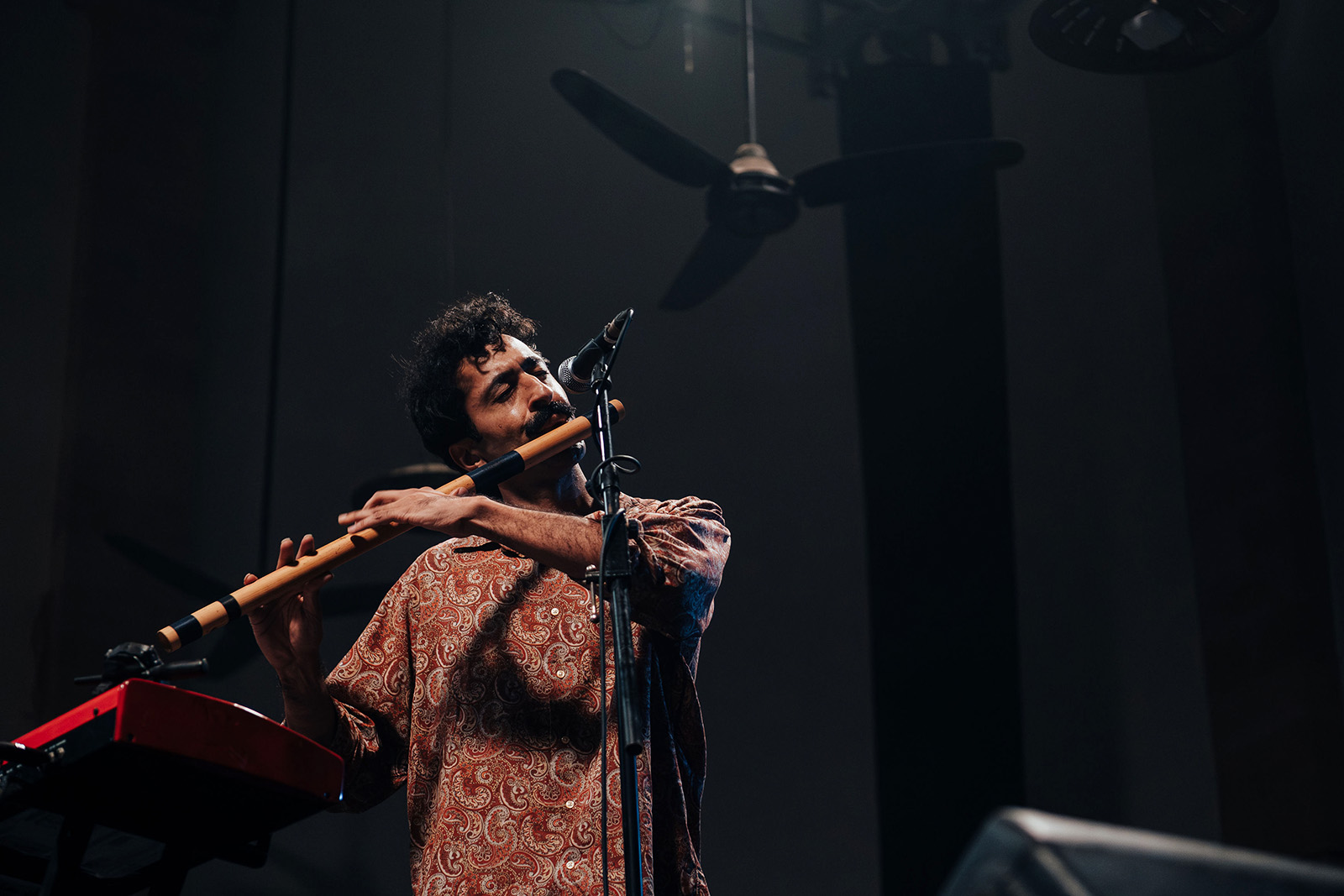
In 2019, Daniyal Ahmed embarked on a mission to seek out the legendary folk musicians of rural Pakistan. As an academic and bansuri player himself, he first decided to track down Akbar Khamiso Khan, a master of the alghoza, a double flute unique to the country’s south-eastern province of Sindh.
Ahmed had been told it was increasingly difficult to see anyone play the instrument, but when he began to travel with Khan to small town concerts, he realised that not only were plenty of people still playing the alghoza, many were still learning it.
“Our mediascapes are not so interested in this music, so we think it’s very rare,” says Ahmed. “Then there’s a whole industry all over the world that basically profits from making these things more obscure than they are.”
Related content

By that, Ahmed means the projects that direct funding to saving allegedly dying art forms. Instead, he takes the opposite perspective, focusing on understanding how the musicians he works with see themselves and amplifying traditions that he views as very much alive and still evolving. In doing so, he has created bridges into new musical worlds.
Ahmed, who was teaching at Habib University in Karachi when he began his fieldwork, occasionally uploaded videos of performances to Instagram, creating a channel on which he showcased the talents of artists such as Khan and Jai Ram Jogi, who plays a wind instrument known as a been or murli.
When Ahmed’s phone was stolen in late 2021, he lost much of the material he had recorded and never backed up. At that moment, the significance of the footage hit him. With many of the artists of advancing age, there was a limited time to record their work.
In January 2022, he travelled to the Makran coast of Balochistan in search of Ustad Noor Bakhsh, a benju player in his late 70s. During that time, Ahmed resolved to upload as much material as he could in real time. The clips from the few days he spent in the musician’s tiny village ended up changing the lives of both men.
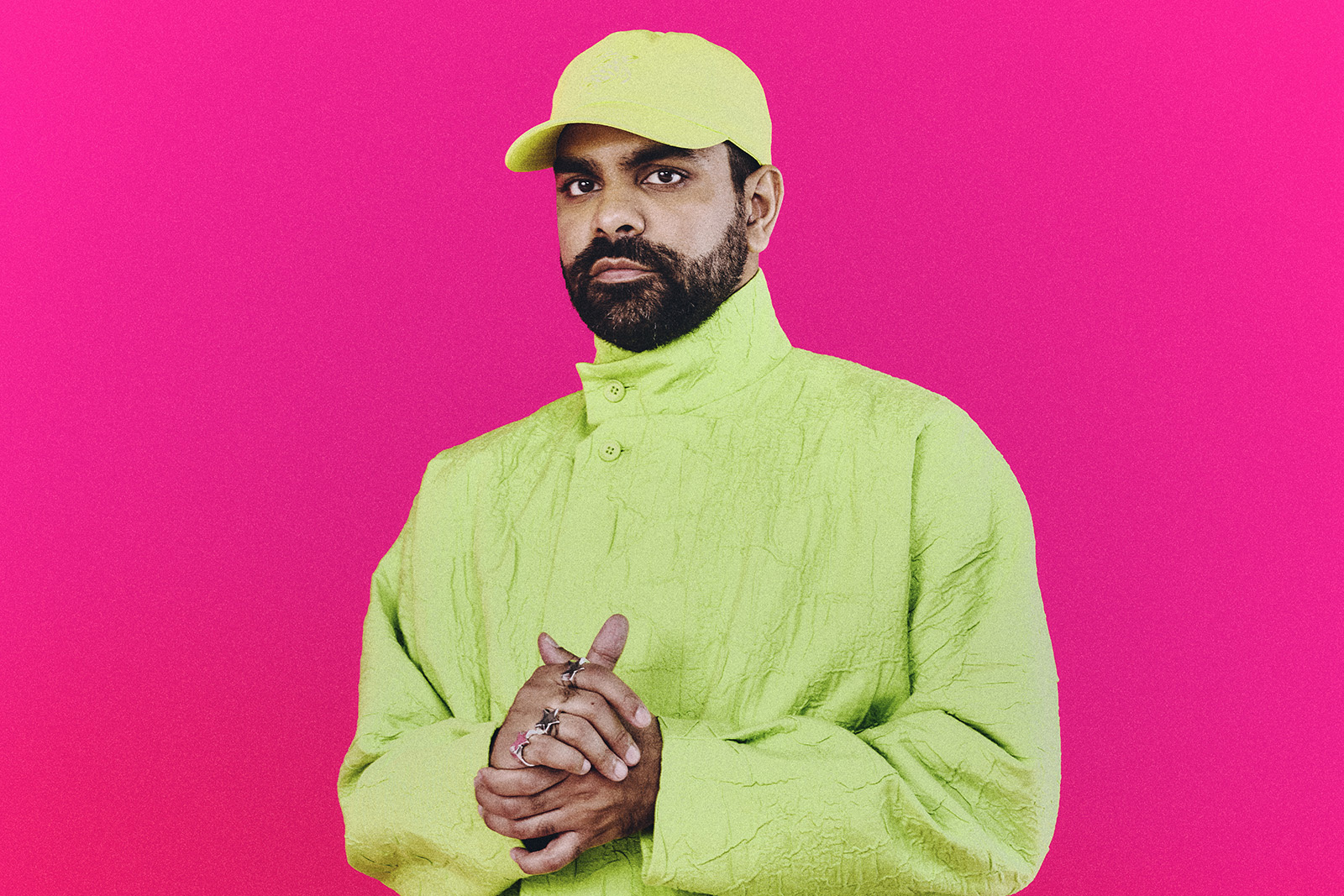
Ahmed, 35, is a natural storyteller with an eye for aesthetic framing. In his early videos, Bakhsh sits against a mountainous backdrop, strumming his zither-like instrument. Two musicians accompany him on long-necked lutes known as damburag. A tranquil creek flows nearby and the sun bathes the men in a gentle glow.
“We co-curated these first three or four videos and uploaded them and then it was just like, boom!” says Ahmed.
Three days later Ahmed went to the bazaar in Pasni, a small town near Baksh’s village, and saw two people watching the clips on Instagram. In the weeks that followed, they exploded online, spreading across Pakistan, then India, then around the world.
I first met Ahmed in 2022 in Karachi. He had already recorded an album with Bakhsh and was figuring out how to release it. “People told me that because he had so much internet virality, he didn’t even really need a label to promote him,” he says. “So I became his manager because that’s what he wanted and seemed like the only sensible thing to do.”
Jingul, released on Ahmed’s own label honiunhoni, was described by Pitchfork as a collection of songs that “leaves you grasping for the spiritual and indefinable, that burrows into your soul and glows there”.
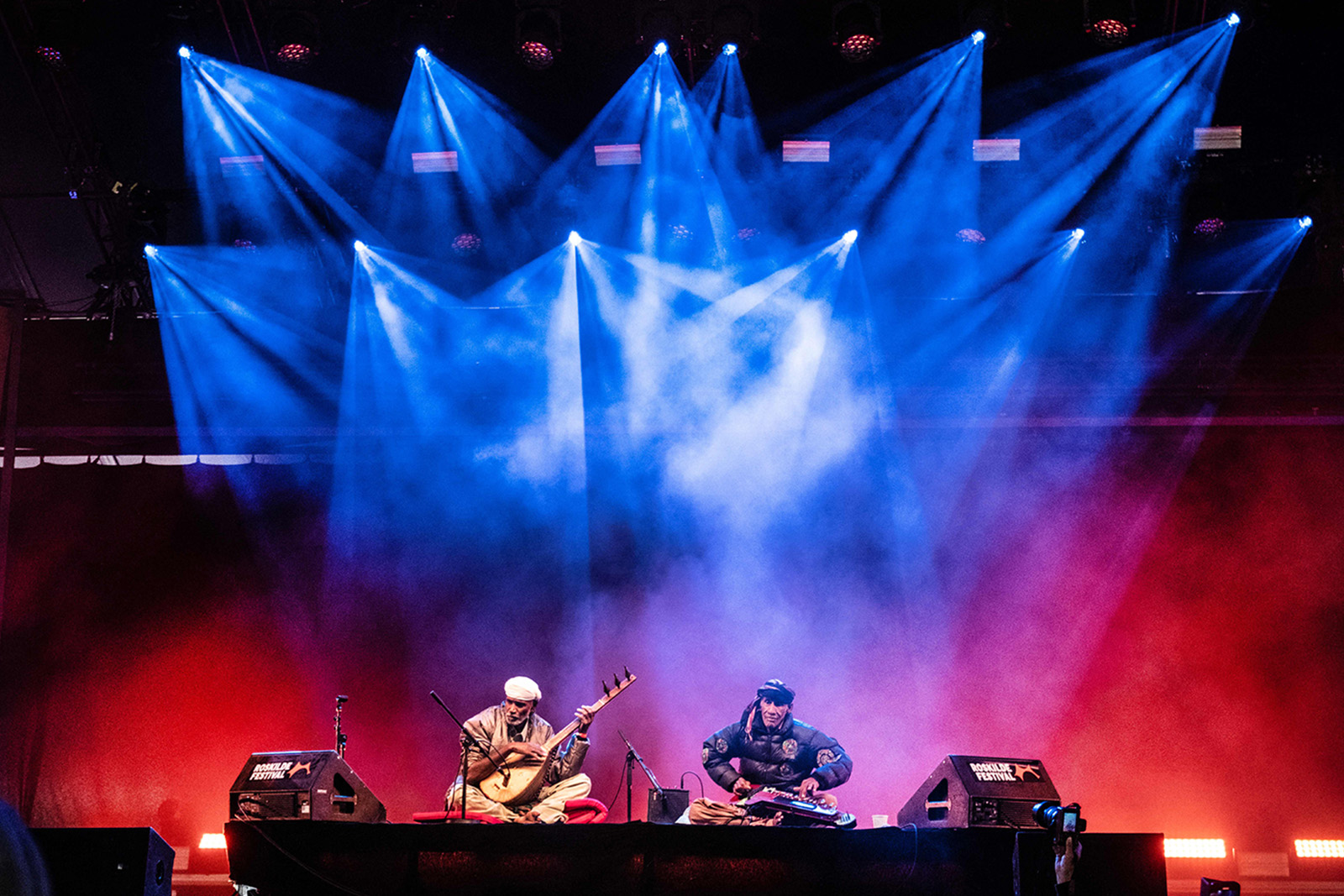
Bakhsh is now an international sensation, entering his fourth year of touring, including spots at major European festivals such as Roskilde and Glastonbury. When he is not travelling the world with Bakhsh and other acts, Ahmed now splits his time between Germany, where he is completing a PhD at the University of Hildesheim, and Karachi.
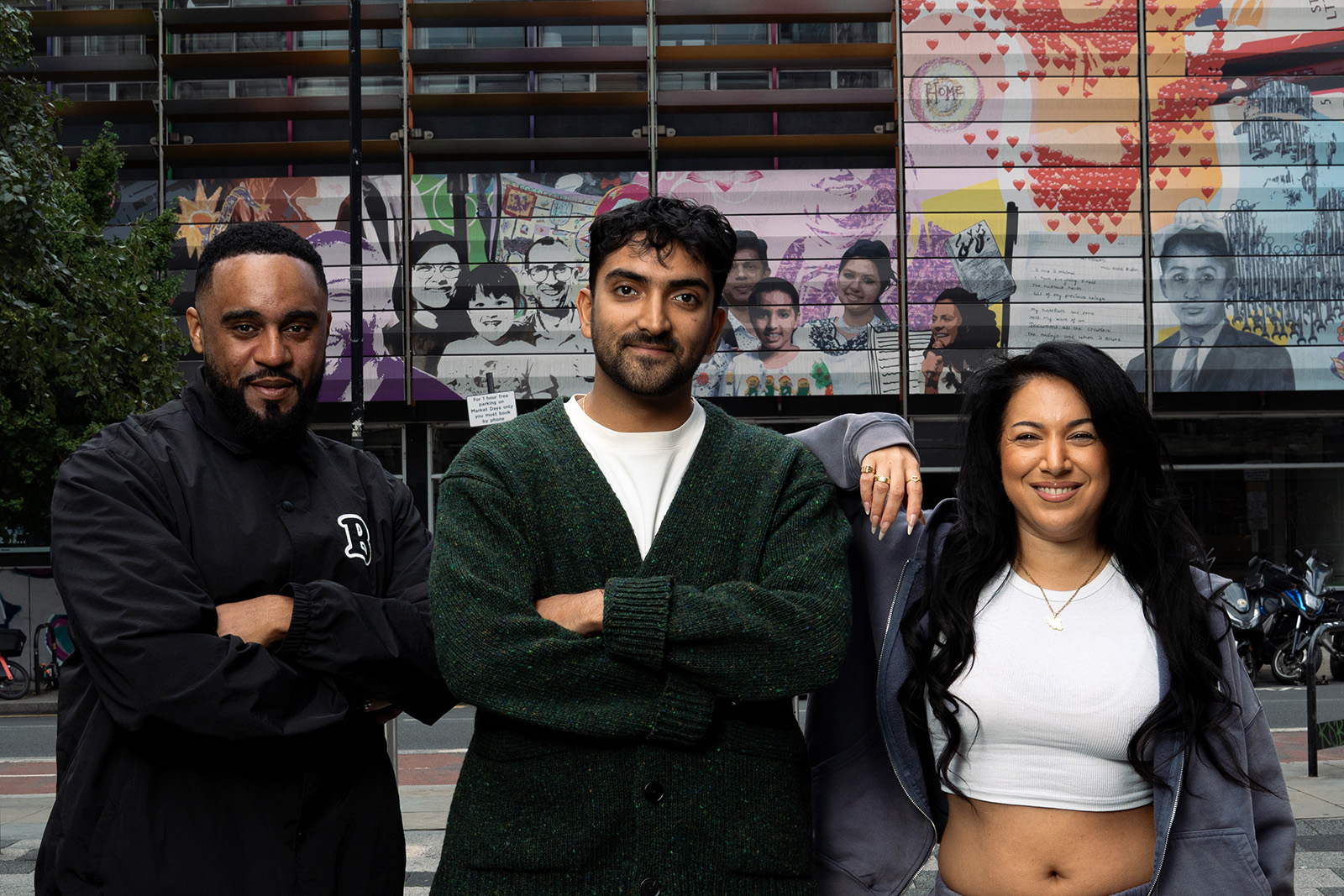
He has also become a frequent collaborator with London-based South Asian cultural platform Dialled In and will be putting on a label showcase at its annual festival on 30 May. One of the acts playing will be Tony and Billa, a duo of Germany-based sitarist Ashraf Sharif Khan and tabla player Shahbaz Hussain, who lives in the UK. While both musicians come from venerable musical lineages and are already internationally renowned in their own right, Ahmed sees repackaging them for the festival stage under their nicknames as “a way to get classical music into the global scene”.
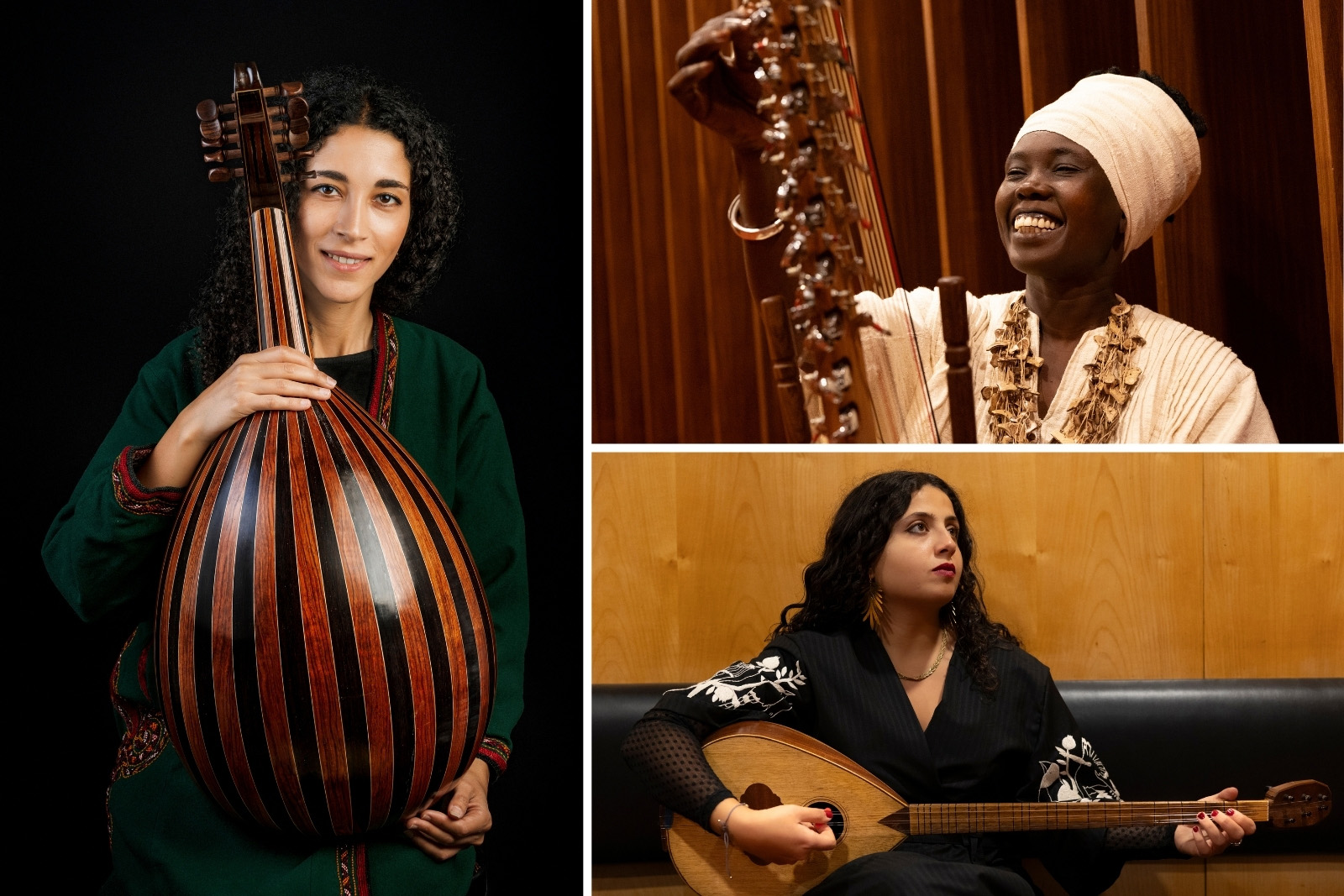
Opening for them are Hussain’s sons, tabla players Kayam and Ali, who Ahmed says are part of “the next generation of South Asian classical musicians based in the UK”.
When I ask Dialled In co-founder Ahsan-Elahi Shujaat about his relationship with Ahmed, he laughs and lists all the roles his friend takes on: musician, translator, artist manager, tour manager, agent and more. It’s not uncommon, Shujaat says, to see Ahmed run from the stage to the sound booth during a performance, make adjustments to the audio in the room, then pick up where he left off.
“Most artists don’t do that,” he says, crediting Ahmed’s all-encompassing, hands-on approach to the fact that he operates outside of music industry norms. “Why should he feel embarrassed if it’s going to make the show better?”
Ahmed’s devotion to traditional music extends to supporting artists he doesn’t directly manage or release music for. For him, it’s all about developing an “ecosystem of relationships”. He is also deeply conscious of how the musicians he works with are portrayed, resisting simplistic narratives of rural poverty that often overshadow their talent.
Related content
“He’s so emotionally invested in all of these projects,” says Shujaat. “It’s his life’s work.”
While “world music” is now widely viewed as an outdated label, Ahmed recognises that it can create opportunities for performers to make a living from their art. Reaching foreign audiences has, for instance, helped Bakhsh gain recognition at home, playing shows in Islamabad and Lahore only after having completed a European tour. For Ahmed, seeing that success loop back has created a “whole new template” of how to support the careers of other musicians.
“To my understanding [Bakhsh] is now the highest-paid instrumentalist in Pakistan,” he says. “I don’t know of any other instrumentalist who’s getting shows of that level.”
But that doesn’t mean Ahmed’s focus is on appealing to western audiences, or even those in metropolitan Pakistan. Instead, he takes a typically down-to-earth approach. “Folk musicians having 60,000 followers on Instagram and fans from all over the country — that’s really magical for me to see,” he says.
Daniyal Ahmed will be performing at the Dialled In Festival on 30 May.