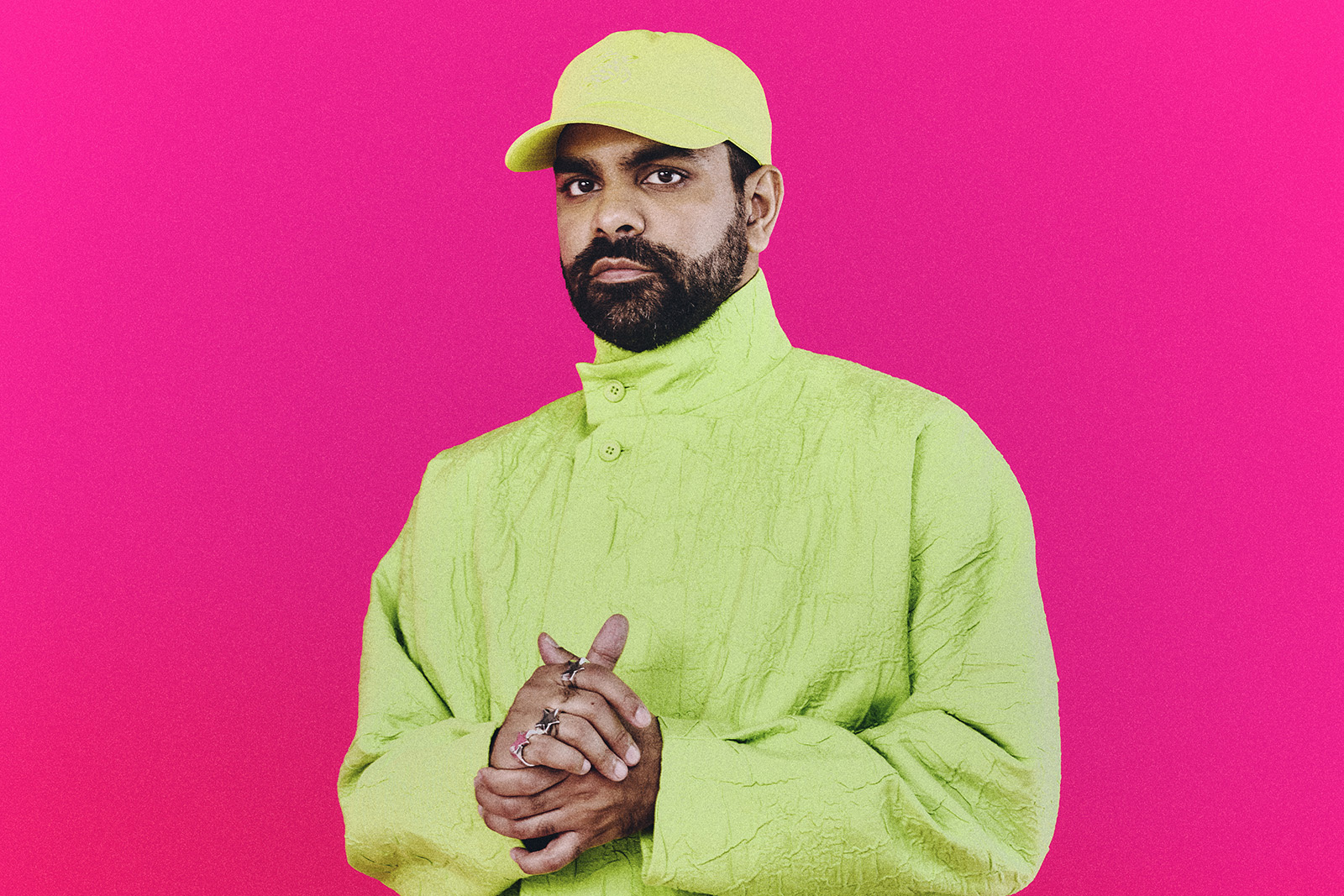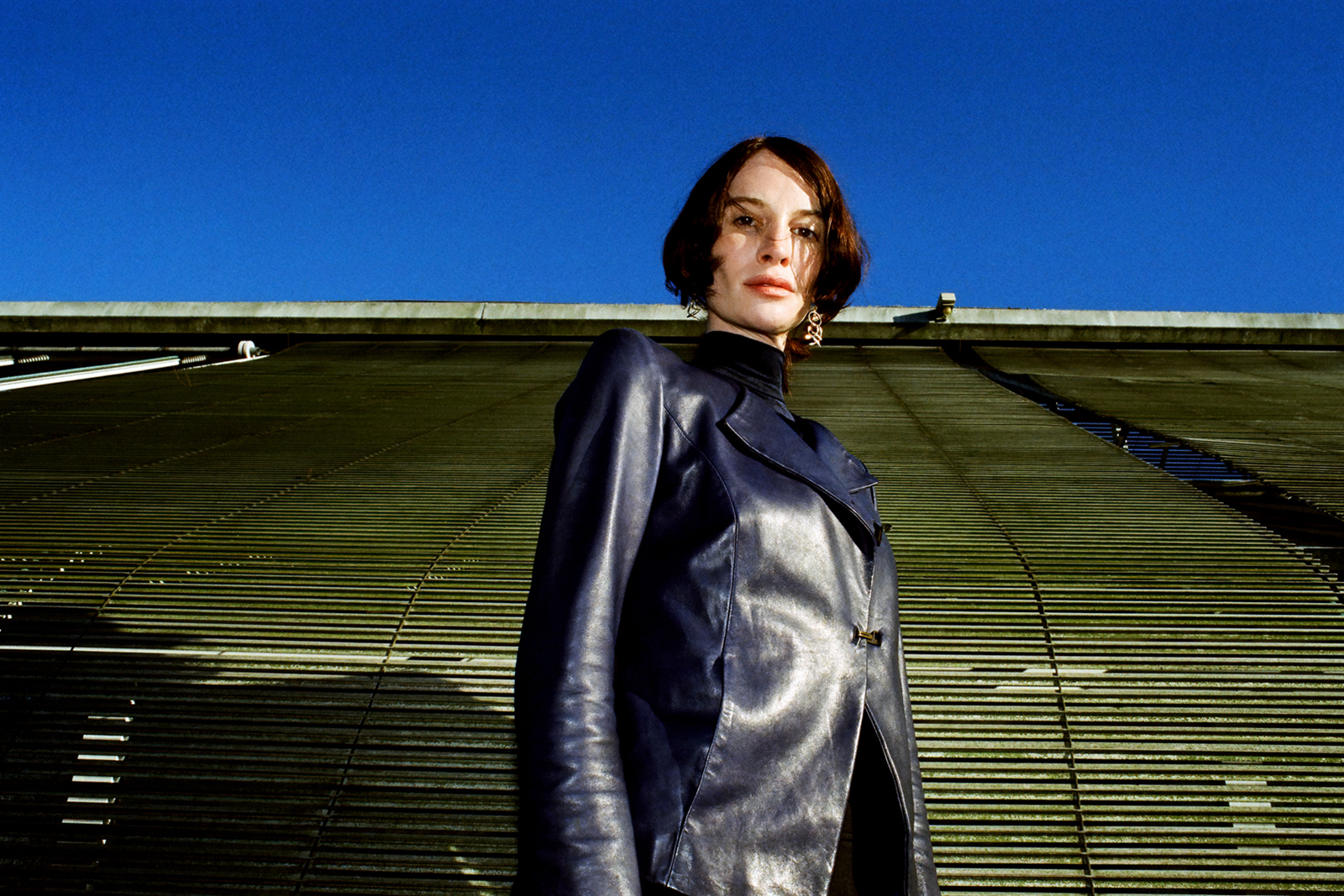

ZAINAB makes dance music filled with freedom and joy
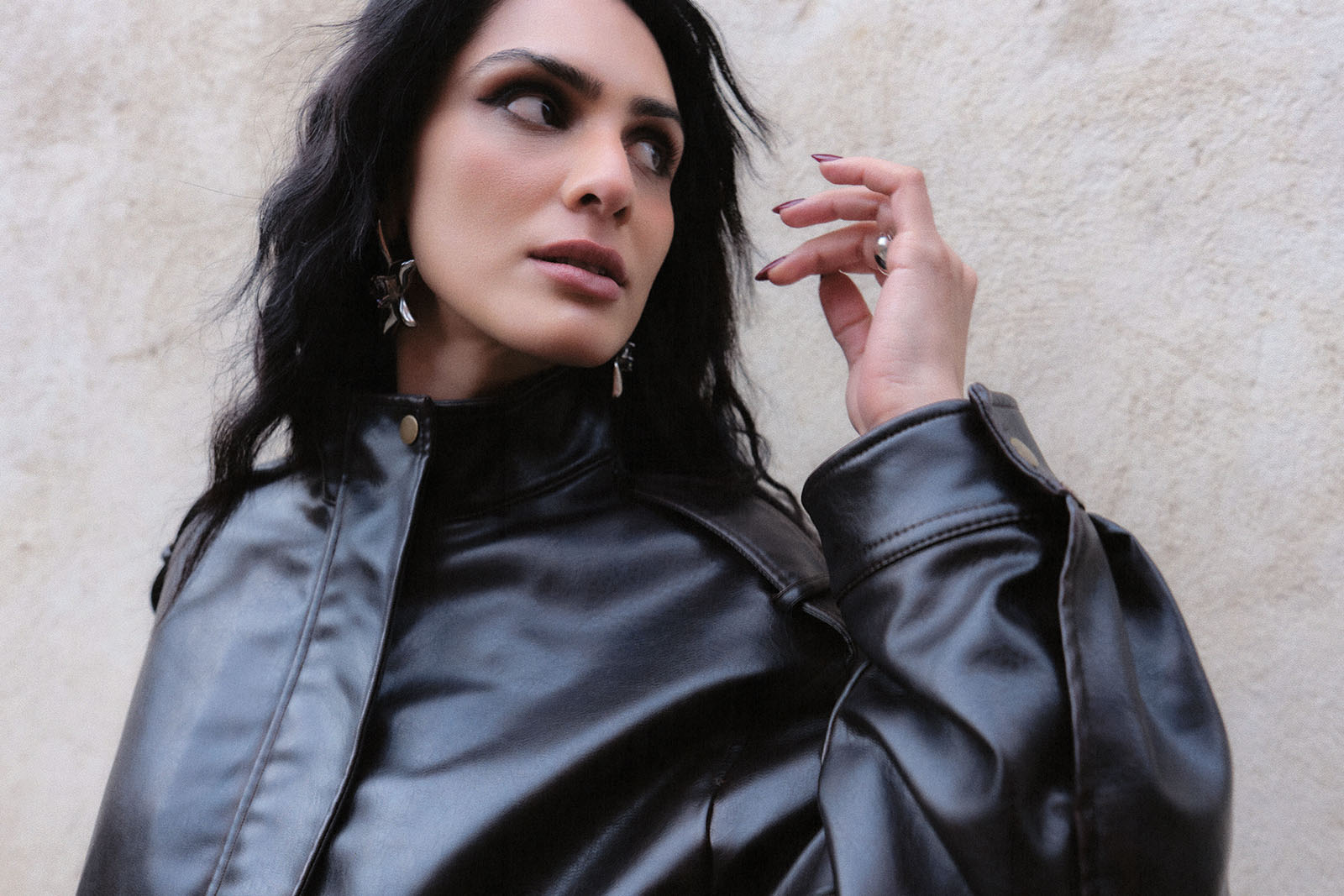
Under a new name, the artist formerly known as ZEEMUFFIN’s liberatory sounds are best experienced blasted through club speakers

“You should only start creating if you have something you want to say,” says DJ and producer Zainab Hasnain.
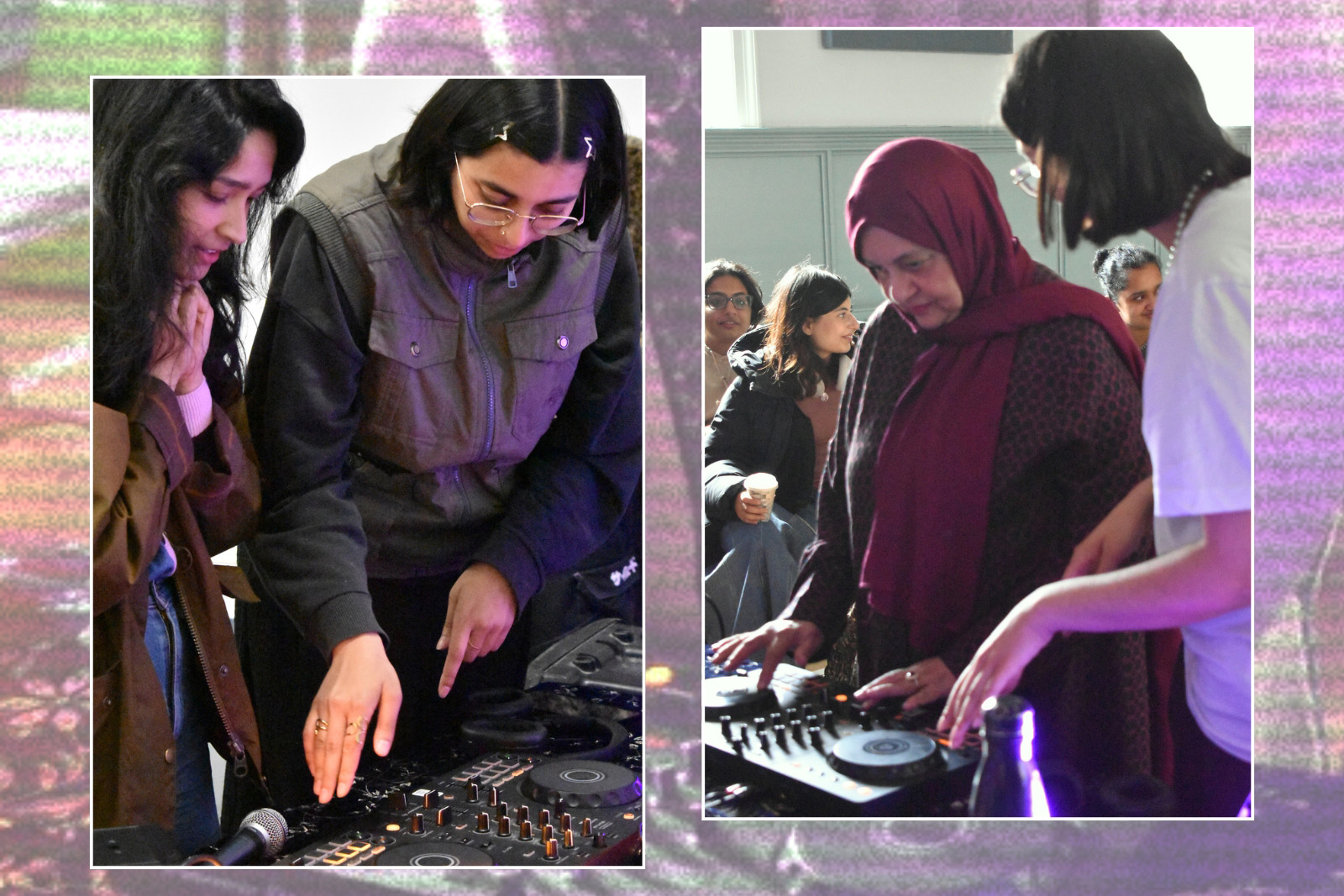
Over the past 15 years, Hasnain has been a fixture of the New York club scene thanks to her energetic and eclectic mixing style that might feature everything from 90s hip-hop to deep house and 80s Bollywood music. Performing under the name ZEEMUFFIN, she has taken her uniquely lively blends to Glastonbury, Coachella and Boiler Room, as well as fronting her own party series, Azadi, which encourages DJs to delve into the niche corners of their record collections.
Not content to remain a selector, however, Hasnain, is now entering a new creative chapter: realising her own music for the first time under her own name, ZAINAB.
“For a long time I expressed myself through DJing,” she says. “But more recently I realised I wanted to make music of my own because I needed to embody my heritage through the sounds of the two cities I call home: New York and Lahore.
“I’d been contemplating changing my artist name for some time and it felt right to do it now and mark this new phase as a producer. I realised that Zainab [Arabic for “fragrant flower”] holds so much beauty and, as desis, we’ve gone our whole lives allowing people to mispronounce and distort our names but we’re lucky enough to now live in an era where we’re owning our identities and embracing it. If people can say Timothée Chalamet they can definitely say Zainab.”
That celebration of identity forms the basis of Canal View, Hasnain’s debut EP of original music as ZAINAB. Named after the Lahore neighbourhood where she spent her early childhood years, the record’s six tracks are a sonic retelling of Hasnain’s life and key influences. Songs such as Delhi Gate feature the melodic motifs of piano house, in homage to the New York dance scene, while Jadoo features Hasnain’s own Urdu vocals over a baile funk drum loop.
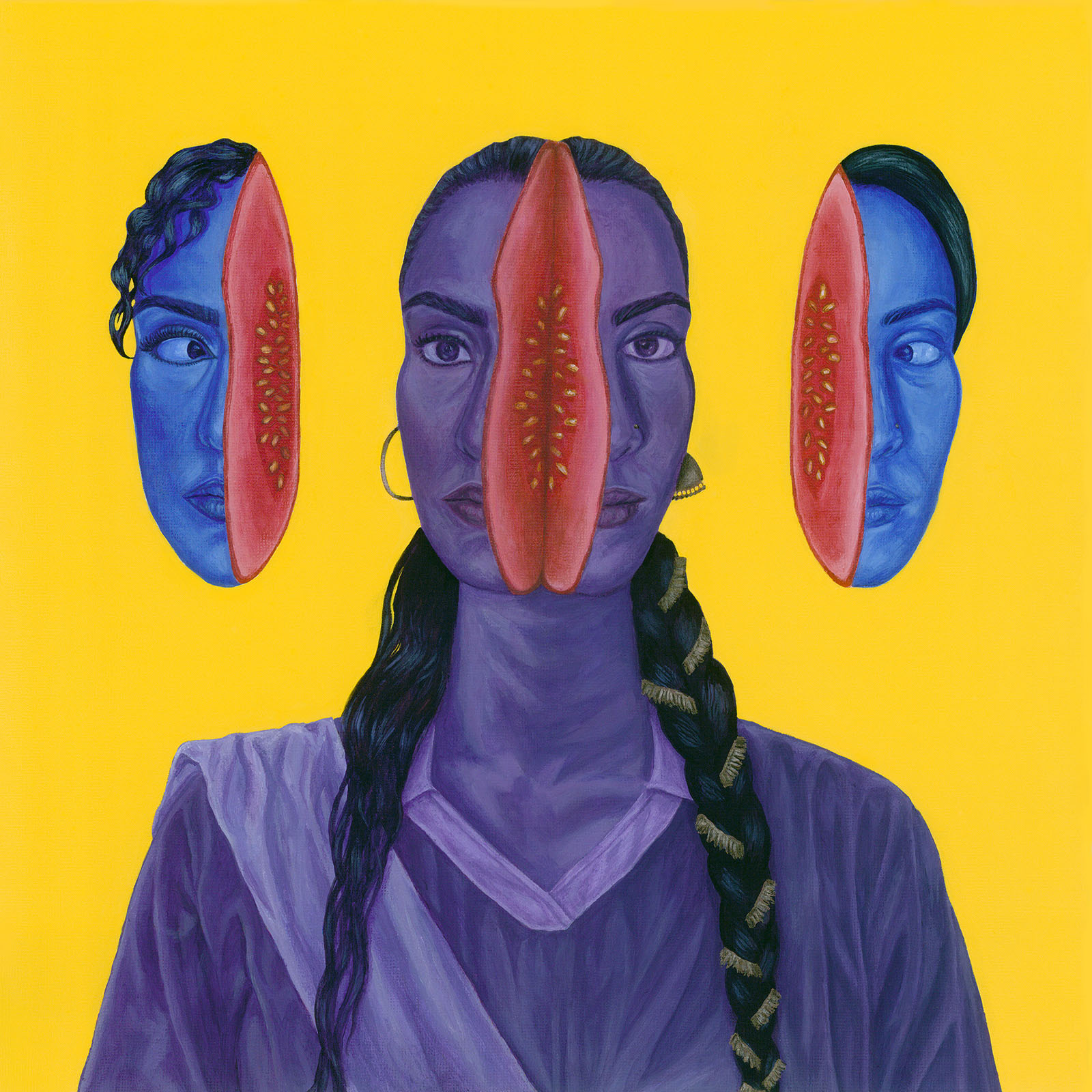
Azadi, meanwhile, samples chants from students in India protesting against the Modi government, as well as a Pakistani protest for freedom in Kashmir over a thunderous, reverberating bassline.
“That song is a rallying cry for anyone who is fighting for freedom right now,” Hasnain says. “My very existence as a migrant is political and the dancefloor is a liberating space, so this song encapsulates that feeling. Every time I play it live now, the energy in the crowd is almost too powerful.”
Made to be blasted through club speakers, Canal View exudes a feeling of hands-in-the-air release and encourages listeners to move to Hasnain’s ebullient rhythms. “Going from Lahore to New York, I’ve never been one thing so I wanted the music to reflect that multitude too,” she says. “If you’re a kid from those cities or anyone else from a diaspora or an inbetween, I hope you see yourself in it.”
Raised in Lahore as the eldest of three siblings, Hasnain would often find herself in her parents’ basement, where the family would hold music nights with local qawwali artists. At five years old Hasnain and her family relocated to New York. There, once she reached her teenage years, she found a musical space of her own.
“I loved A Tribe Called Quest, 50 Cent, Wu Tang Clan, the whole culture just drew me in,” she says. “As a Pakistani girl, I could often feel outcast in those spaces, though, since there weren’t many other people who looked like me at hip-hop shows.”
It wasn’t until living alone while studying at New York University that Hasnain began to discover a different type of community in electronic music.
“I had several fake IDs and would go to see bands like the Arctic Monkeys, the Libertines or Klaxons all play at Webster Hall, since I was also really into indie music,” she says. “In the basement after those gigs, though, they would have DJs on and that’s where I discovered electronic music. I realised that DJing is an art form that combines all the things I love of storytelling and creating energy collaboratively with the crowd. Something clicked and it changed my life.”
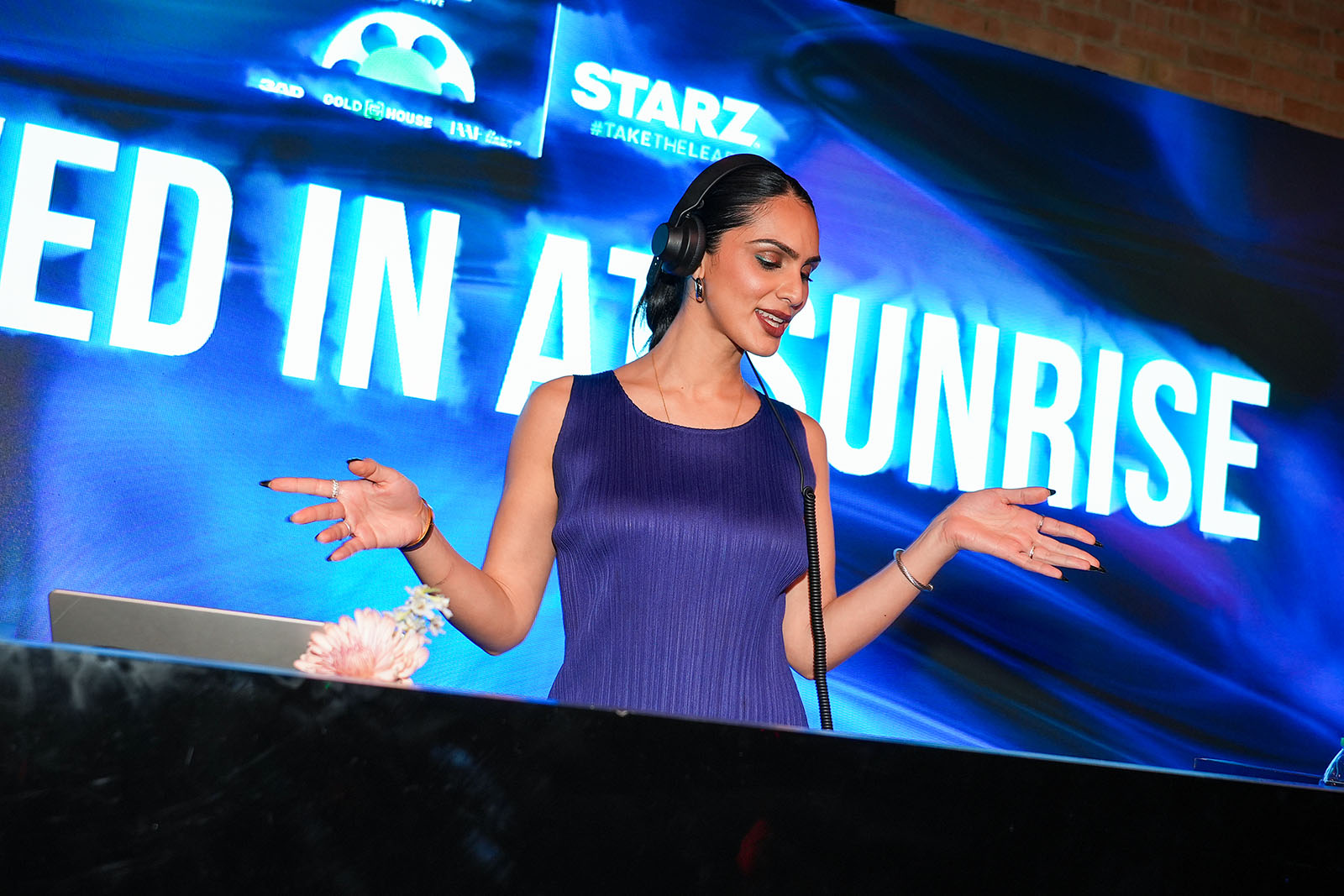
After graduating, Hasnain began to spend her savings from a job in finance to travel to electronic festivals such as Miami’s Ultra, where she would catch sets by her favourite DJs. She also enrolled in a local DJing course where one of her tutors discerned an innate talent for mixing skills and set her up with a debut gig at the now-closed Westway club in Manhattan.
“I did two hours opening for the headliner and absolutely loved it. I begged the promoters to give me a residency there and that was my Beatles in Hamburg time,” she laughs. “I faced so much harassment and discrimination being a brown female DJ but I also fucking loved playing. It gave me the confidence to know this is what I wanted to do and it’s meant that I’ve now done every type of gig so I can do any type of DJ set.”
Related content
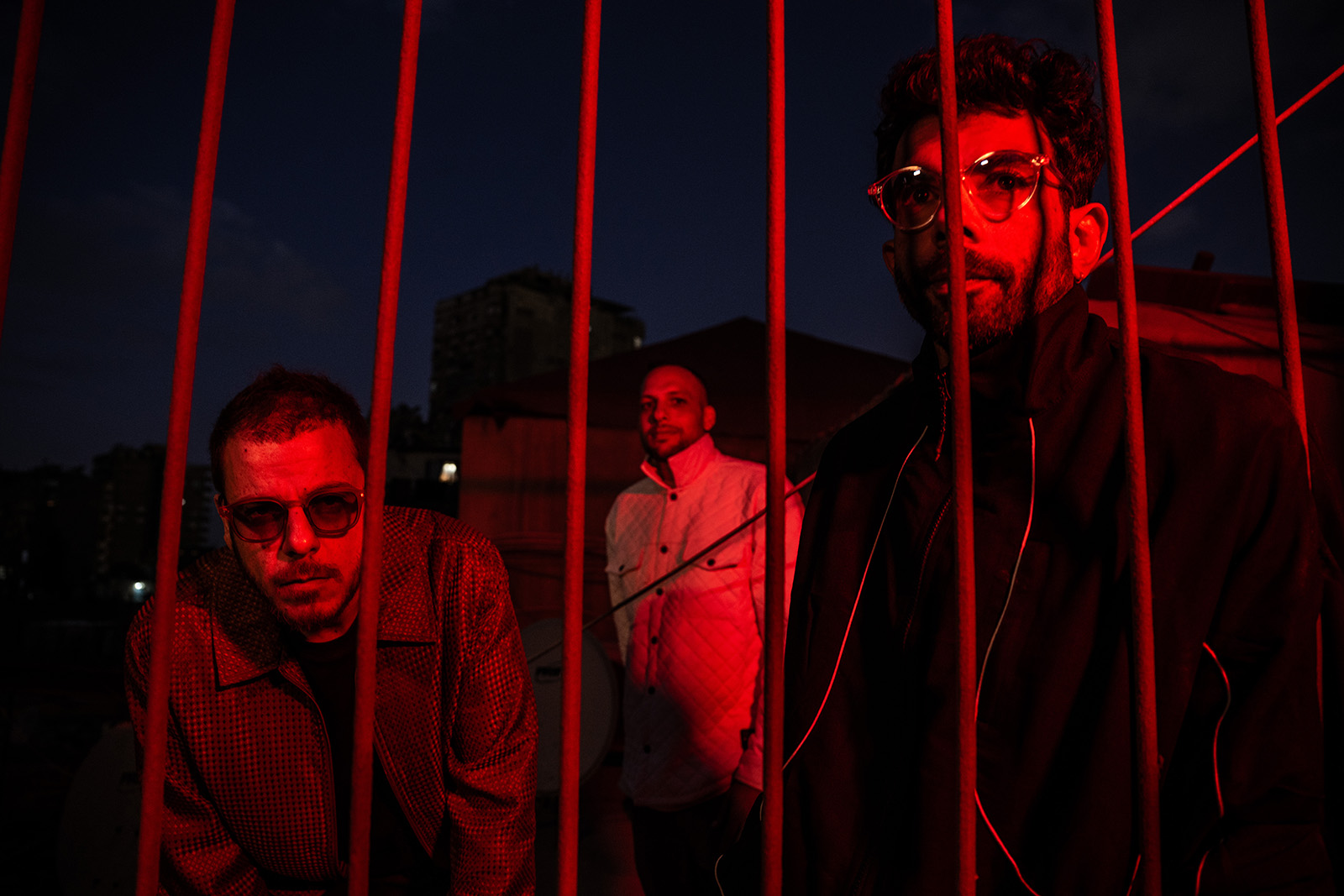
Taking that wide-ranging experience and running with it, Hasnain set up her own party, Azadi, in 2024 as a space where she could explore her roots further. “I wanted to play stuff not normally heard in New York, like music from the Swana diaspora, since when I started out there was zero space for that,” she says.
“I want to represent my culture and heritage as well as encourage others to do the same and dig into their passions. If a white DJ loves and wants to play Arabic music, go for it. Azadi is all about giving freedom to artists to showcase what they’re excited about.”
Fresh from a run of four sold-out Azadi shows at New York’s Public Records in April, Hasnain has plans to expand the concept into a label as well as an online platform where she can champion the community of artists she has built around the night, including producers UNIIQU3 and Sidd. She will also be taking Canal View on the road across the US in September and the UK and EU later in the year.
“It’s all about giving people the same energy of freedom and joy I had while making the record,” she says. “I can’t wait to get out there as ZAINAB and truly express myself.”
Canal View is out on Ninja Tune’s Technicolour label on 14 August.