
Ahadadream’s propulsive productions bring diaspora identity to the dancefloor
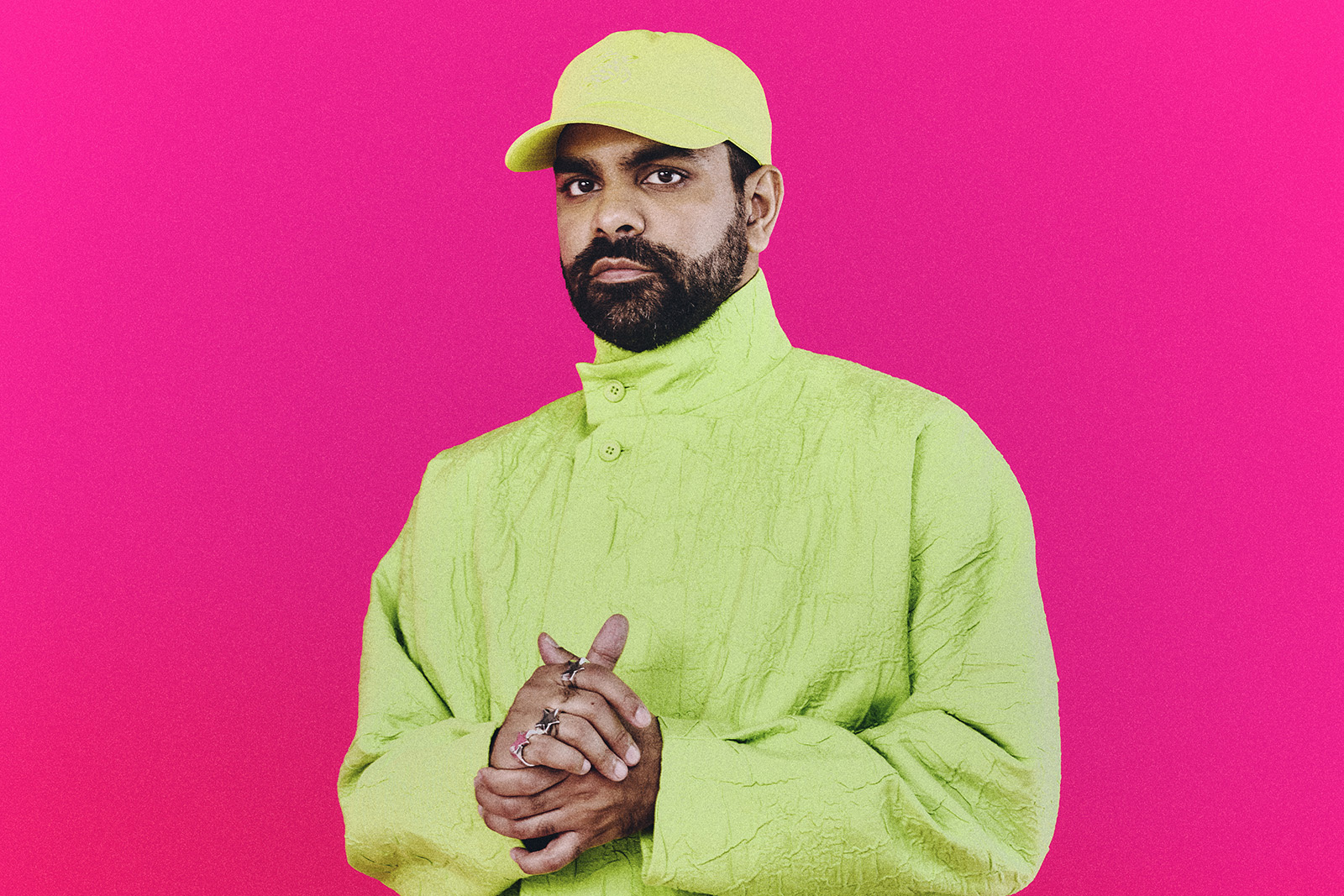
With a provocatively titled debut album ready for release, the producer, DJ and Dialled In festival founder is loudly and unapologetically celebrating who he is
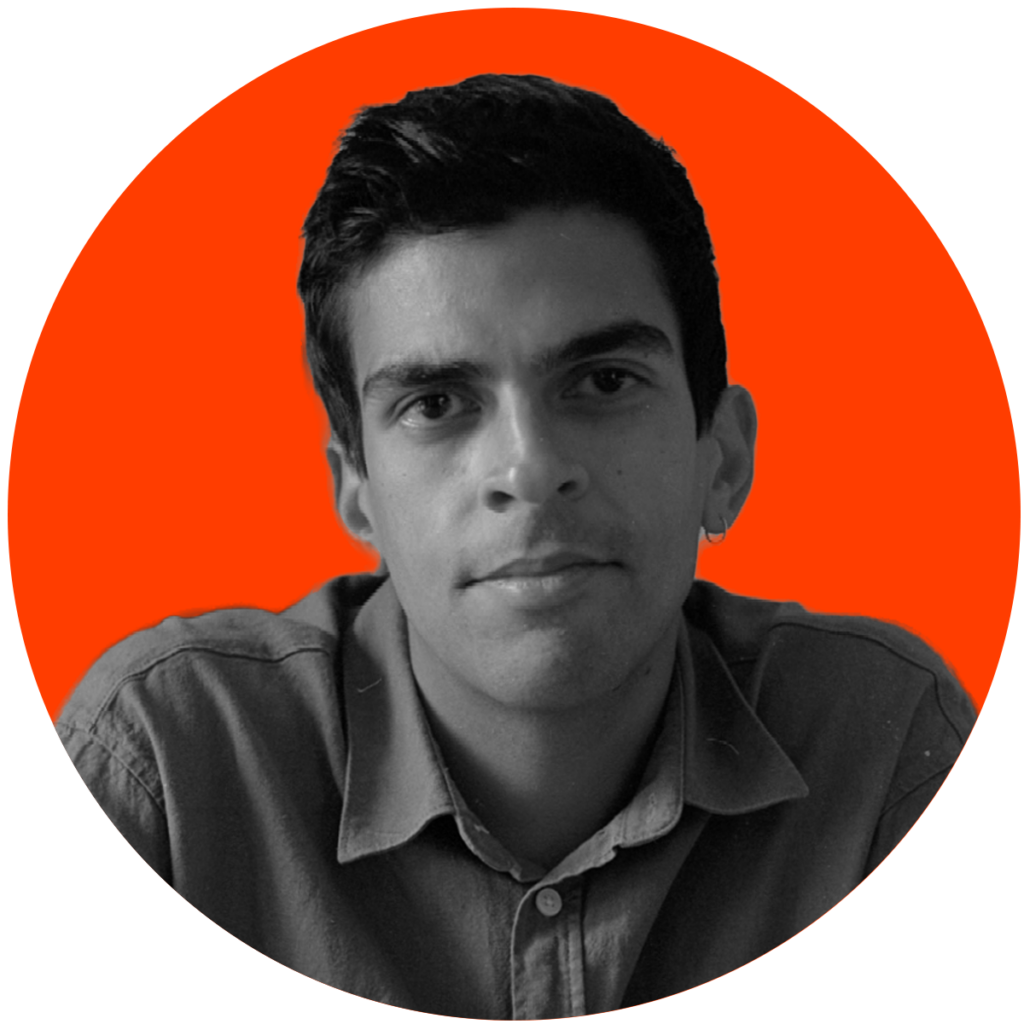
“I’ve seen so many musical trends come and go but I’m just interested in what makes me me,” says Ahad Elley, who is better known as DJ and producer Ahadadream. “What makes me unique is being born and brought up in Pakistan, then moving to the UK and falling in love with dance music. It’s made my DJ sets and productions a reflection of my life’s experiences.”
For the best part of the past decade, Elley has been at the forefront of a new wave of South Asian producers in British electronic music. A frequent collaborator with maximalist EDM pioneer Skrillex, as well as the co-founder of South Asian-focused club night No ID and festival Dialled In, he has delivered a relentlessly high-energy catalogue of music that brings diaspora culture squarely onto the dancefloor. Following the huge success of his 2024 single Taka, featuring Skrillex and singer Priya Ragu, Elley is now set to release his most personal and expansive work to date.
Related content
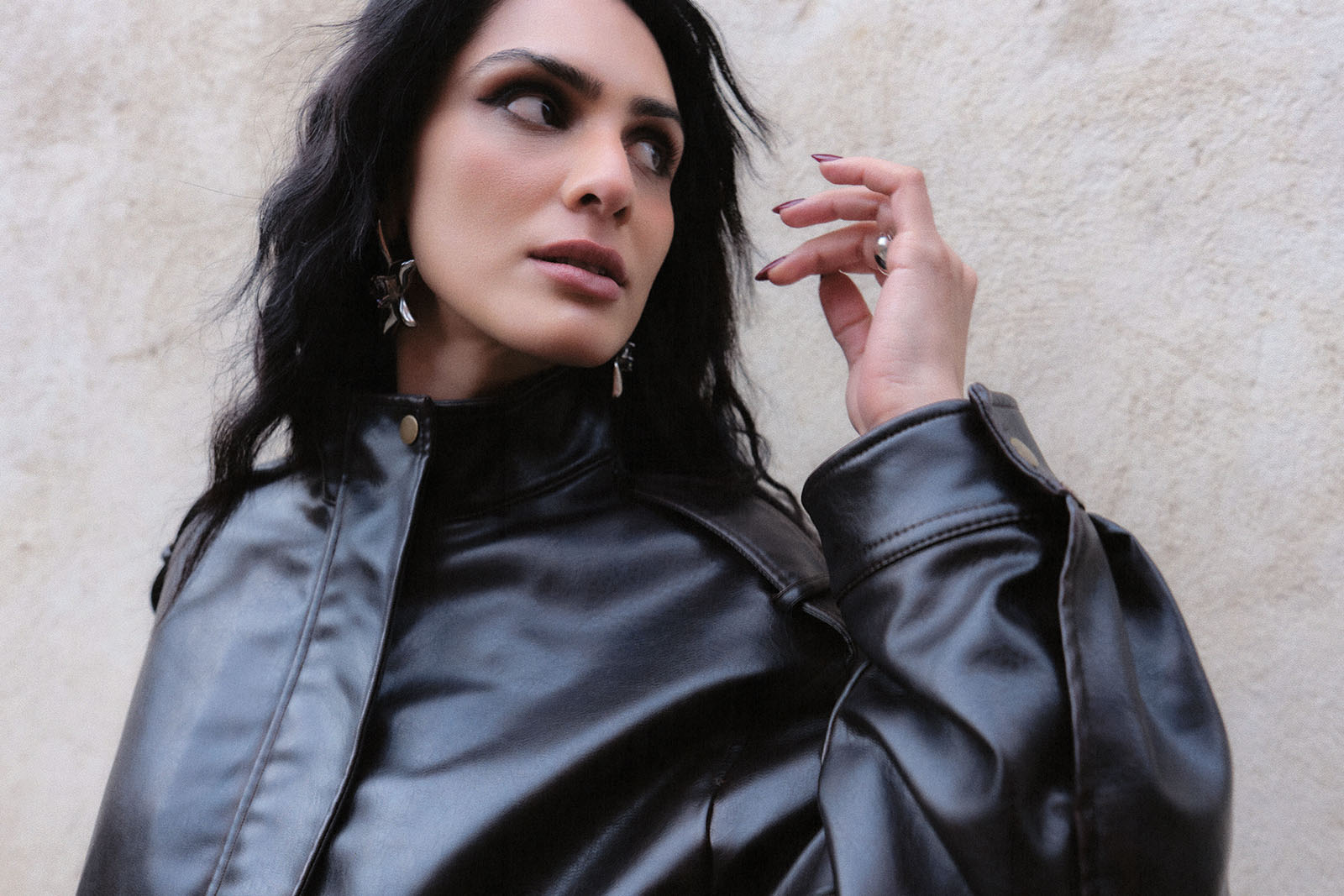
Pronounced “pee-star-kay-eye”, his debut album P*KI is a provocative reframing of a racial slur through 11 tracks of bass-heavy percussive power. “The record is an embodiment of my DJ sets, which combine the sounds I’ve been exposed to, from getting into UK funky and bass music to travelling to Brazil and listening to baile funk in the favelas, singeli music in Uganda and Sufi music in a shrine in Karachi,” Elley says.
“It’s all summed up in the title, which I’ve had in my phone’s notes app since 2019, at least. I grew up in Pakistan where that word wasn’t a slur, it was a way to describe where I’m from. I didn’t want the racists to decide how I view myself — I want to be loud and unapologetically who I am.”
That confident sense of self-celebration comes through in the album’s genre-hopping productions. The opening track Tere Bin samples Sufi singer Nusrat Fateh Ali Khan over Elley’s signature kick drum-laden percussion, while Make Space references the multicultural and egalitarian foundations of classic house music. Later on, Koi Si chops the 2023 Punjabi hit by Afsana Khan and Nirmaan over a two-step-garage-referencing beat and the closing Taka blends liquid dhol rhythm with Skrillex’s frenetic, club-focused sound design.
“I’ve been making my own music for the past 10 years and it felt like it was finally time to put out a debut album that could represent my journey so far,” Elley says. “It’s the first of what I hope are many, many more albums to come.”
Born in Islamabad, Elley’s formative musical experiences took place on the dancefloor at raucous family weddings, where he had his first experiences of the power of sound systems. After moving to Karachi with his family, he began to develop his own tastes, including US bands such as Limp Bizkit and Linkin Park, and rapper Eminem.
“It wasn’t until we moved to England when I was 12, though, that I really felt the cultural mismatch of being from Pakistan,” he says. “We came over because my sister was going to university here and my parents wanted to give me a better education, but we ended up in a small village in Bedfordshire where I was the only South Asian boy in school. We moved right after 9/11, when there was a lot of Islamophobia in the media and since I had a thick Pakistani accent I got into a lot of fights in school initially. It took a while for me to learn how to fit in.”
Eventually settling into his new environment, Elley became an avid reader of the NME and a follower of the early 2000s indie scene, learning the guitar by playing tunes from his favourite bands including the Arctic Monkeys and Bloc Party. Then he went to the University of Surrey, in Guildford, to study chemistry and fell in love with dance music.
“Dubstep was just getting big at the time and we’d listen to Annie Mac and the guest DJs she would put on Radio 1 before going on nights out,” he says. “I joined the Bass Music Society, started a show on student radio and eventually started putting on my own nights in a sweaty, 200-capacity basement in Guildford.
“I was booking people I still love today like Madam X, DJ Barely Legal [now Chloé Robinson], Dismantle, DJ Q, using my student loan and losing a lot of money. It was a huge buzz to see them play, though, and to open the night myself. It began this whole ethos of not waiting for other people to book me but to just book myself instead.”
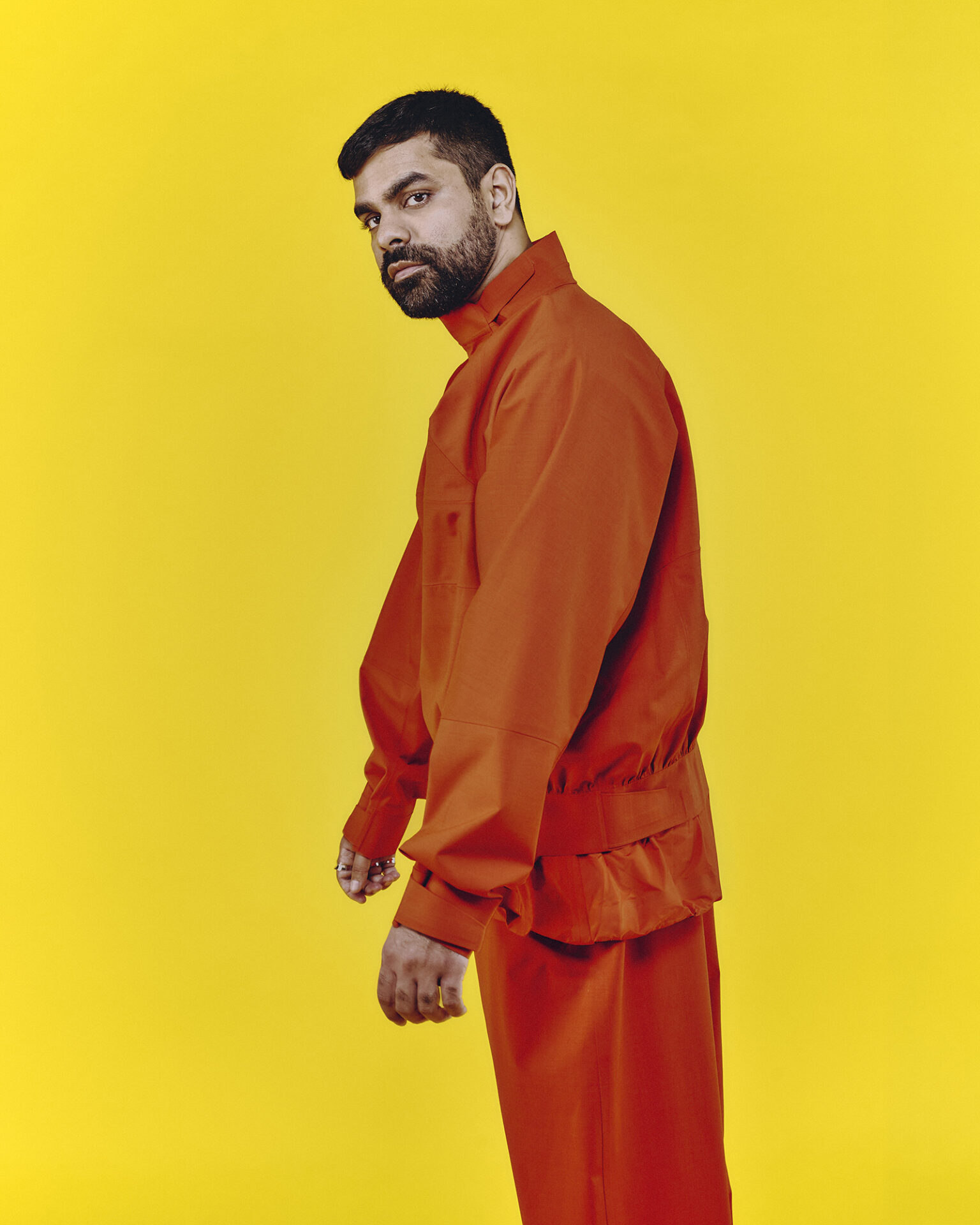
Noticing how he would often be one of the few South Asian attendees or performers at club nights or festivals, Elley began to build a list of diaspora DJs, producers and artists, such as Nabihah Iqbal, Jyoty and Manuka Honey. In 2019, he decided to put that list to use, throwing the first of three No ID parties in Rye Wax, Peckham, with fellow DJ Naina.
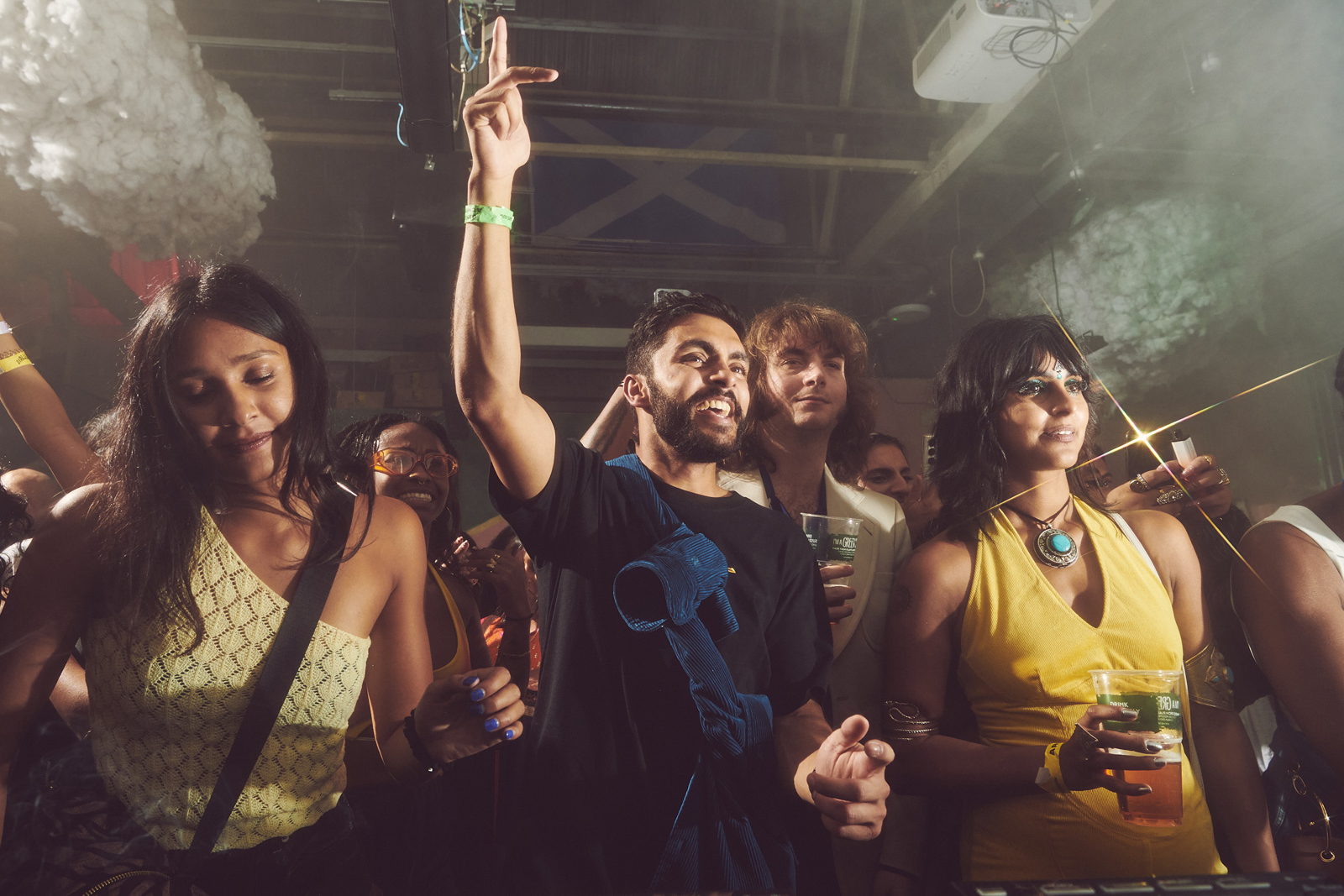
“I’d seen so many DJs killing it and wanted to platform them somehow. The reaction was so amazing to the first one it felt like we had to keep going,” he says. “When the pandemic hit, it unfortunately put an end to the nights, but then Waltham Forest council approached me in 2021 to ask if I wanted to put on anything in the borough and I decided I wanted to throw a South Asian-focused festival. That was how Dialled In was formed.”
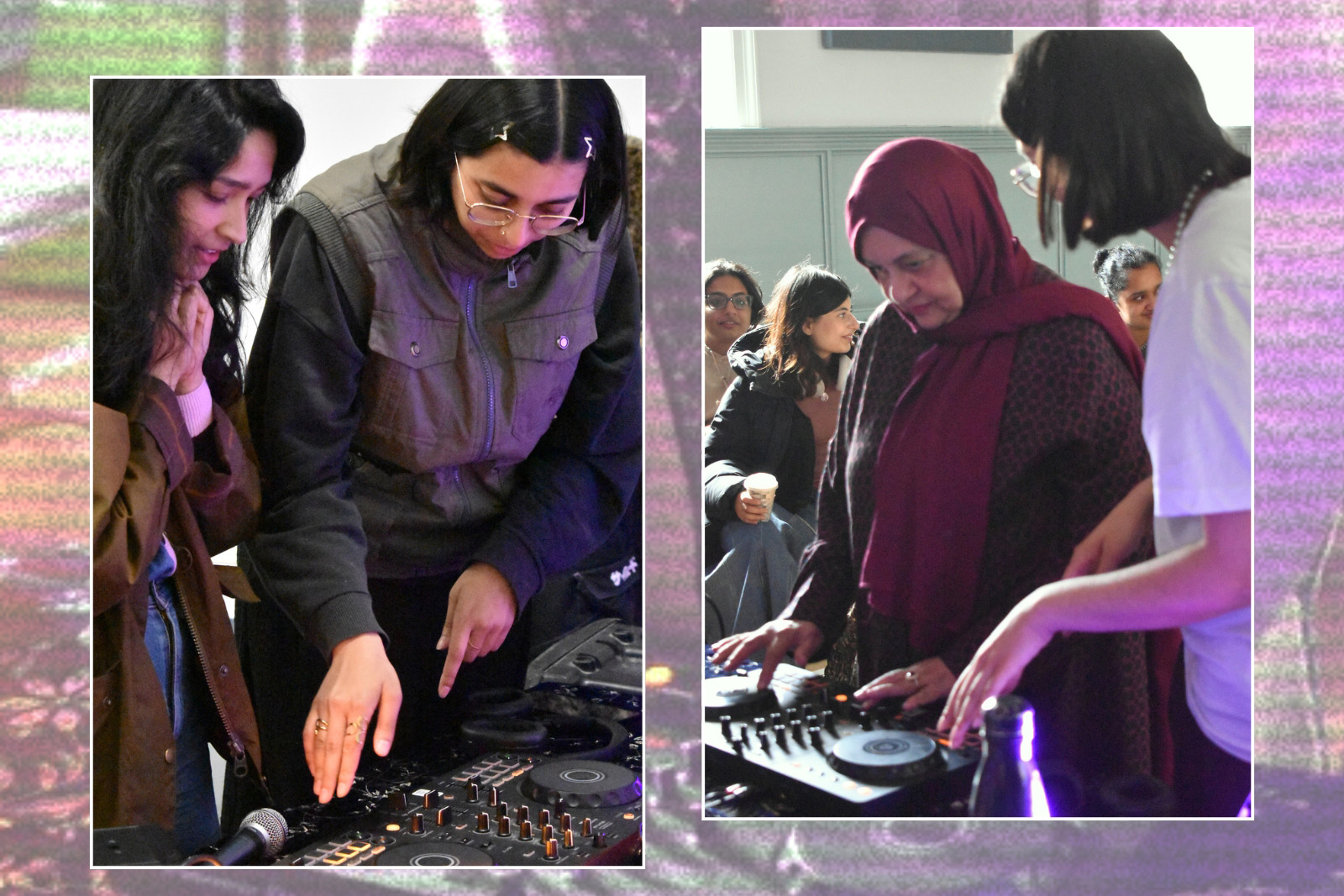
The festival recently celebrated its fifth birthday and has grown from a single annual event to hosting the first South Asian stage at Glastonbury in 2024 and helping stage Boiler Room events in Pakistan and Bangladesh.
Its 2021 debut was also where Elley first performed with Skrillex.
“We first met during a night he was playing at in London in 2019 but it wasn’t until the pandemic that he texted me one day to ask if I wanted to jump on a zoom call,” Elley says.
“We ended up talking for two hours and he asked me if I was working on anything and right then and there I sent him the idea for Taka. It’s since become this great, encouraging relationship. We played together at Dialled In, I executive produced on his latest album and he pushed me to finally do music full time in 2023. He said if it didn’t work out I could go and sleep on his sofa.”
With his first album ready for release on Dialled In’s own music label, Elley’s ethos of making space for South Asians in electronic music is only expanding. “It’s been a whirlwind five years and even though the label is in its infancy, we want to keep sharing this amazing range of talented people from the diaspora,” he says. “I’m going to Pakistan to play a show in a planetarium in Lahore later this week. It’s all come full circle and I can’t wait to see where the music takes me next.”