
Alif Hilal is carving her own path in music and faith
The experimental musician has embraced Islam and is ready to bring a new work of voice, percussion and dance to the Venice Biennale
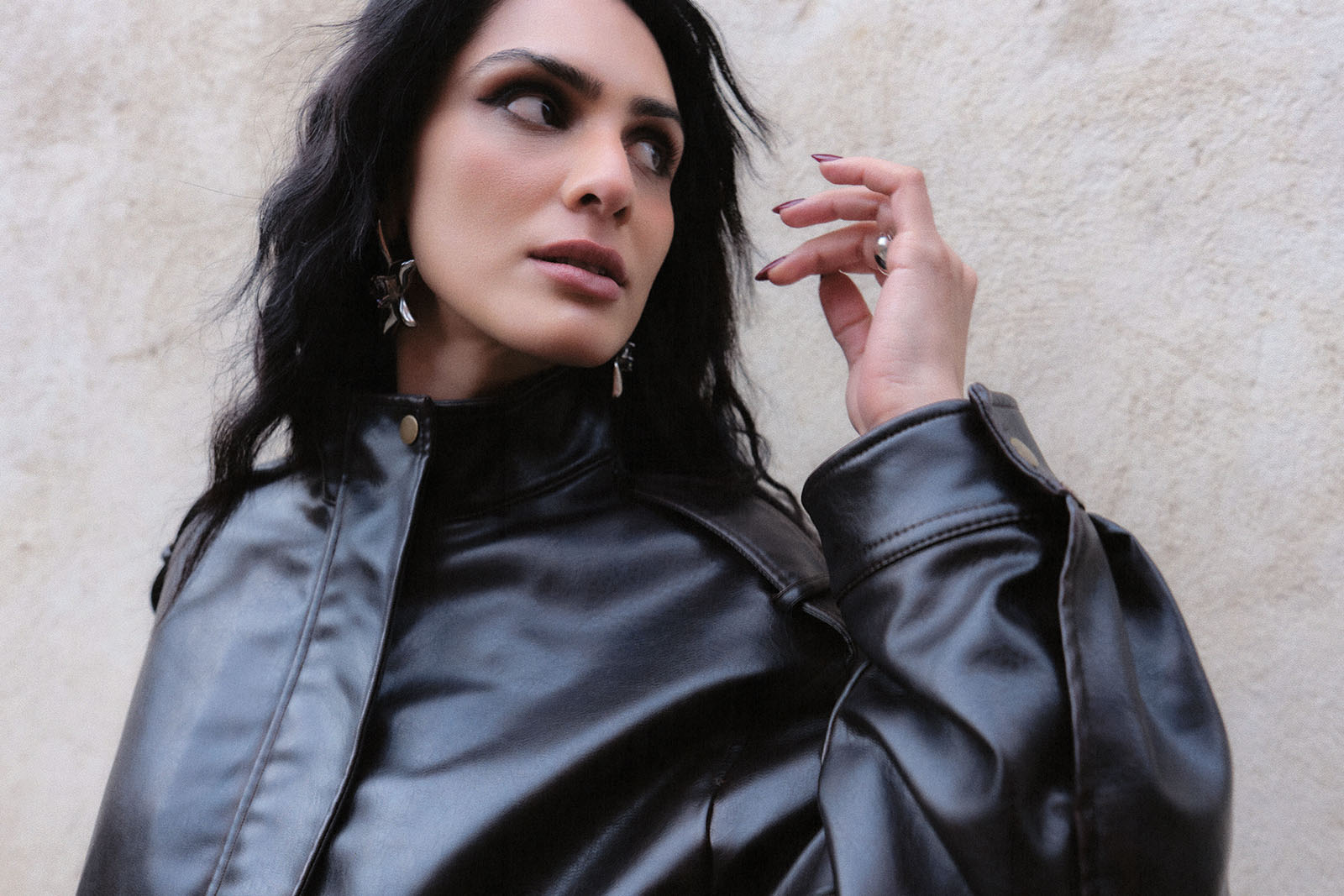
The past year has been one of immense transformation for Alif Hilal. The American-born and Berlin-based producer changed her name from Lyra Pramuk, converted to Islam and is now reassessing her place and purpose in the music industry.
Related content
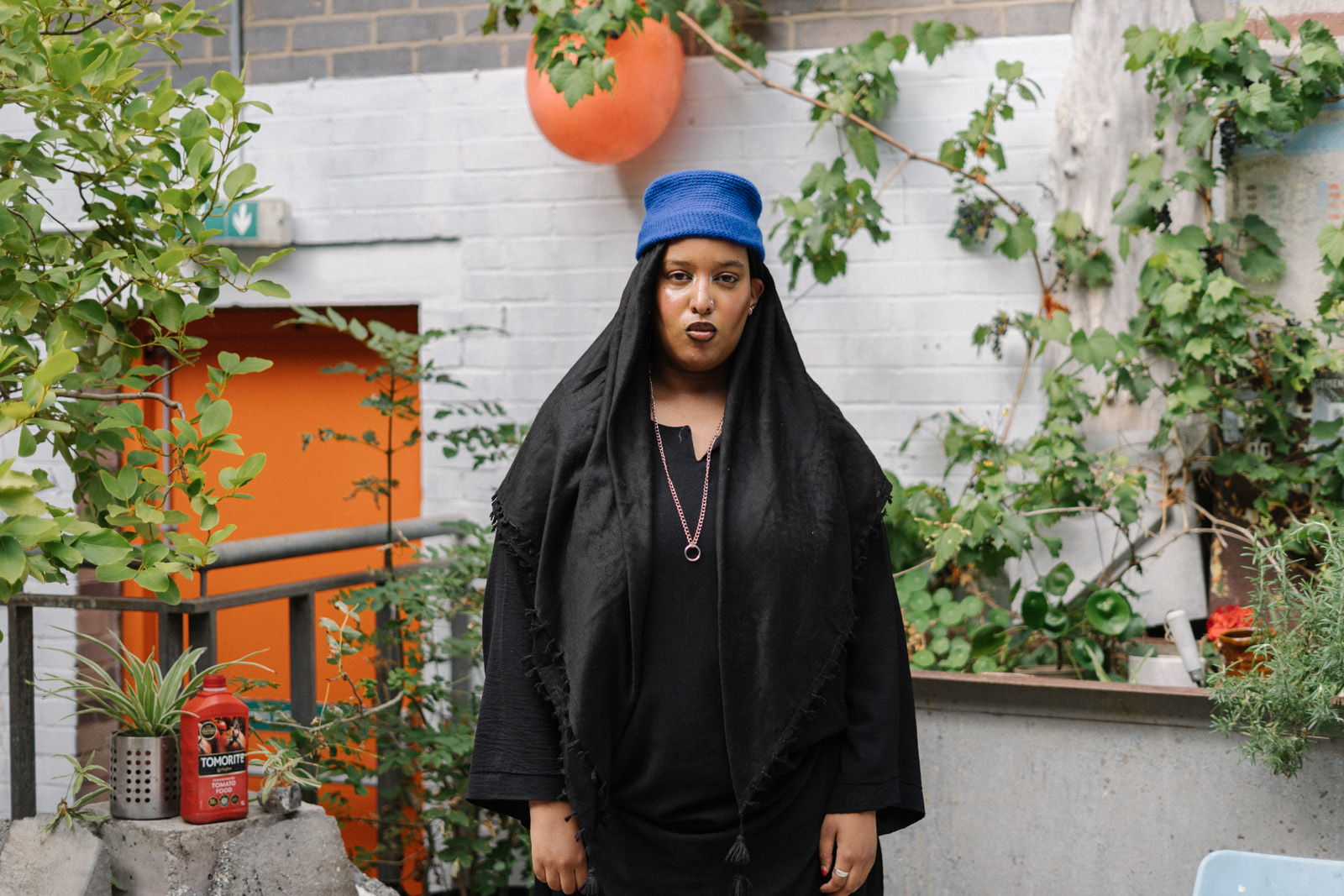
“I’m rethinking a lot at the moment, like how we show up in the world, what I stand for and how I can see myself living in a climate of monopolisation, AI and exploitation,” Hilal says. “I’ve been interested in Islam since I first got into Sufism 15 years ago. There’s such a focus on ethics in Islam and I realised that I would like to live a devotional life, one where I’m on this earth to make beauty and bring people together through music.”
Since moving to Berlin in 2013, Hilal has been a staple of the European experimental music scene, releasing textural electronic records with the likes of avant-garde vocalist Holly Herndon and Italian composer Caterina Barbieri. Her 2020 debut album Fountain was constructed entirely of recordings of her own voice that were spliced together to create eerie orchestrations, while her 2025 follow-up Hymnal expanded her vocal soundworld with the help of a string quartet to produce a new form of synthetic chamber music.
Each album has also been accompanied by extensive remix records featuring boundary-breaking contemporary artists including producers Verraco, from Colombia, the UK’s Djrum, and South African vocalist Dumama. The most recent such project, Hymnal Resung, was released in June.
“Ever since Björk did remix projects when I was a kid I’ve been into that conversational, laidback thing of inviting your friends to share your stuff,” she says. “It somehow feels like a more honest, unfiltered version of the record industry. You’re allowing other people into your world and I’m always excited to see where they’ll take it next. It’s similar to my current artistic ethos where I might now be Muslim but I want my work to be open to everyone and I don’t want to close myself off to other cultures either.”
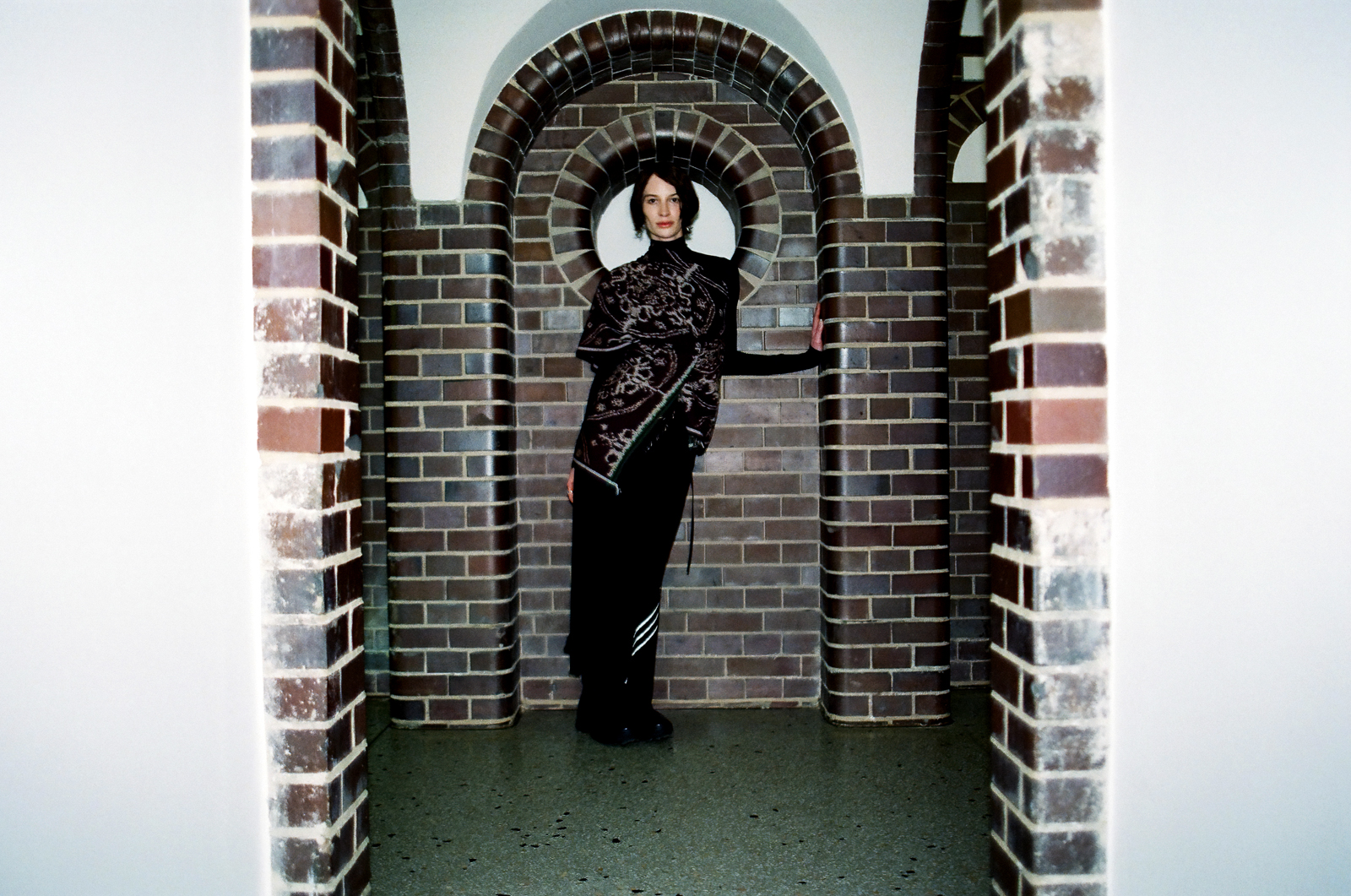
Growing up as a boy in a Pennsylvanian Christian household, Hilal found herself drawn to church music more than its teachings. She began singing in church and developing her classical vocal repertoire before moving to New York to study composition at the Eastman School of Music.
“Things didn’t make sense in my heart when it came to the theology of Christianity so I became an atheist who was interested in science,” Hilal says. “It wasn’t until my 20s, though, that I also became interested in ideas of mysticism, astrology and Sufism.”
Listening to qawwali music by pioneers such as Nusrat Fateh Ali Khan and Abida Parveen while at college, Hilal became fascinated by the Sufi idea that music is a devotional experience used to awaken the soul and grow closer to a divine spirit through inducing a state of trance. That newfound interest was soon echoed in Berlin, where Hilal began to spend semesters abroad and discover electronic music for the first time.
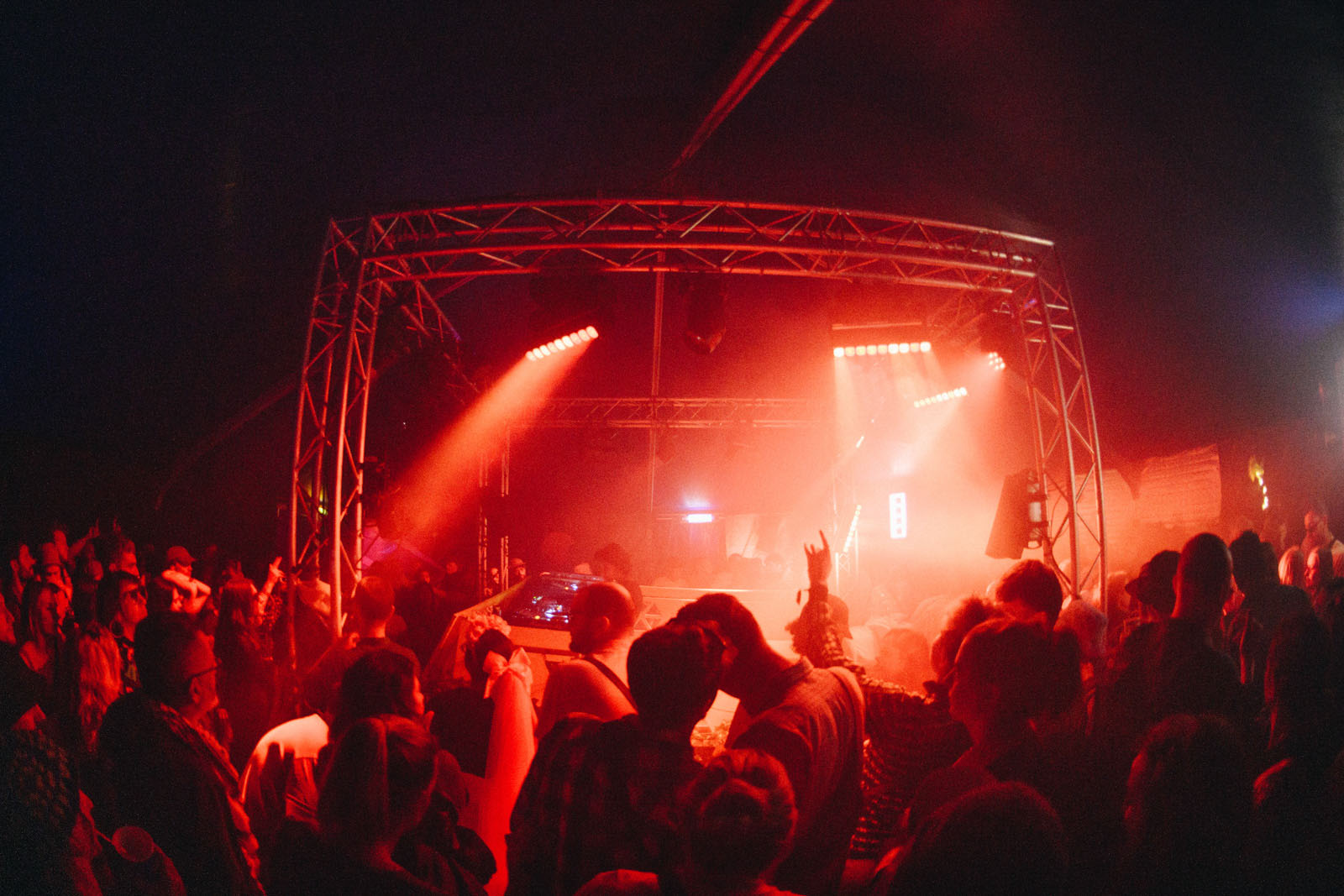
“When I first got into raving in clubs like Berghain, it was like I was living that Sufi musical philosophy on the dancefloor,” she says. “Both Sufism and raving were trance-inducing experiences that became a gestational portal to lead me to myself. I was in the club when I realised I was a woman — it was a divine self-revelation through music and my body. It gave me an identity.”
In the decade since that revelation and her gender transition, Hilal continued to research and engage in mysticism alongside her music. She regularly read Rumi and Carl Jung, as well as deepening her study into astrology, and became a key part of the queer Berlin clubbing community, describing it as a “magical space of invention —an example that so much grows in the margins and that dance music culture is a balm for marginalised communities”. She also founded the experimental record label pop.soil as a means of taking full ownership of her own music and challenging traditional industry structures.
It wasn’t until the past 12 months, though, that her conversion to Islam began to solidify and feel more necessary to share with the world. “I went to Indonesia for Ramadan, which was life-changing, and, by the spring, I really started to feel like a different person — like I was leaving an identity behind and that my old name was no longer mine,” she says.
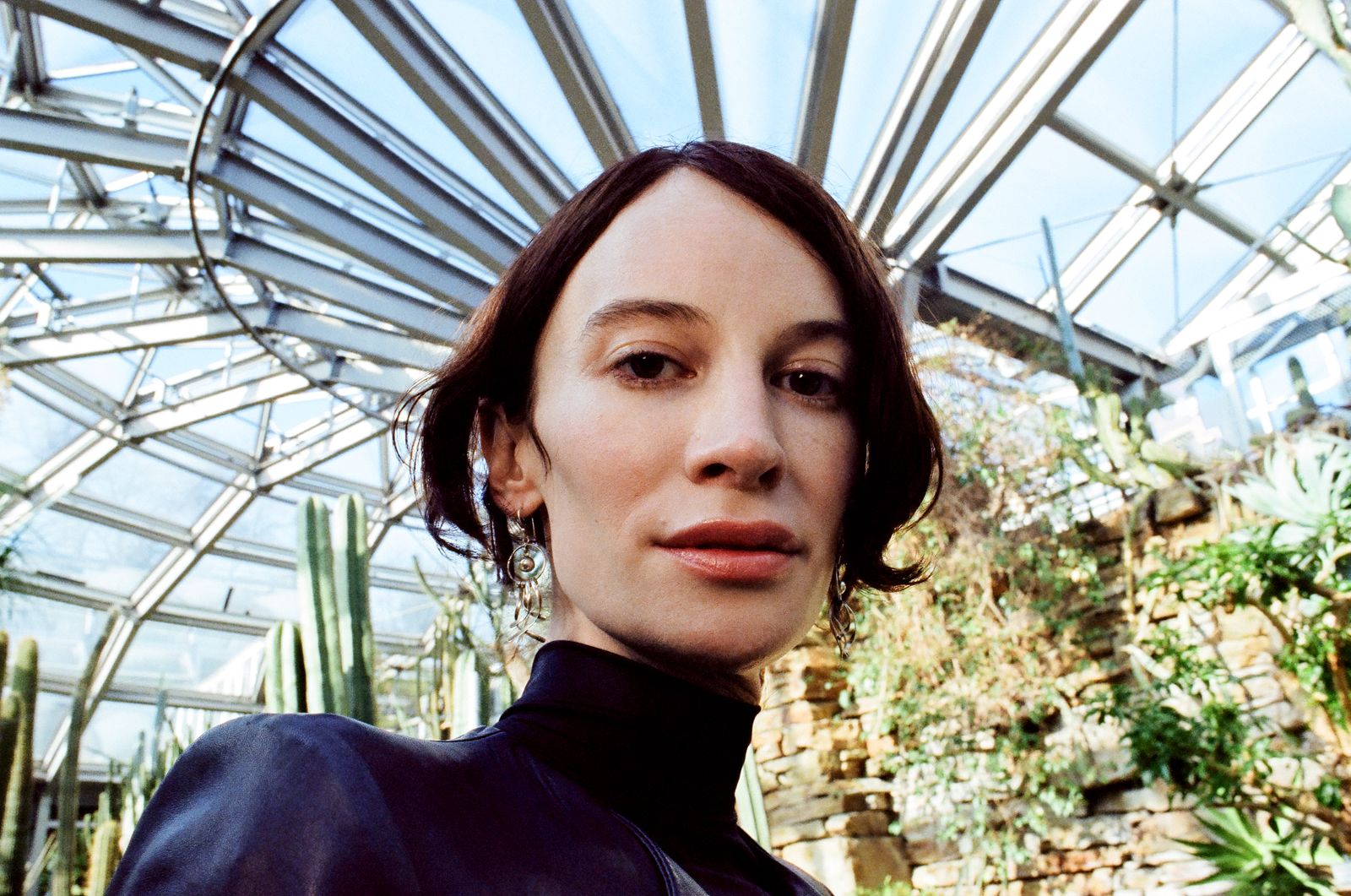
“I realised there was no cultural space or precedent for who I was becoming and that needed to be acknowledged. I felt a pull to carve my own path, even in Islam, so I named myself after the first letter of the Arabic alphabet and then gave myself a non-paternal surname named after the moon phase of when I was born, as a nod to astrology. I’ve lived a lot of my life on other people’s terms so it’s been liberating to name myself and come to this ownership in my adult life now.”
Although she is still relatively new on her journey in Islam, the religious shift in Hilal’s life has equally spawned new creative ideas. She is in the process of transforming pop.soil from a record label into a “community educational platform” that can host workshops as well as find people from the global majority looking to collaborate within the European experimental scene. “We have some radical plans and we want to see what feels useful and empowering for a label to do in the 21st century,” she says. “We’re thinking about how we can connect resources globally and help bring other voices into our spaces.”
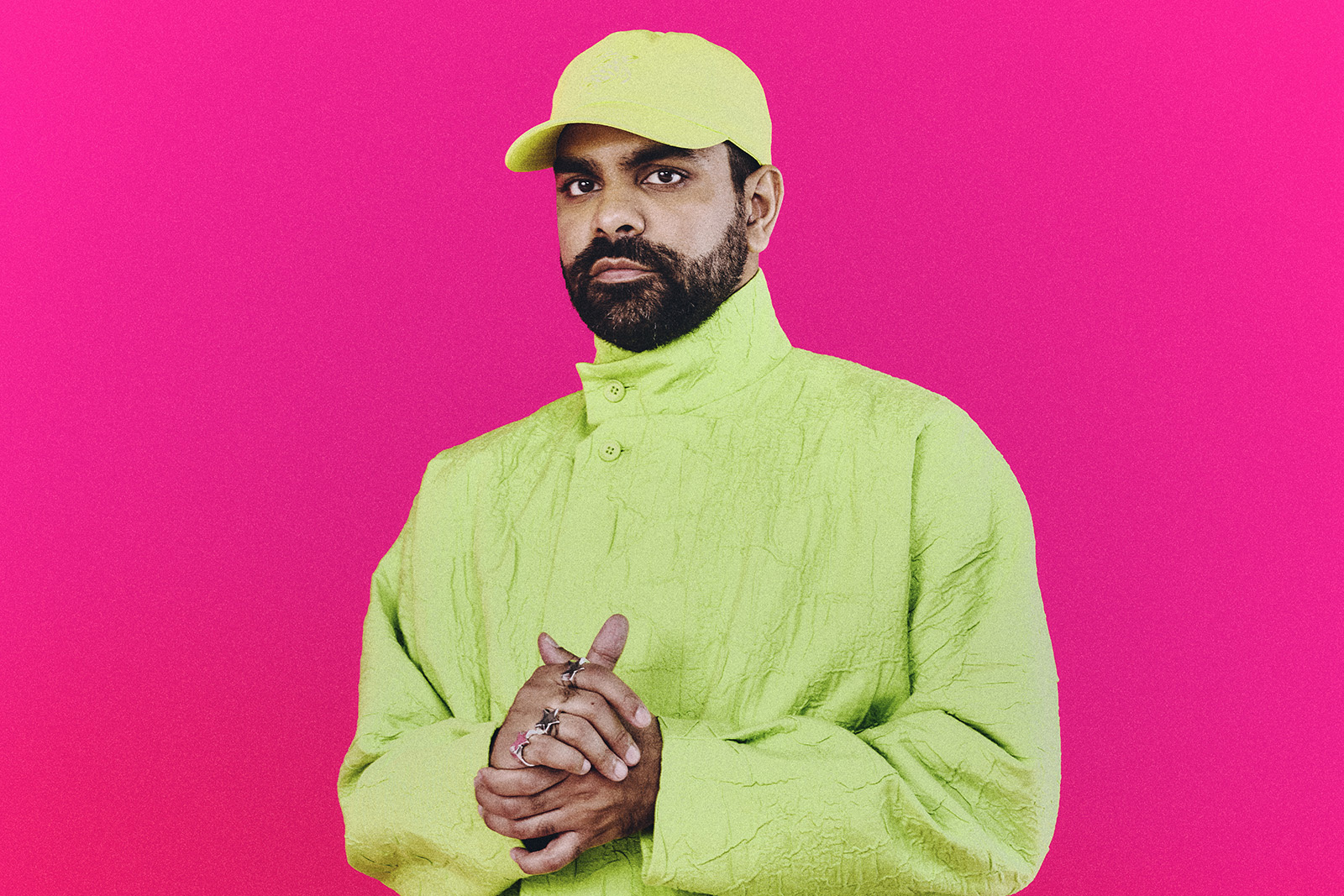
Musically, Hilal is also working on new solo projects and her latest concept comes perhaps the most full-circle to her new spiritual identity. Premiering as part of the Venice Biennale, Hilal has devised a new work of voice, percussion and dance with Iranian tombak virtuoso Mohammad Reza Mortazavi and Sufi whirling dancer Islam El-Ghazouly, titled In The Threshold of Your Love.
“I wanted to make something acoustic and get off the laptop, and I started thinking about Sufi trances and Persian classical music and how they could be connected,” she says. “I reached out to Mohammad, who is a prodigy and lives in Berlin, while my friend Islam does beautiful contemporary Sufi whirling. We’re going to be both composing and improvising and it feels really radical to bring something like this into a space that’s usually so devoted to the western classical tradition.”
It all ultimately aligns with Hilal’s new plan to synthesise her cultural and spiritual experiences while keeping access and interpretation open to others. “I want my work to call in the future and call back to the past,” she says. “It’s ancient and futuristic at the same time.”
Alif Hilal plays Glasgow on 2 October, Bristol on 3 October and the Venice Biennale on 17 October.