
‘How do you hold on to the complexity of a place?’: Asmaa Jama on representing Somalia at the Venice Biennale
The Danish-born Somali artist is one of three exhibitors representing their country in its first pavilion at the prestigious cultural event

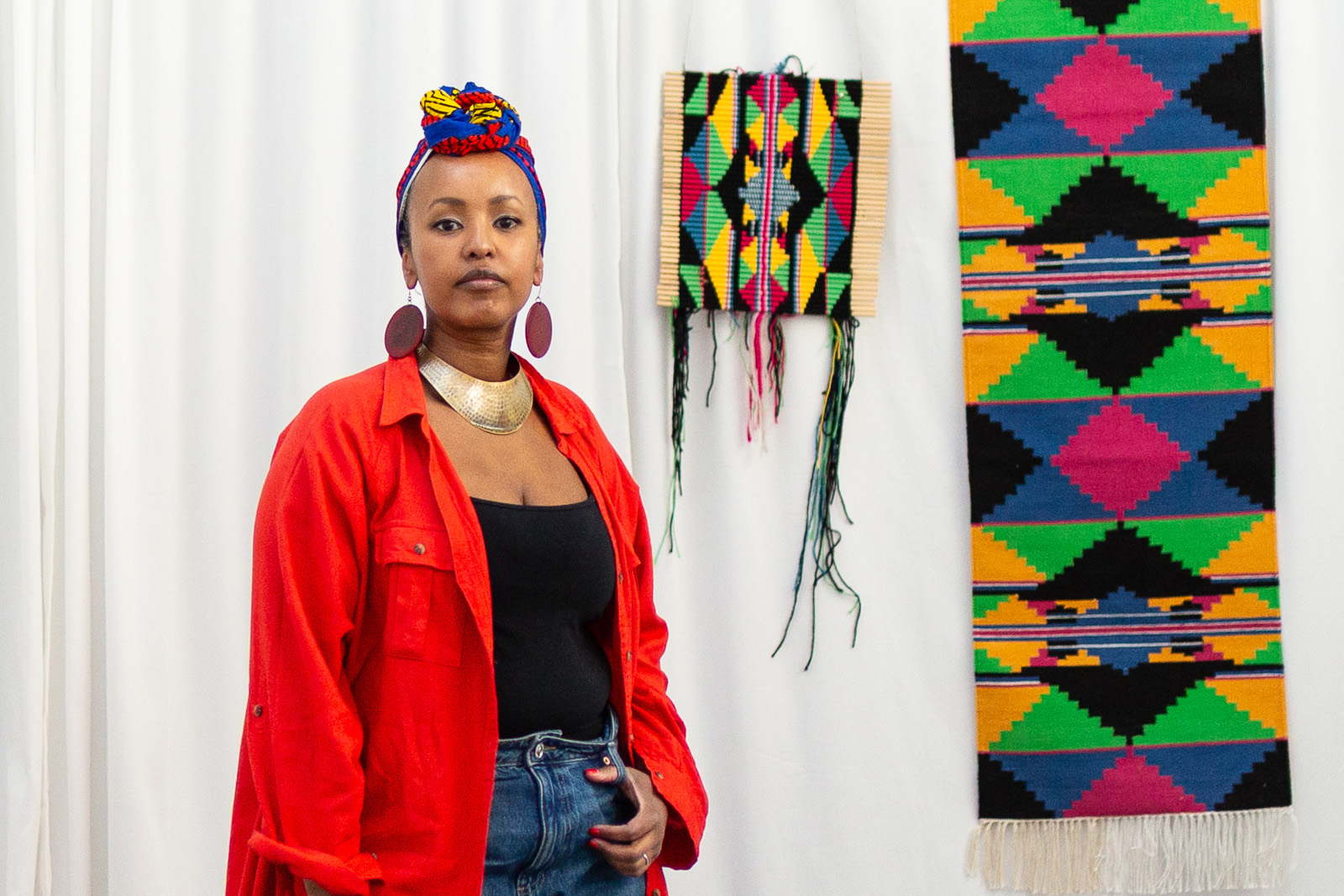
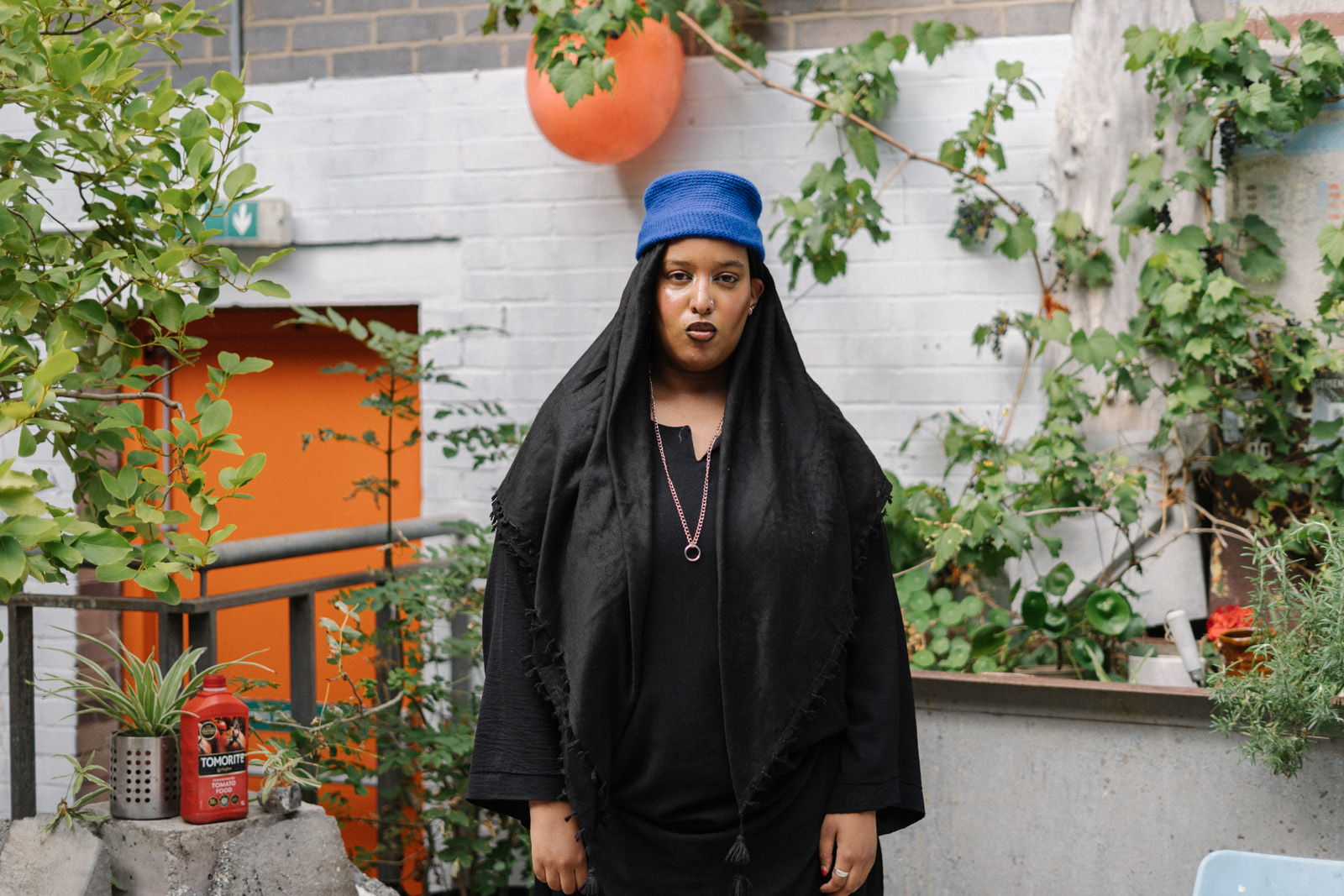
The Danish-born Somali artist Asmaa Jama has never wanted to tell simple stories. When they were invited to exhibit at the Venice Biennale as part of Somalia’s first national pavilion in 2026, they tried “to resist the major narrative and the easiest story you reach for when you think about Somalia”.
“When I was making the work I was thinking about all the minor voices — the voices from underneath, these spirits from the margins,” they say.
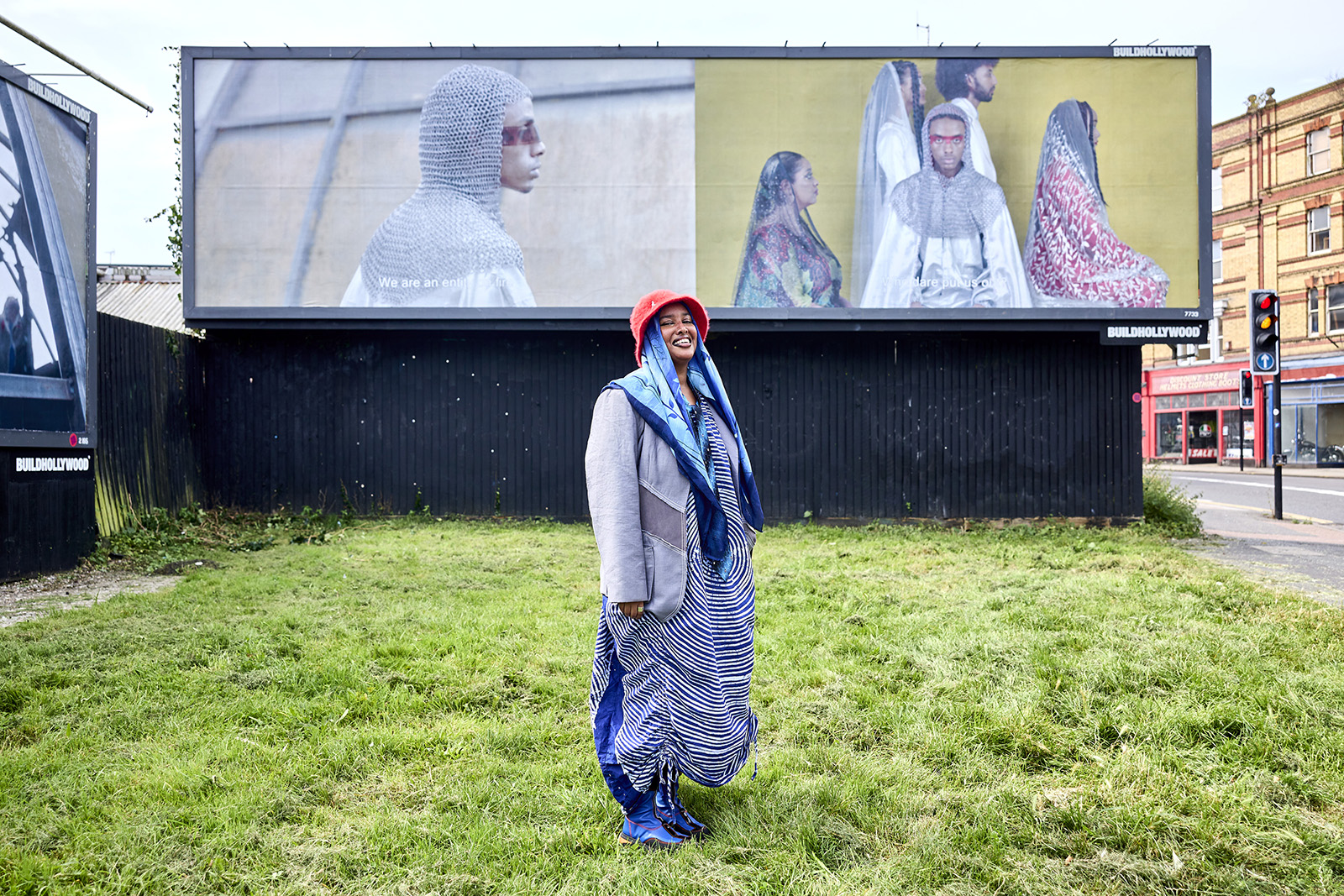
Jama, 28, is exhibiting alongside Ayan Farah and Warsan Shire at the 61st Venice Biennale, which runs until 22 November. Their contribution spans sound, painting and moving images, and draws on Somalia’s historic cultural and trade connections across the Indian Ocean.
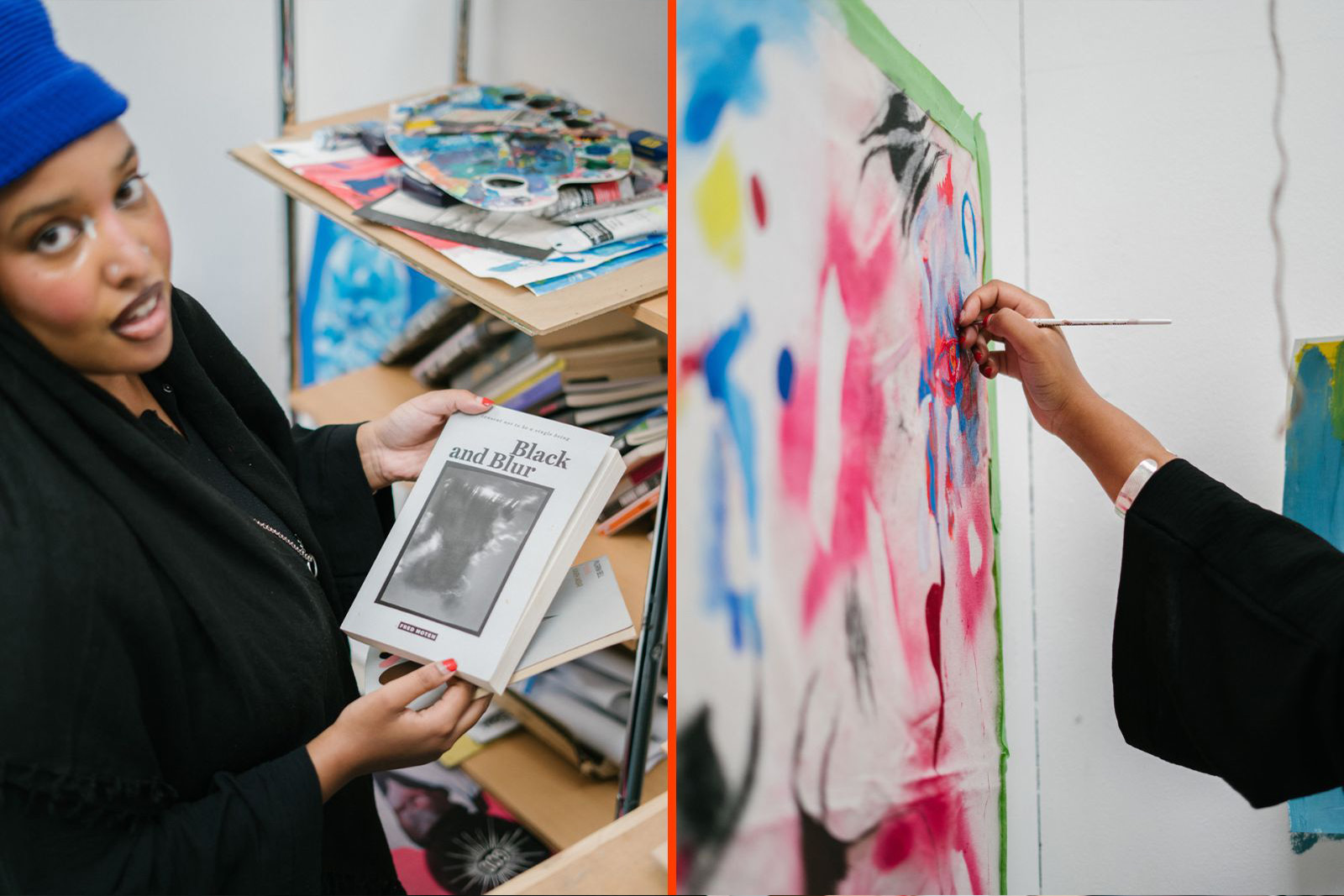
Jama has lived in Bristol since the age of four. They started writing poetry before moving into visual art and specialising in painting and film-making. Jama’s work has been exhibited internationally, including at New York’s Africa Center. They were selected for the New Contemporaries 2024-25 and Jama is also the winner of the 2024 Geoffrey Dearmer Prize.
The Biennale is their biggest exhibition to date. “When I heard that it was happening, I was so excited. To be involved has been a really huge honour,” they say.
Jama wanted to make work that could sit within a wider conversation about contemporary art, while remaining connected to Somalia and accessible to Somalis. “It’s really difficult with national pavilions because you feel like you have to represent everyone. How do you hold on to the complexity of a place?” they say.
“The more challenging thing is leaving the work open-ended, not explaining, seeing what people take from it and also not giving them a resolution or catharsis.”
This year’s Biennale theme is titled In Minor Keys, set by event curator Koyo Kouoh, who died in May 2025. In her curatorial statement, Kouoh described it as “a collective score composed together with artists who have built universes of imagination”.
The Somali pavilion, Saddexleey, is overseen by Somali curator Mohamed Mire and Italian arts project manager Fabio Scrivanti, and takes its name from a Somali poetic form built around threes.
“Asmaa’s work is important to me because it complicates the way Somalia, and Somali identity more broadly, is often expected to appear,” says Mire. “There is often an expectation that artists coming from places marked by conflict or displacement should somehow explain that condition, almost becoming documentary evidence. Asmaa moves somewhere else.”
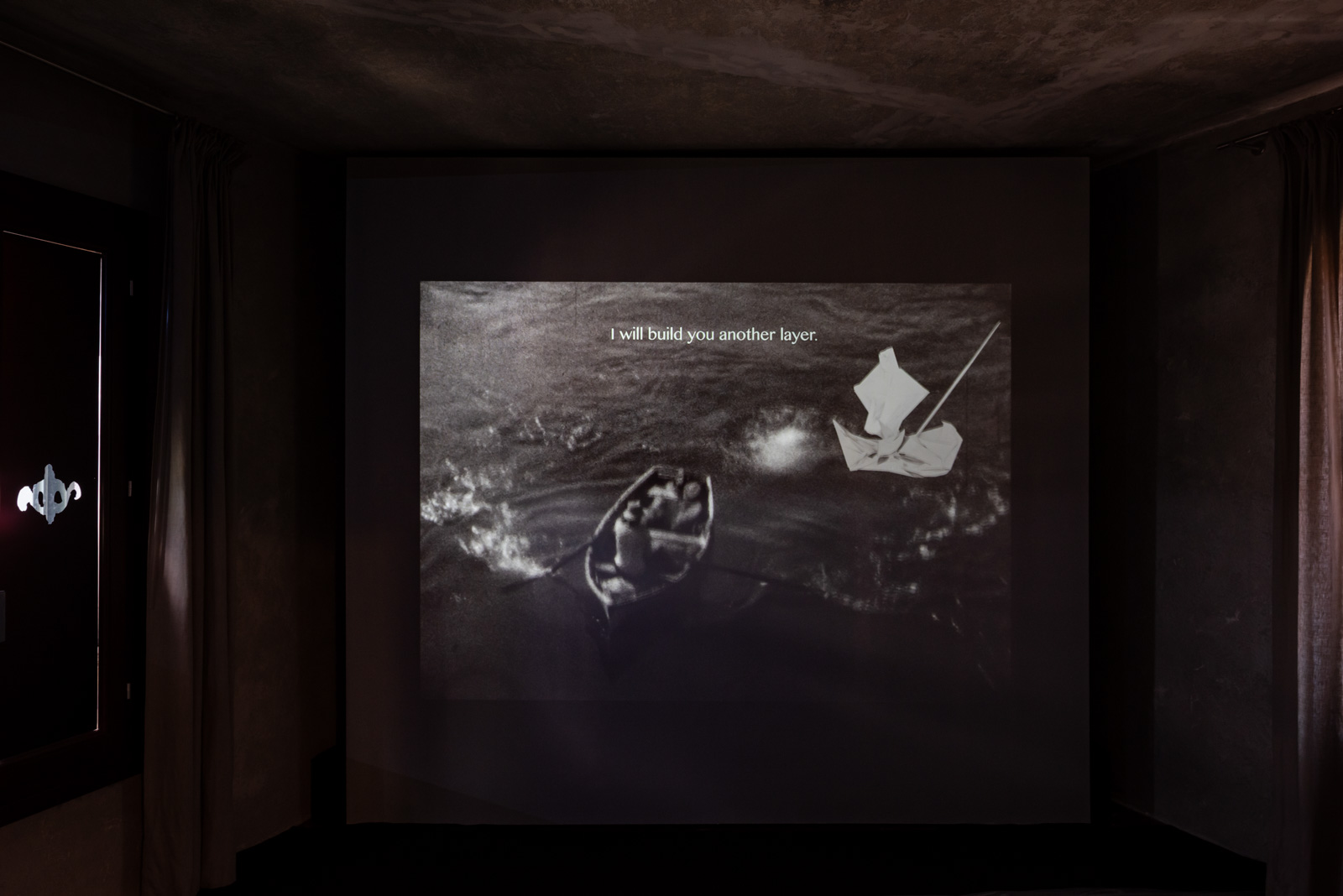
Jama’s contribution takes three forms: a painting, a soundscape and a film. The sea connects all three works. “A lot of my work has always focused on the idea of being transient, of passing through,” they say. “I accepted identity isn’t fixed and maybe you could be from many places.”
Since the exhibition opened in May, the Somali pavilion has faced criticism from some Somali arts organisations. An open letter challenged the appointment of Scrivanti as the pavilion’s co-curator, as well as the absence of artists and cultural workers based in Somalia — Farah was born in the United Arab Emirates, while Shire was born in Nairobi, Kenya. The letter calls on the three artists to publicly address the concerns.
“I think it’s natural that something on this scale will draw commentary, especially the first time that it has happened,” Jama says. “I think it is important that artists from back home and people from back home are also involved and connected.”
Jama’s works in the pavilion include a soundscape featuring their own poetry, as well as a hayat — a song sung on the Somali coast for missing ships — and a traditional Iranian fishers’ song. Titled Spill Whatever Is Left, it follows a sailor aboard a pearling ship, tracing historic trade routes from Mogadishu across the Indian Ocean towards the Kenyan coastal town of Lamu, Oman and Hormuz. The pearling industry was closely tied to the slave trade from east Africa, with enslaved Africans making up a significant part of the Gulf’s diving workforce.
The subject of pearling continues in their experimental short film, The Blood Coast. It combines archival footage of divers at sea with new footage shot by cinematographers Moad Yousuf Ali in Mogadishu and Farhath Siddiqui in Bristol.
Though Jama is proud to represent Somalia, their outlook is also shaped by broader pan-African ideals. “I’ve always felt really connected to the global Black diaspora,” they say. “I think about the aspirations of African leaders after colonisation, and that attempt at Pan-Africanism, connecting the different elements of the continent. In my heart of hearts, that’s what I feel really aligned with.”
Jama hopes to bring the work to the National Museum in Mogadishu.
“It’s difficult being in Europe where you can have lived here your whole life, but you’re reminded that you don’t belong to it,” they say. “The nice thing about being Somali is that most of the time people make you feel like you belong. You belong to them.”