Dala Nasser’s Cemetery of Martyrs: ‘I hope I do all these figures justice’
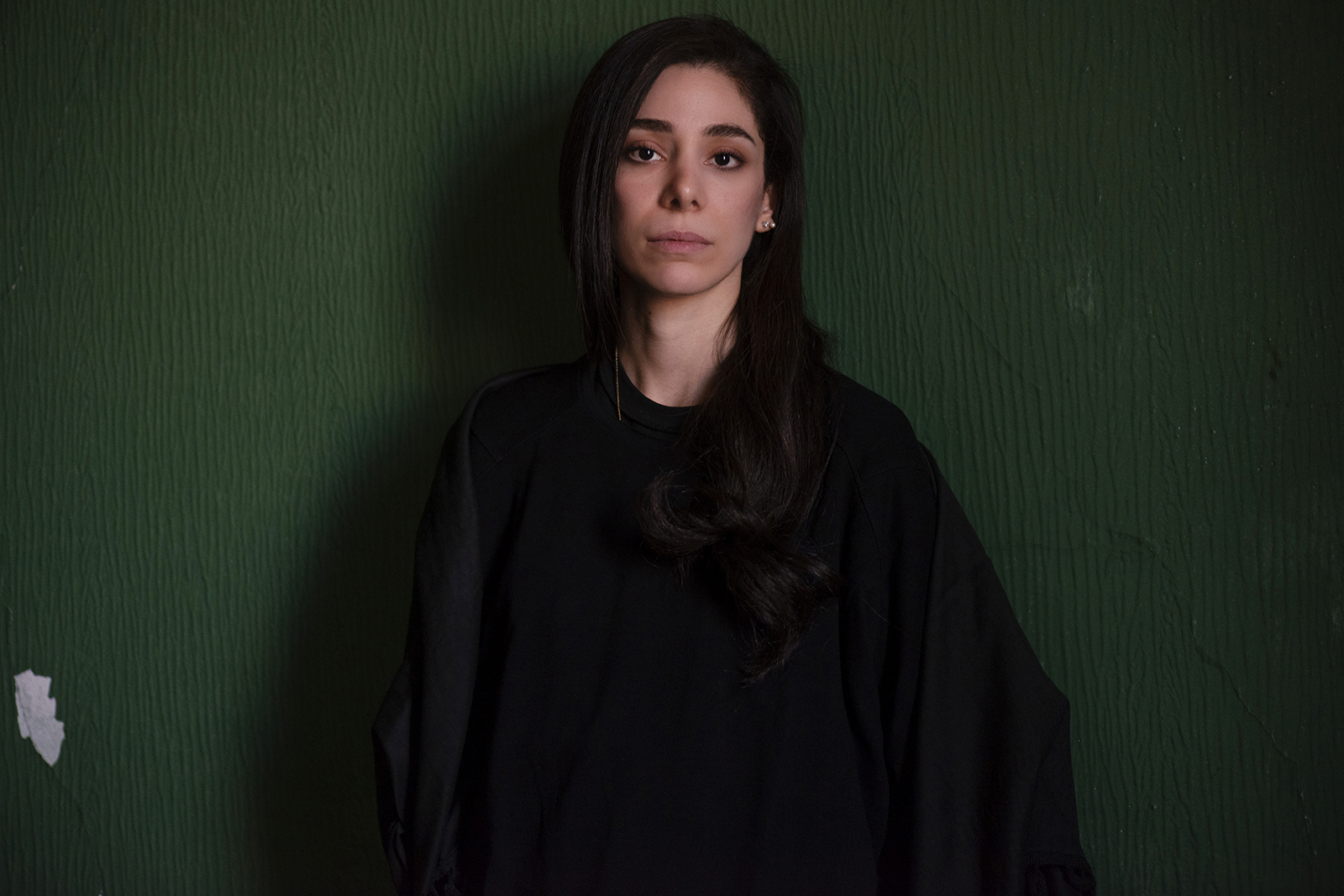
The Lebanese artist’s latest installation is showing at London’s Peer Gallery, representing a collection of graves of prominent Arab cultural figures

Five years ago, the Lebanese artist Dala Nasser visited the grave of Palestinian writer Ghassan Kanafani. Kanafani was killed in 1972 after a Mossad-orchestrated car bombing and is buried in the Cemetery of the Martyrs of the Revolution in Beirut, a multi-faith burial site for those who died serving the Palestinian cause.
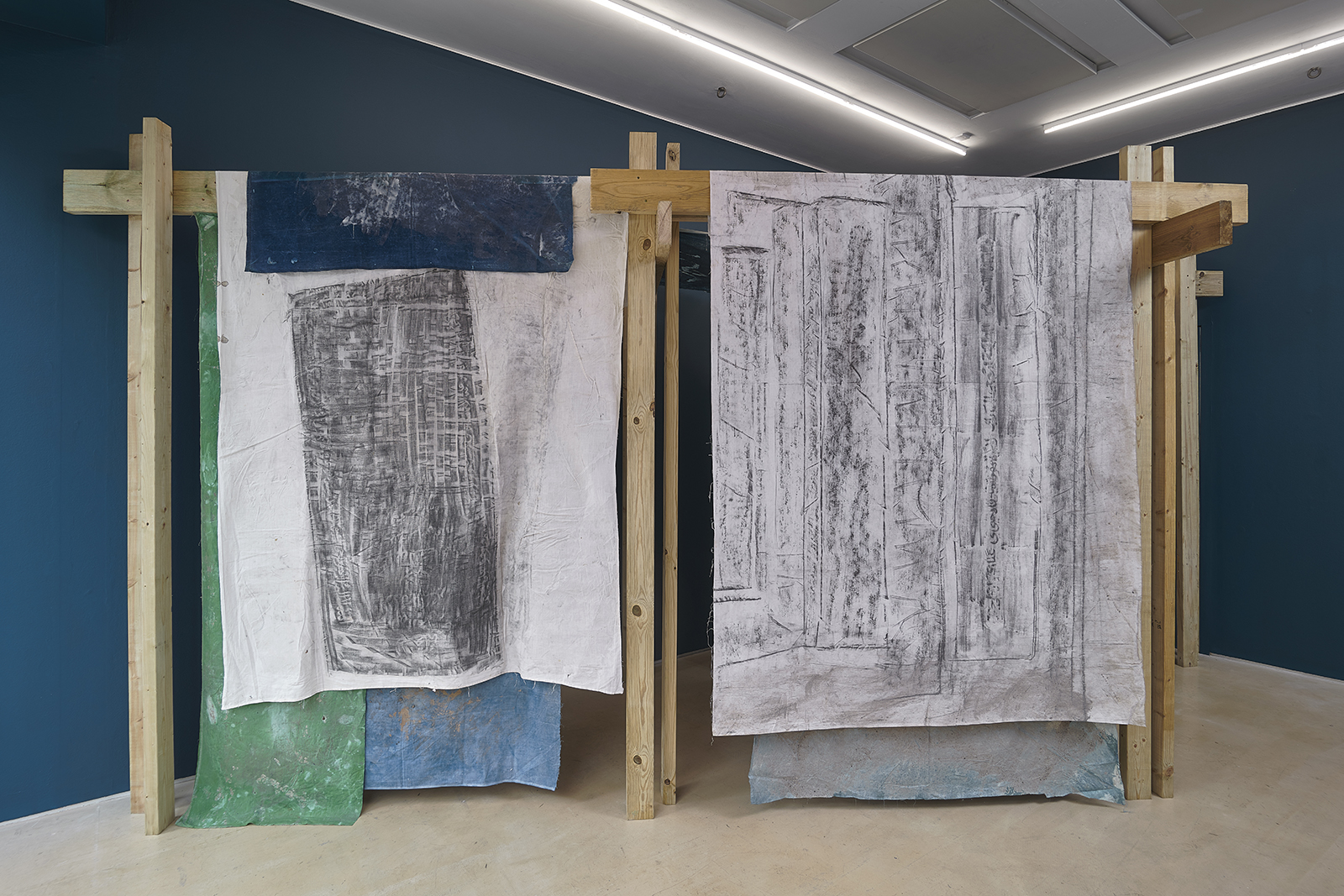
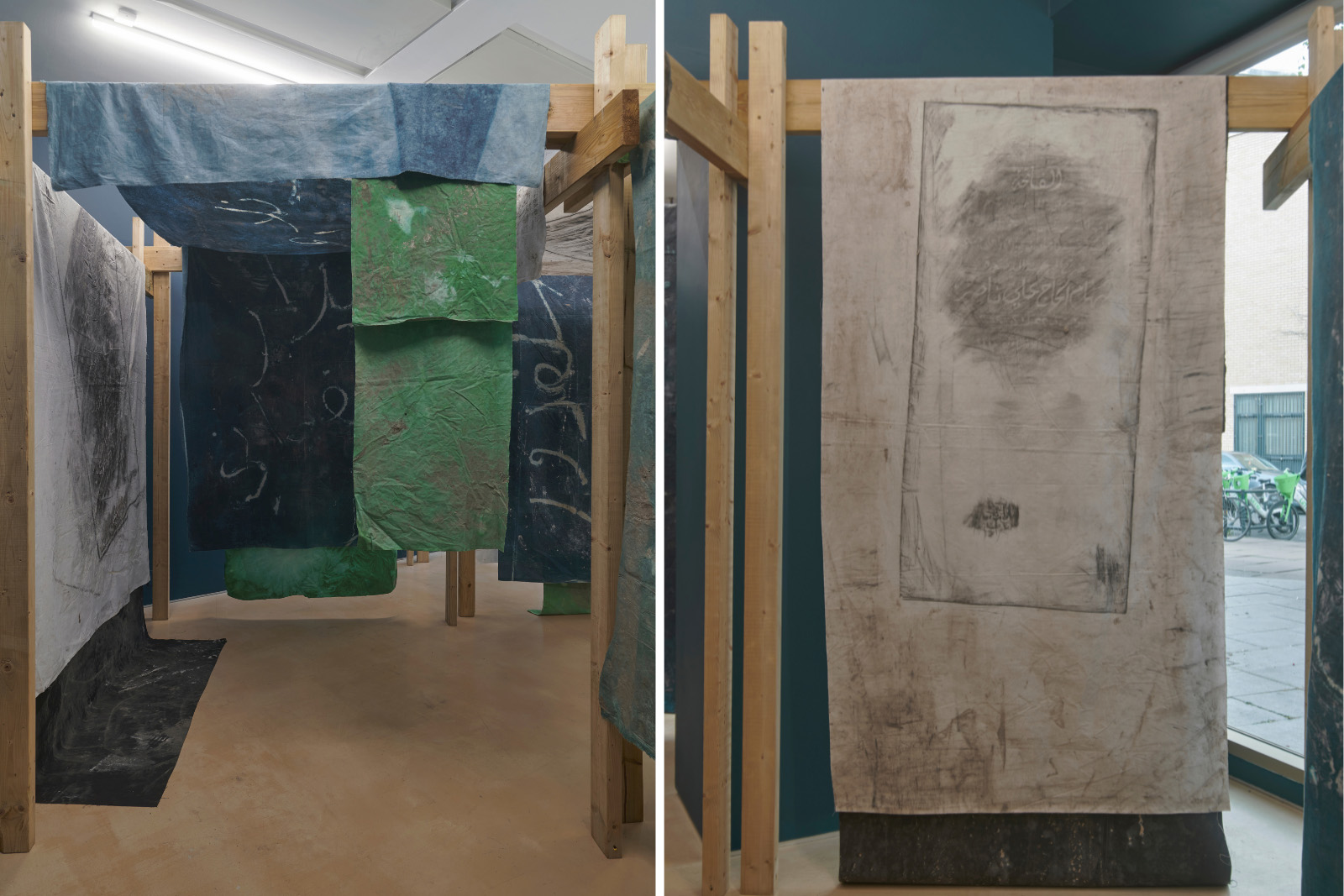
Kanafani’s grave was the first from which Nasser would take a charcoal rubbing, using the frottage technique to translate the contours and outlines of gravestones on to fabric. Nasser has since collected rubbings from more than 40 graves belonging to artists, writers, activists and intellectuals of Syrian, Lebanese, Jordanian, Iraqi, Palestinian and Egyptian heritage. Most are buried in Lebanon; of those that Nasser could not visit, cyanotypes served as reproductions.
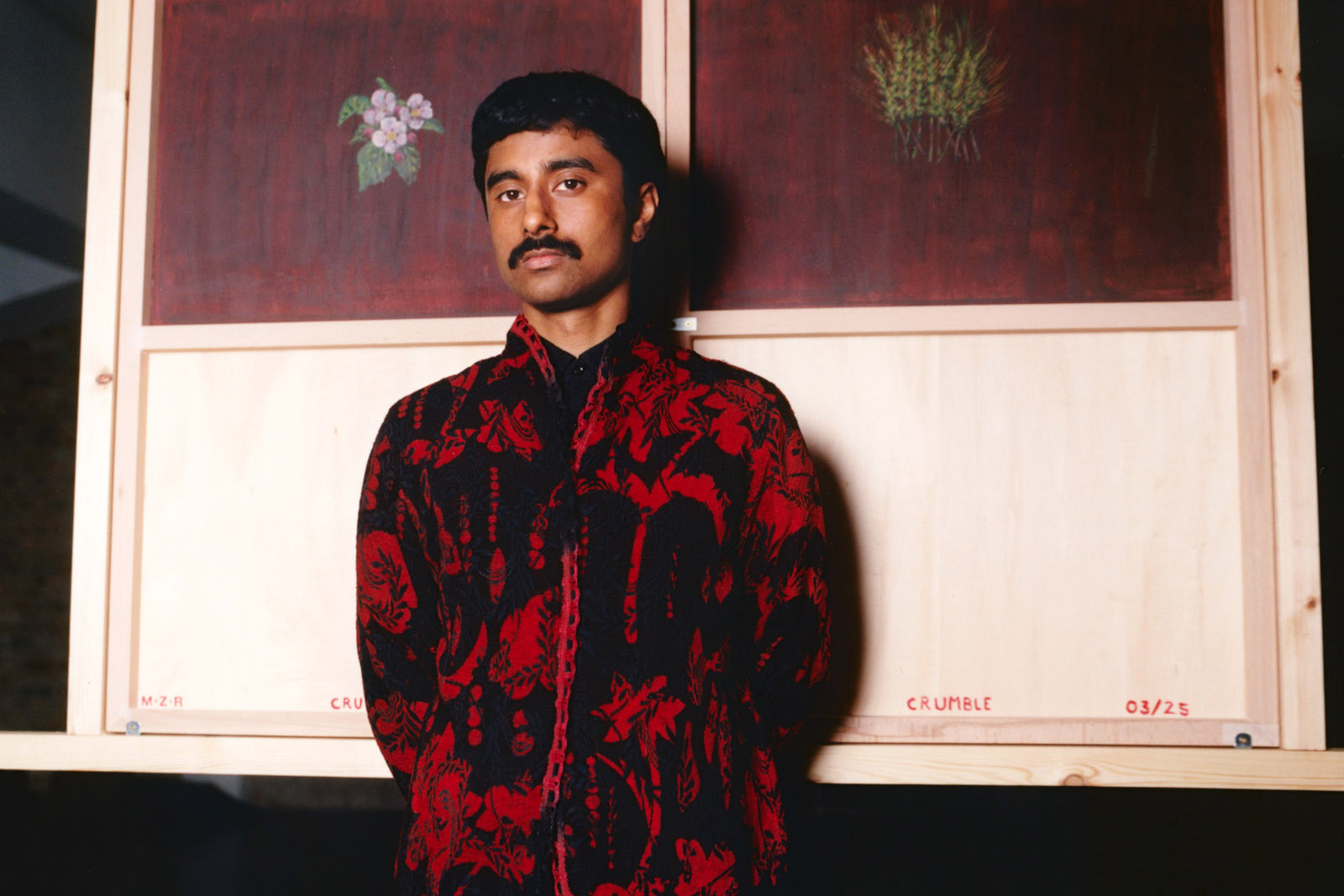
The result is an installation that Nasser has called the Cemetery of Martyrs, now on show at London’s Peer Gallery. Fabrics dyed with cyanotype or marked by charcoal from the gravestones form a canopy draped over a central wooden structure, turning the gallery space into a symbolic cemetery. “This is a show that is dealing with death. And not just death,” Nasser says. “On face value, yes, it is a show about death. But as I researched the figures, I learnt more about their private lives than their public lives,” Nasser says. “Their dedication to political liberation comes from their deep love for life and all it entails. And so they’ve left us with these legacies of love above all else.”
If Nasser’s cemetery is an act of mourning, it is also one of dream-making: to be reminded of how the artists and revolutionaries she commemorates exemplified struggles for freedom and self-determination in their lifetimes. They include Layla Al-Attar, the Iraqi artist killed in a US airstrike on Baghdad in 1993; Etel Adnan, the Lebanese poet and painter; Constantin Zureiq, the Syrian intellectual who introduced the term “al-Nakba” into intellectual discourse; and playwright Siham Nasser, the artist’s aunt, who died in 2019 and is remembered as a pioneer of experimental Arab theatre.
The figures she has chosen to represent here constitute a community of elders who put “put all their collective labour towards political self-determination and sovereignty, something that never saw the light of day due to protracted colonial violence,” she says. “It’s looking at our elders to understand the time that we are in, but also to see the legacies that we’ve inherited. These are things we all collectively want.”
Nasser trained at Central Saint Martins and the Slade School of Fine Art in London and Yale University in the US, and is now based between Beirut and London. She has exhibited at KM21 in the Hague, Kunsthalle Basel and Chicago’s Renaissance Society, as well as in group exhibitions at the Villa Medici in Rome, the Whitney Biennial in New York, Carnegie International in Pittsburgh, and the Centre Pompidou in Paris, among others.
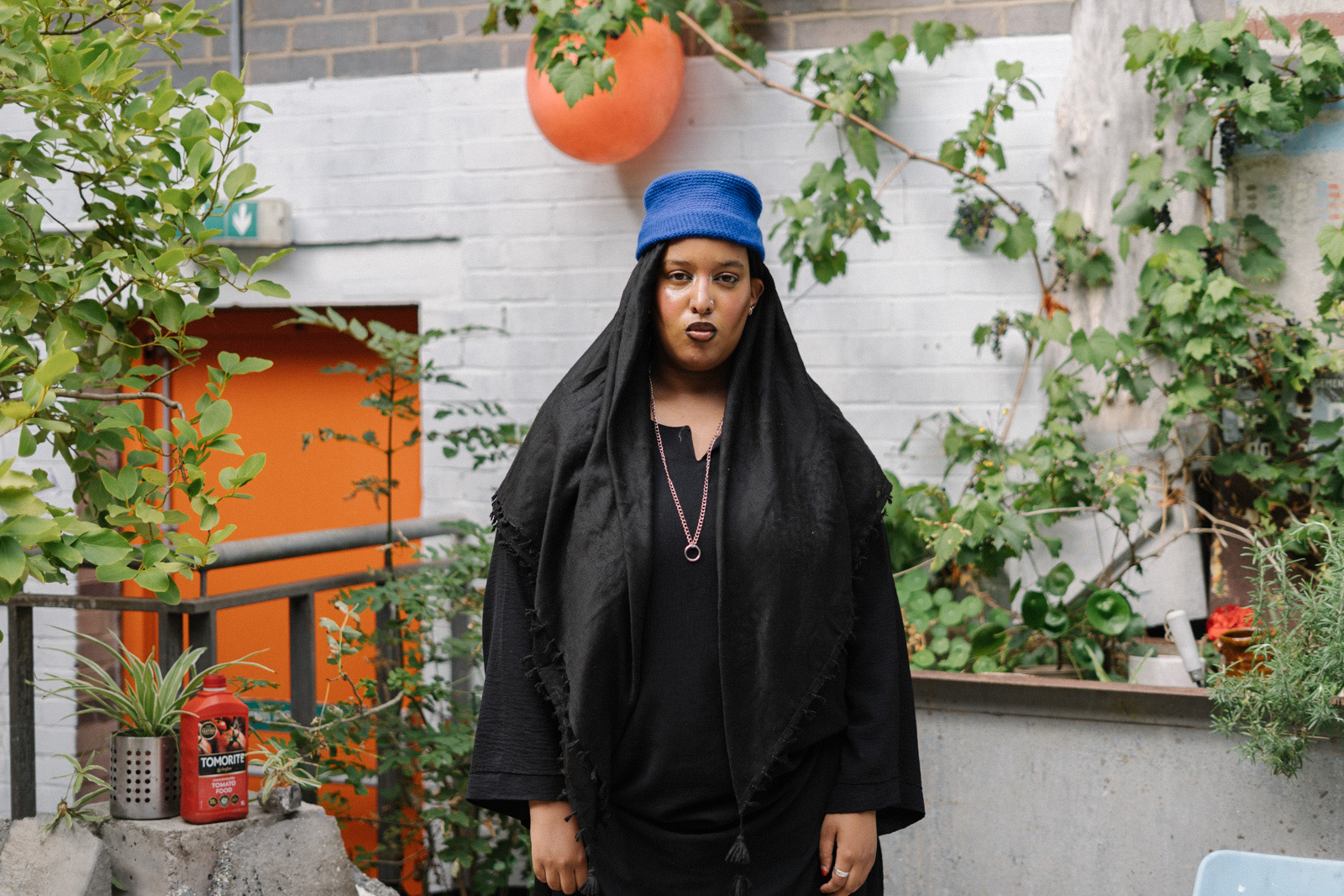
Born in Tyre, southern Lebanon, in 1990, Nasser grew up in the United Arab Emirates and Beirut. Becoming an artist was a natural impulse. “My dad used to paint a lot, and so he had a lot of brushes around the house,” Nasser tells me. Before she could write, Nasser would use these dry brushes to go over the outlines of art that were hanging on the walls of her home, tracing over them as though she was painting the works herself.
Nasser describes herself as a painter first and foremost. “All the materials exist in painting,” she tells me, referring to the wooden beams in this installation as stretcher bars that hold up a canvas, the way that the charcoal used in the frottage creates shadows. “I use abstraction as a technique, but I view the work itself as actually not being abstracted. Look at it and read it, and it’s there. There’s no obfuscation of anything in the work. It’s direct.”
An interest in archaeology stems from the texture of life in Lebanon itself. In previous works, she has turned to the ruins of the Church of St Christopher, or the tomb of the Phoenician king Hiram. “There is an ancient history that you live alongside in Lebanon, especially in Beirut,” she explains, referring to the Roman ruins in downtown, or the more recent physical remnants of the civil war. “History is felt around you.”
Part of Nasser’s focus on the landscape of western Asia at large is to offer an interpretation more rooted in reality, rather than the mythological version that exists in eurocentric visual culture. One might visit the National Gallery in London, Nasser says, and be confronted by a number of paintings that retell stories from the Bible, including that of the wedding at Qana, where Jesus turned water to wine.
Related content
“But it doesn’t look like Qana. That looks like a Dutch meadow,” she says. In one of her own installations, Nasser directly references the story, using frottage to mark fabrics with the rock formations leading to the cave where the water was obtained for the miracle. “Maybe because I’m a painter and I’m into art history — this is my way of presenting a more truthful depiction of these histories, one embedded in the reality of the place.”
Since Cemetery of Martyrs was first shown at Nottingham Contemporary in early 2026, Nasser has included three additional figures, all of whom have recently died. It is an installation that will continue to grow and work as an archive, Nasser explains.
“I wanted to do this work because I never made drawings of my grandparents’ graves, and now the graves have been destroyed,” she says.
“It’s important to share our history that so often is misrepresented and misunderstood,” Nasser adds. “And I hope I do all these figures justice.”
Dala Nasser: Cemetery of Martyrs is showing until 12 December.