
How Mariam Elnozahy brought the sacred to Stockholm’s art scene
The Egyptian curator’s tenure at Konsthall C in the Swedish capital saw her spend two years exploring ‘metaphysical ways of understanding crisis’
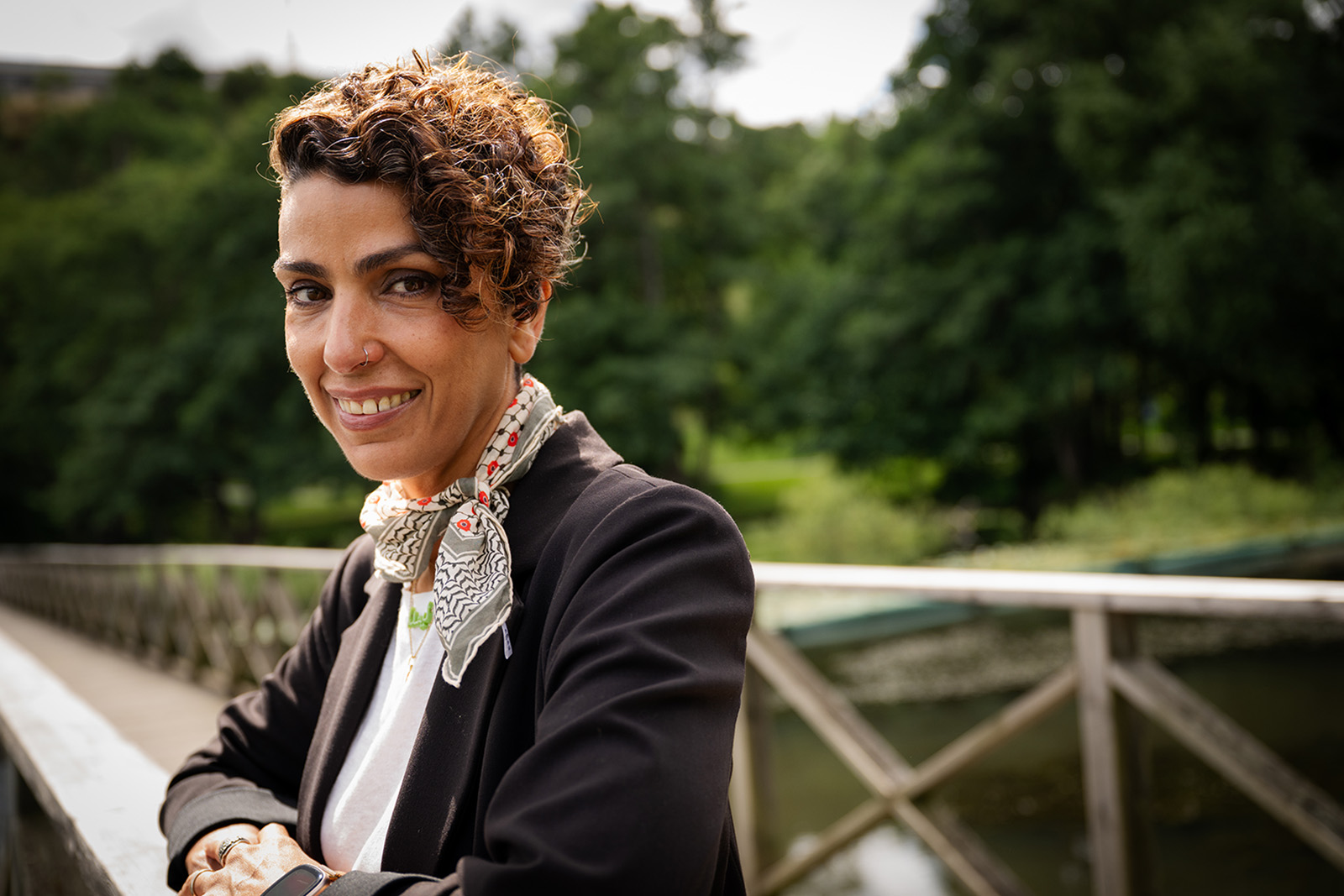
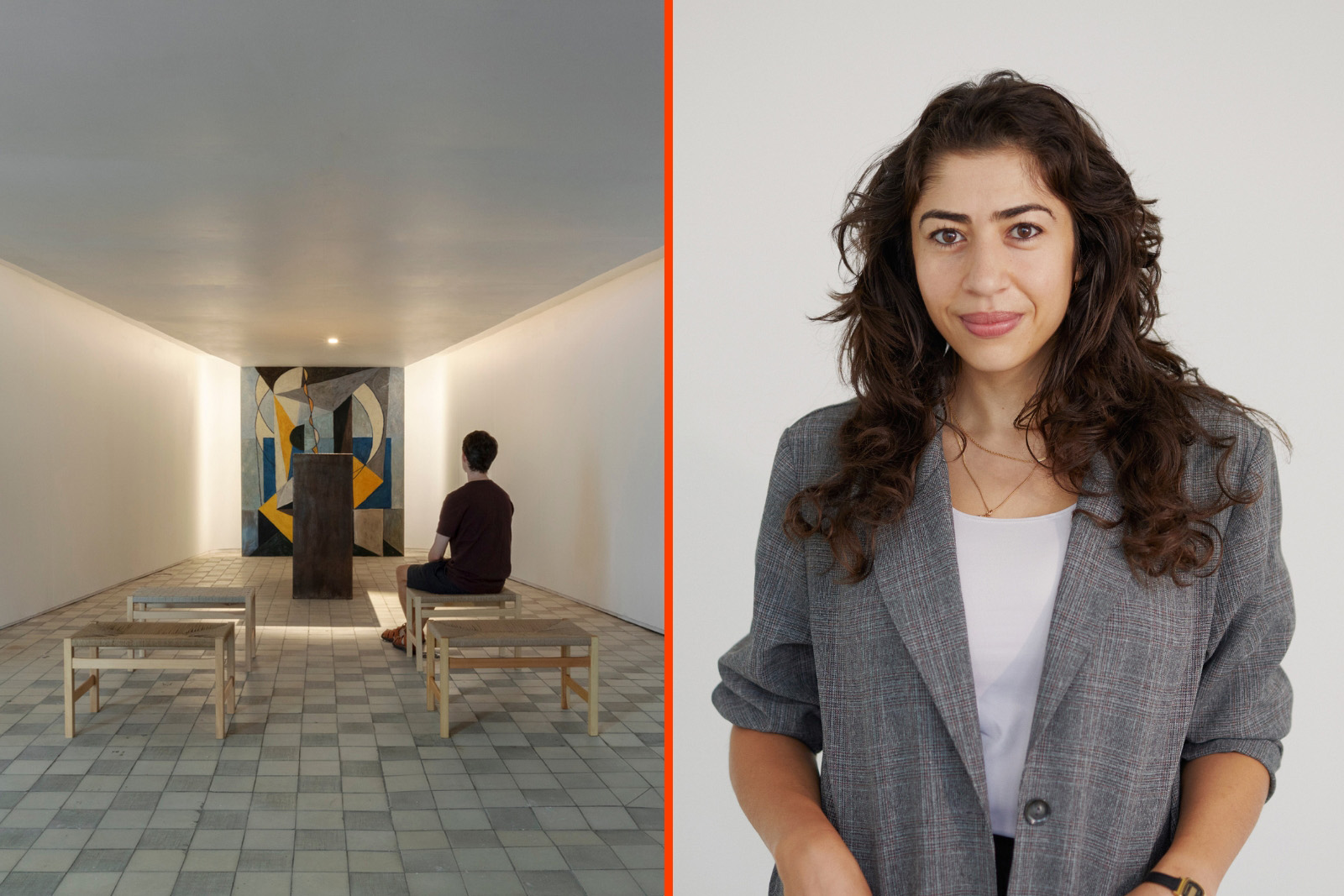
When the Egyptian curator Mariam Elnozahy took over Konsthall C in 2024, she set out to discover whether one of the world’s least religious societies could sustain an art programme built around faith.
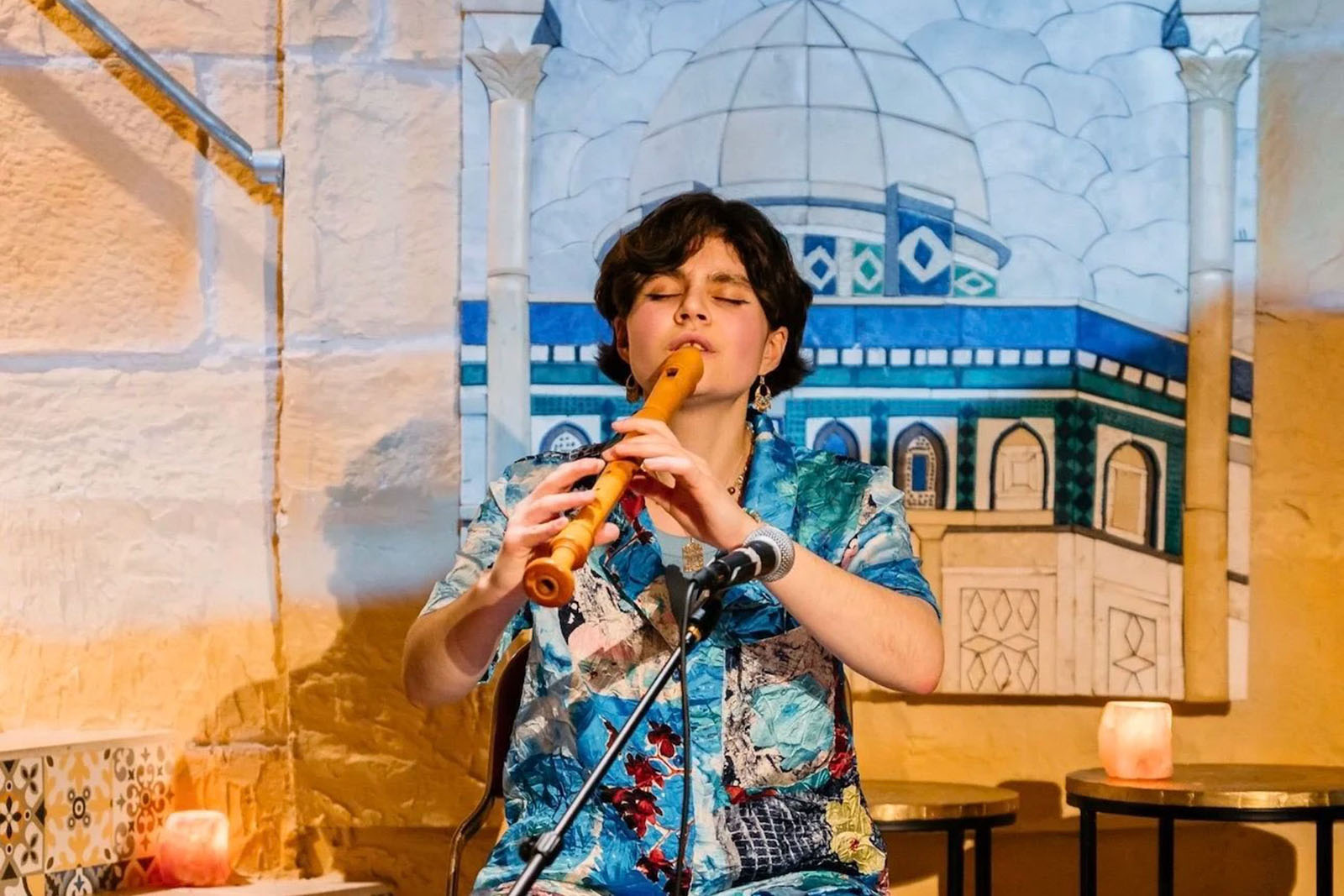
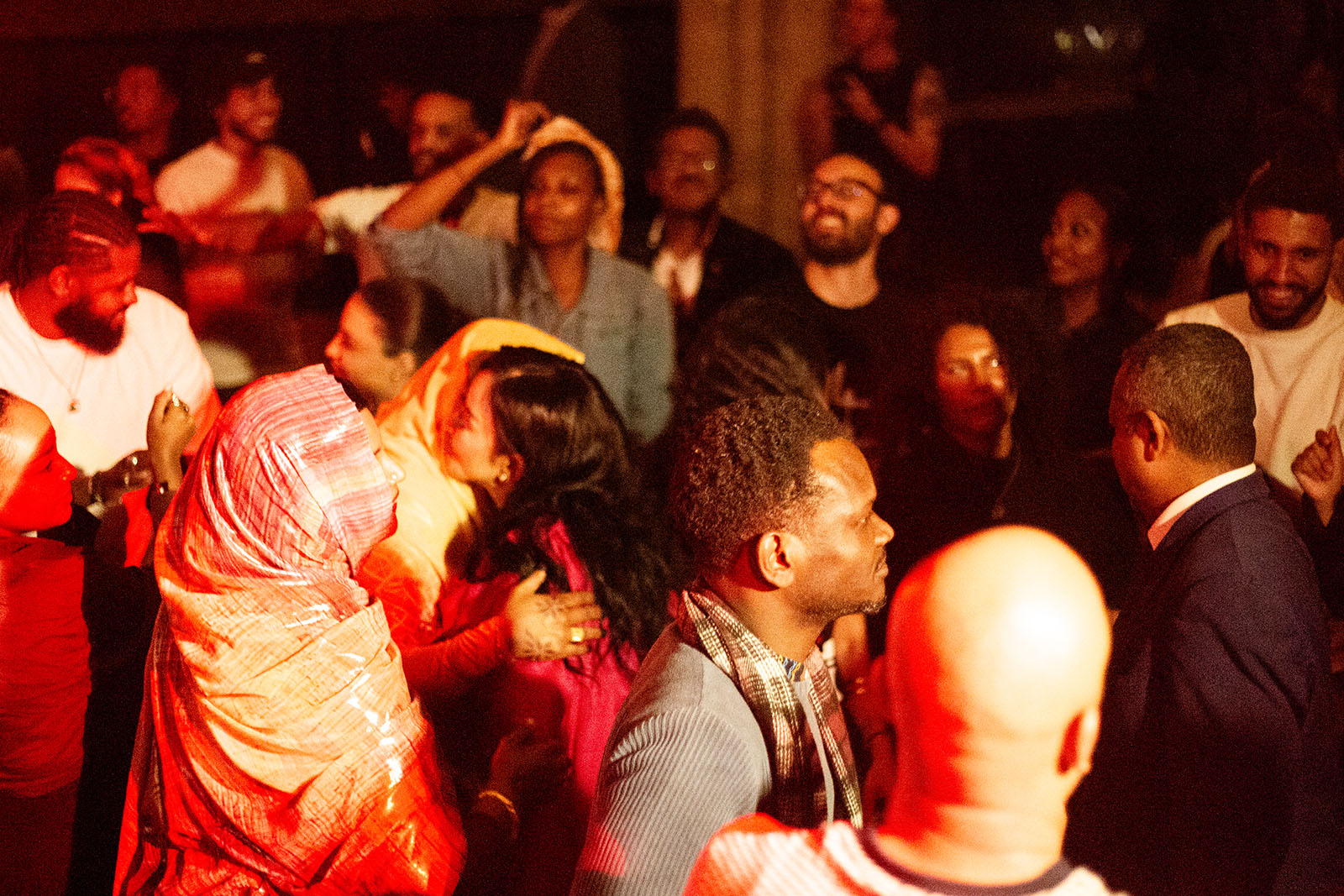
For two years, the neighbourhood art space — housed in a former laundromat in the Stockholm suburb of Hökarängen — invited artists from around the world to explore religion, spirituality and politics. Under the banner Sacred Spaces, its programme ranged from Shia mourning rituals and Georgian icon painting to Yoruba spirituality, South African ancestral practice and Swedish occultism.
At its heart was a near-exact replica of the Meditation Room created by Swedish diplomat Dag Hammarskjöld for the UN headquarters in New York: a space in which people of any faith could sit together. Elnozahy wanted audiences to encounter differing ideas of the sacred at a time when the thinkers and artists she admired were reaching for what she called “metaphysical ways of understanding crisis”.
For her first event, Elnozahy invited Pierre Schori — a former foreign minister and ally of Olof Palme, the prime minister assassinated in 1986 in a still-unsolved street killing — to be interviewed by the journalist Edgar Mannheimer on stage. The event became a reckoning with the collapse of Swedish internationalism, with a younger audience pressing for answers on where Palme’s progressive politics had gone at a time when many Swedes were despairing at their government’s refusal to take a stand over the genocide in Gaza.
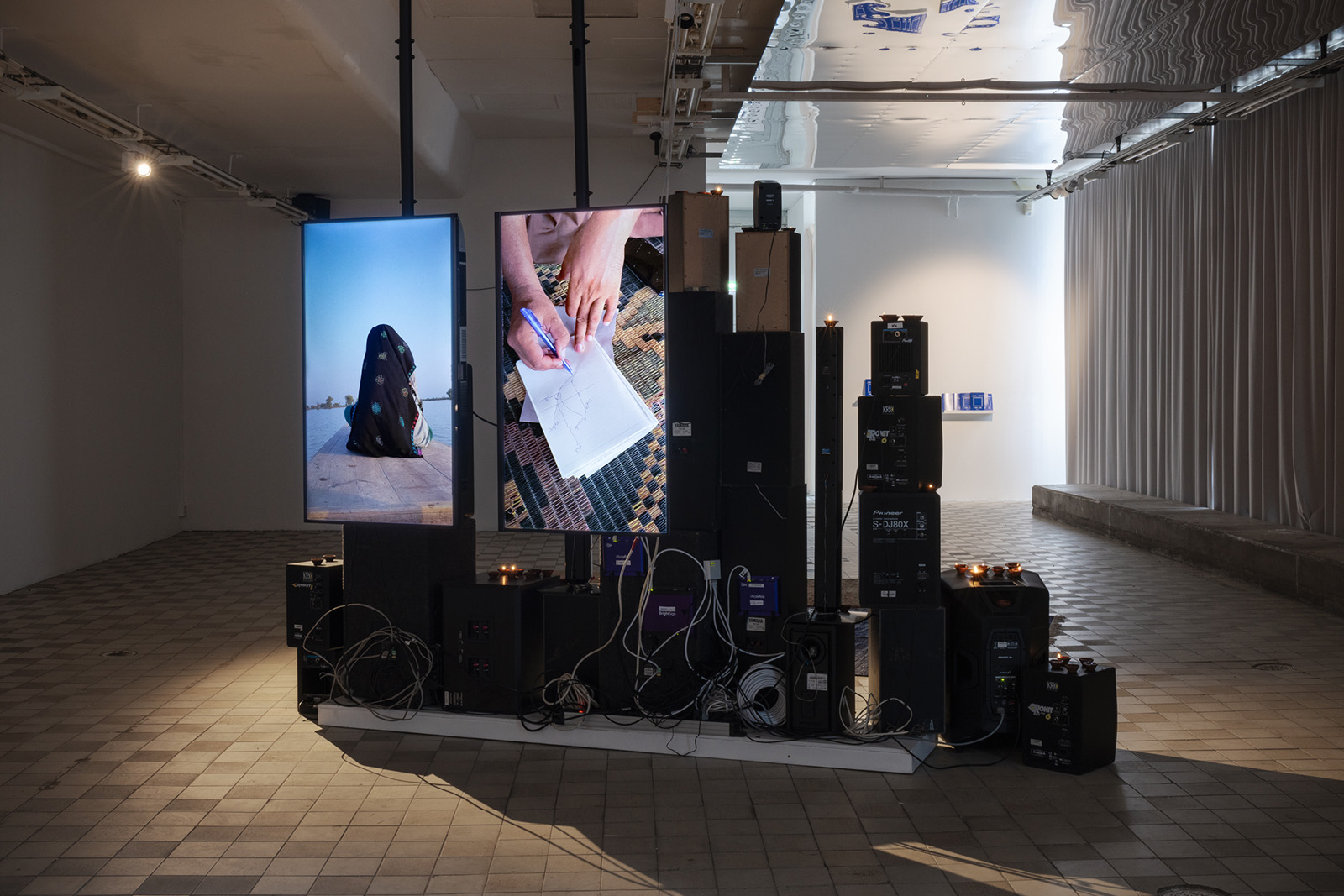
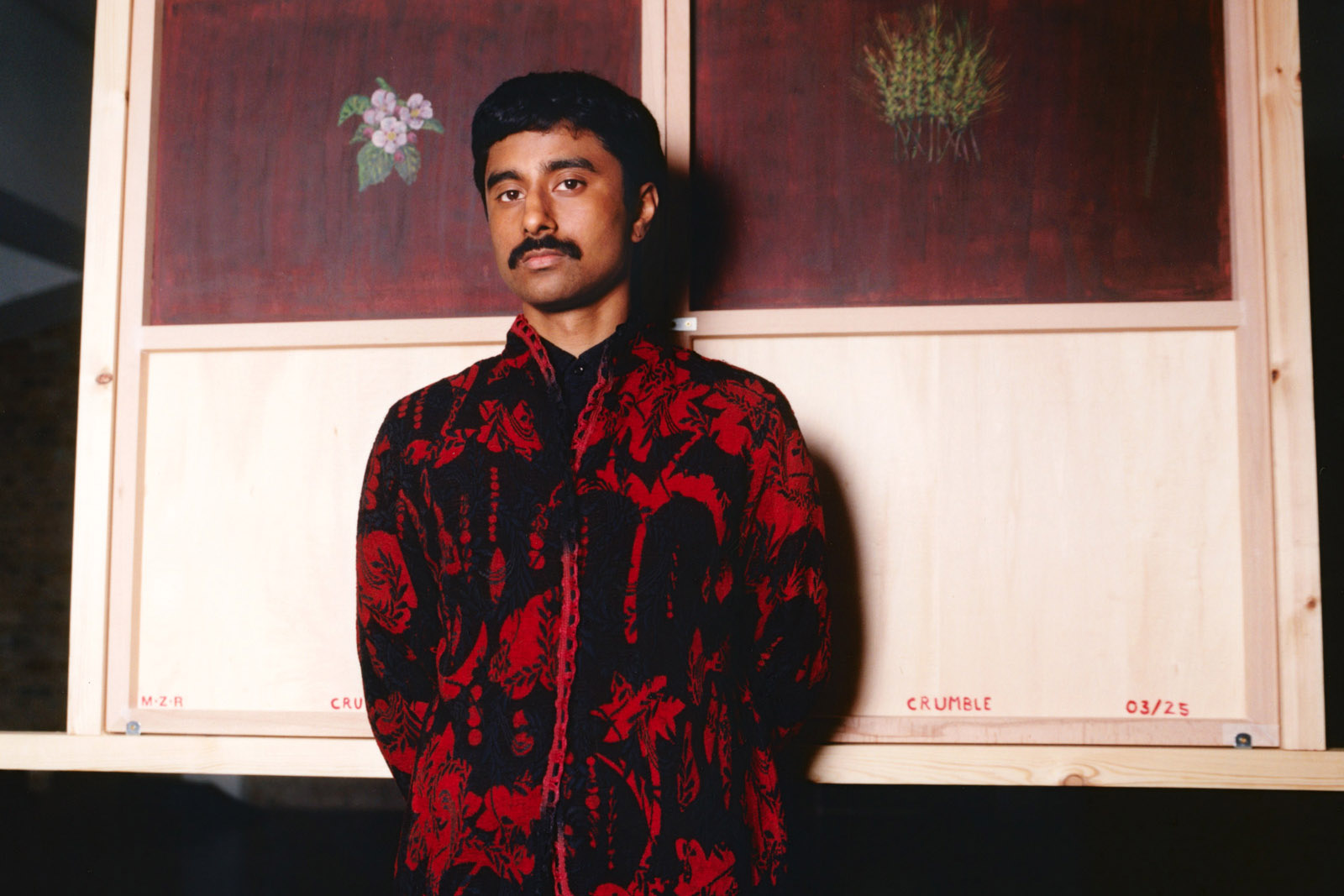
Pew Research Centre surveys have found that three-quarters of Swedes show low levels of religious commitment, and 65% seldom attend religious services. Where Elnozahy’s programme came into its own was in bringing people up against a devotional world not their own — nowhere more so than with the Shia tradition. The Pakistani artist Zahra Malkani filled the darkened room with field recordings — protest chants from Shia fishing communities on Pakistan’s coast, braided with the liturgy of Ashura, which mourns the killing of the Prophet Muhammad’s grandson Hussein at Karbala.
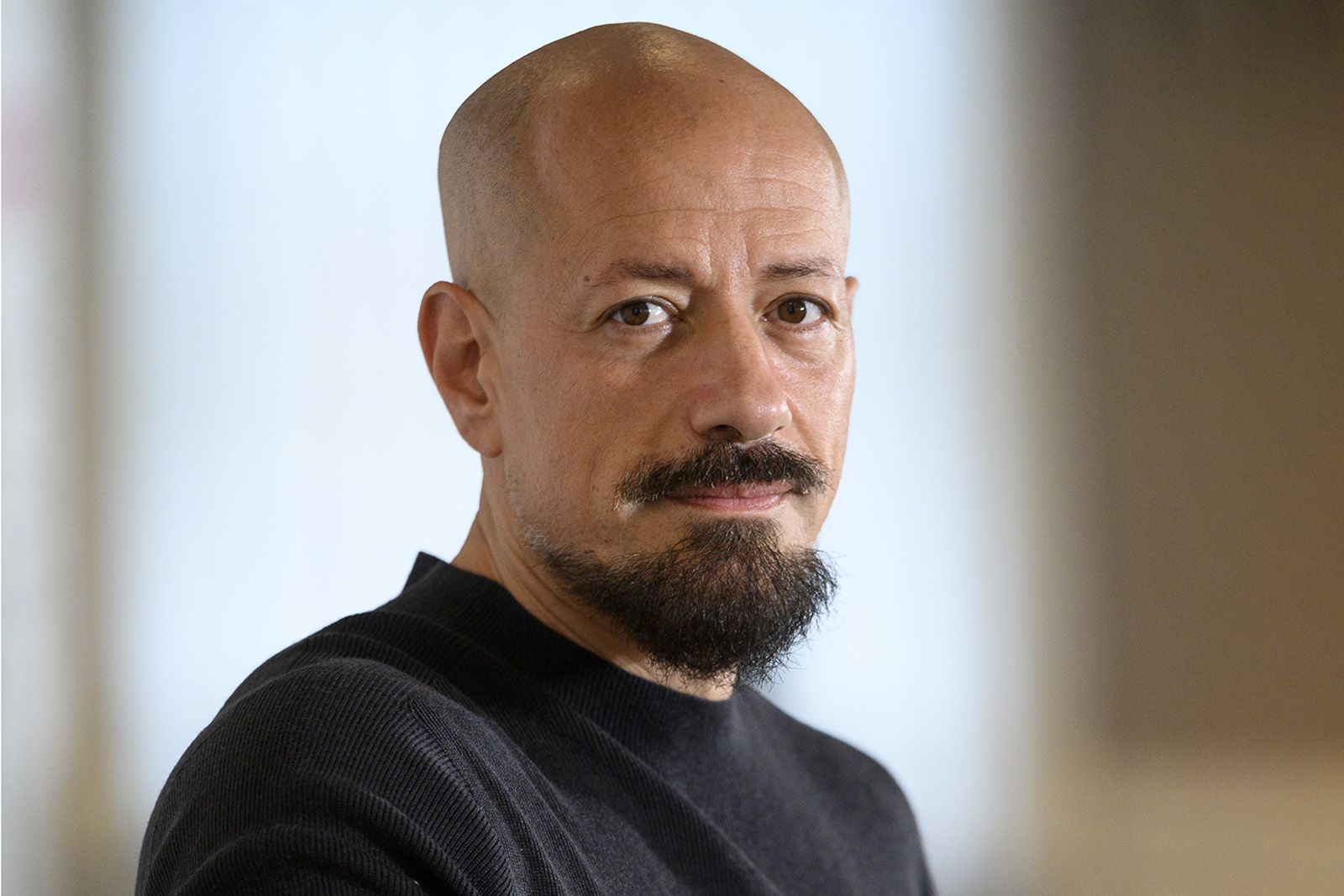
Visitors sat for an hour at a time in the space, moved by chants some of them could not translate. Alongside this, the Iranian anthropologist Shahram Khosravi lectured on how deeply Karbala still shapes Shia life. Among the audience, according to both Khosravi and Elnozahy, were many Sunni Swedish Muslims who had come to learn about a culture they had never previously encountered.
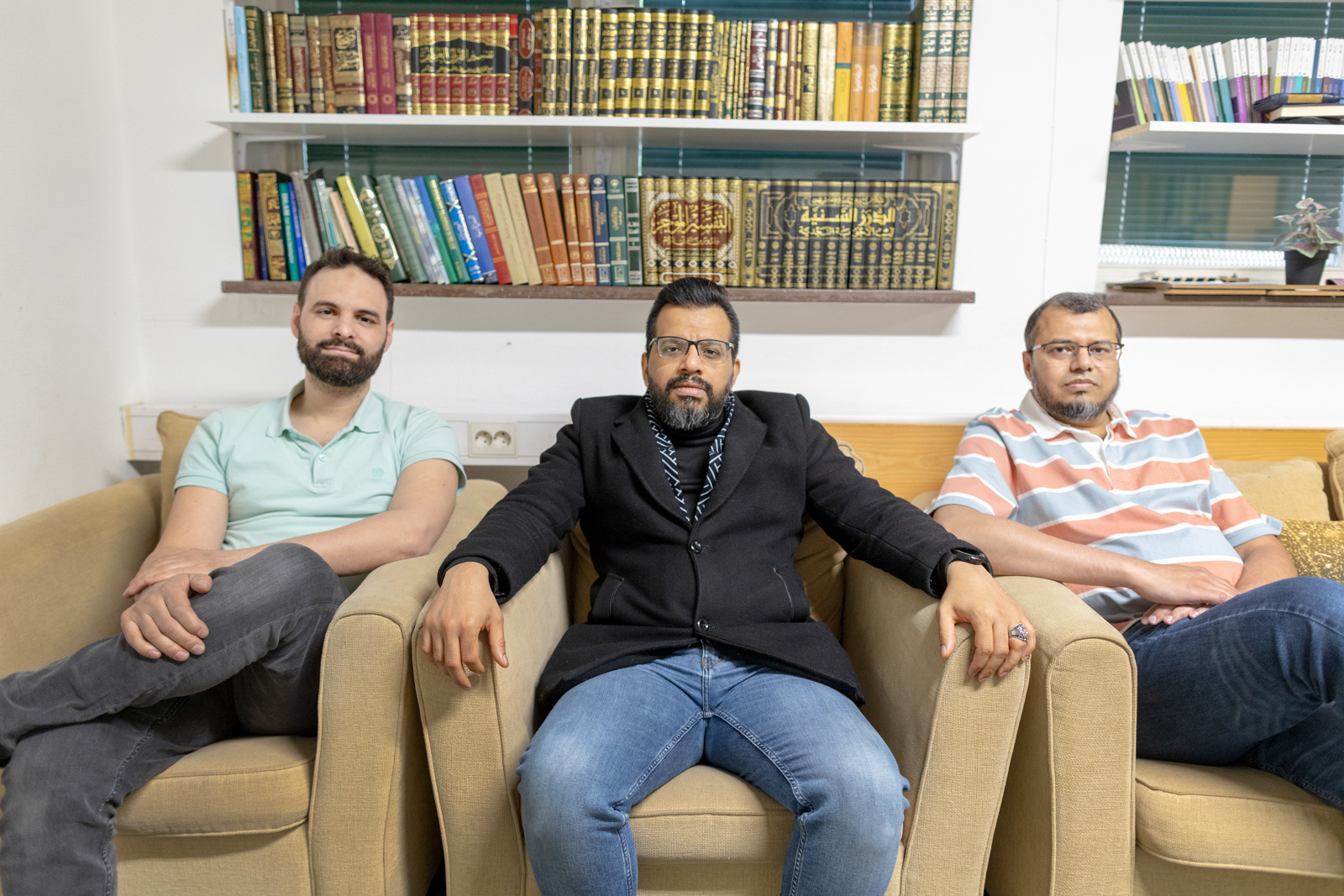
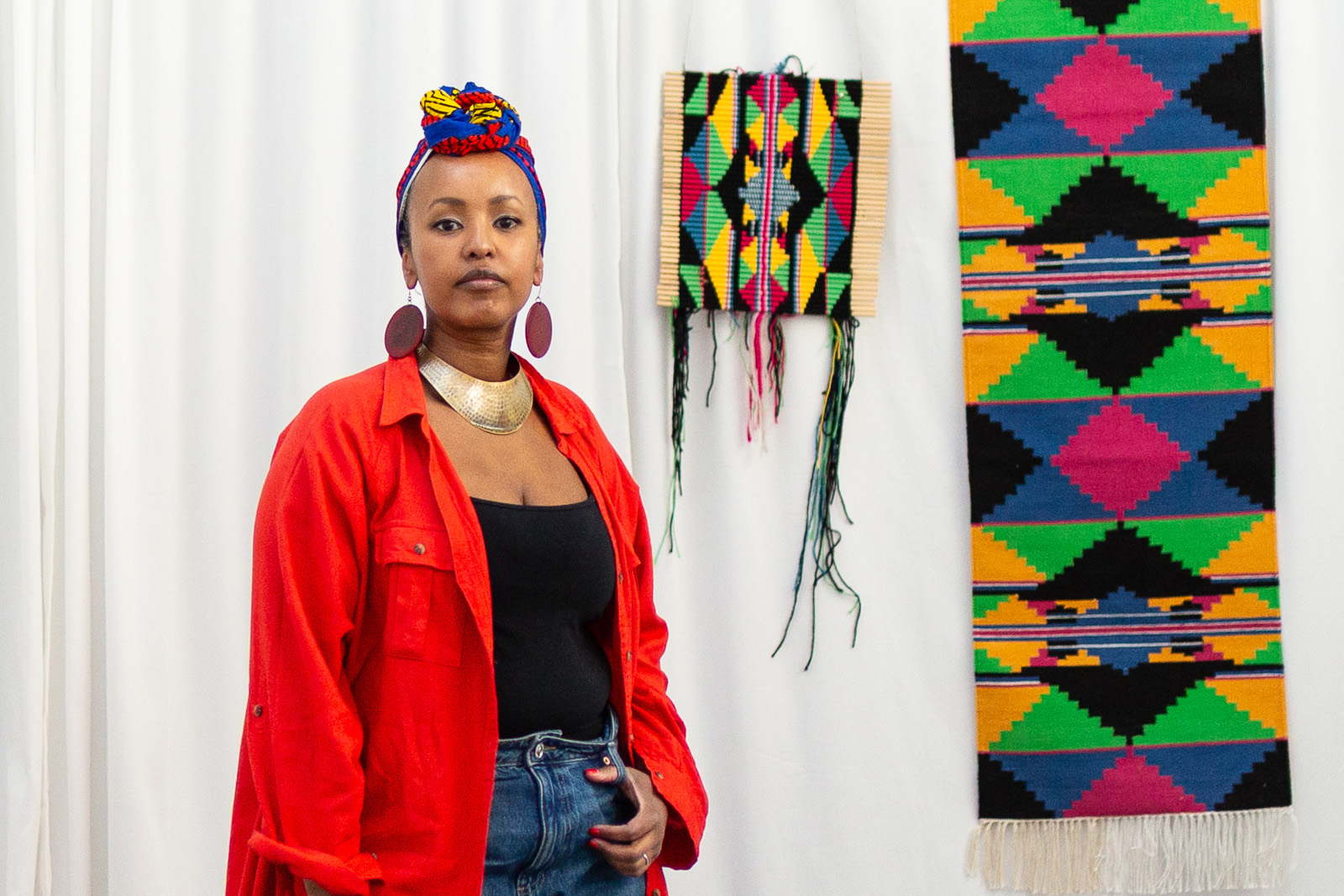
Konsthall C also hosted a writing programme for a small group of young Muslim women from across Stockholm — a student, a psychologist, an actress — chosen following an open call. Run by the poet Nachla Libre, a decade deep in Sweden’s spoken-word scene, the one rule for participants in the eight-week programme was that they did not censor themselves; the aim, she said, was to be artists in a shared space rather than simply “Muslim women writing”. Most were not from a writing background; the workshops offered them a rare breathing space, according to Libre, because of the increasingly Islamophobic political climate in Sweden. “[We have] political parties that are punching down on Muslims and Islam, and especially Muslim women,” she said.
Elnozahy also hosted communal iftars, a rare chance for the city’s Muslims to gather.
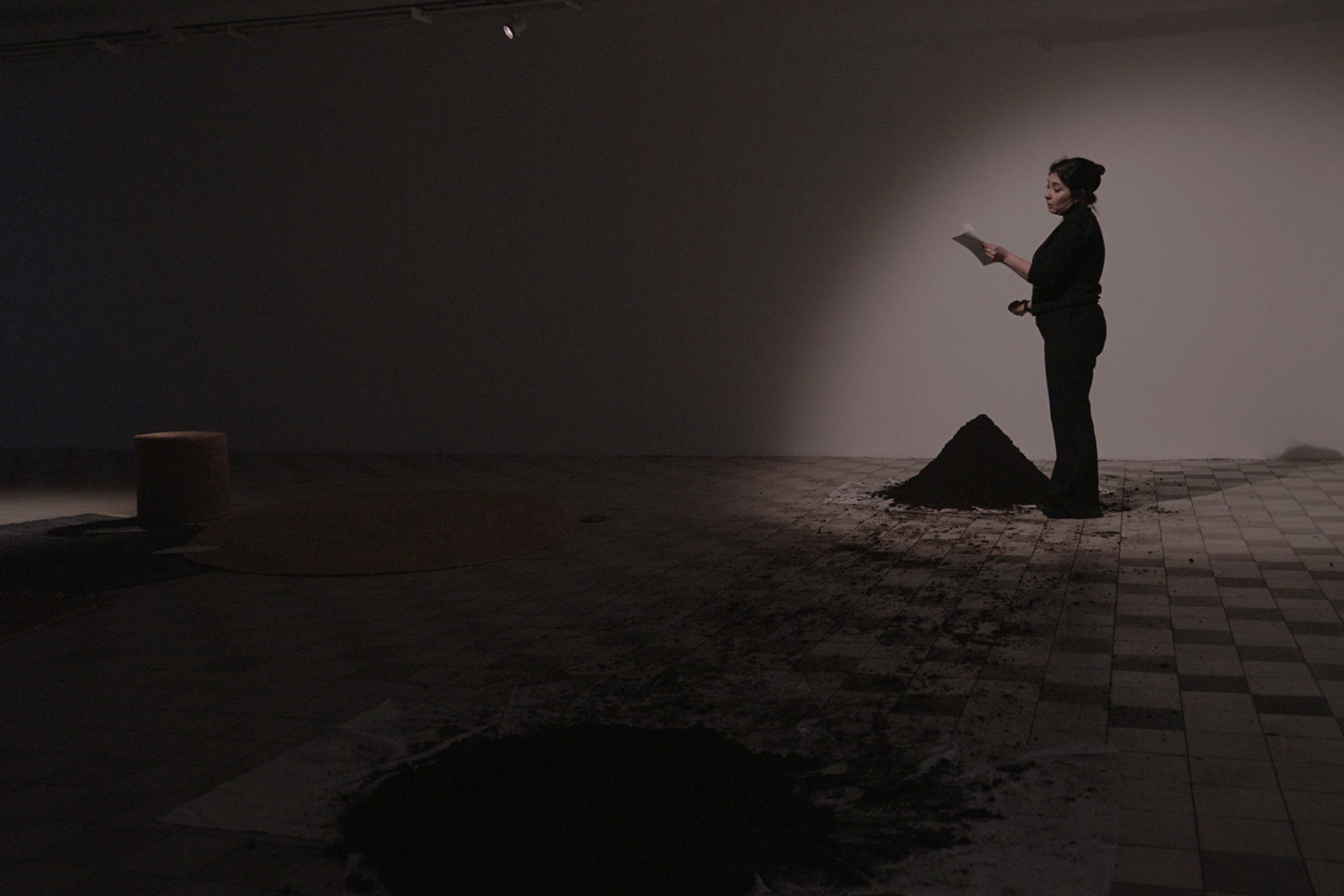
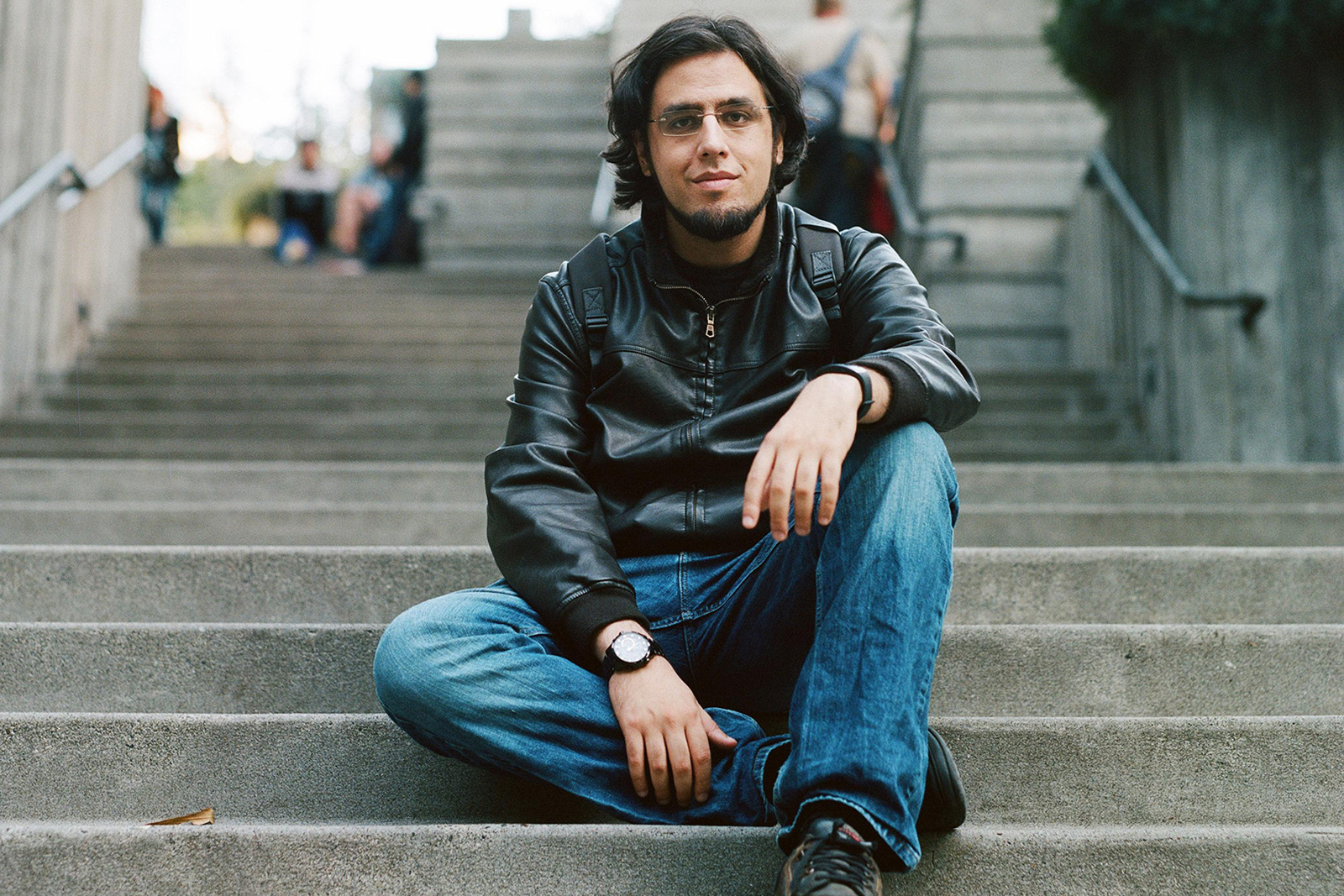
The space made room for the unplanned — not, as Bahar Borna Faraz notes, a very Swedish instinct. Faraz, an Iranian performer, staged a one-off performance piece about grief at the konsthall. For hours, she carried some 100 litres of soil by hand, pausing to read aloud a manifesto on mourning and to sing a Farsi lament. The soil in the performance evoked the ritual of Islamic burial and the rush to bury a shrouded body within a day. Partway through, strangers stepped in to help, unbidden, which Faraz said she had been particularly touched by. “When you are in grief, you are not Swedish or Iranian or Arab. You’re just human,” she said.
Malin Heyman, a 46-year-old architect, Hökarängen resident and frequent visitor, told Hyphen she felt a clear shift in programming at the konsthall when Elnozahy arrived. “I have been very impressed by how the programme allows the political to be part of the spiritual,” she said.
Elnozahy added that she was “really surprised, pleasantly surprised, with how audiences responded”. Visitors, she said, kept wanting to talk about what they believed.
Her tenure, however, was not free of controversy. In February 2026, the gallery declared itself an “apartheid-free zone”, pledging to boycott companies targeted by the boycott, divestment and sanctions (BDS) movement. The Sweden Democrats and the Moderates condemned the declaration; a Sweden Democrat complaint likened the move to the anti-Jewish boycotts of 1930s Germany, and the Moderates tried to freeze its funding. Officials, though, found no rules had been broken after management confirmed all visitors were welcome, and the gallery rejected the Sweden Democrats’ charge of antisemitism, noting it came from a party with neo-Nazi roots of its own.
The directorship of Konsthall C rotates, and the space, Elnozahy insists, belongs to the neighbourhood rather than any one curator. She does not claim to have changed it. What her two years showed is that the appetite for engagement with different cultures and spiritualities is real and that, even in a Sweden growing colder towards migrants and Muslims, there can still be a room in which to encounter both God and each other.