
The Jordanian‑Swedish producer changing who gets to tell European cinema’s stories
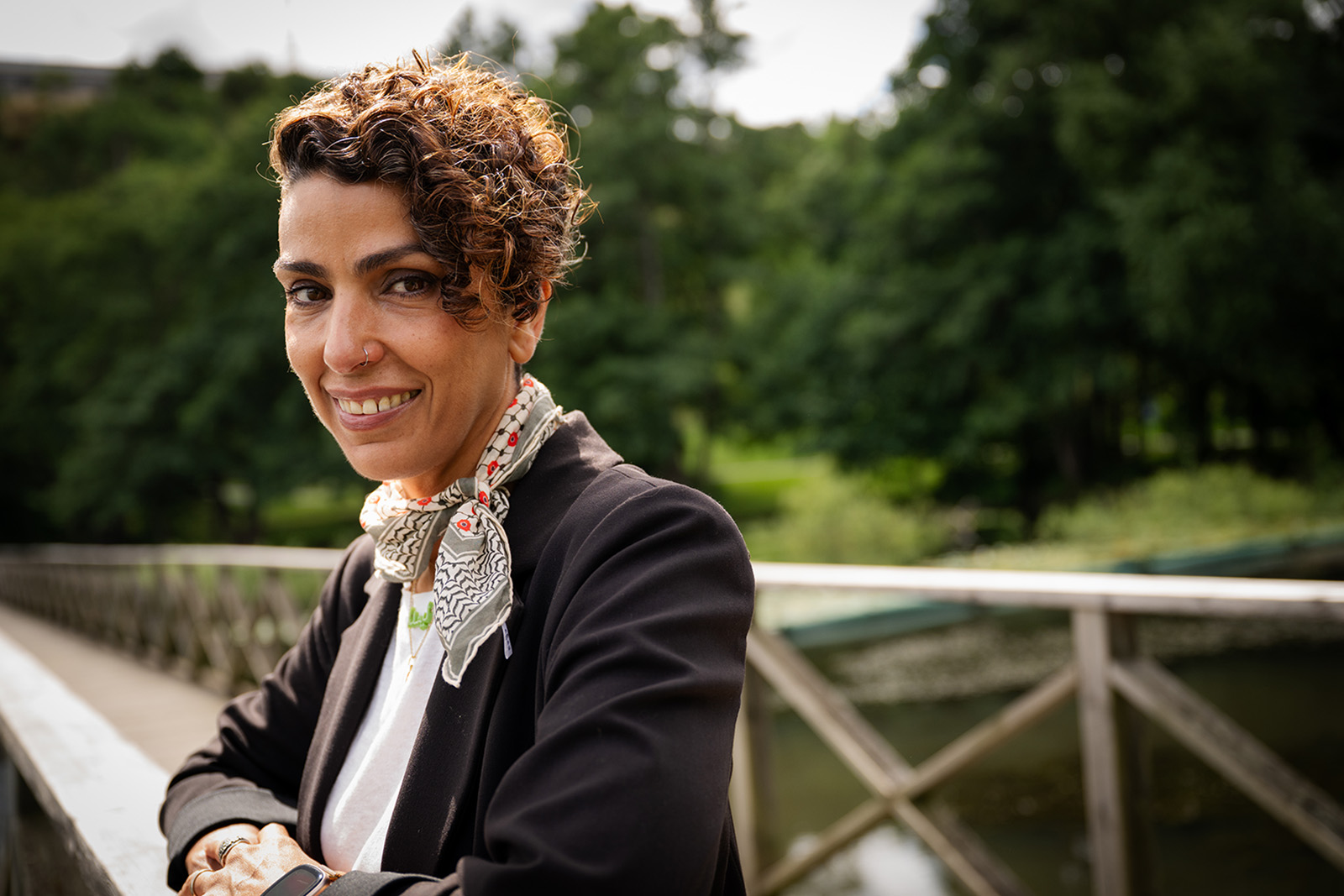
From Tarik Saleh’s award‑winning Cairo thrillers to a new Palestinian tragicomedy, Linda Mutawi’s cross‑cultural approach has made her one of the most in‑demand producers in Nordic cinema

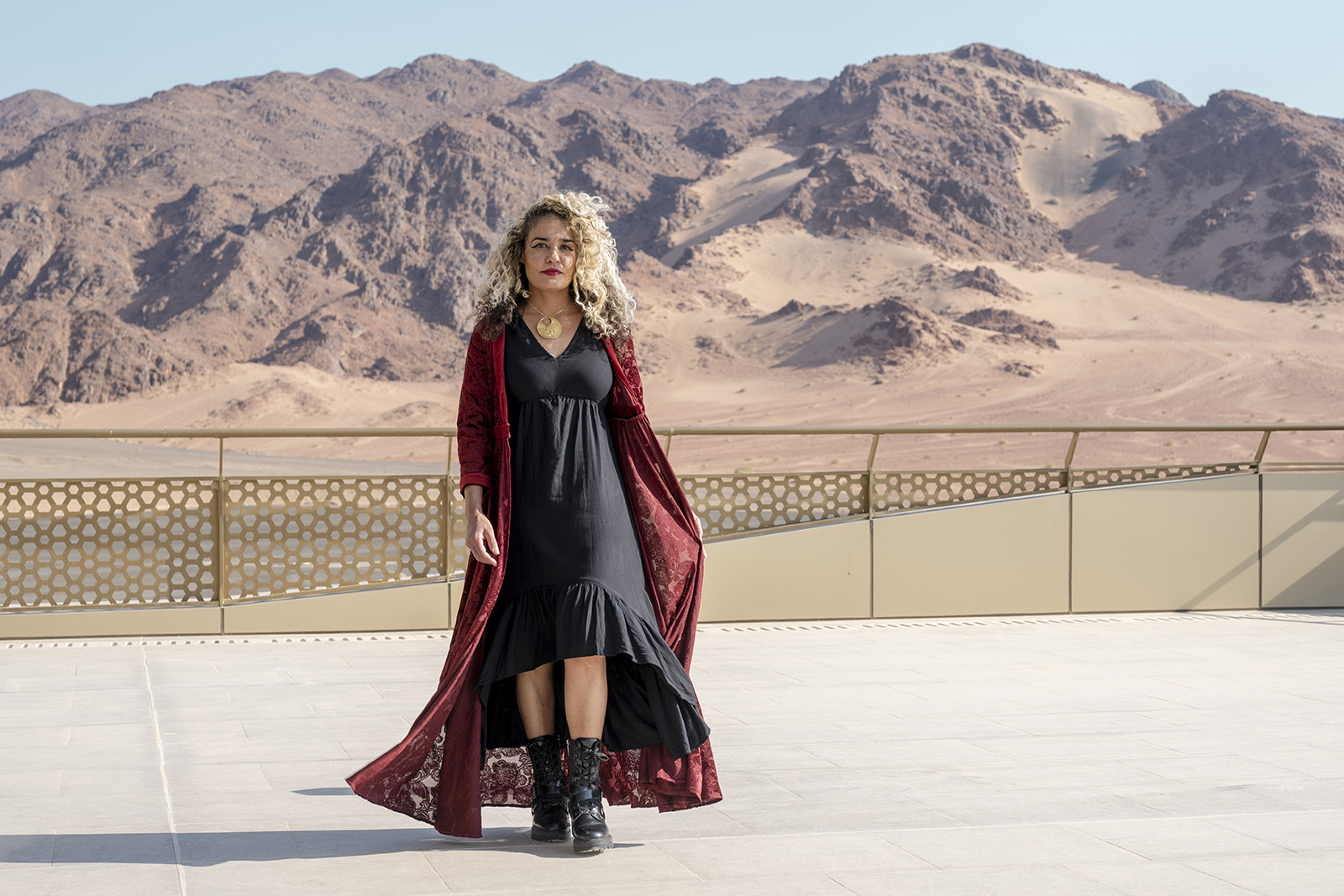
Ask film producer Linda Mutawi what matters most in her career and she doesn’t mention financing, casting or Cannes. She talks instead about “cultural intelligence” — understanding how stories, people and industries operate across different worlds.
For Mutawi, this isn’t an industry cliche, it’s the organising principle of her work. A Jordanian‑Swedish producer with Palestinian roots, she has become a sought‑after bridge between Europe and the Arab world as film-making becomes increasingly international.
“It’s my main strength as a producer,” she says. “Understanding different worlds — how people communicate, how decisions get made, what is unsaid. That’s what keeps a project alive.”
Related content
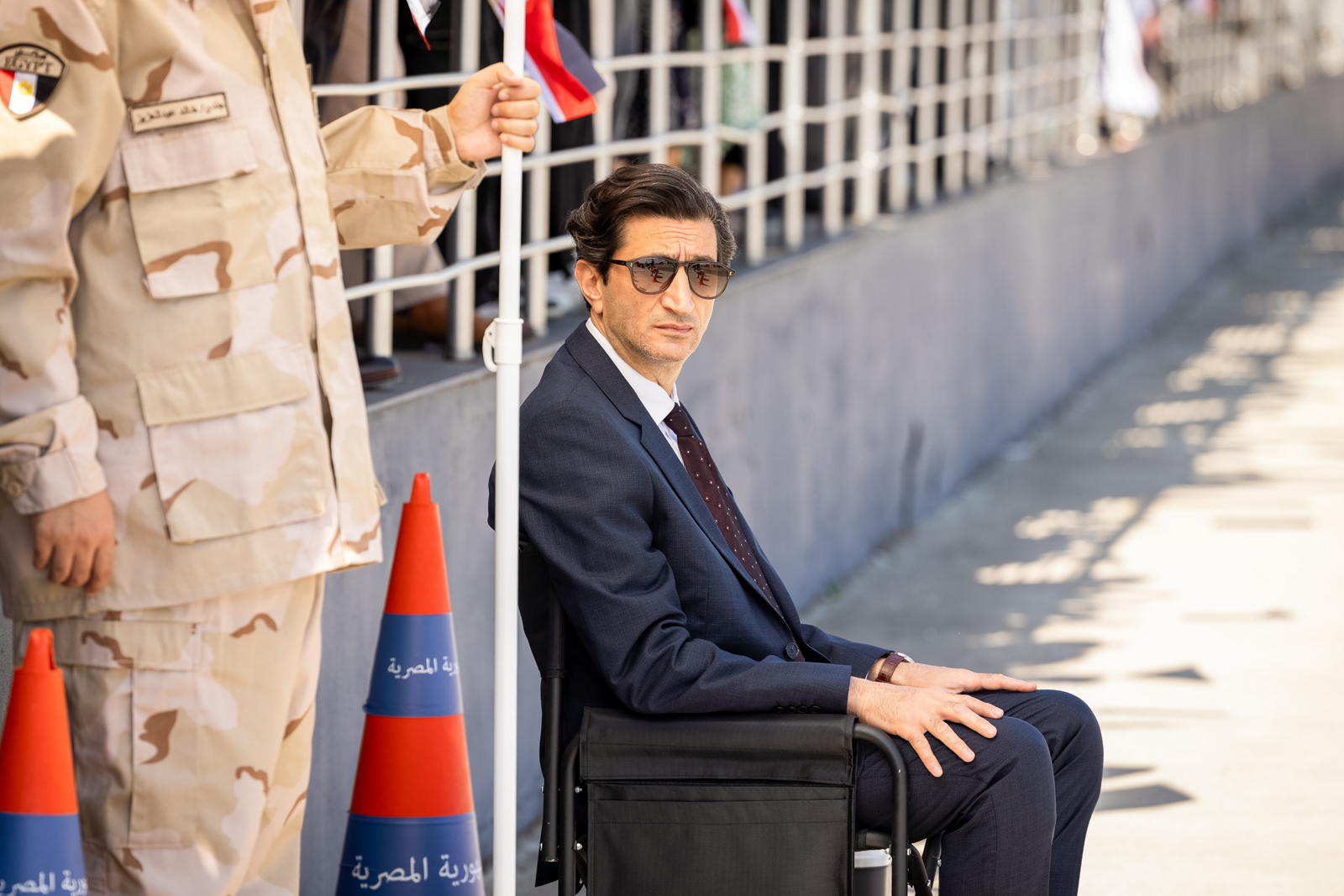
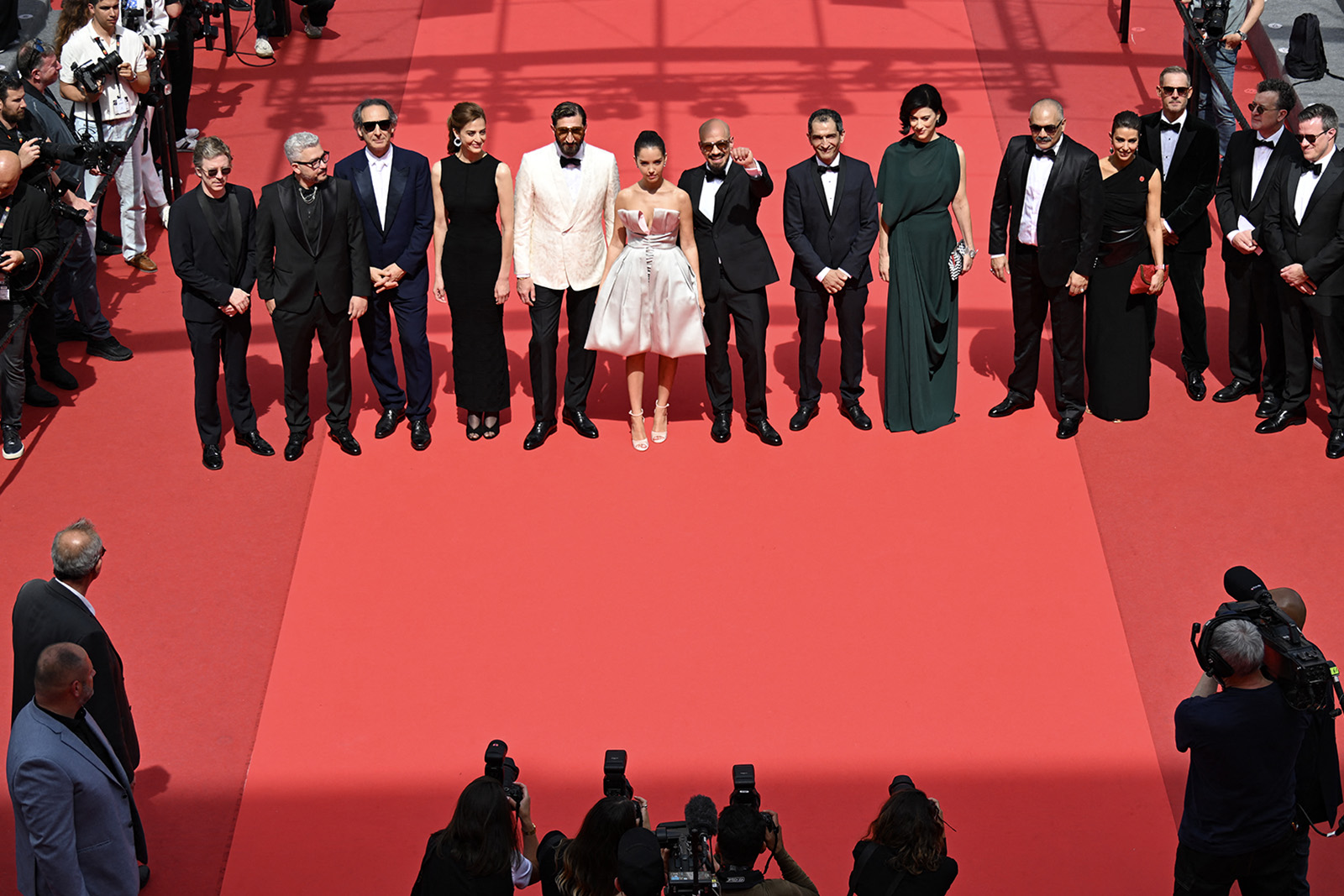
This year, Mutawi was selected as Sweden’s representative in European Film Promotion’s producers on the move programme at Cannes. Last year, Eagles of the Republic — the final instalment of Swedish‑Egyptian director Tarik Saleh’s Cairo Trilogy, which she produced — premiered in competition at the festival, went on to win six Guldbagge Awards including Best Film, and was selected as Sweden’s submission for the 2026 Academy Awards.
More and more, shrinking national funds mean that films are financed across borders, with producers, directors and backers often spread over several countries and cultures. For Mutawi, now based in Stockholm, navigating those differences is not a logistical nuisance but the job itself.
“In different countries and societies people work differently,” she says. “If I’m working in Egypt, for example, the work is very hierarchical. Whereas in the Nordics, generally it tends to be quite flatly organised.”
Knowing how to read those dynamics, she argues, can mean the difference between a project that collapses in misunderstandings and one that survives long enough to get made.
That cross‑cultural fluency is baked into the company she co‑founded in 2015, Fikra — Arabic for “idea”.
“It’s more of a statement of intent,” she explains, “that the idea is to protect a project or a story before we go into all the practical, commercial and logistical elements that shape it as a final product. We’ve worked a lot between the Nordic region and the Middle East. We see ourselves as a bridge.”
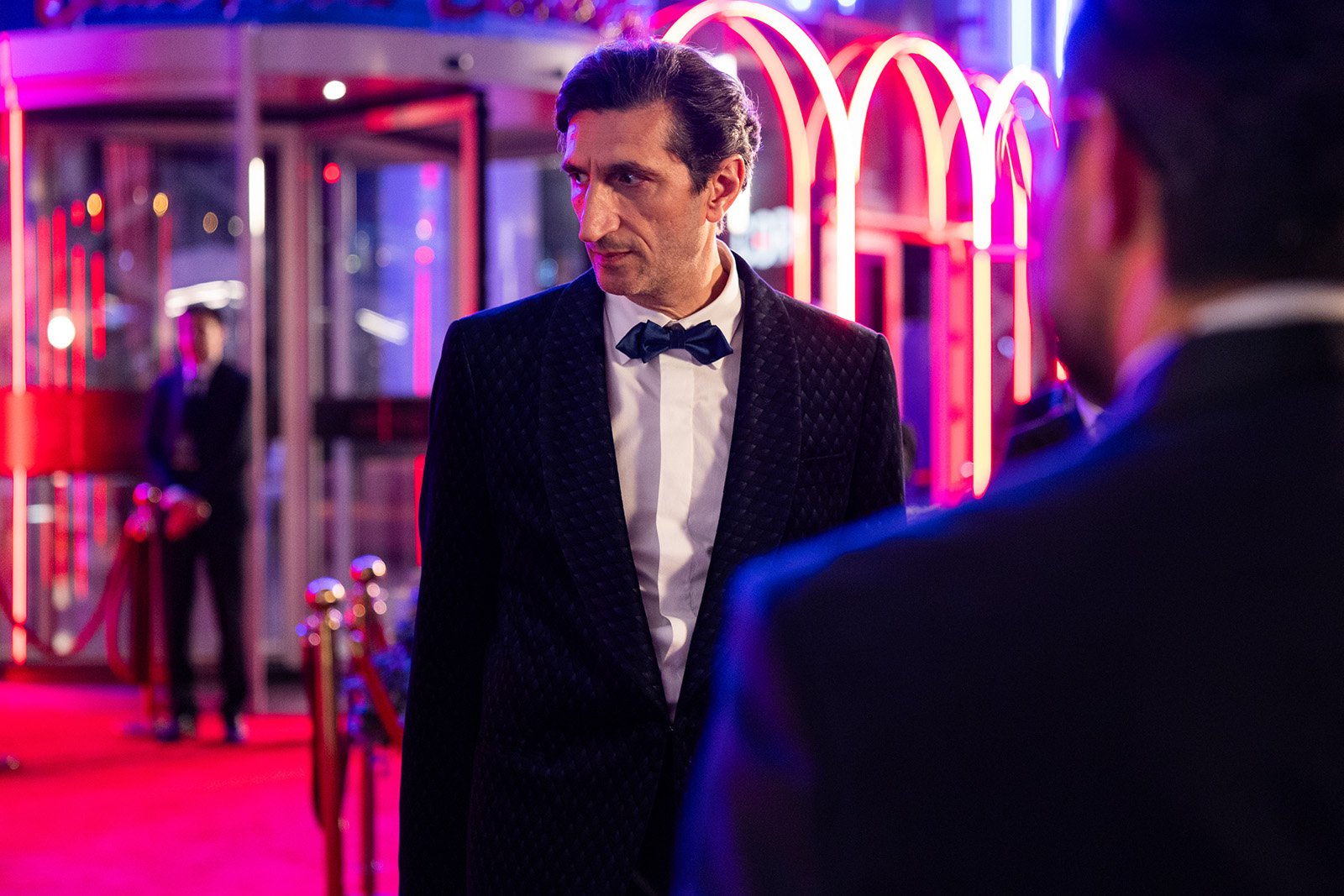
That bridge has underpinned her collaboration with Saleh, whose Cairo‑set thrillers — The Nile Hilton Incident, Boy from Heaven and Eagles of the Republic — have established him as one of Europe’s leading political film-makers. They are among the most widely seen Arab‑inflected films in recent European cinema, yet they are made firmly within a European industry framework.
“What’s special about my relationship with Tarik is that we have similar cultural references and similar backgrounds,” Mutawi says. “There is a level of understanding there that isn’t available with other Swedish producers.
“We’re drawn to stories that are socially complex, emotionally authentic, politically resonant, but with strong cinematic language — especially stories from hidden or marginalised worlds that don’t get told with that level of craft and international ambition.”
Before moving to Sweden in 2013, Mutawi spent years at Jordan’s Royal Film Commission, where she helped establish the Jordan Film Fund and worked on international co‑productions shooting in the country. That experience — watching American, European and Arab teams collide on Jordanian sets — turned out to be a kind of training ground.
“When I first came to Sweden, I was surprised,” she recalls. “The film industry’s always been such an international place, and it felt very contained. If you were not from the bubble and not from the system, it’s very difficult to break in.”
She credits “some luck” — being introduced to the right people early — but also a broader shift over the past decade. “I do think that now the industry feels more international. It’s not such a strange thing to be working in English any more.”
If production has globalised, however, audiences have become more elusive.
“We had the pandemic, and in Sweden it really suffered. Cinema‑going is not great, the numbers are not great,” she says.“The way audiences are consuming media is changing and that has many people [in the industry] very scared.”
For Mutawi, the answer is not to chase a vanishing audience but to think in terms of communities.
“The industry needs to understand that there are many audiences who are being underserved,” she says. “Niche is the new superpower. Find your niche community and that audience can make your project travel.”
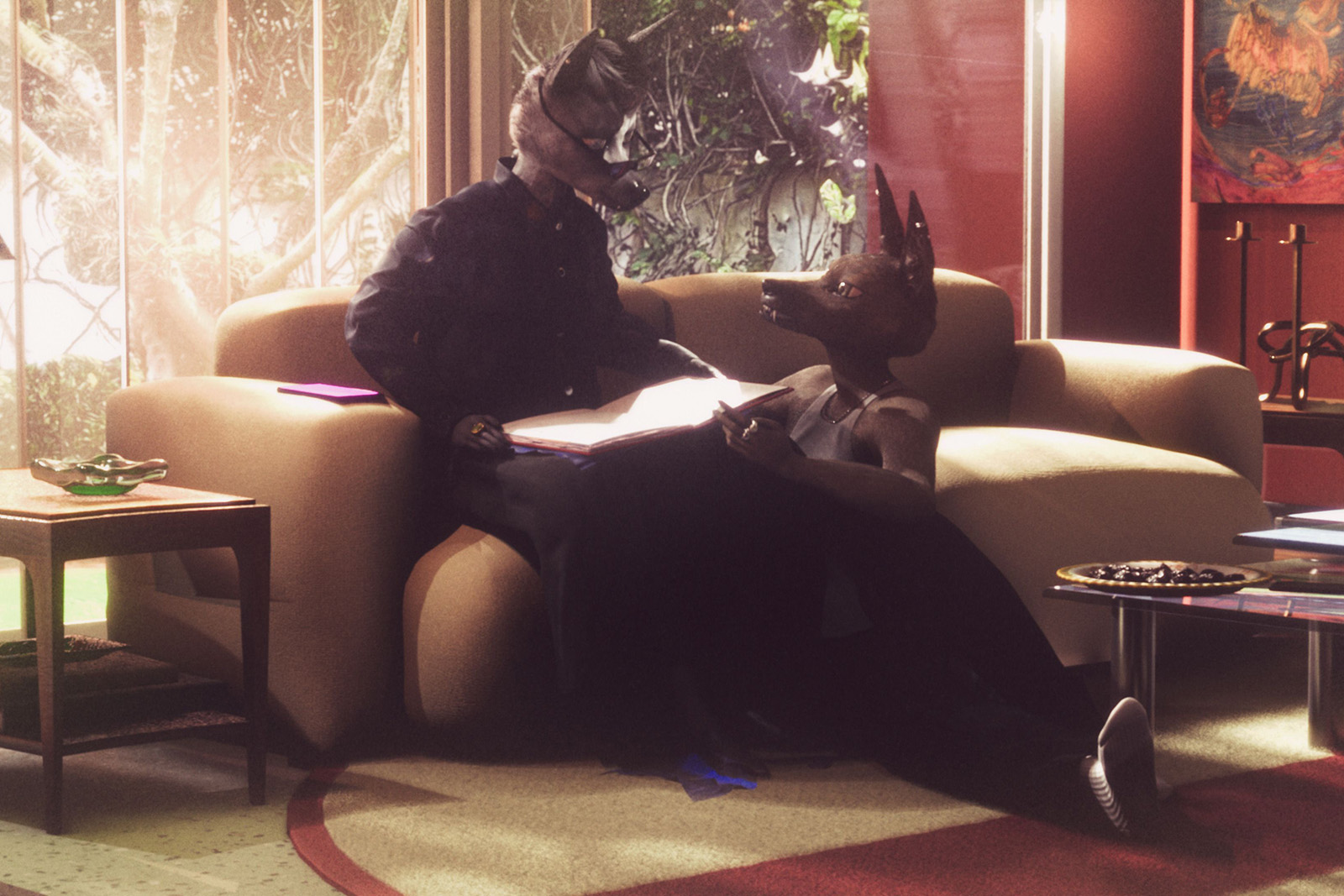
Mutawi is developing projects with film-makers across the region, including Dear Tarkovsky, a Palestine/Sweden/Jordan co‑production with Palestinian director Firas Khoury. The film follows a Palestinian film-maker obsessed with the Soviet director Andrei Tarkovsky who stages a fake rescue to con a wealthy man’s daughter into funding his debut feature, only to fall in love with her — setting off a tragicomic chain of love, betrayal, imprisonment and a final act of defiance.
“It’s a love story, a crime story, a story about cinema itself,” Mutawi says. It is also, crucially, not another film about Palestinians only as victims.
“There’s more interest and more hunger for Palestinian stories,” she says. “On the other hand, there’s also more fear of making those stories happen.”
“There is also increased fear around Palestinians being allowed a voice, because the historically ‘accepted’ narratives are being fundamentally challenged at the moment, and the backlash against Palestinians and their allies is so intense that many financing institutions and individuals are scared of the impact.”
She points to a structural problem behind that fear: without robust public funding systems of their own, Arab and Palestinian film-makers have long depended on European financiers: “Which means there’s been a lot of gatekeeping and a lot of limitations on what kind of stories are allowed to be told.”
Mutawi’s own family history tracks the displacement that, in her view, Palestinian cinema has spent too long being reduced to. Her father was born in Jerusalem and was nine when his family was forcibly displaced during the Nakba; they eventually settled in Amman. Her mother, from Nablus, also moved around the region before her parents met in Jordan.
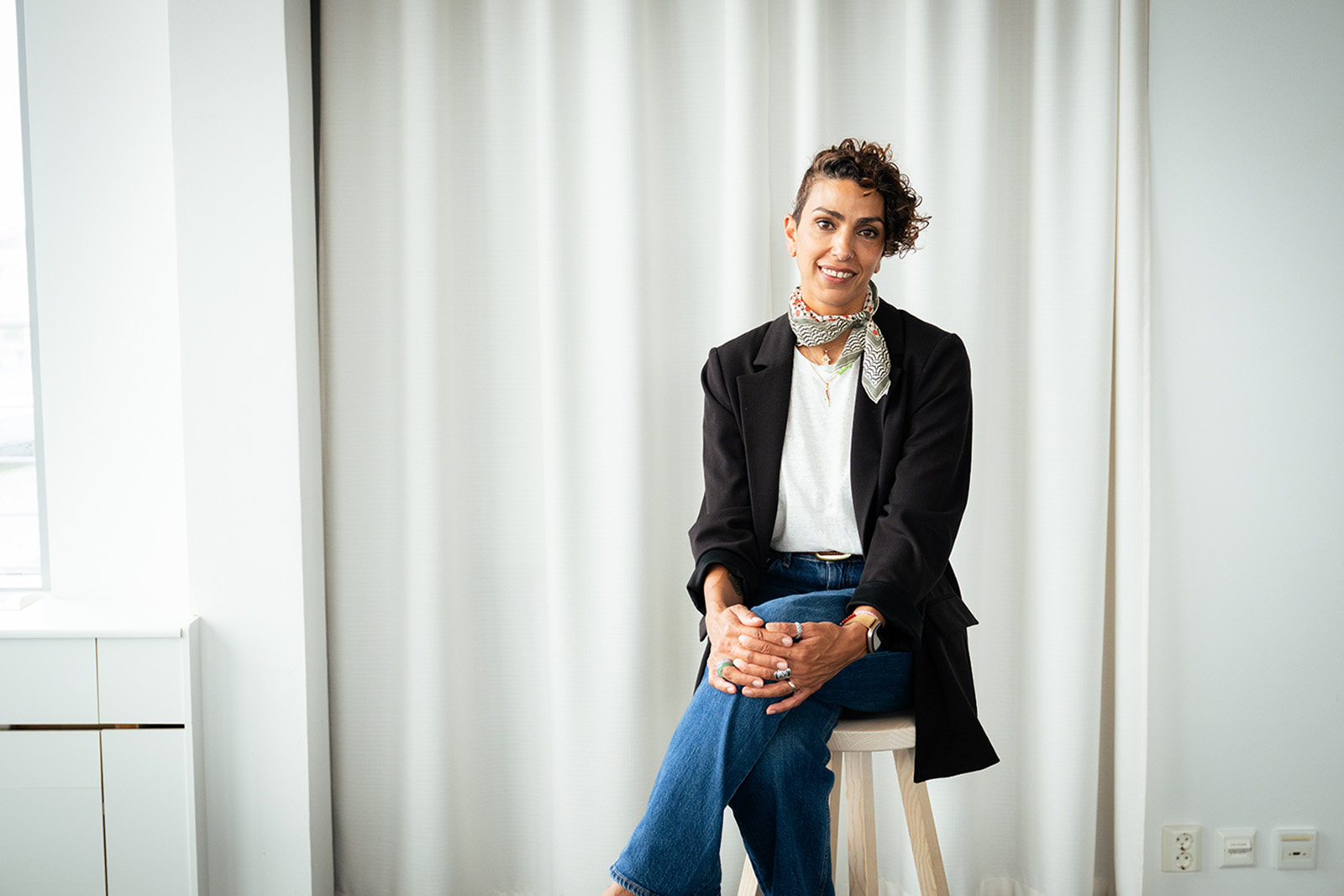
Mutawi was born in the UK, grew up between London and Amman, and later lived in Dubai and the US before settling in Sweden 13 years ago.
“It’s a very common story in the Palestinian diaspora,” she says — common enough that she is impatient with how rarely that complexity appears on screen.
“As a Palestinian wanting to make a Palestinian film, I was very clear from the beginning that I did not want to make a film about tragedy and victims. We see it on the news every day. We don’t need to watch it in the cinema.
Related content
“The extent to which Palestinian death has been normalised has provided a real catalyst for Palestinian storytellers to break free of those limitations and tell new, fresh stories beyond pain and misery,” she adds.
“But to do that, we need partners who are not afraid.”
Ask what keeps her in the industry as budgets shrink and distribution keeps shifting, and Mutawi doesn’t reach for anything polished.
“A certain level of craziness,” she says, laughing. “I’m Palestinian, I’m crazy, I’m unhinged, and a glutton for punishment. You have to have a little bit of crazy in you to be in this industry because it demands so much from you.”
Underneath the joke is something closer to conviction.
“With the state of the world, we need to tell our stories and be out there fighting for change,” she says. “My way of fighting for change is through cinema, through culture.”