
Muslim fans love this anime’s natural depiction of Islam
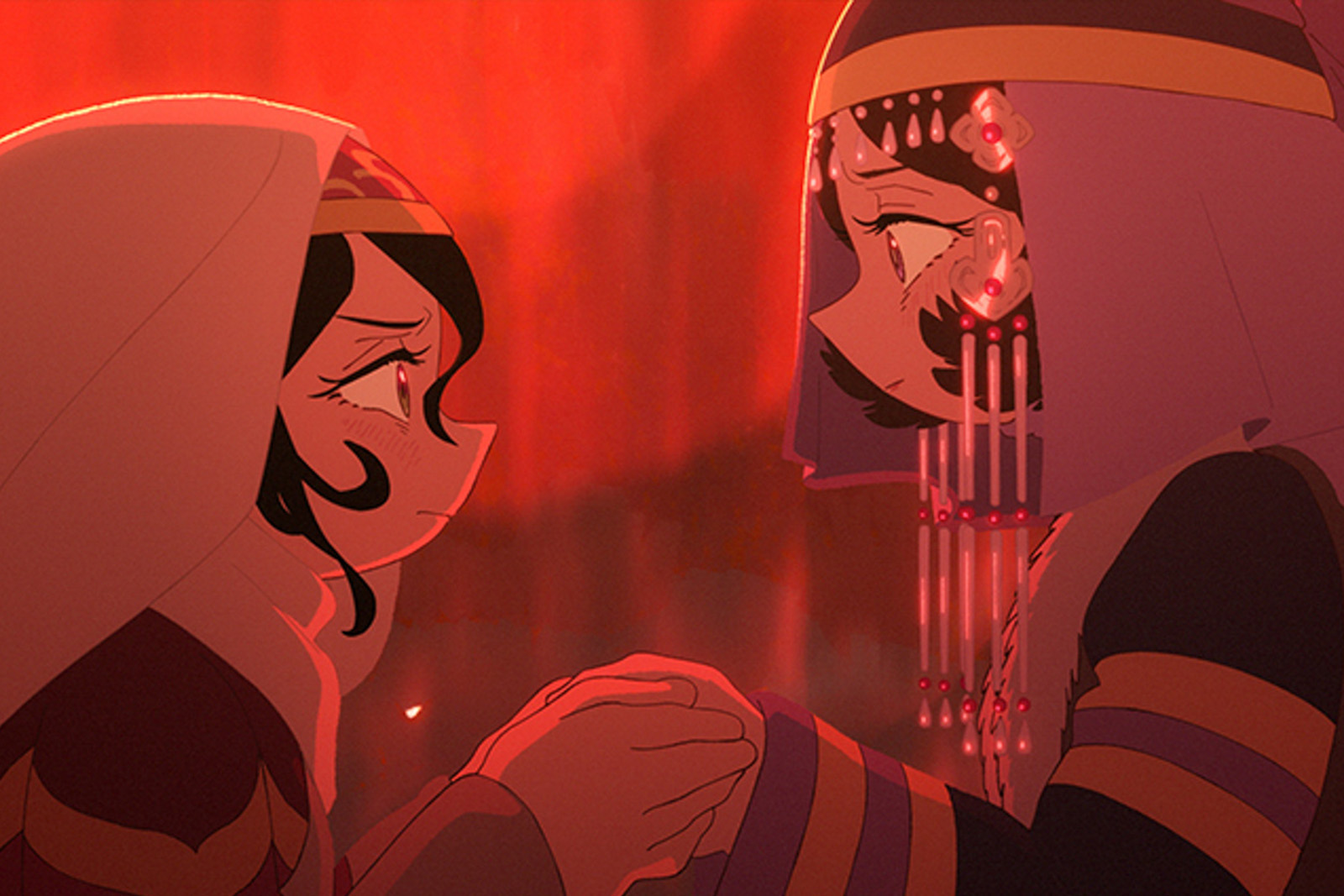
Blending Persian and Japanese aesthetics, Jaadugar: A Witch in Mongolia has opened up new worlds for some viewers and made others feel seen

When Mondi Maleknia began watching the new Japanese anime series Jaadugar: A Witch in Mongolia, she was immediately drawn in by the details: the buildings, the depictions of nature, the colour palette and the clothing.
Related content
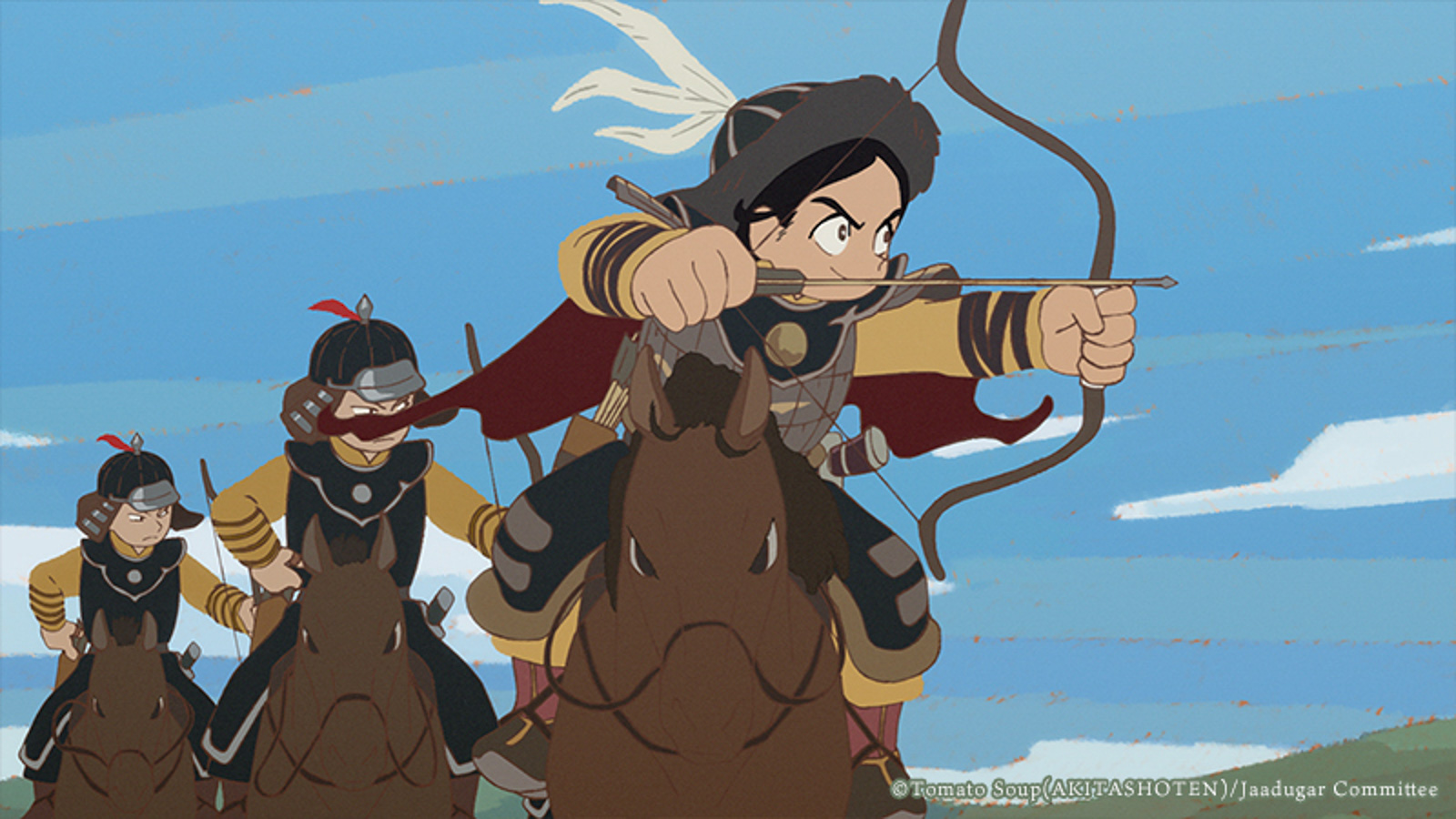
The story begins in Tus, an ancient city in the north-eastern Khorasan region of modern Iran. The year is 1213, when Sitara, a young girl who joins a family of scholars, is captured during Genghis Khan’s Mongol invasion. Blending fiction with historical fact, the animation explores the meeting of medieval Persia and the imperial Mongol forces.
Born to Persian parents and raised in London, Maleknia has a master’s degree in animation and illustration. Her own work often takes inspiration from her family heritage, so she has naturally taken an artist’s view of the series.
“I really liked it. A lot of the imagery draws on our Persian history,” she says. “It felt special to see parts of my own culture reflected back to me through Japanese animation. I recognised the architecture, the mosaics and the landscapes, but they were being shown through a completely different lens, which made it feel both familiar and new at the same time.”
The series premiered in Japan on 4 July. It is produced by the Tokyo-based animation studio Science SARU and adapted from a historical manga by the artist Tomato Soup. Its 12-episode run is being released weekly on Saturdays until 12 September and is available to UK viewers on the streaming platform Crunchyroll.
Islam is woven throughout Sitara’s story and theological study is central to her upbringing. From the very first episode, the adhan is heard emanating from mosques, women are depicted in hijab and people are shown in prayer.
For Jaasir Jabbar, a British-Bangladeshi doctor and content creator with a keen interest in anime, that was enough to make him question whether the trailer he saw was even real.
“The adhan really caught me off guard. I felt so seen. I thought it was AI at first,” he says.
Now he has read the original manga and is fully immersed in the series.
Anime has been an important part of Jabbar’s life since he was a child. He says that watching translated series helped him learn English and adds that the genre’s stories of perseverance in the face of adversity kept him going through medical school.
To Jabbar, the things that make Jaadugar: A Witch in Mongolia truly special are the details that a casual viewer might miss — from the different ways women dress to the specificity of the mosque architecture and calligraphy styles.
“It wasn’t simply a case of adding a hijab or head covering to show that the characters were Muslim,” he says. “There are different hairstyles and different ways the women cover their hair. You could see that there had been real thought and research behind the representation.”
For Fatemeh Morshedzadeh, an Iranian-Japanese manga enthusiast who grew up in Tokyo, manga and anime were crucial to learning the Japanese language and understanding the country’s culture.
She encountered Jaadugar years before the anime was made. A friend was working on the English translation of the manga, which is what inspired her to read it. For her, the detailed research that has gone into telling Sitara’s story is characteristic of Japanese historical manga.
“Most historical manga creators are very diligent,” she says. “They want to portray the history as properly and fairly as they can.”
She describes Tomato Soup as “a history freak” but adds that she never expected Jaadugar to be a “Muslim anime”. Instead, she says, it is an anime in which Islam exists naturally within the central character’s world.
That subtlety is precisely what makes Jaadugar so refreshing for Jabbar.
“Seeing something like this was actually quite beautiful,” he says. “We have a strong female Muslim lead and it’s not about her struggles with the hijab. It’s about her struggle to survive. That’s something I deeply appreciated.”
The representation that the series has provided has not been universally applauded, though.
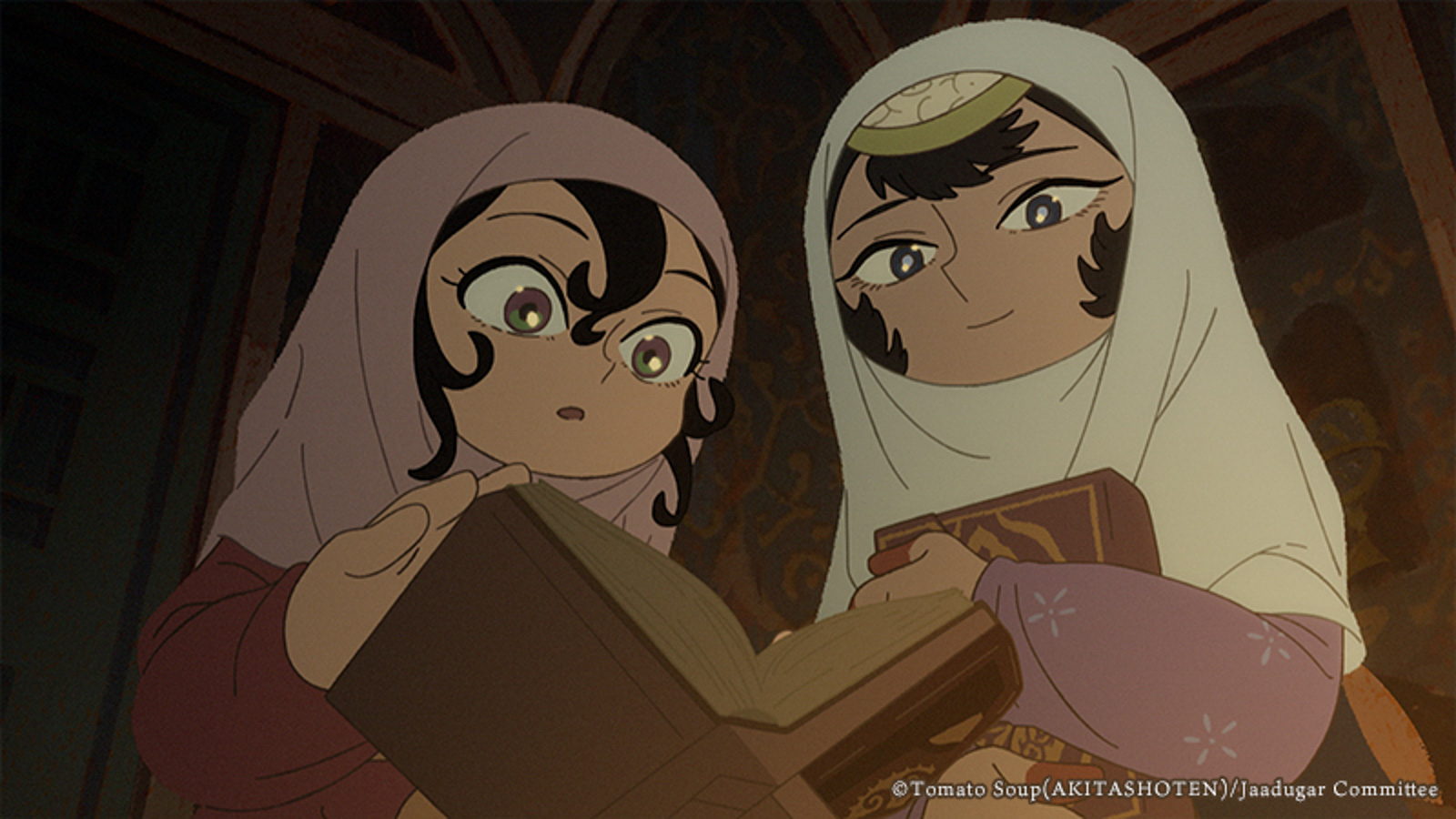
“Especially in the UK, I’ve seen Muslims question the drawing of human faces, or criticise the hijab because some of the characters’ hair is still visible,” says Jabbar. “I wish our community was more supportive and looked at the bigger picture. This is not a Muslim story. This is a historical fiction set in Iran, where the characters happen to be Muslim.”
What interests Maleknia most is the meeting of visual traditions within the series. “You can see the Persian influences, but you can also see the Japanese artistic style coming through,” she says.
Related content
While she recognises that the story’s blend of history and fiction may raise questions for some viewers, she believes that art does not have to perfectly reproduce the past in order to meaningfully engage with it.
“I don’t think every detail has to be an exact replica for it to feel authentic,” she says. “It’s more about whether you’ve understood the culture you’re drawing from and treated it with respect.”
The general consensus appears to be that neither Jaadugar nor the broader category of historical anime should need to be rooted entirely in fact. In addition to providing entertainment for millions of fans around the world, the genre can act as a gateway, Morshedzadeh believes, introducing viewers to unfamiliar cultures and narratives, and encouraging them to look deeper and learn more.
“It can spark curiosity,” she says. “For me, having both Iranian and Japanese backgrounds makes Jaadugar particularly interesting. You have a Japanese creator fascinated by Mongol history, but we experience that world through a Persian character whose Muslim identity is naturally part of her life. It brings together cultures that are familiar to me and opens them up to new audiences.”