
The legacy of 9/11 on film and TV
From Homeland to The Reluctant Fundamentalist, Leila Latif looks back at how the terror attacks changed the way Muslims were portrayed on our screens

Twenty-five years on, the images of the World Trade Center attacks on 11 September 2001 retain a horrifying power. That seismic event has shaped the decades that followed, yet familiarity has done remarkably little to diminish the shock of watching it unfold live on TV.
Film and television have spent the past quarter of a century reproducing and interrogating those images, while popular culture has often tastelessly repurposed them. The Robert Pattinson romantic drama Remember Me (2010) borrowed the attacks for a last-minute emotional gut punch. Mark Wahlberg’s character in The Happening (2008) told us that, had he been aboard one of the planes as originally planned, things would have gone down rather differently.
Related content
Hollywood also helped reproduce a more consequential, more dangerous association that has proved considerably harder to shake. Repeated through storylines across screens was the idea that 9/11 was not simply something Islamist terrorists had done. Somehow, it became something all Muslims had done.
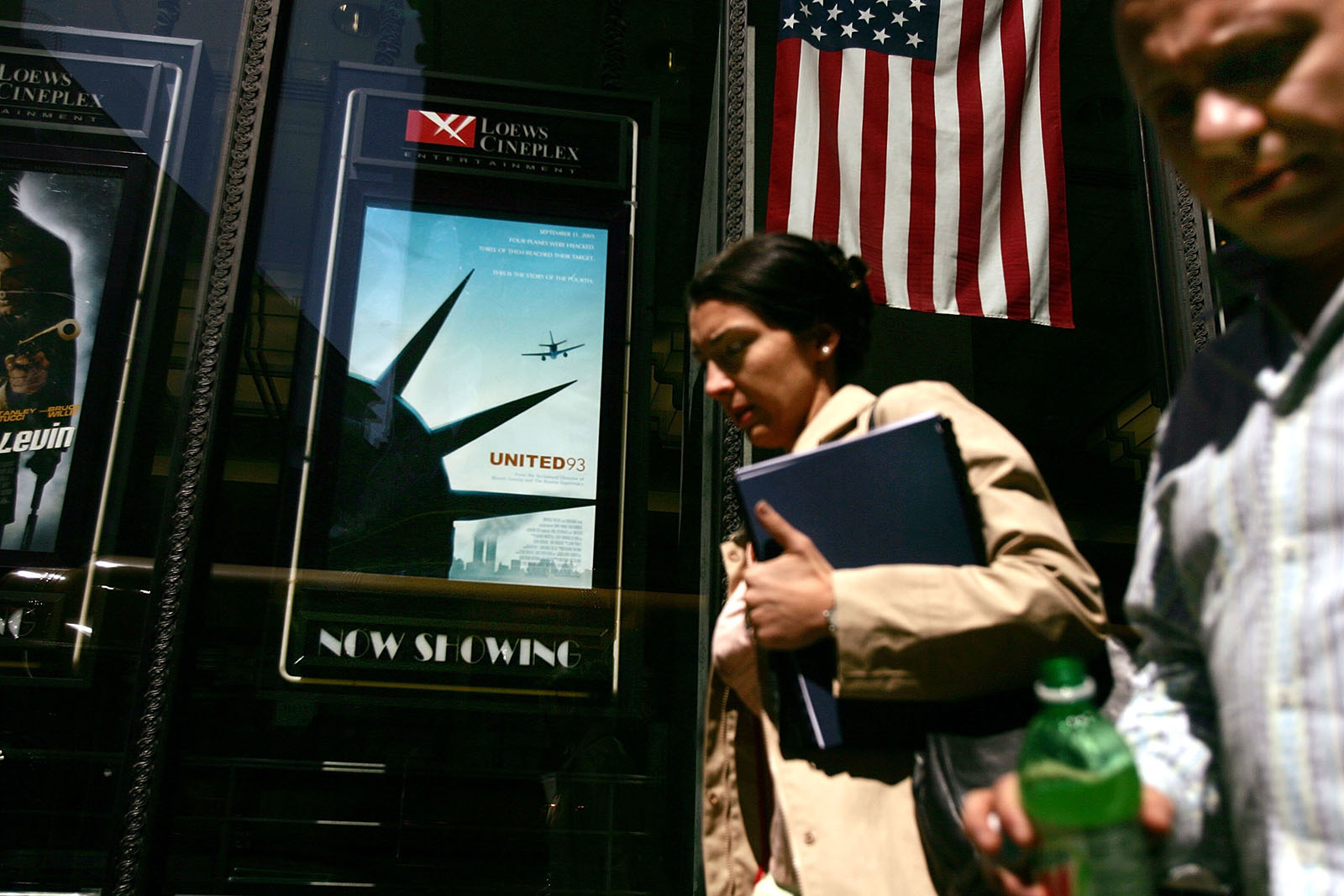
There’s nothing unreasonable about depicting the hijackers as Muslim. They were. Nearly 3,000 people were murdered by Al-Qaida terrorists claiming they were acting in the name of Islam. There is no need to soften that fact. There is also no reason to implicate the Muslim family next door or the man praying in his garage. Yet parts of popular culture have spent decades teaching us to make that leap, then mistake it for common sense. Paul Greengrass’s real-time drama United 93 (2006), for example — still among the most powerful dramatic recreations of the day — opens with the hijackers praying. The problem here is not in acknowledging the ideology of 19 murderers. It’s in incriminating a whole religion.
Hollywood had traded in Muslim terrorists even before 2001. Three years earlier, Edward Zwick’s political thriller The Siege (1998) imagined Islamist attacks bringing terror to New York and Arab-American men being rounded up into detention camps. After 9/11, what had been the stuff of a pulpy thriller acquired the strange authority of what audiences now perceived as a tangible threat.
Television proved particularly adept at exploiting that fear. Counterterrorism thriller 24, which premiered two months after the attacks, spent much of the following decade turning the war on terror into furiously enjoyable entertainment. By its fourth season, the Araz family — apparently ordinary Muslim-Americans living in suburban Los Angeles — were implicated in a terrorist plot. The threat, we’re told, is no longer merely foreign Muslims, but our Muslim neighbours.
Few films make the burden of proving otherwise more literal than Karan Johar’s Bollywood melodrama My Name Is Khan. Released in 2010, it follows Rizwan Khan (Shah Rukh Khan), an Indian Muslim man whose family is shattered by the Islamophobic aftermath of 9/11, as he travels across the US attempting to deliver one message to the president: “My name is Khan, and I am not a terrorist.” It is a brazenly unsubtle expression of the impossible position Muslims had been placed in — expected to disavow an atrocity with which they had no connection.
The director Mira Nair explored something similar in 2012. The Reluctant Fundamentalist followed a Muslim man (Riz Ahmed) whose relationship with New York is transformed by the suspicion unleashed after 9/11. More than a decade later, her son, Zohran Mamdani, successfully ran to govern that same city and found his identity being dragged back towards the same atrocity.
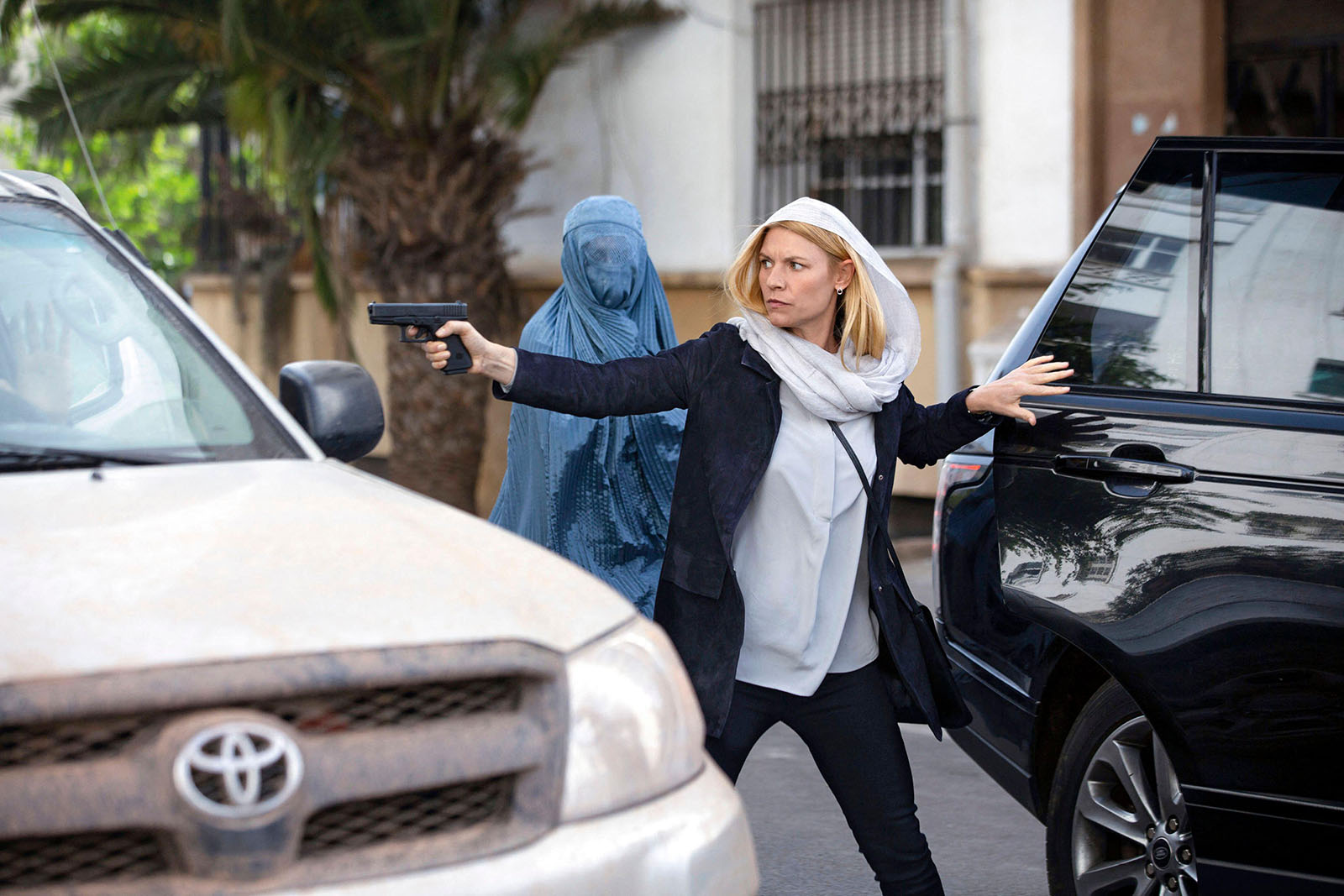
By the 2010s television drama had become more self-conscious about this territory without relinquishing it. Adapted from the Israeli series Prisoners of War, CIA thriller Homeland centres on Nicholas Brody (Damian Lewis), an American marine held captive in an al-Qaida compound in Iraq who converted to Islam. In one of the show’s biggest twists, Carrie Mathison (Claire Danes) discovers him secretly performing salat in his garage.
Homeland gestured towards sympathetic Muslim characters and occasionally acknowledged Islamophobia, but its thriller machinery depended on the very associations it purported to complicate. Mosques, Arabic, prayer and Muslim homes became visual shorthand for potential danger. The show knew the stereotype well enough to exploit it.
In 2012, Kathryn Bigelow’s Osama bin Laden manhunt thriller Zero Dark Thirty pushed the same cultural inheritance onto a larger canvas. It begins with the unbearable voices of people trapped in the towers before moving into CIA black sites, Muslim detainees and the hunt for bin Laden. American suffering supplies the film’s emotional origin, while Muslim countries and bodies become the landscape across which the US pursues its response.
Eventually, American cinema began looking back in horror at what its response had produced. Paul Schrader’s austere gambling drama The Card Counter (2021) is haunted by the atrocities committed by the US at Abu Ghraib prison. William “Tell” Tillich (Oscar Isaac) participated in the torture of Iraqi prisoners and emerged spiritually destroyed by what he did. In this film the fear of Muslim violence gave way to guilt over the violence inflicted upon Muslims, even if an American character remained stubbornly at the centre of the frame.
Related content
Apocalyptic drama Leave the World Behind (2023) then took some of the most potent imagery of the post-9/11 paranoia thriller and rearranged who got to wield it. Directed by Egyptian-American Sam Esmail, adapted from Bangladeshi-American writer Rumaan Alam’s novel and starring Mahershala Ali, in the film’s closing moments we see Manhattan engulfed in vast columns of smoke as explosions erupt between the buildings. Its visual effects team consciously drew on the horror of 9/11 in constructing the sequence. Yet there is no Muslim terrorist waiting to resolve the mystery. The fear remains, but its old religious certainty has gone.
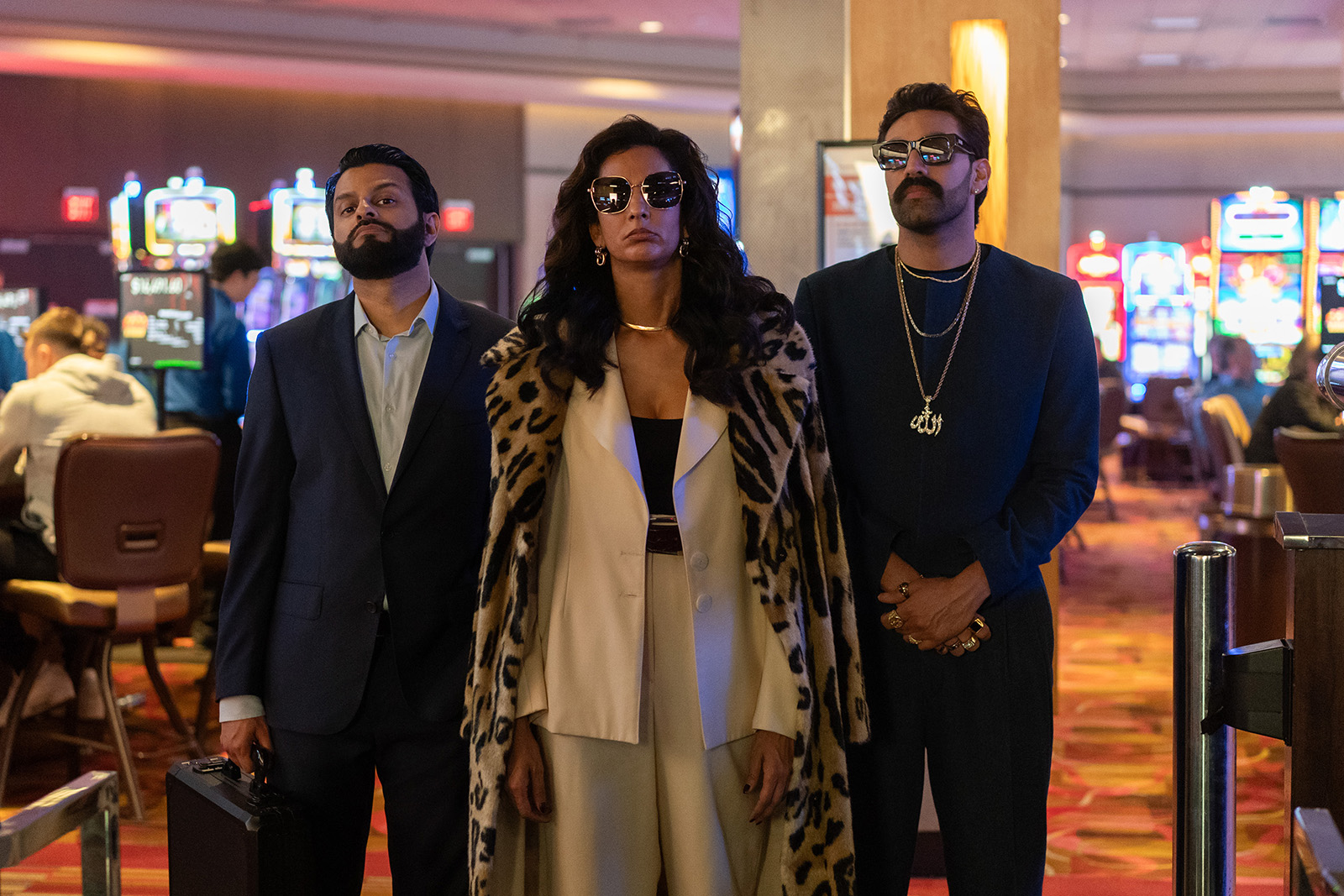
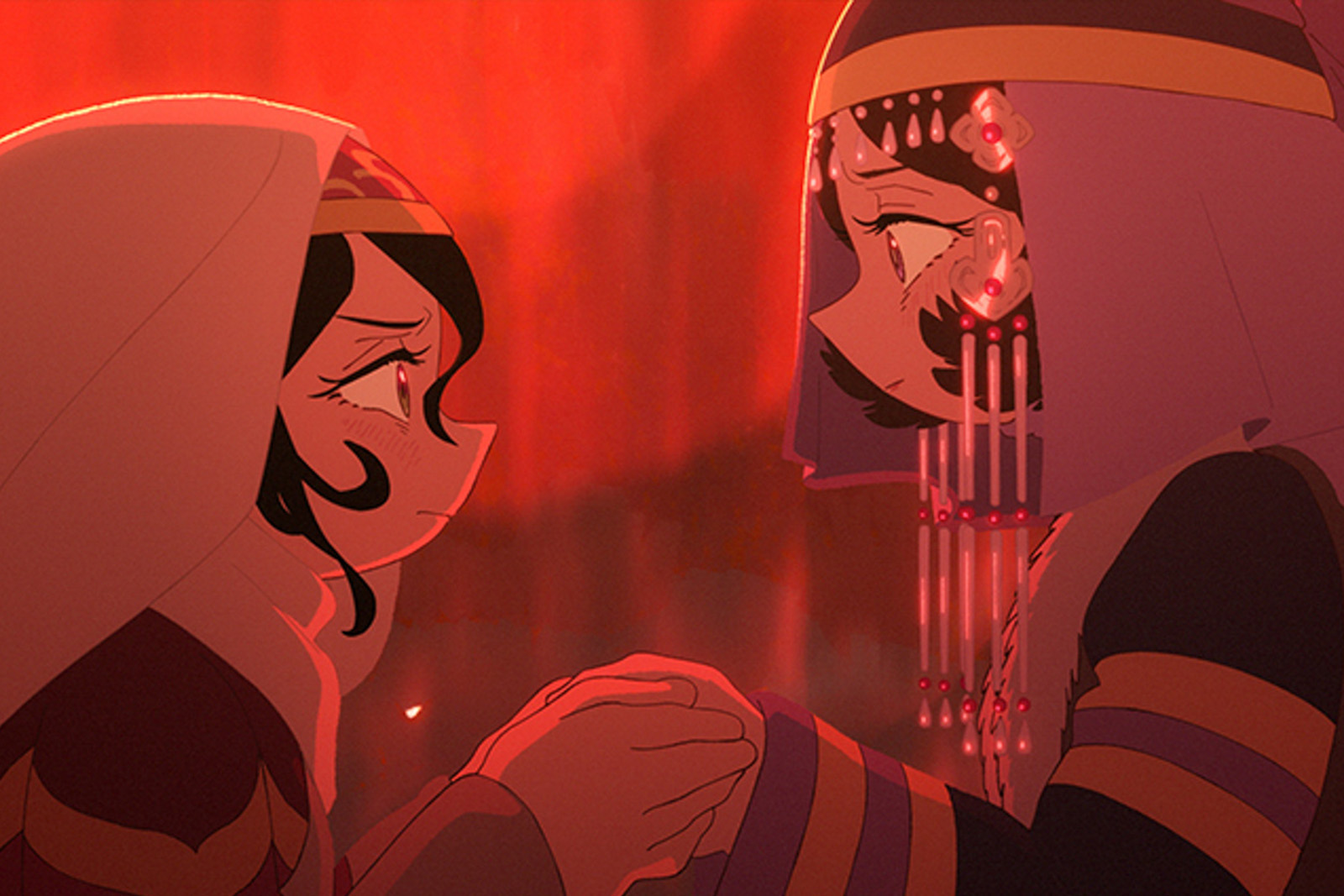
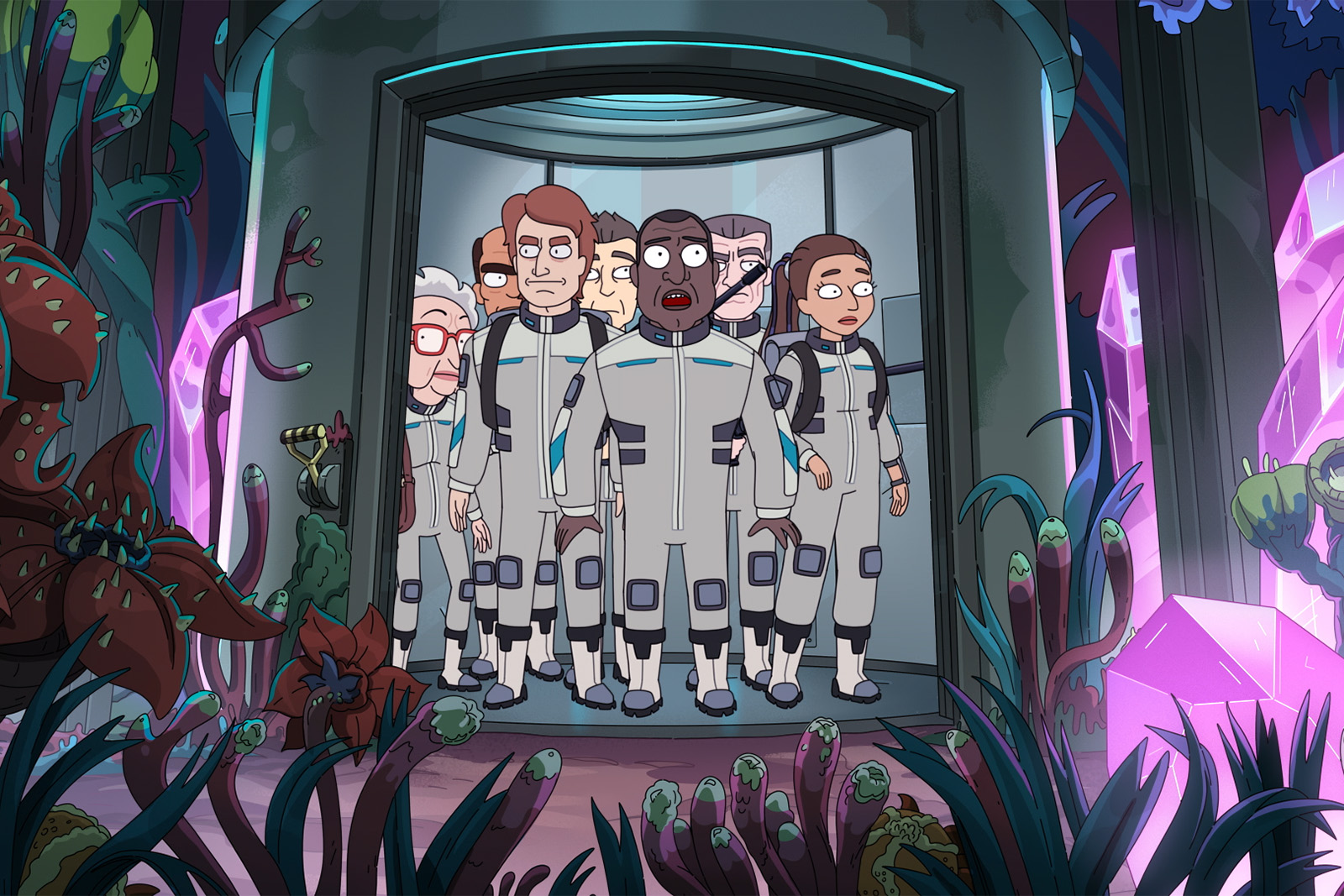
Still, gallows humour had to be employed in order to truly reclaim the narrative. In Ramy Youssef’s animated comedy series #1 Happy Family USA (2025), Egyptian-American patriarch Hussein Hussein (voiced by Youssef) responds to the 11 September attacks by frantically erasing his family’s “otherness”. They will become aggressively, unimpeachably American because he immediately understands that strangers have done something for which his family will somehow be expected to answer for. Youssef makes the ridiculousness of that conflation the punchline.
For 25 years, film and television have provided a record of how easily the distinction between Islamist terrorists and Muslims could disappear and, more recently, how it might be recovered. What once seemed an almost automatic association can now itself become the object of scrutiny, satire or outright ridicule on our screens. That does not mean the impulse to hold Muslims collectively responsible for Islamist violence has vanished. But a quarter-century is long enough to see how strange the burden always was.