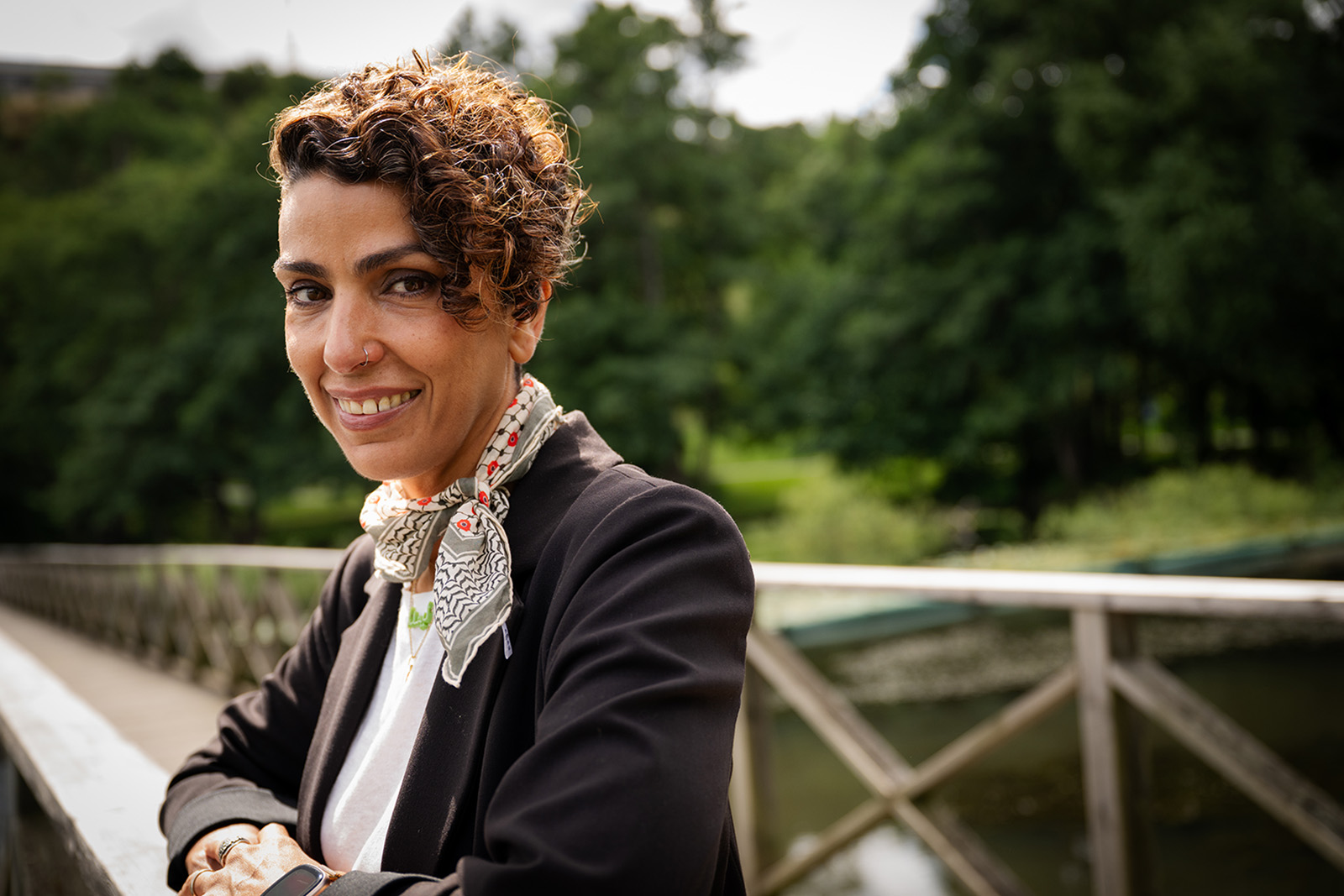

Film-makers Meriem Bennani and Orian Barki on their debut animated feature, Bouchra
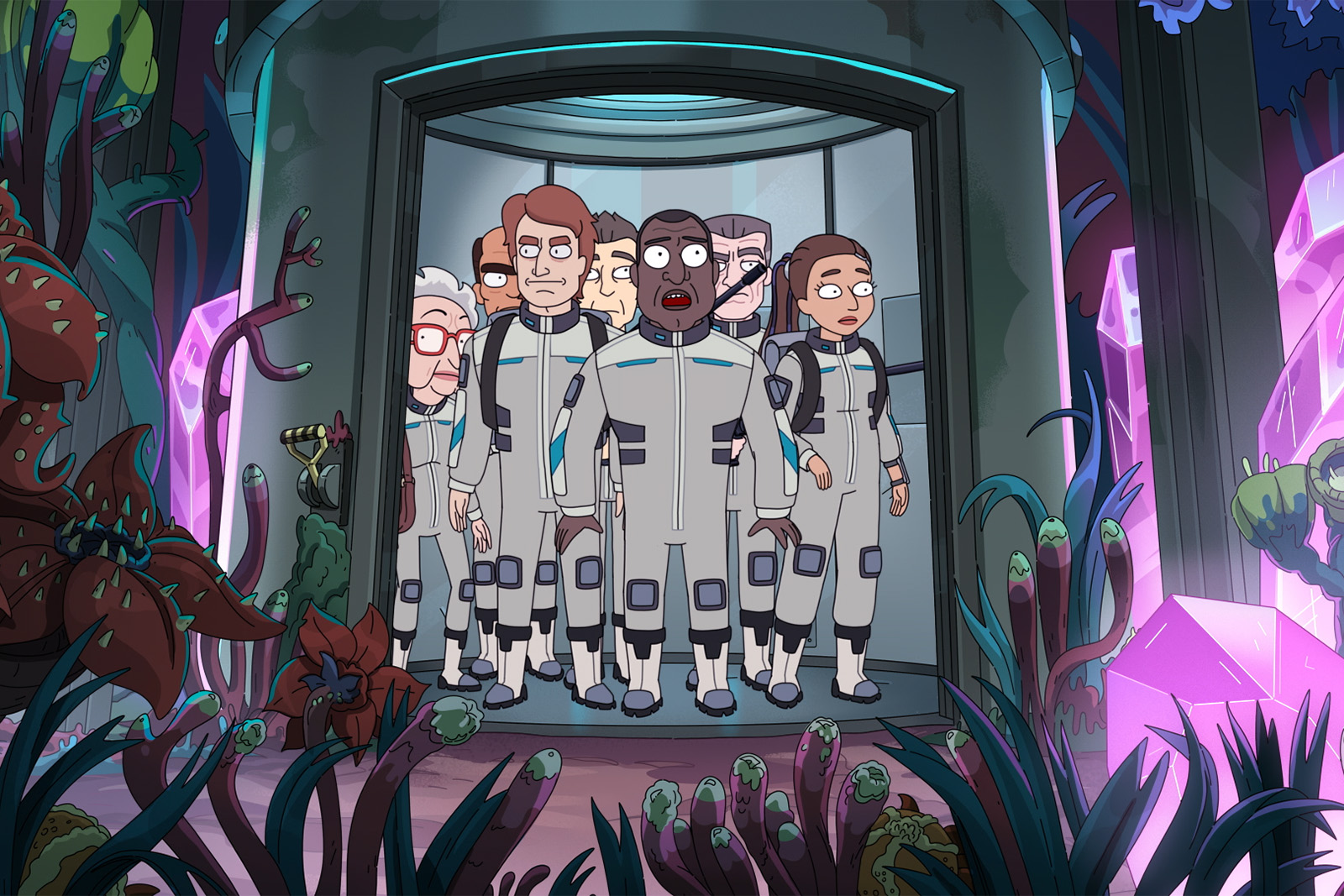
Based on Bennani’s own experience, Bouchra follows a queer artist navigating the quiet compromises and tensions that define her relationship with her mother

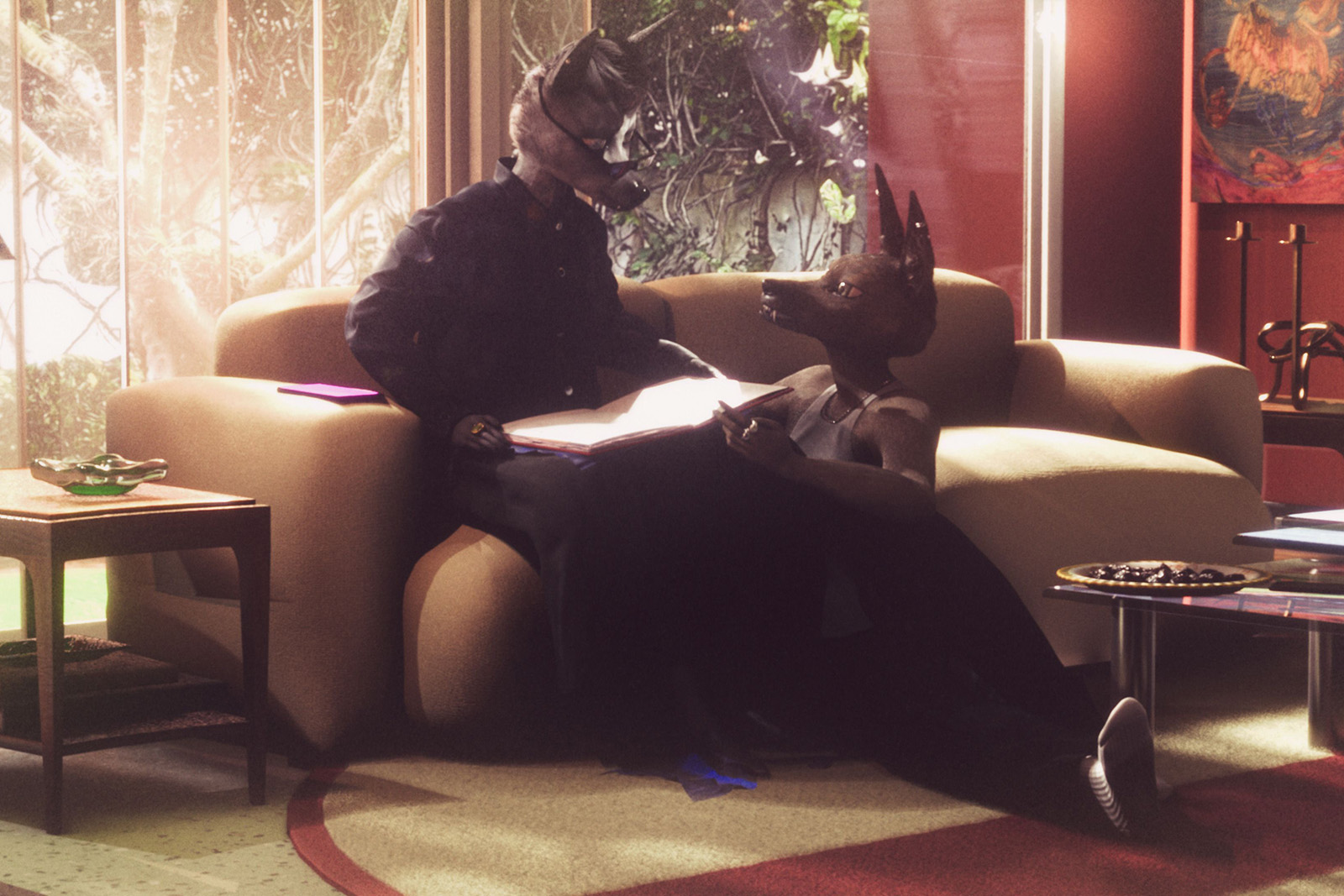
A 35-year-old artist is stuck. She’s spent months blocked on the script for her first film, unable to get past one relationship on the page: the mother she keeps failing to properly talk to. She’s a coyote among the cats, dogs and other creatures who make up her New York circle, working, flirting and circling the conversation she keeps avoiding.
Every call home to Casablanca, Morocco, ends the same way, talking about work and the weather instead of the thing neither of them can quite bring themselves to say — although Bouchra came out to her mother years earlier, they haven’t spoken about her queerness since.
Related content
That avoidance is the emotional core of Bouchra, the first animated feature from Moroccan-American artist Meriem Bennani and her longtime collaborator and former partner of 10 years, Orian Barki.
Rather than building towards confrontation, the film finds drama in the quiet compromises that define family relationships. It is an unusually assured debut, trusting ambiguity where many films would reach for resolution.
For Bennani, the greatest challenge wasn’t exposing the relationship by basing the dialogue on real life conversations with her own mother, but writing it fairly.
“It’s based on my mum and I love her,” she says. “There was the fear of making her the villain in the story, to have an antagonist, because that’s really helpful for story writing. So it was always, ‘Would I feel like this is fair, and could she stand behind it too? How do we give grace to every person in the film as a complex character?’”
That instinct runs through the entire film, allowing every character the contradictions that real relationships demand.
Bennani and Barki had already spent a year animating a fictional screenplay, loosely inspired by Bennani’s life, when Bennani played Barki a recording of one of the difficult phone calls she’d been having with her mother, about her life as a queer woman in New York.
The conversation’s emotional honesty convinced them they had found something richer than fiction. “We thought it was better than anything we had written because it was specific and true and just itself, not trying to represent,” Bennani says.
Rather than discarding the earlier script, they folded it into the story as a film-within-the-film, the screenplay Bouchra is struggling to write. The real phone calls became the emotional spine beneath it.
During development, Bennani recorded calls with her mother, who agreed they could be used only if her own voice didn’t appear.
“There’s an accountability process, which I think is a great compass,” Bennani says. “It’s often what’s missing in practices around working with people’s lives.”
Bouchra follows Bennani and Barki’s acclaimed pandemic web series 2 Lizards, a diaristic animated comedy about two anthropomorphic reptiles drifting through an eerily empty lockdown New York.
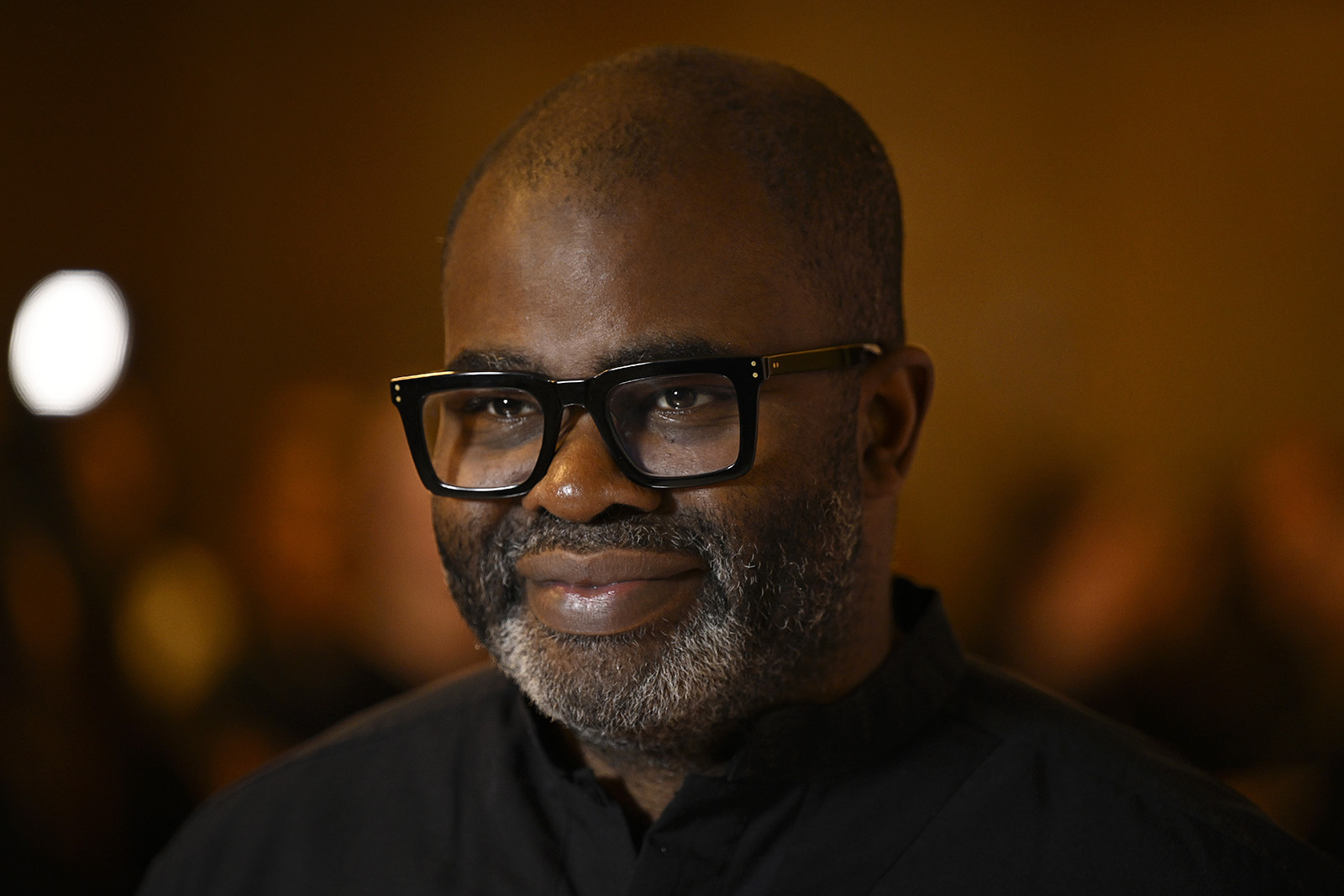
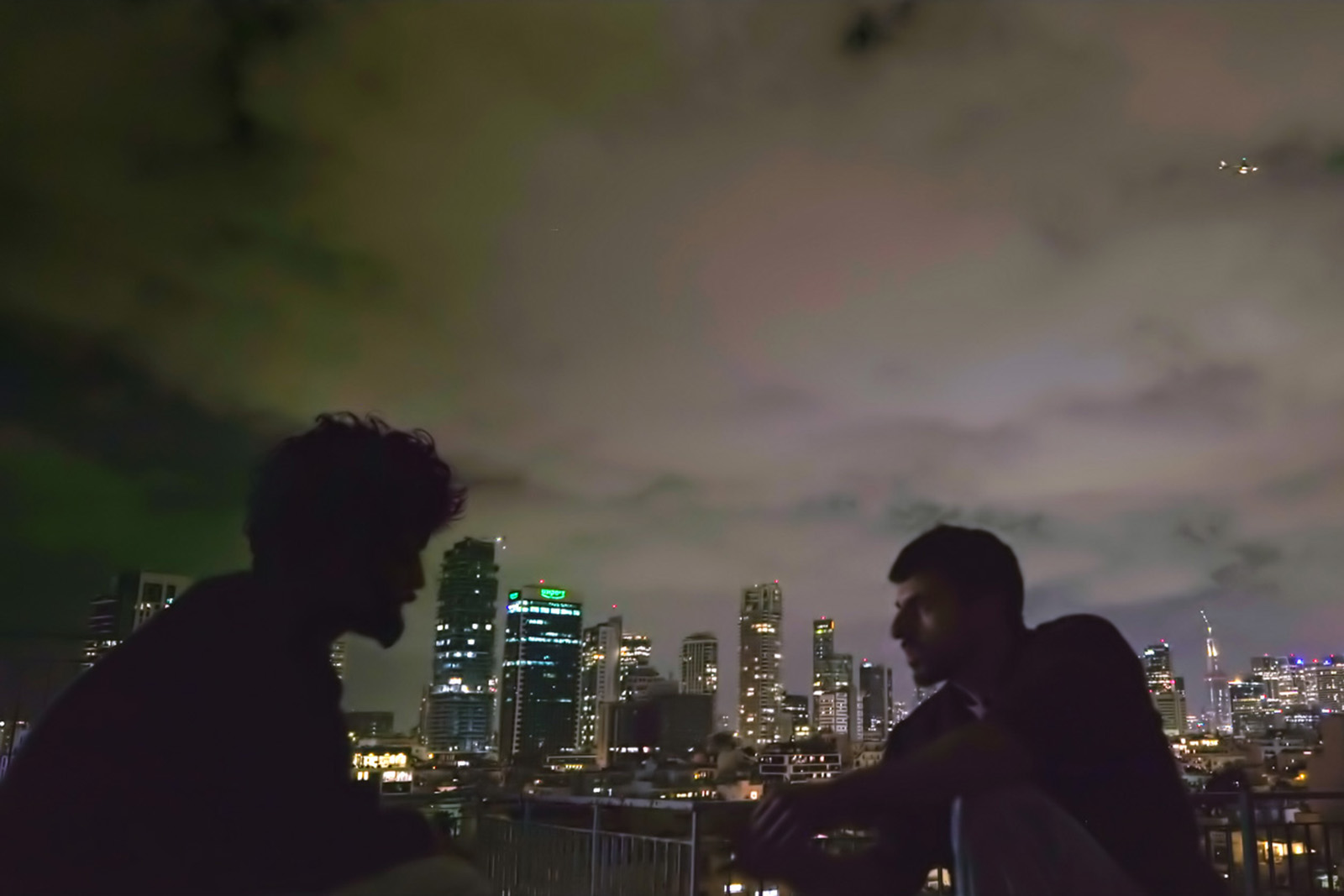
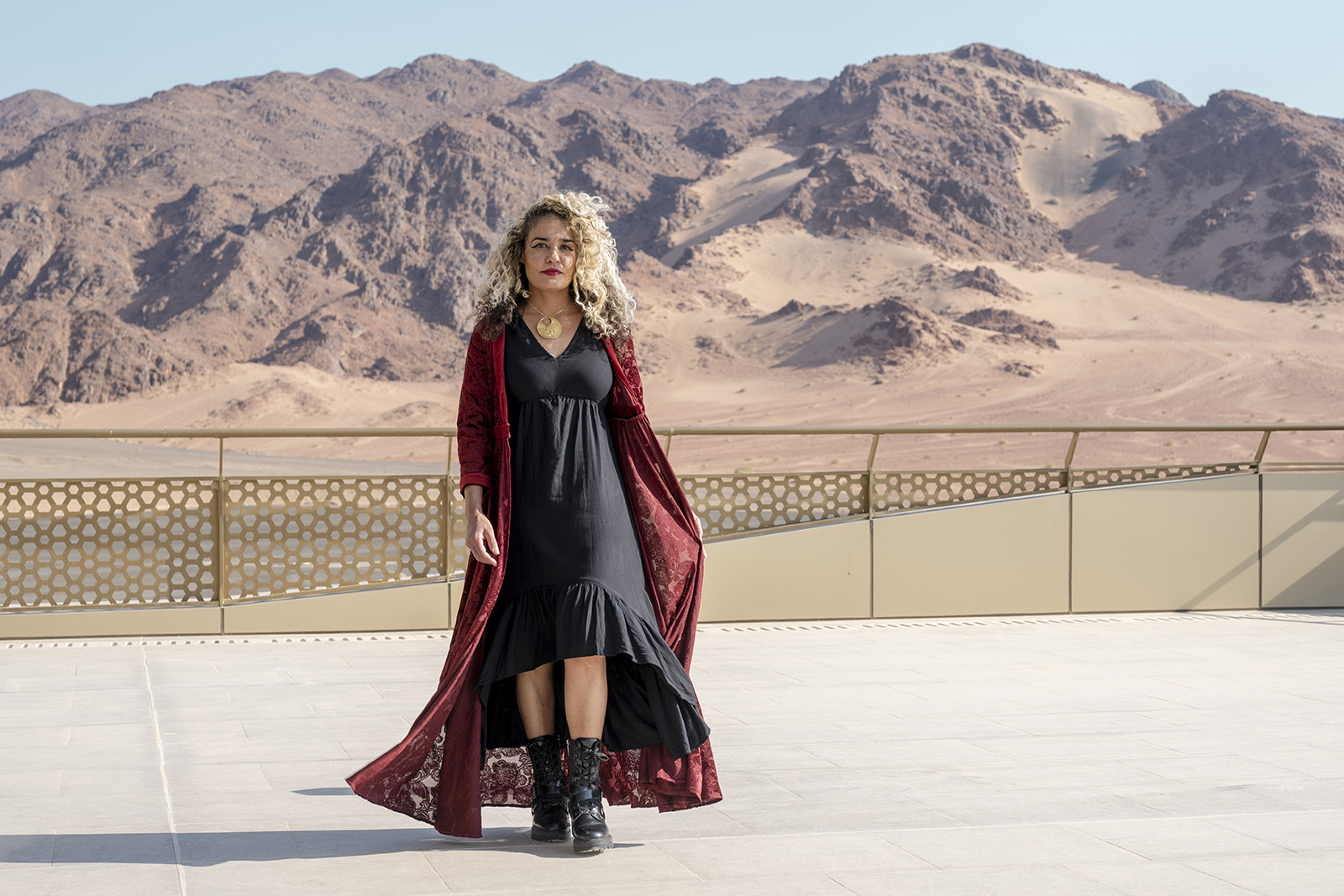
Bennani, a Moroccan artist whose films, sculptures and immersive installations have been exhibited everywhere from New York’s MoMA PS1 and Guggenheim, to Milan’s Fondazione Prada, teamed up with documentary director Barki after the pair met at art school. Both come from contemporary art backgrounds, rather than traditional film-making, and neither was interested in inheriting the established rules of animation.
“We have a lot of room for spontaneity and improvisation, whether it’s storytelling or just a method of decision-making,” Barki says. “In animation, everything is so calculated and rigid, it’s hard to have the luxury of figuring it out through making.”
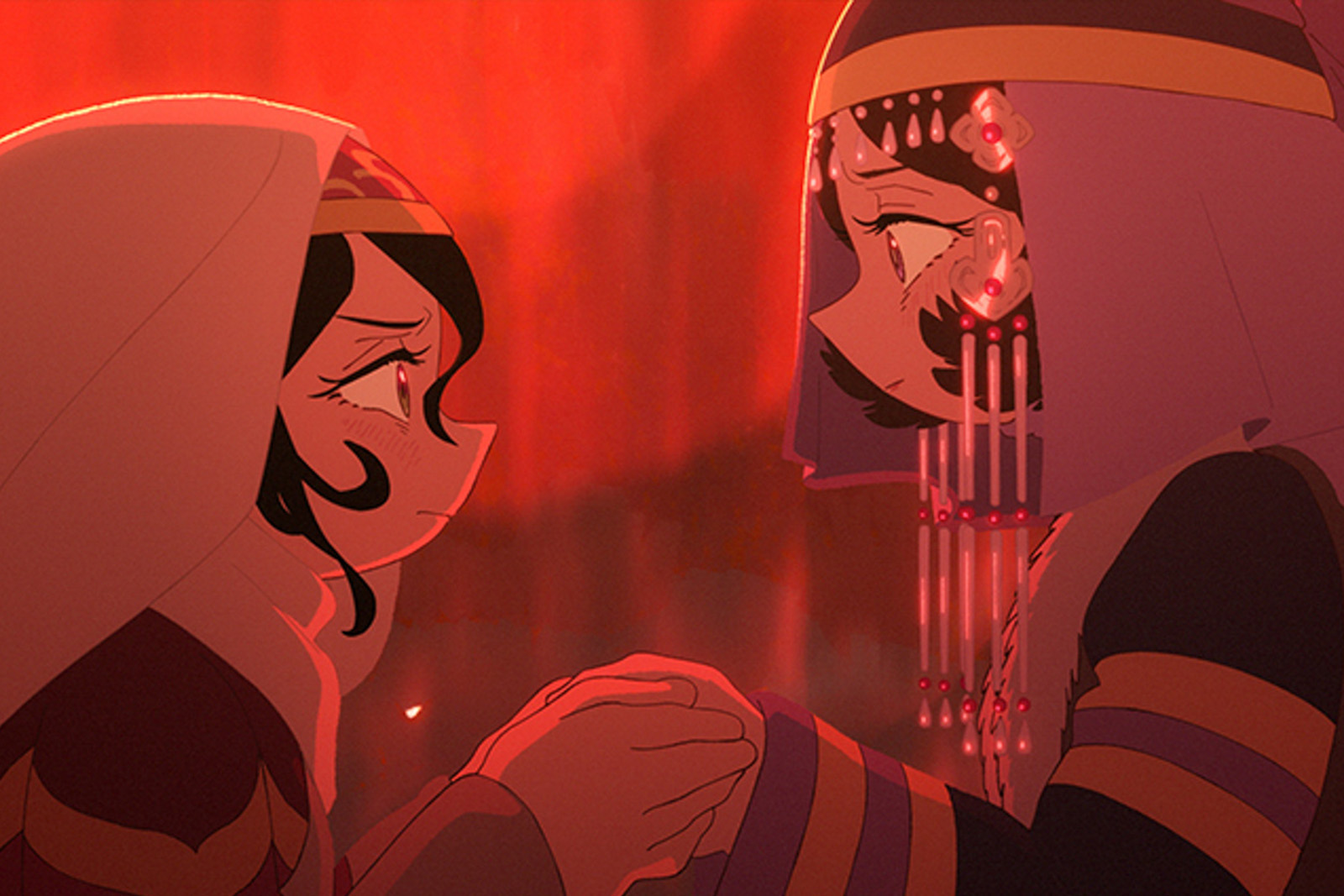
As production continued, the mood shifted into a darker and more contemplative place, and so did the look of the film, trading the breezy energy of 2 Lizards for a rain-slicked, moodier vision of New York.
“Our mood was a little bit more melancholic and I think that slowly led us into this film noir depiction of the world in the film,” Barki explains. “There’s a lot of love in how we capture the city, but it’s the corners that are a little bit more rainy, greasy and dark.”
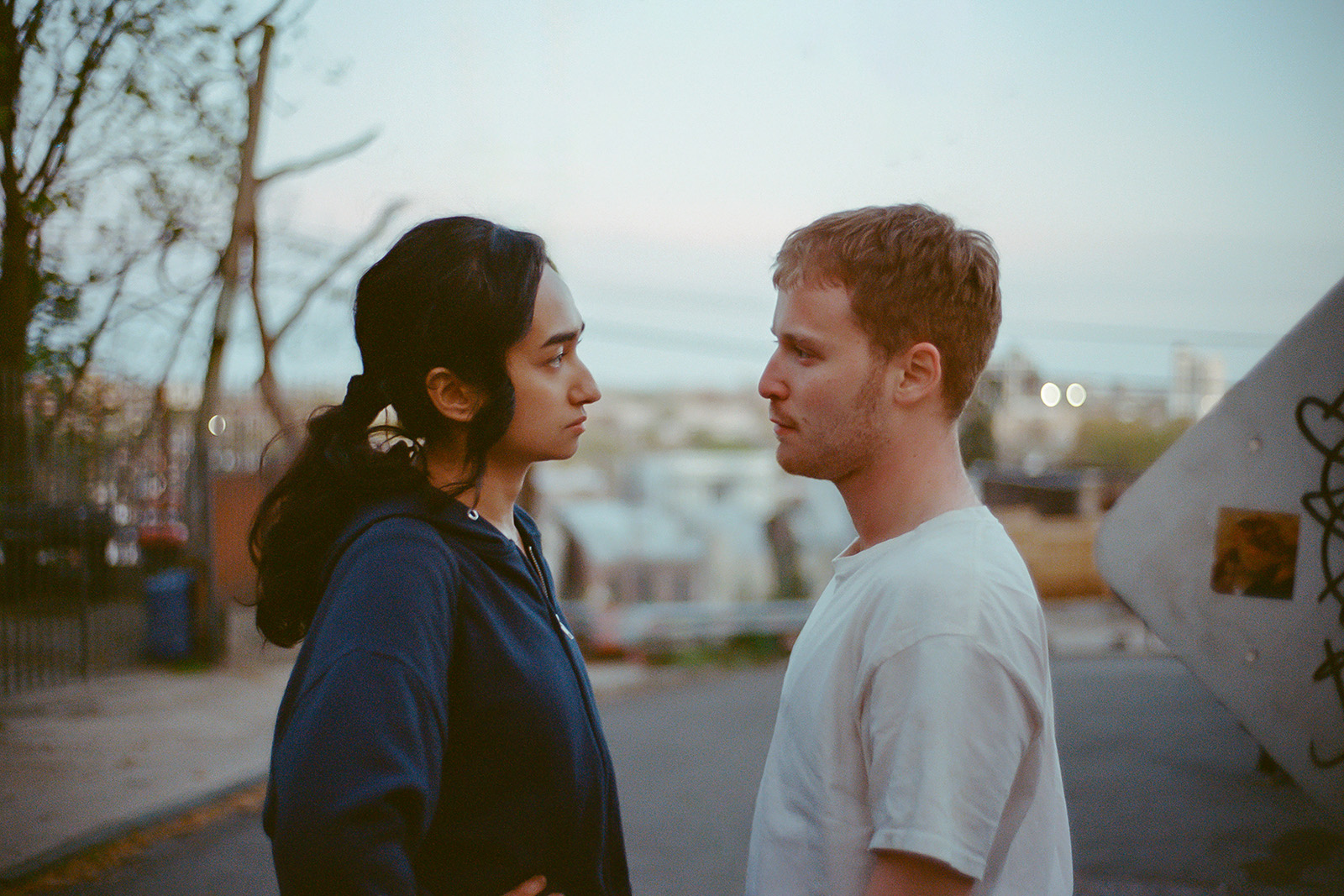
Those melancholy streets are photographed by cinematographer John Michael Boling before being layered with tactile 3D animal characters. Rather than creating distance, the hybrid style gives the characters and animation the intimacy more commonly associated with live action.
“The first thing we told the animators was that we wanted to feel like we could touch them,” Bennani says. “We wanted to feel as sensual and have as much potential for nuance as live action.”
That attention to physical detail extends to the smallest aspects of the characters’ lives.
“If they wear different clothes every day, it’s because time passes, it’s not a loop,” Bennani says. “Then you can invest in how what she wears says about her state of mind, how she wants to appear and potentially be desired by the person she is seeing.”
Bennani describes her approach to writing through “desire scenes” — beginning with the moments she genuinely wanted to see rather than worrying first about conventional screenplay structure. The result is a film that feels deeply personal without claiming universality.
That balance also shaped how the film represents Morocco. Barki was keen to avoid reducing the story to a familiar narrative in which audiences simply conclude that it is difficult to be a queer Moroccan. Instead, her mother remains loving, frustrating, funny and unknowable, much like the relationship itself.
“The category of conversation I have with audiences after screenings which is, for me, the most rewarding, is all the queer people are from diaspora, queer people from non-white families, from Arab families who connect with it,” Bennani says. “That’s the thing that makes me the happiest.”
Perhaps the best insight into her relationship with her mother isn’t just in the film’s images and dialogue, but in the loving bond that breathed life into the art itself. As Bennani puts it, “The simple fact that she let me use the conversations is testament to that.”
Bouchra is in UK cinemas from Friday 7 August.