
My Father and Qaddafi: the story Hollywood never let Libyans tell
Jihan K’s documentary on her family’s search for her father — Libya’s former foreign minister, disappeared in 1993 — lets a Libyan tell you who she and her people actually are

The first time I saw a Libyan on screen, he was trying to kill Christopher Lloyd with an AK-47. This was Back to the Future, discovered on a dusty VHS tape slotted into the video player in my Jidu’s Khartoum house. Even as a 90s kid who didn’t know their Edward Said from their elbow, this depiction immediately struck me as not cool. “The Libyans” in their keffiyehs, screaming gibberish from a VW camper van, weren’t really human characters at all. They were a punchline and an embodiment of evil rolled into one, only there so an all-American hero could outrun them.
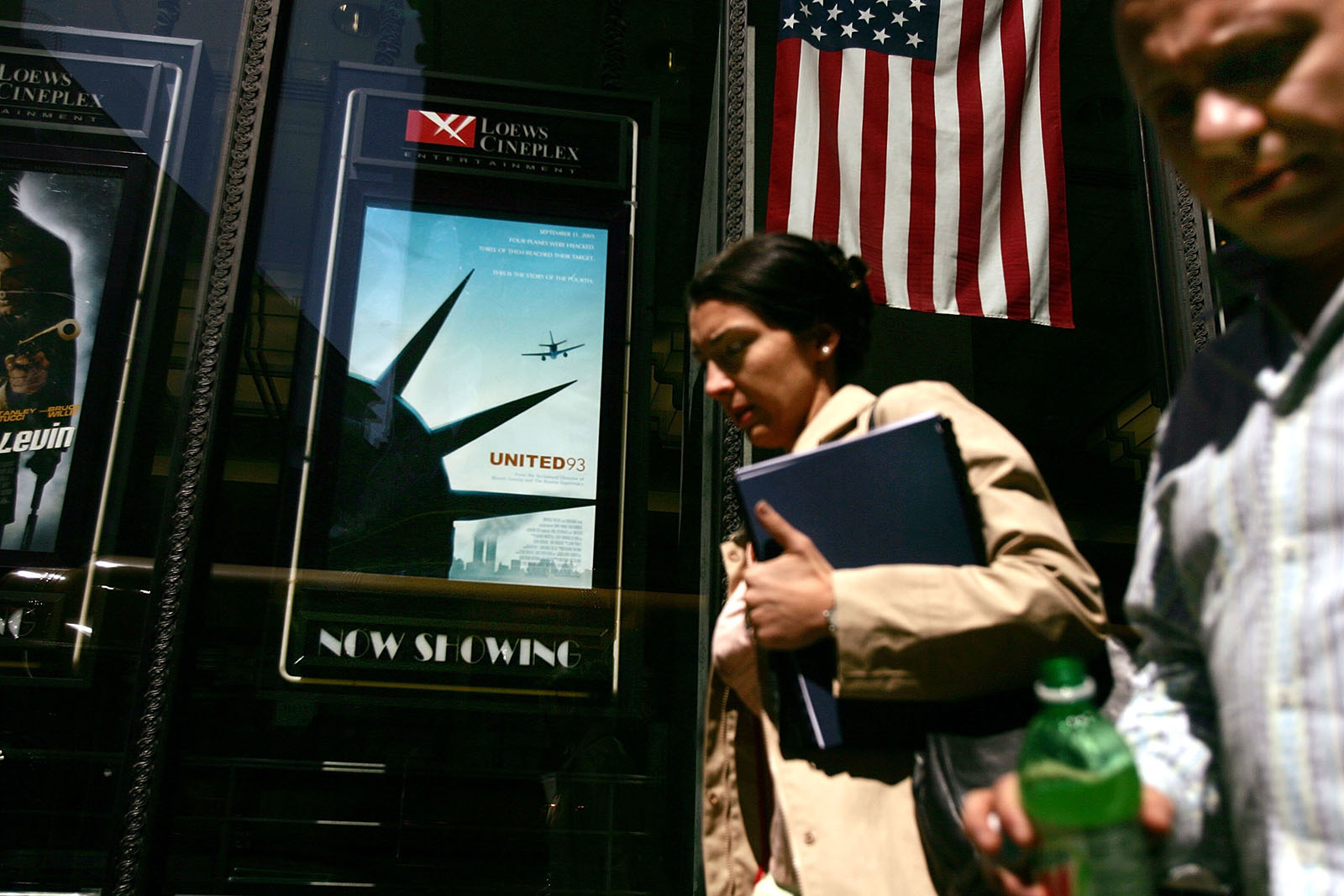
This depiction didn’t improve when Hollywood returned to the subject. A year after Back to the Future, Iron Eagle couldn’t even be bothered to invent a fresh country: its villainous “Bilya” was Libya with the letters shuffled, its coastline and territorial disputes with the US lifted straight from the real Gulf of Sidra incidents. Then, Michael Bay’s 13 Hours: The Secret Soldiers of Benghazi (2016) turned the country into little more than a hostile backdrop for noble American soldiers to prove themselves against, its Libyan characters reduced to blurry shapes in the bloody haze. Netflix’s The Angel (2018) went the other way and staged its Muammar Gaddafi as a cartoon despot, holding court with belly dancers and flowing champagne (in a country that banned alcohol since 1969). None of these incurious writers’ rooms in Los Angeles seemed to ask what it actually looked like from inside Libya.
This is partly a result of who gets to produce cinema. Decades of dictatorship folded Libya’s film industry into a single state-run production body that mostly churned out low-budget propaganda, and the instability since 2011 hasn’t left much room for a new generation of Libyan directors to emerge and correct the record themselves.
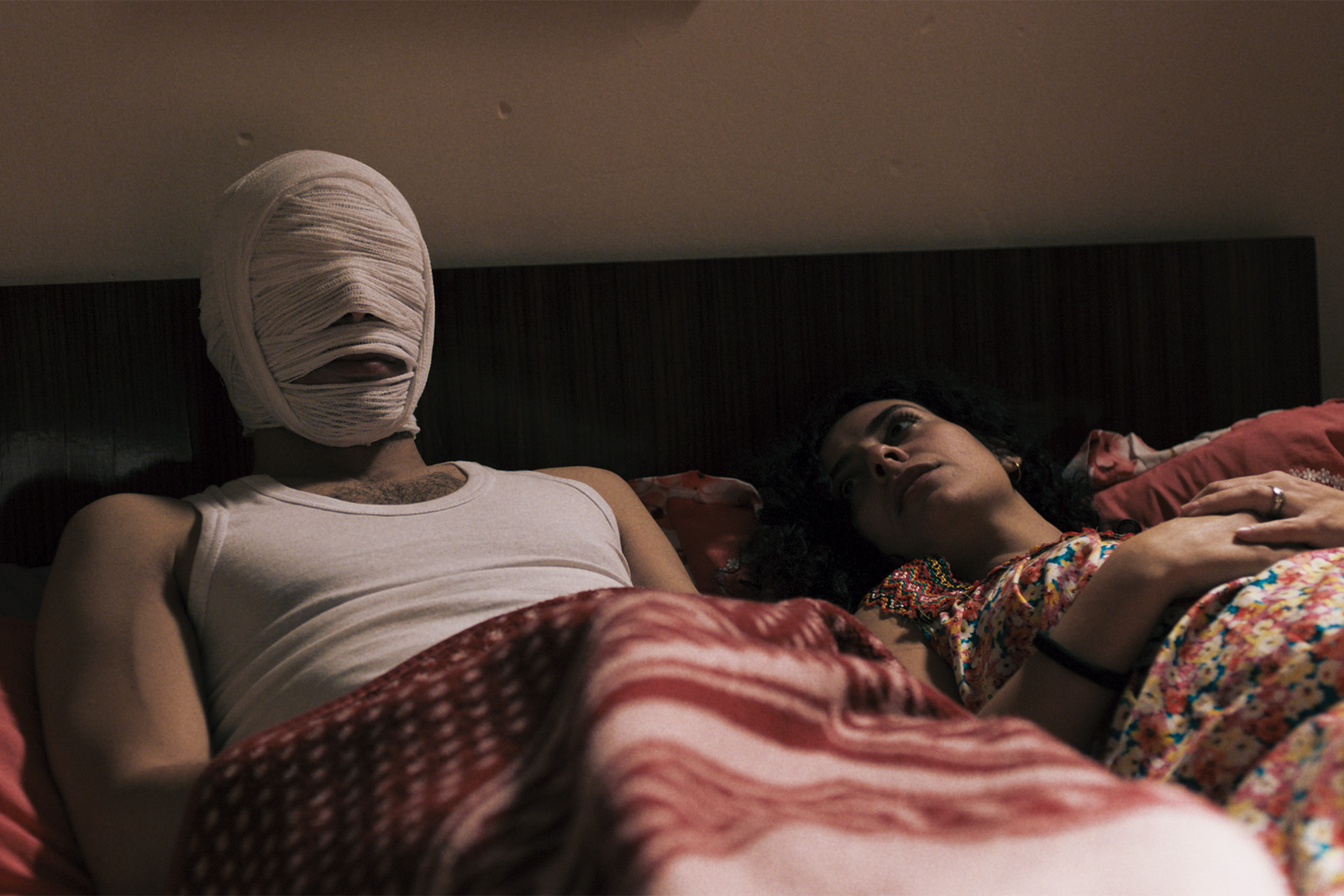
So when My Father and Qaddafi, a tender documentary about the director’s search for her father, premiered at Venice in August 2025, its arrival meant more than a promising debut. It was the first Libyan film to screen at a major festival in more than a decade, and that years-long absence helps explain why outsiders have been the ones deciding how Libya looks and sounds on screen for so long.
It also happened to land in a Venice lineup that felt safe and forgettable; a documentary by a first-time Libyan director about her own family read as one of the few actually urgent things on the slate. The moment the festival schedule went up, on the unforgivably cursed Venice ticketing website that I will complain about until the day I die, it was the first film I booked myself into.
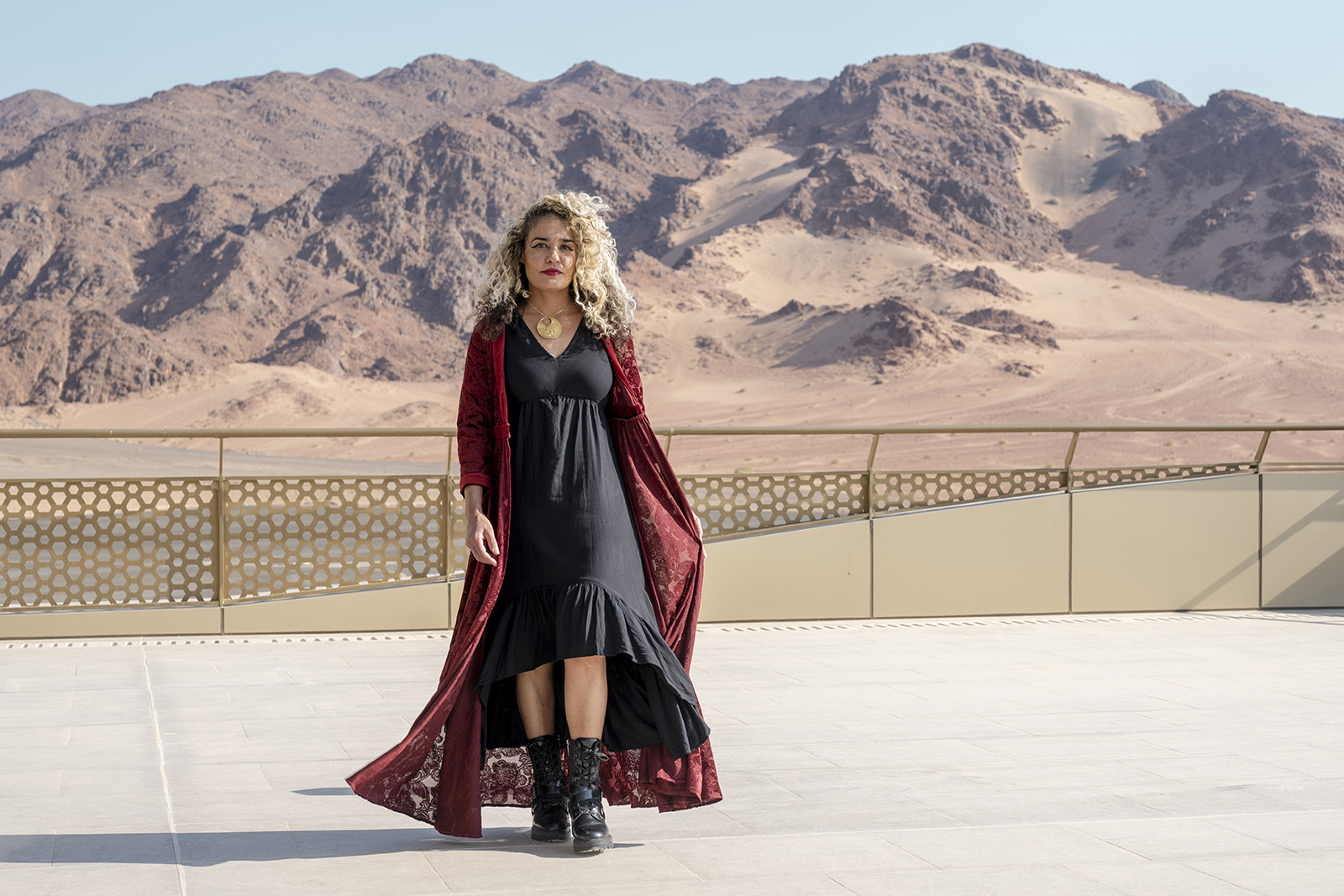
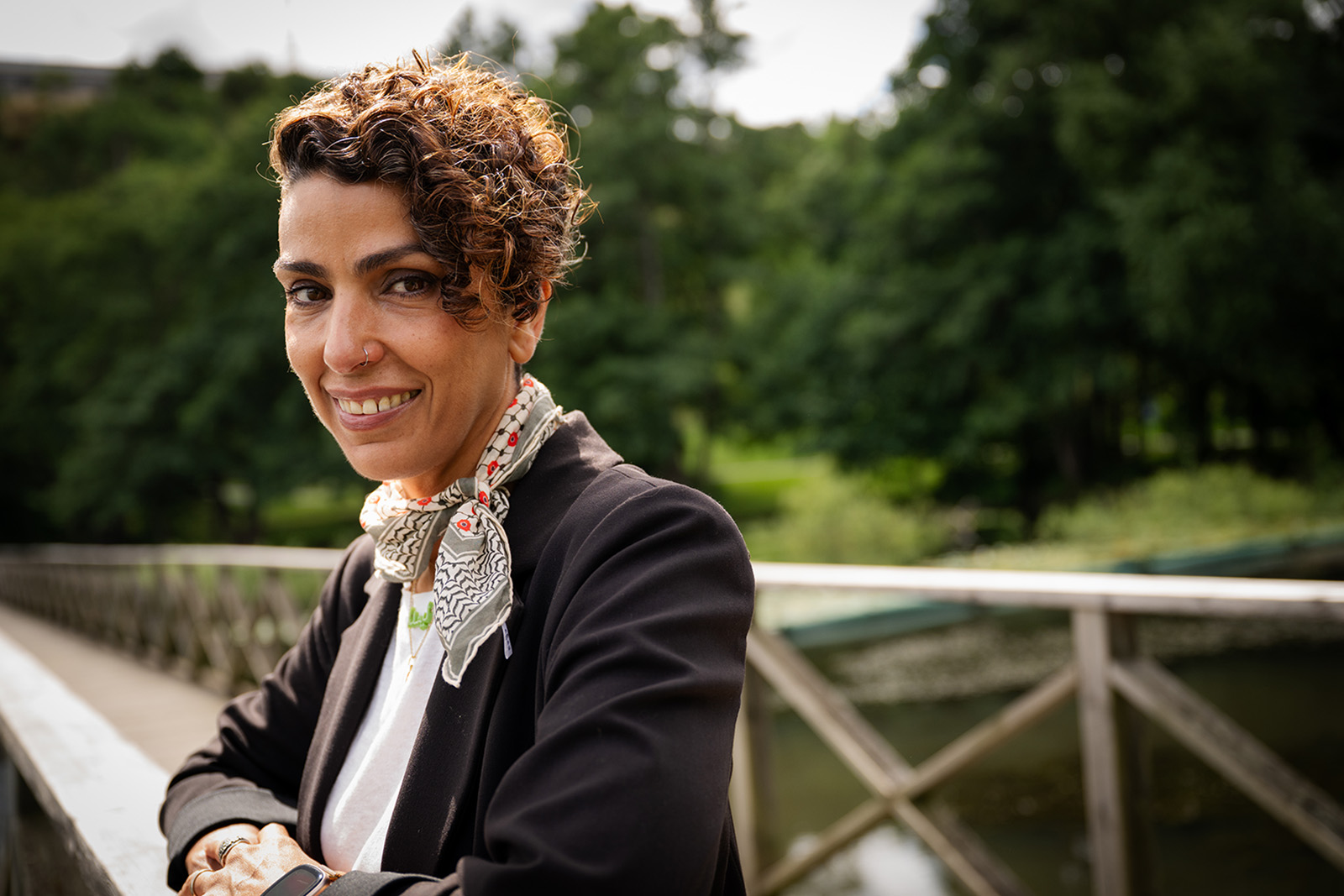
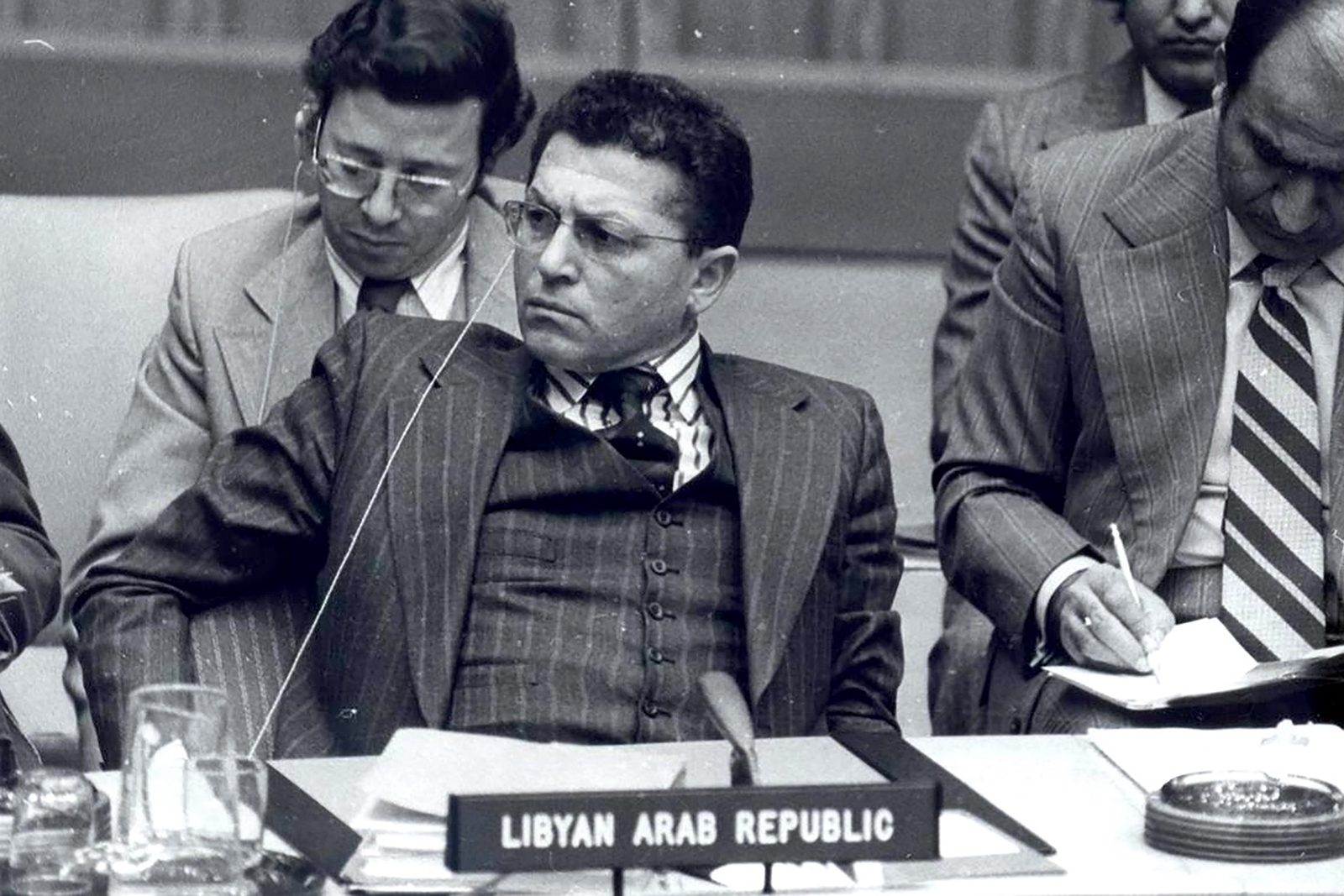
My Father and Qaddafi tells the story of artist and film-maker Jihan K’s father, Mansur Rashid Kikhia, Libya’s former foreign minister and UN ambassador, who defected from Gaddafi’s regime to lead its peaceful opposition and then disappeared from a Cairo hotel in 1993. Jihan was six years old at the time. She grew up watching her mother, the artist Baha Omary Kikhia, spend 19 years pushing for an answer that officials on both sides of the border refused to provide.
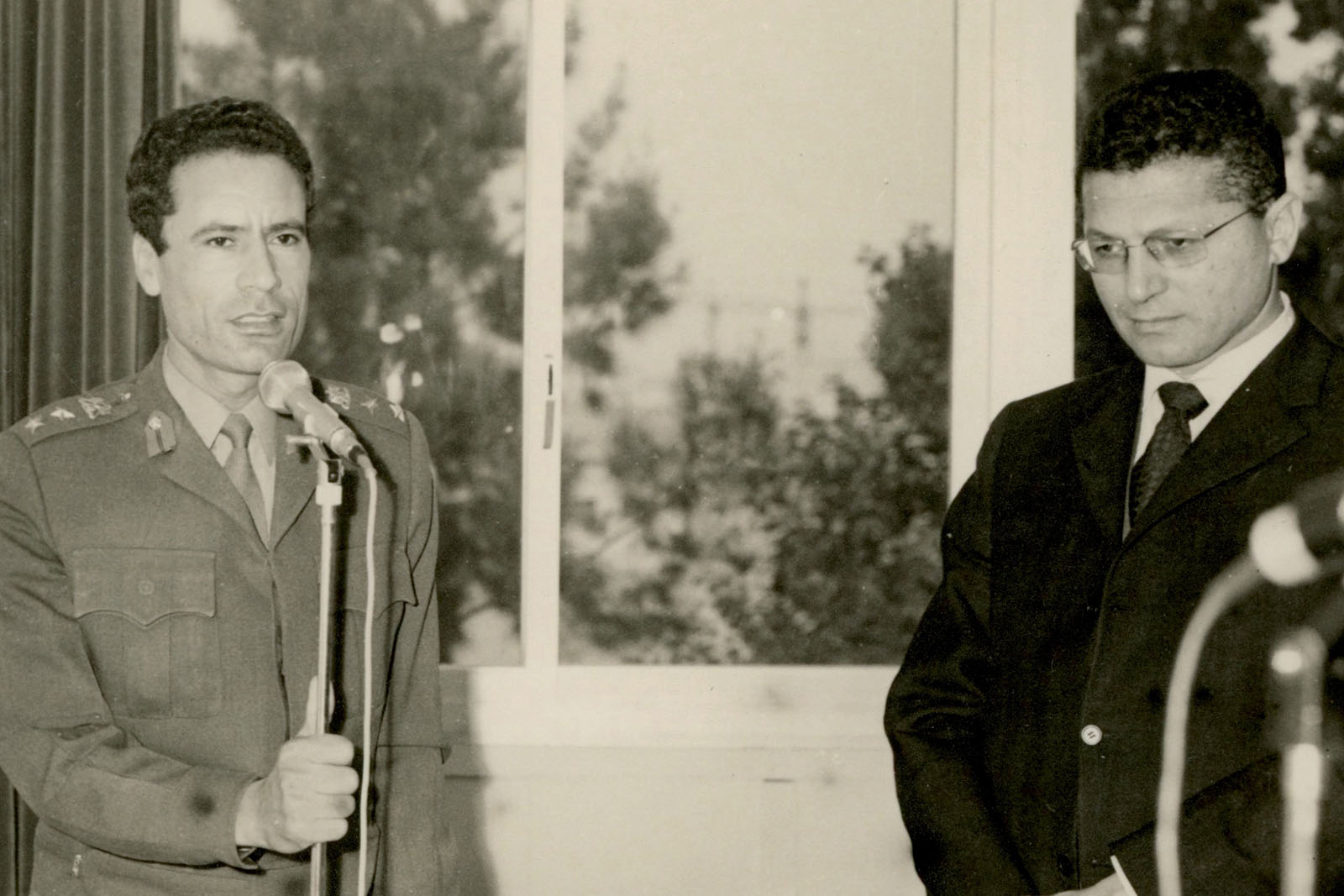
Jihan has made a film that holds its politics and its grief in the same hand. Real history runs through it: Italian colonisation, the 1969 coup that brought Gaddafi to power, the long, grinding unravelling of a country under the Jamahiriya and beyond. Even with a huge amount of nuanced historical context provided through archive footage, none of it overwhelms the family at the film’s centre.
Instead, Jihan builds her portrait from home movies, from interviews with relatives conducted in Arabic on familiar couches, and from the coping mechanisms to fill the gaps where her father should be. This is the closest she can get to him — by the time Jihan was old enough to hold on to a memory of him, he was already gone. She can only connect as a stranger would, through photographs, newsreel footage and other people’s recollections. The film is bittersweet and honest about how strange and incomplete that process is. That absence turns out to be the documentary’s real subject, and it mirrors the country’s own condition — a homeland Jihan, who was born and raised in Paris in exile, can only reach secondhand through other people’s memories.
What keeps the film from settling into pure grief is how alert it is to what it means to be Libyan in exile right now. There are Thanksgivings and piano lessons alongside the loss, and running underneath all of it is the specific ache of loving a country you can’t safely enter and can’t stop belonging to. My Father and Qaddafi is someone piecing together her relationship to Libya from a distance, in much the same way she pieces together her relationship to her father. The film becomes a portrait of Libya’s past, but just as much a portrait of what it’s like to carry a country inside you while it remains, decades on, in pieces.
Forty years after Back to the Future left Libyans as a cruel unresolved punchline, My Father and Qaddafi finally lets a Libyan tell you who she, her father and her people actually are. It’s a small, overdue correction to a very large absence, and one of the most moving works I’ve seen on the Venice Lido. Book the ticket whenever you come into any proximity to a screening — through a cursed website or otherwise.
My Father and Qaddafi will have its UK premiere at the Liverpool Arab Arts Festival on 21 July.