
‘Not just ticking the box’: what representation really means for Muslims in the arts
A growing number of writers across TV and theatre are creating work that pushes back against limiting and sometimes harmful portrayals of Muslim life
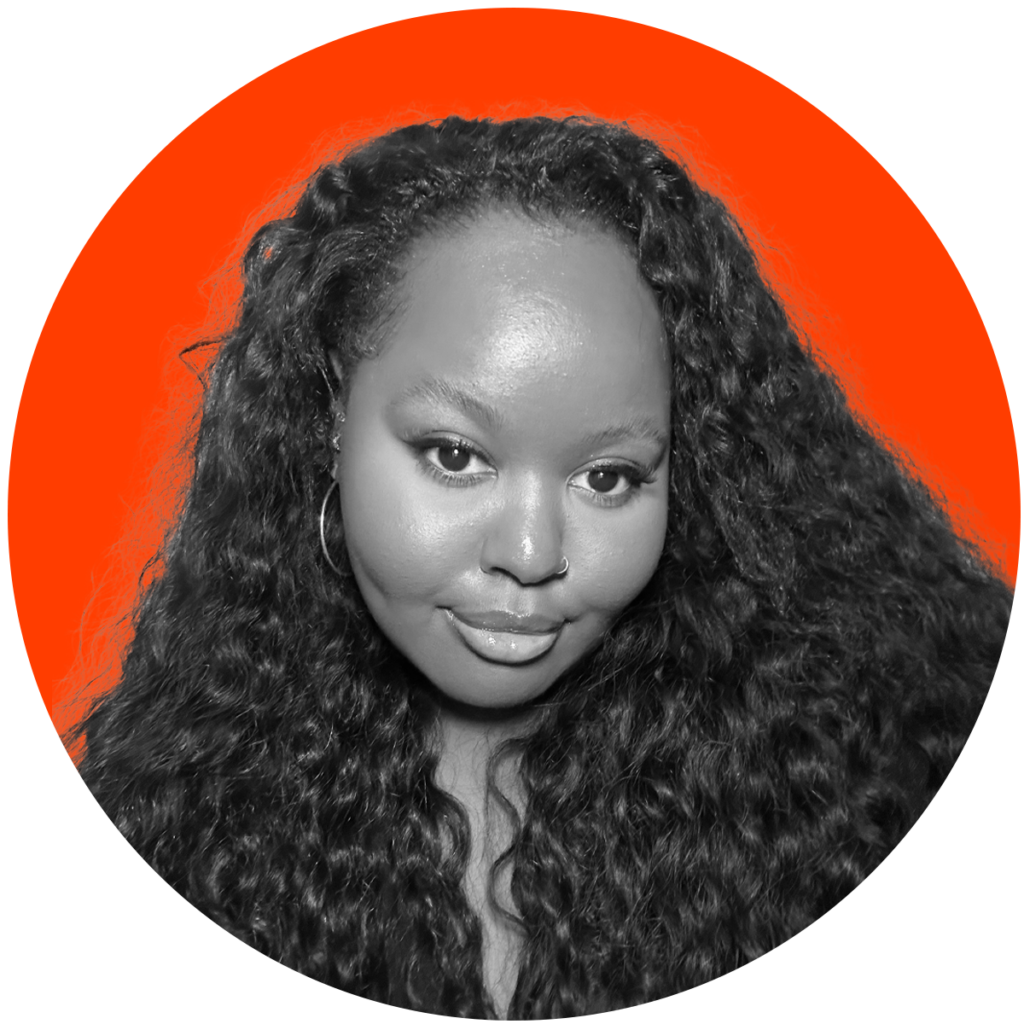
In recent years there’s been a quiet revolution on our screens. In Nida Manzoor’s Channel 4 sitcom We Are Lady Parts, a group of women start a punk band. In the Disney+ comedy Deli Boys, brothers end up taking over their father’s drug empire, and in the BBC comedy short Proper Ladies, schoolgirls try to escape detention. These diverse contemporary comedies all have one thing in common: centring Muslim characters whose faith is not portrayed as the defining feature of their lives, and whose identities are not presented as narrow stereotypes.
“For me, great representation is where the whole point of the story isn’t: ‘Oh, look, we’ve got a Muslim character’,” says British-Moroccan actor and writer Safia Lamrani. “It’s when you’ve got a Muslim character who’s a pro-swimmer, or studying at school, or a superhero or villain. Their identity isn’t the only point of the story.”
In 2024, a report by the Creative Industries Policy and Evidence Centre found that Muslims were “particularly poorly represented” across roles in arts, culture and heritage in the UK. But within this space, a growing number of writers are creating work that pushes back against limiting and sometimes harmful portrayals of Muslim life, focusing on stories of suffering or conflict. For Lamrani, the drive to change these narratives is what got her into the arts.
Related content
“I wanted to write as well as act because I didn’t always feel like the sorts of characters I wanted to play, or the stories I wanted to tell, were readily accessible,” she says. “Writing allows you to create the characters you wish to play yourself.”
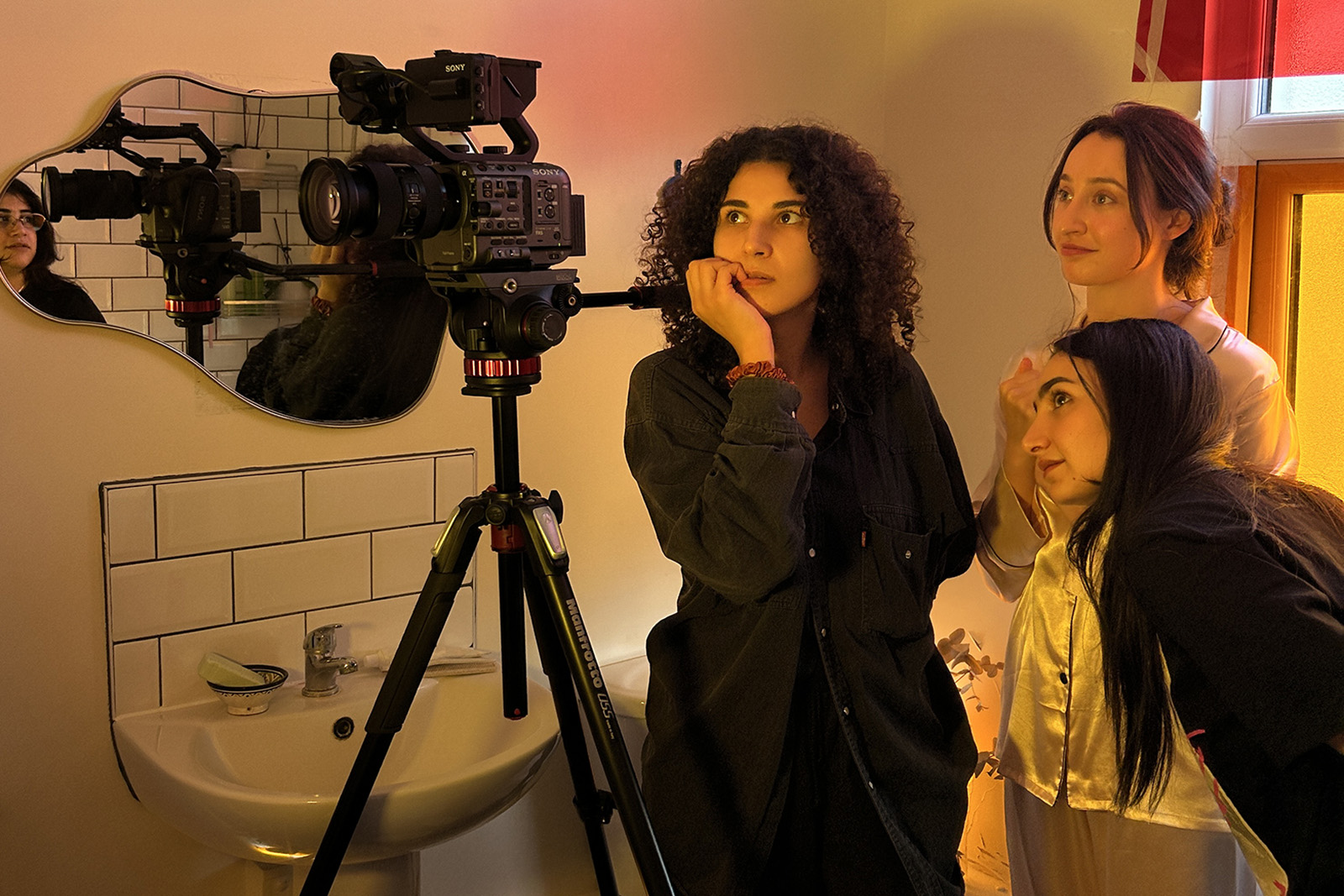
Lamrani’s writing projects have ranged from the horror short Late Tuesday Morning to a play inspired by Aisha Qandicha, a mythological figure in Moroccan folklore. Her horror film has subtle references to her own Muslim identity. “You could watch that film and not know that the character is Muslim,” she says. “There’s a lot of horror tropes, whether it’s the music, the grading or the beats.” But, she adds, viewers from her community might recognise some of the decor in the bathroom scenes.
“When you see your faith represented in a way that you can relate to, you feel more empowered for choosing it,” says Lamrani. “If we’re only presented Muslim characters as a stereotype then it’s hard for us to relate to a modern-day human character that may share the same faith as you.
“Not one Muslim character can speak for everyone. There’s so many different ways of practising your faith and that’s why it’s important to have such a diverse telling in our stories and art.”
Lamrani’s view is echoed by Mohammedally Hashemi, whose debut play Where There Is No Time premiered in March 2026 at the Seven Dials Playhouse in London.
The play follows Yusuf, an independent fashion designer known for politically charged collections that rarely meet the commercial demands of the industry. With mounting financial pressure, Yusuf, played by Hashemi, finds himself torn between staying true to himself and adapting his work to save his business.
He says many of the themes draw from his own experiences in the arts. “You use stories to kind of explore yourself,” he adds.
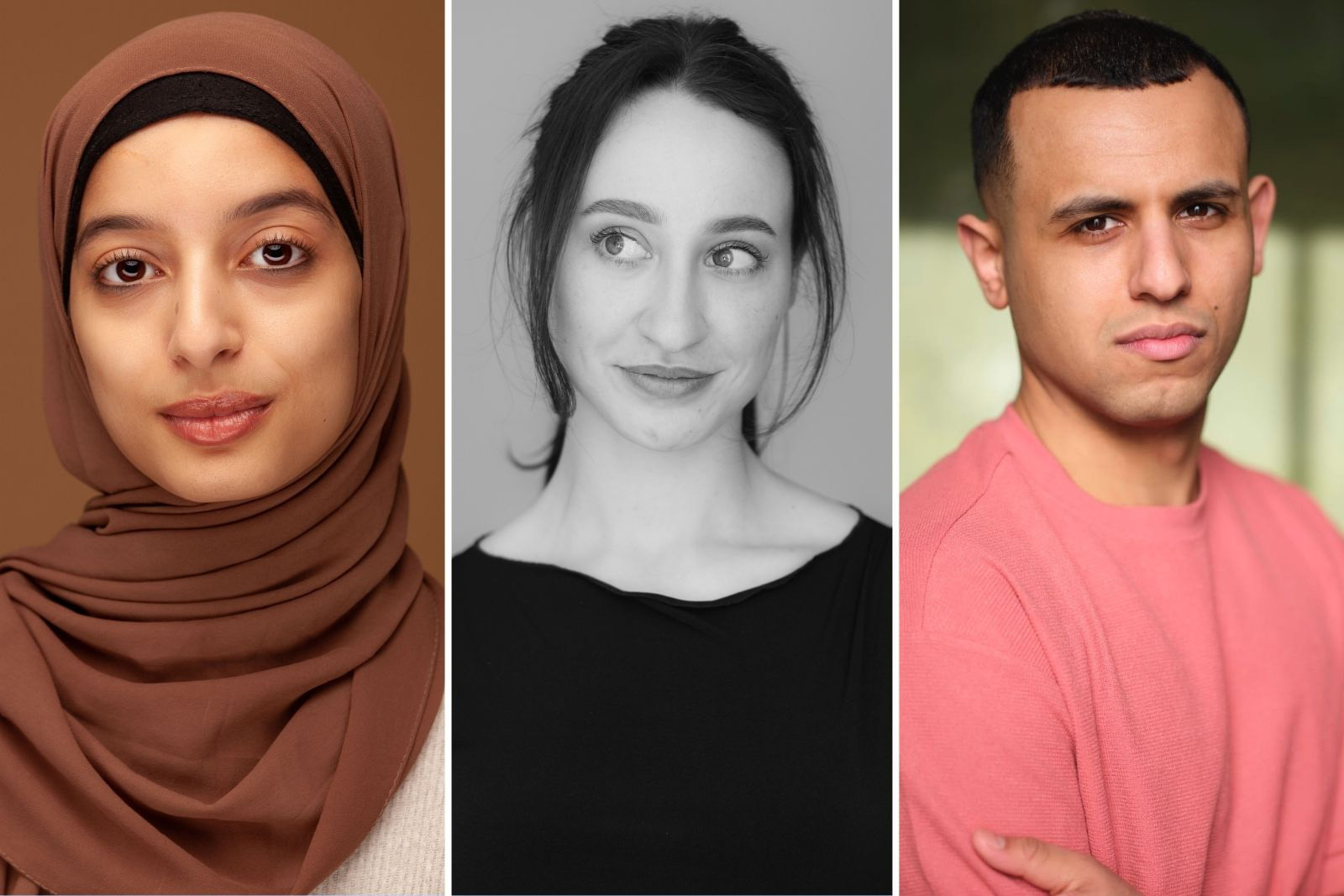
Hashemi, who first entered the industry as an actor in 2019, says Muslim characters are still too often expected to be defined primarily by struggle or conflict around their identity.
“With theatre — and this can translate to film and TV — there’s a subtle expectation that if you are going to have Muslim-led stories, it has to be about struggling with Muslim identity, or struggling to fit in,” he says.
“Those are definitely valuable stories to tell, but when it comes specifically to Muslim stories, there’s a subtle expectation that it just has to be about that.”
Yet Hashemi believes audiences connect most deeply with stories rooted in universal emotions, rather than identity alone.
“We all have the same feelings,” he says. “We’ve all lost loved ones. We all experience love, grief, heartbreak and fear. That’s what connects people. I want to see more shows where it’s not just the ticking of a box.”
He points to Suhaiymah Manzoor-Khan’s play, Peanut Butter and Blueberries, as the kind of Muslim-led storytelling he would like to see more of. “It’s a universal story that everyone could relate to but the people just happened to be Muslim,” he says.
London-based poet, writer and actor Chifaa Khelfaoui recalls that many of the Muslim women she watched on screen growing up were portrayed through stereotypes.
Related content
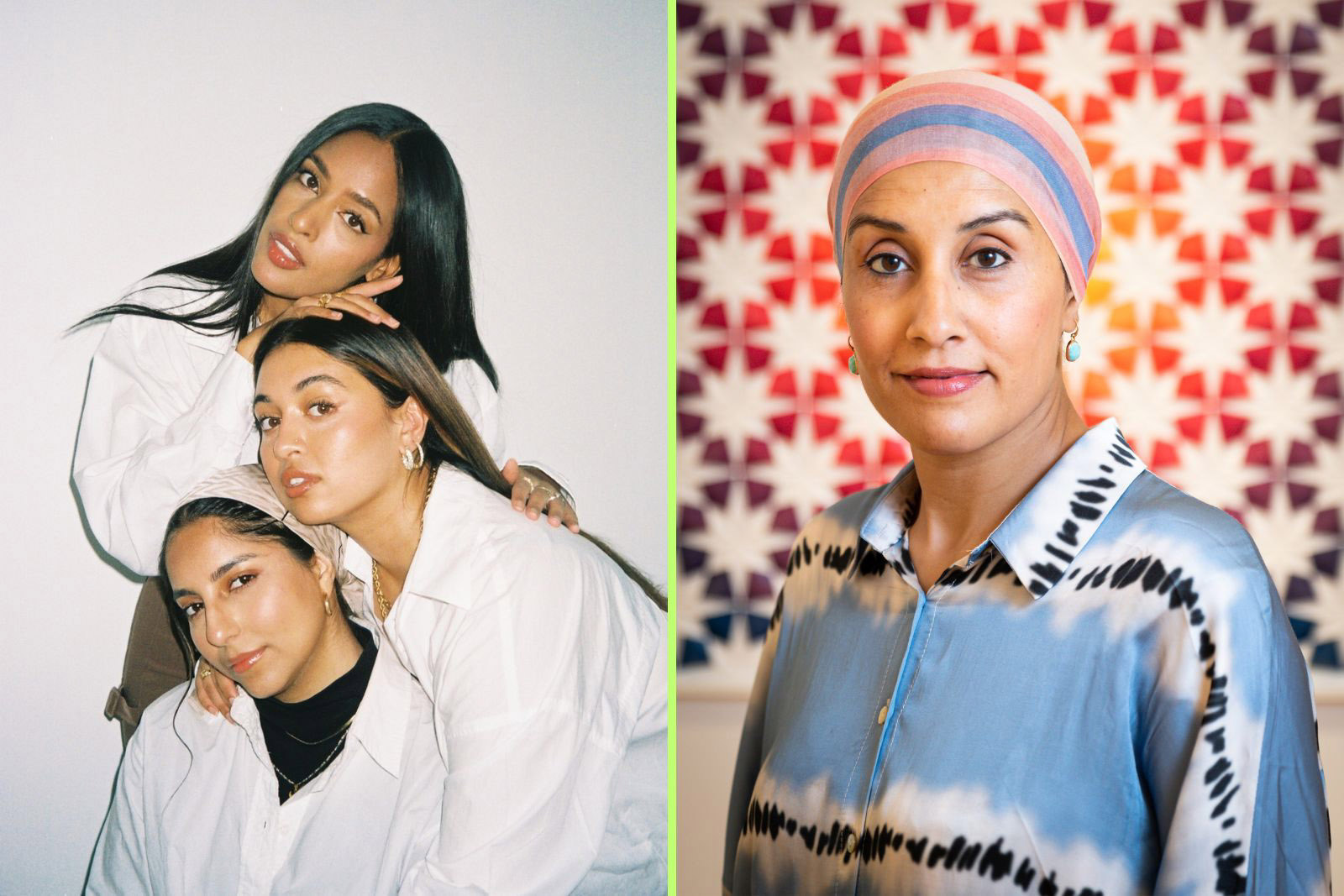
“If you don’t tell your story, people will tell it for you,” she says. “It would be a Muslim woman falling in love with a white man, and then she takes off her hijab and starts drinking all of a sudden — now she’s free and liberated and she cuts off her family and doesn’t want to be Muslim anymore.”
Lamrani says the emergence of more nuanced writing about Muslim communities — particularly on TV — gives her hope.
“A few years ago, I would have said, ‘Yeah, there are no stories about Muslim women.’ But those stories do exist and they’re being told more and more.”
Citing We Are Lady Parts as an example, she says: “The elevator pitch is that these young girls form a rock band and they just so happen to also share the same faith. That’s such an excellent example of the kind of stories that are diverse and represent our stories.”
Lamrani adds that while writers are important, audiences also have a role to play in supporting more varied narratives about Muslim life.
“The more we watch them and show up to the cinema or to the theatre, the more they’re going to get funding, proving that these stories are in demand,” she says. “We have to show up and support each other.”