
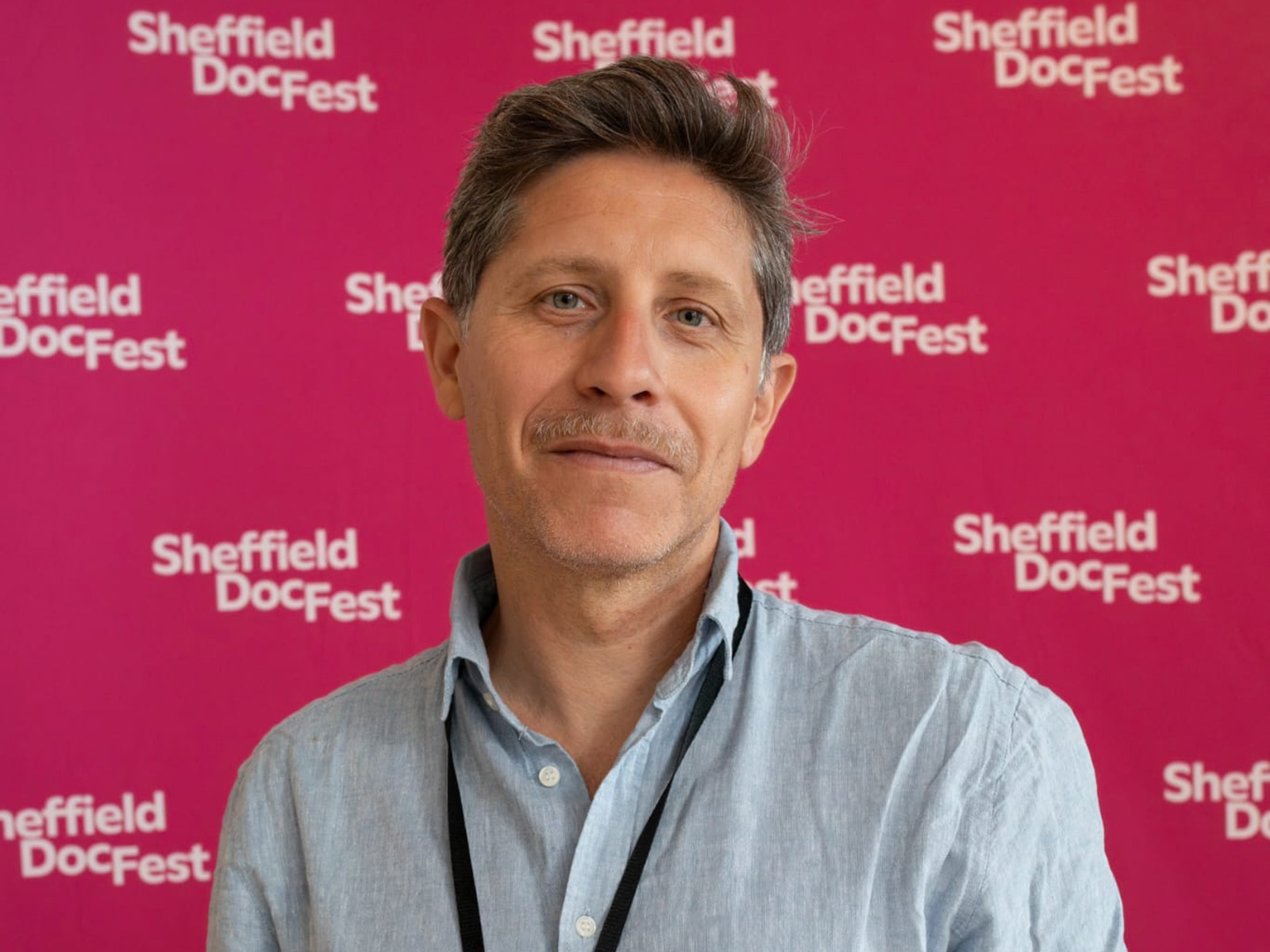
Life Support director Daniele Rugo: ‘You want to cancel me? We’ll continue speaking up’
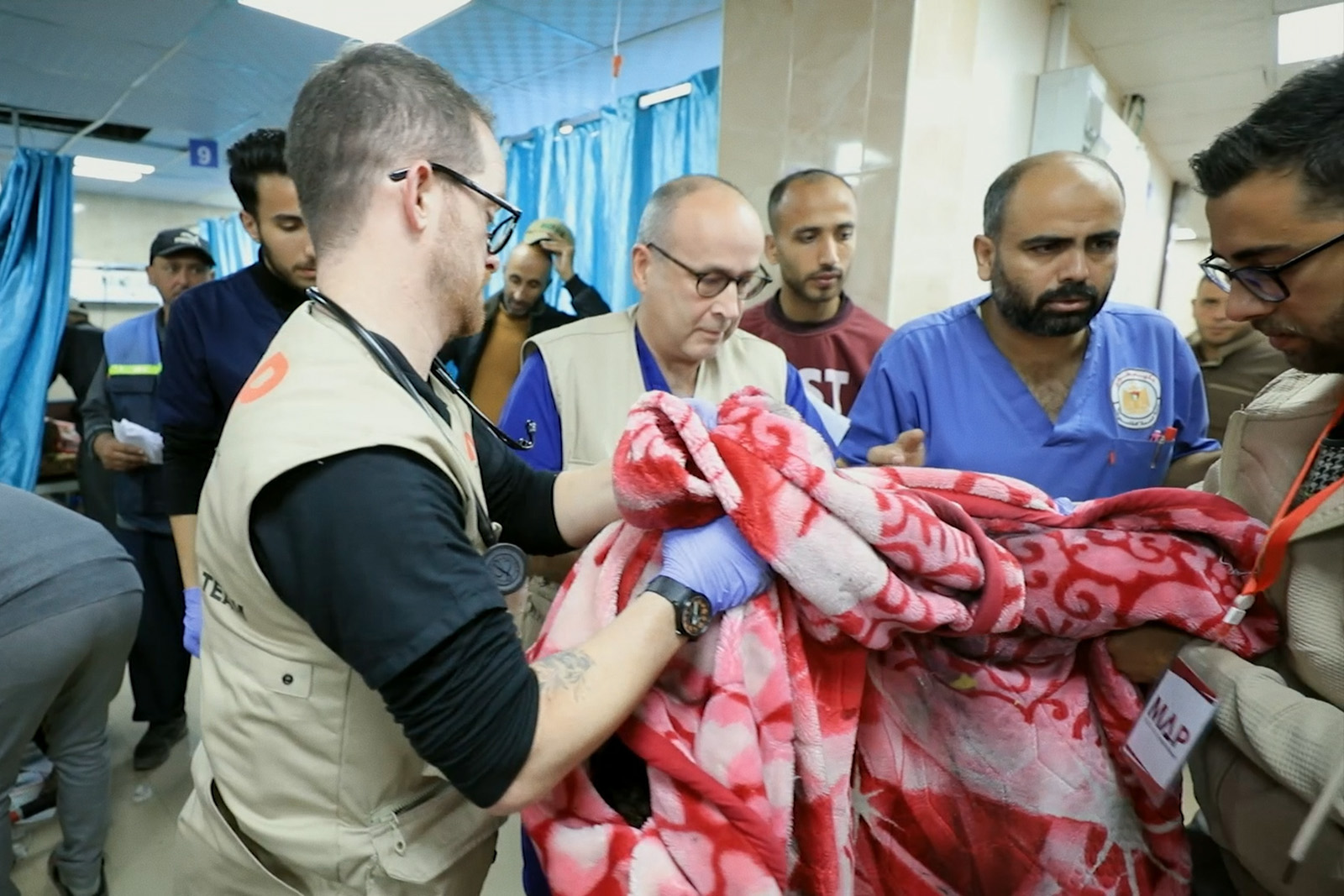
Rugo’s documentary follows a group of British doctors who made repeated missions into Gaza’s hospitals, becoming ‘the sole international observers’ of the two years of Israel’s war

Two years of rolling news coverage can turn an atrocity into wallpaper, the same images repeated until they register as background noise rather than screams. Life Support refuses that flattening from its first frame.
Related content
The documentary follows a group of British doctors who, through Medical Aid for Palestinians and IDEALS, made repeated missions into Gaza’s hospitals across two years of Israel’s war, becoming, as director Daniele Rugo puts it, “the sole international observers” of what was unfolding there.
Foreign media have been barred from entering Gaza since October 2023. These doctors, travelling through the few channels that remained open, brought their phones, recorded what they saw, and sent the footage back to Rugo. The result is the only documentary to cover the full two years until the ceasefire in October 2025.
Rugo worked with editor Masahiro Hirakubo (The White Helmets), specifically because he was someone who could tell “a story of violence, but where you don’t want to drown the audience in graphic imagery and where you need to build a structure”.
What they built is part chronicle, part portrait: the escalating facts of the genocide tracked alongside the doctors who kept returning to it.
The Italian film-maker’s practice has long been built around histories of violence in the region. Rugo came to the project in February 2024, brought in by producer William Parry off the back of The Soil and the Sea (2023), his film documenting the more than 15,000 people forcibly disappeared during Lebanon’s civil war in the 70s and 80s and the families still searching for them. His other documentary on that conflict, About a War (2019), traced the testimony of ex-fighters from opposing sides.
Parry, who once worked in communications for Medical Aid for Palestinians, connected Rugo with a group of Oxford-based doctors who had been organising missions into Gaza’s hospitals since just weeks after 7 October. He proposed following them as the film’s spine. Since Rugo himself had no access to Gaza — no international film-maker did — the footage would be whatever the doctors could gather on their phones between shifts, supplemented by material from two Gazan cinematographers, Mahmoud Abou Hamda and Sulaiman Hejjy, shooting conditions on the ground outside the wards.
Professor Nick Maynard, who has been travelling to Gaza and the West Bank since 2009, said yes first. His enthusiasm opened the door to the rest: Tanya Haj-Hassan, Victoria Rose and Ana Jeelani. Some were new to frontline medical work, others not.
Nobody making the film knew what shape it would take, because nobody knew what shape the genocide would take. “We started working thematically because we didn’t know what storylines were going to unfold. It was very difficult to predict whether it was going to be stopped, or whether it was going to continue, how long it was going to continue, and how much deeper it would get,” Rugo says. Working thematically meant organising the material around questions rather than a timeline: the future of Gaza’s children, the targeting of civilian infrastructure, the destruction of anything that might allow Palestinian life to continue.
What Rugo was certain of was the argument he wanted standing at the end of the film: “This was not just a war to try to destroy what Gaza is now, but really a war that is attempting to do away with any possibility for this place and its Palestinian population to have a future. We’ve been sold this idea that there’s now a board of peace and that there’s a reconstruction process and a settlement but, really, very little aid is going in,” he says.
“This is a narrative that’s been going on for the best part of 40 years, if not longer. The idea was to try and connect what is happening now with the Nakba and emphasise the continuities in strategies, in talking points, in propaganda, in discourse, in narrative.”
Central to building this account is the experience of the doctors. “It was important for us to capture the journey of the doctor because that was going to be key to allow us to tell a story and not just compile a set of evidence,” Rugo says.
The doctors paid for that journey in more ways than one. Haj-Hassan was at Nasser Hospital when it was bombed, killing two of her patients who had just come out of surgery. Others came home to the UK suspended and accused of antisemitism from the very medical bodies meant to represent them.
“Despite that, they kept going, not only [did they keep] trying to go into missions together, they kept going by doing advocacy with mainstream media, with community groups, with parliamentarians, or the UN. The strength of their advocacy is incredible,” Rugo says.
Here is Rugo’s sharpest point — and the reason the film exists at all. Palestinian doctors, journalists and civilians had been describing the war crimes for two years already, but had been ignored or disbelieved. The Oxford doctors, Rugo says, are “saying exactly the same things as the Palestinians are saying” but, as he bluntly puts it, “they’re western, they’re white in some cases”. It’s an uncomfortable thing for a film to have to lean on and Rugo doesn’t pretend otherwise.
The score works the same two fronts as the footage. “Music is a crucial component for what I do because I always have the impression that the music says things that the image and the words cannot.”
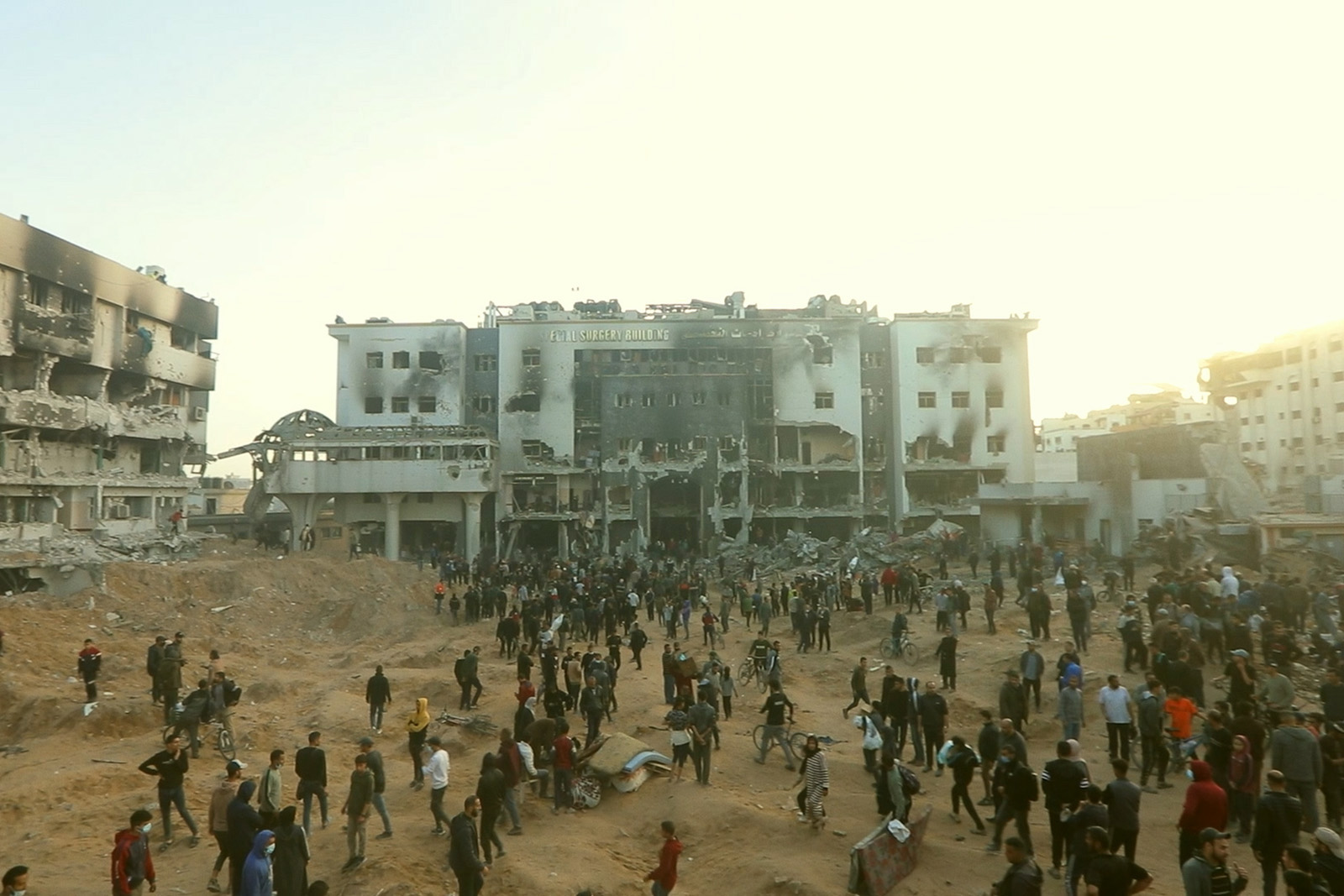
Palestinian composer Habib Shehada Hanna built the film’s oud-based score, with Massive Attack’s Robert Del Naja and regular collaborator Euan Dickinson scoring its two most shattering moments — the destruction of Al-Shifa Hospital and the bombing of the European Gaza Hospital — after Rugo asked for “something that had a fairly minimal touch, but that could be really felt”. A soundtrack album will follow later this summer, with Kneecap, Paul Weller and 47 Soul added to the bill, and proceeds going to organisations supporting Palestinian healthcare workers.
Related content
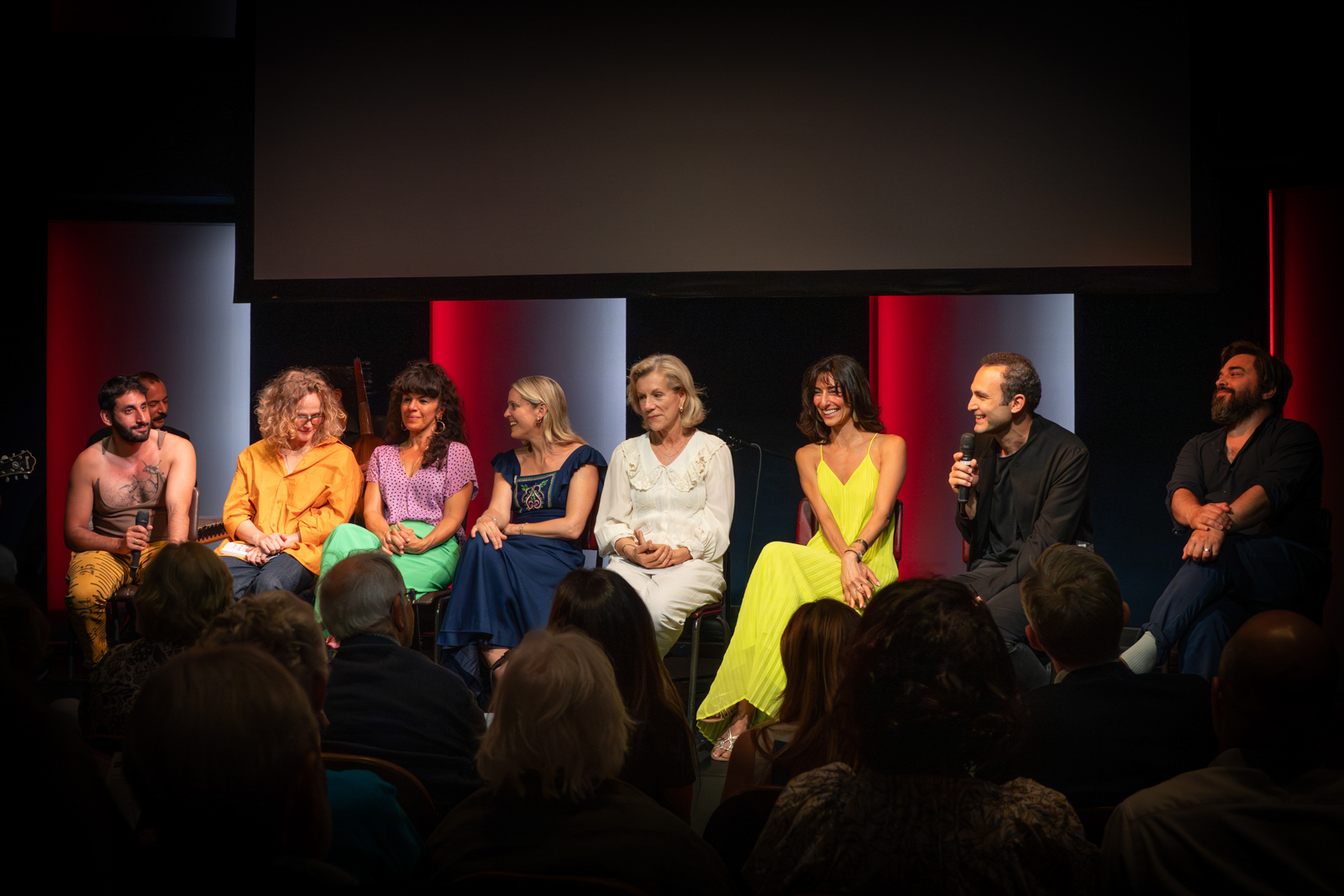
Life Support opened to a standing ovation at Sheffield DocFest on 13 June, and has since been acquired for distribution across multiple countries, a reception that stands in pointed contrast to the environment those involved continue to operate in. Executive producer Melissa Barrera signed on having already lost acting work for speaking up for Palestine. “The cancelling still exists, the backlash still exists, the censorship still exists,” Rugo says.
But nearly three years on, he’s clear about what’s changed underneath: “People are now pushing back on that by saying, you want to cancel me? I’ll invest my time, my resources into work that continues the advocacy. I’m not on my own. There is all of this community with me, behind me, and we are gonna continue speaking up because it’s the right thing to do.”
Life Support will screen in UK and Irish cinemas from 9 July.