
Muslims revealed BBC bias years ago. No one listened
As political pressure claims two top BBC scalps, it seems the broadcaster’s partiality is only a scandal when the attack comes from the right
For years, Muslims have been telling the BBC that something was deeply wrong with how it reported on us and on the subjects that mattered to us. We were met with silence, deflection or denial.
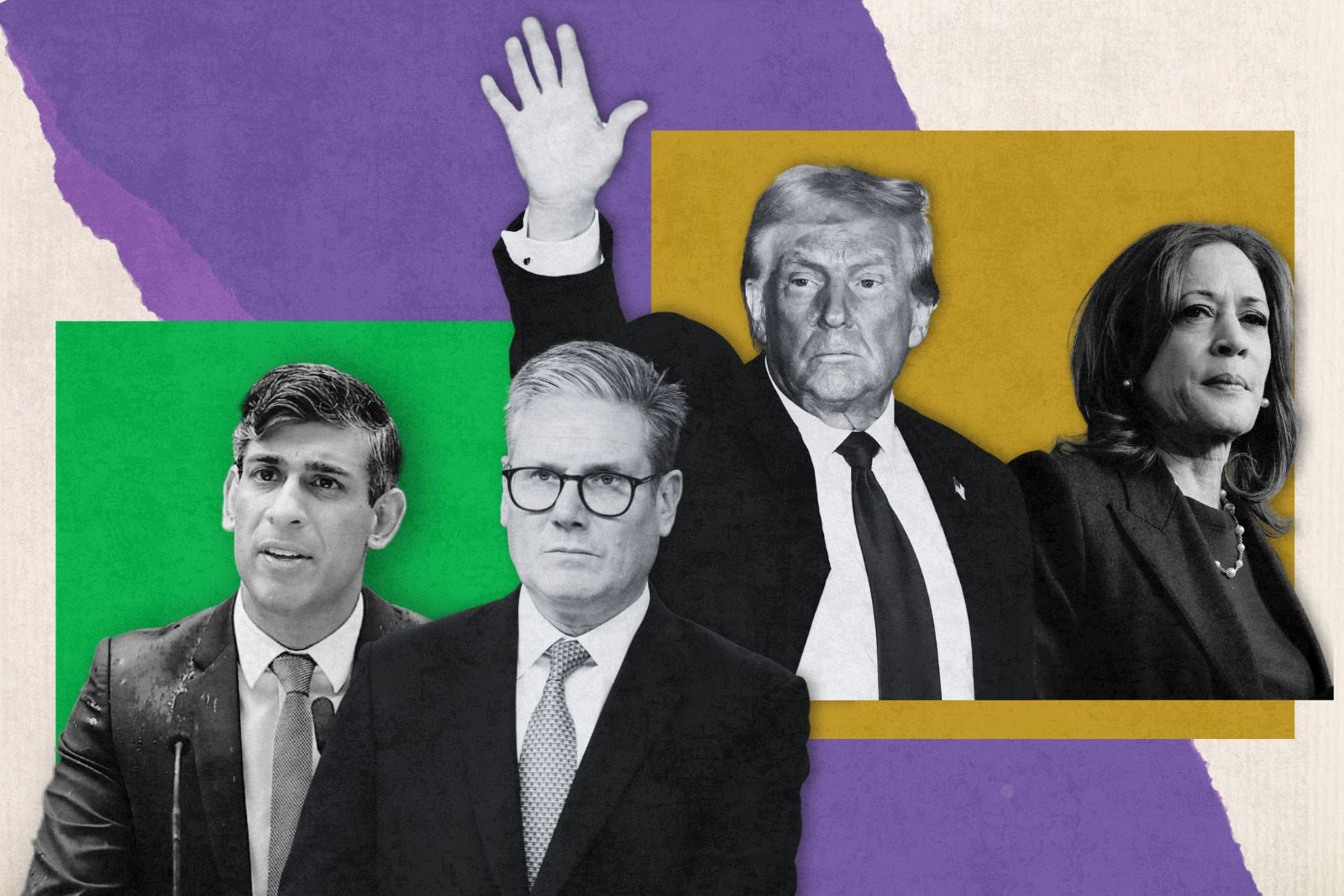
Now, as the broadcaster reels from the resignations of director general Tim Davie and head of news Deborah Turness amid criticism from a former external standards adviser over its coverage of Donald Trump, Israel and LGBTQI+ rights, suddenly the question of bias is newsworthy. It seems only when the attack comes from the right that the BBC’s partiality becomes a scandal worth investigating.
This moment feels both surreal and predictable. Since 2018, my research at the Centre for Media Monitoring (CfMM) has painstakingly trawled through thousands of broadcast clips, headlines and articles to establish how Muslims, Islam and, more recently, Palestine are framed in British media.
Related content
In report after report, the results were depressingly consistent. Across major outlets, Muslims were more likely to be associated with violence, extremism, crime or integration problems than with ordinary life. Stories about Islam overwhelmingly focused on conflict, security or controversy. The BBC, though often less inflammatory than some of its commercial rivals, was no exception. Its language, story selection and editorial framing routinely reinforced a picture of Muslims as a social question to be managed, not citizens to be heard.
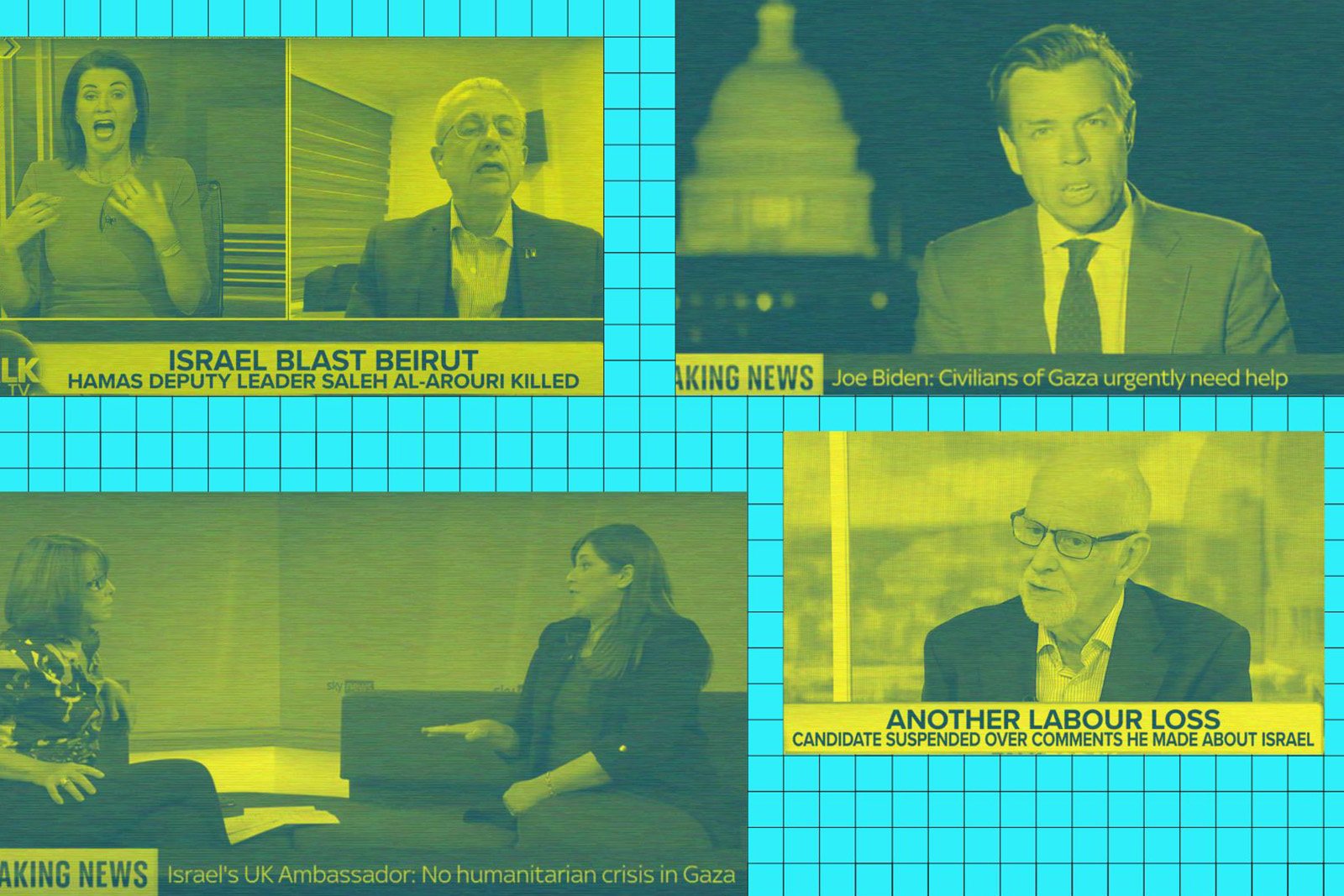
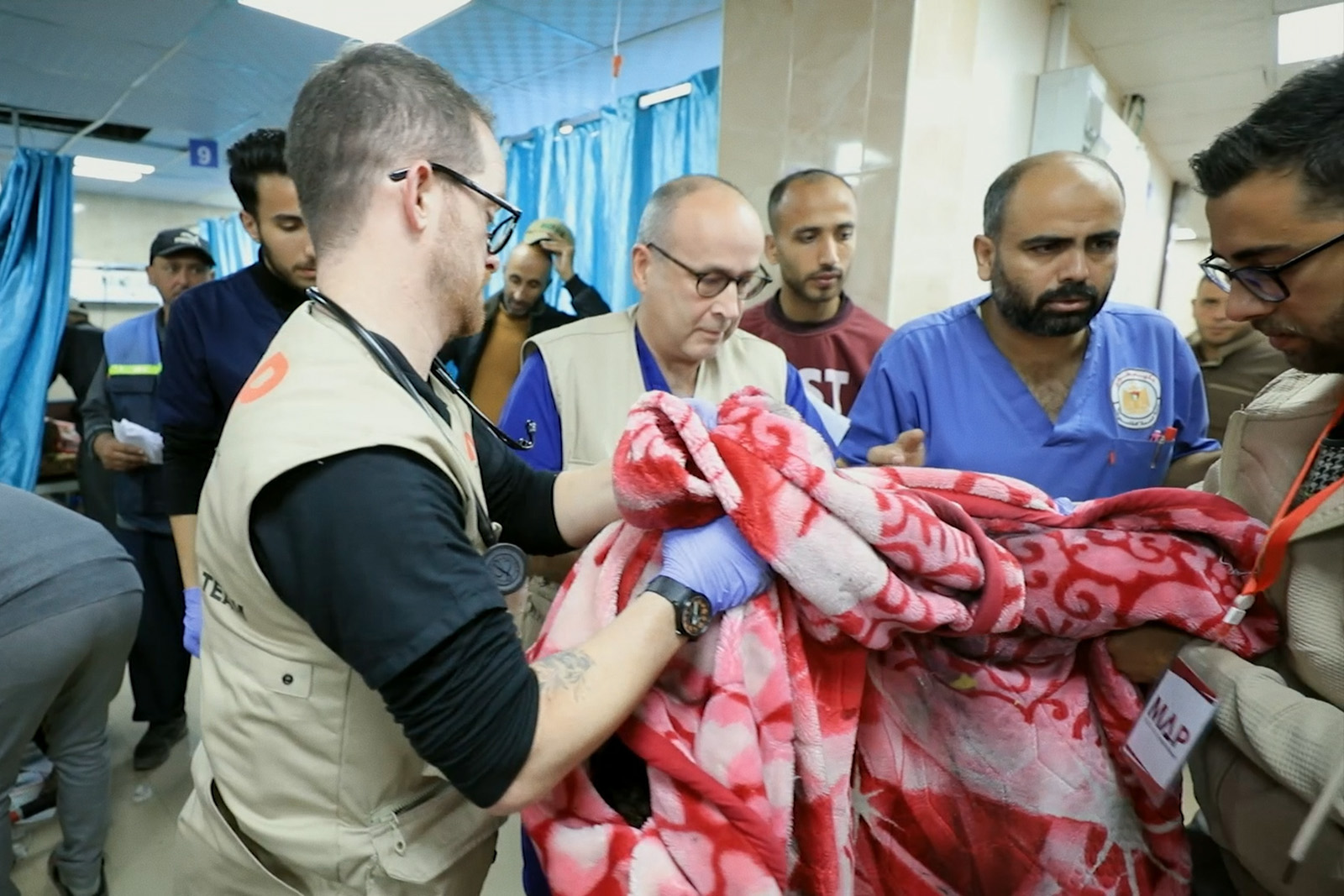
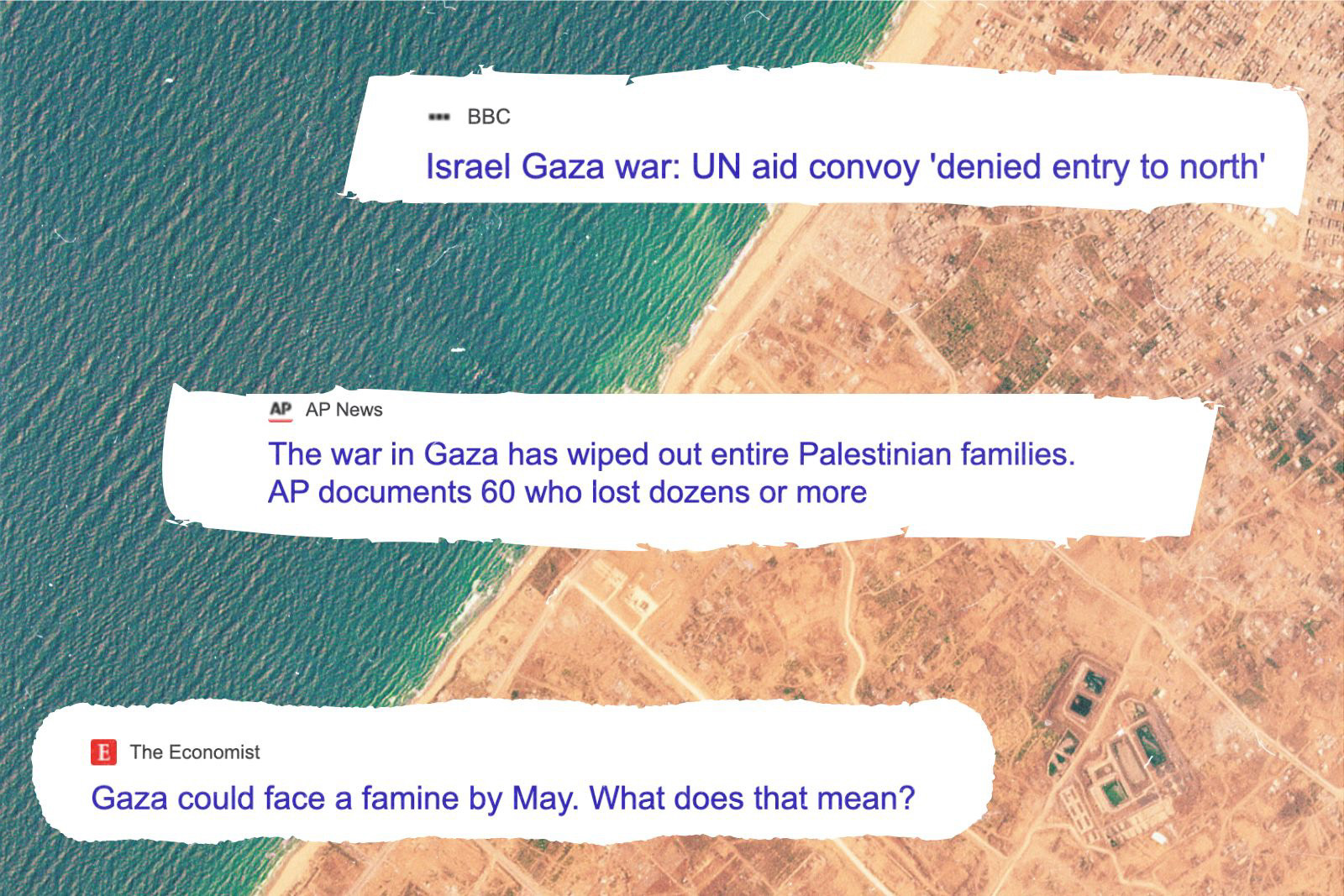
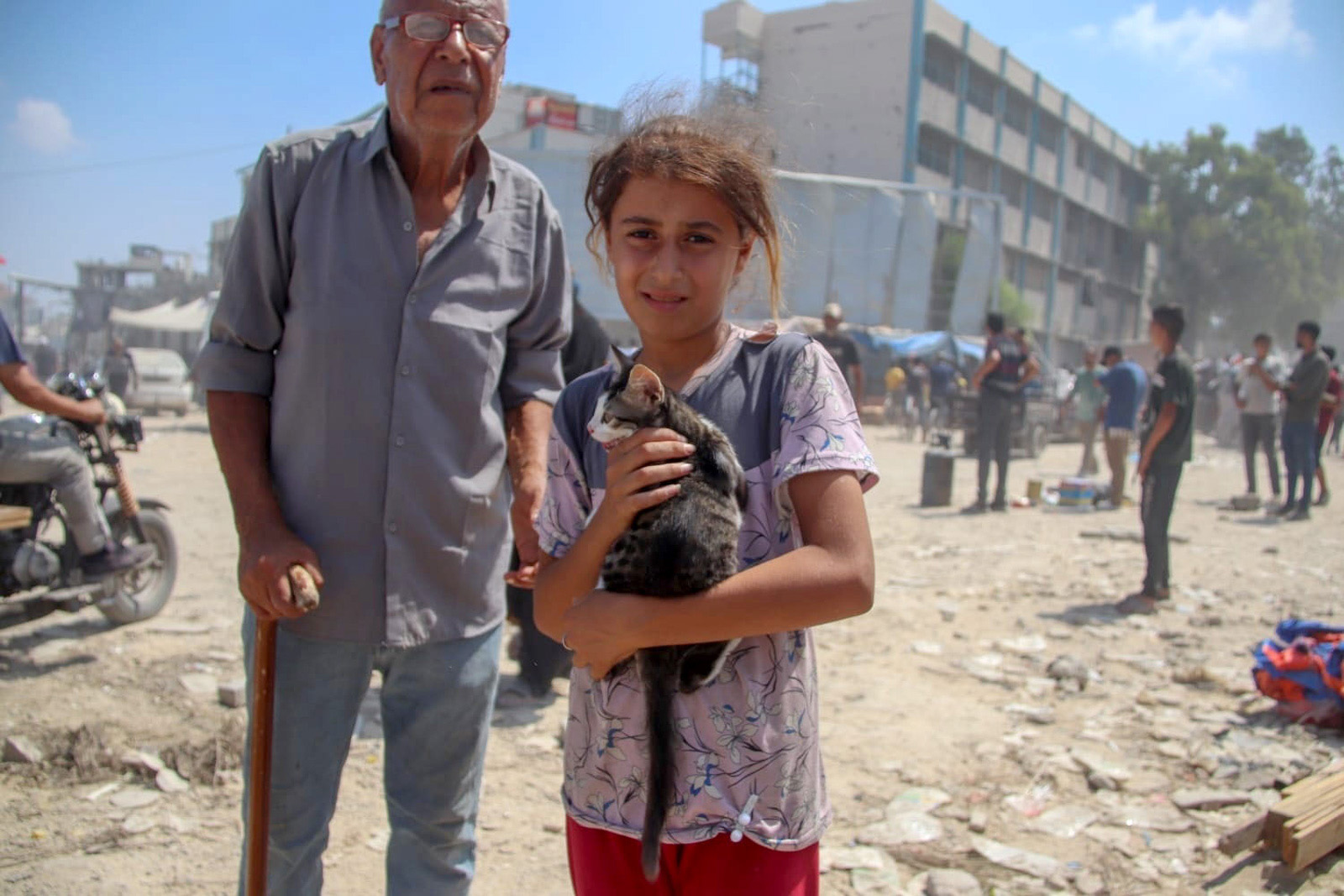
Our most recent study on the BBC’s coverage of Gaza showed the same structural failures this time applied to an entire people rather than a faith community. We analysed more than 35,000 BBC items between October 2023 and May 2025. The imbalance was stark: Israeli officials were quoted more than twice as often as Palestinians; Palestinian deaths received a fraction of the airtime; and words like “murder” and “massacre” were reserved almost exclusively for Israeli victims. Context such as occupation or international law was frequently omitted.
The confected outrage against the BBC and the organisation’s own response to it has been equally revealing. At the height of the controversy over Bob Vylan’s Glastonbury set, the broadcaster managed to produce 56 online articles mentioning the band and the anti-IDF chant of its frontman, yet only one on an Israeli air strike that killed 20 Palestinians that same week. Nothing illustrates the distortion of editorial priorities more clearly.
Yet when we raised these findings over the years, the BBC’s response rarely rose above polite dismissal. Meetings were held, and “review processes” were promised. But nothing changed. The organisation remained convinced of its own impartiality, even as the evidence stacked up against it.
Now, in 2025, that same BBC finds itself under siege — not from the people who demanded greater fairness for Muslims or Palestinians, but from those who have spent years demonising both: rightwing politicians and media, and perhaps even some at the top of the corporation itself.
What we are witnessing is not a reckoning with bias, but its cynical repurposing. The BBC is being punished not for failing the powerless, but for failing to please the powerful. The result may be catastrophic: a weaker, cowed broadcaster that retreats even further from robust, evidence-based journalism.
Related content
Muslims understand this dynamic better than most. We have lived it. We raised concerns about dehumanising language, skewed framing and selective empathy long before the current outrage cycle began. But our critiques were easy to dismiss because they came from a marginalised community rather than from political elites or tabloid editors.
That is why this moment must not be allowed to pass as another round of BBC self-flagellation. If the corporation truly wants to rebuild trust, it must reckon honestly with the data that has been in front of it for years from CfMM and others and accept that bias can be structural, not just accidental.
There is still time for the BBC to be what it claims to be: a public service broadcaster serving all of the public. But it will only get there by listening to the people it ignored when they told it the truth.