Starmer takes a big swing at social media ‘game changer’
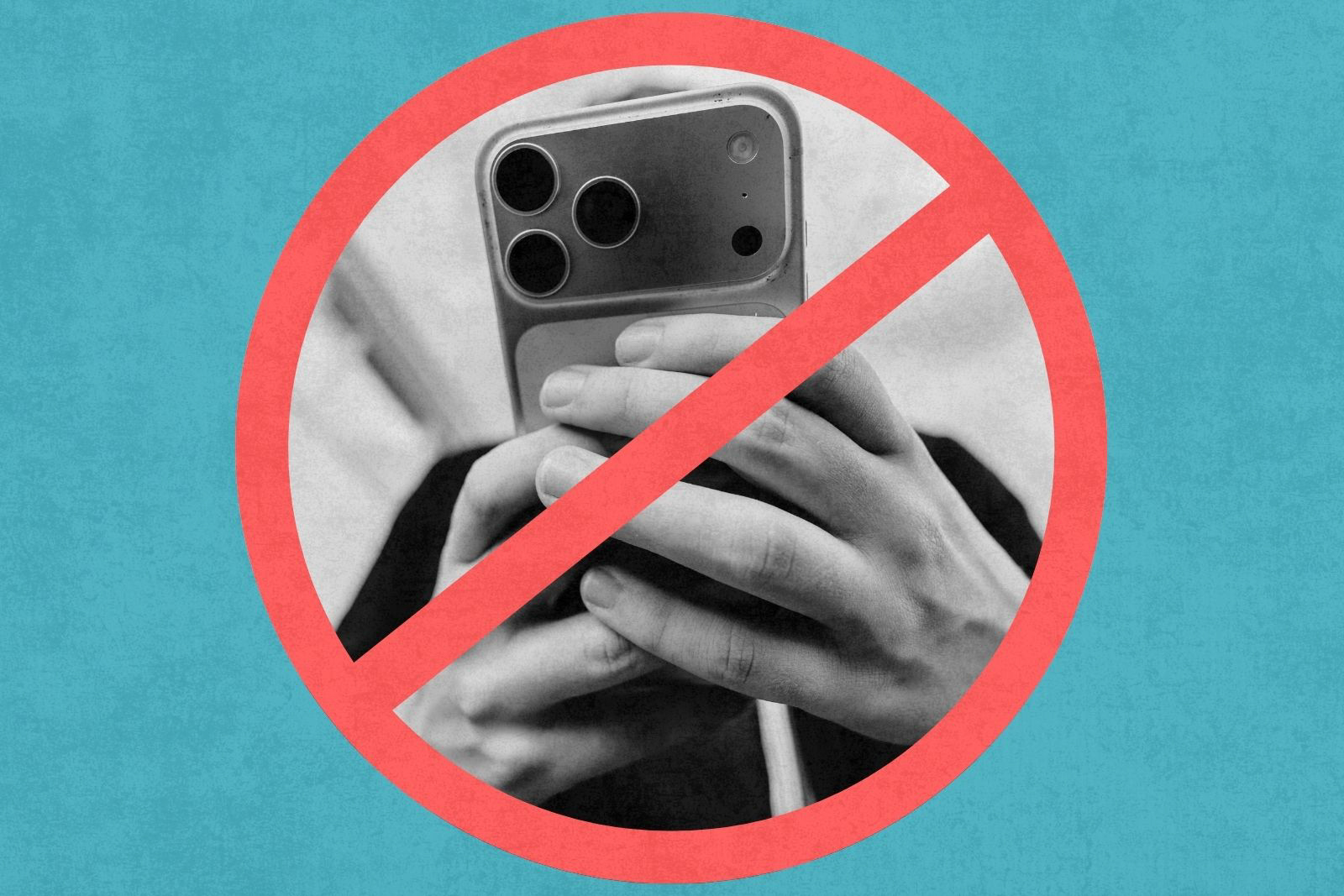
The prime minister’s urgency on changing how children interact with social media has to balance rhetoric with reality

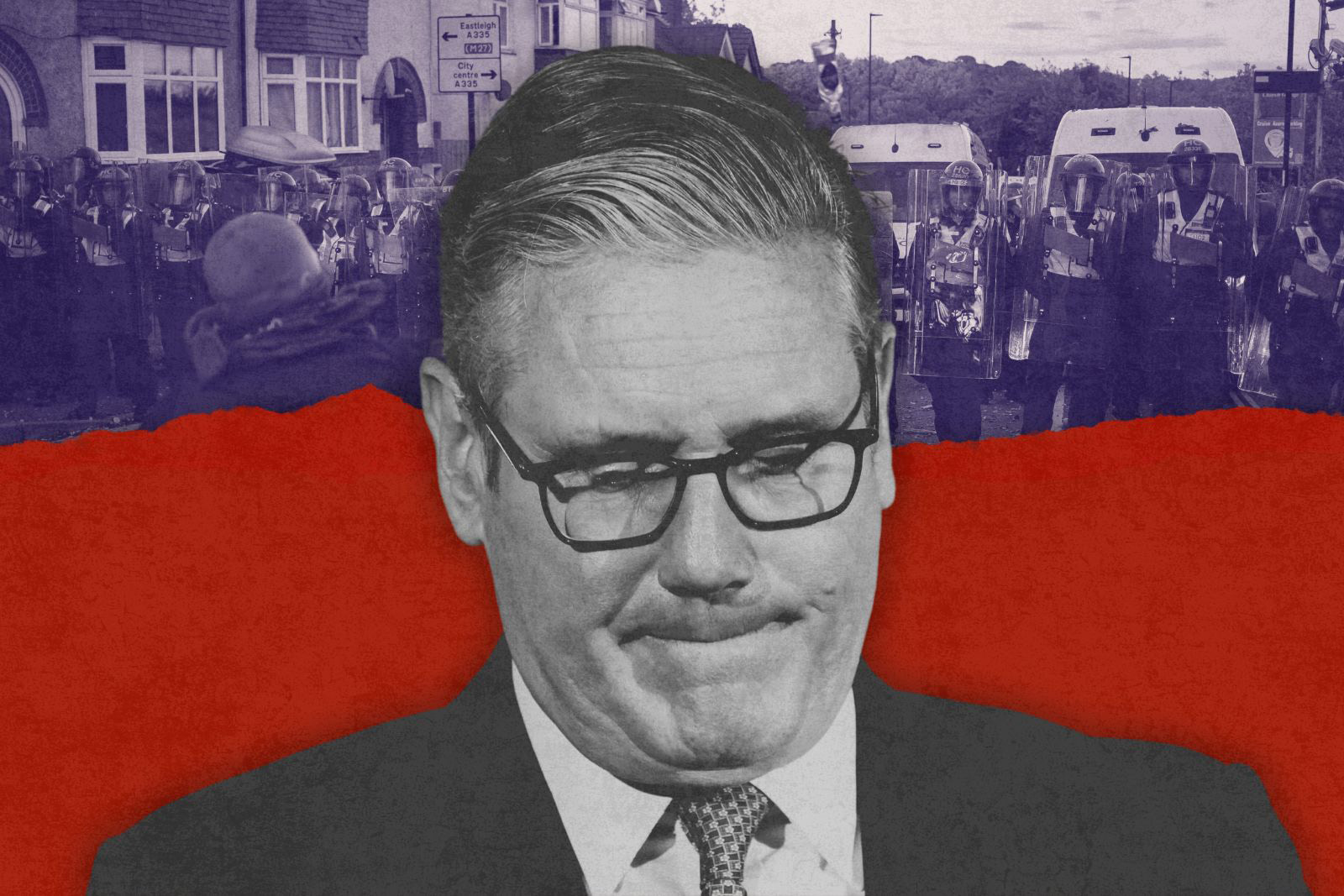
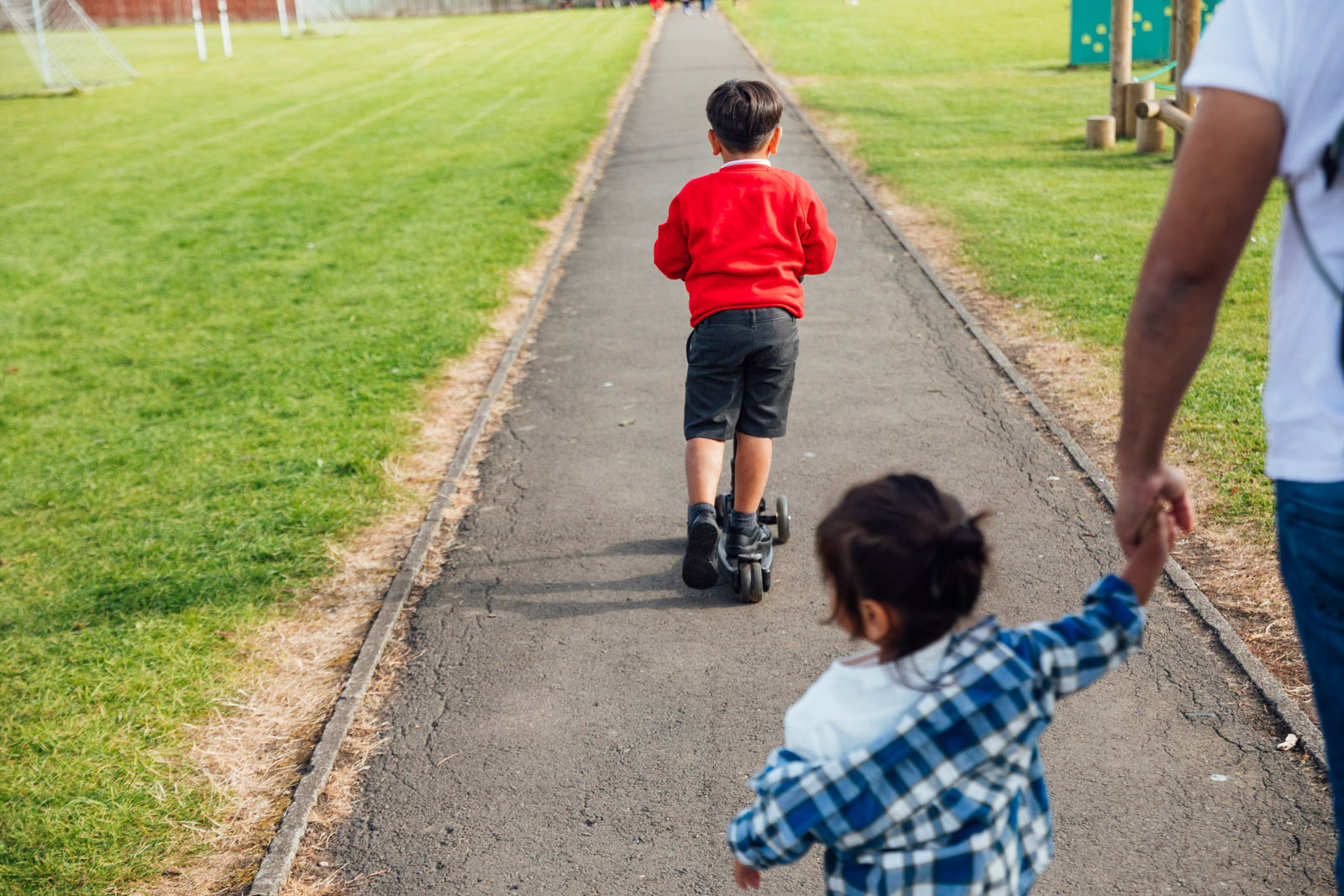
When the prime minister visited a group of London parents and students in February, he was already speaking with some urgency about the need to move quickly on changing how children interact with social media. I was there, in a community room, as biscuits were passed around while Keir Starmer reassured parents he would act. When I spoke to him that day, he made it clear that he had resolved to do something about the potential harmful impacts of social media on teenagers. Since then, a Labour leadership battle and the arithmetic of his survival in No 10 has changed dramatically and put into perspective why there is a renewed sense of urgency around the issue.
The government’s consultation on children and teenagers using social media closes on Tuesday and has attracted some 70,000 submissions from charities, clinicians, campaigners and parents. No 10 have made no secret of its impatience to move once it’s finished and the government has promised policy delivered potentially this year. When I asked a senior member of the government this week what that policy could be, I was told in no uncertain terms that an outright ban, of the sort Australia introduced in 2025, remains firmly on the table.
Related content
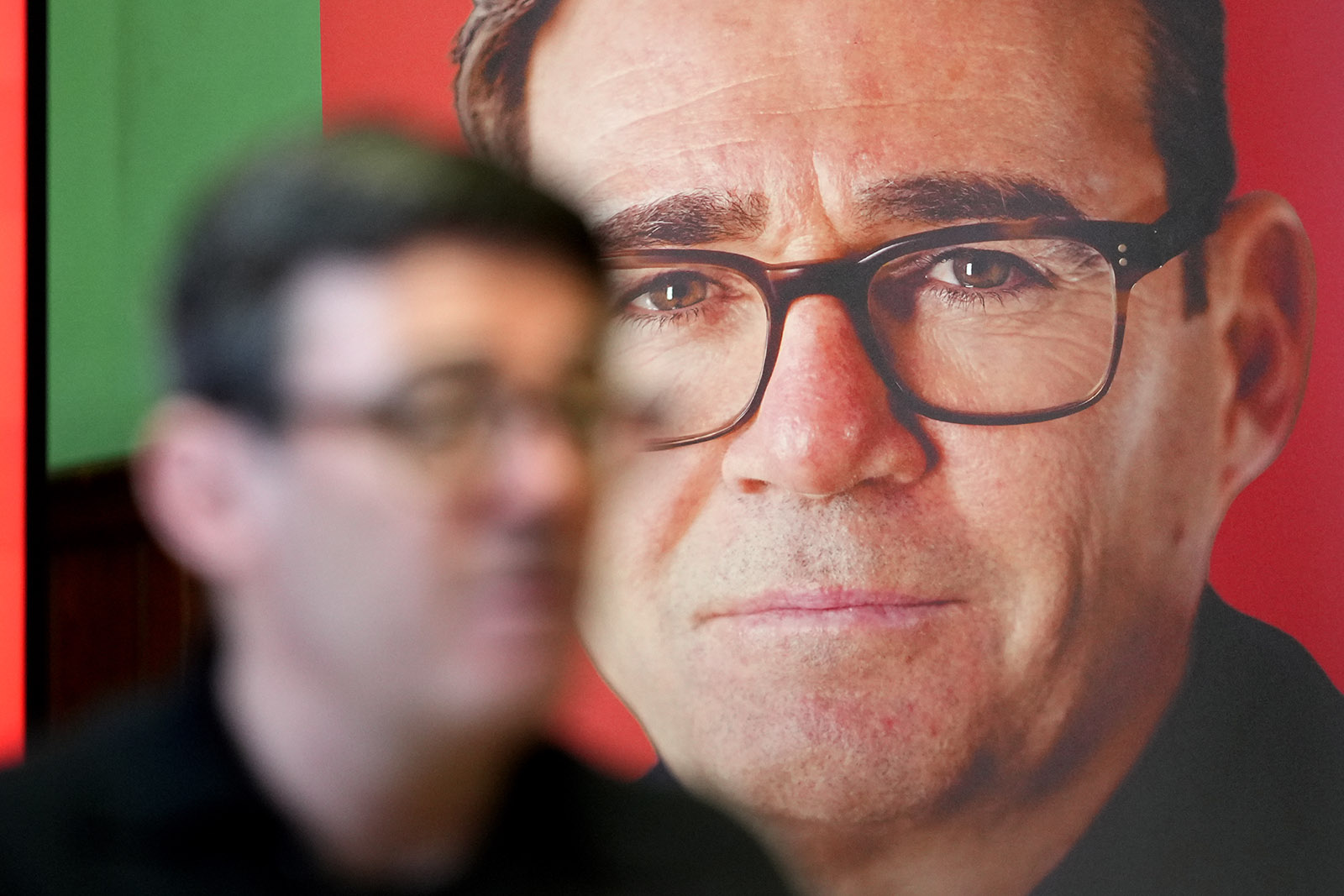
The rhetoric has hardened to match the timetable. “The question now is not whether we do something,” Starmer told broadcasters on Tuesday. “We are going to act.” He even went as far as to claim that any policy would be a “game changer”.
While it is tempting to take all this at face value, nothing this administration does at the moment can now be read outside the calculation of the ongoing leadership challenge. Whatever the 18 June byelection in Makerfield delivers, a challenge to Starmer’s authority has moved from possibility to near certainty. That’s why it is worth noticing who has chosen to get behind the proposed ban. Two of the names most frequently floated as potential successors — Angela Rayner and Wes Streeting — have both staked out conspicuously firm positions in favour of a ban.
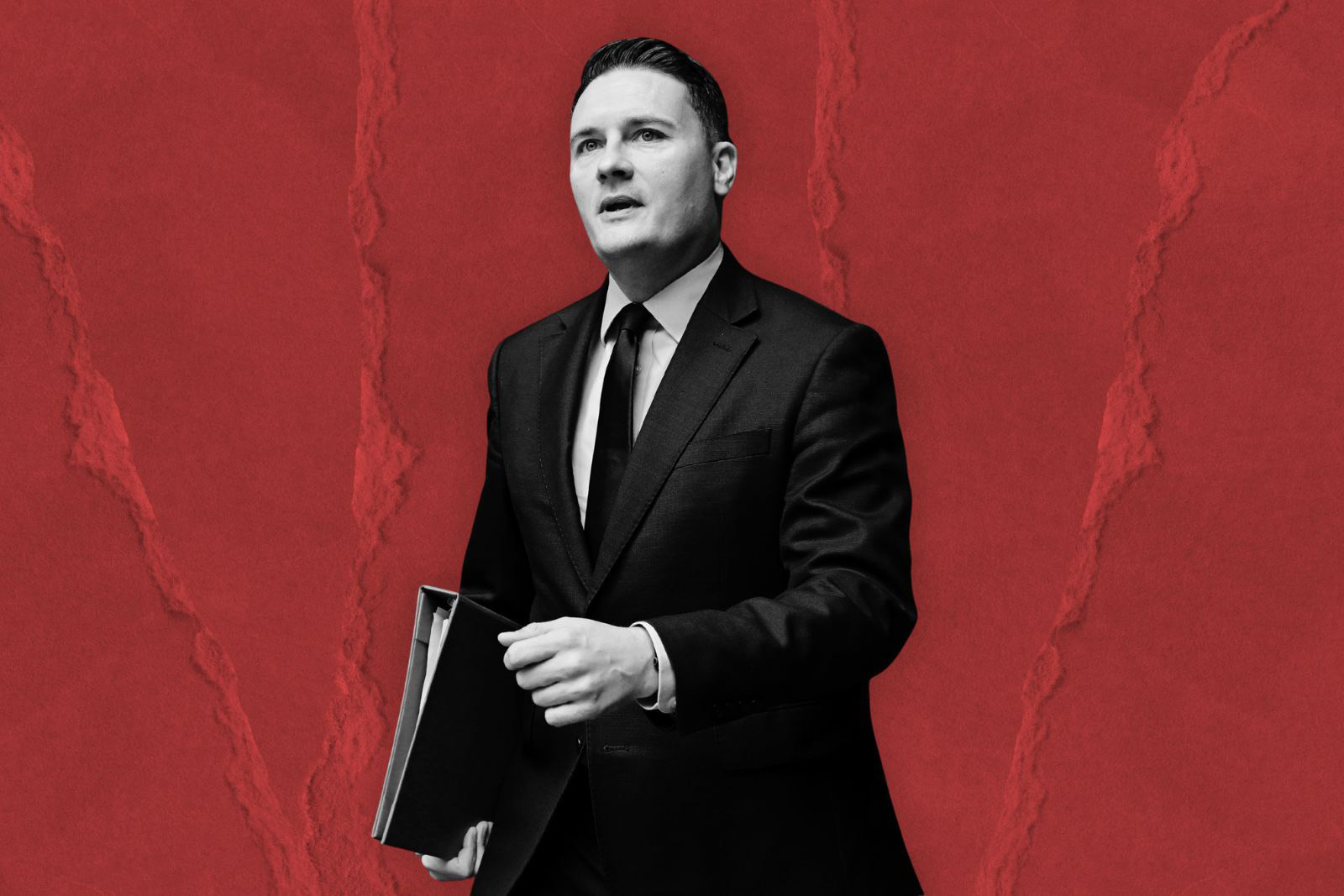
The former health secretary, newly liberated from the discipline of collective responsibility, told the Today programme on Monday that regulators and politicians had been “asleep at the wheel” and compared social media with Big Tobacco. His is a serious argument, sincerely held. It is also, conveniently, one that allows potential leadership hopefuls to look principled and prime-ministerial at precisely the moment when such impressions matter most.
Then there’s the fact that for a prime minister repeatedly accused, not least within his own party, of being slow to act and not being ambitious enough, the ban represents an opportunity to do something unambiguous and popular. “We have been far too incremental with everything,” one Labour MP told me, “and this is an opportunity for the PM to show he has learned that it’s time for big changes.” That is how this is being read on the benches behind him: not as a technocratic policy shift, but as a referendum on whether Starmer is capable of boldness.
But beneath the politics, there is the question of Starmer’s legacy. Among those closest to the prime minister, part of the conversation has turned to what he will be remembered for should his tenure in Downing Street come to an end. A bold reform that reshapes how an entire generation grows up online is not administrative tidying — it is the kind of measure by which prime ministers are remembered. For a government anxious about its achievements, that is a potent incentive.
But there is an irony here that the Conservatives are unlikely to let pass. They were here first. I interviewed Kemi Badenoch, back in January, who was unequivocal that a ban had to come. On this, Starmer is following rather than leading and his opponents will say so loudly.
Related content
And despite all the momentum, the consensus looks like it might fray. Bereaved parents want decisive restrictions — they are meeting with the prime minister in Downing Street on Tuesday. Others warn against the blunt instrument of a ban as teenagers nearly always find a workaround. Reports of Australian teenagers cheerfully circumventing the ban have only sharpened the scepticism. Others have put forward halfway house approaches of regulating features such as curfews and stopping the infinite scroll functionality rather than banning platform use outright.
This exposes the central tension at play here. The government believes that parents, the public and MPs want the government to put forward a defining piece of legislation, but what is lacking is any agreement on what might work. The fear that some within the government have expressed is that a policy weighed for its place in history rather than its effect risks looking like a grand gesture rather than an effective one. “We cannot get this wrong. If the policy is wrong and doesn’t work, it could easily define us,” one Labour MP told me.
While the consultation might be closing, the far harder task of determining what to do and how quickly are only just beginning.
Shehab Khan is an award-winning presenter and political correspondent for ITV News.