‘We are collaborators’: Shaheen Baig, the trailblazing casting director
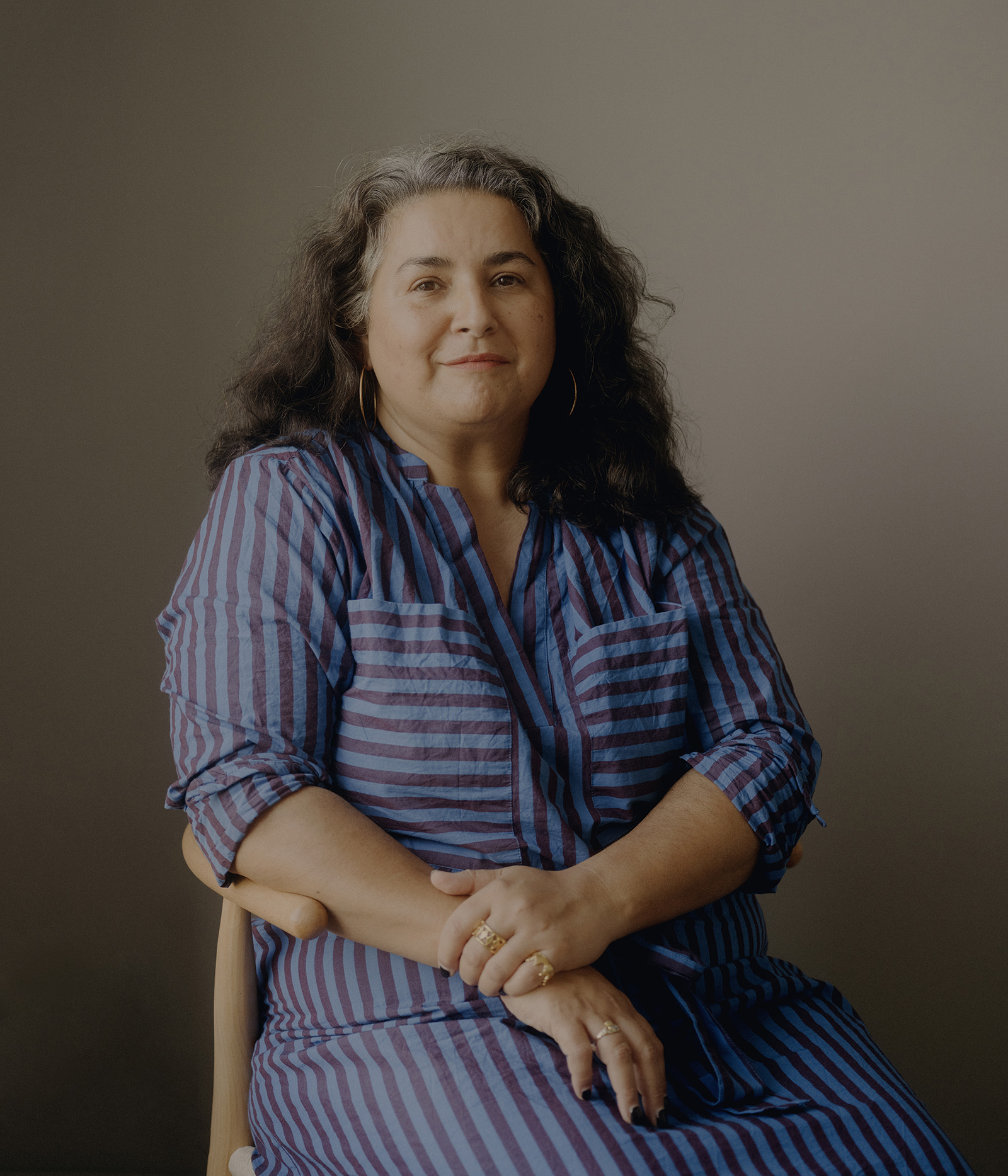
An industry legend who gave actors Daniel Kaluuya and Owen Cooper their breakout roles, Baig will be recognised at this year’s Muslim International Film Festival, celebrating her 30-year career

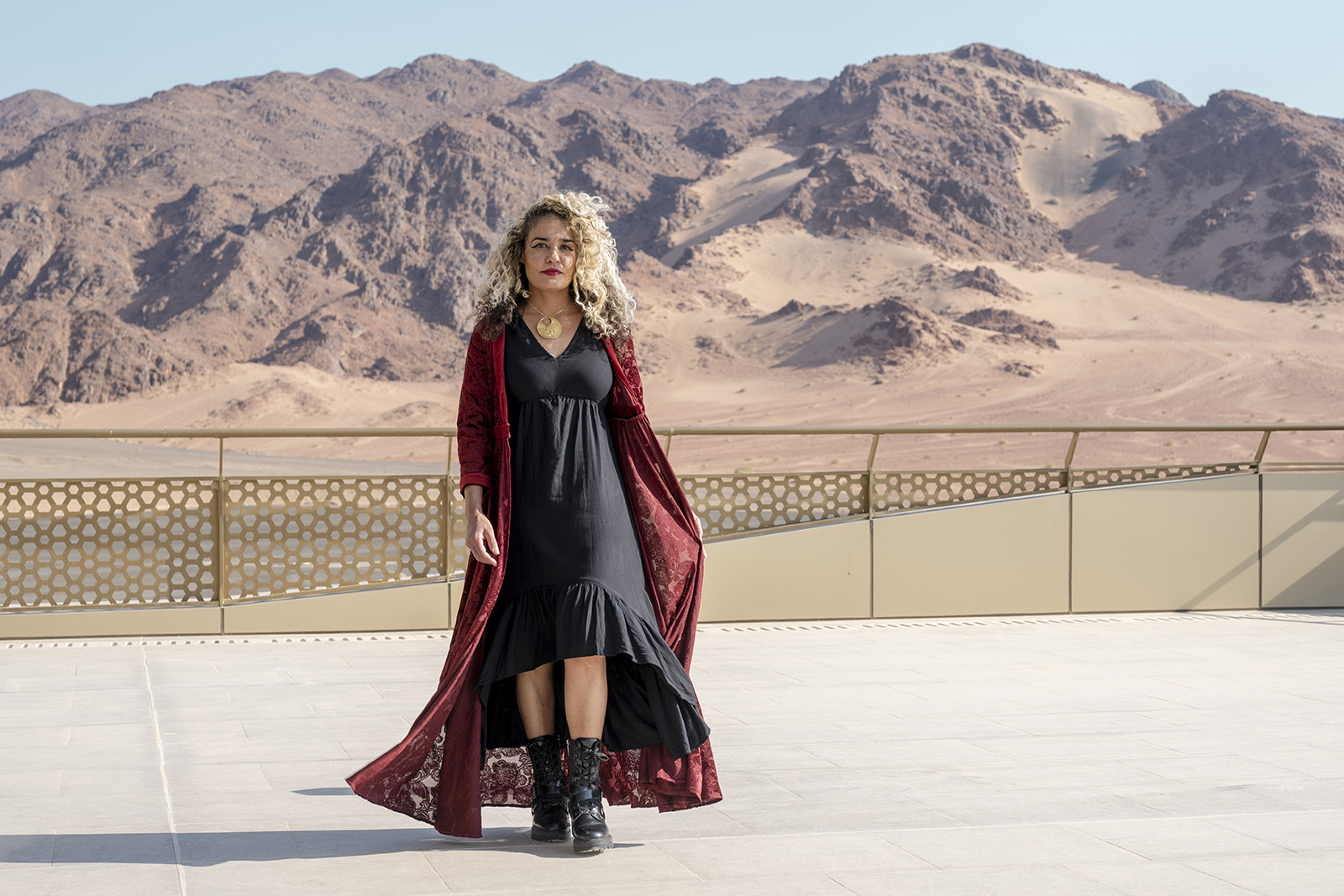
Ask Shaheen Baig to name a casting decision she’s especially proud of and she laughs, saying she has to dig. Baig may be being humble, but it’s also a near-impossible task when there’s such a wealth of riches to choose from.
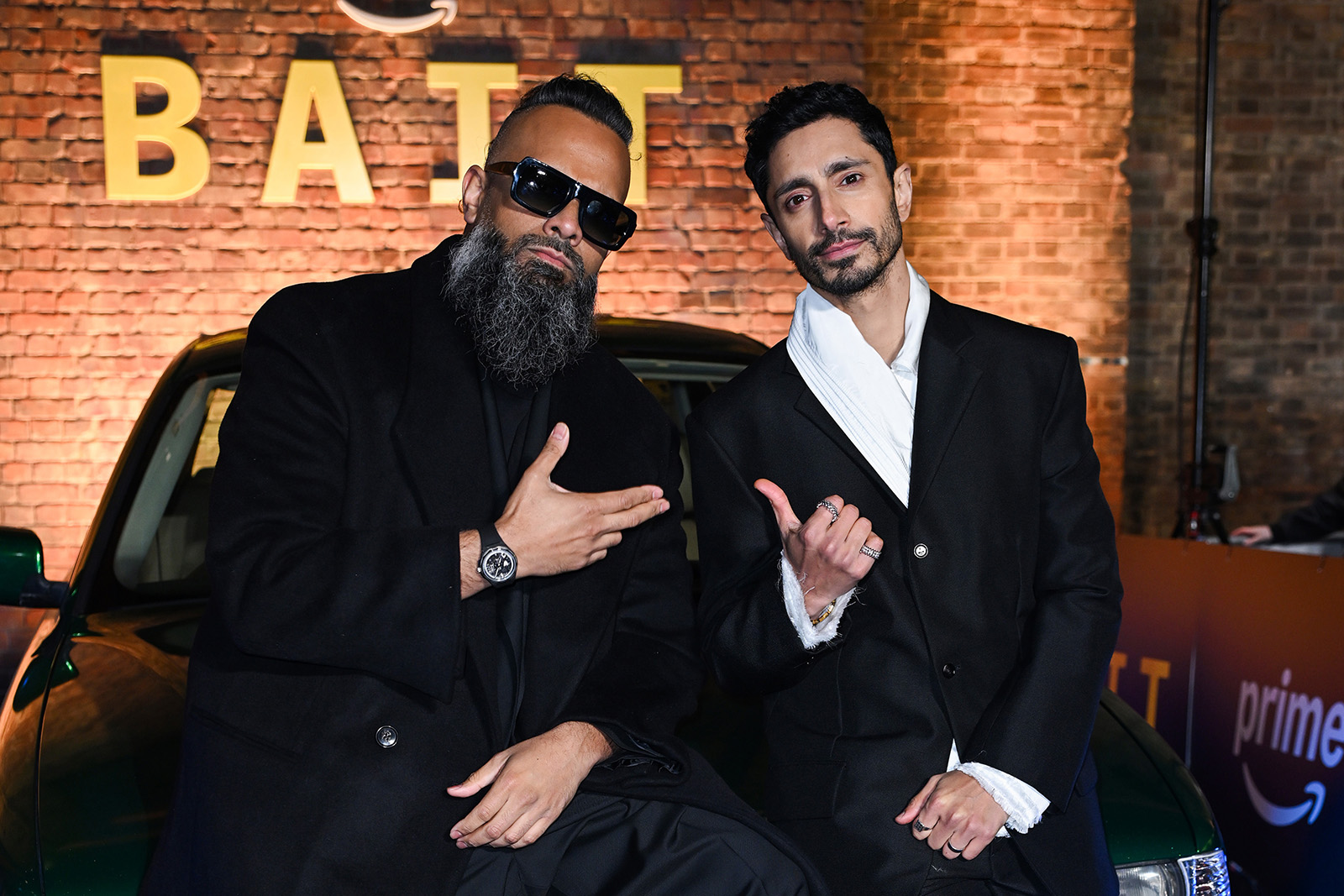
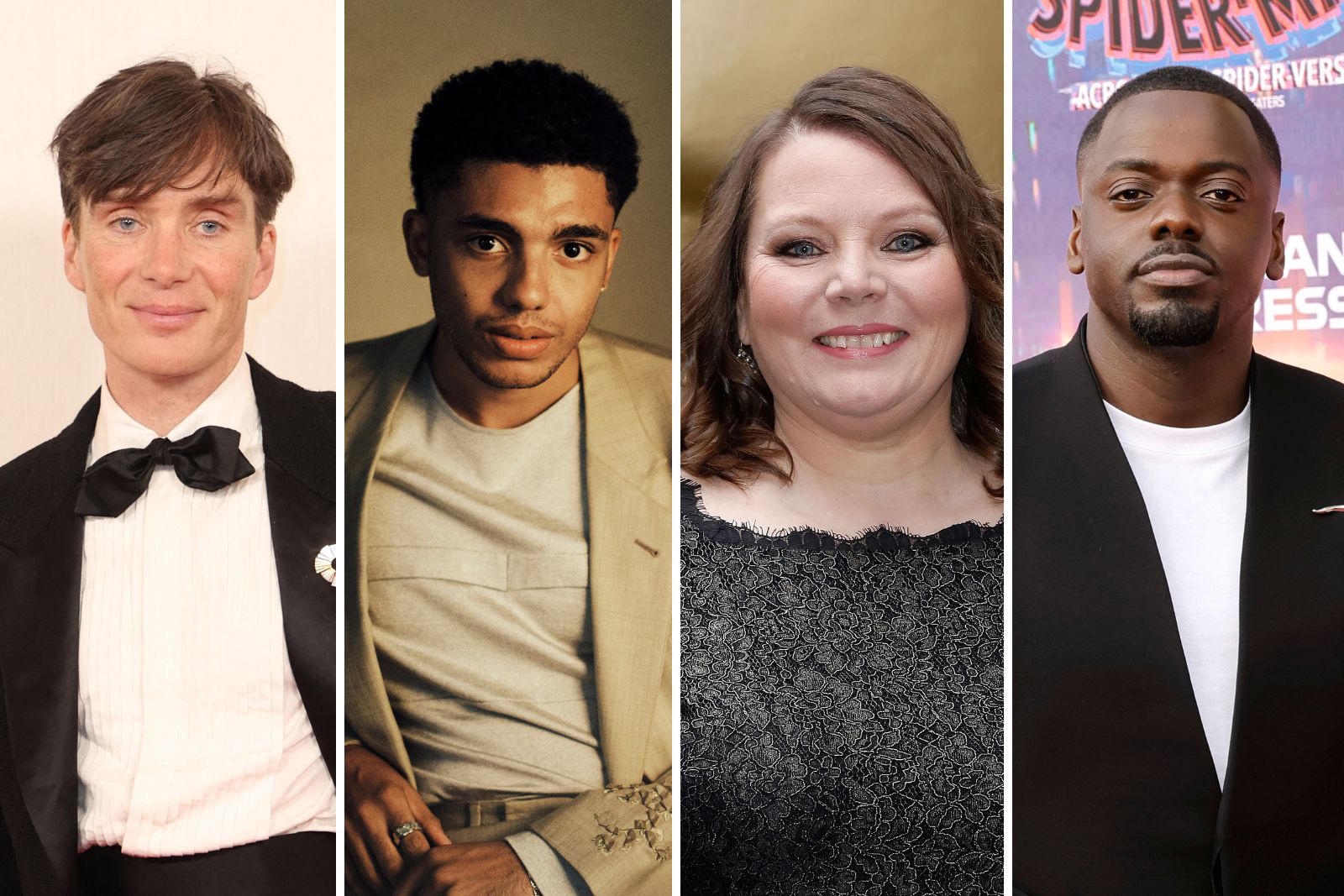
Baig, who founded Shaheen Baig Casting in 2002, discovered Florence Pugh, gave Tom Holland his breakout, made the left-field choice of Cillian Murphy to lead Peaky Blinders, built the world around Riz Ahmed in Mogul Mowgli and Bait, and street-cast Owen Cooper for Adolescence.
Still, resting on her laurels is not Baig’s MO. “We are collaborators, collaborating with the director, the writer, the producers,” she says of the role of casting directors.
Related content
This July, the Muslim International Film Festival (Miff) is acknowledging just what a gift she has been to the British film and TV industry, handing her its trailblazer award.
Miff’s award lands the same year the wider industry has caught up with what Baig has spent 30 years proving — that good casting is a craft worth celebrating. The 2026 Academy Awards included achievement in casting, the first competitive Oscar category added since 2001. Baig felt a smaller version of that shift after Adolescence earned her an Emmy award in 2025 and a sudden run of press attention she wasn’t used to.
“I’m not used to being front and centre and talking about my work,” she says. “But it’s really brilliant that casting is being recognised now as a craft. Without the actors you don’t have a film, you don’t have a TV show, you don’t have a stage play. The casting is as important as the cinematographer, as the editor. It’s taken a really, really long time for casting to be respected in that way.”
Miff’s director Sajid Varda is clear about Baig’s impact and why hers is a career worth celebrating: “As one of the very few Muslim casting directors to have achieved such success in an industry that still has much work to do when it comes to representation, Shaheen’s achievements are both inspiring and significant.”
Baig didn’t know a single person in the film industry when she started out. Raised in Birmingham with a father who came to England from Pakistan, she was never much of a student, but had a passion for European cinema. Rather than going to university, she moved to London and broke into the business by buying the British Film Institute yearbook and writing to every production company listed. Only one replied.
“After working as a producer’s assistant on a couple of films, I became the most intrigued by the casting process and the choosing of actors. I wasn’t brilliant at the admin side of things, but I became really curious about the essential creative relationship between actors and directors and wanted to try and explore that in more detail,” Baig reflects.
An industry contact put her in touch with Debbie McWilliams — who cast 13 of the James Bond films — as she needed a new assistant. Baig wrote to her cold, and McWilliams hired her on the strength of her passion for film. She worked alongside McWilliams for a couple of years, and then Jina Jay for eight, before establishing Shaheen Baid Casting.
Baig’s account of getting into the industry on nothing but cinephilia and a willingness to put herself out there has shaped how she hopes to improve access into her own profession. Casting, she points out, has no training pipeline the way cinematography or editing does. “It’s such a secret craft because of the confidentiality of the nature of our job,” she says.
Baig co-founded the Casting Assistant Certificate at the National Film and Television School to address exactly that gap, now in its sixth cohort and drawing applicants from across the UK. “Anything I can do to help it not be London-centric is a really good thing,” she says, pointing to the increase of casting offices across the country as a genuine widening of the field, rather than a pandemic-era workaround.
“It’s a fairer playing field. You’re not asking an actor to pay £150 for a train ticket to come to London for a meeting. It means you can see more people and you can definitely consider more actors from all over the country. That experience of being in the room with someone is really valuable.”
Her clearest articulation of what representation can look like in practice comes from a story about the early Channel 4 years of Black Mirror, a show she still lights up talking about. Many of the actors she cast — such as Daniel Kaluuya — are now household names.
Kaluuya auditioned for season one’s Fifteen Million Merits in what she remembers as a tiny room at the American International Church just off Tottenham Court Road in London. The decision took about as long as the audition itself. “He just did it. He left the room and it was like, ‘OK, we can stop now because we’ve got it.’”
She remembers watching the finished episode and being moved to tears, not just by the performance, but by what it represented: a showcase for “just 5% of what he can do”. She’s unequivocal that the role did not need to be written for a Black actor specifically for her to consider Kaluuya. Baig says she always puts forward a breadth of races and backgrounds for roles that would have previously defaulted to the white middle classes.
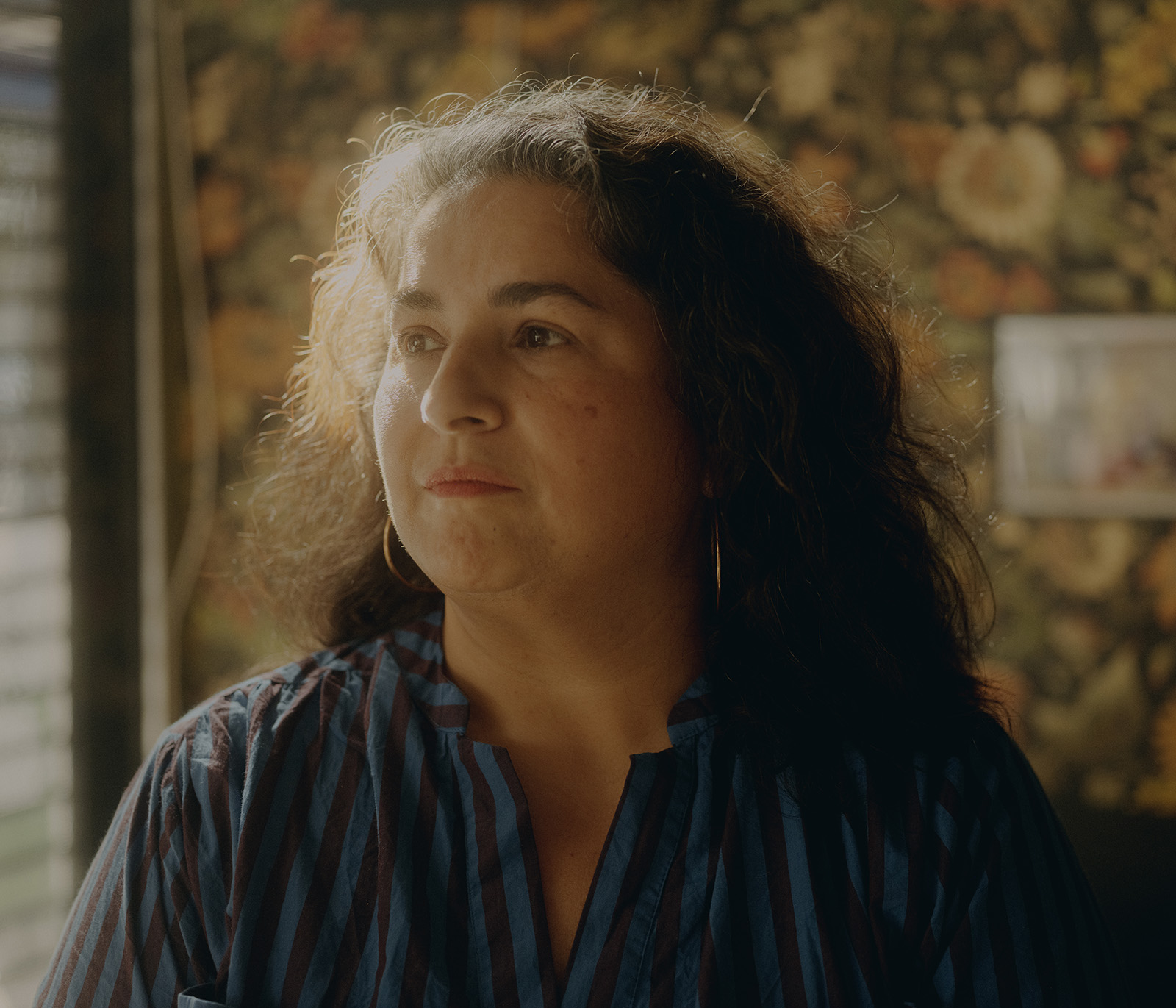
“I think it’s my job to put the best actors in front of the director. Those actors can come from many different backgrounds and that to me feels like positive representation. A great actor is a great actor, and that muscle can be honed in many different ways,” she says.
“The actor that fits the part gets the part. It sounds like a cliche, but it’s always looking for those actors who are just very truthful.”
As a casting director who sees the whole scope of one’s potential, Baig is just as adept at casting wildly against type as she is at casting exactly to it. Joanna Scanlan is best known for sharp comic work such as The Thick of It. Baig instead cast her as the grieving widow at the centre of After Love, a film built just as much on silence as dialogue. The performance won her both the Bafta and Bifa for best actress in 2021.
“I think we get to see her in a way that we’ve not seen her before, a vulnerability,” Baig says.
Set against that is Guz Khan, who Baig cast in Man Like Mobeen and then opposite Ahmed in Bait, playing something far closer to the Khan audiences already know from his standup. Where Scanlan’s casting was a transformation, Khan’s was a recognition — and Baig is just as certain about both.
“He’s a deeply, naturally charismatic person. Everything is coming from a place of truth,” she says, adding, “I love him. I’d do anything for him.”
That generosity comes with limits. Baig has no interest in actors’ social media followings, despite a widespread assumption that casting directors are quietly tracking them. “I never look at it. It’s not about how many people like them or don’t like them. I think that is a really dangerous game.”
Related content
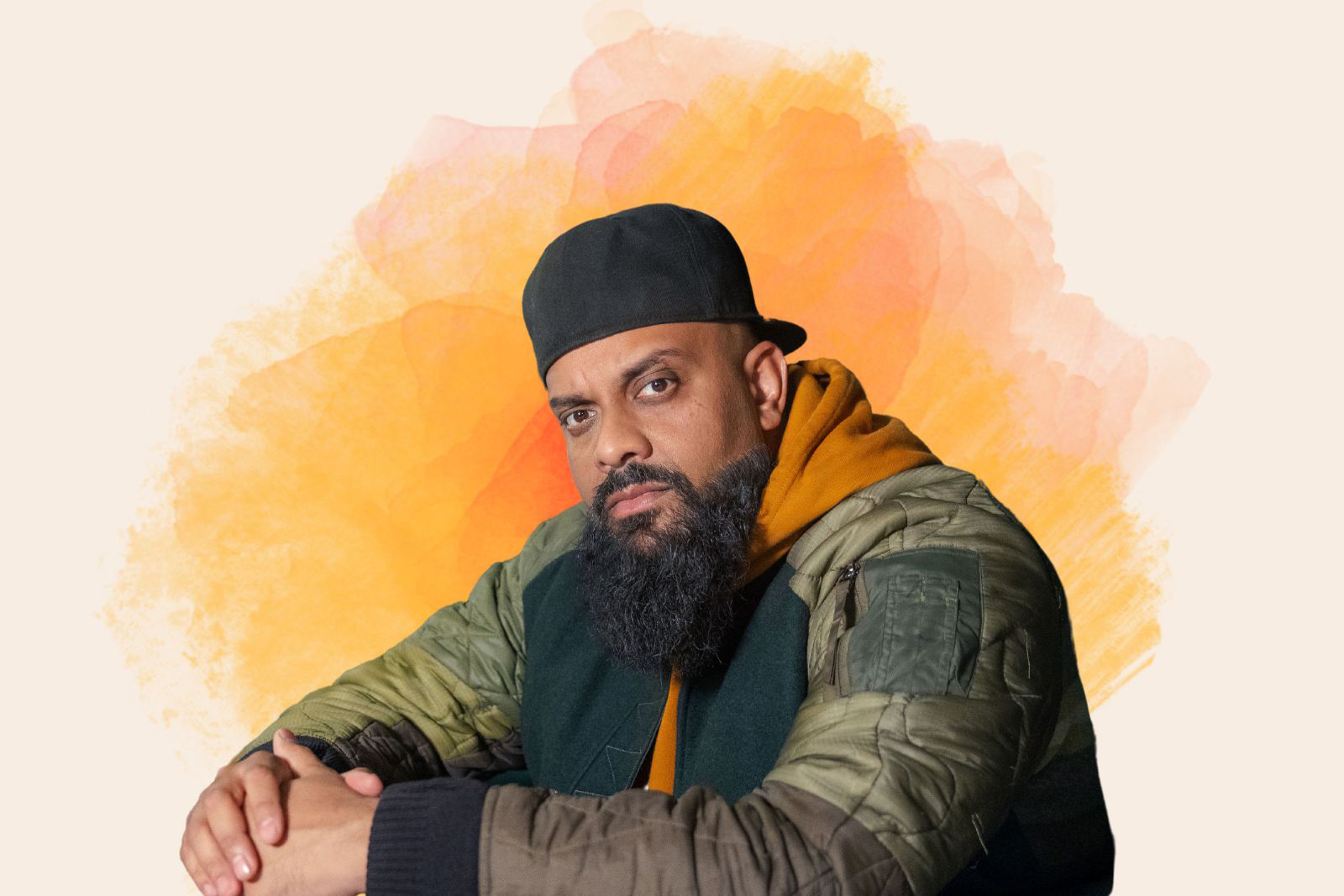
She’s just as firm about street casting, a practice she’s perfected. “It’s a great thing when you’re looking for people from a very particular community, or a certain type of person that maybe doesn’t exist in the system.” But, she says: “It comes with a massive responsibility. You can’t just take someone from their day-to-day life, drop them into a film set, and then drop them back into their day-to-day life.”
Asked who she’s currently excited about, she answers without hesitation: Jay Lycurgo, who she cast in the Peaky Blinders film and in Clio Barnard’s latest, I See Buildings Fall Like Lightning. “I think he’s magic. When everyone sees Clio’s film, they’ll fall in love with him.”
It’s the same enthusiasm that sustains her in a mercurial and competitive industry — the willingness to believe in her own talent and others. Baig got into casting because one person trusted her. She’s spent three decades extending other people that same trust.
The Muslim International Film Festival is running from 2-5 July.