
Misan Harriman: ‘My worldview is just basic recognition of the tenets of humanity’
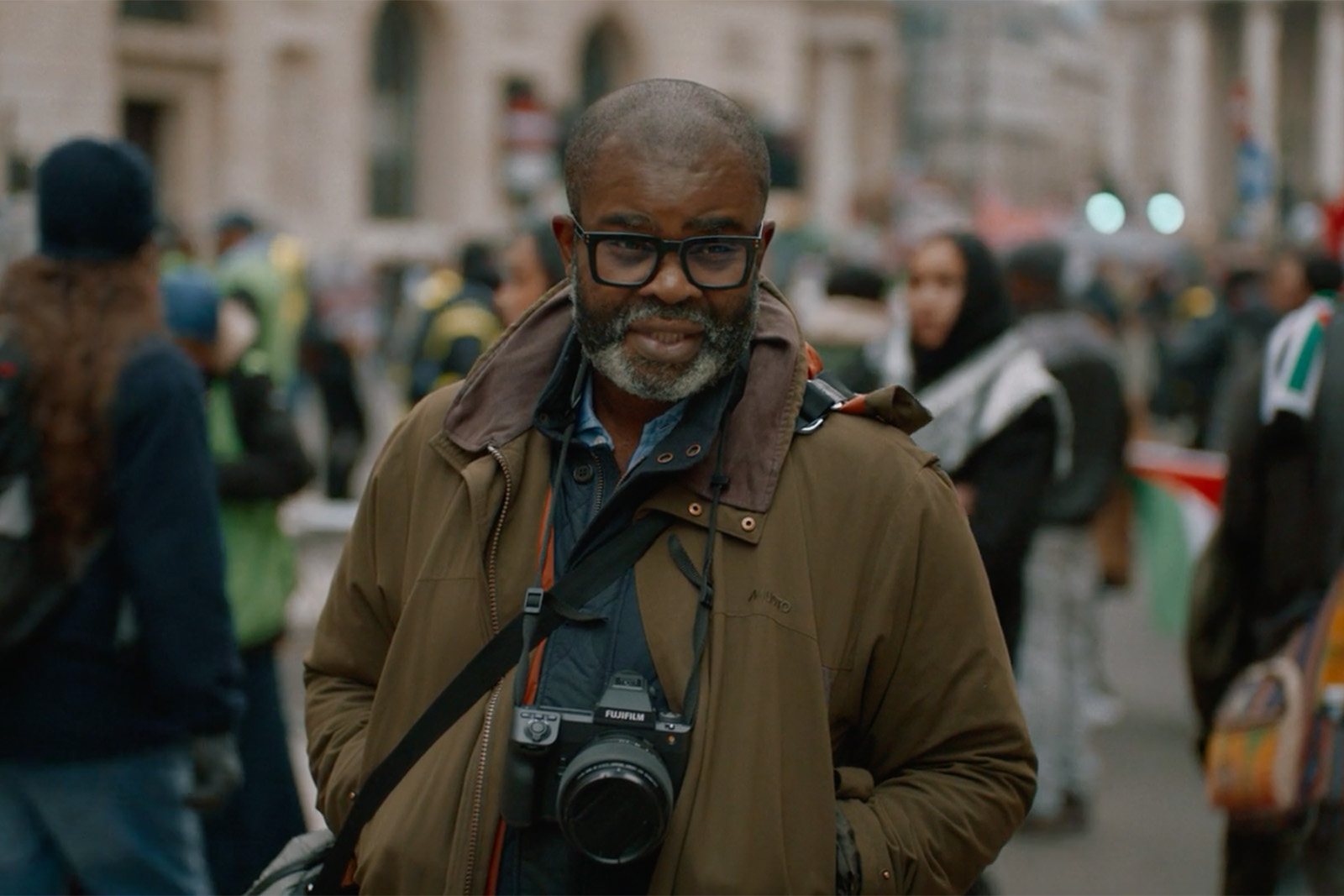
The photographer and film-maker on Shoot the People, the new documentary and ‘opus of hope’ about his work as a chronicler of resistance

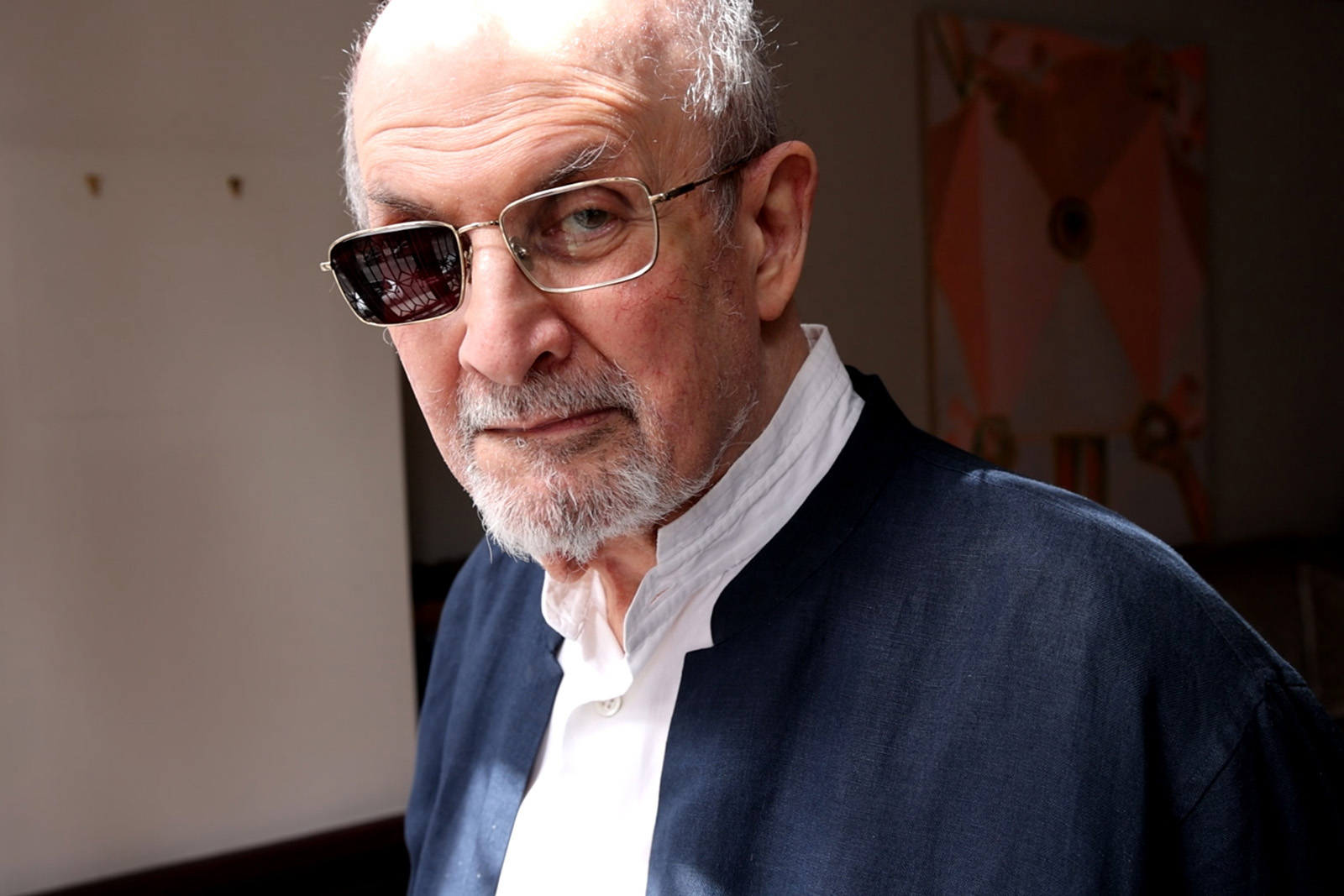
For one of the world’s most in-demand photographers, an Oscar-nominated film-maker, and the first Black man to shoot a cover of British Vogue in its 104-year history, Misan Harriman is not preoccupied with glitz and glamour. His true passion lies in pounding the pavements, calling for change and begging the powers that be to acknowledge and protect the sanctity of life all around the globe.
“I’m not a rage baiter,” he says. “Even if they don’t agree with everything I say, people can see my platform is not rage.”
That is exactly the quality that Andy Mundy-Castle’s (White Nanny, Black Child) new documentary about Harriman was made to capture. Harriman has always been more interested in doing the right thing than the popular one.
Shoot the People is the Bafta-winning director’s globe-spanning portrait of one of the world’s most politically committed photographers. The film follows Harriman from London to Johannesburg to Minneapolis as he documents activists fighting for equality, dignity, and Palestinian rights.
The documentary arrives in the middle of a press storm directed against Harriman that makes its subject’s commitment to human rights feel even more pointed. In late April, following the Golders Green attack, in which two Jewish men were stabbed, Harriman posted on social media questioning why a third victim, a Muslim man named Ishmail Hussein who had been attacked the same day, was receiving no mention in press or police communications.
The rightwing tabloid response was swift, coordinated and cynical: more than 20 articles across the Daily Mail, Telegraph and others accused him of antisemitism. Death threats followed and the campaign prompted more than 25,000 formal complaints to the Independent Press Standards Organisation. A letter organised by the Good Law Project condemning the treatment of him has been signed by notable figures including Greta Thunberg, Brian Eno and Riz Ahmed.
In June, Harriman confirmed he would step down as chair of London arts venue the Southbank Centre this autumn, though he had made that decision well before any of this. “I had decided way before this madness that I was going to do two terms,” he said publicly.
The backlash against Harriman is, in essence, what Shoot the People is about. “I always thought that six months into this genocide, whole news desks at least would just walk out” in protest at what they were being instructed not to cover, he says.
“That didn’t happen with any organisation. They know what they’re being told not to report,” he says, describing journalists he knows personally who let him know that they couldn’t forgive themselves for how they covered the genocide. But still, they told him, “I need this job, I just got a mortgage”.
“All of the life things that make you sometimes not listen to your moral compass,” Harriman says, with real grief.
The backlash proves — if proof were needed — that the territory Shoot the People maps is not abstract. The price of speaking is real and Harriman is paying it.
Harriman was born in Calabar, Nigeria, and moved to England as a child to study. A self-taught photographer, his portraits of Meghan Markle, Rihanna, Cate Blanchett and Stormzy have made him one of the most sought-after image-makers of his generation.
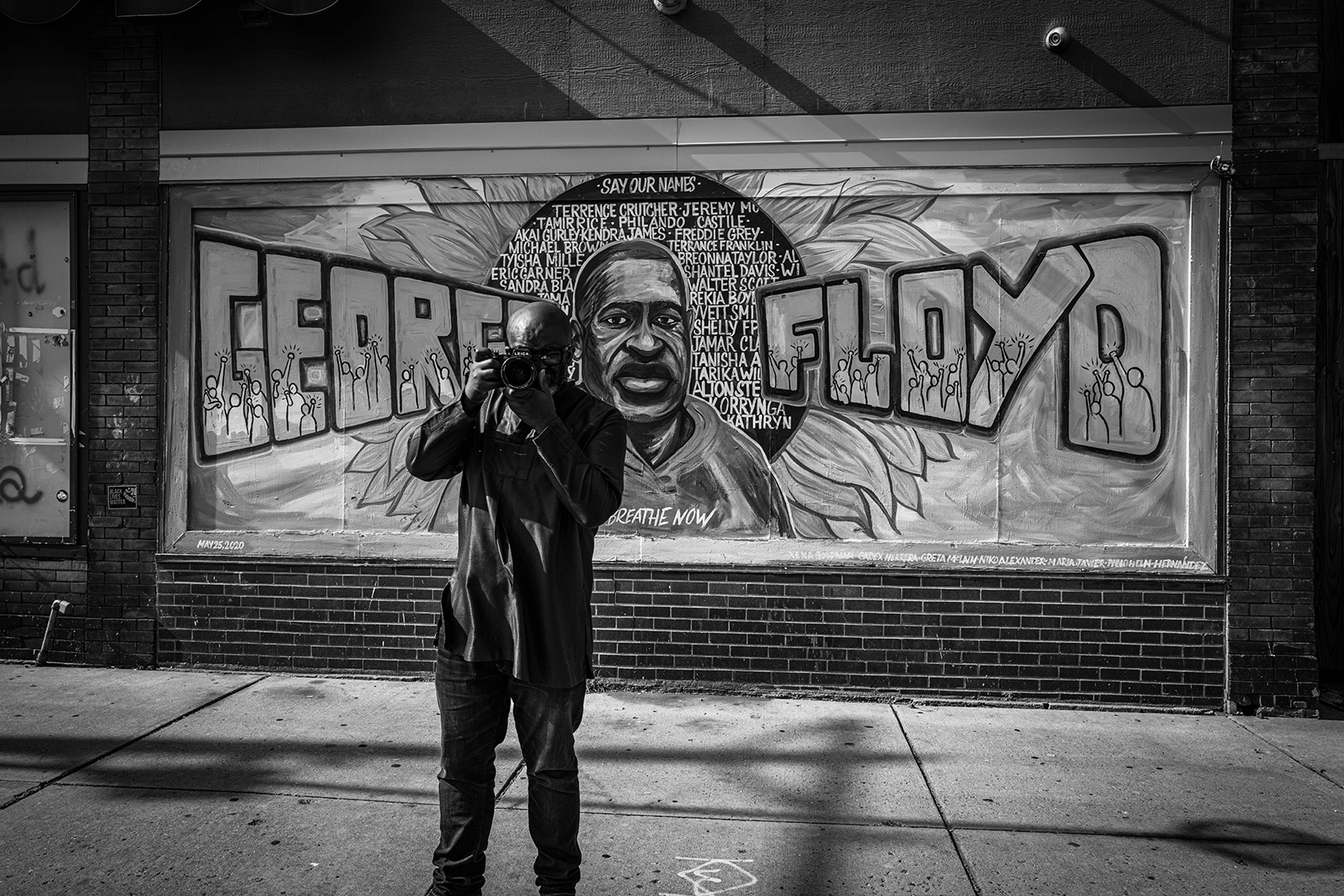
It was, however, his activist work documenting the 2020 Black Lives Matter protests that first brought him to global attention.
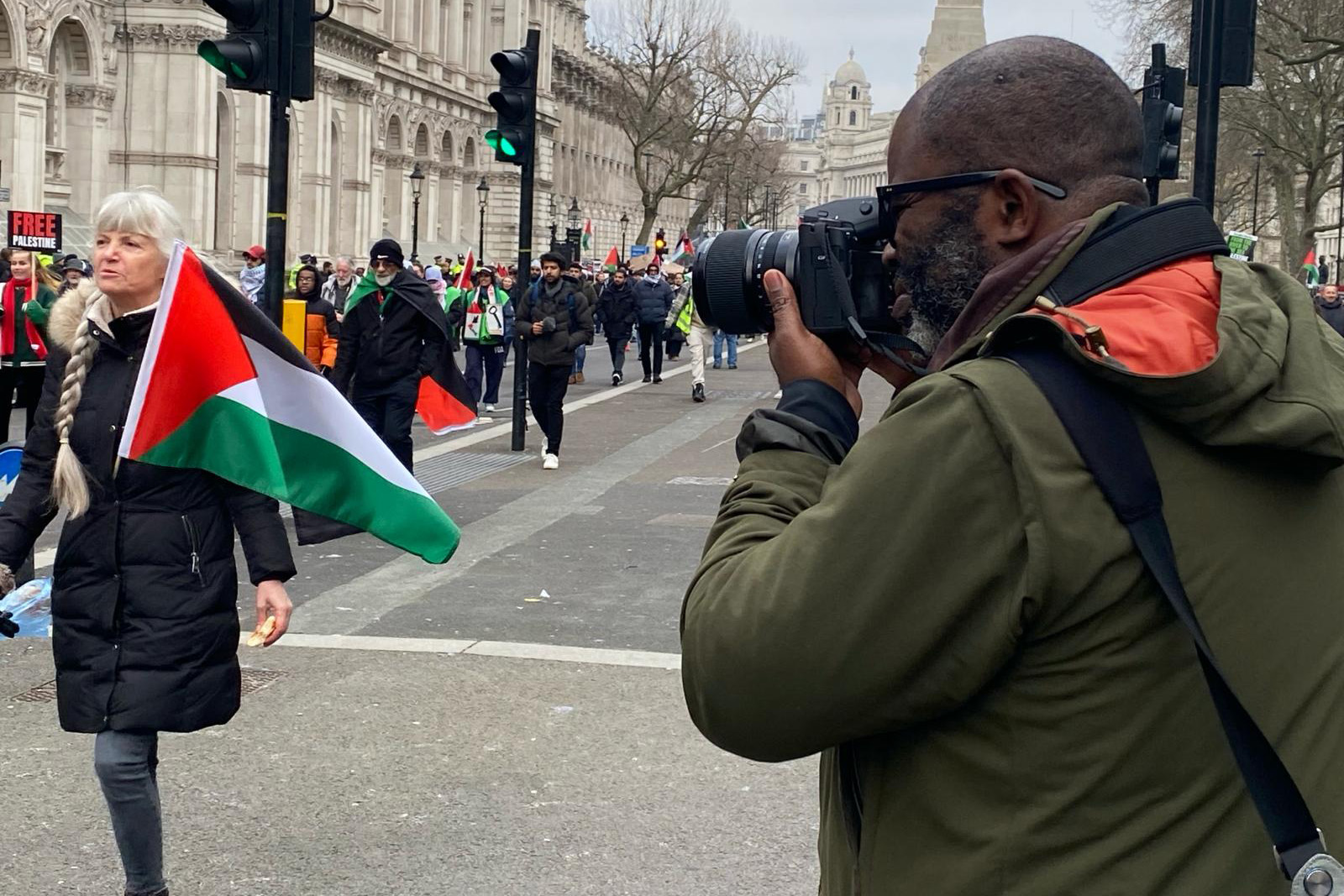
Shoot the People follows Harriman across three continents and several years from the BLM movement. In Johannesburg, he visits the home of his hero, the late anti-apartheid photographer Peter Magubane, to reckon with what it means to document struggle. He returns to Minneapolis where, at the annual memorial at the square now named after George Floyd, he sits with Congresswoman Ilhan Omar and Martin Luther King III to interrogate whether photography can genuinely change anything or whether it merely bears witness. In London he documents Palestine solidarity marches, and in Los Angeles he passes pro-Palestinian protesters on his way to the 2024 Oscars, where his short film The After was nominated for an Academy award.
In one scene, Harriman tells the camera that he’d rather be outside documenting the protesters than walking the red carpet. “I realise that I’ve lived a privileged life and that often collides with my activism,” Harriman reflects. “I often wonder whether it’s possible to inhabit both of these worlds.” The film doesn’t resolve that tension so much as sit inside it.
It was Mundy-Castle who sought Harriman out, drawn to the photographer after his BLM images came to widespread attention. Harriman describes the trust between them as something closer to kinship than collaboration. “We’re sons of the soil,” he says. “There were so many unspoken conversations that instilled trust.”
Mundy-Castle understood the rarity of what he was being trusted with, Harriman says. “How often do Black artists have films made about them when they’re alive? They usually wait till we’re dead.”
The craft matters to Harriman as much as the politics. He pushed for a feature-grade cinematographer in Johann Perry rather than a typical documentary director of photography. Composer Nik Ammar also scored Shoot the People like a narrative film rather than a talking-head doc.
What audiences keep telling Harriman is that they didn’t expect how much of himself he’d let the cameras see: “The growth of this boy who was scared of the world, still figuring things out today, but trying to keep us kind,” as he puts it. “Because one thing I’m not is the typical artist, activist or influencer that tells you they have the answers.”
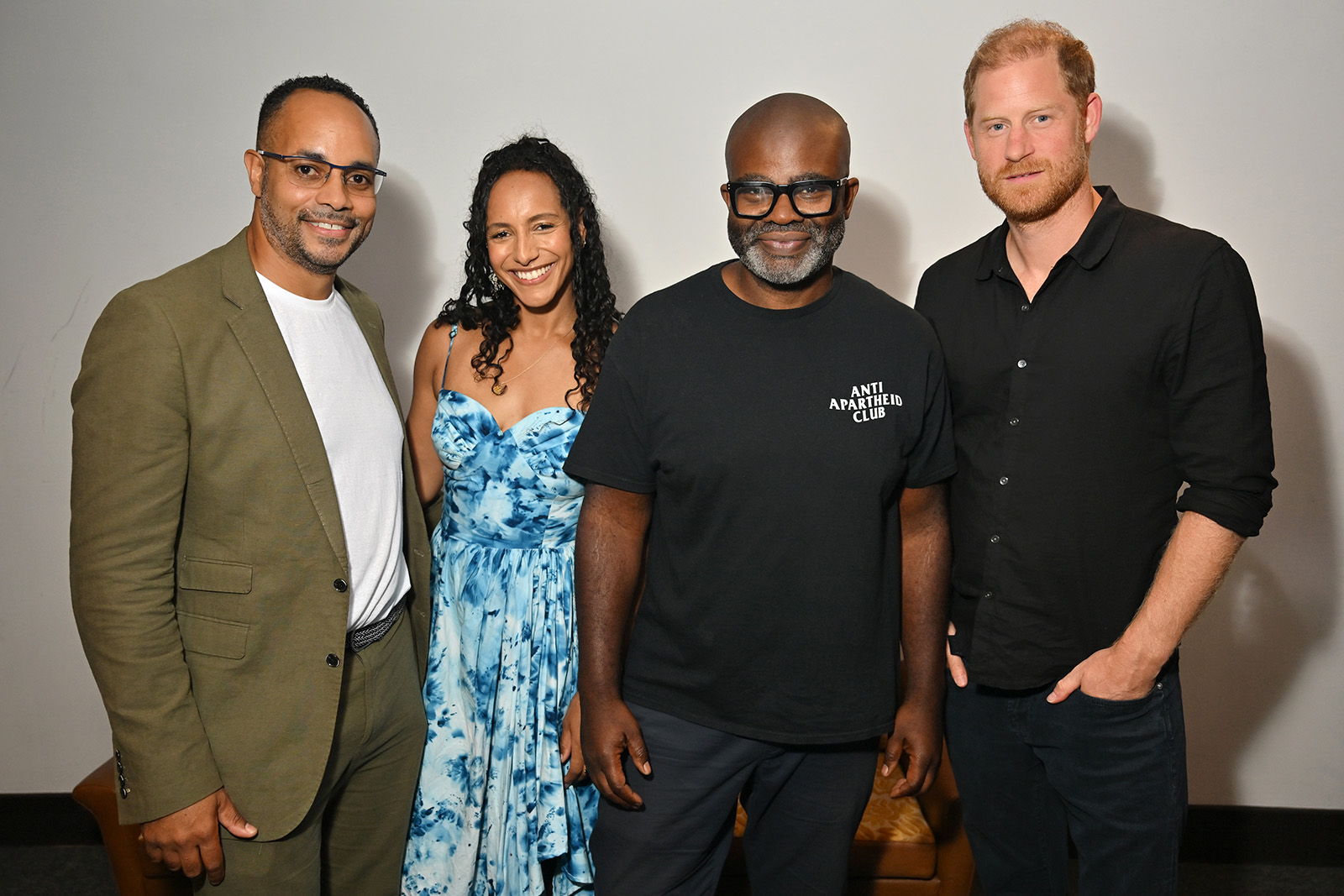
On the day we speak, Harriman is wearing a shirt printed with the words “Palestine, Sudan and Congo”. He traces his own politics back to civil rights leaders who understood that the struggles of “the Black diaspora, the Brown diaspora, the Muslim diaspora” were never separate fights to begin with.
“Martin Luther King, Malcolm X, they saw that if we held hands to understand the intersectionality of all of our struggles that ultimately connected, then it would be quite a coalition. And I think in the next 10 years, you’re going to see that coalition,” he says.
“I try and always amplify the voices of people that are not being seen. I’m always amplifying other film-makers, as many photographers as possible, the queer community, the trans community.”
For someone with his reach, that’s a fairly radical use of it: primarily spending visibility on others rather than himself, shining as much light as he can wherever the sanctity of life is under threat.
Harriman resists the word “progressive” for exactly that reason. “My worldview is just basic recognition of the tenets of humanity,” he says. “I just think brown babies should be able to grow up. If you step outside your house and a child is bleeding out, are you going to ask whether they’re progressive or Republican or Democrat? You’re going to help the kid.”
That same instinct shapes what Harriman spends his time on once the cameras stop rolling. He has spent years fighting to get major broadcasters to cover Black children with Down’s syndrome, a group he calls genuinely invisible in British public discourse. He photographed the families himself, got the images on to the lights in Piccadilly Circus and mounted an exhibition at Hope 93 Gallery in central London.
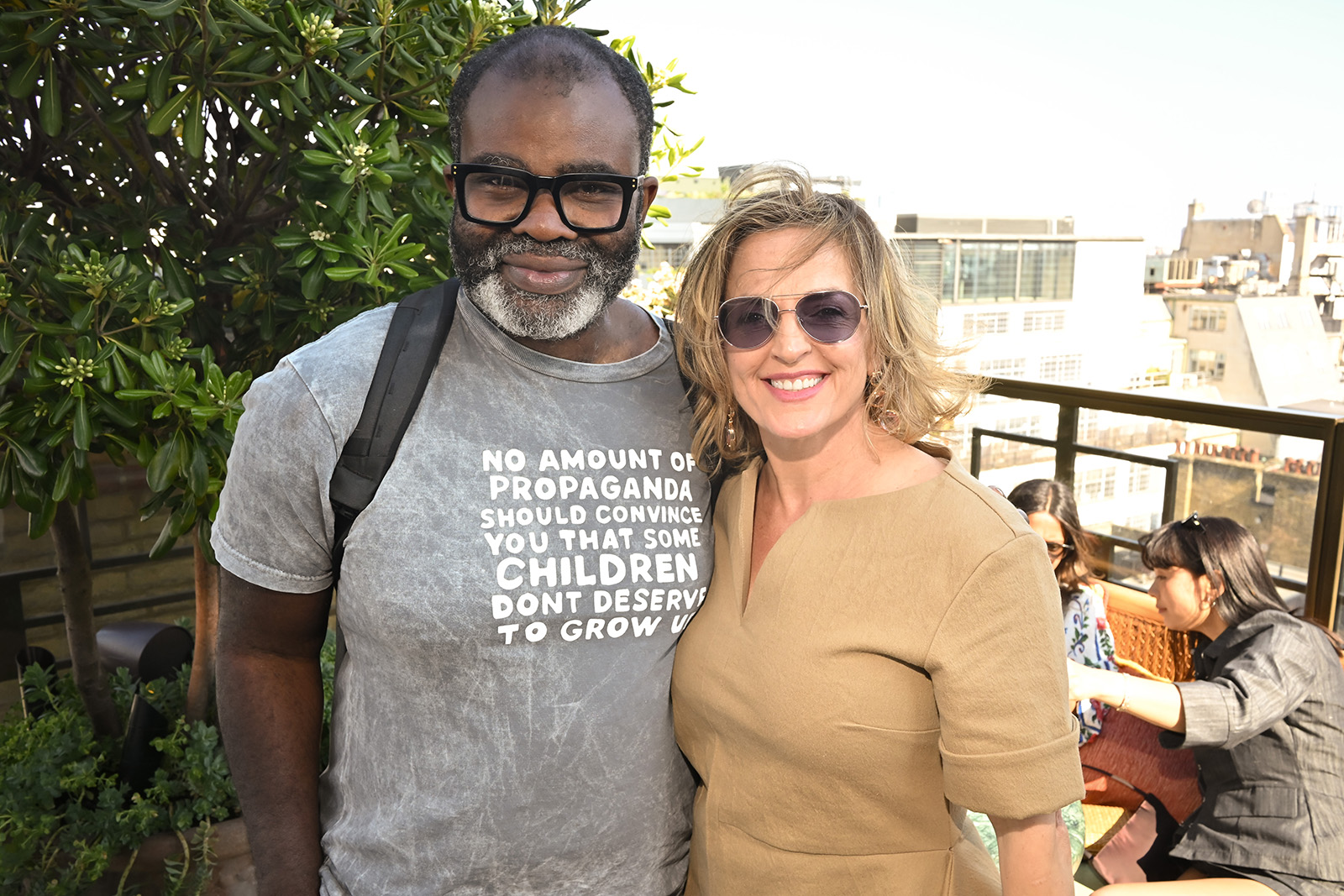
For all of that, Harriman doesn’t talk like someone satisfied with his own output. Asked whether he ever doubts the path he’s on, he doesn’t pause. “No. I just don’t think I’m doing enough,” he says. “I remember when I went, last year, to do my course teaching children from Gaza photography, just after the first and quite short ceasefire, they managed to get to Egypt. So I flew to Cairo to spend time with them. I’ve never felt so impotent when seeing what has been taken from these kids.”
He is just as direct about the contrast back home. “How are people in England still planning their golf trips and dancing in their living rooms?” he asks, pointing to journalists, broadcasters and podcasters he knows who “talk about absolutely nothing” and “get rewarded for it”.
He ends our conversation on a more hopeful note, pointing to a generation of extraordinary young organisers “educating me on history”, and to the coalition behind New York’s recent election of Zohran Mamdani as proof that the old rules of electability are simply wrong.
“Hope lives in our youth, but it also lives in the community that we’ve built that have refused to look away,” he says. “And so much of that community, I believe, is on the screen in Andy’s opus of hope. That is Shoot the People.”
Shoot the People in now showing UK and Irish cinemas.