
A Luton mixed martial arts gym is helping young men build bright new futures
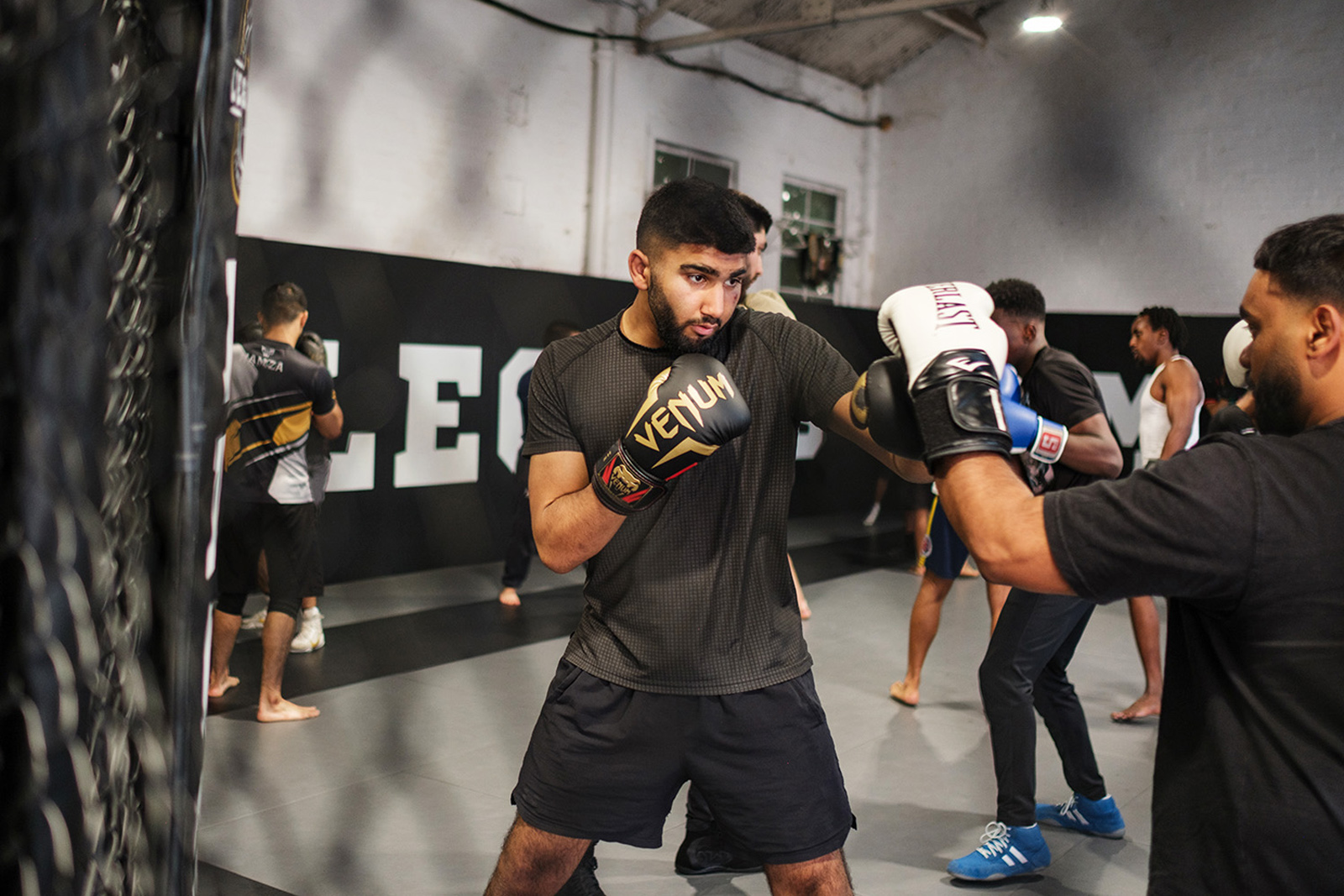
Legends MMA has transformed lives — especially that of 17-year-old Muhammad Eesa, who is now preparing to represent his country in international competition
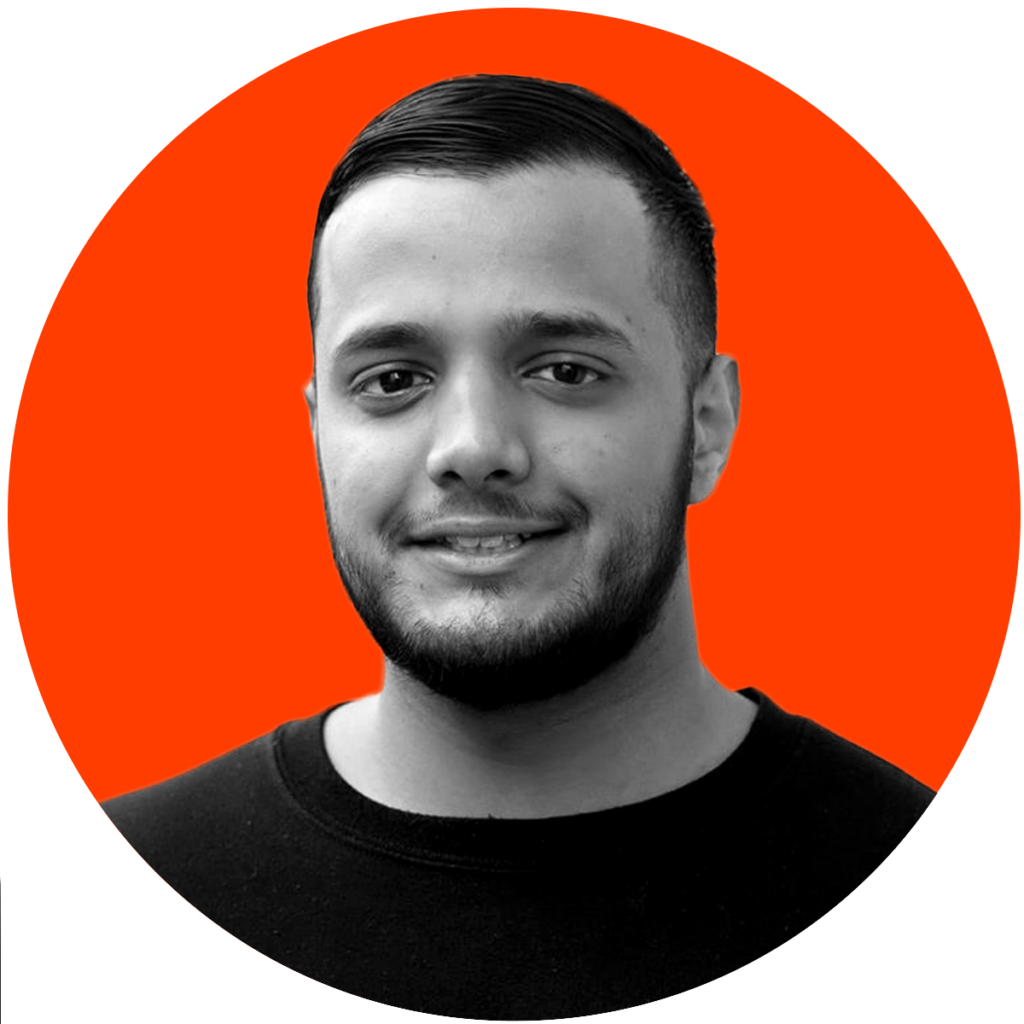
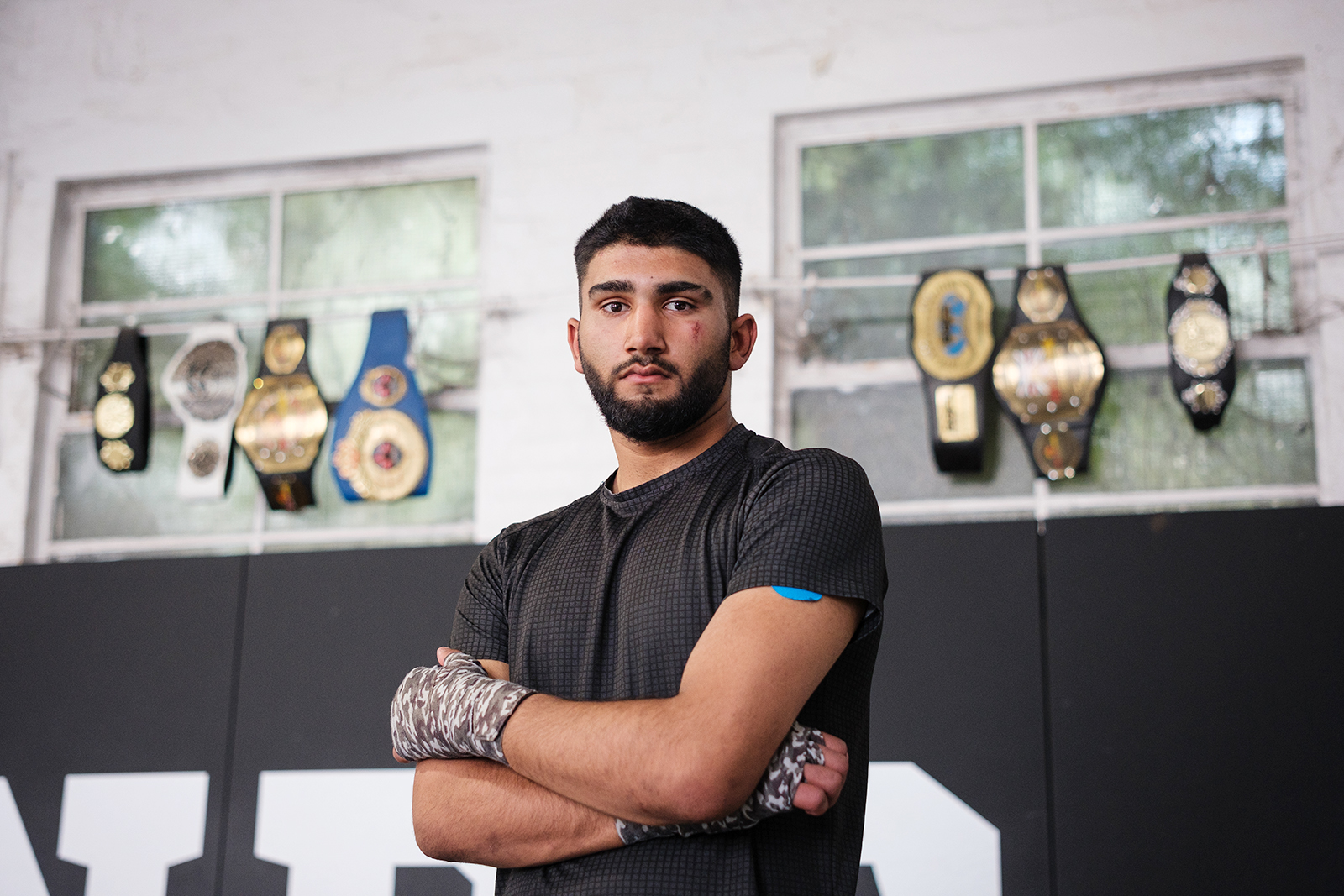
On a warm July evening, 17-year-old Muhammad Eesa enters Legends MMA and Fitness Centre in Luton. Dressed in a dark grey T-shirt and black shorts, he begins shadow boxing, working through combinations long before anyone else arrives for the evening’s training session.
It is in this very spot that Eesa rebuilt his life. After losing two close family members, mixed martial arts (MMA) became an outlet for his grief. And now he’s getting ready to take to the world stage.
Related content
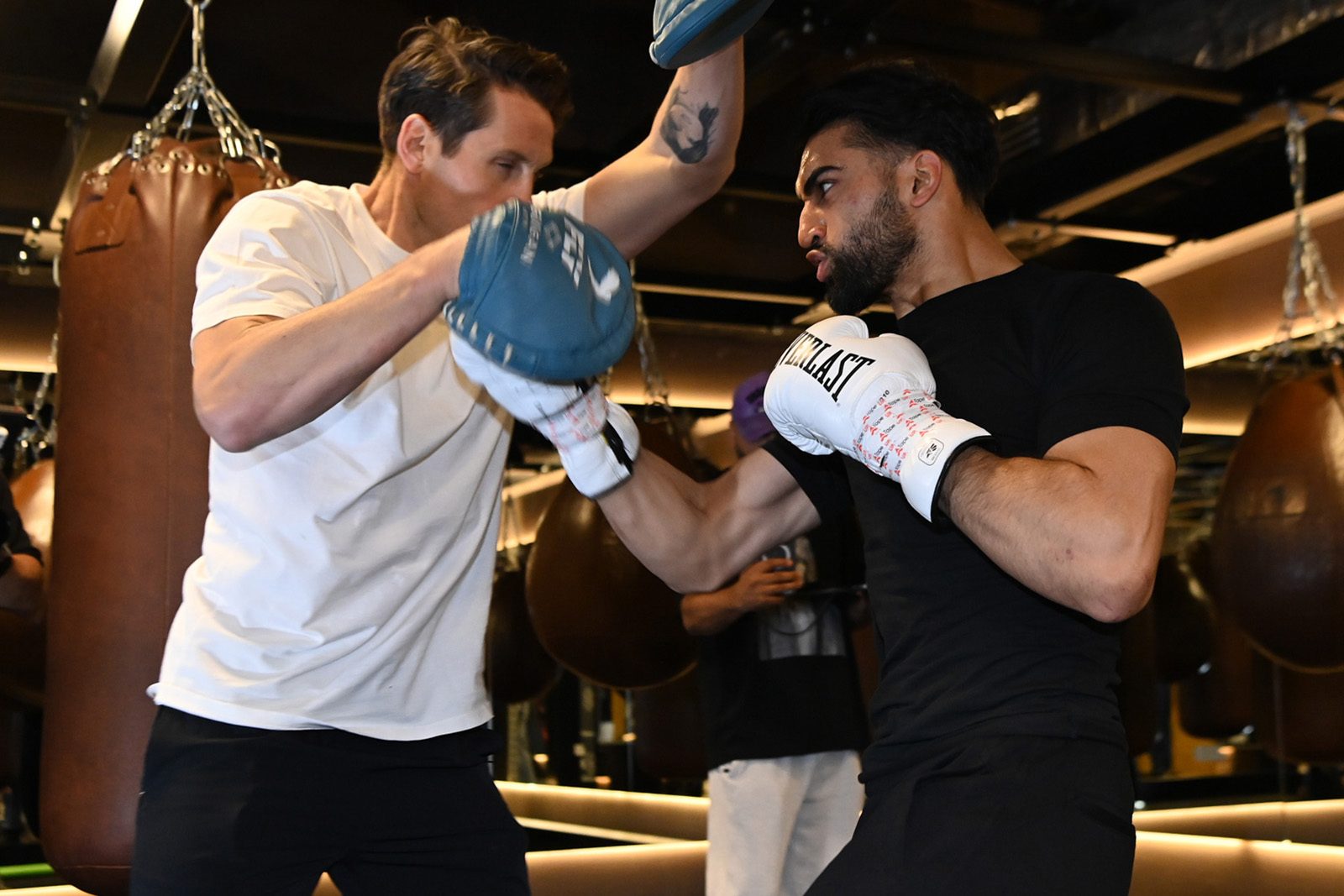
“It gave me a way out,” he says. “It’s all I think about in the morning. I can’t wait to go to the gym in the evening.”
Eesa is now preparing to fight for Team England at the International Mixed Martial Arts Federation Youth World Championships in Abu Dhabi. The tournament begins on 16 August and includes emerging fighters from around the world. For Eesa, it is the opportunity of a lifetime.
Housed inside a former factory building, Legends is a no-frills operation. Original steel roof trusses, weathered corrugated panels and white-painted brick walls nod to the building’s industrial history.
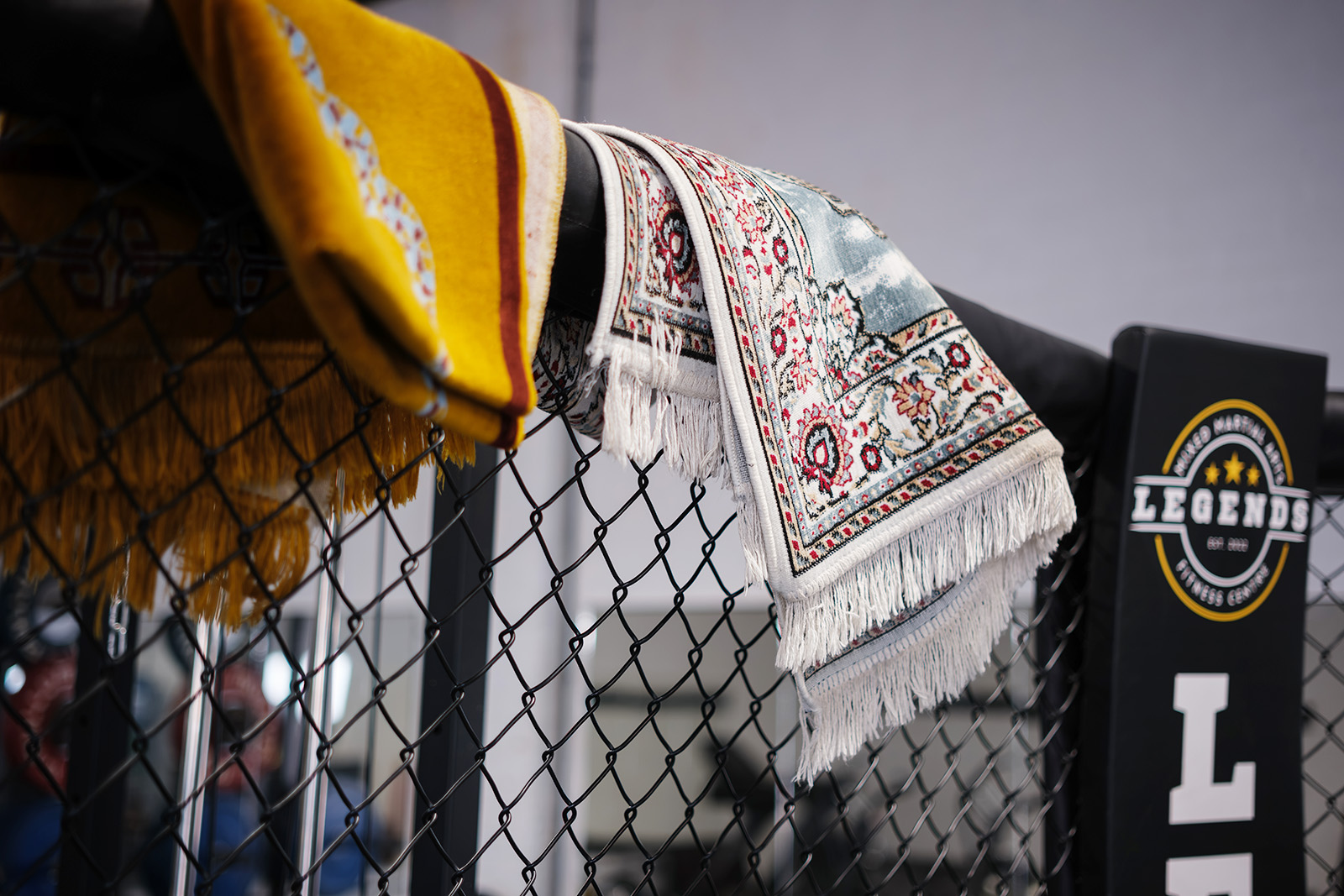
At the heart of the facility lies a large professionally matted training area bordered by black padded walls. A television loops UFC fights, heavy bags hang in one corner and an octagonal MMA cage with a black chain-link fence sits nearby. One by one, young fighters filter through the doors, greeting Eesa before joining him on the floor.
Just a short walk from Bury Park, the centre of Luton’s Asian community, the gym attracts teenagers and young adults from various backgrounds. The majority are British Pakistanis, but Nigerians, Lithuanians and other groups are well represented.
Though Eesa admits that preparing for a fight can be nerve-racking, he maintains that his hardest battles have been fought outside the ring. When he was 11, he lost his brother Amaan Iqbal to a long-term illness at only 12 years old.
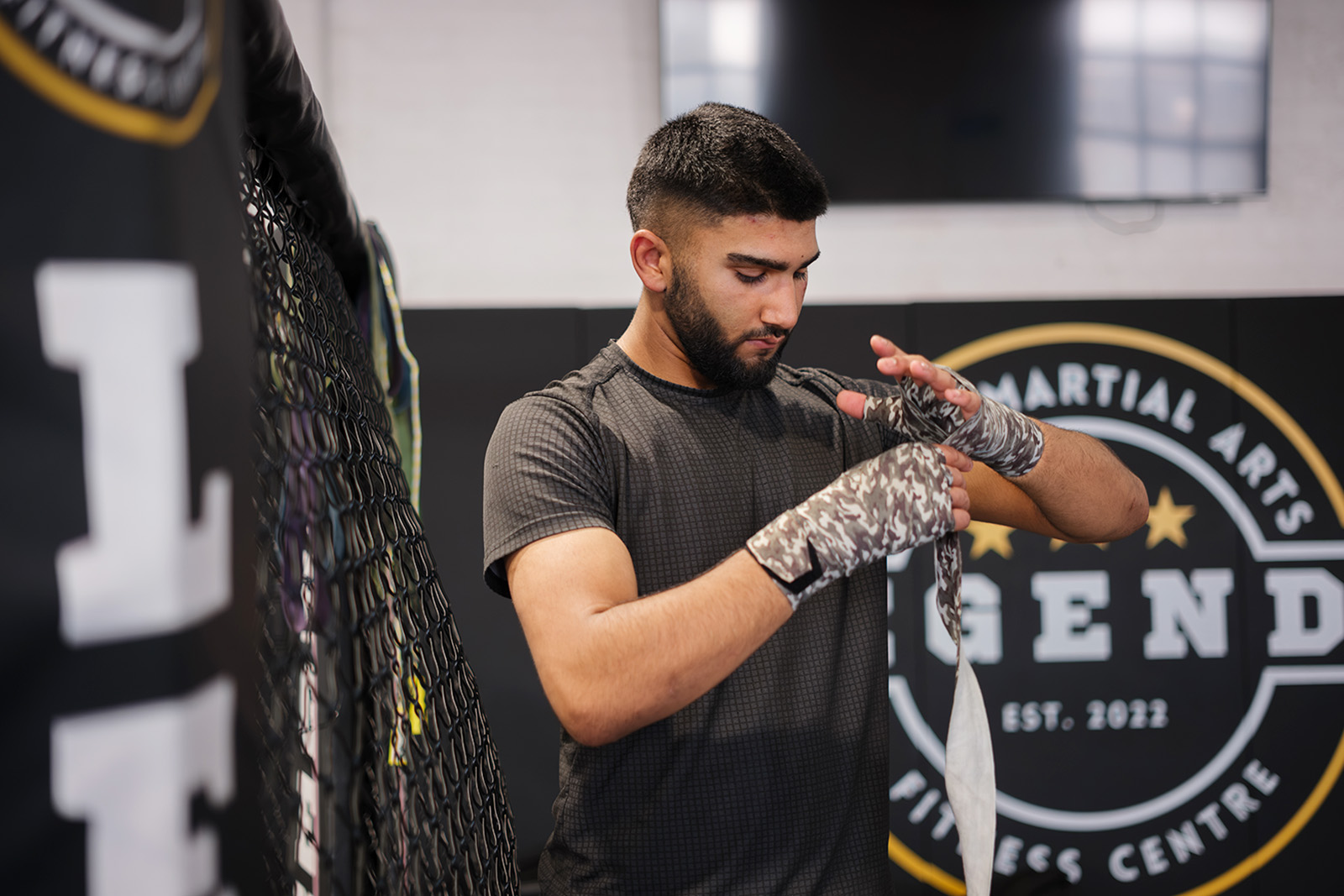
“I was really anxious. I would overthink. I didn’t have an older sibling to talk to,” he recalls.
In 2021, hoping to find some closure, Eesa travelled to Pakistan. He quickly struck up a friendship with his 16-year-old cousin, Afzaal Hussain. ‘We pretty much spent every day together,’ he says.
One day, Essa was swimming near the Mangla Dam in Azad Kashmir. He was caught in a flash surge, when a dam released water without warning. Eesa was drowning. Despite not being able to swim, his cousin jumped in to save him.
“He lost his life saving mine,” says Eesa.
Eesa returned to school three weeks later, traumatised and struggling to cope. His mental health had deteriorated and he experienced bullying. He became isolated, lashed out and got into fights.
“I got suspended from school,” he remembers.
Then a teacher suggested that Eesa channel his aggression at the newly opened MMA gym nearby. The first few sessions were humbling.
“I got my ego broken,” Eesa laughs, recalling being hit squarely in the face during his first attempt at sparring.
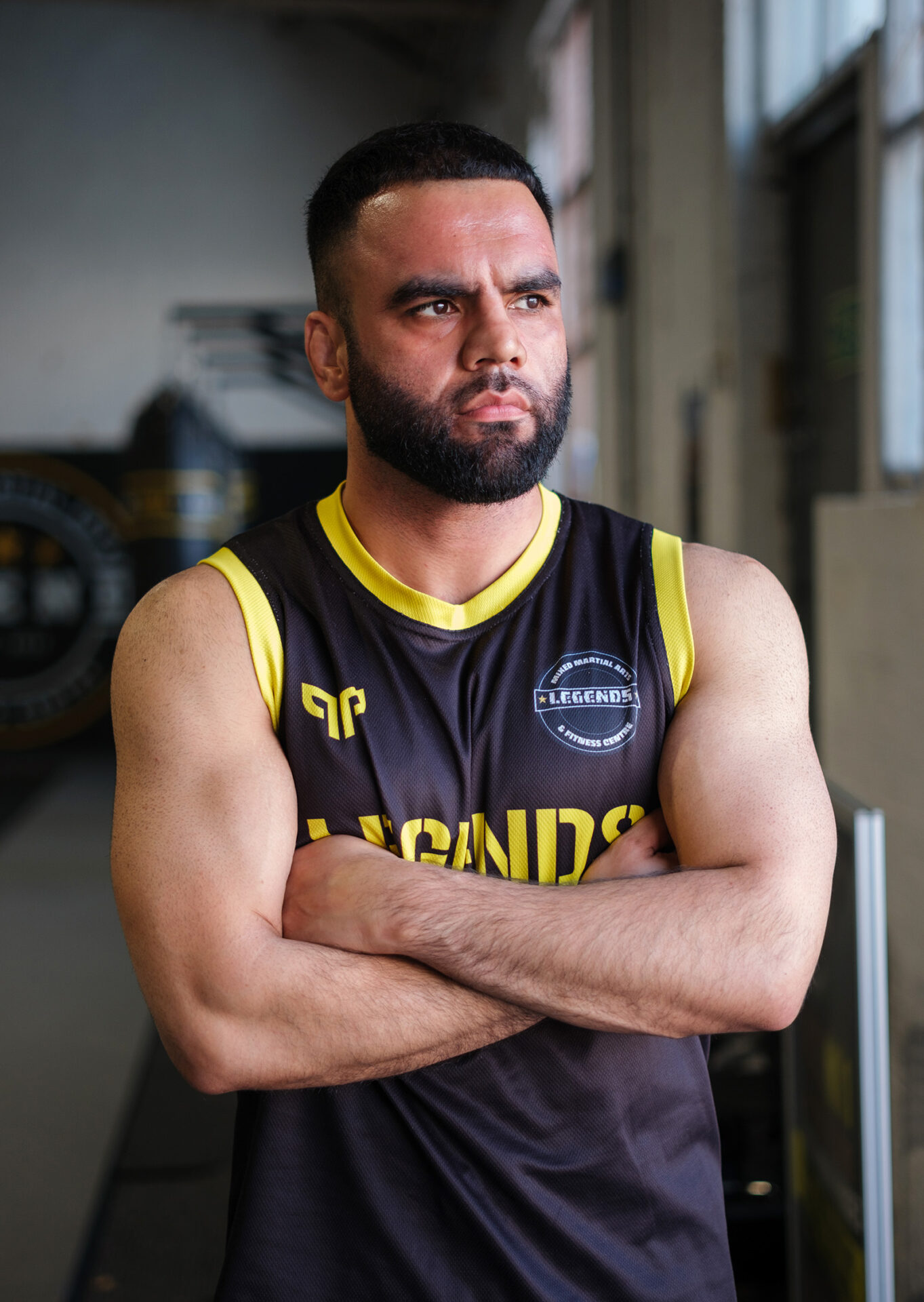
Still, he persevered and now acknowledges that those early hard knocks were instrumental in building both his physical and mental strength.
“I used to be very paranoid,” Eesa says. “If someone said something small to me, I would think about it for so long. But fast-forward three years, I feel a lot better. I can shrug things off better. My mental health has improved a lot. A large part of that is the gym.”
Despite still being a teenager, Eesa speaks with a maturity beyond his years. That level of personal growth has demanded a great deal of sacrifice. Gone are the takeaways and late nights. Meals are weighed, routines are strict and discipline is everything. At family weddings, while everyone else enjoys the food, Eesa often waits outside to avoid deviating from his diet.
“One day I think I can conquer the world,” he says. “The next day I’m craving a burger and chips. Motivation comes and goes. You’ve got to have discipline.”
Eesa is an all rounder in the cage. He places equal value in both striking and grappling and is dedicated to refining those skills. He’s had three amateur fights so far, all ending in wins by submission.
The person he credits most for those results is his coach, Faisal Malik.
Malik, 32, founded Legends four years ago. While I’m there he barely pauses for breath. As we talk he welcomes newcomers, signs people in and checks on fighters already warming up.
Opposite the reception desk is a small but well-equipped strength and conditioning area, complete with cycling machines, a squat rack, Olympic barbells and stacks of plates. It’s an old-school set-up intended for serious work.
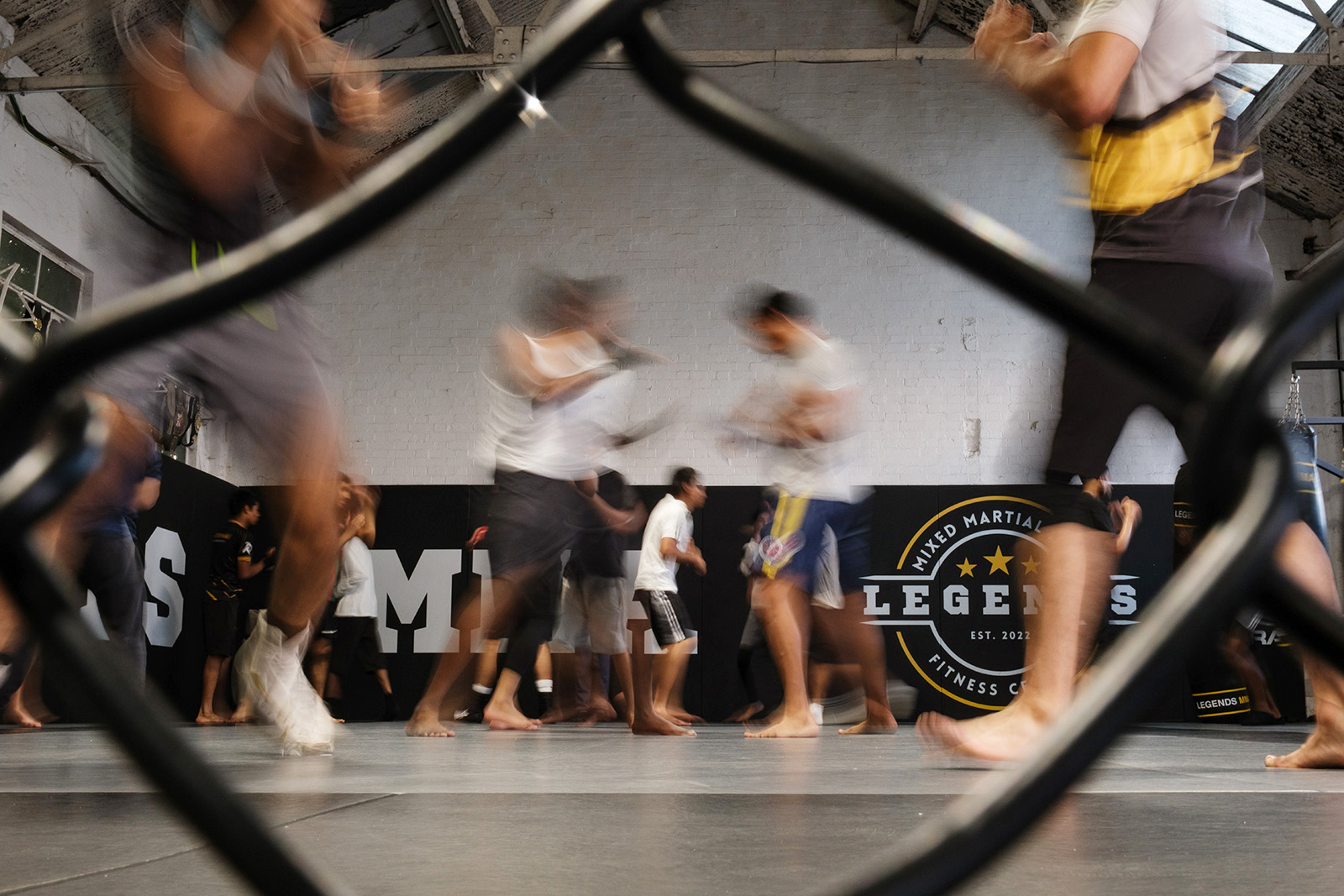
Four years ago, Legends was just an idea in Malik’s head, but his gym has already brought the sport he loves to the heart of his community. “Someone new is always coming in. Every hour of the day,” he says. “I’ve put everything into this.”
Malik started boxing aged 10, after being inspired by stories of his grandfather, a respected wrestler from Kotli in Azad Kashmir.
“He was known for it. I never really met him because he passed away when I was quite young, but I always heard stories about him,” Malik explains. “Whenever I went back home, I’d see his training equipment and I’d always wonder what it was. I remember the amount of respect I used to get when I went back. People would say, ‘That’s his grandson.'”
Other influences were closer to home. “My older brothers and cousins were into bodybuilding and martial arts,” he says. “I always loved watching fights. I remember Googling Mike Tyson… I watched WWE all the time as well. From there, I thought, ‘Yeah, let me learn this.'”
Like many of the young men he coaches, Malik’s teenage years were turbulent.
“I was a naughty kid,” he says “Got into lots of fights. Got kicked out of school in year 11. Just came back to sit exams.”
He also struggled with his weight.
“I was five foot eight and around 120kg. In my head, I was thinking, ‘Honestly, I don’t think I’m ever going to make it.’”
Asked what changed, he pauses.
“I think it was just maturity,” he says.”Age started kicking in a bit. I started thinking, ‘What am I actually going to do?'”
He began training in MMA at 17. Sticking to a strict diet and training regimen, he went on to fight in both featherweight (66kg) and bantamweight (61kg) classes.
“Before I knew it, I was competing,” he says. “I became addicted to it.”
In working-class towns like Luton violent crime, particularly incidents involving bladed weapons, is an ongoing concern. Recently, a 17-year-old boy was stabbed to death in a local park. In the wake of that killing, there have been growing calls for greater mentorship for young people. Malik sees MMA as a useful antidote to many social issues outside the gym.
“These youngsters need someone to talk to,” he says. “I’ve seen so many troubled kids. They will talk to me and open up. They want to belong somewhere. It could be a gang, but it could be this gym.”
Malik gestures to a young lad practicising boxing drills on the mats. “He was on the roads getting arrested,” he says. “Now he works in a jewellery shop. Life’s on track. Getting his qualifications.”
Then he points to another young fighter in a Palestine T-shirt. “This kid got kicked out of school. He started coming here at 10 in the morning at the beginning of the year.”
Malik reels off a number of other examples of lives being transformed. One boy who lost 20kg, people who quit smoking. Others, who once carried knives and guns, abandoning that lifestyle to pursue professional fighting careers.
“A lot of kids, if they don’t do well in education, they can end up going down the wrong path,” Malik says. “This was make or break for me. If it wasn’t for MMA, I probably would have ended up getting up to no good, to be honest.”
Though Malik has helped hundreds in the town, he insists that he can’t take all the credit. “I’m not going to sit here and say, ‘I did this, I did that.’ At the end of the day, they did it themselves. They made the change themselves.”
Malik is proud of all the fighters who he has trained, especially Eesa. “I saw a broken kid when he first came to me,” he says. “I thought ‘I just need to keep this kid on track…’ I text him about 20 times a day: ‘Have you eaten? What did you eat? Have you done your training?’”
Malik has high hopes for Eesa. “He’s a very talented young man,” he says. “Potential to go all the way to the top. I believe he will be No 1, inshallah.”
While he clearly loves MMA and the positive effects it can have on his students’ lives, he does not shy away from talking about the difficulties young Muslims face within the sport.
“When I first started getting into the fighting world, it was predominantly white. You didn’t see many Asians and there was a lot of racism,” he says.
That began to change after the UFC Lightweight Championship bout between Khabib Nurmagomedov and Connor McGregor in October 2018. It was the first UFC match that Eesa had watched but it proved a pivotal moment.
Inspired by Nurmagomedov’s victory and his public persona as a proud and unapologetic Muslim fighter, a growing number of young Muslims took up MMA. Despite a strong presence at all levels of the sport, the problem of discrimination persists.
“During my fights, when I’m walking out, I’ve heard it clearly: ‘You Paki, you’re going to lose.’ It’s always been there,” says Malik.
Now, he believes that racism in MMA reflects broader social trends.
Related content
“There are Tommy Robinson supporters fighting,” he explains. “We go to Kent, for example… The whole environment is like that. It’s got worse. Way worse. Before, it was more hidden. Now it’s open. People are more confident.”
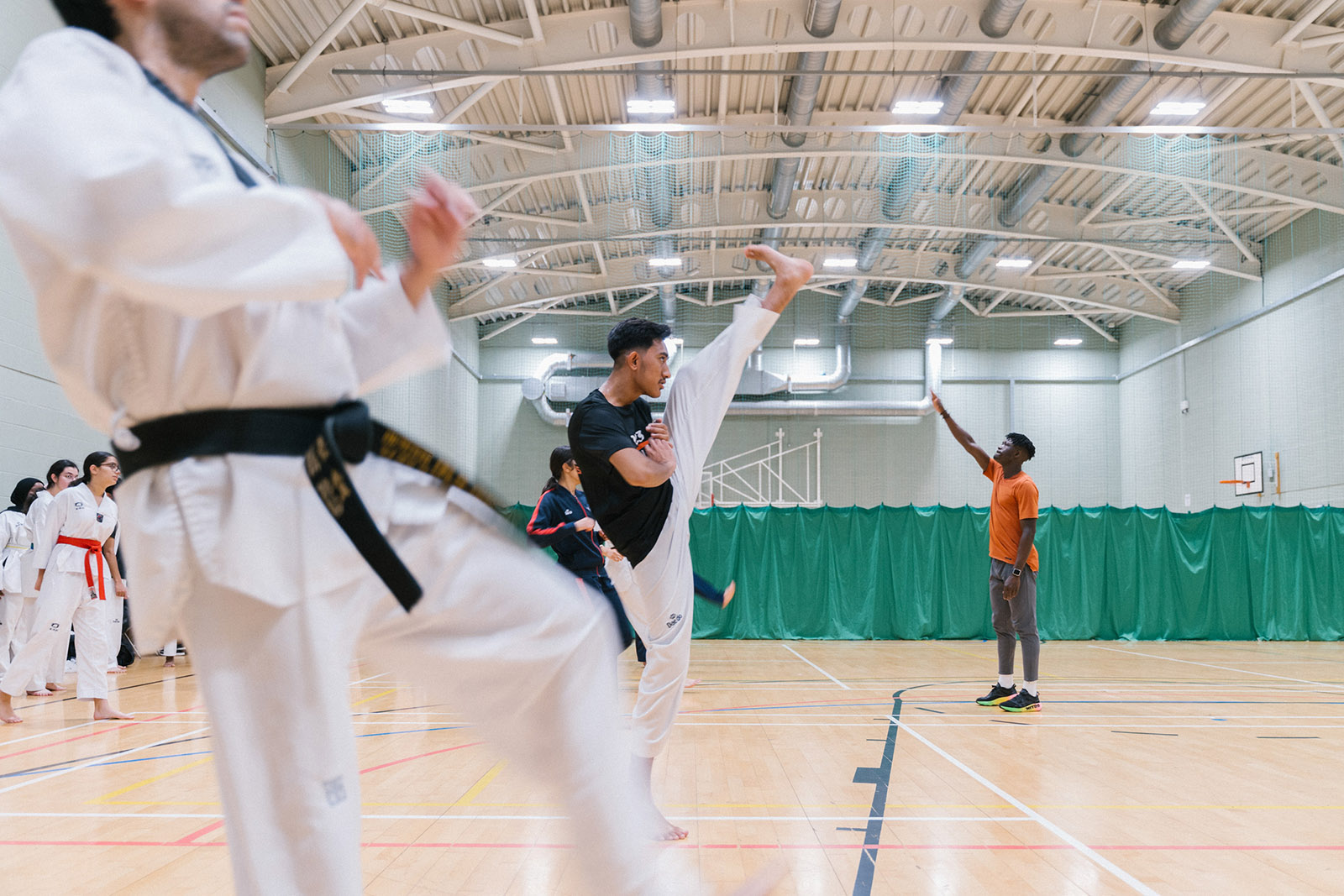
At Legends, boxing training has ended and, after a short interval, the grappling begins. Young fighters gather in a circle as another coach demonstrates ground combat techniques, including how to apply and escape chokeholds.
When the session draws to a close, 60 gruelling minutes later, the fighters start to make their way home. Eesa will be back the next day, preparing with the same intensity for the biggest competition of his career.
While he’ll soon swap this old warehouse space for the bright lights of the UAE, he’ll never forget that it was here, as a teenager overwhelmed by grief, that he found somewhere to belong.
“The brotherhood I experienced here is second to none,” he says. “It’s taught me that this journey doesn’t have to be as lonely as I thought. There’s always people willing to help, you just have to search in the right places.”