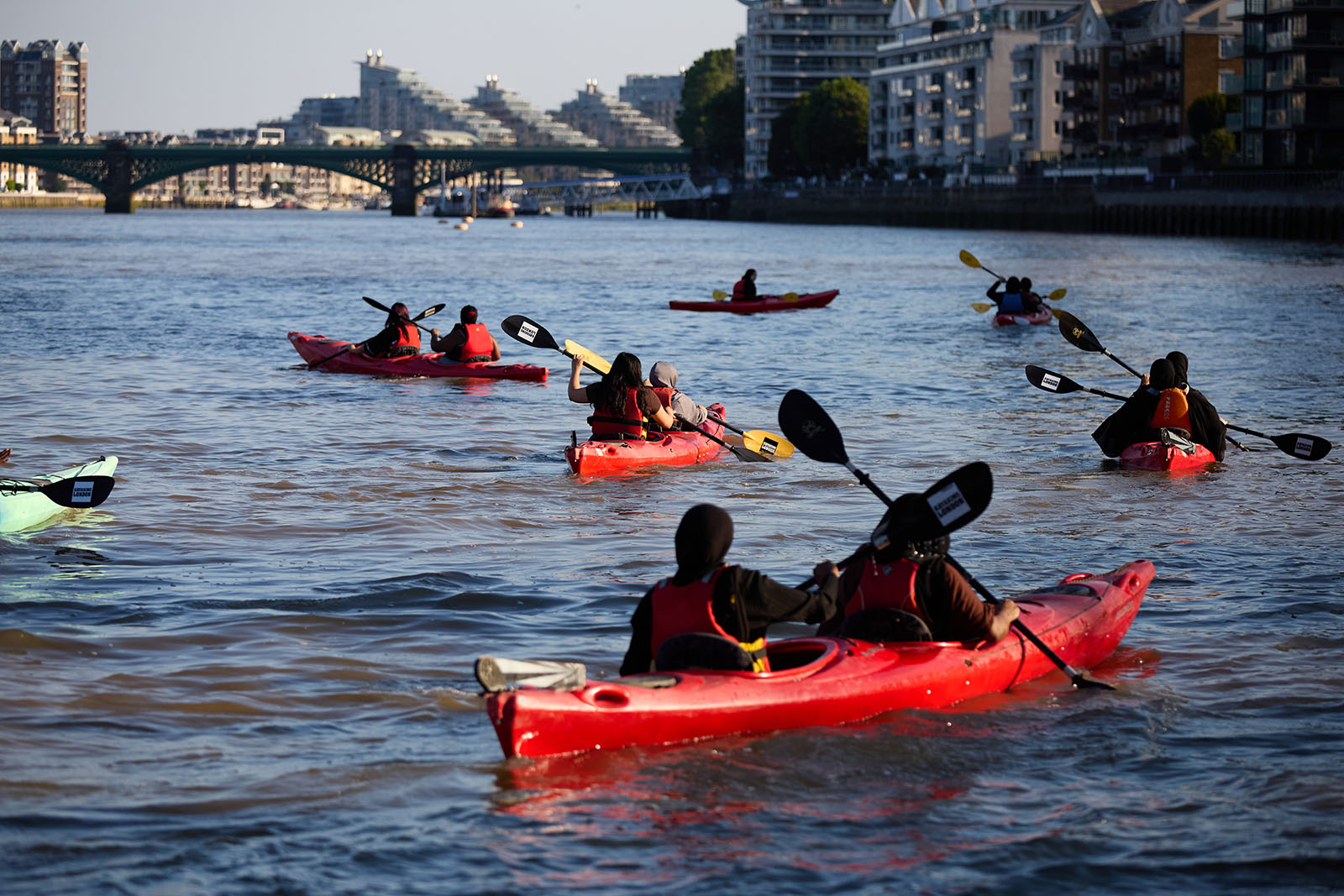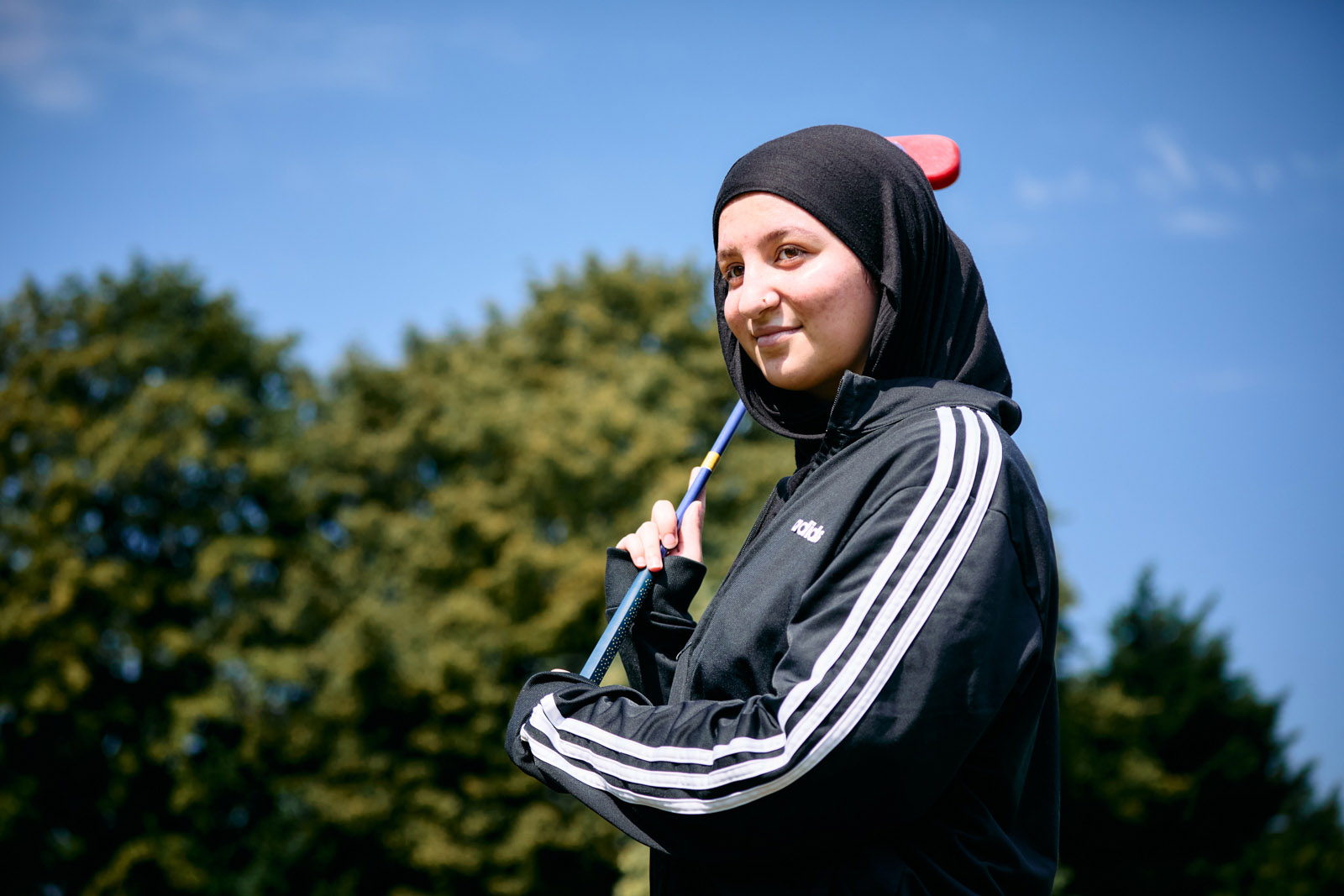

Charities call on male-dominated sports clubs to be more inclusive of Muslim women
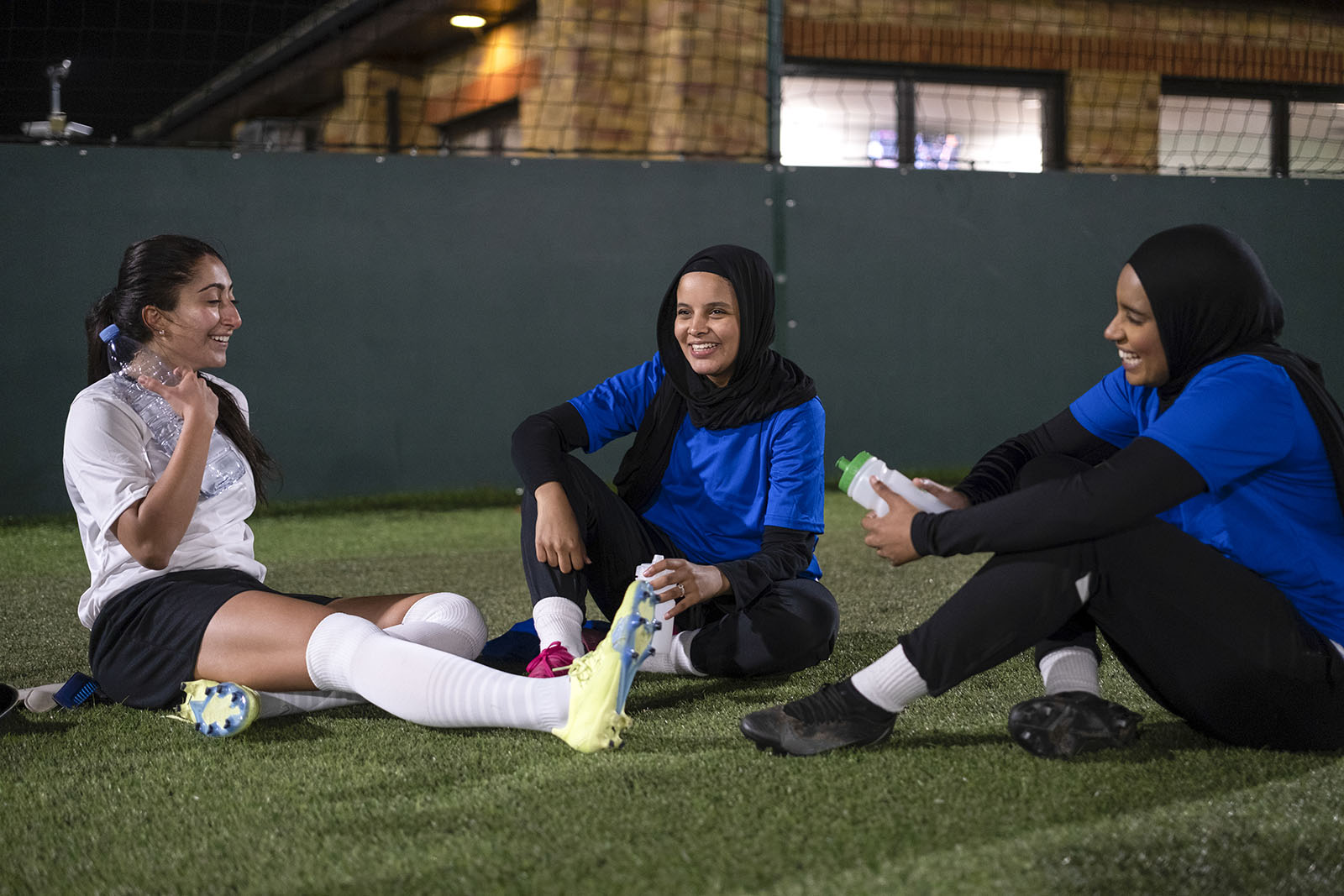
New guidelines recommend implementing faith-sensitive training, modest kit options and private changing rooms

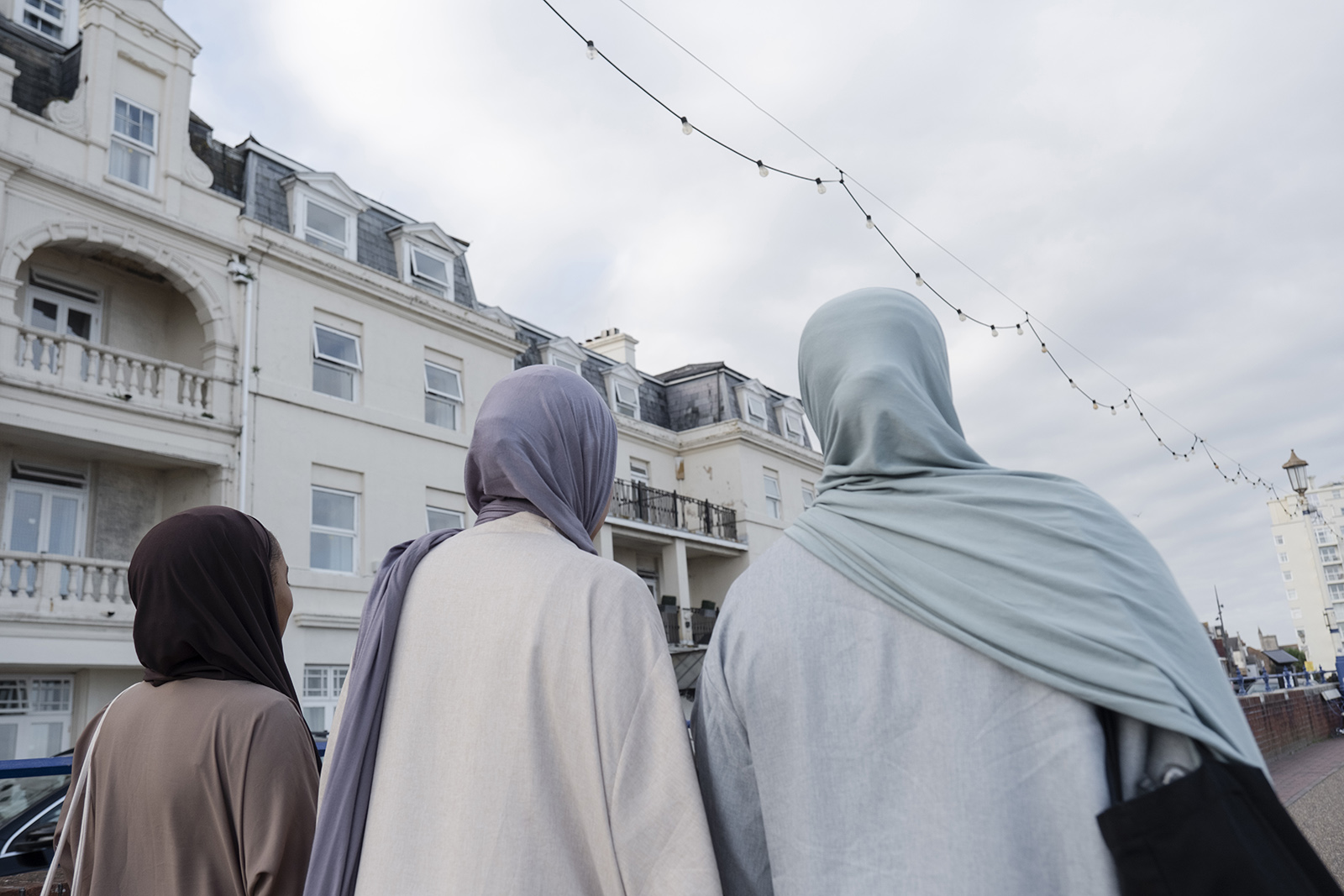
Two charities have called on sports clubs across the UK to adapt their facilities and overhaul coaching cultures to become more accessible for Muslim women.
New guidelines published by youth charity Fight for Peace and the Muslim Sports Foundation (MSF) aim to help traditionally male-dominated sports boost female participation by implementing faith-sensitive practices.
Related content
Previous research by the women’s charity Muslimah Sports Association found that 97% of Muslim women in the UK want to increase their participation in sports, but more than a third (37%) do not play any sport at all.
Grace Allison-Arnold, communications officer at Fight For Peace, said the proposals aim to address “a national gap between Muslim women’s desire to take part in sports and the sport sector’s understanding of how to make that happen”.
She said many sports clubs currently lack appropriate facilities and do not give enough consideration to the principle of modesty in Islam. “Other common barriers include accounting for previous negative experiences in sport, which can affect confidence and willingness to participate, and a lack of awareness of the wider discrimination that many Muslim women face,” Allison-Arnold said.
“When sporting environments fail to address these barriers, they become intimidating or unwelcoming, directly undermining the safety and confidence that sport should inspire. Every day, we see how sport transforms lives. We hope to support other grassroots organisations in opening their doors to Muslim women, not just to change sports spaces, but to build broader social unity along the way.”
To make sporting environments more comfortable for Muslim women, the guidelines state that clubs should offer modest kit options and provide private changing areas with blinds or frosting over windows and doors. They also highlight the importance of private prayer spaces and flexible schedules to allow athletes to continue to train during religious holidays including Ramadan.
The charities said sports clubs should also make an active effort to recruit Muslim women to take part. One suggestion includes working with community leaders to bring “taster sessions” into trusted community spaces to help Muslim women “participate in a space where they don’t feel like a minority”.
Asma Ajaz Ali, the MSF chief executive, said there also needs to be increased education and awareness about the needs of Muslim women in sport. She said coaches in male dominated sports should be given insight and guidance around interacting with Muslim women and how to best support them.
For example, she said that in training facilities, Muslim women might feel uncomfortable lifting weights in front of men.
“Therefore, think about the mechanisms you can put in place in your club to nurture women, whether that is to screen off certain areas and create a dedicated space for them, or assign hours that are just for women.
“If we make this environment safe, women will feel that it is a place they can go to, and there will be an influx of more women coming into these spaces.”
Related content
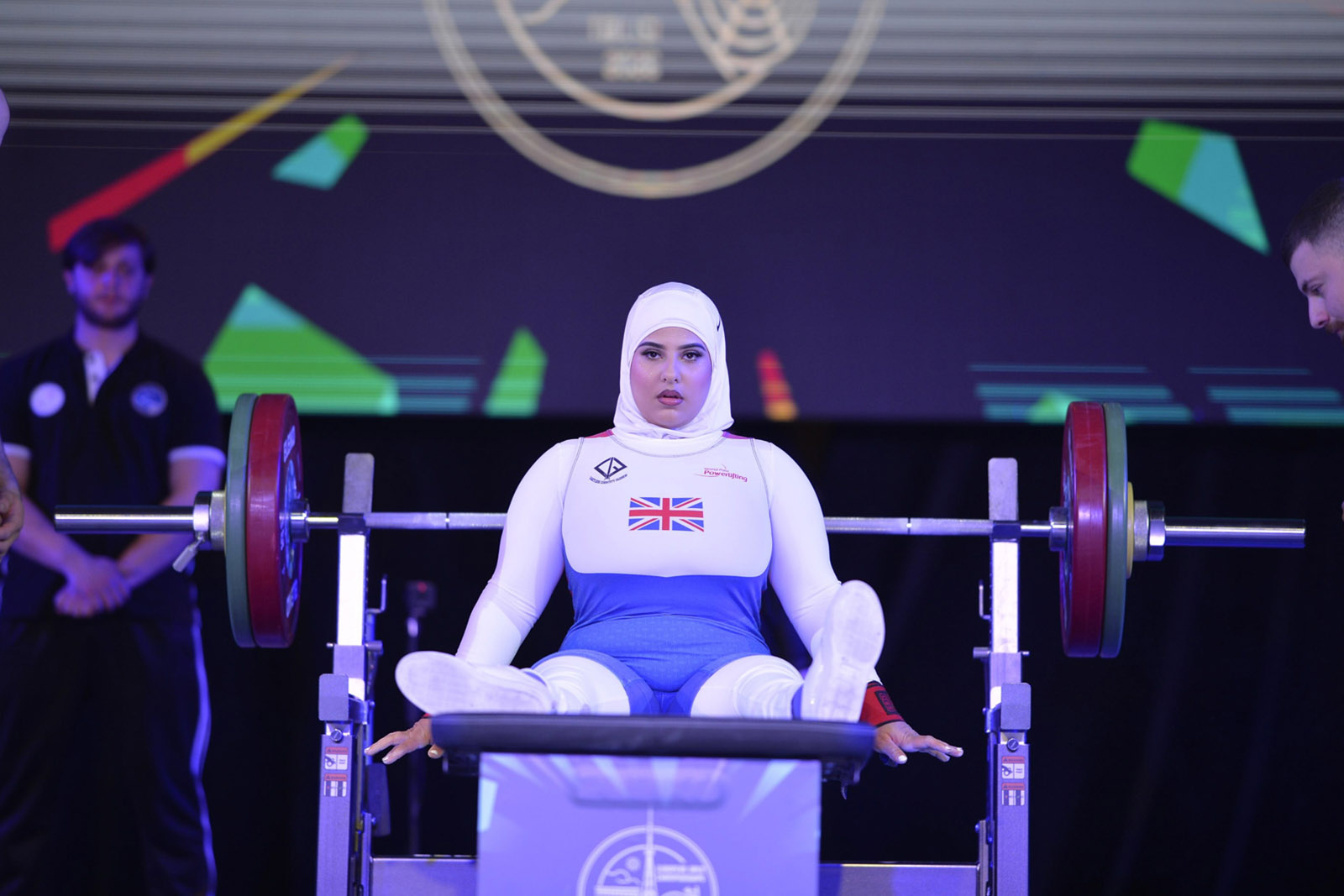
Doaa Shayea is a para powerlifter competing in the 2026 Commonwealth Games in Glasgow. Shayea said she was initially hesitant to take up lifting as she had reservations about how her faith would fit into a sport that she perceived to be male dominant.
Shayea said British Powerlifting, the national governing body for the sport, has been quick to respond to her requirements. “I’m constantly being thought about. If there is anything to do with my faith they are always willing to accommodate, whether it’s in training, or at prayer times making sure there is a way for me to be able to go and pray,” Shayea said.
She added that she was given a para powerbench to train with at home. “That to me is where inclusion and easy access has been a real part of my journey, because it has opened doors to be able to train at home and get the best out of my training,” Shayea said.
“Those are the sort of accommodations that make someone feel like they belong in sport and that sport is for them. It goes to show how far you can go and how much opportunity there is out there for you when you have people who will back you, support you, make space for you, and accommodate your needs.”