Survivor’s plea for Muslims to recognise prostate cancer warning signs
Ahead of Movember, medics and cancer specialists tell Hyphen that Muslims need to be more vigilant — and unashamed

Mohammed Shahid’s first sign that something was wrong was when he found himself waking twice a night to urinate. He visited his GP, who gave him a PSA test, three weeks later.
PSA or prostate-specific antigen is a protein that, in high levels, can indicate the presence of prostate cancer. Shahid’s results came back with a score of 17; anything above four is considered abnormal. Shocked, his GP ordered a repeat test to ensure that it was not a false reading. His second test came back even higher.
Related content
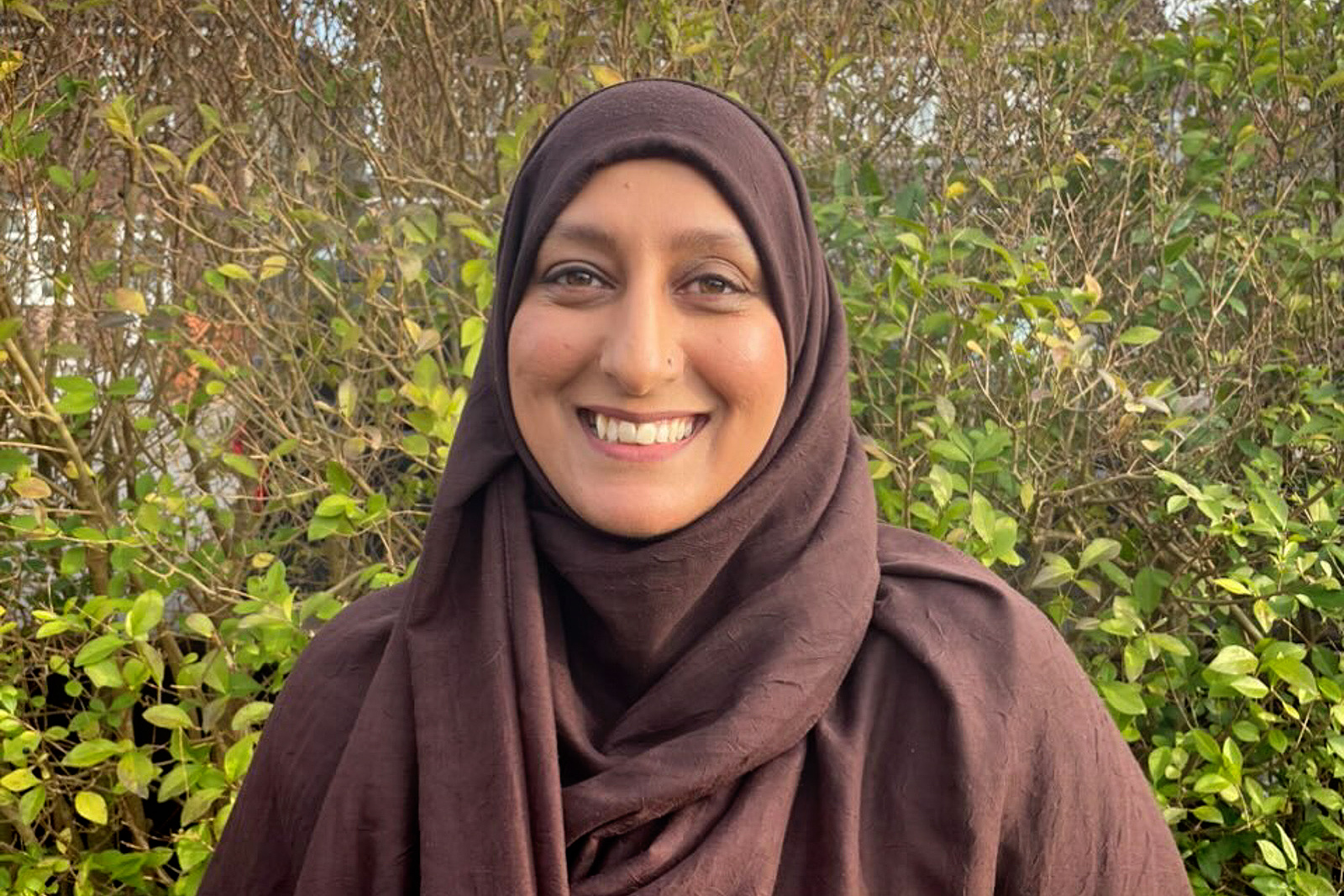
Shahid, then 57, was diagnosed with stage 3 prostate cancer. He underwent a prostatectomy, whereby the prostate gland is surgically removed, but the cancer had spread, and has continued to do so despite multiple rounds of radiotherapy and chemotherapy. His only symptom had been an inability to empty his bladder.
Prostate Cancer UK — which led a partly successful campaign this year to widen access to screening — says prostate cancer is the most commonly diagnosed cancer in the country, with one in every eight men in the UK developing the disease in their lifetime. That includes one in four Black men and one in 12 South Asian men.
November each year sees the Movember campaign, which aims to raise awareness of men’s health issues, including prostate cancer, but for Shahid — who is from Southampton and attends a men’s support group run by Maggie’s Cancer Charity — the work is year-round.
“Hundreds of people in my community know about prostate cancer now because of me,” said Shahid, now 61. “I’m telling everybody aged 40 and over to get their PSA level tested once or twice a year, even if they go privately. I don’t want men to be shy.”
A PSA test is free for all men over the age of 50, but few are aware of this.
There is disagreement between cancer charities, who want more men to get tested, and the National Screening Committee, which in June 2026 told the government that only men who carry a genetic risk should be screened. The committee argued that testing all men would do more harm than good, as the test can detect slow-growing prostate cancer that may never cause issues, leading to unnecessary surgery and side effects.
Prostate cancer expert and urologist Dr Hashim Ahmed from Imperial College NHS Trust in London said the focus should be on ensuring men were fully aware of the pros and cons of screening and treatment. He added that, with the availability of new, less invasive treatments like focal therapy — of which he is a pioneer — urinary incontinence should no longer be a concern.
Some types of prostate cancer are localised, meaning they don’t spread. Others, like the type Shahid has, are aggressive. If left untreated, they can spread to other parts of the body. Only a urologist such as Ahmed can determine the type.
“In our clinic, we see lots of South Asian and Middle Eastern men who are diagnosed with prostate cancer requiring treatment,” said Ahmed. “As a community, we need to be much more aware of it than we are.”
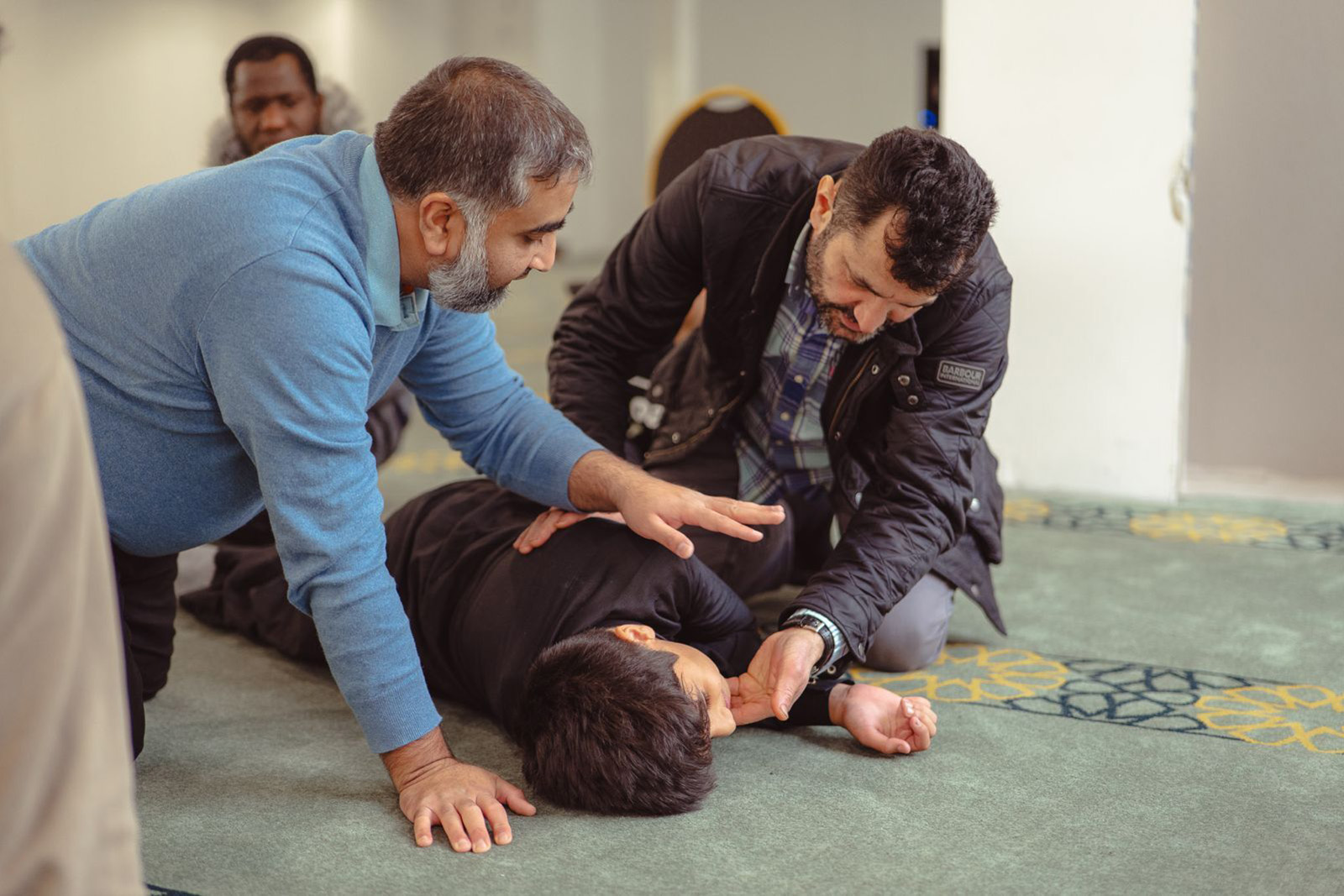
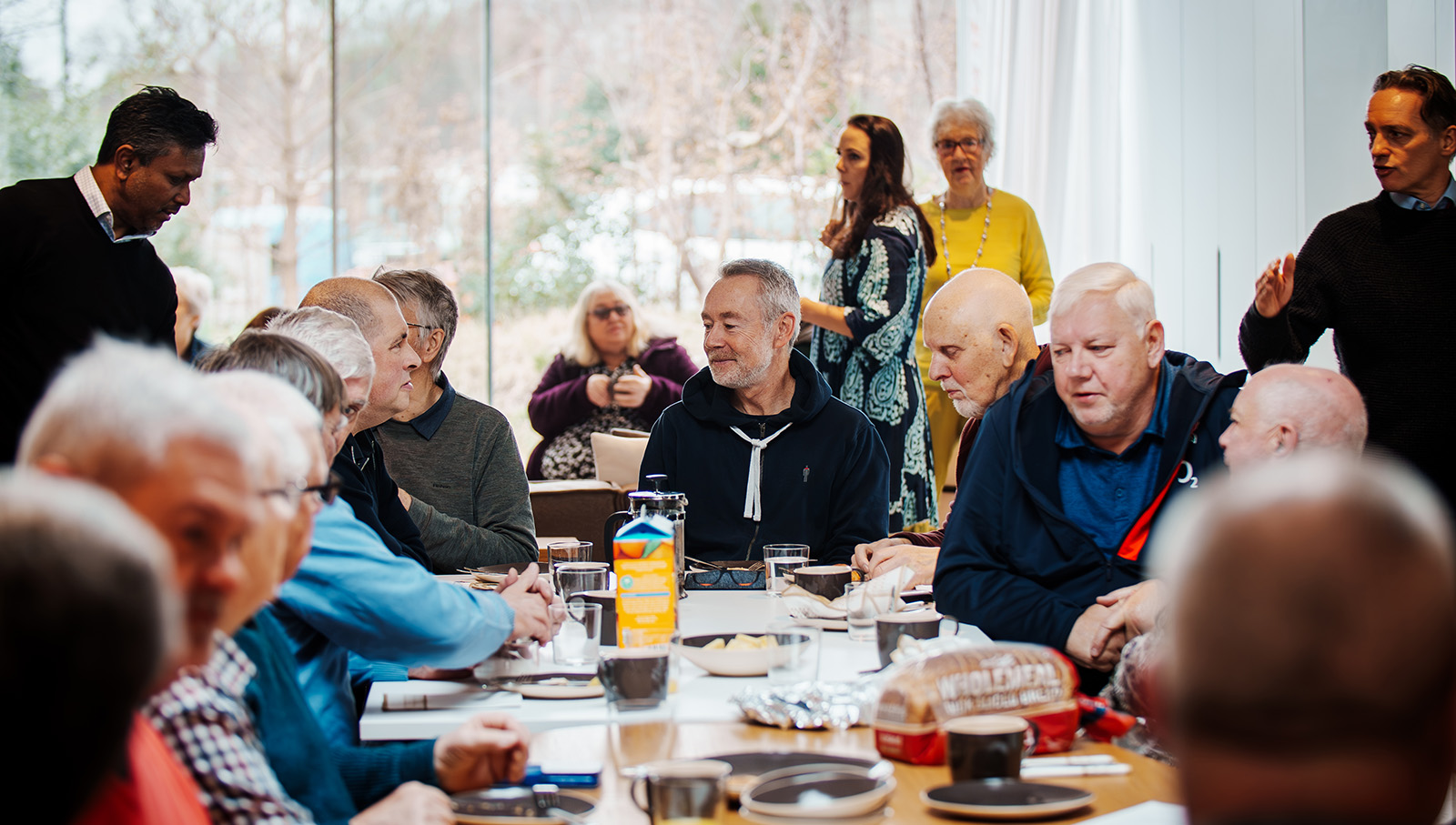
To combat this lack of awareness, Green Lane Masjid in Birmingham, the Central Mosque of Brent in north London, Shah Jahan Mosque in Woking and Brick Lane Masjid in east London have been running prostate cancer sessions alongside local NHS trusts, cancer charities and the British Islamic Medical Association (Bima) to educate Muslim men about prostate cancer and encourage them to get screened. Attendance can be hit and miss, explains Bima’s national cancer director Mohammed Usman Aftab, but the organisation plans to widen its reach by speaking about prostate cancer on local radio stations and setting up stalls at supermarkets.
At Brick Lane Masjid, sessions are organised by Muslim funeral services director Pervez Qureshi. “As the funeral director, every day I see people’s cause of death,” he said. “Cancer is probably the biggest one and sometimes it’s prostate cancer. There are a lot of people dying due to late diagnosis.
“We are quite an introverted community and we don’t share anything until it reaches the point where we are in the hospital struggling to survive and are asking people to pray for us. My initiative is to encourage everyone to get in touch with their GP if something does not feel right.”
Aftab added: “There’s this misconception that anything regarding the prostate will entail a digital rectal examination, which can prevent people from seeking help. However, all it is is a simple blood test and they can request a male GP to discuss any concerns.”
Another concern delaying Muslim men from screening is the treatment itself. A prostatectomy can result in urinary incontinence, which causes worry around the validity of wudu.

But 62-year-old councillor Ragih Muflihi from Sandwell in the West Midlands has had this life-saving surgery — and wants to reassure men that the problem is only temporary.
“I did my pelvic exercises after the surgery and within two to three months I was fine,” he said. “I’m living a normal life. I’m a community leader and local councillor, so I’m out and about and meeting people.”
Muflihi’s first sign that something was wrong came a year and a half ago in the form of blood in his urine. But often early prostate cancer does not produce symptoms, said Kevin Howell, Black equity and engagement manager at Prostate Cancer UK. There is currently no mass screening programme for prostate cancer; Howell said it was vital that men aged 50 and above took the initiative to ask their GP for a PSA test. Being open with family about a diagnosis is crucial, he added, because of the possible genetic risk to sons and male relatives.
“Men have this thought that this condition could emasculate them or affect their standing in the community or in their family as head of household,” he said. “We really need community leaders to come forward and have these conversations, because we can’t do this on our own.”
If you or a loved one is affected by prostate cancer, call the Prostate Cancer UK support line on 0800 074 8383. If you are interested in organising an awareness session, email supportercare@prostatecanceruk.org.