
Thousands to receive free lifesaving training at mosques across the UK
Sessions at 100 mosques are part of the British Islamic Medical Association’s Lifesavers programme, which aims to slash inequality in survival rates

More than 2,000 people will receive free lifesaving skills training at 100 mosques across the UK this weekend as part of a decade-long project to cut inequality in survival rates after cardiac arrest.
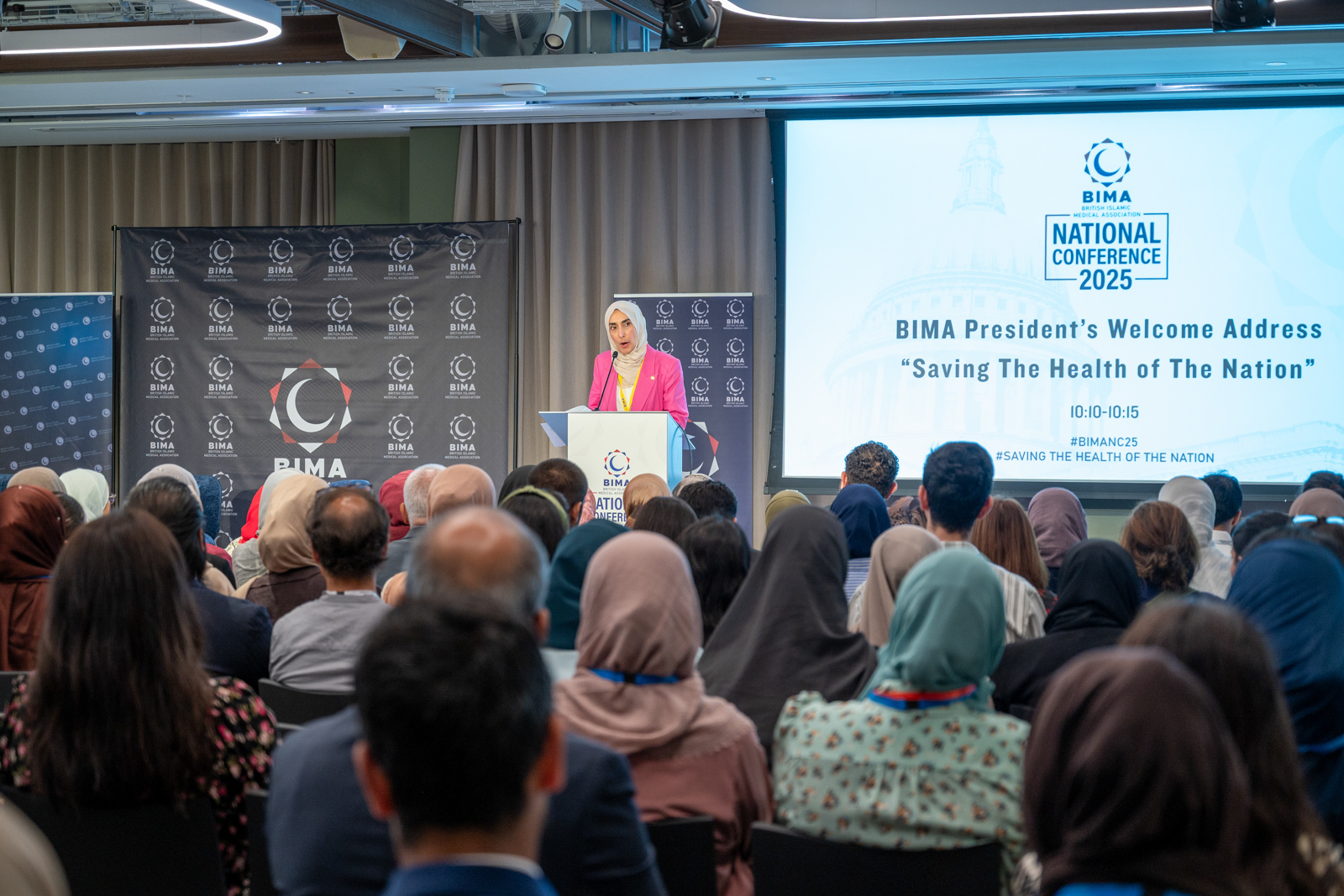
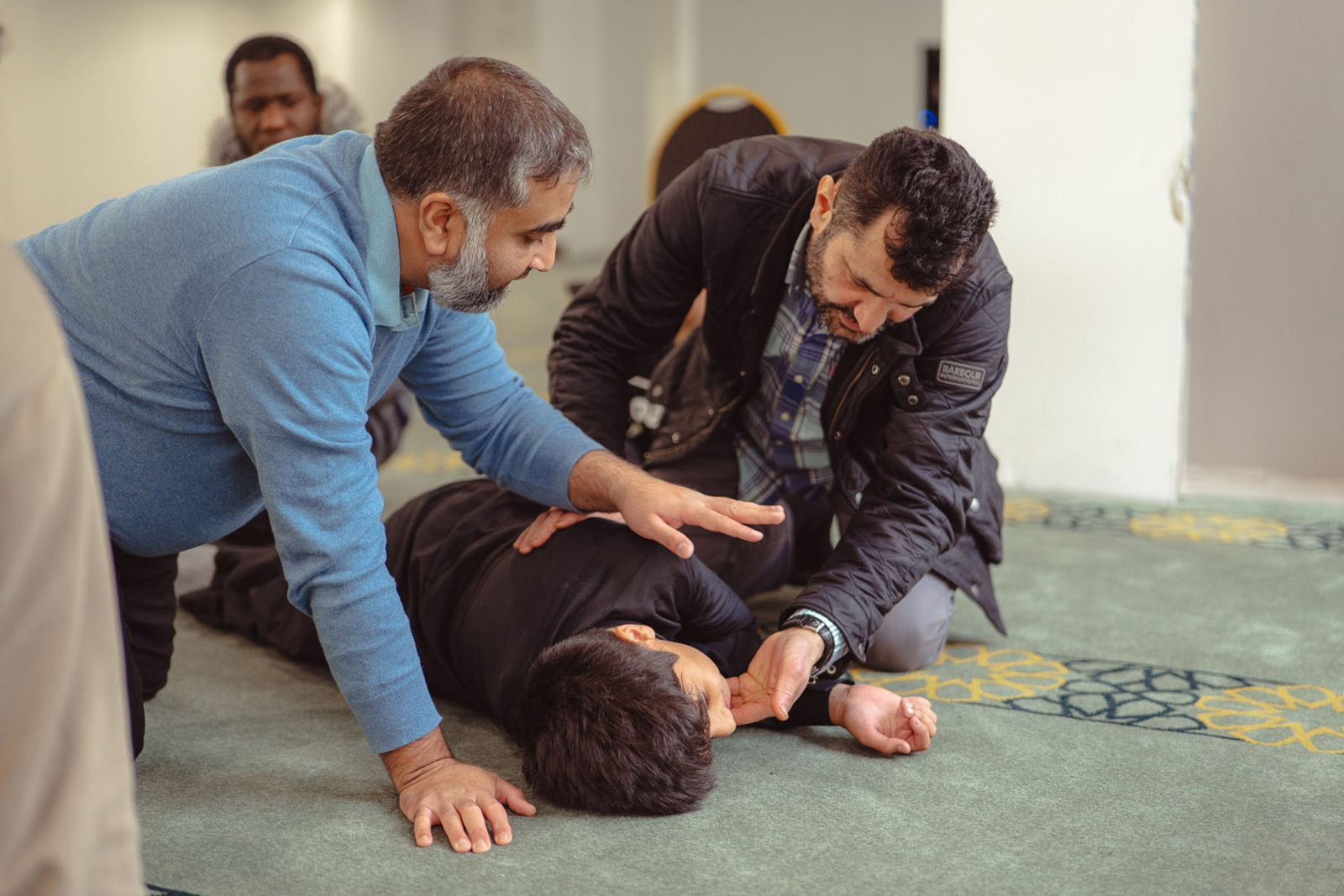
The sessions will focus on CPR, how to put someone in the recovery position, defibrillator use and responding to choking. The British Islamic Medical Association’s (Bima) Lifesavers programme will be led by around 500 volunteers including healthcare professionals and students registered to help run the sessions and provide support.
Dr Mohammed Khanji, a consultant cardiologist at Barts Health NHS Trust and associate professor of cardiology at Queen Mary University of London, has been involved with Lifesavers for a decade. He said the project was launched to help address inequalities in access to emergency skills training.
Bima has highlighted health inequalities in out-of-hospital cardiac arrest survival rates and in how likely patients are to receive CPR depending on whether they live in more deprived and diverse areas. “The rates of out-of-hospital cardiac arrests are much higher in areas of deprivation and where there are ethnic minority groups,” said Khanji. “These are people who are often least well-served in terms of getting the training, so we wanted to cover the gap.”
The programme launched in 2013 with three partner mosques, serving about 100 people. It has since spread across the UK and overseas, with 25 countries taking part this year including Australia, Kenya, Nigeria, Pakistan and Malaysia.
In the UK, roughly 125 mosques registered in 2025, while more than 100 so far have signed up for this year’s event, with others still finalising plans. Lifesavers is now among several health programmes Bima runs in Islamic centres during the year, with others covering cancer awareness, organ donation and staying healthy during Ramadan.
Holding the sessions in mosques makes it easier to reach people who might otherwise miss out on training, Khanji said.
“The advantage of mosques is that generally they’re free to access,” he said. “It’s open to people who attend the mosque, but it’s also open to anyone else, whether they’re Muslim or not.”
Sessions run for roughly two hours and are held after afternoon prayers. Participants are shown the techniques before trying them themselves and getting feedback from trainers.
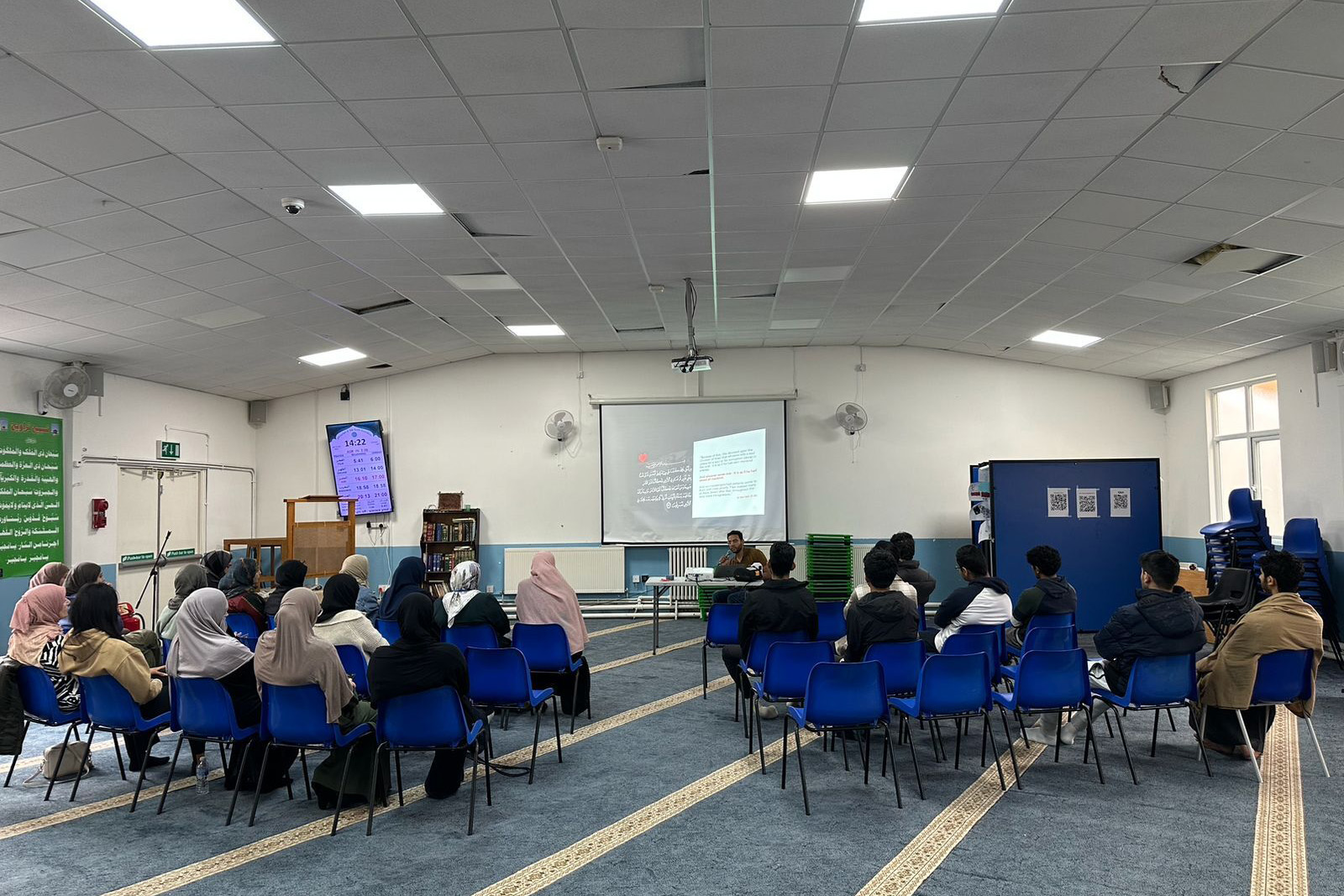
Some volunteers providing training speak Urdu, Arabic, Hindi and Gujarati. Khanji also said Bima tries to accommodate preferences around who delivers the training, including giving women the option of learning from female healthcare professionals where possible.
Related content
He added that acting quickly after someone collapses can have a significant impact on whether they survive.
“If you deliver early CPR and early defibrillation, that can double or even triple the chances of survival,” he said. “Time is of the essence, so every minute that there’s a delay, it reduces the chance of survival by about 10%. These skills are simple to learn. We can usually teach a lot of this within an hour to two.”
More than 25,000 people were trained globally during last year’s event and organisers hope to train even more this year.
Khanji said some former participants had already put their skills into practice. He was told of one participant who went on to help someone who was choking in a restaurant the day after taking part in the training, while another put a friend who collapsed during a half-marathon into the recovery position.
Bima has also worked with Islamic Relief, the British Heart Foundation and the Department of Health and Social Care to provide 57 defibrillators to mosques across the UK. Most have been installed outside so they can be used by the public when the mosques are closed.