
Former Oxford Union leaders say barring Hasan Piker is ‘double standard’
Officers at the influential debating society, including one who invited Piker to speak in 2024 without incident, raise alarm over streamer’s UK ban

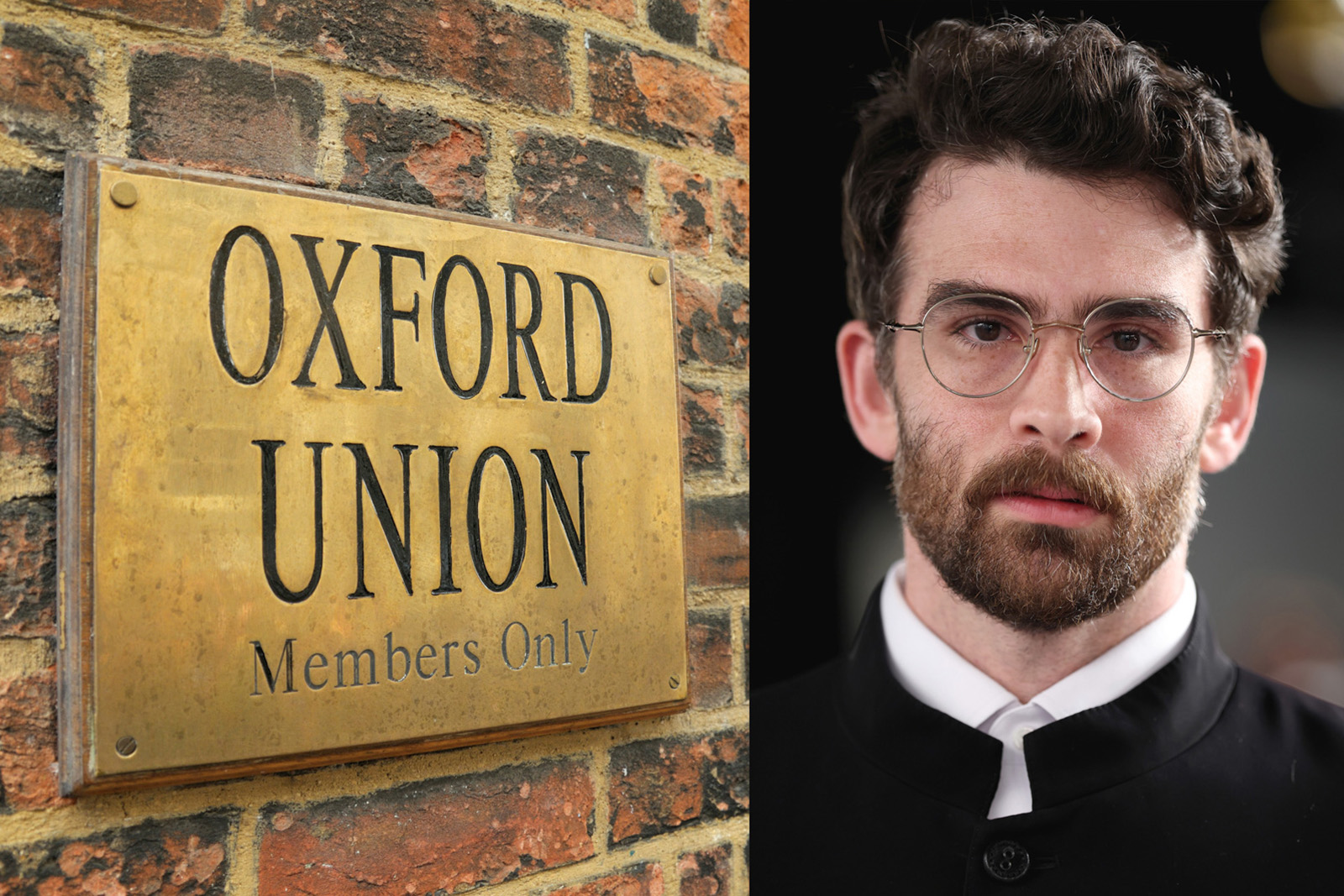
Former leaders of the influential Oxford Union debating society — including the union president who invited Hasan Piker to speak there last year — have criticised the UK government’s decision to deny him entry to the country, arguing that it risks creating the perception that pro-Palestinian voices are being treated differently from others.
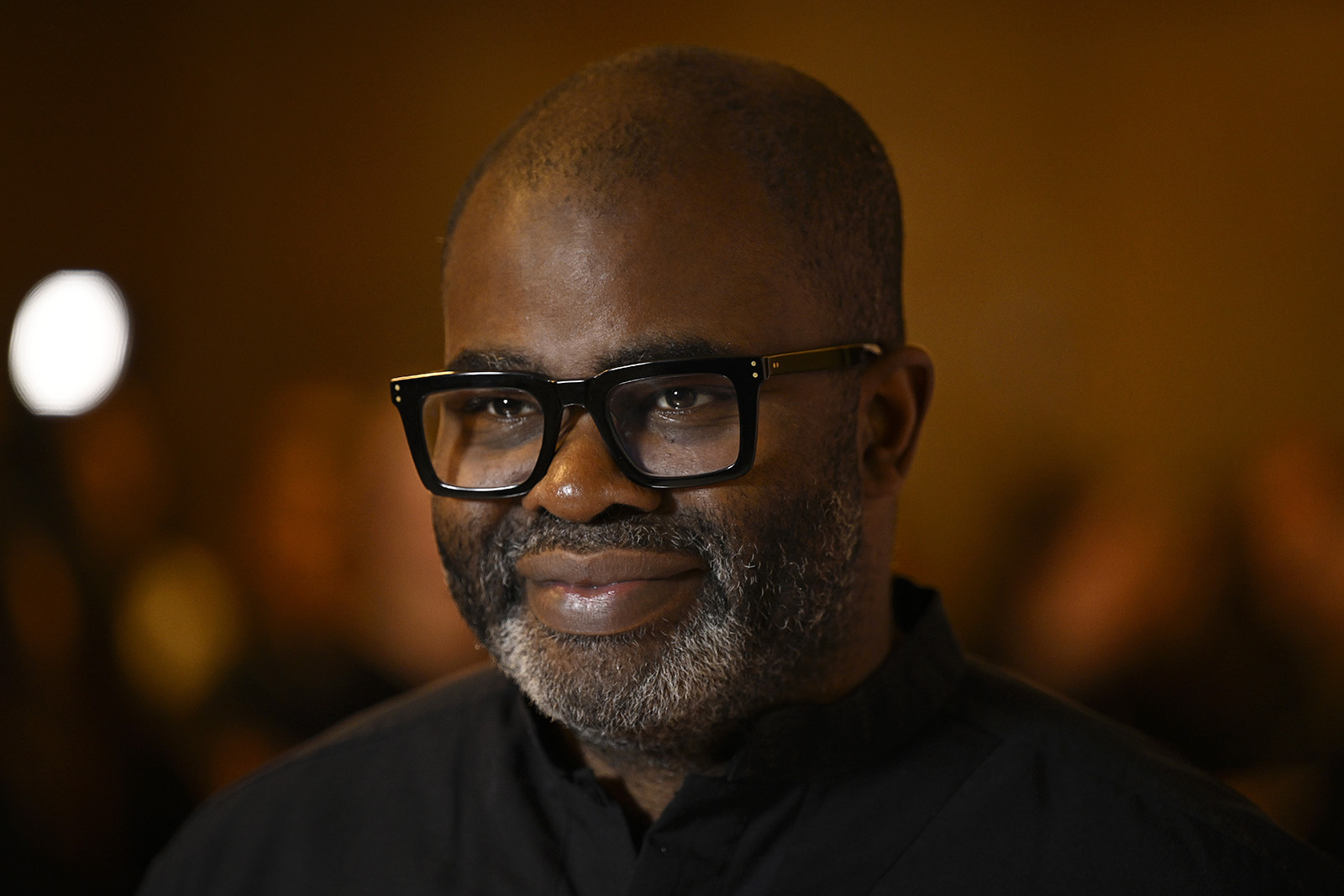
Sarah Mughal Rana, who interviewed Piker during his first Oxford Union appearance in December 2024, described the move as a “double standard”, while former union presidents Ebrahim Osman-Mowafy and Israr Khan warned it could have wider implications for political debate and free expression.
Piker, a popular online streamer, and fellow commentator Cenk Uygur, co-founder and host of the US political talk show The Young Turks, were due to appear at the Oxford Union and SXSW London before their electronic travel authorisations (ETAs) were revoked.
Related content
According to reports, the decision followed concerns within government about comments made by the pair online about Israel and Gaza, with officials reportedly arguing that their presence in the UK was not “conducive to the public good”.
“When we invite speakers, the first question is whether they can contribute to intellectual discourse and debate,” Rana told Hyphen.
“Hasan Piker had a legitimate platform. He stood for ideas that could be challenged and provided perspectives that Oxford students could benefit from.”
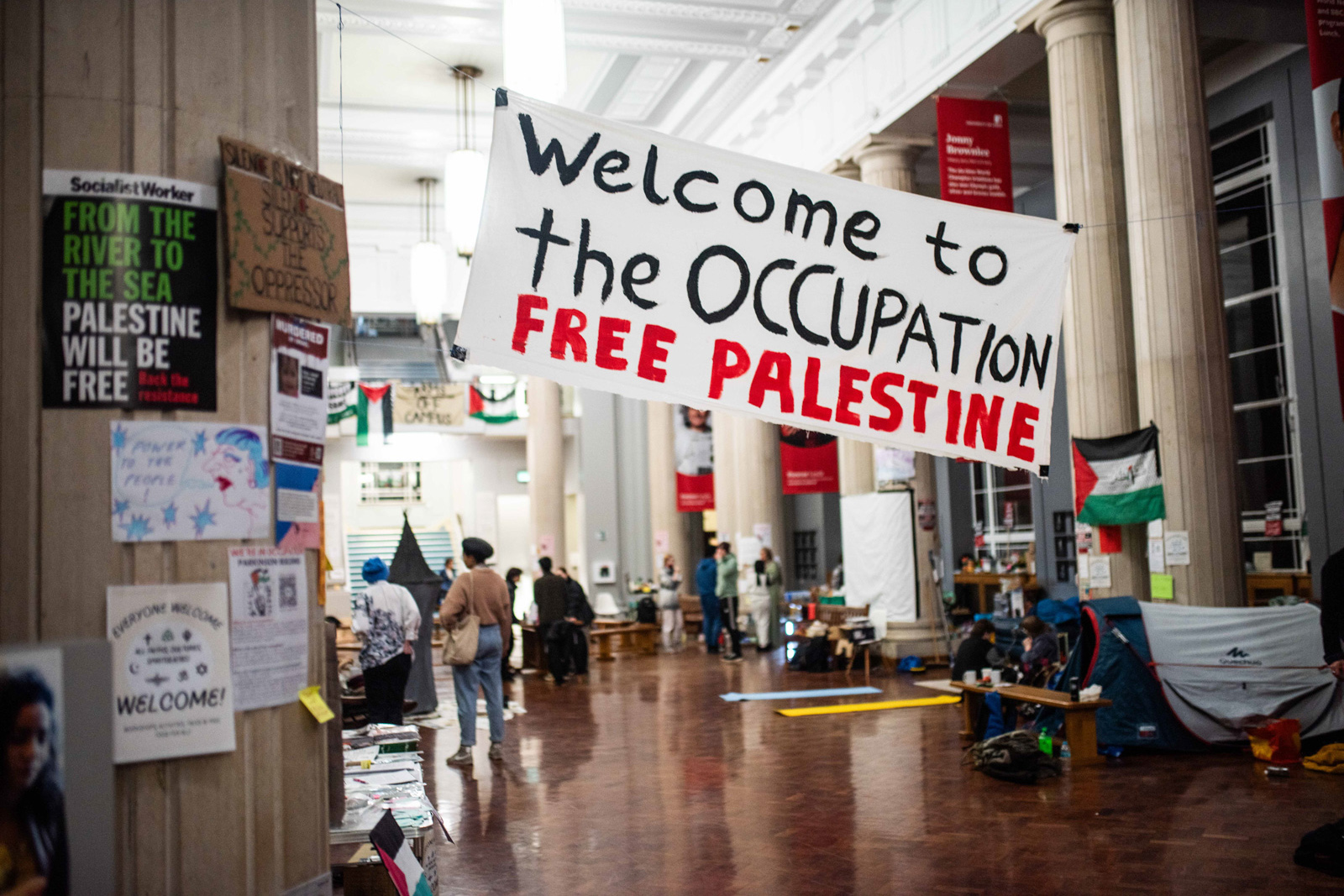
Rana, who became the Oxford Union’s first hijab-wearing officer when she was elected treasurer in December 2024, said Piker’s previous appearance generated little controversy despite taking place during a term that featured several prominent speakers and debates focused on Gaza and Palestine.
“The event was completely sold out,” she said. “He got a standing ovation and it was a very normal kind of event compared to all the other ones that happened that term.”
She described the government’s decision as “a huge shock”.
“When we invited him in Michaelmas [Oxford’s name for the autumn term] 2024, we didn’t have any explicit issues,” she said. “At the height of the genocide in Gaza, I was expecting more controversy and we didn’t get that.”
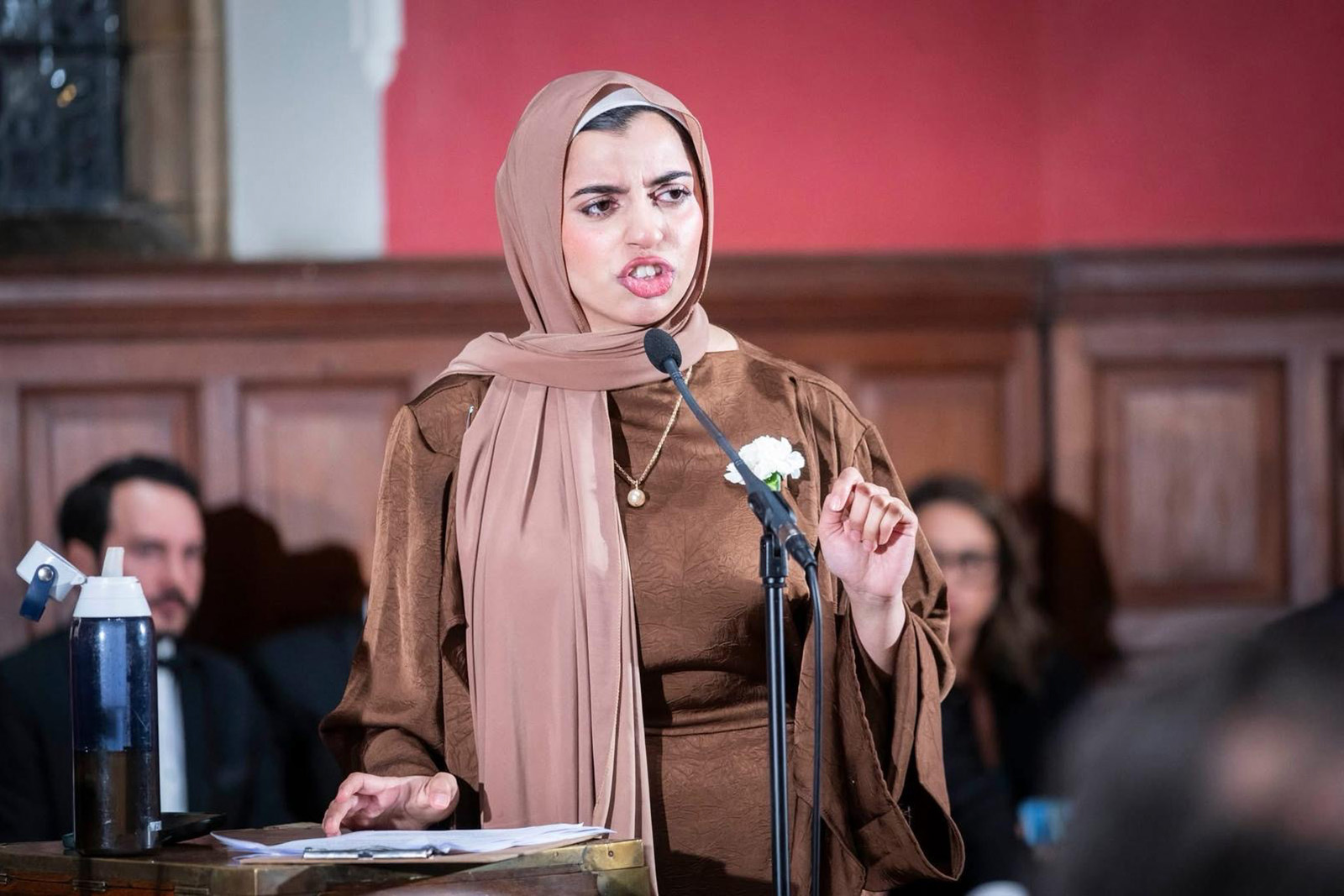
Osman-Mowafy, who invited Piker to speak in 2024, said the event had formed part of a wider effort to bring discussions about Palestine and Gaza to the union.
During his presidency, Osman-Mowafy invited speakers including Egyptian comedian Bassem Youssef, activist and Israel critic Norman Finkelstein, political scientist John Mearsheimer and Palestinian ambassador to the UK Husam Zomlot because he felt there was a need to create space for conversations that were not being widely heard elsewhere.
He echoed Rana, saying Piker’s appearance in 2024 was relatively uncontroversial compared with other events taking place at the time, and both he and Rana said they were surprised by the decision not to grant Piker — who has also spoken at the Cambridge Union — an ETA.
“The Oxford Union and the UK more generally have hosted many controversial speakers from across the political spectrum,” said Rana, pointing to Jordan Peterson’s appearance at the society. “It’s clear it’s censorship, and it’s a double standard.”
Osman-Mowafy said the decision raised broader concerns about how people who speak about Palestine are perceived.
“What concerns me is the way people who speak about Palestine are often subjected to disproportionate scrutiny and are sometimes conflated with actual extremists,” he said. “I don’t think those comparisons are justified.”
Former Oxford Union president Khan also criticised the decision, describing it as a troubling development for free expression.
Related content
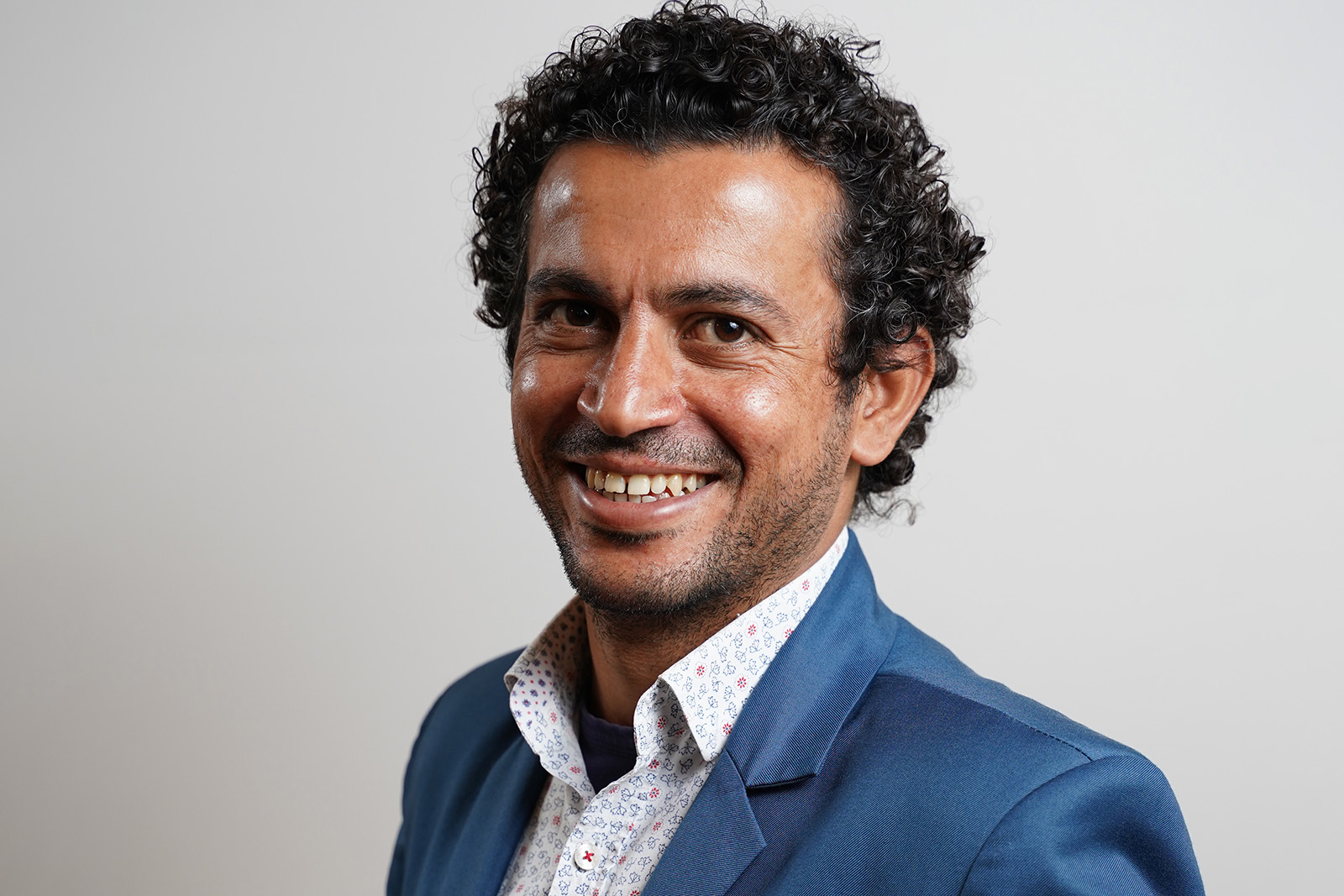
Khan, who invited Uygur to speak at the union in March 2025, pointed out that both men had previously spoken in Britain and argued that individuals should not be prevented from entering the country because of concerns about views they may express.
“The starting point is that they have a right to speak. They have the right to express their opinions and that’s a fundamental right,” he said. “If they are in the UK and they do break any laws, whether it’s hate speech or anything else, there are already laws in place to deal with that. You do not bar people pre-emptively just because you’re afraid they might say something people would not appreciate.”
He warned that the decision risked setting a dangerous precedent.
Rana said universities had a responsibility to uphold free speech while also considering the welfare of students. “You have to balance all of those values,” she said. “You cannot pick and choose when something can endanger students.”
Osman-Mowafy argued that free speech should not be understood as an obligation to platform every speaker.
“Free speech is a legal protection against censorship, not an entitlement to any particular platform,” he said.
He compared the role of Oxford Union officers to that of editors deciding which ideas deserve public attention.
“Your responsibility is not to be neutral, because by choosing a certain topic and a particular motion, you are choosing to amplify a certain issue,” he said. “Your responsibility is to make sure that both sides are heard.”
Hasan and Uygur will instead address the union remotely on Saturday. Piker told Hyphen he rejected the government’s decision and accused the UK authorities of abandoning long-standing commitments to free expression.