
London needs city-wide burial strategy, Lib Dems urge
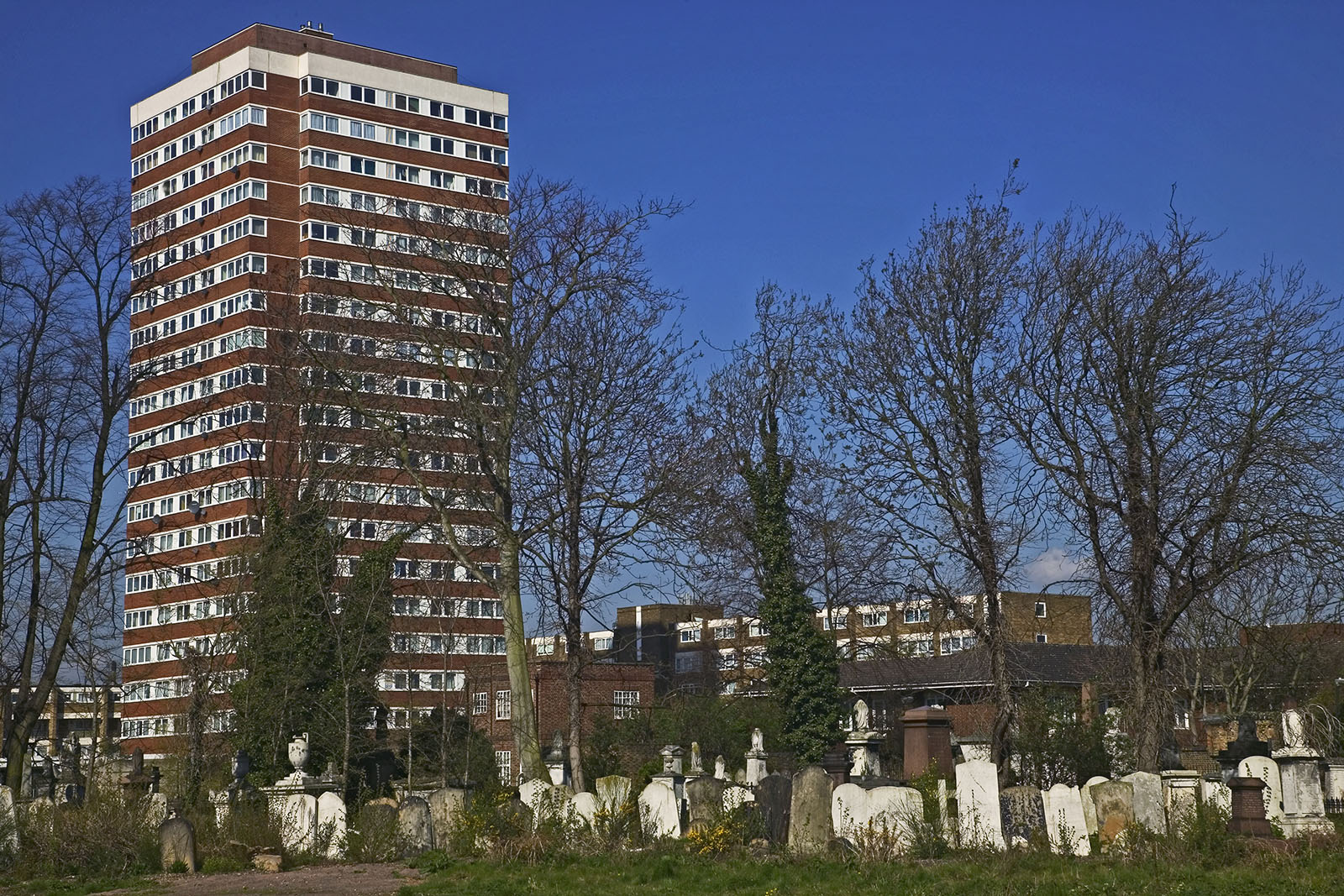
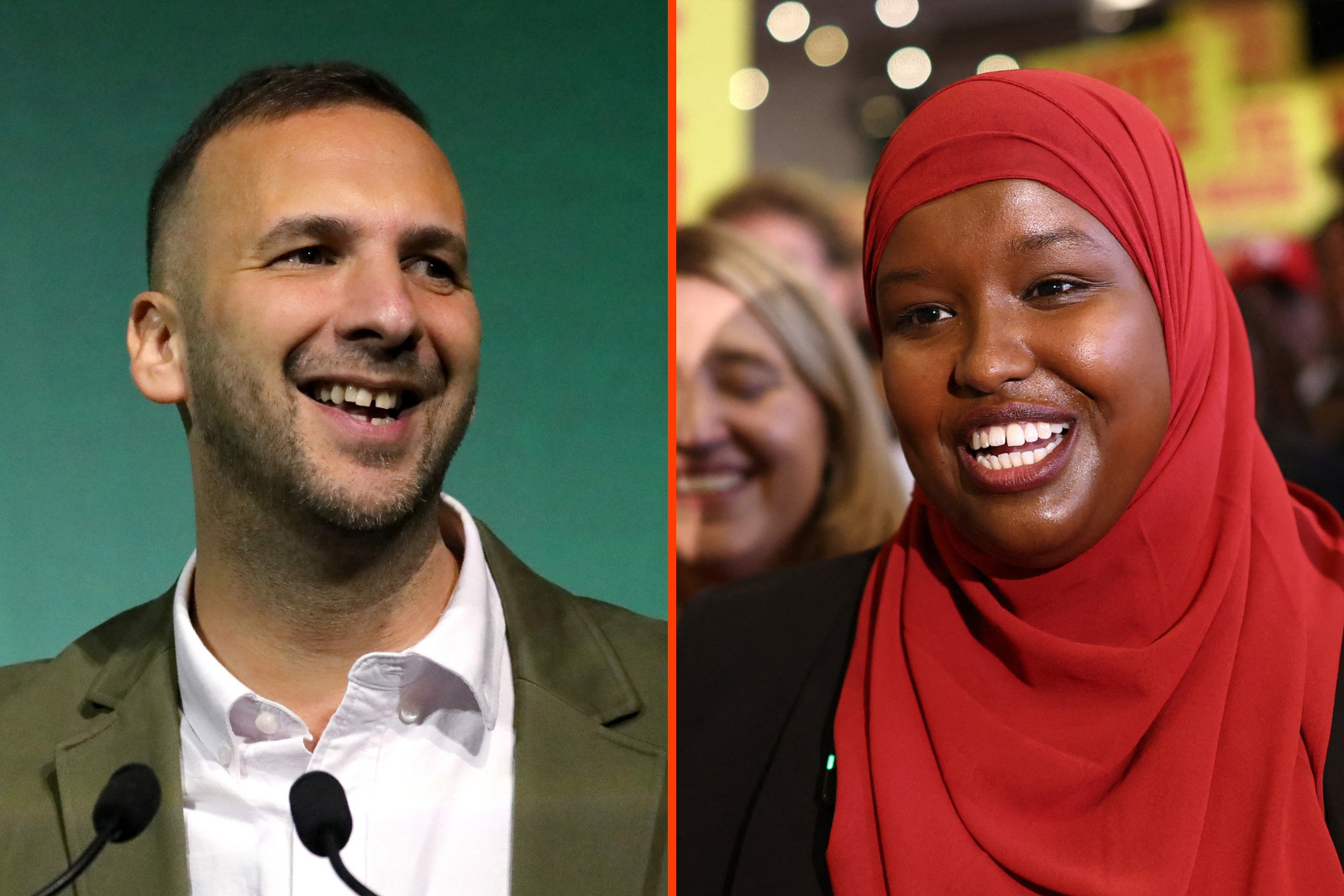
Call comes from London Assembly Lib Dem leader Hina Bokhari — who battled to get her father, Sadiq Khan’s old headteacher, buried in Merton

London needs a city-wide burial strategy, Sadiq Khan was told on Thursday ahead of the publication of the next draft London Plan that will outline the capital’s development strategy for the next two decades.
Liberal Democrat London Assembly member Hina Bokhari pressed the issue with a written question at mayor’s question time at City Hall.
“We are at a crisis point,” she told Hyphen. “Londoners are having to travel miles away from their boroughs to bury their loved ones.”
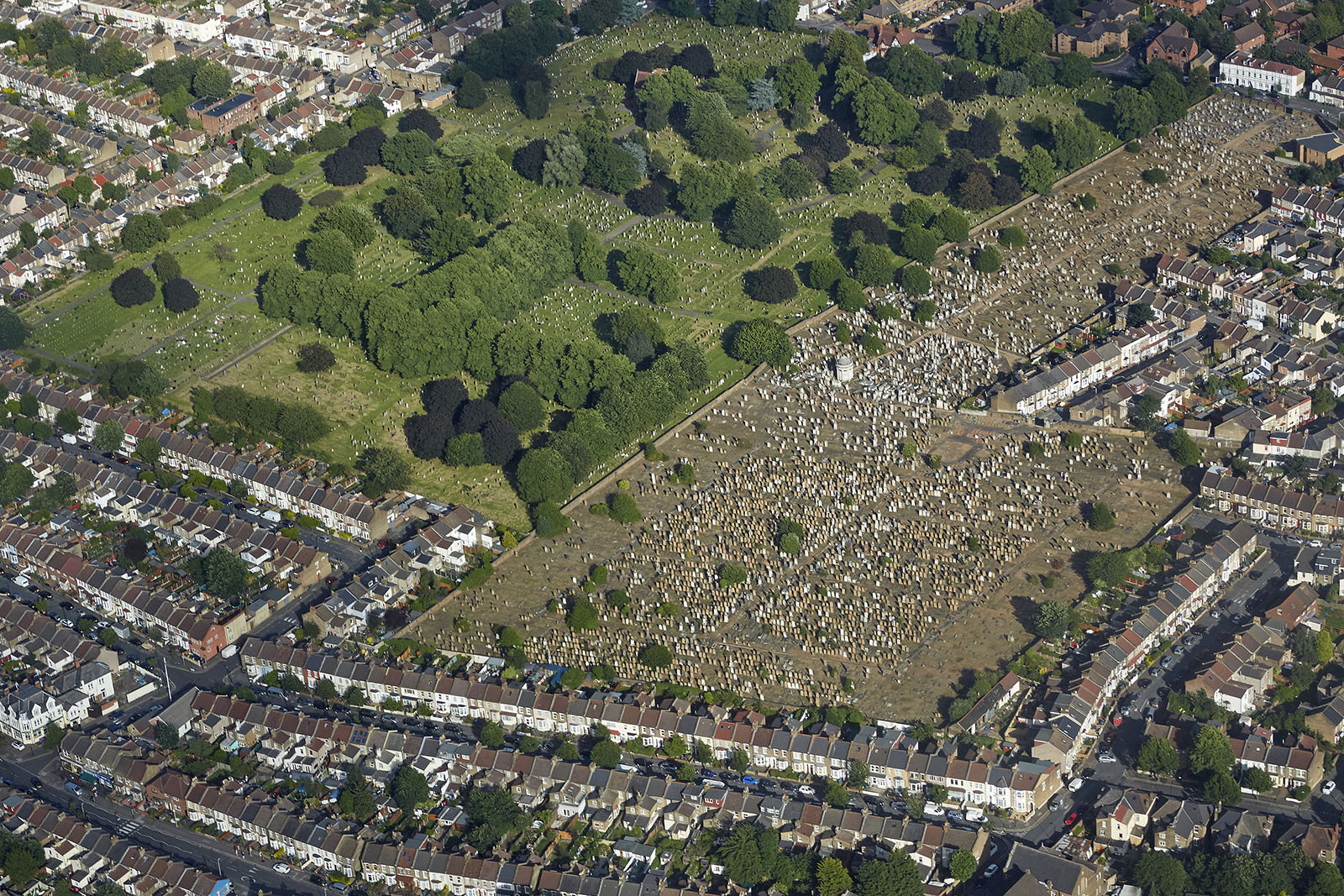
Greater London has been badly affected by the nationwide burial space shortage. The last audit of London’s cemeteries, carried out in 2011, found that the shortage had reached a “critical stage” in many boroughs. Muslim communities, who adhere to strict religious requirements regarding burial, are particularly affected, and the Covid pandemic further exacerbated the problem.
“What I’m asking the mayor to do is conduct a proper London-wide audit — to convene with councils and faith communities and produce a London-wide strategy so that there isn’t a patchwork approach that we are seeing at the moment,” she said.
Julie Rugg, director of the Cemetery Research Group and a senior research fellow at the University of York, has previously told Hyphen that UK burial law is “odd” and archaic. Local authorities in the UK have no obligation to provide burial space, meaning councils receive no ringfenced government funding for cemetery provision.
“At the moment it all depends on where you are: the will, the governance and the prioritisation within each different borough,” said Bokhari. “I would like to see all councils working together and a real concerted effort to have a plan.”
Bokhari, who sits on the joint Merton and Sutton cemetery board, said the cause was personal for her.
During the Covid pandemic, which disproportionately affected Hindu and Muslim men, she saw many of her friends and Merton neighbours struggle to bury their loved ones.
While burying her own parents — her father, Nawazish, who died in 2011 and her mother, Rizwana, who died in 2025 — she saw how difficult finding burial space is for many London families.
“My dad was very clear with us that he wanted to be buried near where we live, at the cemetery just around the corner from us,” she recalled. “He wanted us to be able to visit and pray for him.”
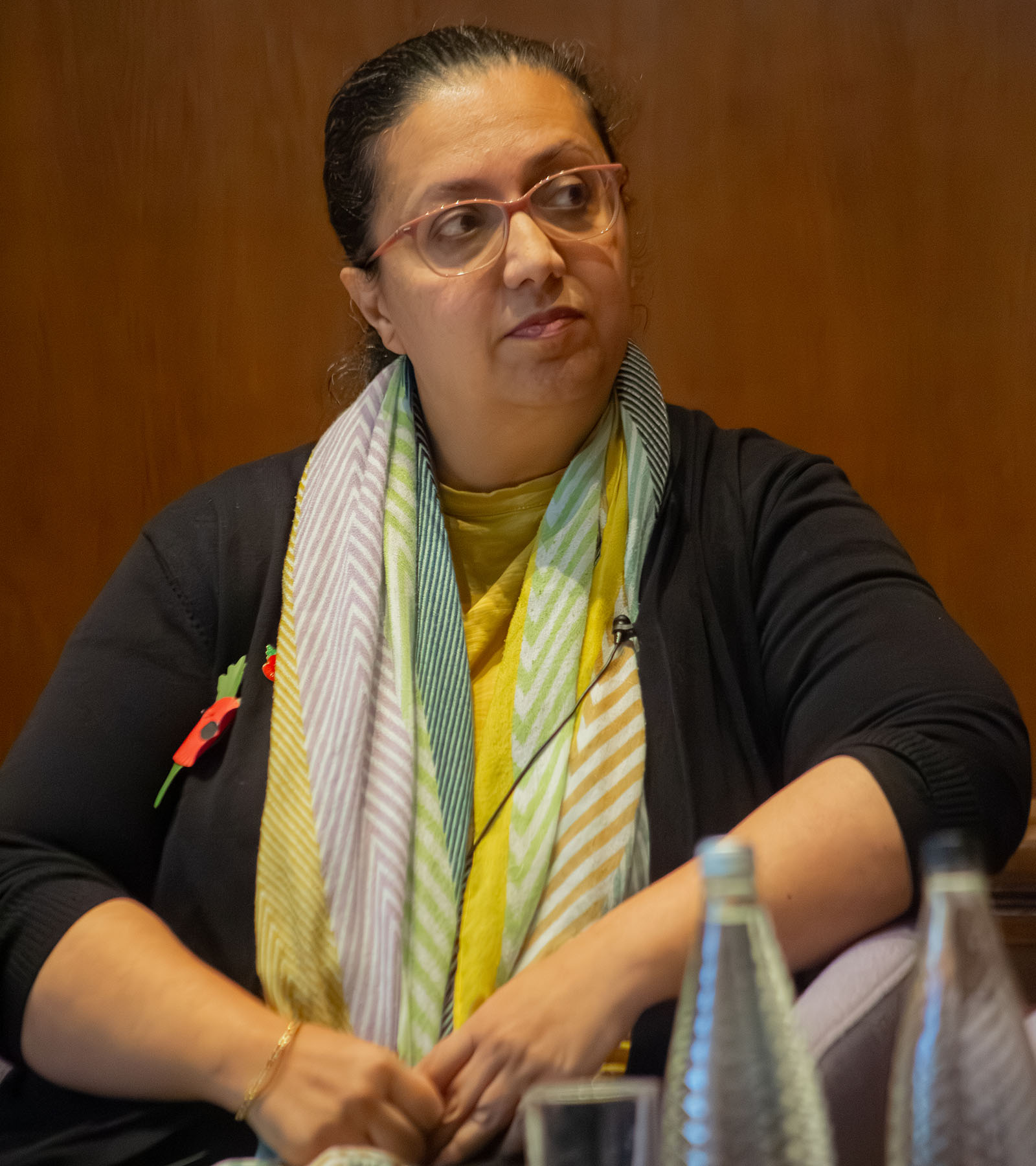
However, although the cemetery was in Merton, it was owned by Wandsworth Council — a common situation in London’s “chaotic spread of [burial] sites”, according to the Cemetery Research Group.
Nawazish was a beloved member of the local community and his loss was greatly felt across south-west London, Bokhari said. In 1985, he became the first Muslim headteacher of a British secondary school, Tooting’s Ernest Bevin School. Among his students was Khan himself.
Related content

“To see the most senior job in the school being done by an excellent professional who also happened to be British, Asian, male and Muslim was a real source of inspiration to many of us,” Khan — then the MP for Tooting — is quoted saying in Nawazish’s 2011 obituary in the Times.
“We went to talk to the council. My brother and I went above and beyond — we had to use everything we could to get that plot for him,” Bokhari said.
In the end, the family were able to secure adjacent plots for both Bokhari’s parents.
“We were really incredibly lucky that we were able to bury my mum and dad together,” she said. “That does not happen any more. You are not able to get that kind of provision for family members. Families are buried miles apart.
“If the London Plan does not properly deal with burial space, if there is no acknowledgement that in 20 to 25 years we will run out of space, then I will be pushing the mayor. It is important that he acknowledges the scale of the problem.”
Khan was expected to respond to Bokhari’s question either verbally on Thursday or in writing later.