
UK could legally recognise Islamic weddings so long as couples complete civil process
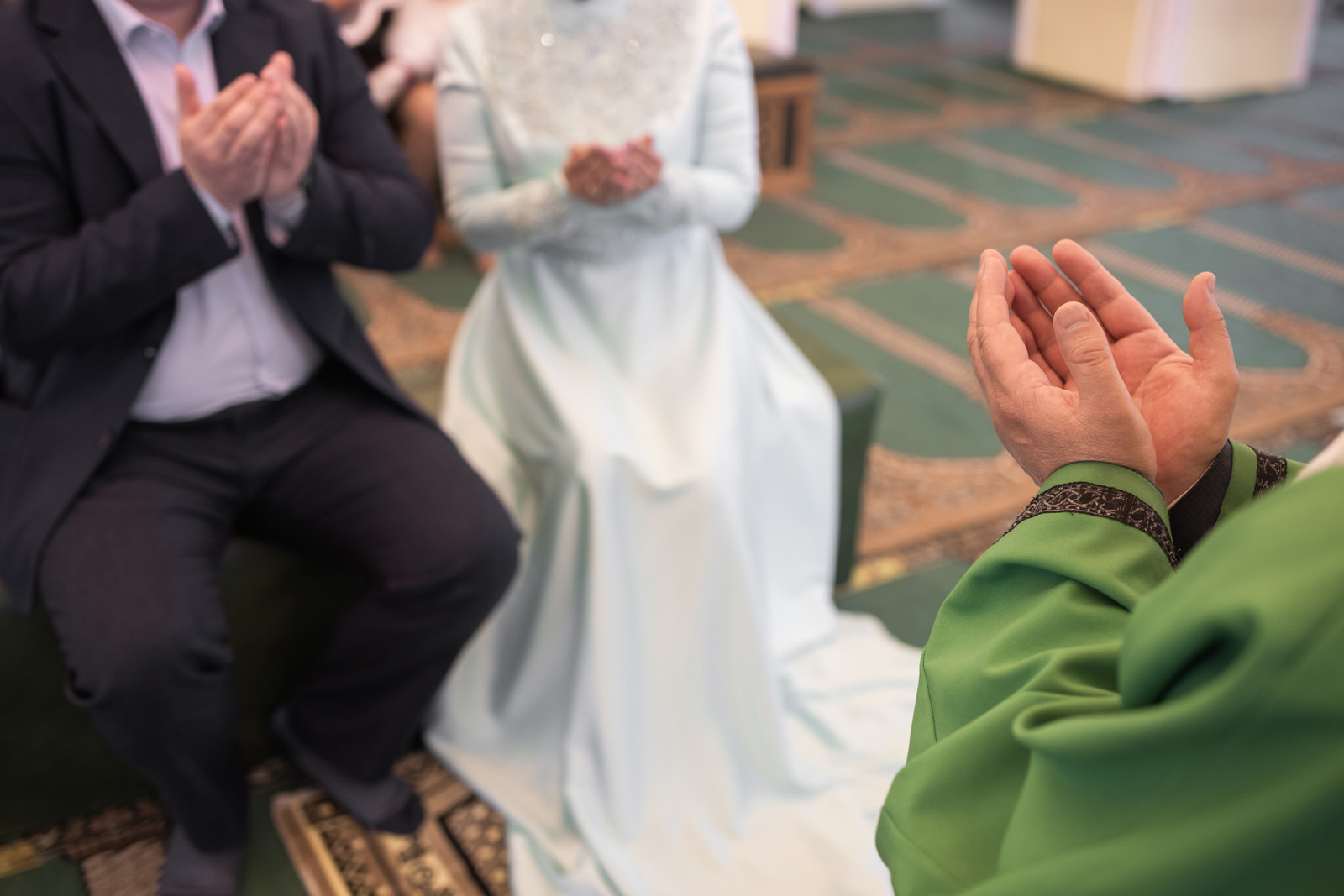
Biggest revamp of marriage law for centuries would let couples express consent through established faith practices rather than standard civil wording
The government is consulting on changes to marriage law that would allow Muslims, Hindus and other minority faiths to be married according to religious practices without the need for a civil ceremony too.
Couples would still need to ensure they register the right legal paperwork before and after the ceremony, and that their officiants are authorised to conduct weddings.
The proposals come as a result of a 2022 Law Commission report that described current marriage laws — which date back almost 200 years — as “inconsistent and complicated, inefficient, unfair and needlessly restrictive”.
At present, most Christian marriages, Jewish marriages and all civil marriages conducted in the UK are recognised under the law. Legal marriage confers protections, particularly around finances and bereavement, on the people who are married to each other.

However, up to four in 10 people who have had an Islamic wedding in the UK do not have those same legal rights because they have not had a civil marriage, and up to three in 10 are unaware of their lack of rights.
The government now wants to allow consent to marriage to be expressed according to the established practices of different faith groups, such as the ijāb and qubūl in a nikah or walking seven times around the Agni in a Hindu wedding, rather than saying a specific set of words as is currently the case.
The reforms proposed also include allowing marriages to take place in any venue that is acceptable to the officiant, with established venues encouraged to apply for “pre-approved” status. This is part of a move to give greater powers and responsibilities to officiants, who will have to be registered “fit and proper” persons.
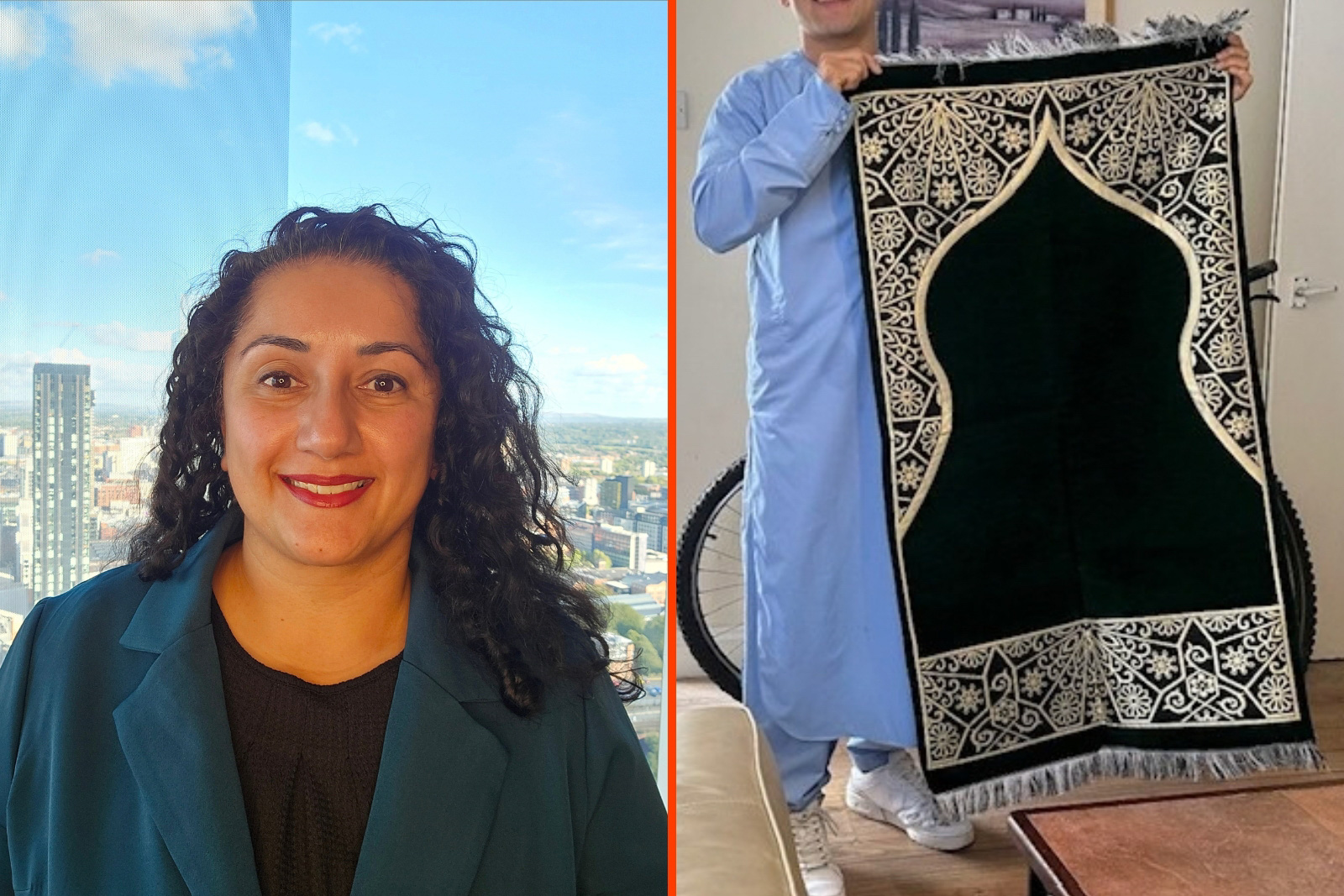
Afzal Khan, Labour MP for Manchester Rusholme, said: “Every couple should be able to have the wedding that they’ve dreamt of, but the UK’s wedding laws are outdated and don’t even recognise some religious ceremonies or accept places such as beaches and forests as having legally binding status.
“That is until now, because the Labour government is updating our marriage laws to reflect modern Britain, giving everyone the equal opportunity to have their perfect marriage. I think it’s wonderful that everyone will be able to have the wedding they want in the place they want on their most special day.”
The consultation wording, introduced by deputy prime minister David Lammy on Thursday, reads: “The Hindu ritual of the couple walking seven times around the Agni, the sacred fire, or the Muslim ritual of the exchange of ijāb (offer) and qubūl (acceptance) are understood within these religions to be a central act by which the couple enter into marriage.
Related content
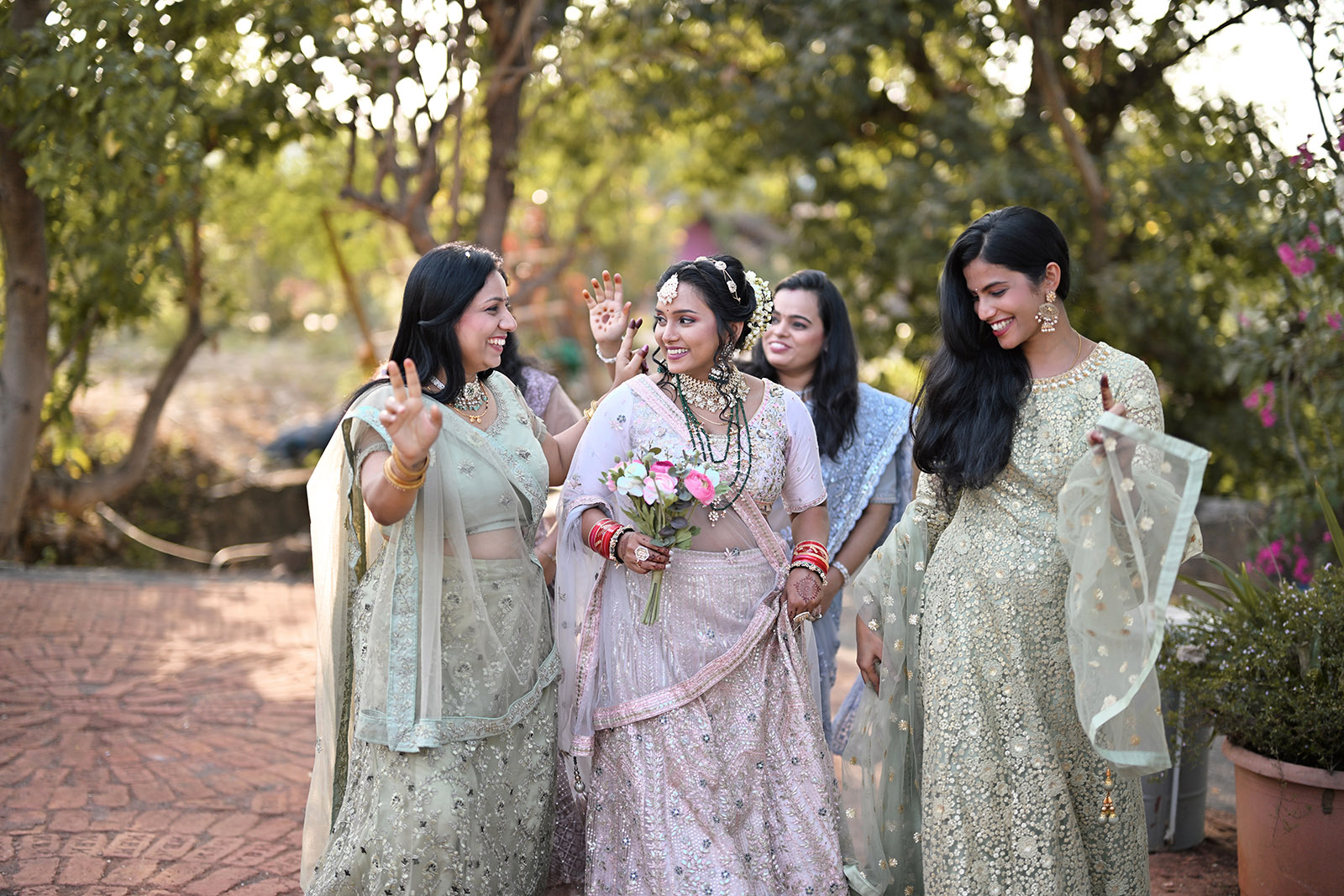
“Under the current law, these acts are not recognised as a lawful expression of consent to a legally valid marriage and similar concerns may arise for non-religious belief organisations whose ceremonies may express consent through actions, including rituals, rather than by set words.
“The government agrees with the Law Commission that, in religious and non-religious belief ceremonies, consent should be capable of being expressed through actions as well as words. This would mean that actions or words could be recognised as the moment that a marriage is legally formed, provided that the couple, the officiant and the witnesses share an understanding of the meaning and significance of the action or words. The government considers that this would better reflect the diversity of traditions and practices used in wedding ceremonies.”
The reforms may still take some time to happen as, in a statement in October 2025, the government said it would reform marriage laws only “if time allowed”. The consultation on the changes runs until 24 September.
Editor’s note: this article was amended on 21 July 2026 to make clear that couples would still need paperwork for marriages to be legally recognised.