
The Agency season 2 — this excellent show should be much bigger than it is
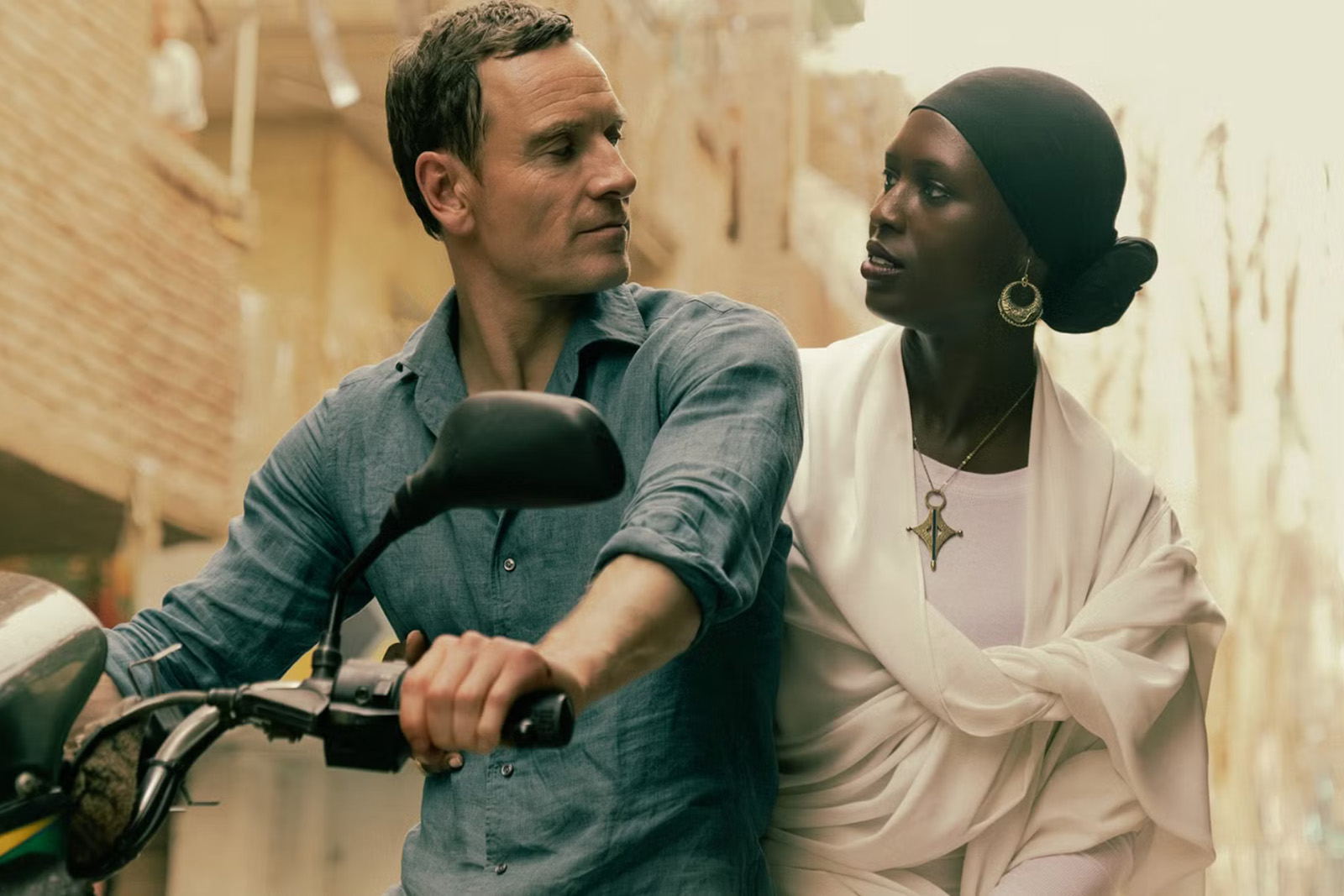
Starring Michael Fassbender, Richard Gere, Jodie Turner-Smith and Amir El-Masry, the spy thriller ought to be a headline-grabbing TV event

It’s increasingly rare that a TV show becomes a widespread cultural phenomenon. Not because television got worse, but because it got so good. Every streaming service is packed with acclaimed dramas, prestige adaptations and sharp sitcoms (Apple TV in particular is on an astonishing streak this year with Widows Bay, Pluribus, Margo’s Got Money Troubles and Maximum Pleasure Guaranteed). The challenge is no longer finding something worth watching, it’s finding the time to watch it all. The inevitable consequence is that even genuinely excellent shows can struggle to break through. Case in point, The Agency should be much bigger than it is.
A spy thriller written by brothers Jez Butterworth (Jerusalem, The Ferryman) John-Henry Butterworth (The Edge Of Tomorrow, Ford Vs Ferrari), and starring Michael Fassbender, Jeffrey Wright, Richard Gere and Jodie Turner-Smith, The Agency ought to be a headline-grabbing television event. Instead, it has become a low-key triumph, a record-setter for Paramount+, but still the sort of series you hear about via a lively WhatsApp group. As its second season arrives, that recommendation feels more urgent.
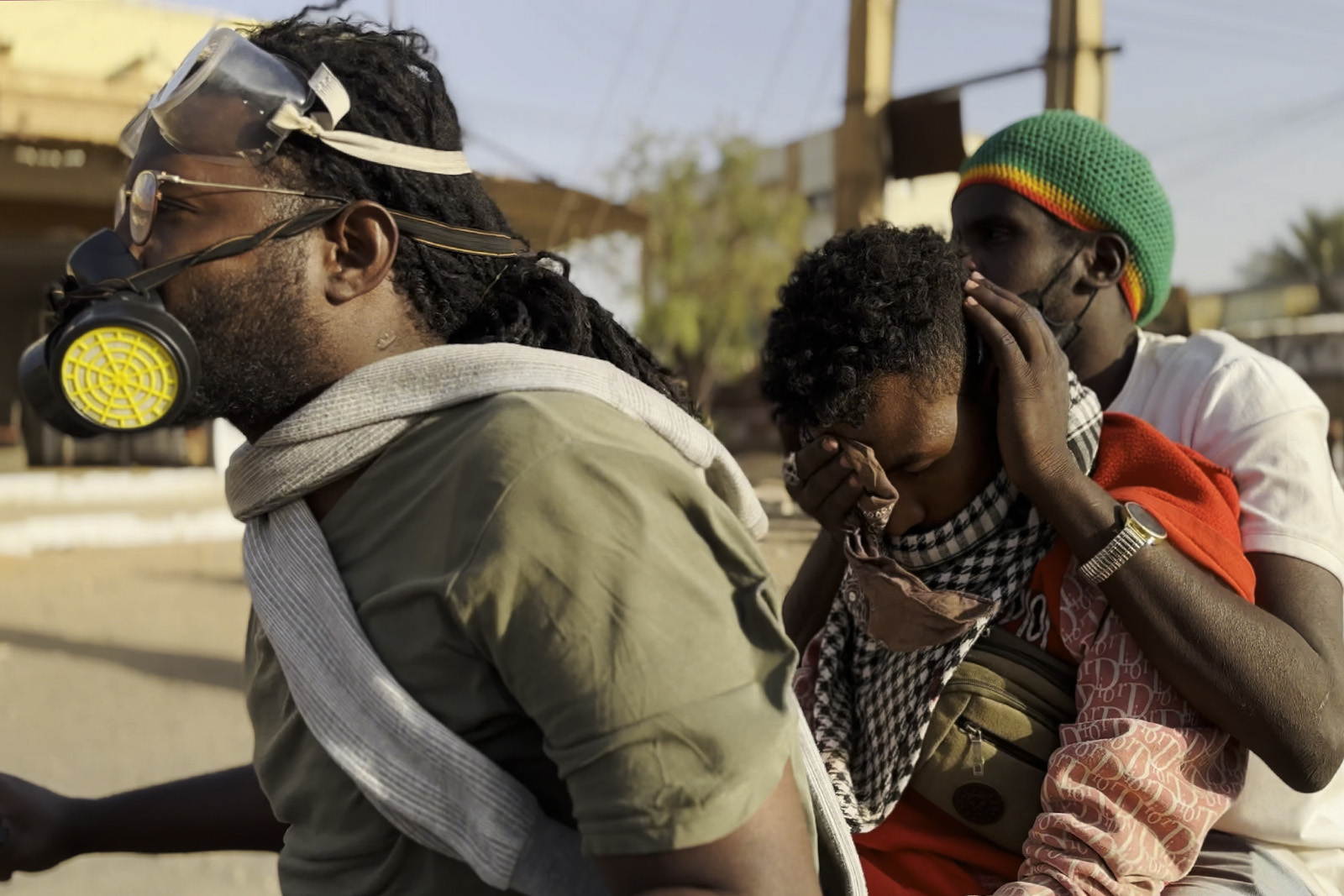
When we left covert CIA agent Martian (Fassbender) at the end of season one, he had made the truly cursed decision to become a double agent, further complicating his already fractured loyalties. To save Samia (Turner-Smith), the woman he loves, he had agreed to be compromised, cornered and trapped in an increasingly untenable allegiance. Season two picks up with Samia imprisoned in Sudan, and Martian discovering a truth that applies to both spycraft and bad life choices: once you start digging yourself into a hole, every attempt to escape tends to involve more digging.
On paper The Agency could be dismissed as a jingoistic show that problematic dads around the planet would love, but in practice it’s filled with nuance, suspense and performances from some of Hollywood’s finest. Gere glowers through intelligence briefings, Fassbender spends most of his time looking deeply troubled, Wright’s charming baritone fills every room and Dominic West shows off the impeccable American accent he honed in The Wire.
Most importantly, almost everybody is carrying at least one secret capable of destabilising a small nation while looking effortlessly chic. Reducing it to a dad show would be unfair. Beneath the expensive outerwear and geopolitical intrigue lies one of television’s most thoughtful examinations of what happens to a psyche that spends too long pretending to be somebody else.
Most spy dramas treat espionage as a chess match. The Agency is more interested in the wreckage left behind by the moving pieces. Martian’s problem is no longer that he has spent years pretending to be someone else — there is no true path back from it. After six years undercover in Ethiopia, the boundary between performance and reality has become perilously fragile. The first season asked whether he could leave that life behind. The second suggests he has no choice but to bring it home with him.
Few actors are better than Fassbender at conveying the strain of a man only maintaining a semblance of control. He has always excelled at characters — Shame, Black Bag, The Killer — who are barely holding themselves together. The closer he gets to saving Samia, the more reckless he becomes and every compromise creates the need for another. Every lie demands a bigger cover-up. The growing pressure gives season two a momentum its predecessor occasionally lacked. If the first season was concerned with laying foundations, this one delights in testing their structural integrity. Professional relationships fray, old loyalties become liabilities and every conversation feels like it might lead to Martian’s undoing.
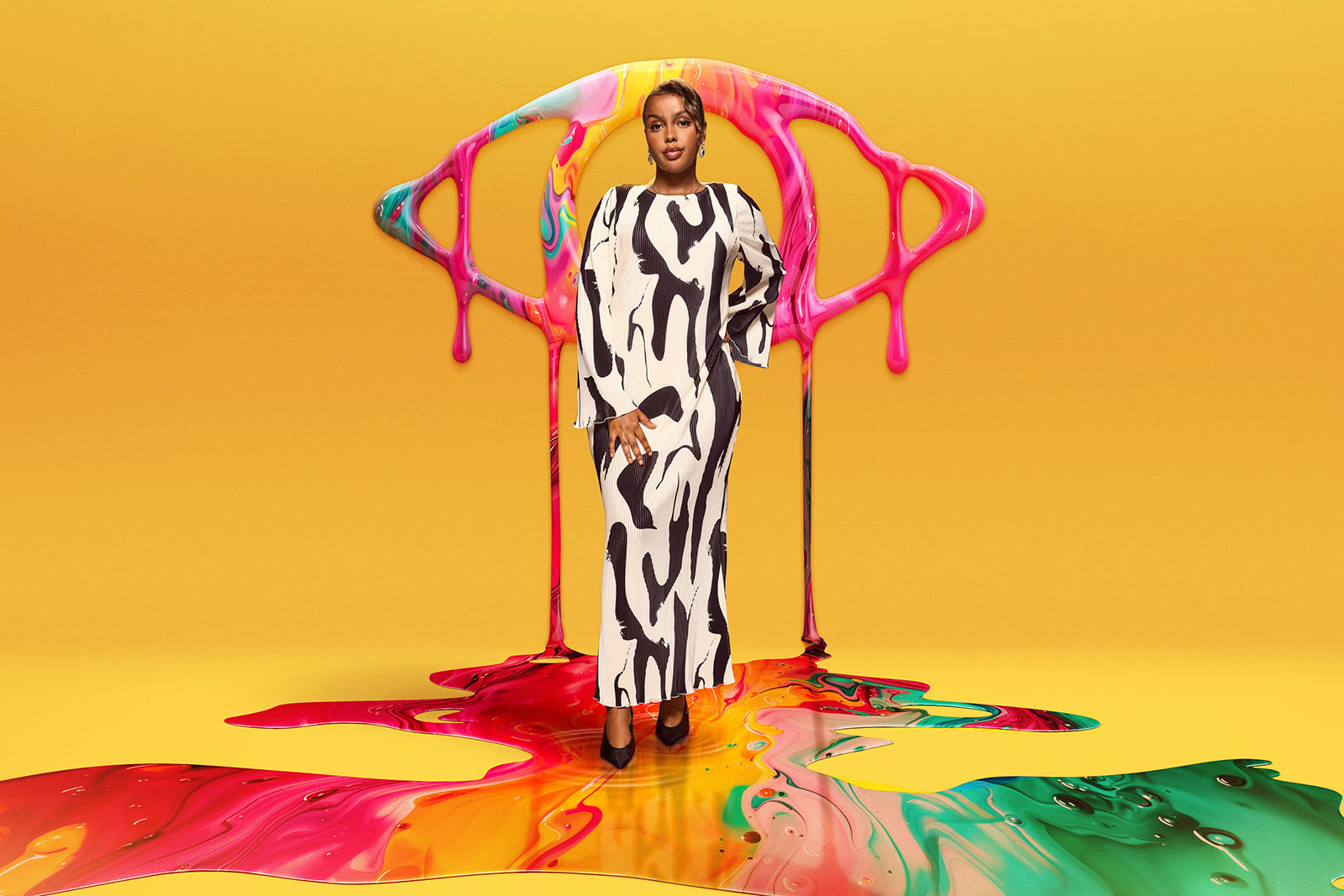
Turner-Smith’s Samia Zahir is just as important to the show’s success. Too often, women in espionage dramas exist alive or dead as motivations for male protagonists. Her character occupies a far more interesting position. She is not simply the person Martian loves; she is the crack in the concrete of his carefully constructed life.
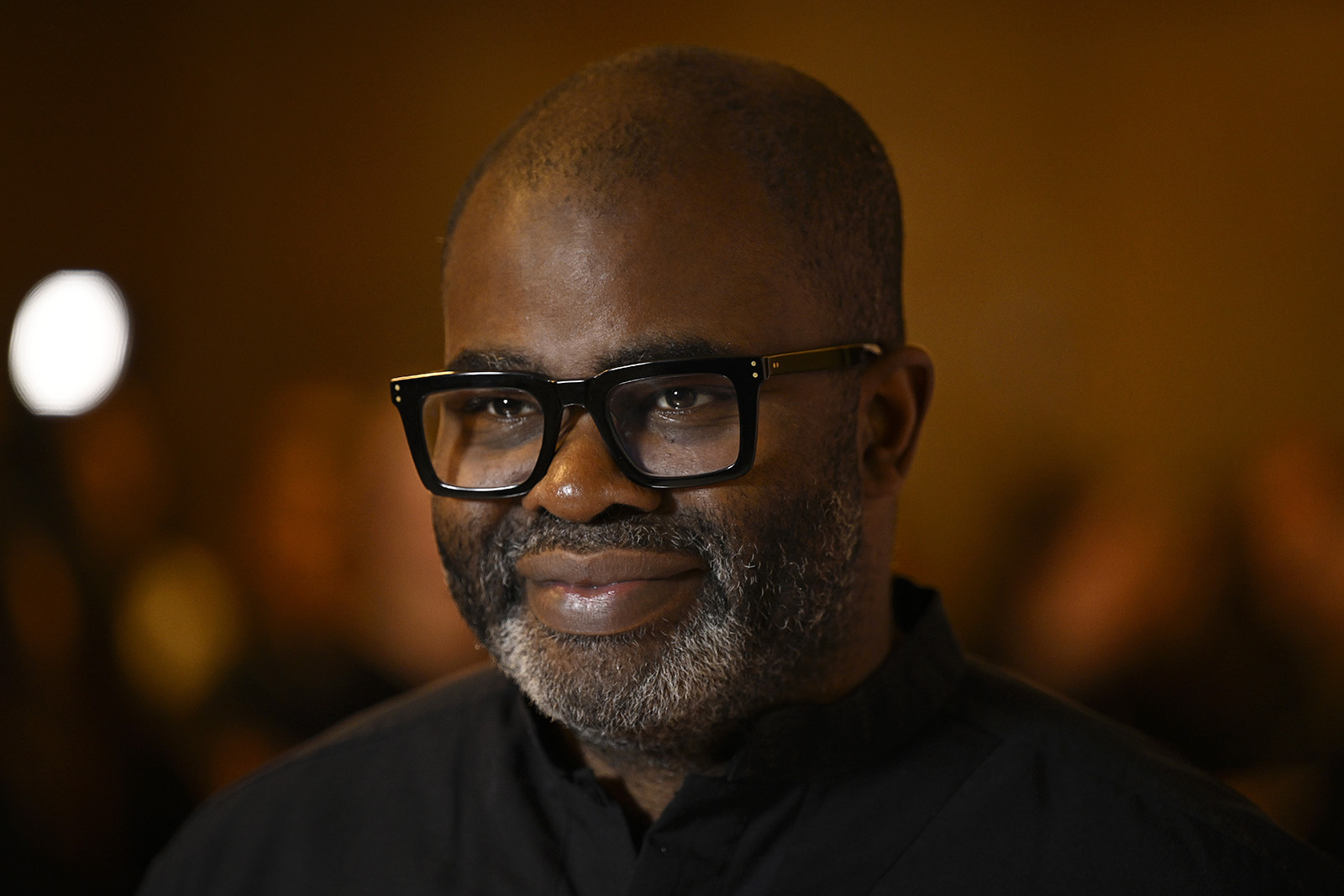
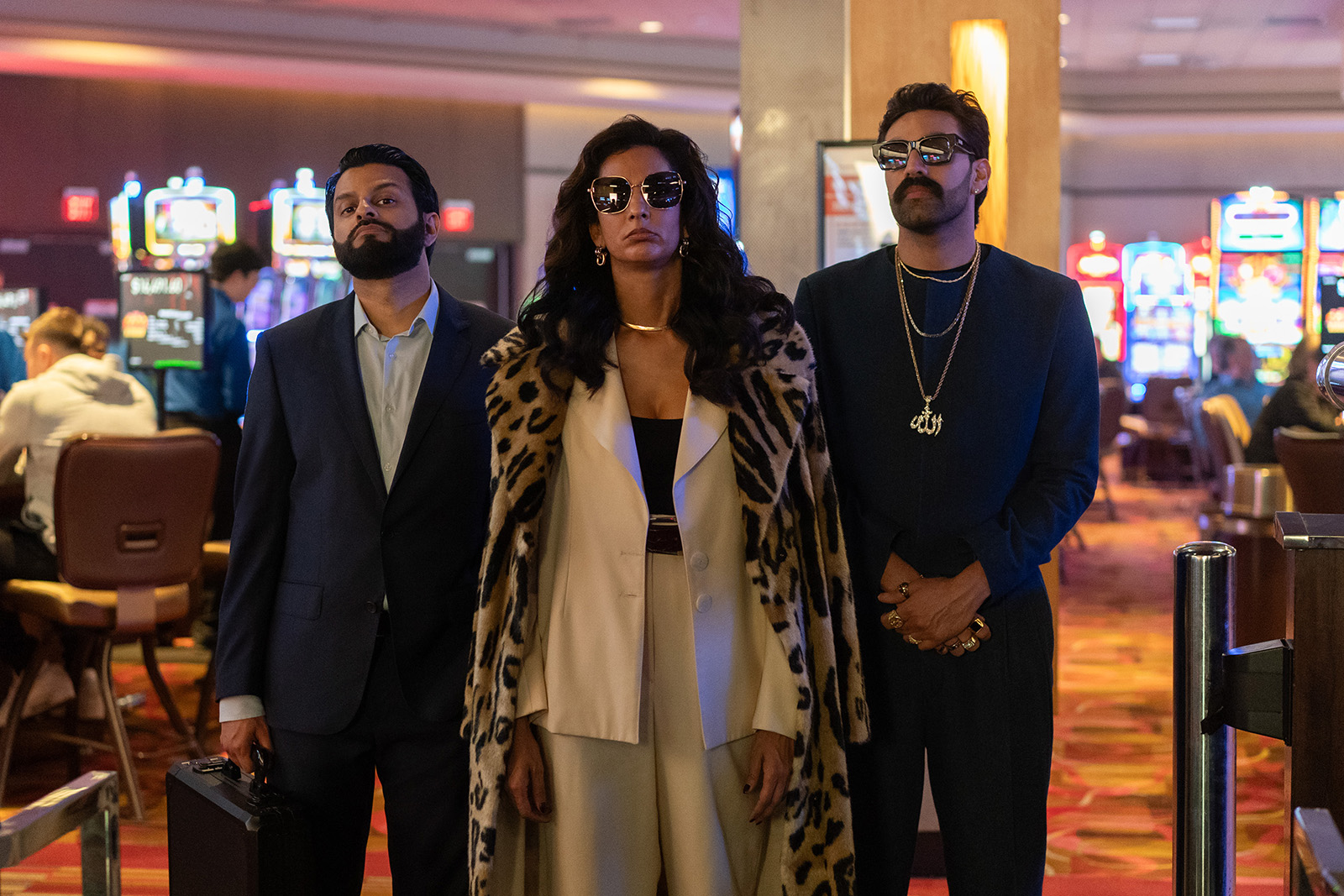
Among the new additions this season is Amir El-Masry as United Arab Emirates (UAE) intelligence officer Saeed. One of Britain’s most exciting actors — Limbo, The Night Manager, In Camera — El-Masry makes Saeed charming but mercurial, in a genre that has historically rendered the Middle East as two dimensional scenery or menace. Saeed is not a foil or a threat but a complex operative whose loyalties come with their own inner turmoil. Alongside storylines stretching through Sudan and Iran, his presence makes good on what The Agency promised — that this is a story about the world as it actually is, not as American exceptionalism requires it to be.
Most spy dramas ask you to care about the outcome, The Agency requires you to care about the cost. It finds that cost in Sudan, in Iran, in the precise and particular figure of a UAE intelligence officer with his own loyalties and his own reasons. Like the best of its characters, this series turns out to have been considerably more complex than it first let on.