
Mosques spend thousands on security as government scheme fails to cough up
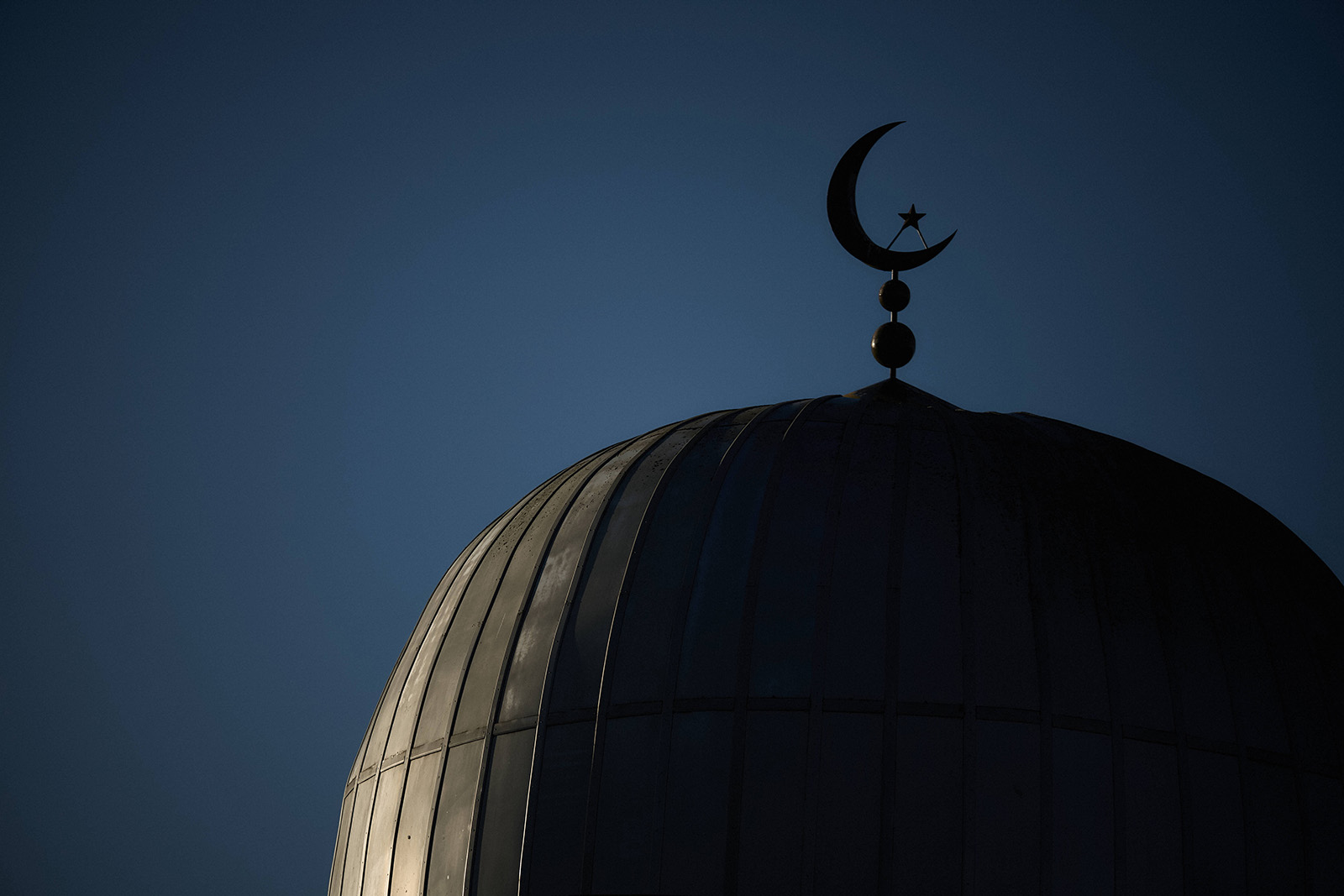
The £40m Home Office fund for security at mosques has been called ‘not fit for purpose’ with places of worship waiting months without contact

Mosques across the UK have told Hyphen that they are spending huge chunks of their budgets on security while the government’s £40m annual “protective security for mosques” scheme fails to meet their needs.
Hyphen revealed earlier in June that control of the protective security scheme, to which mosques can apply for funding for practical measures, could be handed to devolved local authorities after an intervention from Andy Burnham’s Greater Manchester Combined Authority. Shaukat Warraich, chief executive of the security consultancy Faith Associates, said he had recently met the prime minister’s team in Downing Street to raise concerns about the pitfalls of the scheme.
Mosques told Hyphen they have been waiting up to two years for applications to be processed, have not received any updates and that there is no point of contact at the Home Office. Dr Naomi Green, assistant secretary general of the Muslim Council of Britain, called for an overhaul of the government scheme, describing it as “shrouded in secrecy and not fit for purpose”.
Related content
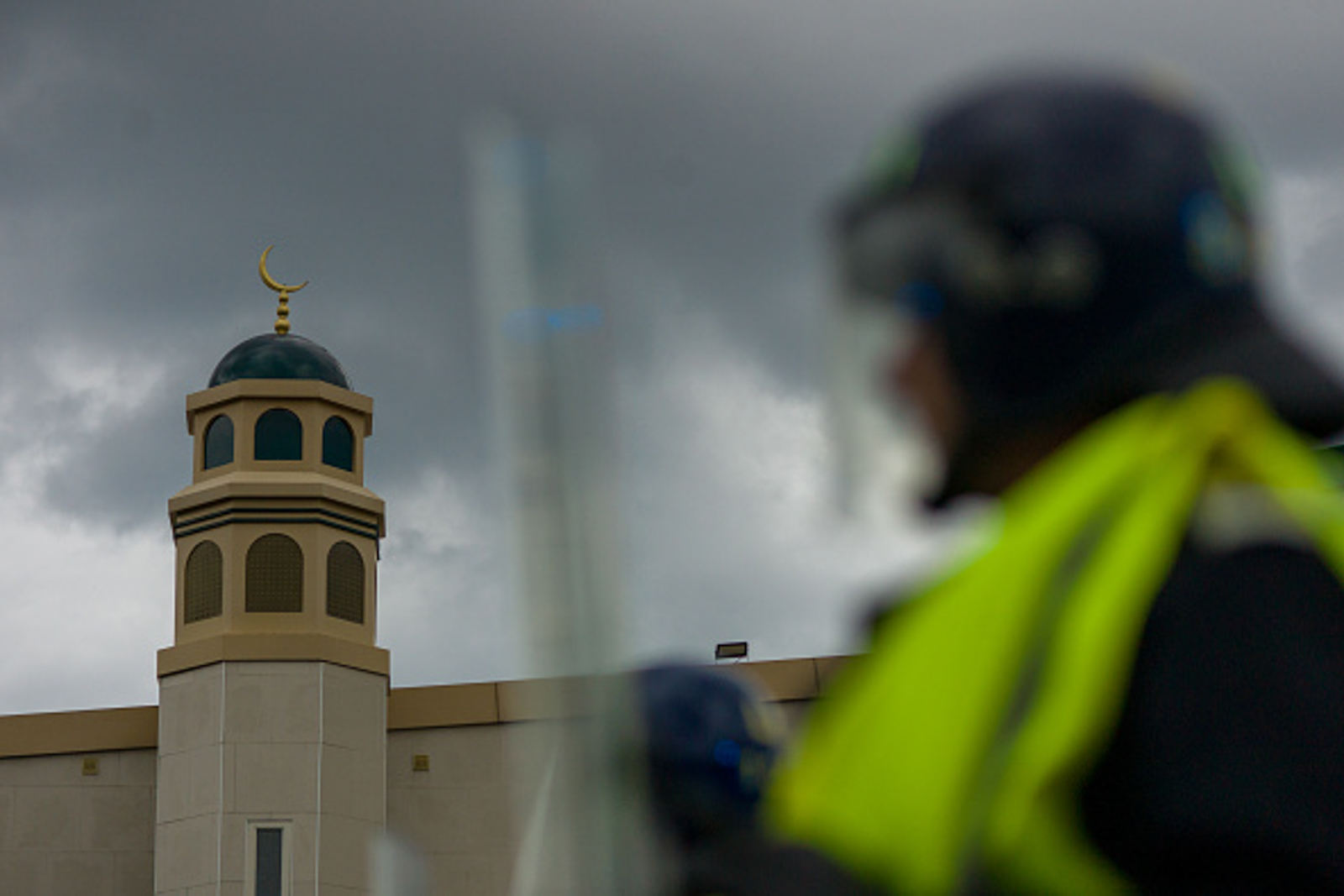
“Whilst mosques across the UK continue to face almost weekly hostile activity, all we get from the Home Office is a business-as-usual ‘your application is being processed’ response,” she said. “The tone-deaf nature of this Home Office unit could not be more apparent.”
Following a spate of Islamophobic attacks this year, places of worship say they have been forced to take matters into their own hands at significant cost.
One mosque in central London, which is visited by 2,500 worshippers each week, is currently spending upwards of £5,000 a month on security guards and equipment — a quarter of its overall budget. A spokesperson told Hyphen the government scheme that was supposed to help cover the cost of such measures was “fundamentally flawed and disconnected from our reality”.
“Grassroots centres shouldn’t have to wait for a tragic, violent incident to occur on their doorstep just to be deemed ‘high risk’ enough for protection,” they said, speaking on condition of anonymity in the wake of a new “code of conduct” for applicants that penalises organisations for comments that could “reflect negatively” on the scheme. “Our application was rejected as we already had surveillance cameras.”
They lamented that the cash the mosque now spends on security could otherwise cover vital repairs, such as upgrading its lift to make the building more accessible for elderly and disabled worshippers, as well as helping local families struggling with the rising cost of living, running educational and recreational programmes for young people, and providing mental health support.
A mosque in Plaistow, east London, has spent £23,000 installing surveillance cameras after being targeted by vandals. It applied to the government scheme in April, but suffered another incident in May when an intruder entered the mosque after making a racist remark towards a worshipper.
A trustee for the mosque said they were still waiting for a response from the Home Office. “It is something they say is there for you, but they don’t do anything,” they said. “They don’t give us any updates, no estimated timeline. It doesn’t help at all.”
The mosque is now spending about £1,500 a month on security.
“It’s not enough,” the trustee said. “We need trained, professional security. Some of our worshippers are elderly people who find peace and tranquility when they come to the mosque. We need to make it safer for the community.”
The stabbing of five people in Edinburgh in a suspected anti-Muslim attack earlier in June has left mosques in Scotland feeling particularly vulnerable.
“We are looking at getting body cameras,” said a vice chair at one mosque in Aberdeen. “For peak times it would be useful to get security personnel as well.”
The mosque currently relies on volunteers to act as security during Friday prayers and has installed more CCTV cameras. “We’ve added coded doors that we open before prayer times and lock after prayers,” the vice chair said. “We didn’t have anything in the sisters’ area before, but we have had a couple of incidents where someone has come in through the door.”
Faith Associates runs a paid-for service that helps mosques improve their security. It offers advice on how mosques can “re-architect” their buildings against attacks, what equipment they need, and how to train their leaders and volunteers to maximise protection.
Warraich said the number of mosques approaching Faith Associates for guidance had tripled since November 2025 due to fears around security. “We’ve delivered training to 700 mosque leaders since then,” Warraich said. “Many mosques are perplexed. They are not harming anybody, they are peaceful places, they have soup kitchens and food banks and do great work in the community.”
He described the government’s funding scheme as “patchy”. “Many mosques feel the government response has been inadequate. Their fear levels have increased, but they don’t feel the support has increased.”
Related content
Following riots in Belfast, Warraich met with Downing Street advisers earlier in June. He believes the government is “starting to realise they need to think of another way to develop this protective security model”, noting that “Belfast [has prompted] a monumental shift in thinking”.
Warraich argued that funding should be modelled on how the Jewish community protects its own synagogues and given directly to the Muslim community rather than external contractors who “do not know the community”. Following the riots of summer 2024, the government contracted facilities management company Mitie to provide security support to mosques. But this support was withdrawn after a month in most places.
“The community has the capability and capacity to develop its own protective security within the law, but it needs that funding to be earmarked by the government,” Warraich said.
The protective security for mosques scheme handed out £29.4m in 2024-25, and £27m between April and October 2025.
A Home Office spokesperson said: “Muslims in the UK face appalling levels of religious hate crime. It’s crucial that they not only are safe but feel safe.
“This government has increased funding for protective security at mosques, Muslim faith schools and community centres to record levels — up to £40 million in 2026‑27. We are working to process all applications as quickly as possible.”